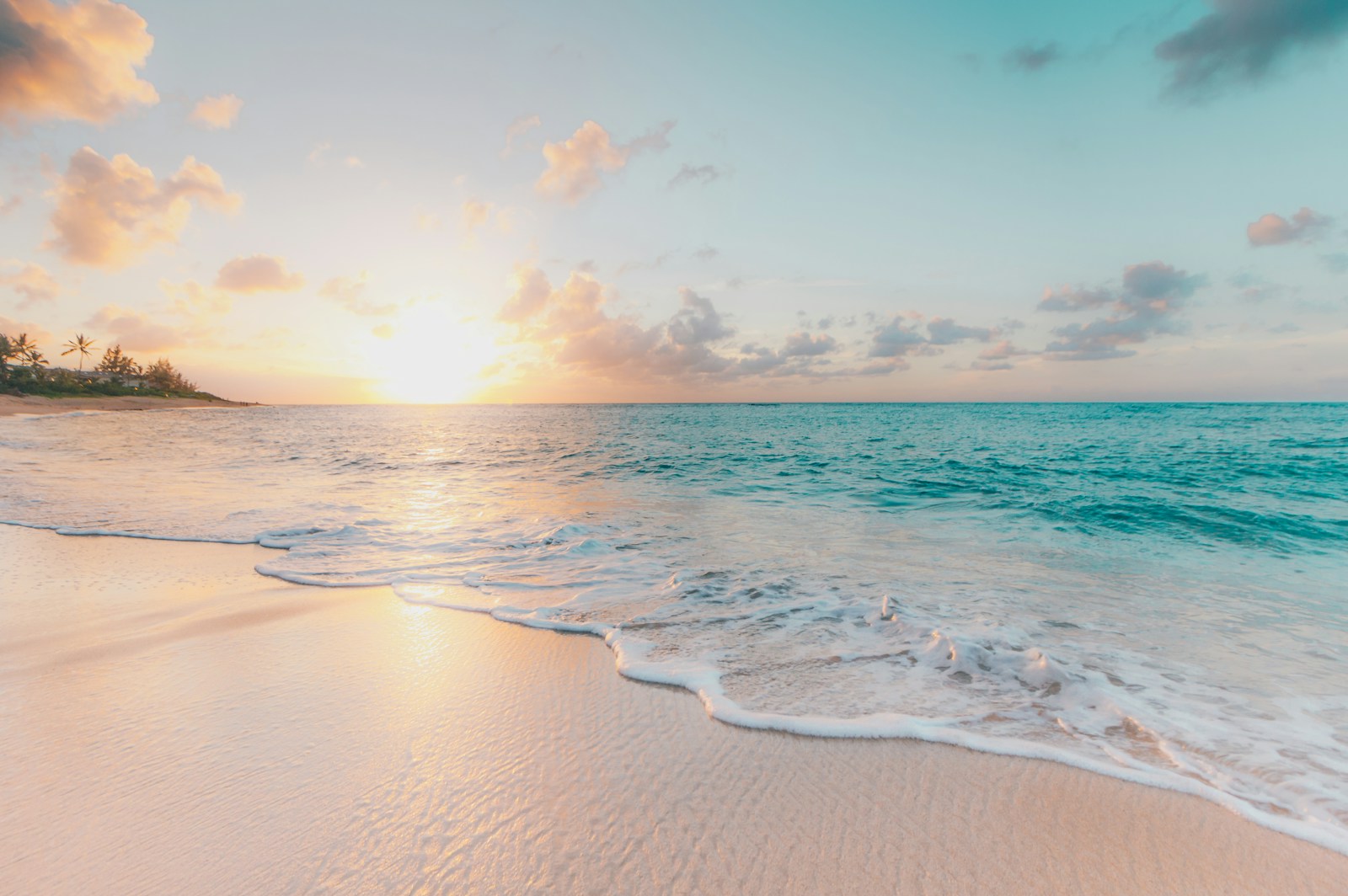
In the emerald waters of Tonga's Vava'u island group, where the South Pacific achieves a perfection of color and clarity that seems almost digitally enhanced, Nuku Island is a tiny, uninhabited coral jewel that embodies the postcard fantasy of the tropical island. Barely 500 meters long and fringed by a beach of powdery white sand so fine it squeaks underfoot, Nuku sits within a maze of islands and channels that together form one of the South Pacific's premier sailing and whale-watching destinations.
The island's beauty is unambiguous and overwhelming. Coconut palms lean over the beach at the precise angle dictated by the trade winds, their fronds casting rhythmic shadows on sand so white it's almost blinding. The water surrounding the island transitions from the palest aquamarine at the beach to deep sapphire within meters, the coral reef dropping away to a depth that sustains a rich marine ecosystem. The only structures are a simple shelter and a few picnic tables maintained for day visitors — Nuku is officially uninhabited, its pristine condition protected by Tonga's relatively modest tourism numbers and by the respect of the local communities who consider it part of their maritime domain.
Tongan cuisine, enjoyed at the nearby lodges and homestays of the Vava'u group, is characterized by its generous simplicity. Fresh fish — tuna, mahi-mahi, and wahoo — is prepared grilled, baked in coconut cream, or raw as ota ika (Tongan ceviche, marinated in citrus and coconut). Root crops — yam, taro, and cassava — provide starchy substance, while the cooking often centers on the umu, a traditional earth oven in which meats and vegetables are wrapped in banana leaves and slow-cooked over hot stones. Lu pulu — corned beef and coconut cream wrapped in taro leaves and baked in the umu — reflects the creative adaptation of imported ingredients into traditional preparation methods.
The Vava'u archipelago's greatest natural spectacle occurs between July and October, when humpback whales migrate from Antarctic feeding grounds to the warm, sheltered waters between the islands to give birth and mate. Tonga is one of the few places in the world where swimming with humpback whales is legally permitted, and the encounters — a 40-ton mother and calf hovering in crystalline blue water, the mother's eye meeting yours with unmistakable intelligence — rank among the most profound wildlife experiences available anywhere on the planet. Between whale encounters, the archipelago's dive sites, sea caves, and hidden beaches provide weeks' worth of exploration.
Nuku Island is accessible by boat from the main port of Neiafu, the capital of Vava'u, a journey of approximately thirty minutes. Neiafu is served by Lupepau'u Airport with connections to Tonga's capital Tongatapu and to Auckland. Cruise ships anchor at Neiafu and offer Nuku as a day excursion. The dry season from May to October coincides with humpback whale season, making it the ideal window for visits. The wet season (November to April) brings warmer water temperatures but higher humidity and occasional tropical storms. Nuku Island offers the simplest and most potent of travel experiences — a perfect beach, a perfect sea, and nothing else.

