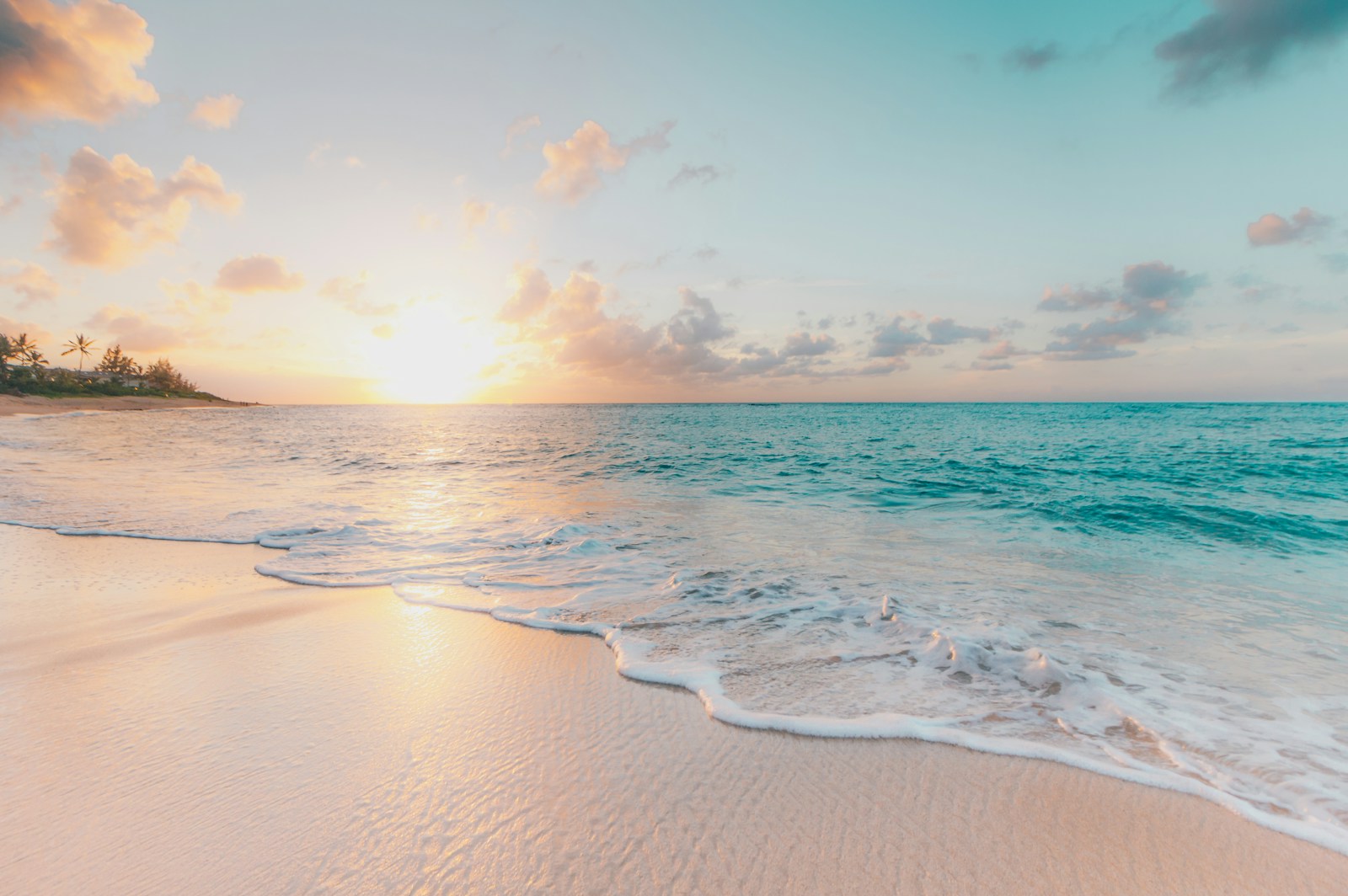
Rising from the Caribbean Sea like a mountainous emerald fringed with white sand, Tobago has maintained a character so distinct from its larger twin Trinidad that the two islands often feel like different countries sharing a single passport. While Trinidad pulses with the energy of Carnival, oil wealth, and multicultural dynamism, Tobago moves to an older, gentler rhythm — one dictated by trade winds, fishing seasons, and the slow unfurling of coconut fronds over some of the Caribbean's most beautiful and least developed beaches. Columbus sighted the island in 1498, but Tobago's real history is one of colonial tug-of-war, changing hands between European powers over thirty times before Britain finally prevailed.
The island's greatest natural treasure is its interior rainforest, protected since 1776 as the Main Ridge Forest Reserve — the oldest legally protected forest in the Western Hemisphere. This ancient canopy of silk cotton trees, giant ferns, and flowering epiphytes harbours over two hundred and sixty bird species, including the spectacular mot-mot, the cocrico (the national bird), and hummingbirds that materialize from the undergrowth like flying jewels. Guided hikes through the reserve follow trails established by Amerindian hunters long before European contact, crossing streams where blue crabs scuttle over moss-covered rocks and the air hangs heavy with the scent of wild nutmeg.
Tobago's beaches consistently rank among the Caribbean's finest, yet many remain blessedly uncrowded. Pigeon Point, with its picture-perfect thatched jetty extending into impossibly turquoise water, provides the island's most iconic image. Englishman's Bay, reached by a winding road through the northern rainforest, presents a crescent of golden sand backed by jungle-clad hills where howler monkeys provide the soundtrack. But it is the underwater world that truly sets Tobago apart — the island sits at the southern end of the Caribbean chain where Atlantic currents bring nutrient-rich waters that support coral gardens, brain coral the size of automobiles, and manta rays with wingspans exceeding five meters. The dive sites around Speyside and Little Tobago Island are legendary among serious divers.
Scarborough, the island's capital, climbs a hillside above its harbour with the relaxed energy of a Caribbean market town that has never tried to be anything else. Fort King George, built by the British in the 1770s atop the highest point, offers commanding views across the harbour and houses a small museum that traces Tobago's turbulent colonial history. The town's market sells the provisions that define Tobagonian cooking — scotch bonnet peppers, provision roots, and the ubiquitous coconut — while the food stalls outside serve curried crab and dumplings, the island's signature dish, with a heat and complexity that rewards the adventurous palate.
Costa Cruises and Cunard include Tobago in their southern Caribbean itineraries, with vessels typically calling at Scarborough's deep-water port. The island enjoys a tropical climate year-round, though the dry season from January through May offers the most reliable sunshine and the calmest seas for diving and snorkeling. Tobago's proximity to the South American continental shelf gives it a character distinct from the volcanic islands further north — more biodiverse, less manicured, and possessed of an authenticity that the more developed Caribbean destinations sacrificed long ago. The nearby towns of Charlotteville and Port of Spain on Trinidad offer further cultural depth for those with time to explore.

