Çanakkale commands one of the most strategically significant waterways in human history—the Dardanelles, the narrow strait connecting the Aegean Sea to the Sea of Marmara and, beyond it, Istanbul and the Black Sea. Civilizations have fought over this passage for over three millennia: the Trojans defended it against the Greeks (if Homer is to be believed), the Persians bridged it with boats to invade Europe, Alexander the Great crossed it in the opposite direction to conquer Asia, and the Ottoman Turks fortified both shores with the castles that give the city its name (Çanakkale literally means "pottery fortress," referencing both the fortifications and the town's traditional ceramic industry). In the twentieth century, the Gallipoli Campaign of 1915 made these shores the site of one of World War I's most devastating battles, cementing the Dardanelles' place in the collective memory of Turkey, Australia, New Zealand, and the United Kingdom.
The city of Çanakkale is a lively university town of 180,000 that serves as the essential base for exploring both the ancient ruins of Troy and the Gallipoli battlefields. The waterfront kordon (promenade) is anchored by a replica of the wooden horse from the 2004 film Troy and the fortress that gives the city its name, now a military museum. The old quarter's narrow streets are lined with Ottoman-era houses, traditional meyhanes (tavern-restaurants), and the workshops of the ceramicists who continue a craft tradition dating back centuries—Çanakkale pottery, with its distinctive blue-and-white patterns, is prized throughout Turkey. The Archaeological Museum houses finds from Troy and the surrounding Troad region, providing context for the UNESCO World Heritage Site that lies just 30 kilometers to the south.
The culinary culture of Çanakkale draws from the extraordinary bounty of the Dardanelles and the surrounding agricultural hinterland. The strait's strong currents produce exceptional seafood: sardines, anchovies, sea bass, and the prized pelamut (bonito) that migrates through the Dardanelles twice yearly and is celebrated with its own festival. Meyhane culture thrives along the waterfront, where tables are laden with meze—a procession of small dishes that might include stuffed mussels, octopus salad, fried calamari, fava bean purée, and börek (flaky pastry filled with cheese or spinach)—accompanied by rakı, the anise-flavored spirit that is Turkey's national drink. The surrounding Troad region produces excellent olive oil, and the town of Ezine, nearby, gives its name to one of Turkey's finest white cheeses, a brined variety similar to feta that appears on every breakfast table.
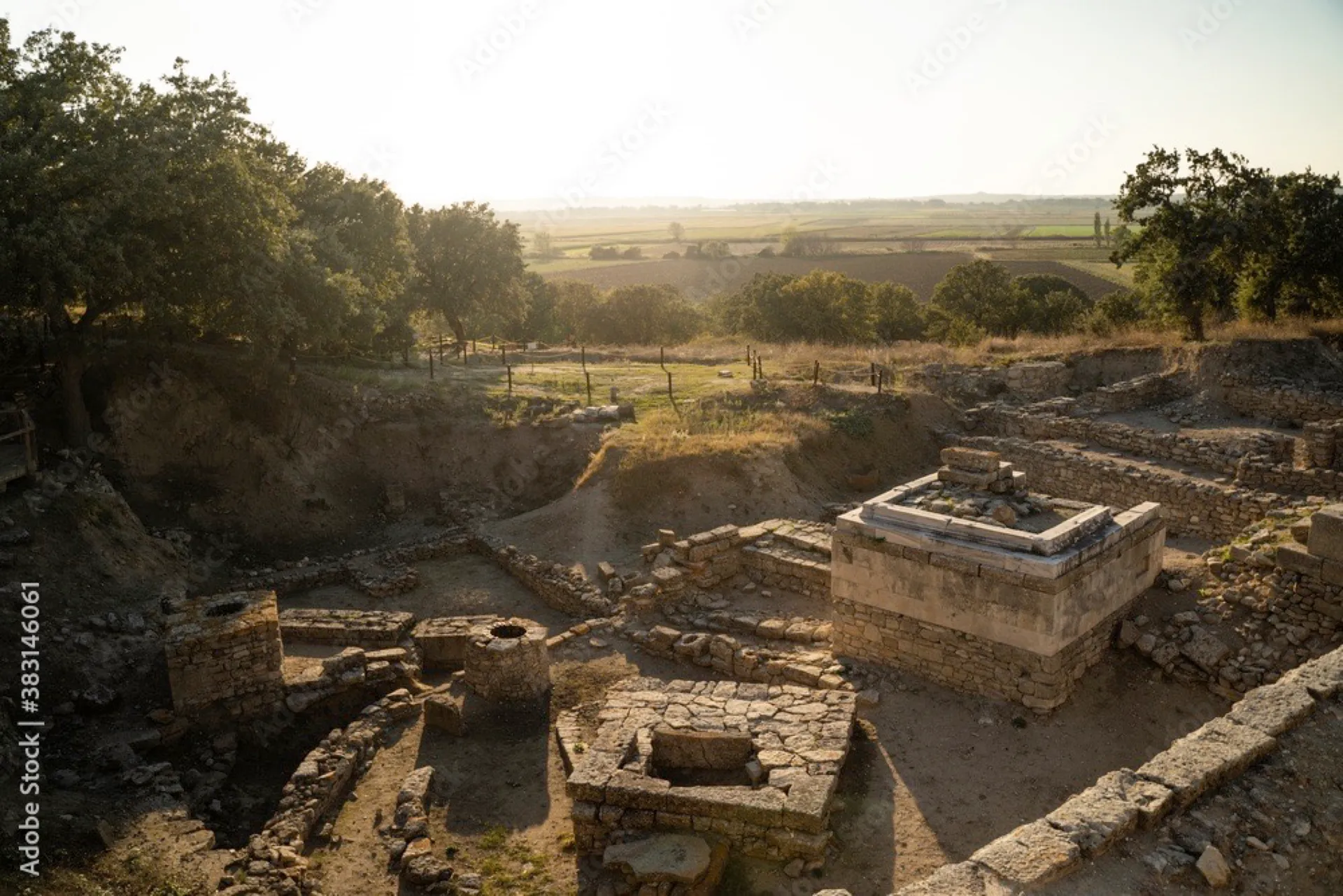
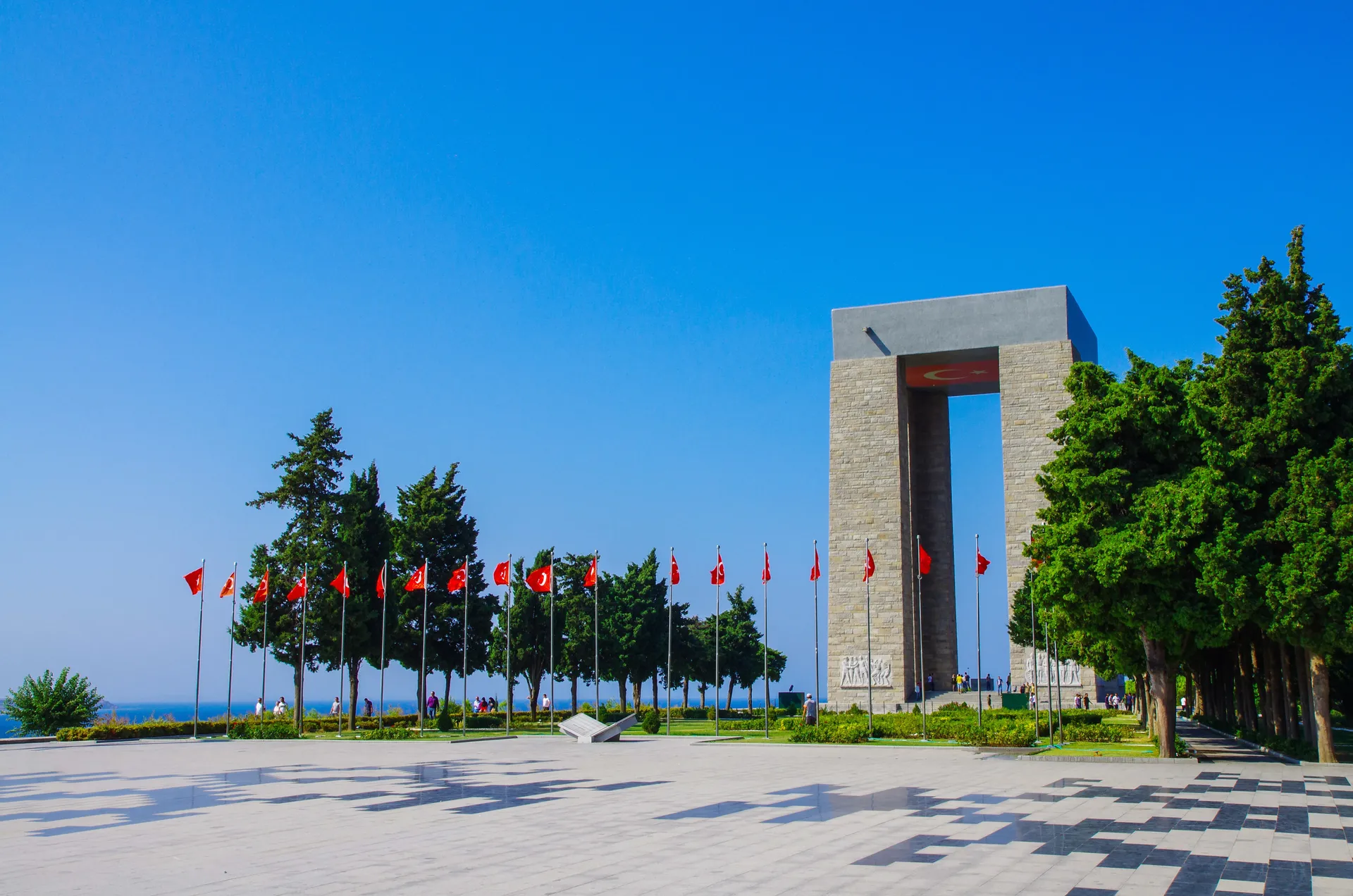
Troy, the legendary city besieged by the Greeks in Homer's Iliad, lies a short drive south of Çanakkale and represents one of the most important archaeological sites in the world. Nine layers of occupation spanning 4,000 years have been excavated on this hilltop overlooking the plain of the Scamander, from the Early Bronze Age settlement (Troy I, circa 3000 BC) through the Greek and Roman cities to the Byzantine era. The new Troy Museum, opened in 2018, brilliantly contextualizes the site with artifacts, interactive displays, and a narrative that weaves together myth, archaeology, and the ongoing scholarly debate about which layer represents Homer's Troy. Across the strait, the Gallipoli Peninsula preserves the battlefields, cemeteries, and memorials of the 1915 campaign—Anzac Cove, Lone Pine Cemetery, and the Turkish memorial at Çanakkale Martyrs' Memorial are sites of profound emotional power, visited each year by thousands of Australians, New Zealanders, and Turks.
Oceania Cruises, Scenic River Cruises, Seabourn, and Viking include Çanakkale on their Aegean, Eastern Mediterranean, and Dardanelles itineraries. Ships dock at the city pier or anchor in the strait, with the city center immediately accessible. The best visiting season runs from April through October, with spring (April–May) offering comfortable temperatures, wildflower-covered battlefields, and the emotional Anzac Day commemorations on April 25. Summer brings heat (35°C+) but vibrant waterfront life, while autumn offers warm seas and softer light. Çanakkale stands at the crossroads of myth and history, Europe and Asia, ancient and modern—a city where the straits that have shaped civilizations for millennia continue to flow, and where the stories they carry remain as powerful as ever.