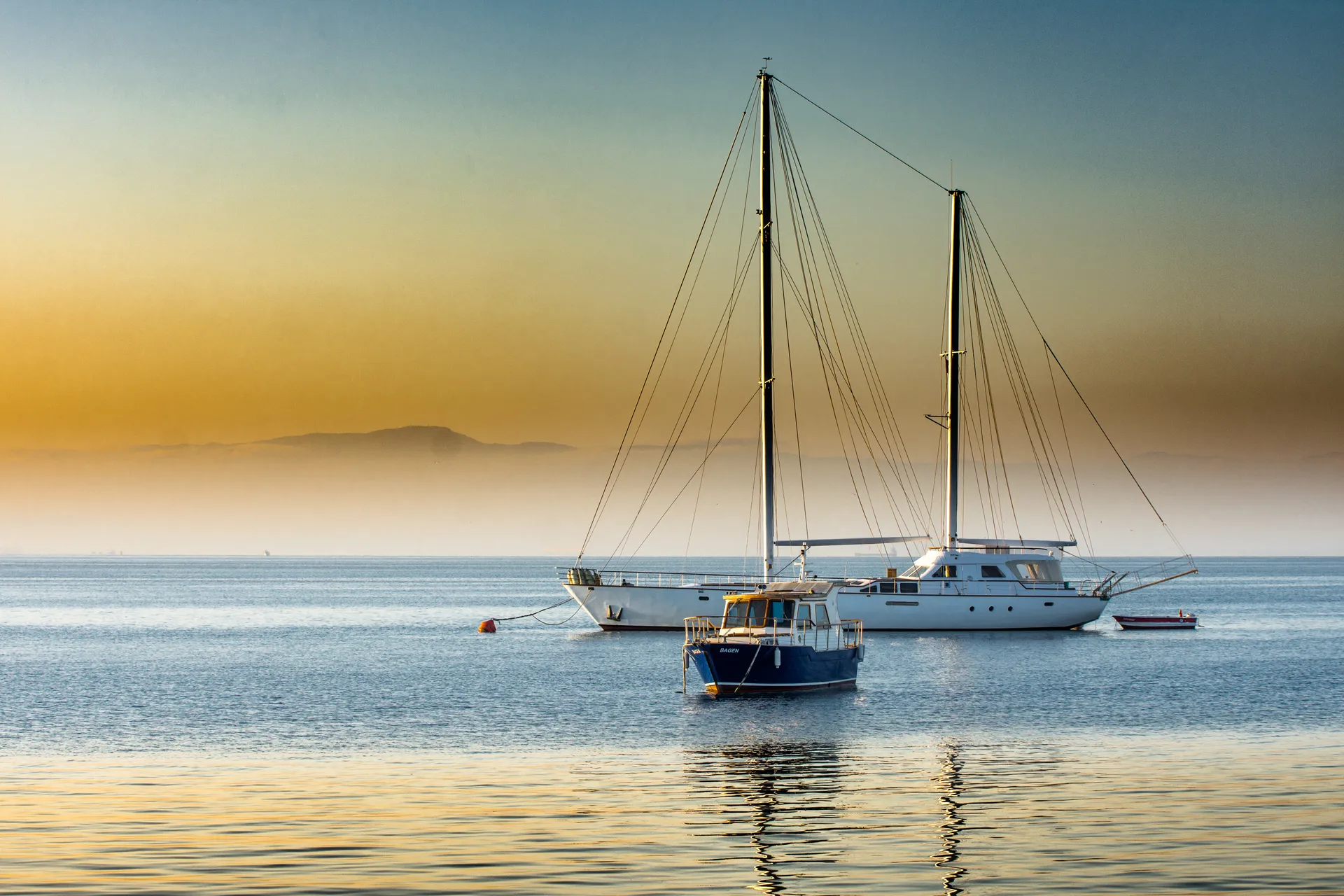
On the Aegean coast of western Turkey, where olive groves descend in silver-green terraces to a shoreline of volcanic headlands and sheltered coves, Dikili drowses in the particular contentment of a town that has largely escaped the tourist industrialization of its more famous neighbors. Here, just fifty kilometers north of Izmir's urban sprawl, the pace of life still follows the rhythms of the fishing boats that depart before dawn and the farmers' market that fills the harbor square with the scent of fresh herbs and sun-warmed tomatoes every Saturday morning.
Dikili's history is inseparable from that of ancient Atarneus, the hilltop city whose ruins command the heights above the modern town. Atarneus was where Aristotle lived and taught for three years in the fourth century BC, at the invitation of his friend Hermias — the ruler who had transformed this small Aeolian polis into a center of philosophical inquiry. The ruins are fragmentary but evocative: massive defensive walls of fitted stone, cisterns cut into bedrock, and commanding views across the Gulf of Dikili to the island of Lesbos — the same panorama that Aristotle contemplated while developing the observational methods that would transform Western thought. A visit to Atarneus is a pilgrimage to one of the birthplaces of systematic inquiry, made more affecting by the site's absolute lack of commercialization.
The town itself is a pleasant jumble of Ottoman-era houses, Republican-period civic buildings, and the concrete apartment blocks that characterize modern Turkish coastal towns. The harbor, protected by a long breakwater, hosts a lively fishing fleet whose daily catch supplies the excellent fish restaurants along the waterfront — grilled levrek (sea bass), fried kalamar, and meze platters of cold octopus salad, stuffed vine leaves, and the creamy ezme (pepper paste) that defines Aegean Turkish cuisine. The thermal springs at Kocaoba, just outside town, have been drawing bathers since Roman times and now feed a modest but genuine hammam experience.
Dikili serves as the departure point for one of Turkey's most rewarding archaeological excursions: the ancient city of Pergamon (Bergama), whose acropolis — crowned by the steepest theater in the ancient world and the foundations of the great Altar of Zeus — rises dramatically from the Caicus plain just thirty kilometers to the south. The Pergamon Museum experience has been transformed by the installation of a modern cable car that whisks visitors from the valley floor to the acropolis in minutes, revealing the full sweep of the city's strategic position as it climbs. The Asclepion, the ancient medical center in the valley below, adds another dimension to a site that UNESCO has rightly inscribed on the World Heritage List.
Cruise ships anchor in Dikili Bay and tender passengers to the harbor pier, an arrival that sets an appropriately intimate tone for a port whose pleasures are understated rather than spectacular. Most cruise lines offer organized excursions to Pergamon, but independent travelers will find taxis and local transport readily available. The coast around Dikili rewards exploration: Bademli village to the north preserves a quieter, older way of life, and the beach at Çandarlı — dominated by a magnificent Genoese fortress — offers swimming in clear Aegean waters. Visit between April and October, with May and September offering the ideal combination of warm weather, manageable crowds, and the crystalline Aegean light that makes every stone and olive leaf seem to vibrate with clarity.

