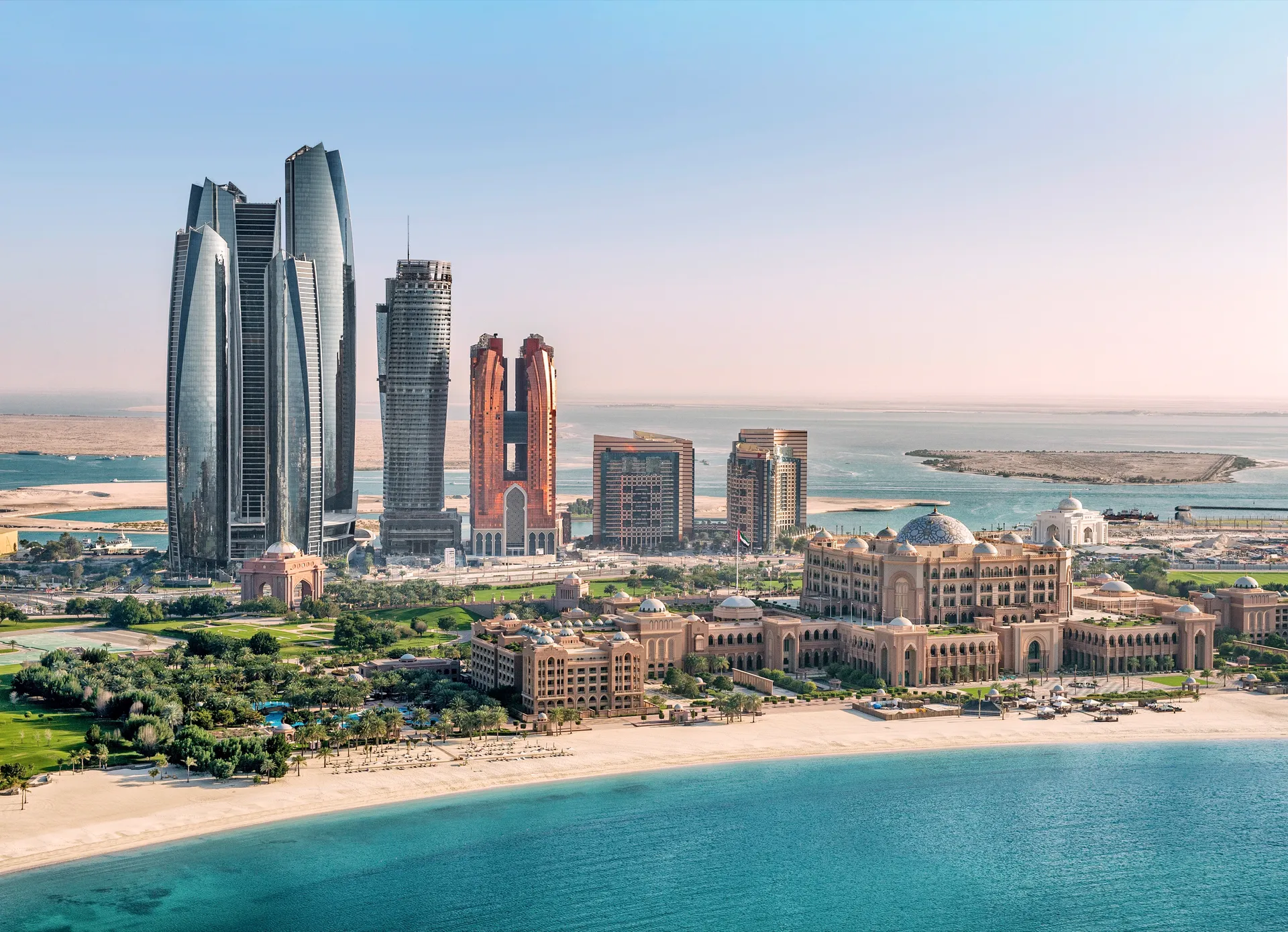
Barely half a century ago, Abu Dhabi was a modest pearling village of coral-stone watchtowers and barasti huts lining a tidal creek. The discovery of oil in 1958 beneath the Murban sands triggered one of history's most dramatic urban metamorphoses, transforming a quiet coastal settlement into the gleaming capital of the United Arab Emirates — a city where Bedouin heritage and futuristic ambition coexist in striking tension.
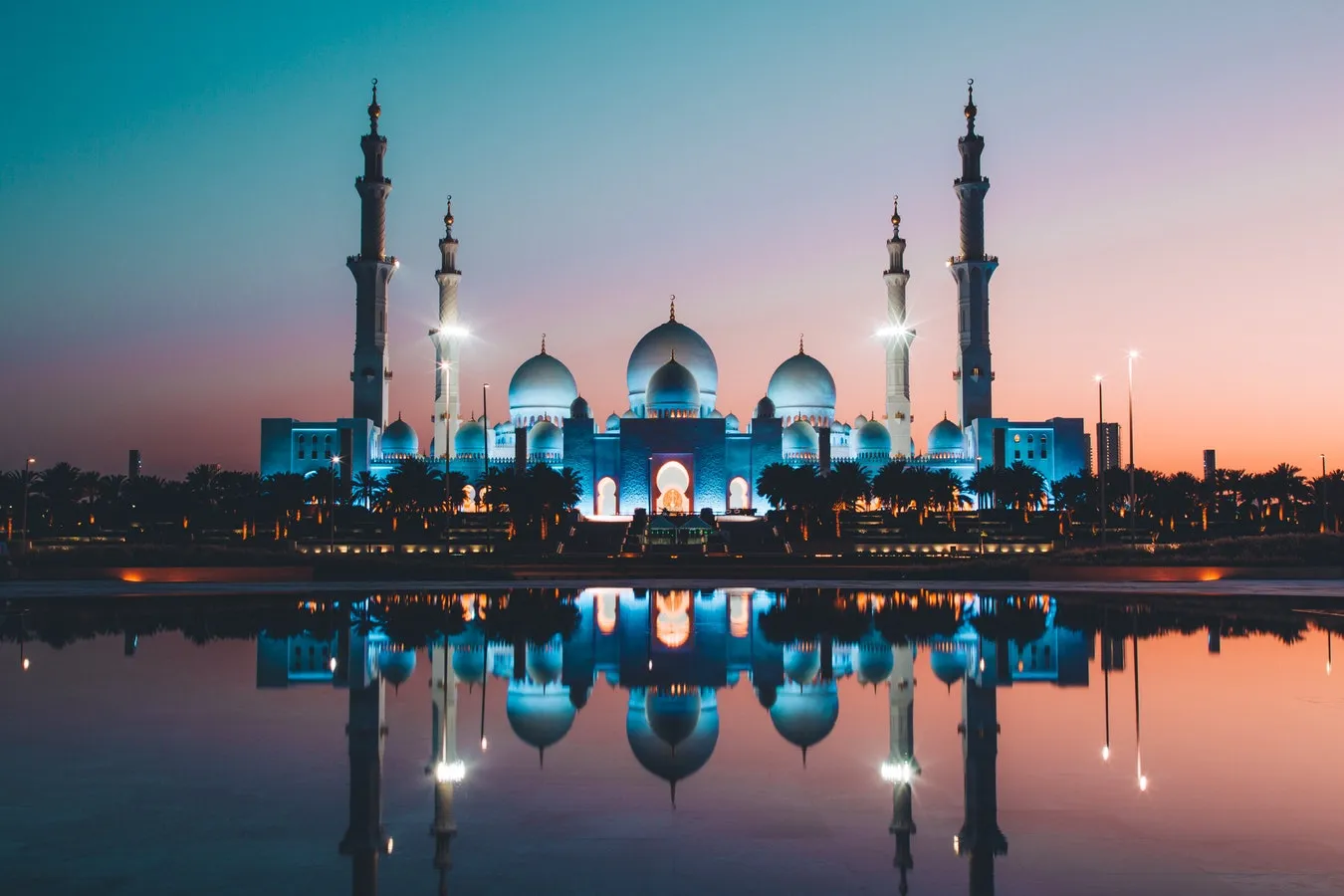
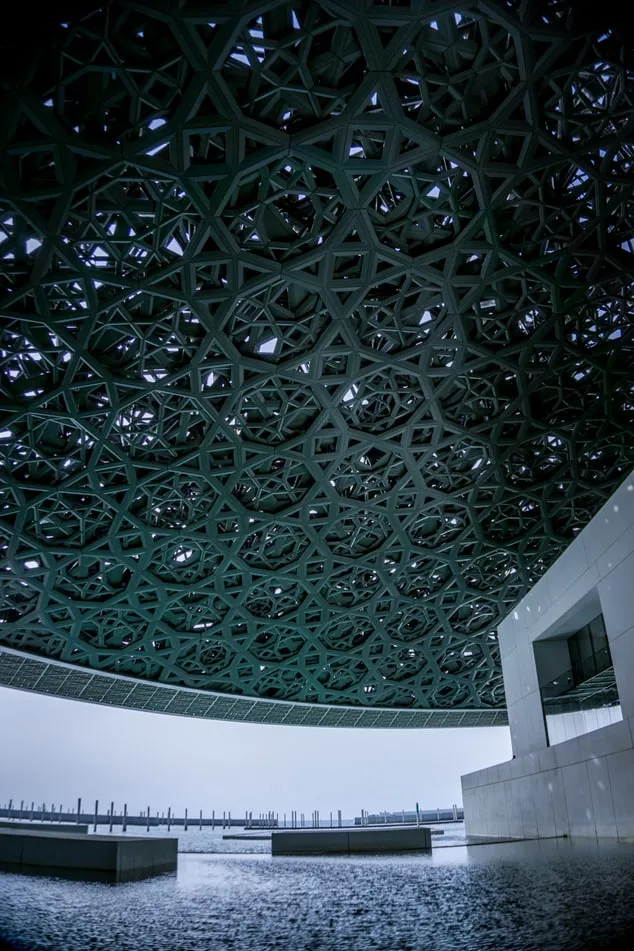
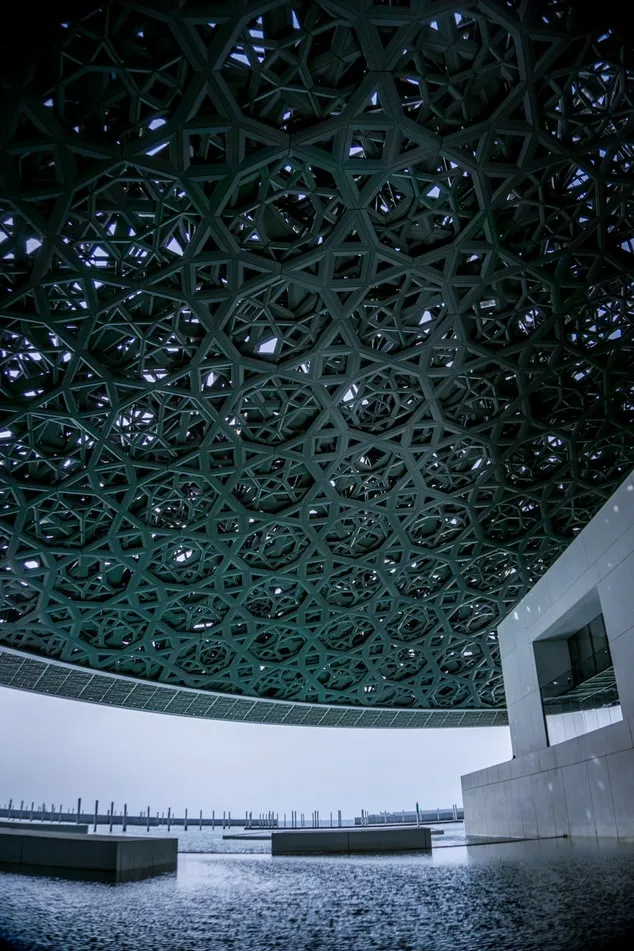
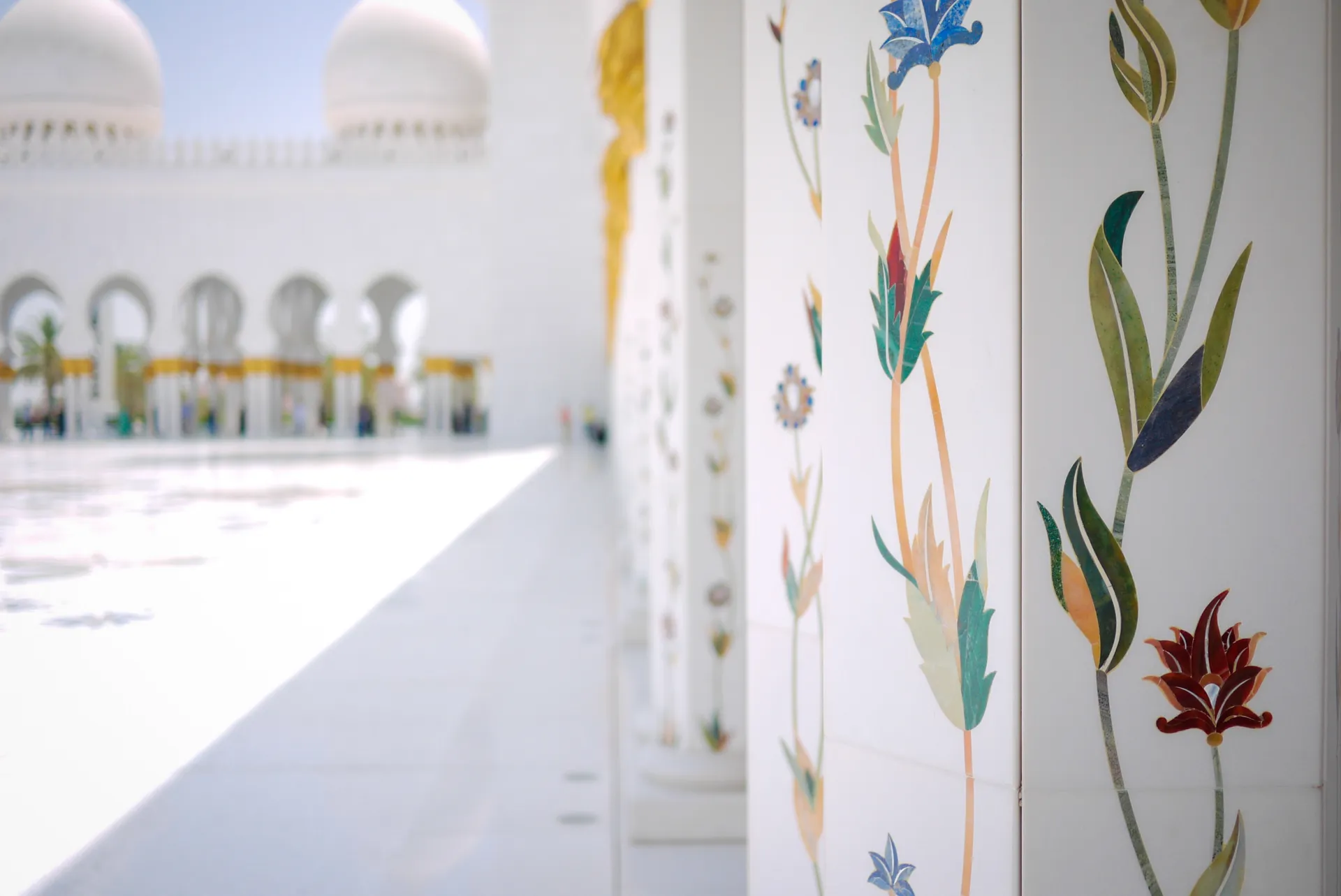
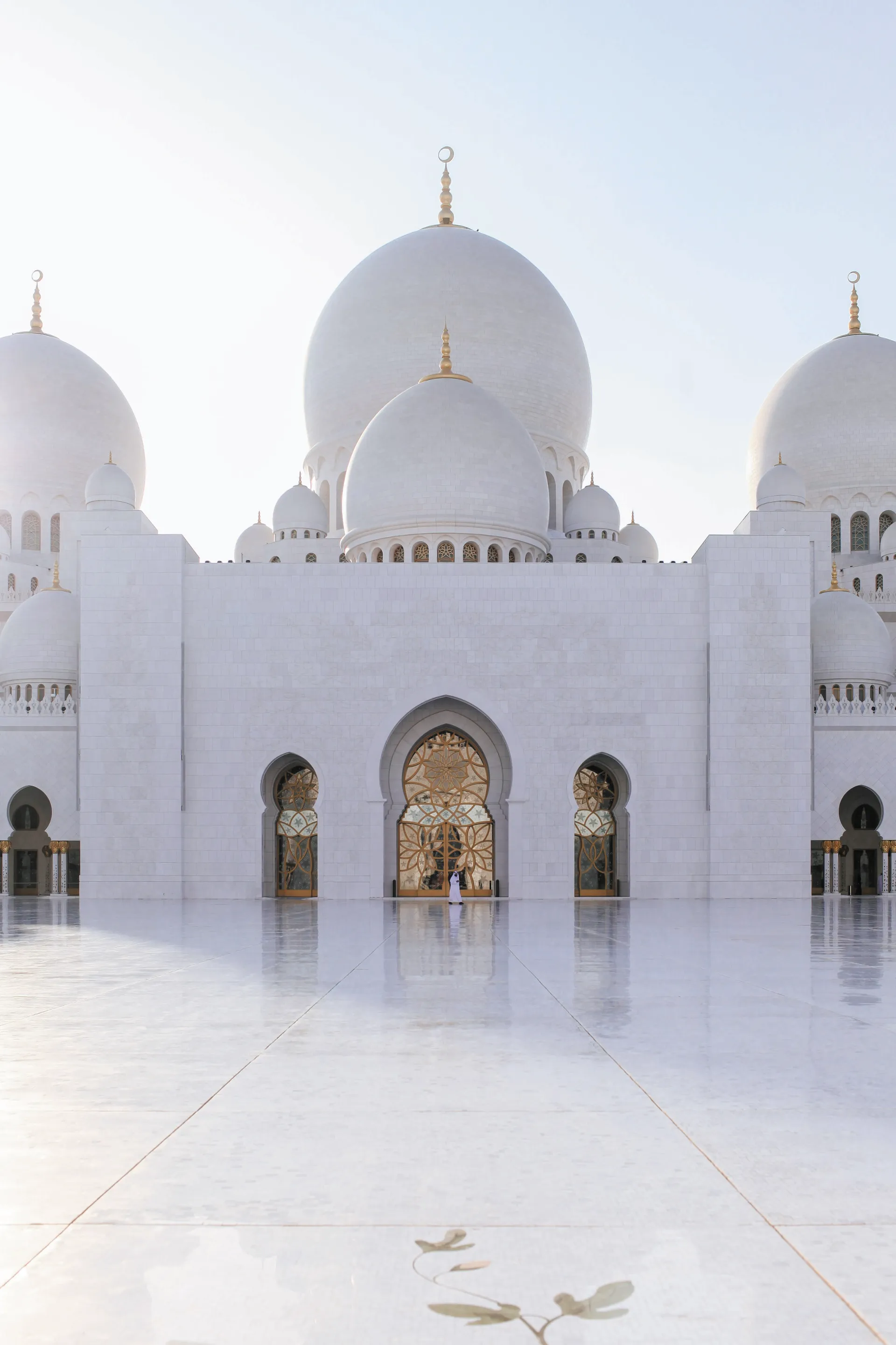
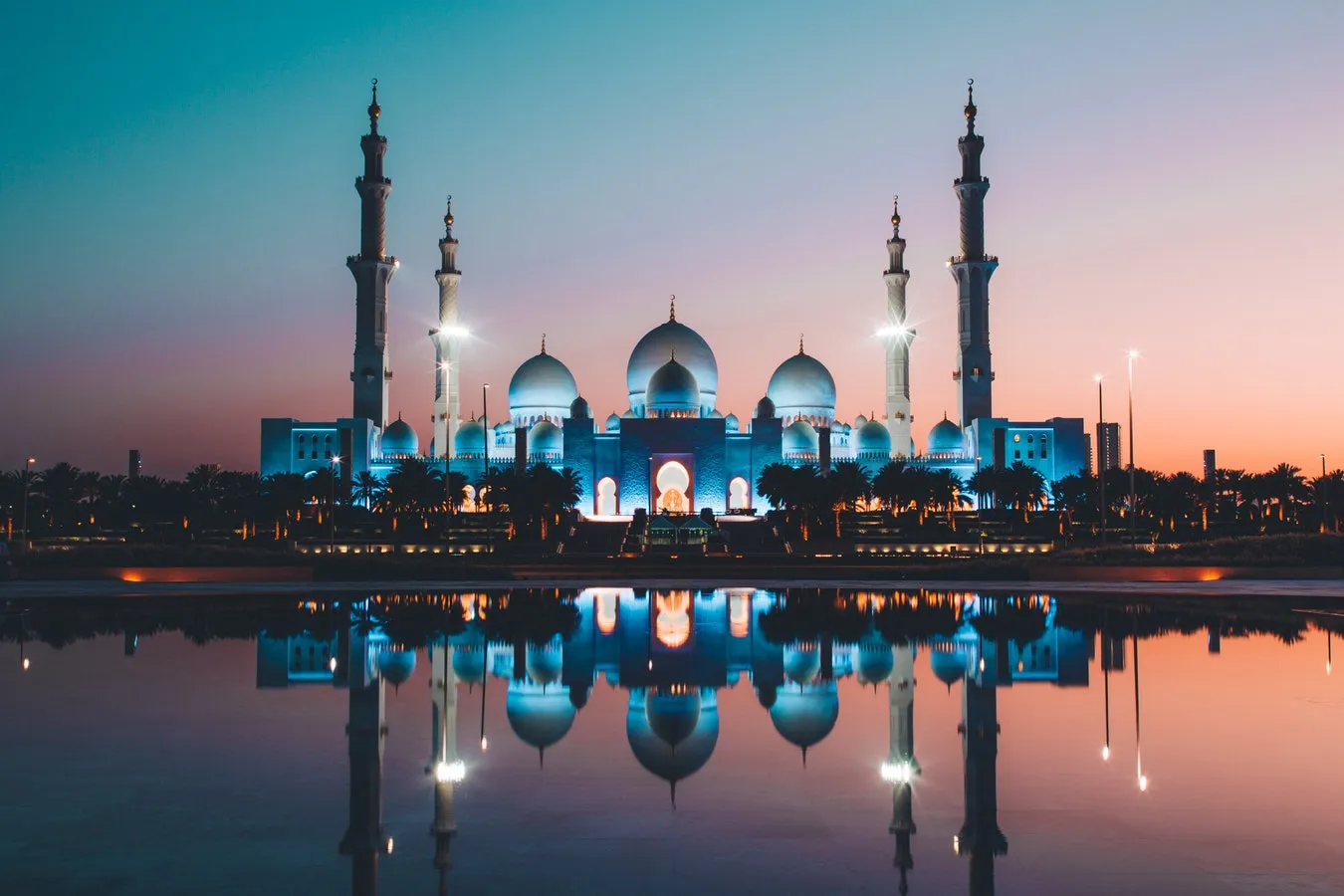
Abu Dhabi's skyline may bristle with glass towers, but its soul resides in spaces of deliberate beauty. The Sheikh Zayed Grand Mosque, with its eighty-two domes, over a thousand columns clad in Macedonian marble, and the world's largest hand-knotted carpet, stands as a monument to Islamic artistry that leaves even the most seasoned travelers breathless. On Saadiyat Island, the Louvre Abu Dhabi — Jean Nouvel's masterwork of interlocking geometric screens — filters desert light into a rain of luminous patterns across galleries housing works from ancient Mesopotamia to contemporary masters. The Corniche, an eight-kilometer waterfront promenade, offers a more quotidian beauty: families strolling past manicured gardens and turquoise lagoons as dhows glide silently in the harbor beyond.
The city's culinary landscape reflects its cosmopolitan population. At the Mina Zayed fish market, Emirati fishermen unload the morning catch of hammour, safi, and sheri — reef fish that appear hours later as masgouf-style grills in traditional restaurants along Al Maryah Island. Luqaimat, golden dumplings drizzled with date syrup and sesame, are the quintessential Emirati sweet, while machboos — fragrant spiced rice with lamb or chicken — anchors family tables across the emirate. The souks of Al Mina deliver a sensory immersion: mountains of saffron, frankincense, and dried limes beside stalls of woven textiles and ornate perfume bottles.
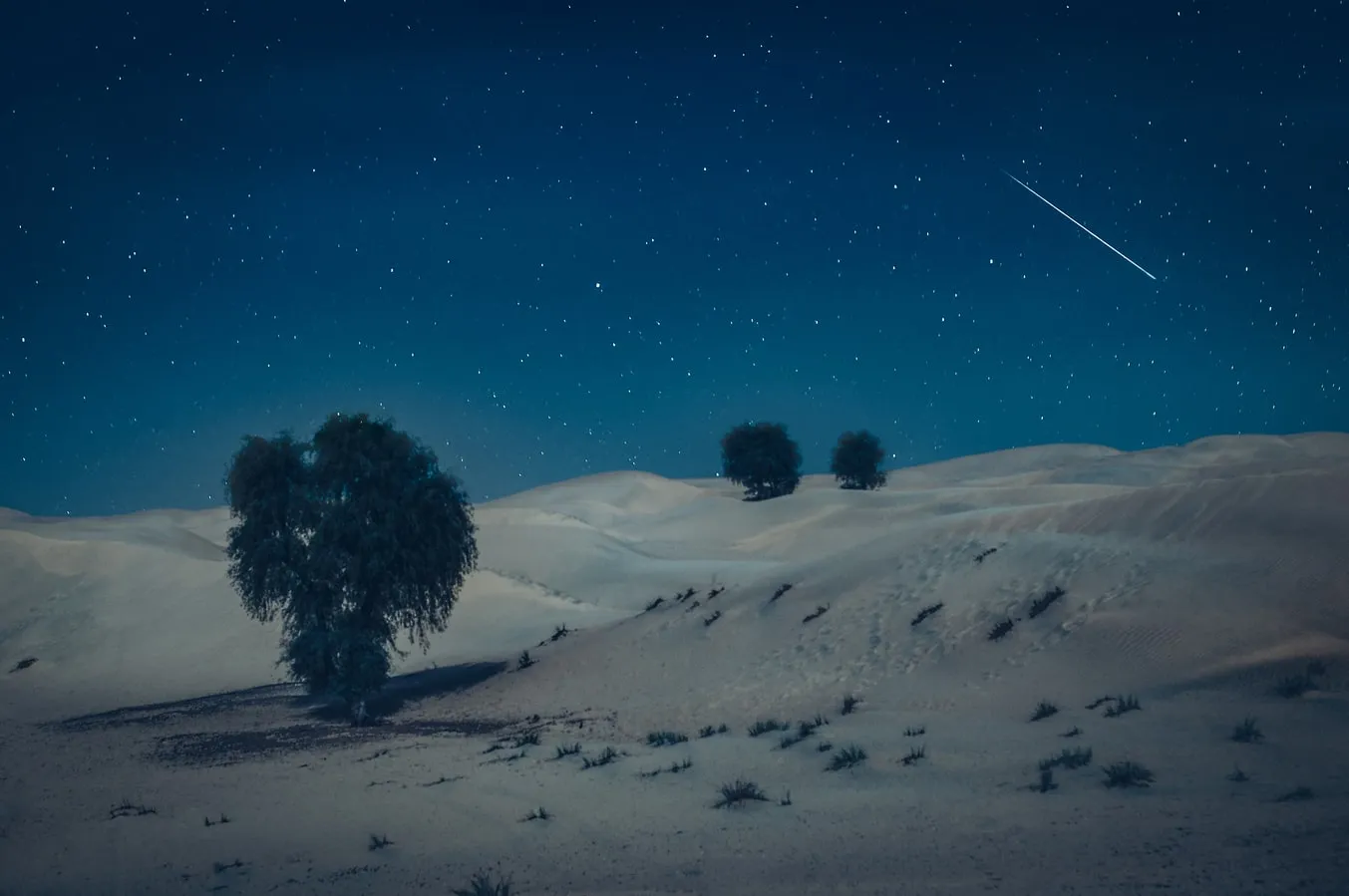
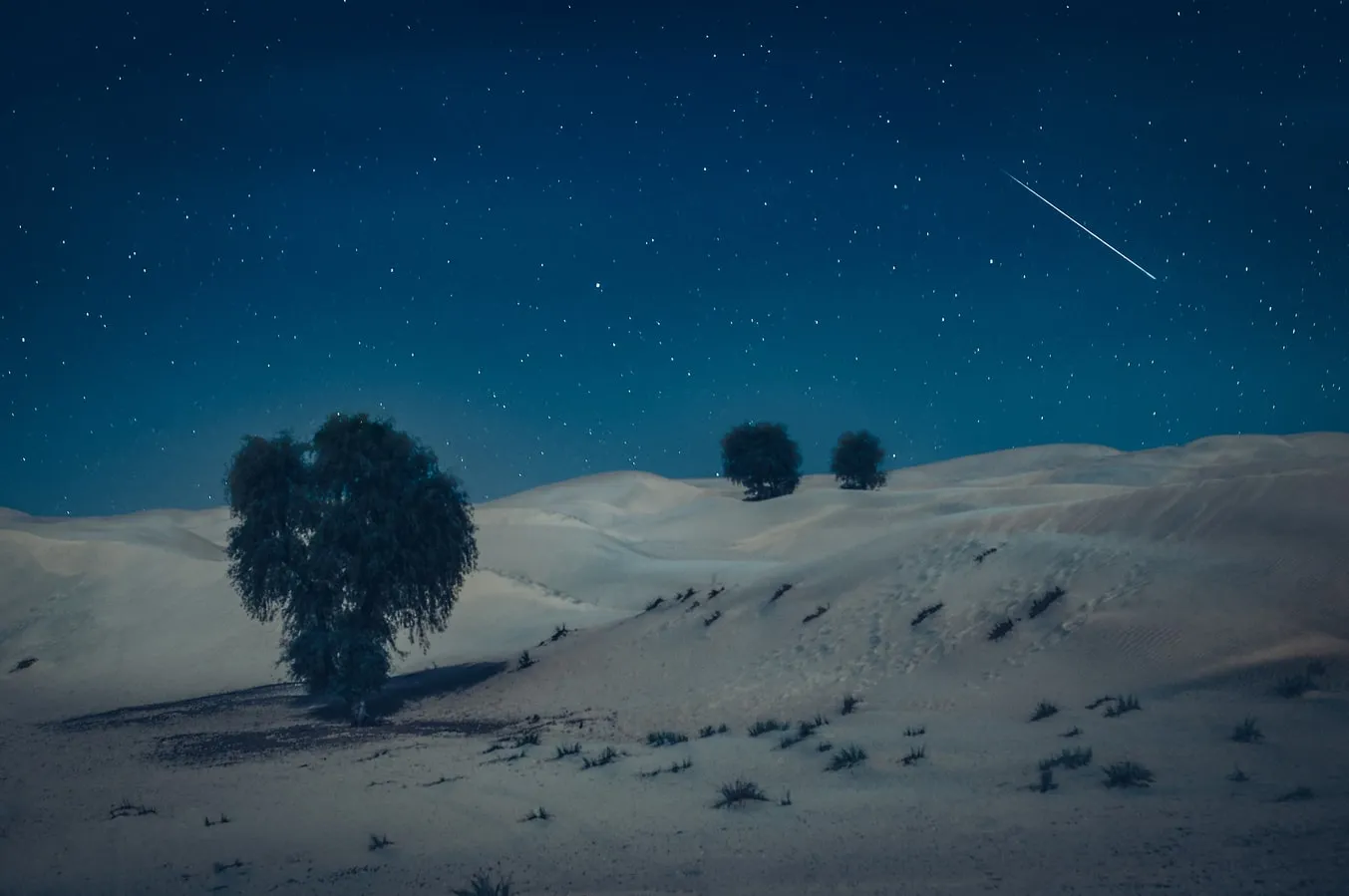
Day-trip possibilities extend in every direction. Sir Bani Yas Island, a ninety-minute drive and short ferry ride southwest, shelters a wildlife reserve where Arabian oryx, gazelles, and cheetahs roam freely — a passion project of the late Sheikh Zayed. The Al Ain Oasis, a UNESCO World Heritage Site two hours east, reveals a 3,000-year-old falaj irrigation system shading date palms beneath ancient mud-brick walls. For a taste of the Empty Quarter's silence, the Liwa Oasis lies three hours south, where terracotta dunes rise three hundred meters — some of the tallest on earth.
Abu Dhabi has emerged as a premier Gulf cruise hub, welcoming vessels from AIDA, Celestyal Cruises, Costa Cruises, Crystal Cruises, Explora Journeys, Hapag-Lloyd Cruises, MSC Cruises, Norwegian Cruise Line, Oceania Cruises, Regent Seven Seas Cruises, Royal Caribbean, Silversea, TUI Cruises Mein Schiff, and Windstar Cruises. Nearby ports of call include Fujairah, Sir Bani Yas Island, Khor al Fakkan, and Ras Al Khaimah. The winter cruise season from November through April delivers pleasantly warm days in the mid-twenties Celsius, ideal for exploring this city where the ancient desert meets the Arabian Gulf.