Aberdeen: Scotland's Granite City Between Mountain and Sea
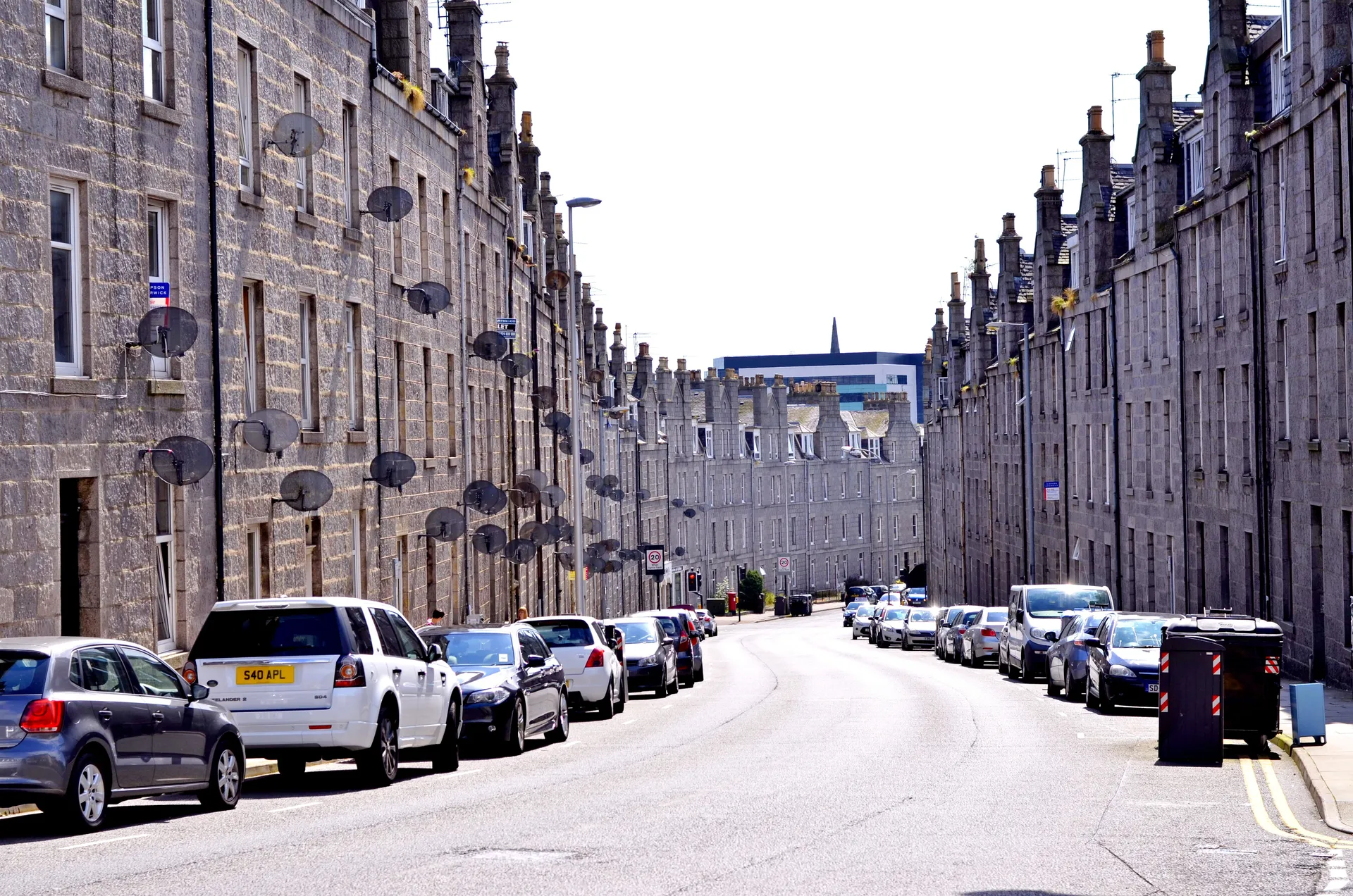
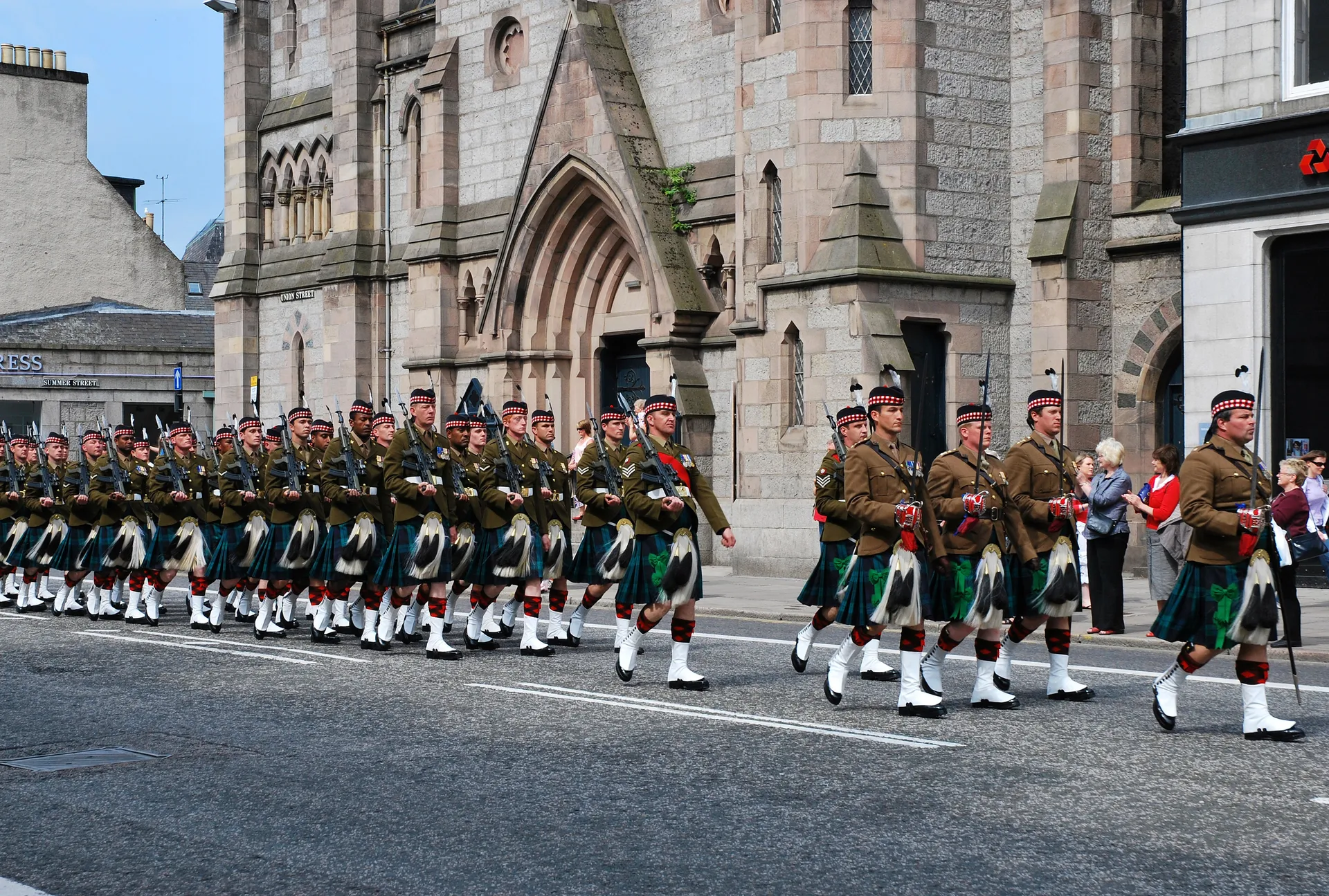
Aberdeen has been a port city since the twelfth century, when King David I granted it a royal charter and set in motion eight hundred years of maritime commerce, herring trade, and fierce independence. The city's defining material — silver granite quarried from Rubislaw — gives Aberdeen its distinctive luminous quality: on sunny days, the mica-flecked stone of Union Street and Marischal College glitters as if embedded with diamonds. This is the third-largest city in Scotland, yet it retains the character of a northern outpost — buffeted by North Sea winds, enriched by oil wealth since the 1970s, and anchored by two universities that together have produced Nobel laureates, architects, and a disproportionate number of the world's petroleum engineers.
The character of Aberdeen is a study in contrasts. The medieval old town clusters around St Machar's Cathedral, whose twin spires have watched over the mouth of the River Don since the fourteenth century. Walk south along the Chanonry and you find King's College Chapel, one of Scotland's finest medieval buildings, its crown tower a masterpiece of late Gothic ambition. The city centre, rebuilt in granite grandeur during the Victorian era, radiates outward from the Castlegate — once the site of the city's castle, now a broad square where the Mercat Cross stands as an elaborate hexagonal monument to market rights granted in 1319. The harbour, still very much a working port, hums with supply vessels serving the offshore platforms and fishing boats landing the day's catch of haddock and langoustines.
Aberdeen's culinary scene has undergone a quiet revolution. The city's signature dish remains the buttery — a flaky, salty, butter-rich roll known as a rowie — best sourced from Aitkens Bakery and eaten warm with a cup of strong tea. But the modern dining landscape has expanded considerably. The Silver Darling, perched above the harbour entrance, serves North Sea seafood of exceptional quality — whole grilled lobster, pan-seared halibut, and Cullen skink made with naturally smoked Finnan haddie from the nearby village that invented it. Foodstory on Thistle Street represents the city's newer wave, with seasonal Scottish produce prepared with global influences and served in a light-filled space that feels nothing like the granite austerity outside.
Beyond the city, the surrounding region offers some of Scotland's most rewarding day trips. Royal Deeside — the valley of the River Dee stretching west toward Balmoral Castle — is quintessential Highland scenery: purple heather moorlands, Caledonian pine forests, and the Cairngorm Mountains rising to over four thousand feet. Dunnottar Castle, a dramatic clifftop ruin south of the city, is one of the most photogenic fortifications in Britain. The Speyside whisky trail, featuring distilleries such as Glenfiddich, Macallan, and Aberlour, lies within ninety minutes' drive — a compelling reason to extend any visit.
Aurora Expeditions, Azamara, Hapag-Lloyd Cruises, Quark Expeditions, Scenic Ocean Cruises, Seabourn, and Viking all call at Aberdeen, often as part of Scottish islands and Norwegian fjord itineraries. The port sits close to the city centre, making independent exploration straightforward. For travellers who know Scotland only through Edinburgh and the Highlands, Aberdeen reveals a different nation — prouder, harder-edged, and possessed of a beauty that must be earned through the granite and the weather. The best months to visit are May through August, when long northern daylight hours illuminate the city's silver architecture and the surrounding countryside blooms with heather and wildflowers.