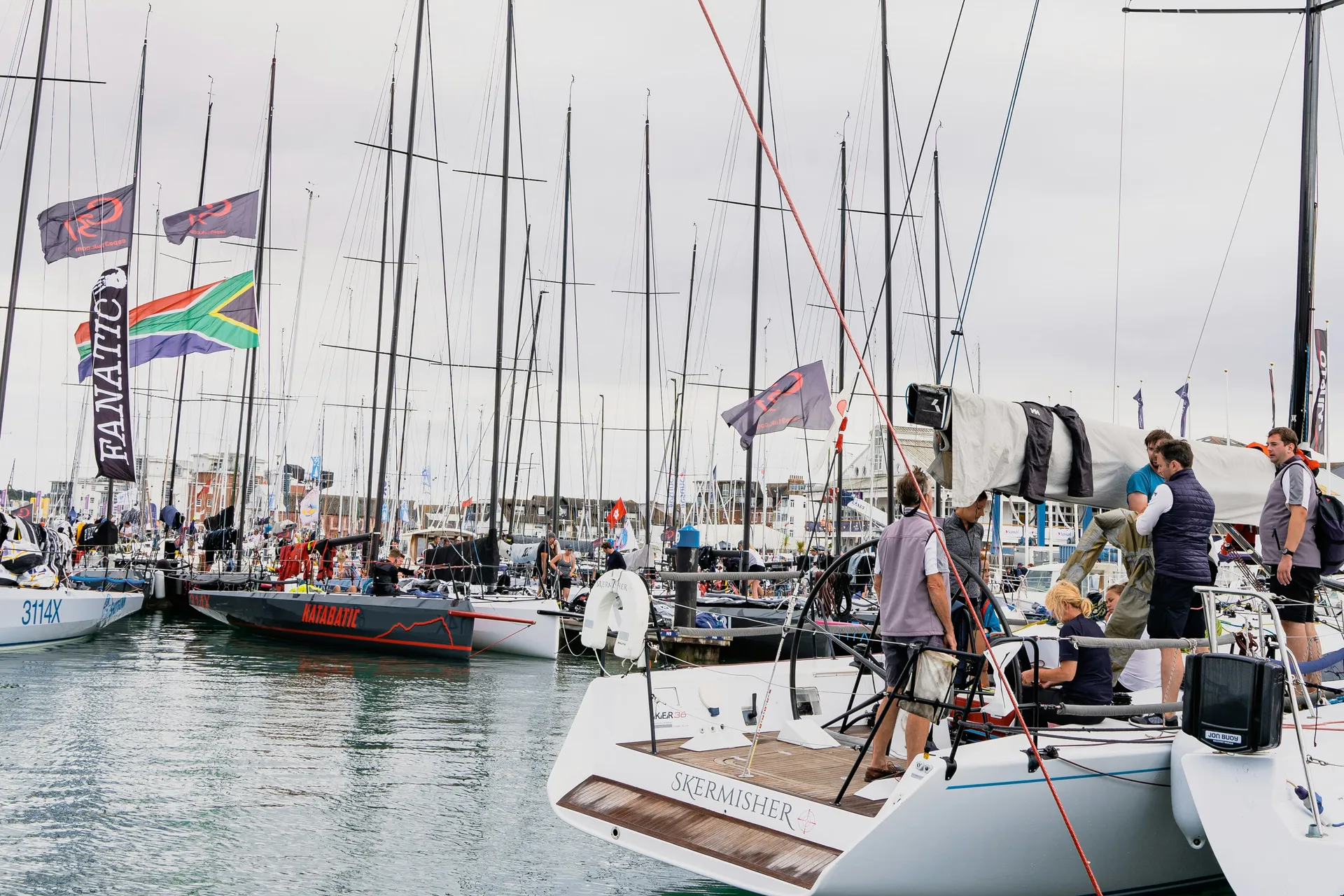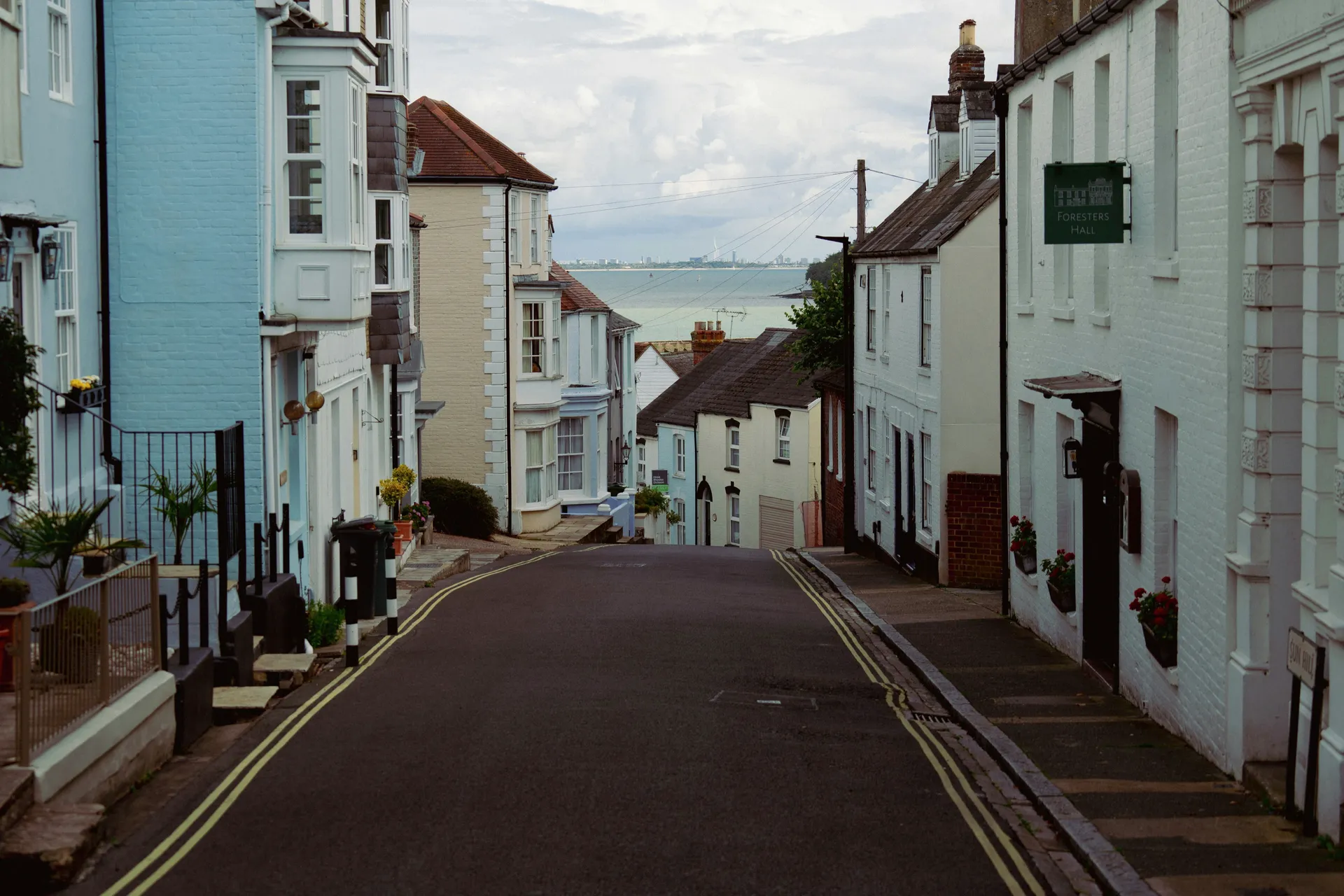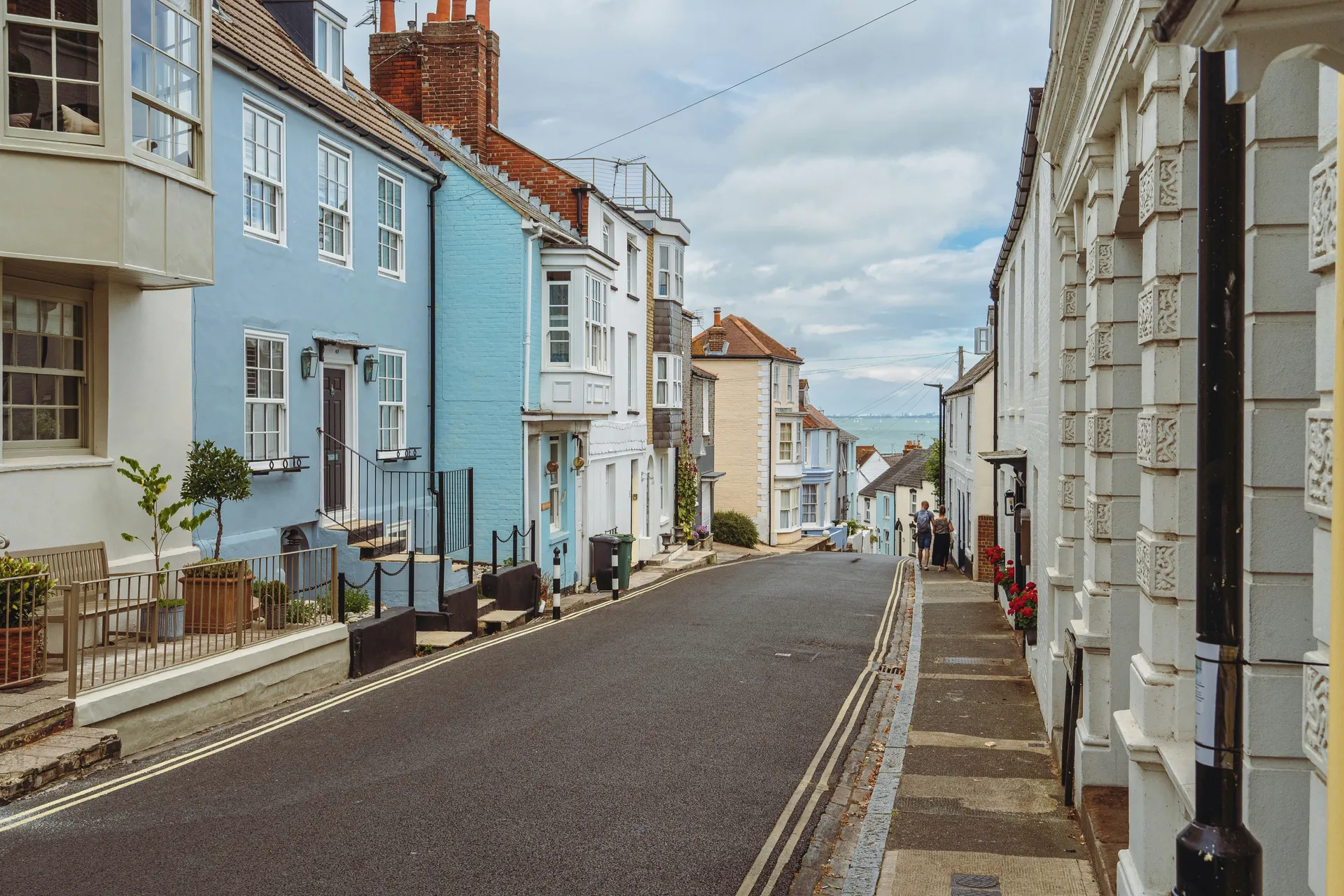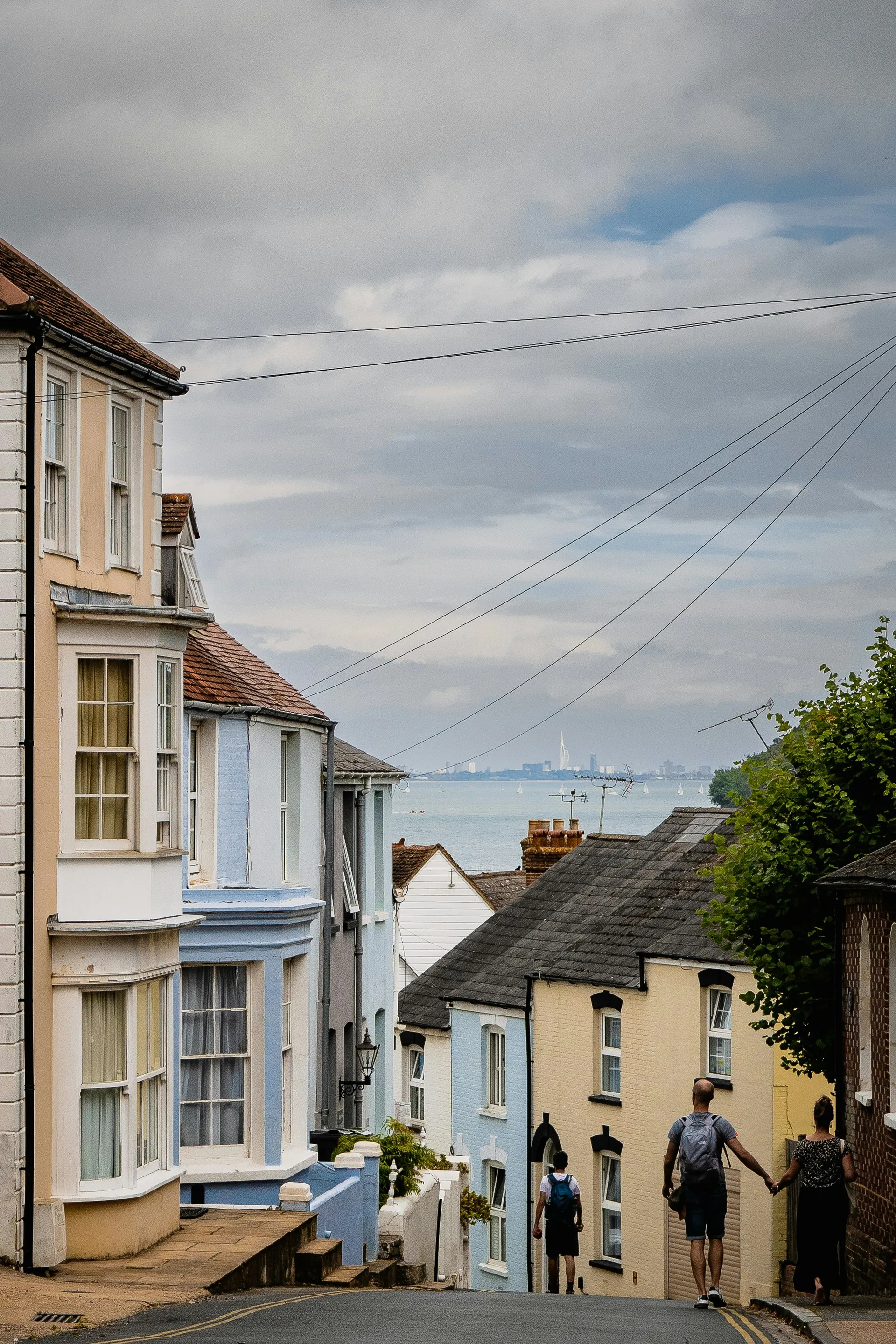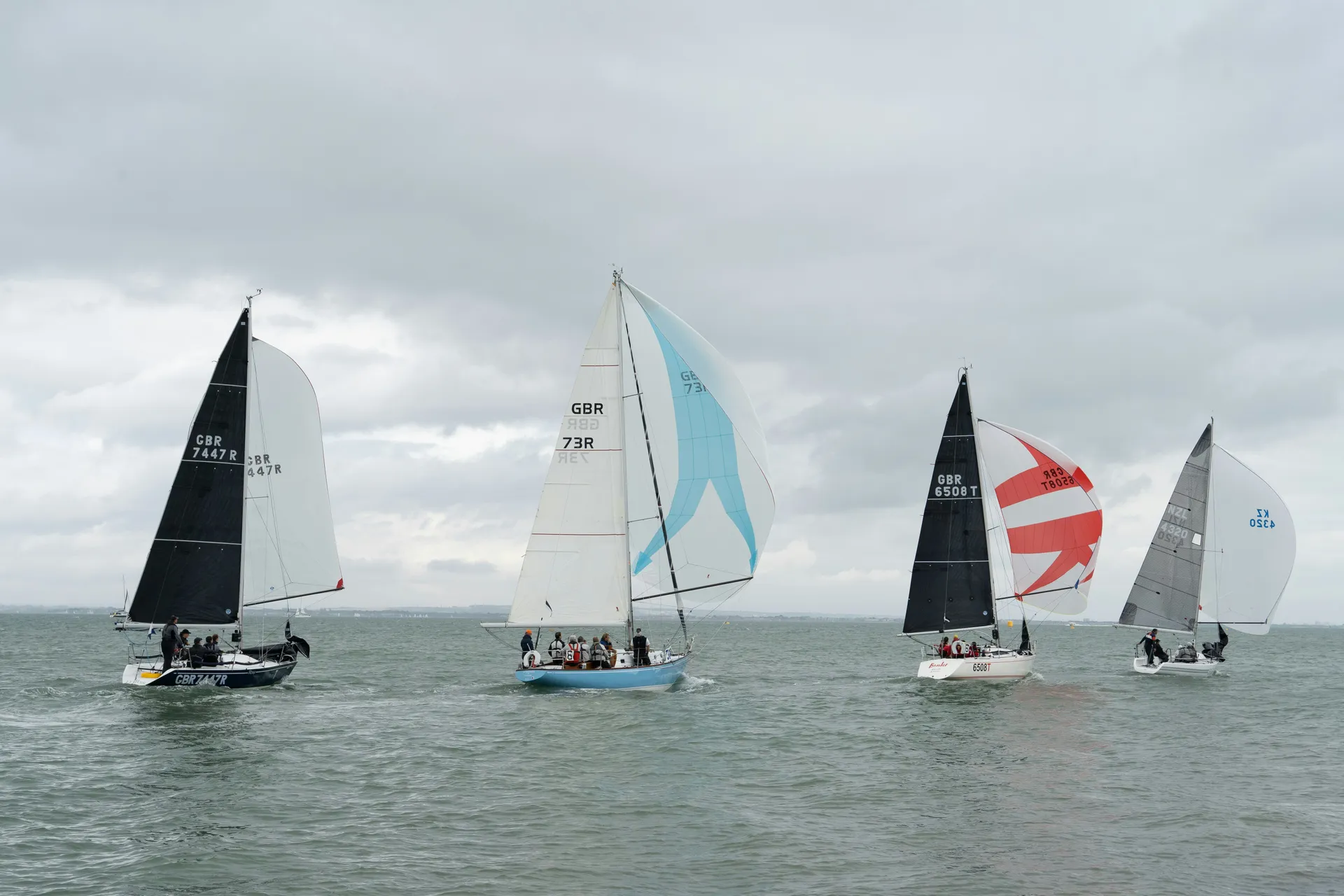
On the northern tip of the Isle of Wight, where the River Medina opens into the Solent — that storied strait between island and mainland that has witnessed more sailing history than any comparable stretch of water on Earth — Cowes has reigned as the spiritual home of yachting since the Royal Yacht Squadron established its headquarters here in 1815. This compact Victorian town, divided into West Cowes and East Cowes by the river, pulses with a maritime energy that intensifies each August when Cowes Week transforms the town into the world's oldest and most prestigious sailing regatta.
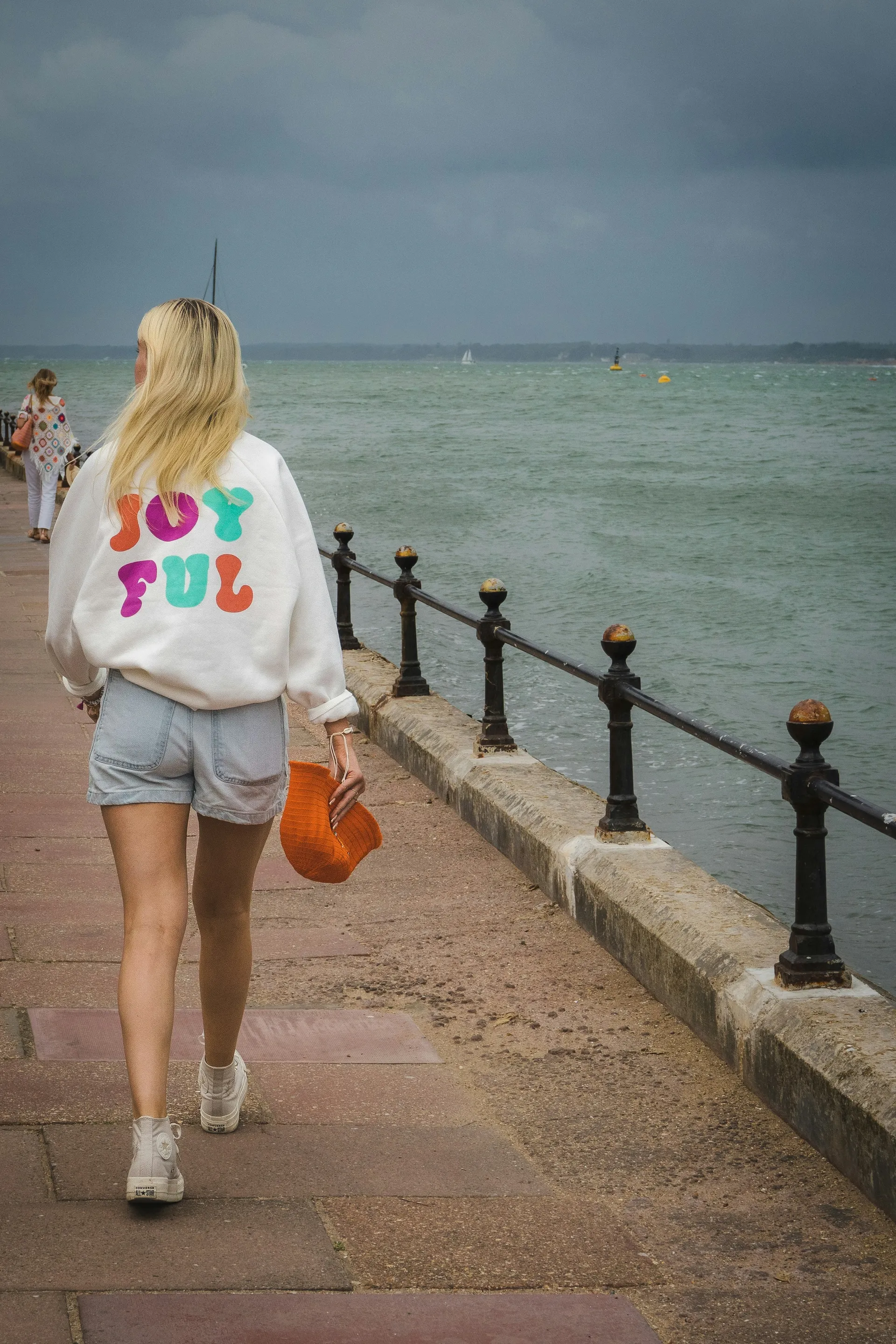
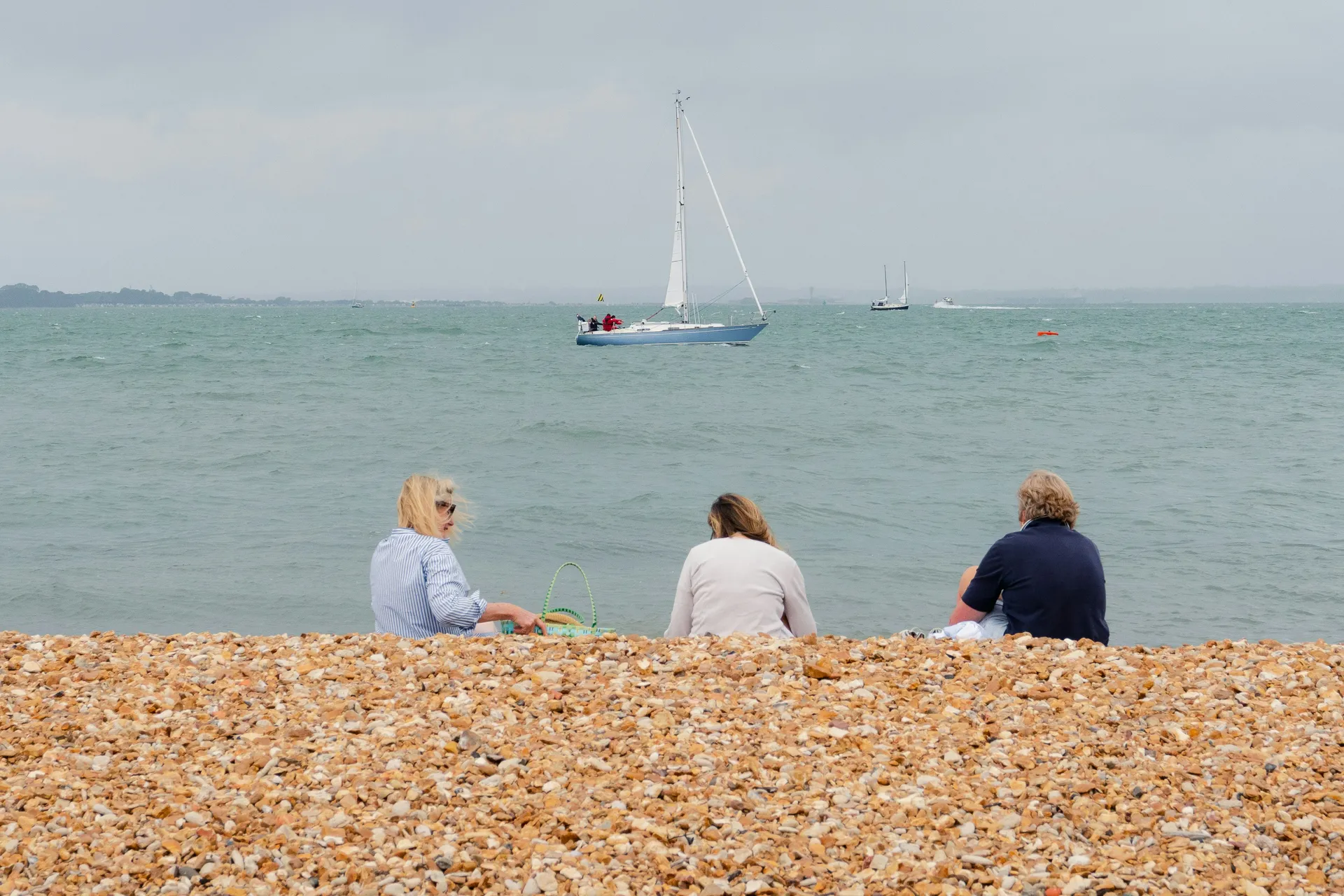
The character of Cowes is fundamentally maritime. The high street of West Cowes is a continuous display of yacht chandleries, sailmakers, and marine outfitters interspersed with cafés and pubs where the conversation is conducted almost exclusively in nautical terminology. The waterfront Parade provides grandstand views of the Solent's ceaseless boat traffic — everything from racing dinghies and luxury yachts to container ships and the Red Funnel ferries that shuttle between the island and Southampton. The Royal Yacht Squadron, occupying the castellated former fort at the western entrance to the harbour, remains the most exclusive yacht club in the world.
The culinary scene in Cowes punches well above its weight for a town of 10,000. The island's sheltered microclimate — often several degrees warmer than the mainland — supports a surprisingly productive agricultural sector. Garlic from the Garlic Farm, one of the island's most popular attractions, appears in virtually every dish. Island-reared beef and lamb, enriched by salt-spray pastures, provide the protein backbone, while the surrounding waters yield lobster, crab, and the finest Solent oysters. Murray's Seafood Restaurant and The Coast serve these local ingredients with contemporary flair, and the annual Isle of Wight Garlic Festival celebrates the island's most aromatic crop.
Beyond the maritime focus, Cowes provides access to the Isle of Wight's considerable cultural and natural attractions. Osborne House, Queen Victoria's beloved Italian Renaissance-style retreat in East Cowes, offers an intimate portrait of the monarch's private life — the Swiss Cottage playhouse where royal children learned to cook remains delightfully intact. Carisbrooke Castle, in the island's centre, imprisoned Charles I before his execution. The Isle of Wight coastline, much of it designated as an Area of Outstanding Natural Beauty, provides dramatic chalk cliffs at the Needles, fossil-hunting beaches at Brook, and sheltered swimming coves along the southern coast.
Cowes is reached by Red Funnel ferry from Southampton (approximately 55 minutes to East Cowes) or by Red Jet hydrofoil (approximately 25 minutes to West Cowes). Cruise ships anchor in the Solent and tender passengers ashore. The sailing season runs from April through October, with Cowes Week in early August representing the absolute peak — accommodation during this period must be booked months in advance. The isle's compact size makes Cowes an ideal base for exploring the entire island by car, bus, or the extensive network of coastal walking paths.