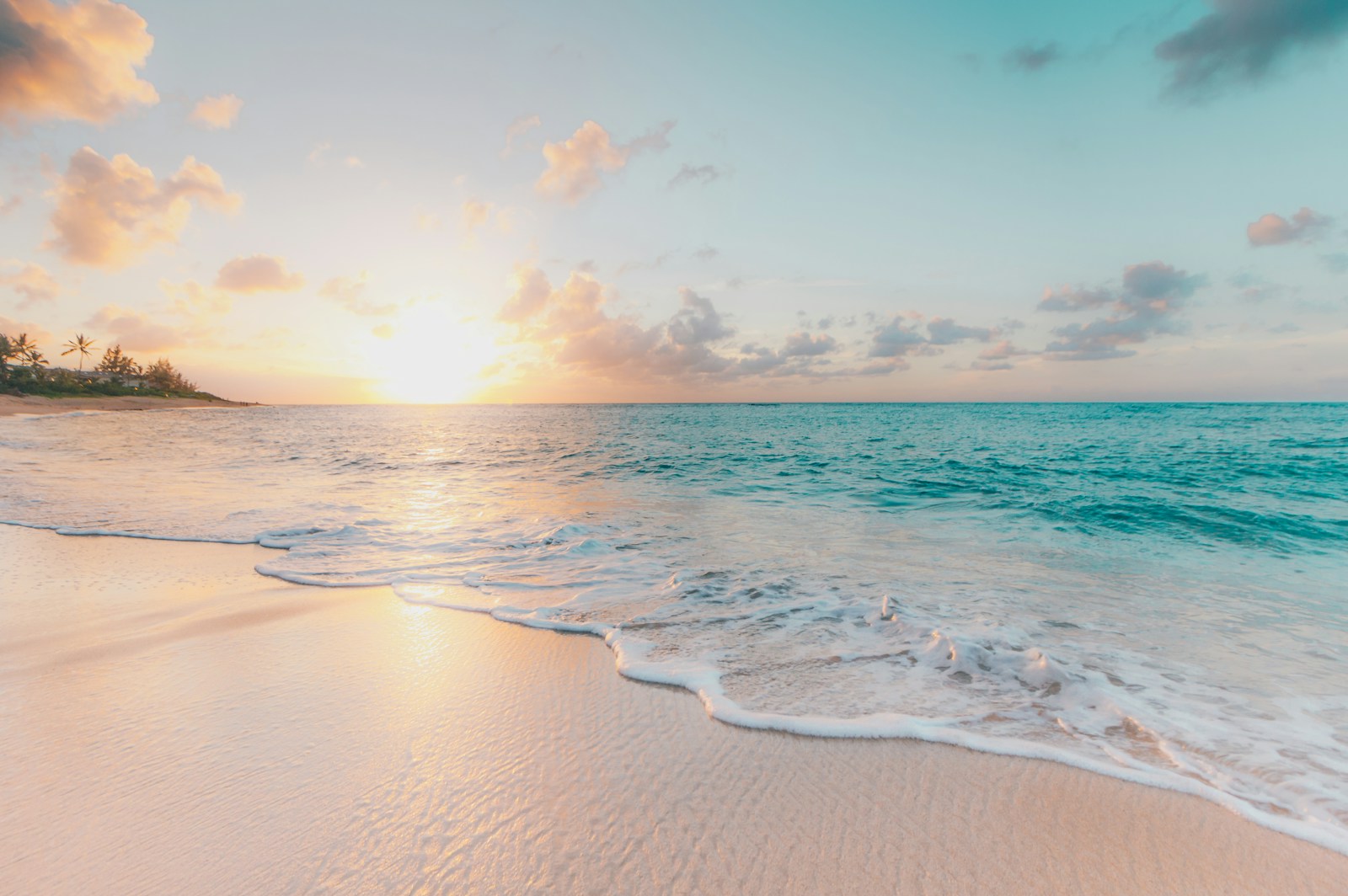
Lough Swilly — An tSúiligh in Irish, meaning "Lake of Shadows" or perhaps "Lake of Eyes" — is a deep glacial fjord that penetrates over forty kilometers into the wild interior of County Donegal, Ireland's most northerly county. To cruise this waterway is to travel through a landscape of haunting beauty and turbulent history, where the mountains of the Inishowen and Fanad peninsulas rise steeply from waters so deep they sheltered the British Grand Fleet during World War I. The lough's strategic importance was recognized for centuries: it was here, in 1607, that the last Gaelic chieftains of Ulster — the Earls of Tyrone and Tyrconnell — sailed into exile aboard a ship bound for Spain, an event known as the Flight of the Earls that marked the end of the old Gaelic order and opened Ireland to the Plantation of Ulster.
The character of Lough Swilly shifts with the weather and the light. On calm summer days, the water mirrors the surrounding mountains — Slieve Snaght on the Inishowen side, the quartzite peaks of the Derryveagh range beyond Fanad — with a fidelity that dissolves the boundary between substance and reflection. In Atlantic storms, which arrive with dramatic frequency, the lough transforms into a churning, grey-green expanse that explains why the Royal Navy chose it as a protected anchorage. The coastal villages that dot the shores — Rathmullan, Portsalon, Buncrana, Dunree — retain the intimate character of Irish communities where everyone knows everyone, the pub is the social center, and the evening conversation can range from livestock prices to philosophy without breaking stride.
The culinary traditions of the Lough Swilly region are rooted in the fertile intersection of mountain, farmland, and sea. Donegal lamb — raised on hillsides where the grazing includes wild thyme, heather, and sea-blown grasses — has a complex, herbaceous flavor that chefs across Ireland prize. Oysters from the lough's sheltered beds, mussels from the Fanad coast, and brown crab from the rocky shores provide seafood of exceptional quality. The traditional Irish breakfast — rashers, sausages, black and white pudding, fried eggs, soda bread — reaches its apotheosis in the B&Bs and hotels of the region, where the ingredients are typically sourced from farms within a few kilometers. Donegal's craft food movement has produced artisan cheeses, smoked salmon, and seaweed products that reflect the county's growing reputation as a culinary destination.
The attractions along the lough's shores combine natural beauty with layers of history. Rathmullan's Battery Fort and the Flight of the Earls Heritage Centre tell the story of the 1607 departure and its aftermath. Dunree Fort, dramatically perched on a headland at the lough's entrance, served as a British military installation from the Napoleonic era through World War I and now houses a military museum with panoramic views of the Atlantic approaches. Fanad Lighthouse, at the outermost point of the Fanad Peninsula, is consistently voted one of the most beautiful lighthouses in the world — its white tower set against a backdrop of wild Atlantic coastline that is quintessentially Donegal. The beaches of the region — Portsalon's Ballymastocker Bay was once named the second most beautiful beach in the world by The Observer — offer vast stretches of golden sand backed by dunes and machair grassland.
Lough Swilly is navigable by expedition cruise ships and pleasure craft, with the deepwater anchorage at Rathmullan being the most common stop. The region is also accessible by road from Derry/Londonderry (forty-five minutes to the lough's eastern shore) and Letterkenny (thirty minutes). The best months to visit are May through September, when the longest days and mildest weather allow full appreciation of the landscape, though the autumn storms (October–November) have their own dramatic appeal. The Wild Atlantic Way, Ireland's 2,500-kilometer coastal driving route, follows the lough's western shore and provides one of the route's most scenic stretches.

