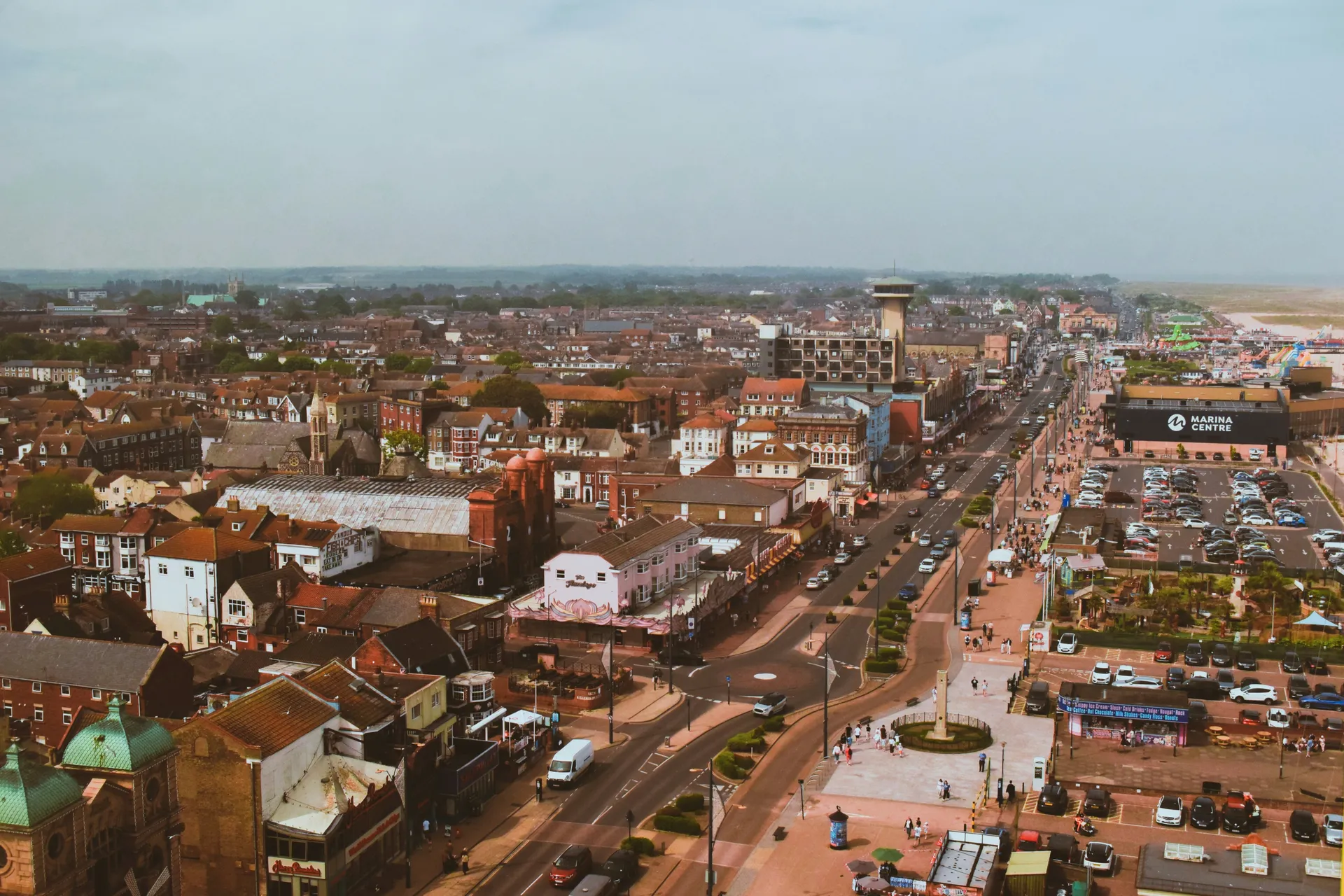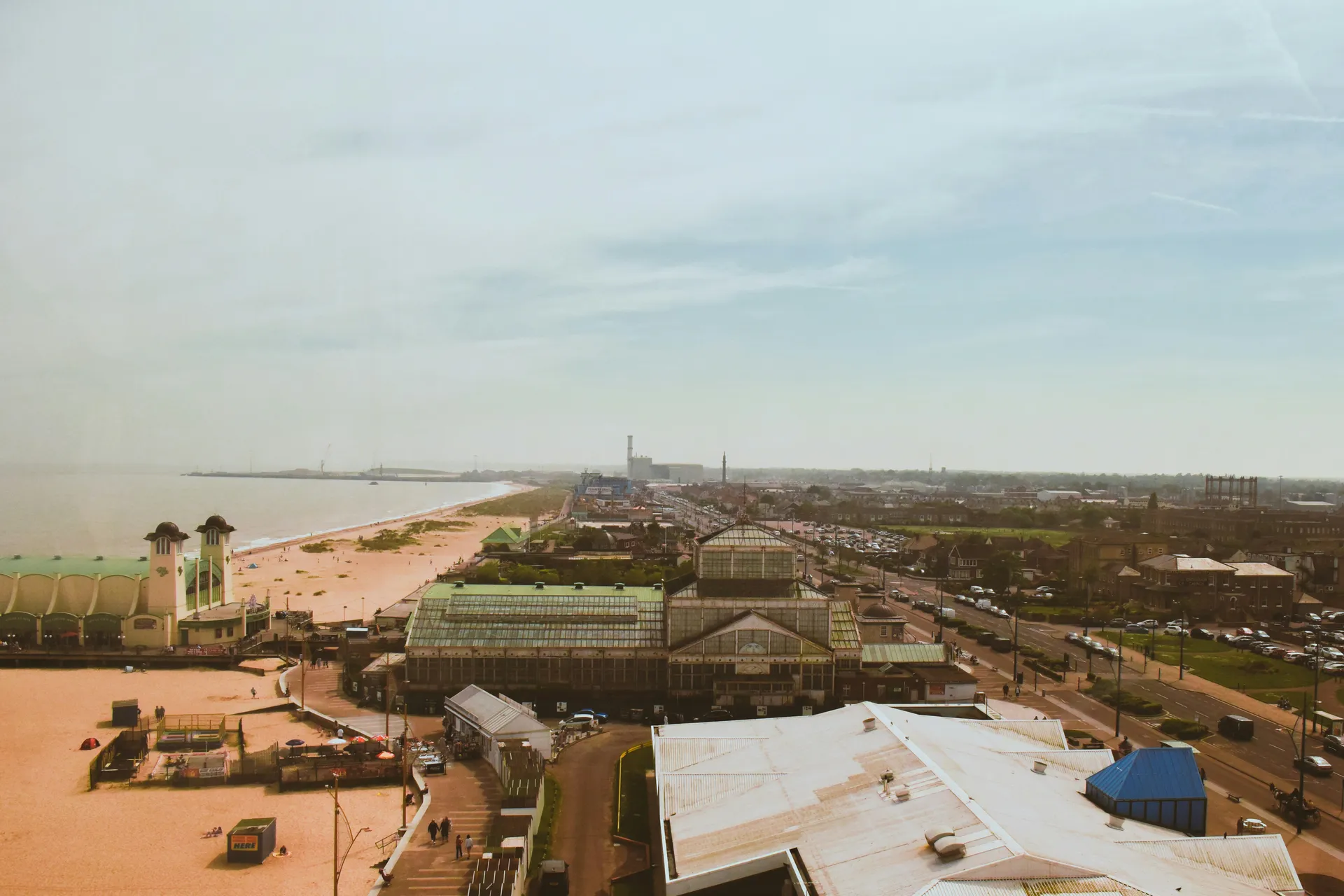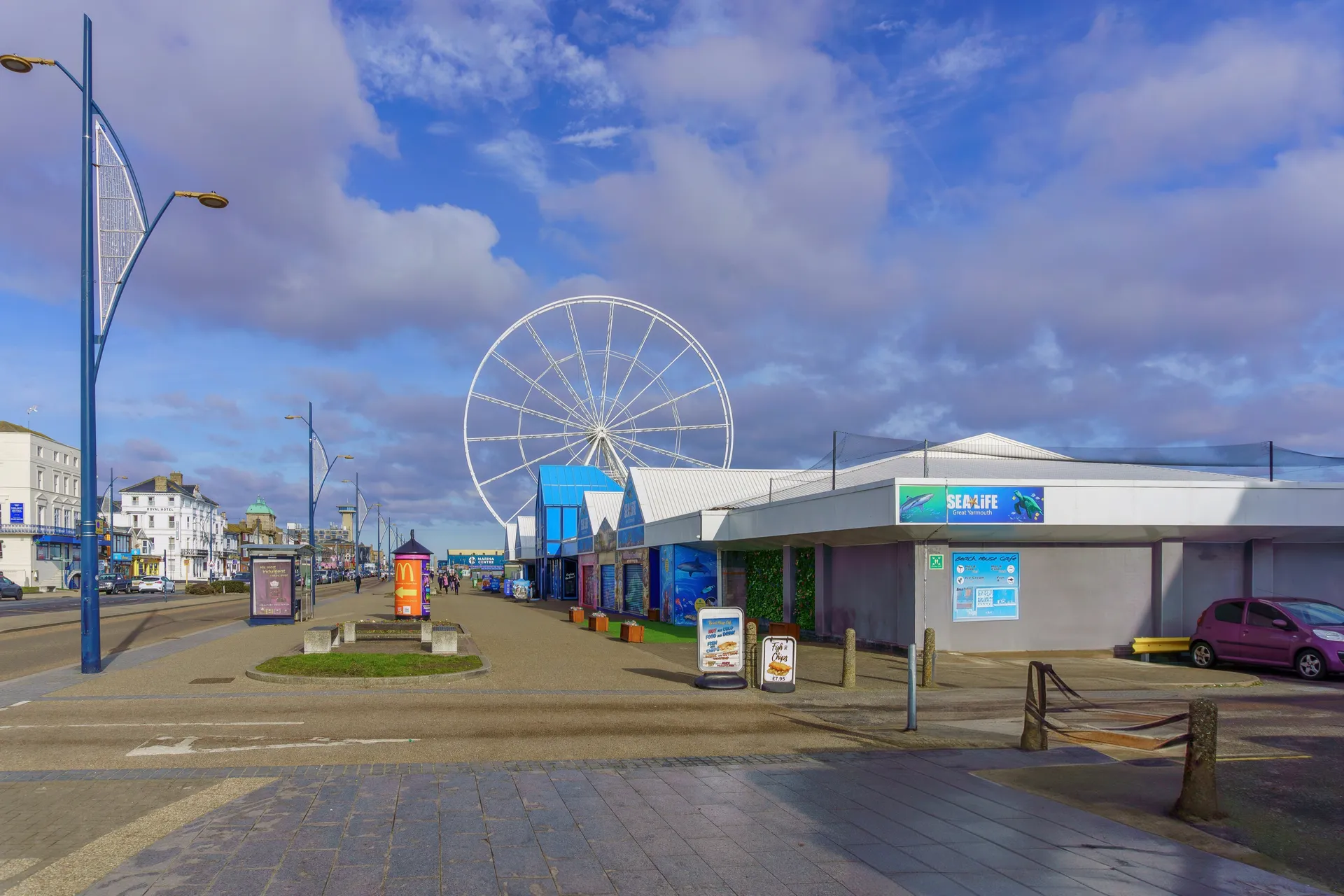
Great Yarmouth has been England's most exuberant seaside resort for over 250 years — a town that wears its pleasure-seeking heritage with the cheerful lack of pretension that has made it a beloved destination for generations of British holidaymakers. But beneath the arcades, pier shows, and candy floss lies a history of far greater consequence: Great Yarmouth was one of medieval England's wealthiest ports, its prosperity built on the autumn herring fishery that drew over a thousand boats to these waters each year and generated revenues that rivalled London's. The town's medieval street plan — a grid of narrow lanes called "Rows," once numbering 145 — was considered unique in England, and though wartime bombing destroyed many, the surviving Rows provide a haunting glimpse of the town's mercantile past.
The waterfront along the River Yare reveals Great Yarmouth's deeper identity. The Quay, stretching for over a mile along the river, was once lined with the warehouses, merchants' houses, and fish-smoking facilities that processed the vast herring catches. The Elizabethan House Museum, occupying a 16th-century merchant's dwelling, recreates domestic life across four centuries, while the Rows Heritage Centre preserves two of the original narrow lanes — Number 111 and Number 117 — with their original 17th-century plasterwork and fireplaces. The Nelson Museum, dedicated to Norfolk's most famous son, documents Lord Horatio Nelson's connection to the town where he first set foot on English soil after the Battle of the Nile in 1798.
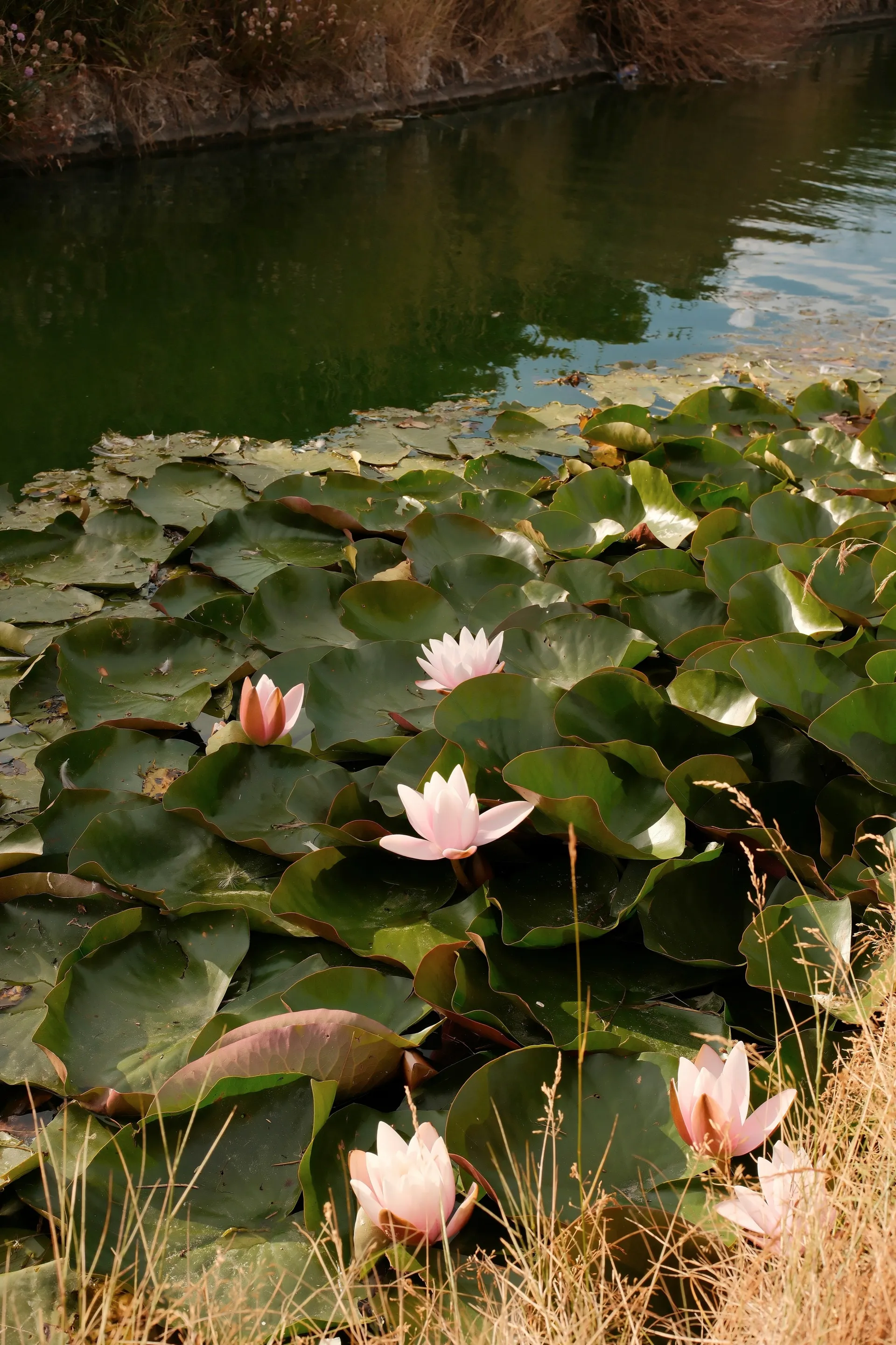
The Norfolk Broads, one of England's most cherished landscapes, begin just upriver from Great Yarmouth. This network of shallow lakes, rivers, and marshes — created by medieval peat digging that flooded to create what is essentially a man-made wetland of extraordinary ecological value — offers gentle boating, superb birdwatching (including the rare bittern and marsh harrier), and a tranquility that contrasts sharply with Yarmouth's seafront energy. The Broads are accessible by boat hire from the Yare, and a day spent puttering through reed-fringed channels past windmills, thatched cottages, and the occasional kingfisher provides one of East Anglia's finest experiences.
The culinary traditions of Great Yarmouth are anchored by the Great Yarmouth kipper — herring split, brined, and smoked over oak chips in the town's traditional smokehouses. The kipper's intense, oily flavour is an acquired taste that rewards persistence, best enjoyed for breakfast with toast and butter at one of the seafront cafés. The region's proximity to Norfolk's agricultural heartland brings Cromer crab (the finest in England, caught just up the coast), samphire (the salty, crunchy marsh plant gathered from the Norfolk coast and served steamed with butter), and the Norfolk Black turkey that graces Christmas tables across the country. Fish and chips — the great English seaside classic — reaches its finest expression at Yarmouth's traditional chippies, where locally caught cod or haddock is battered and fried to golden perfection.
Great Yarmouth's outer harbour can accommodate cruise ships alongside the quay, with the town centre within walking distance. The best time to visit is from May through September, when the seaside attractions are in full swing, the Broads are at their most navigable, and the long English summer evenings (the sun sets after 9pm in midsummer) extend the day's possibilities. The Yarmouth Maritime Festival in September celebrates the town's seafaring heritage with tall ships, naval vessels, and nautical entertainments, while the winter months see the town retreat to its quieter, more contemplative self — a time for walks along the windswept beach and kippers by a real fire.