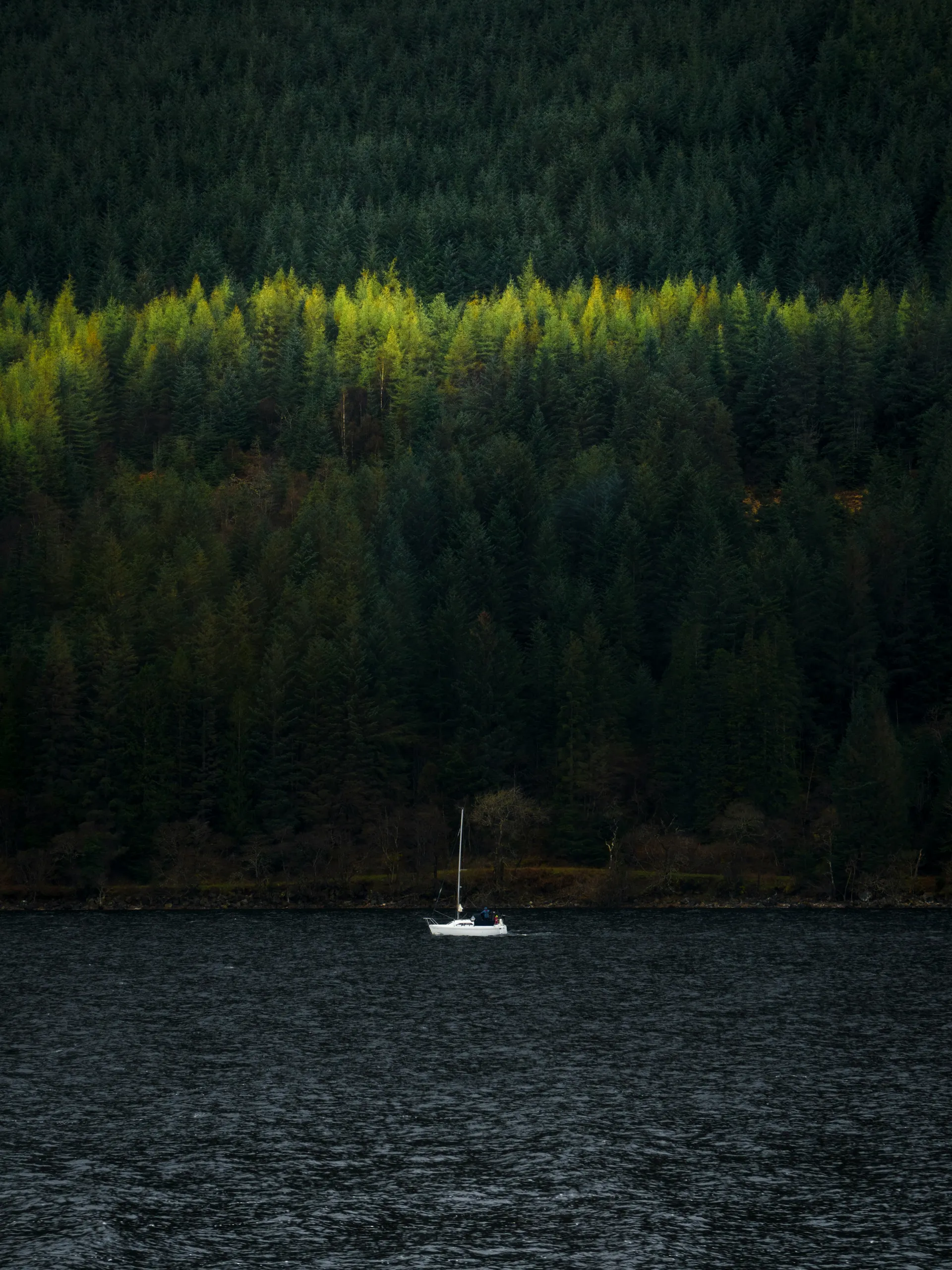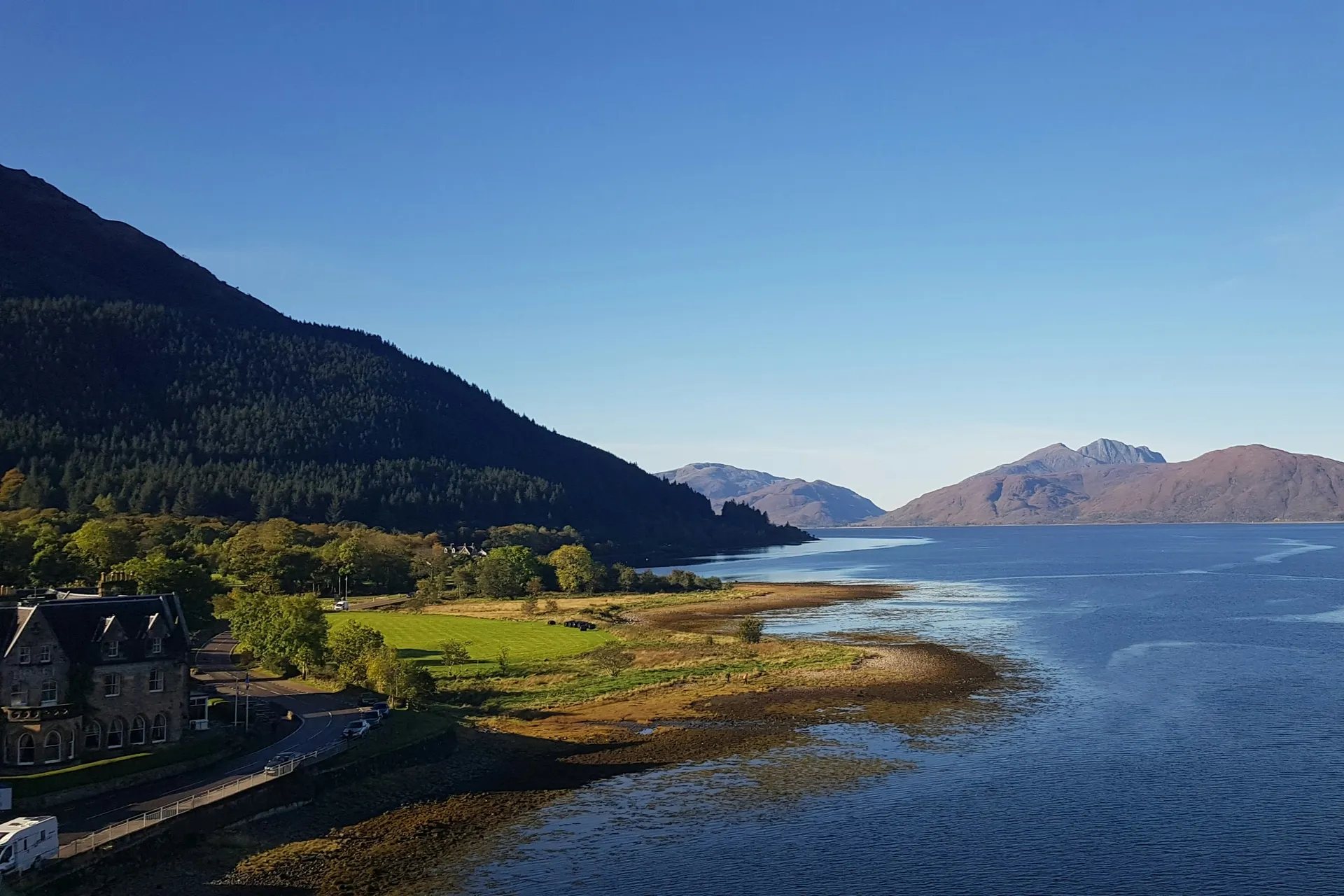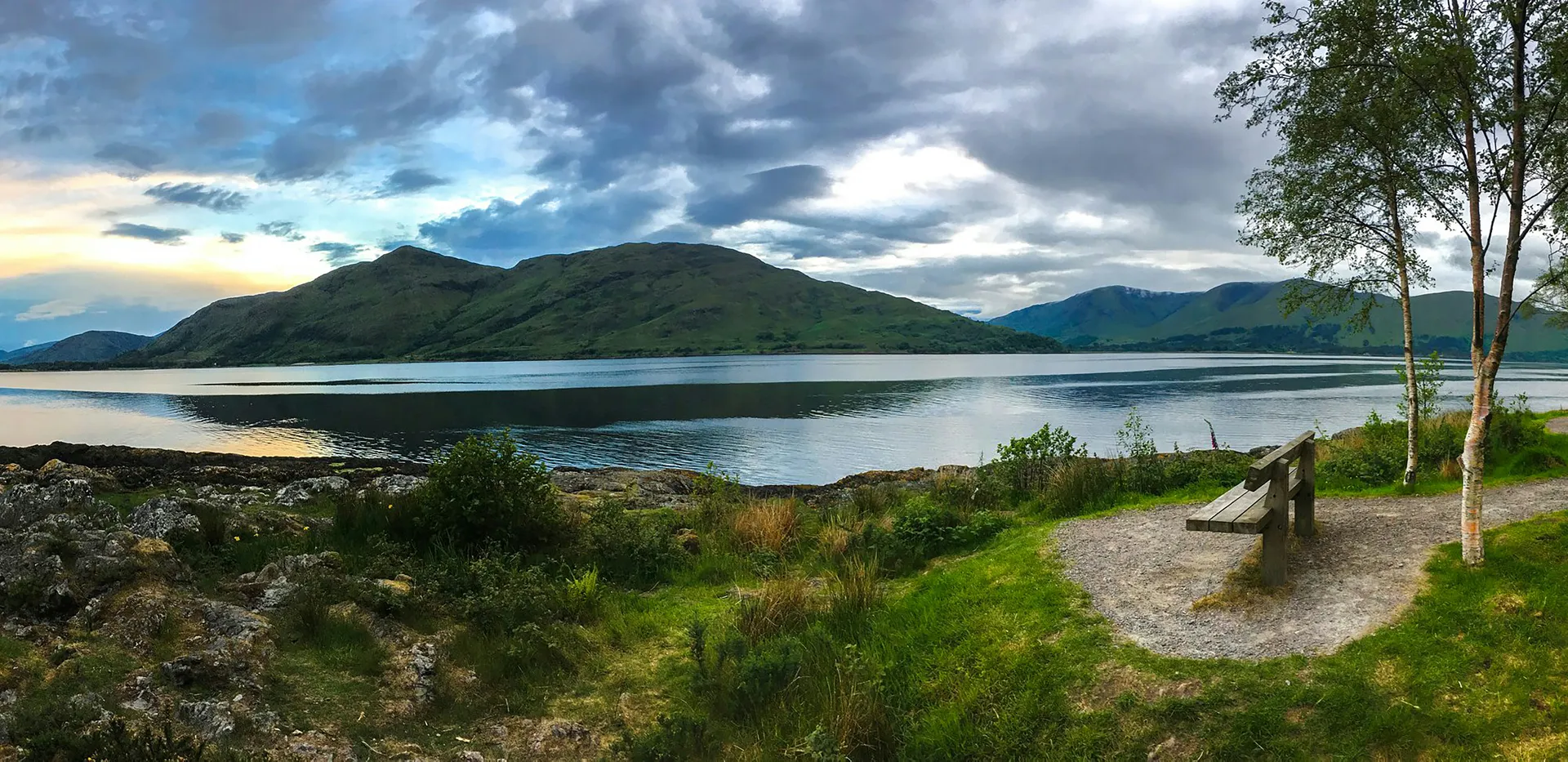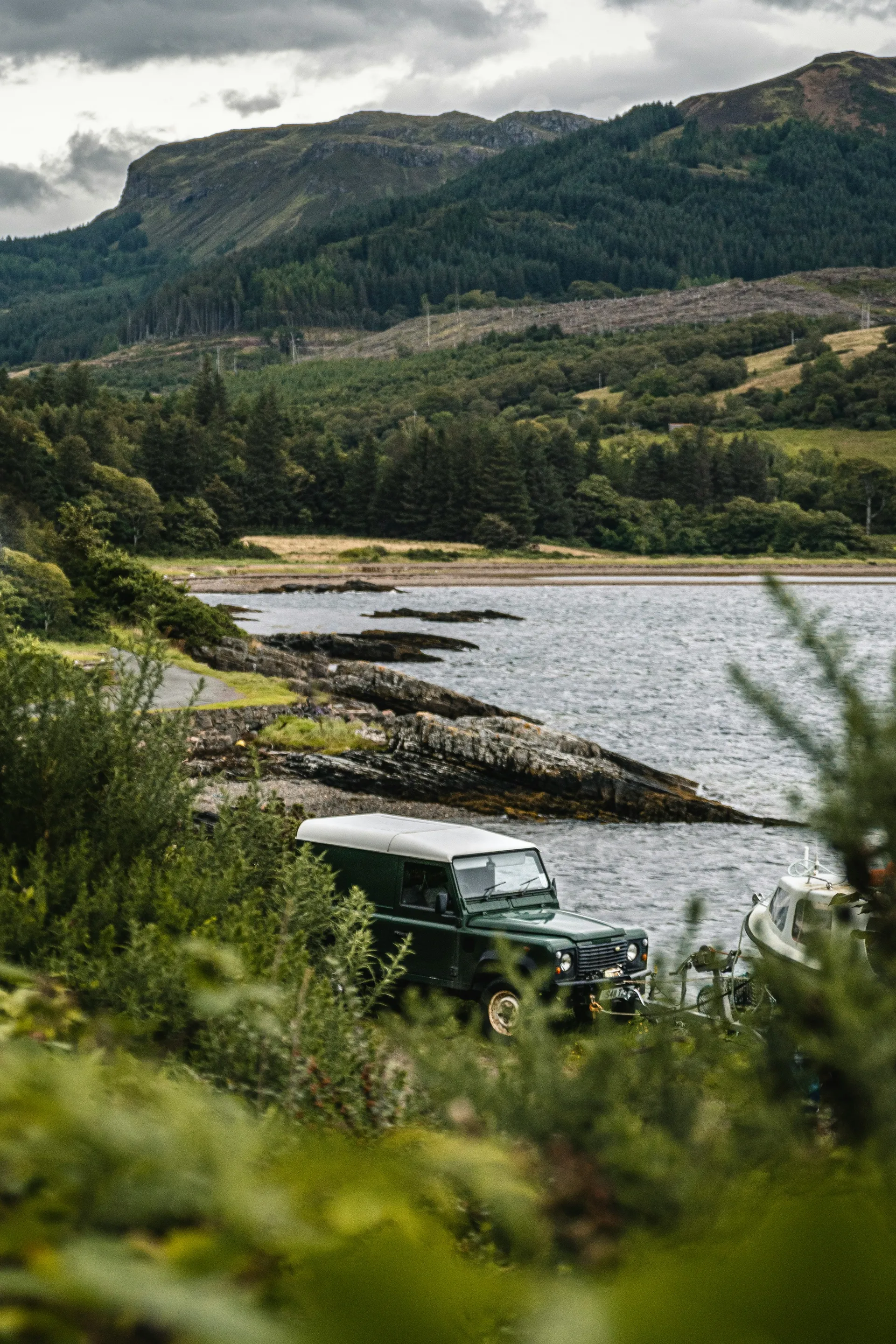
Loch Linnhe is a sea loch on the west coast of Scotland. The part upstream of Corran is known in Gaelic as An Linne Dhubh, and downstream as An Linne Sheileach. To arrive at Loch Linnhe by sea is to follow a trajectory worn smooth by centuries of maritime commerce, military ambition, and the quieter but no less consequential traffic of cultural exchange. The waterfront tells the story in compressed form — layers of architecture accumulating like geological strata, each era leaving its signature in stone and civic ambition. Today's Loch Linnhe carries this history not as a burden or a museum piece but as a living inheritance, visible in the grain of daily life as much as in the formally designated landmarks.
Ashore, Loch Linnhe reveals itself as a city best understood on foot and at a pace that allows for serendipity. The northern light lends the city a particular beauty — long summer days where dusk and dawn nearly merge, and the quality of illumination gives architecture and landscape a clarity that photographers prize. The architectural landscape tells a layered story — United Kingdom's vernacular traditions modified by waves of outside influence, creating streetscapes that feel both coherent and richly varied. Beyond the waterfront, neighborhoods transition from the commercial bustle of the port district into quieter residential quarters where the texture of local life asserts itself with unpretentious authority. It is in these less-trafficked streets that the city's authentic character emerges most clearly — in the morning rituals of market vendors, the conversational hum of neighborhood cafés, and the small architectural details that no guidebook catalogues but that collectively define a place.
The culinary tradition here reflects a northern pragmatism refined by centuries of adaptation — preserved and fermented foods elevated to art, seafood that arrives at the table with an immediacy impossible in landlocked cities, and a growing contemporary dining scene that honors traditional ingredients while embracing modern technique. For the cruise passenger with limited hours ashore, the essential strategy is deceptively simple: eat where the locals eat, follow your nose rather than your phone, and resist the gravitational pull of port-adjacent establishments that have optimized for convenience rather than quality. Beyond the table, Loch Linnhe offers cultural encounters that reward genuine curiosity — historic quarters where architecture serves as a textbook of regional history, artisan workshops maintaining traditions that industrial production has rendered rare elsewhere, and cultural venues that provide windows into the creative life of the community. The traveler who arrives with specific interests — whether architectural, musical, artistic, or spiritual — will find Loch Linnhe particularly rewarding, as the city possesses sufficient depth to support focused exploration rather than requiring the generalist survey that shallower ports demand.
The region surrounding Loch Linnhe extends the port's appeal well beyond the city limits. Day trips and organized excursions reach destinations including Fowey, Bangor (for Belfast), Grassington, Stonehenge, each offering experiences that complement the urban immersion of the port itself. The landscape transitions as you move outward — coastal scenery yielding to interior terrain that reveals the broader geographic character of United Kingdom. Whether by organized shore excursion or independent transport, the hinterland rewards curiosity with discoveries that the port city alone cannot provide. The most satisfying approach balances structured touring with deliberate moments of unscripted exploration, leaving space for the chance encounters — a vineyard offering impromptu tastings, a village festival encountered by accident, a viewpoint that no itinerary includes but that provides the day's most memorable photograph.
Loch Linnhe features on itineraries operated by Ponant, reflecting the port's appeal to cruise lines that value distinctive destinations with genuine depth of experience. The optimal visiting period is June through August, when summer months bring the warmest temperatures and longest days. Early risers who disembark ahead of the crowd will capture Loch Linnhe in its most authentic register — the morning market in full operation, streets still belonging to locals rather than visitors, the luminous quality of high-latitude light that gives even ordinary streets a painterly dimension at its most flattering. A return visit in the late afternoon rewards equally, as the city relaxes into its evening character and the quality of experience shifts from sightseeing to atmosphere. Loch Linnhe is ultimately a port that rewards proportionally to the attention invested — those who arrive with curiosity and depart with reluctance will have understood the place best.