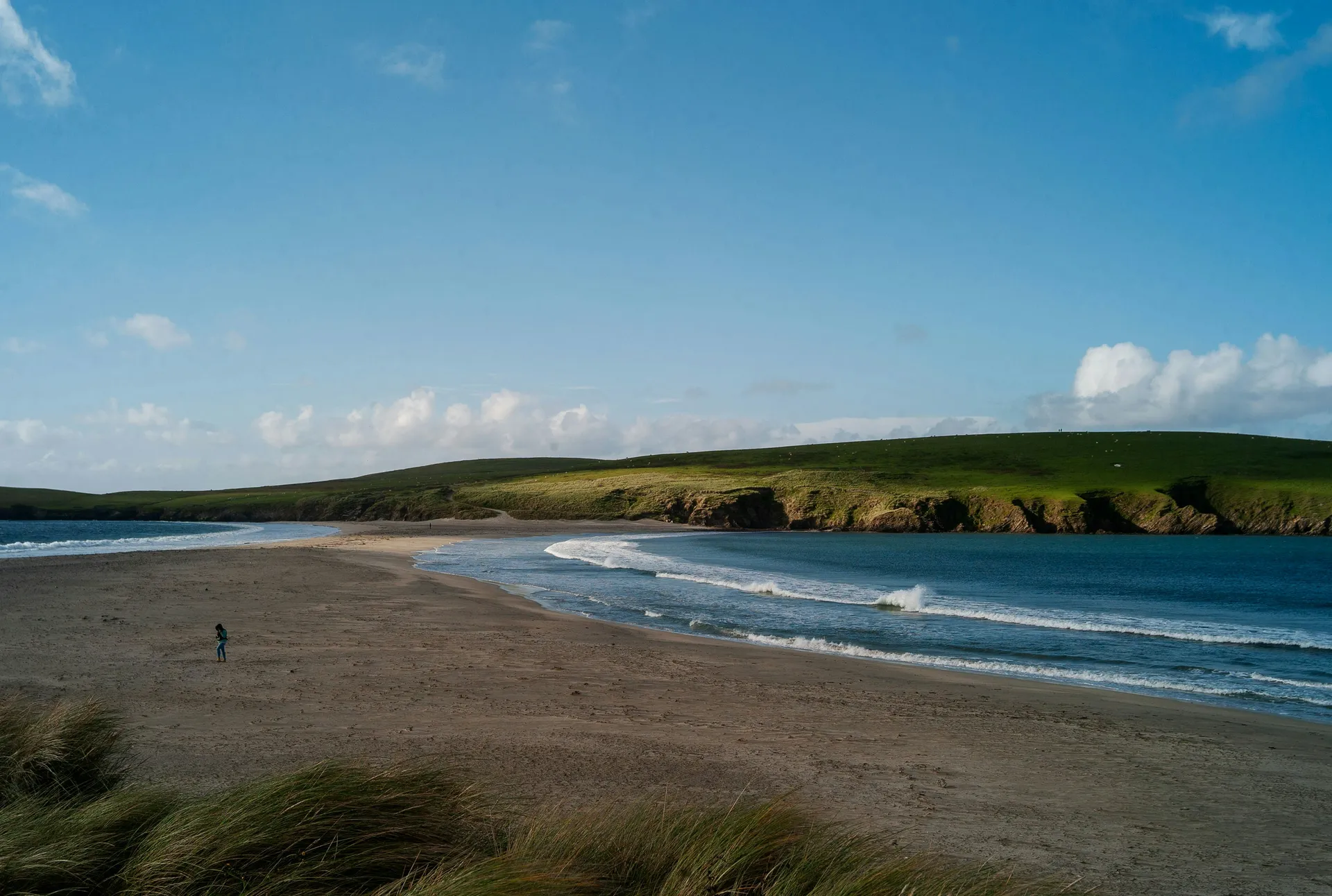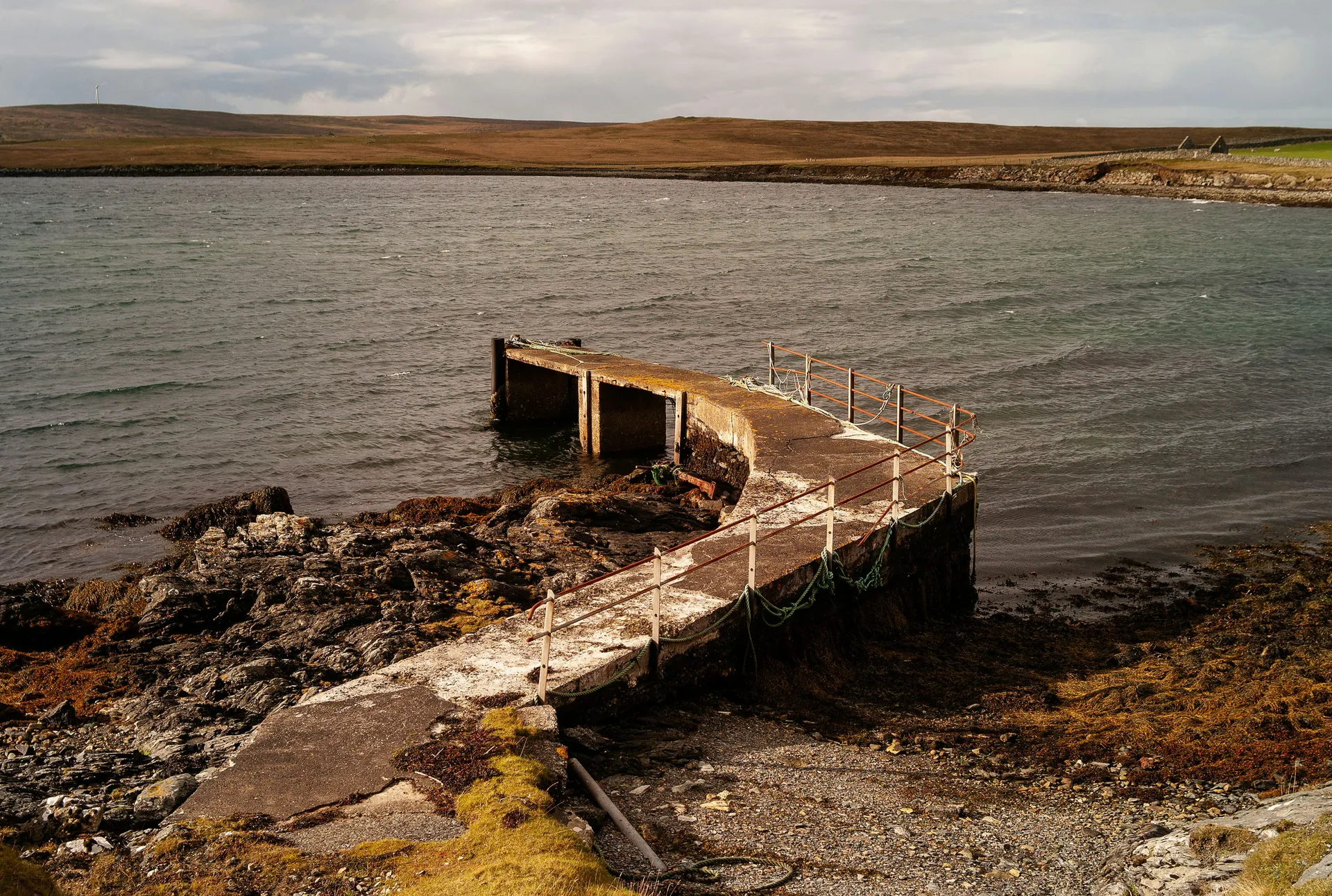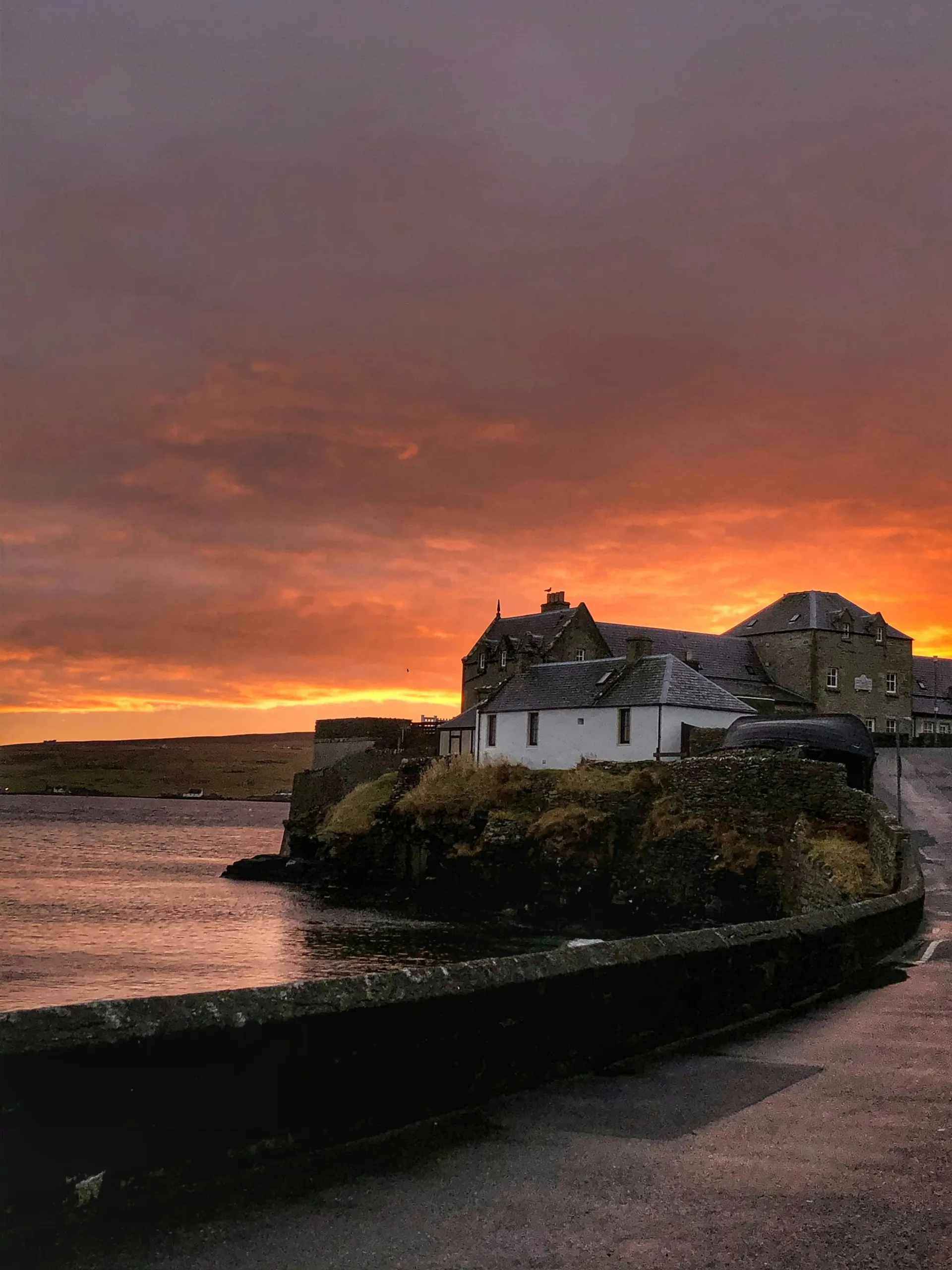
The Shetland Islands occupy a place on the map where most people stop looking—60 degrees north, closer to Bergen in Norway than to Edinburgh, and subject to weather systems that arrive unannounced from the open Atlantic with a ferocity that has shaped both landscape and character for millennia. Yet this remoteness is precisely what makes Shetland one of the most extraordinary destinations in the British Isles. The archipelago of over 100 islands (15 inhabited) has been continuously settled for at least 5,000 years, from the Neolithic builders of Jarlshof to the Norse jarls who ruled here for six centuries, leaving a cultural imprint that remains vivid in the dialect, place names, and festivals of modern Shetlanders.
Lerwick, the capital, is a remarkably cosmopolitan town of 7,500 people whose stone-flagged lanes, Victorian waterfront, and Norse street names create an atmosphere that is neither fully Scottish nor fully Scandinavian but something uniquely Shetlandic. The Shetland Museum and Archives tells the islands' story from geological formation through the oil boom with outstanding exhibitions. Fort Charlotte, built by Cromwell's forces in 1665, overlooks the harbor where fishing boats, supply vessels, and cruise ships share anchorage. Every January, the Up Helly Aa fire festival transforms Lerwick into a Viking spectacle—a torchlit procession of a thousand costumed guizers culminating in the burning of a full-size replica longship, a tradition that embodies Shetland's fierce pride in its Norse heritage.
Shetland's culinary identity is rooted in the sea and the croft. The islands produce some of Scotland's finest seafood: hand-dived scallops from Yell Sound, mussels from Brae, and the sweet, cold-water lobster and crab landed daily at Lerwick's fish market. Shetland lamb—raised on salt-sprayed heather pastures that give the meat a distinctive, almost gamey sweetness—is prized by chefs across Britain. Reestit mutton, a wind-dried preservation technique dating to the Norse era, flavors soups and stews with an intense, smoky depth. Bannocks and bere meal bread connect the islands to an ancient grain culture, while home baking—particularly at the ubiquitous island shows and sales of work—reaches standards that would humble many a professional bakery.
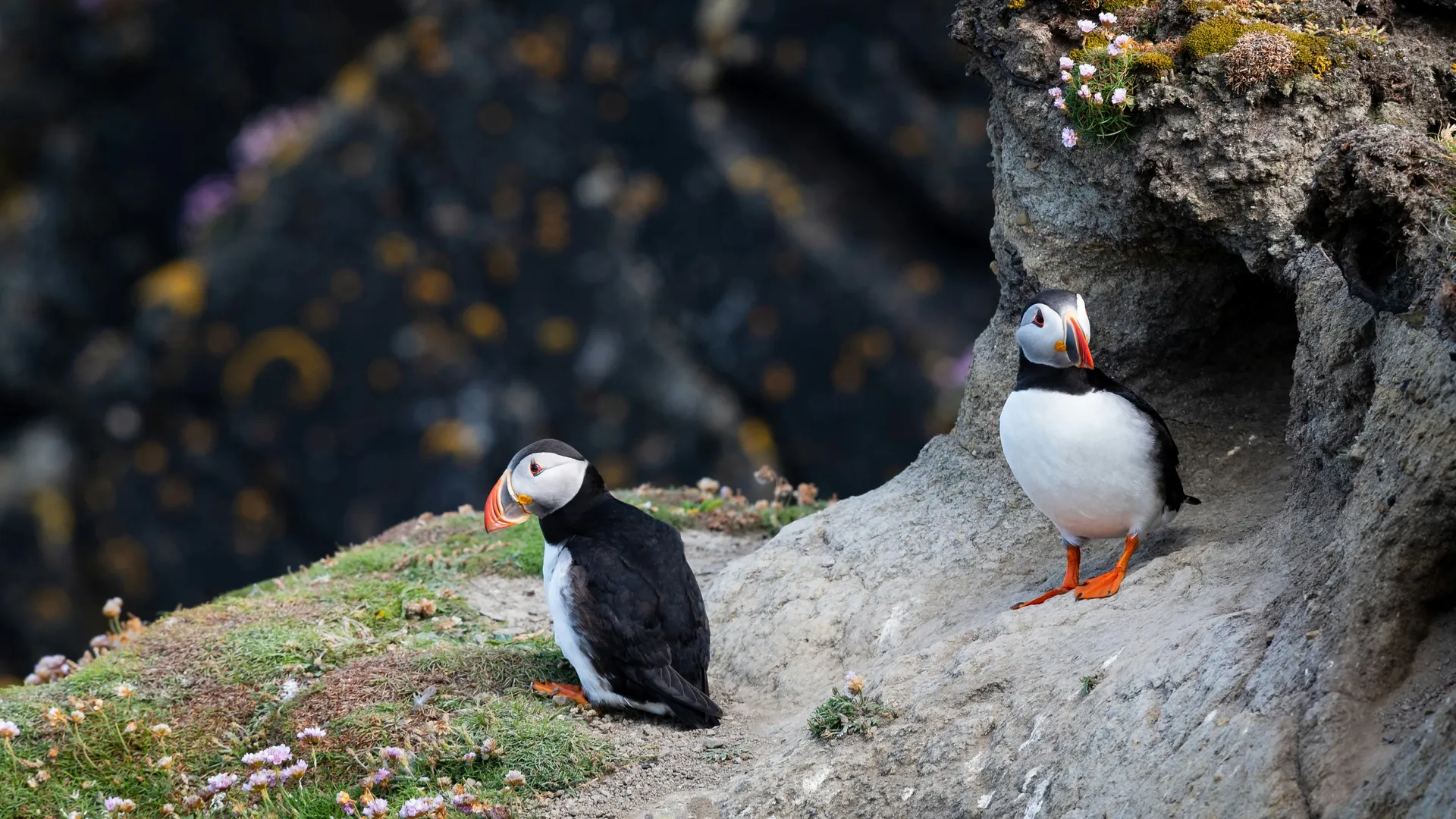
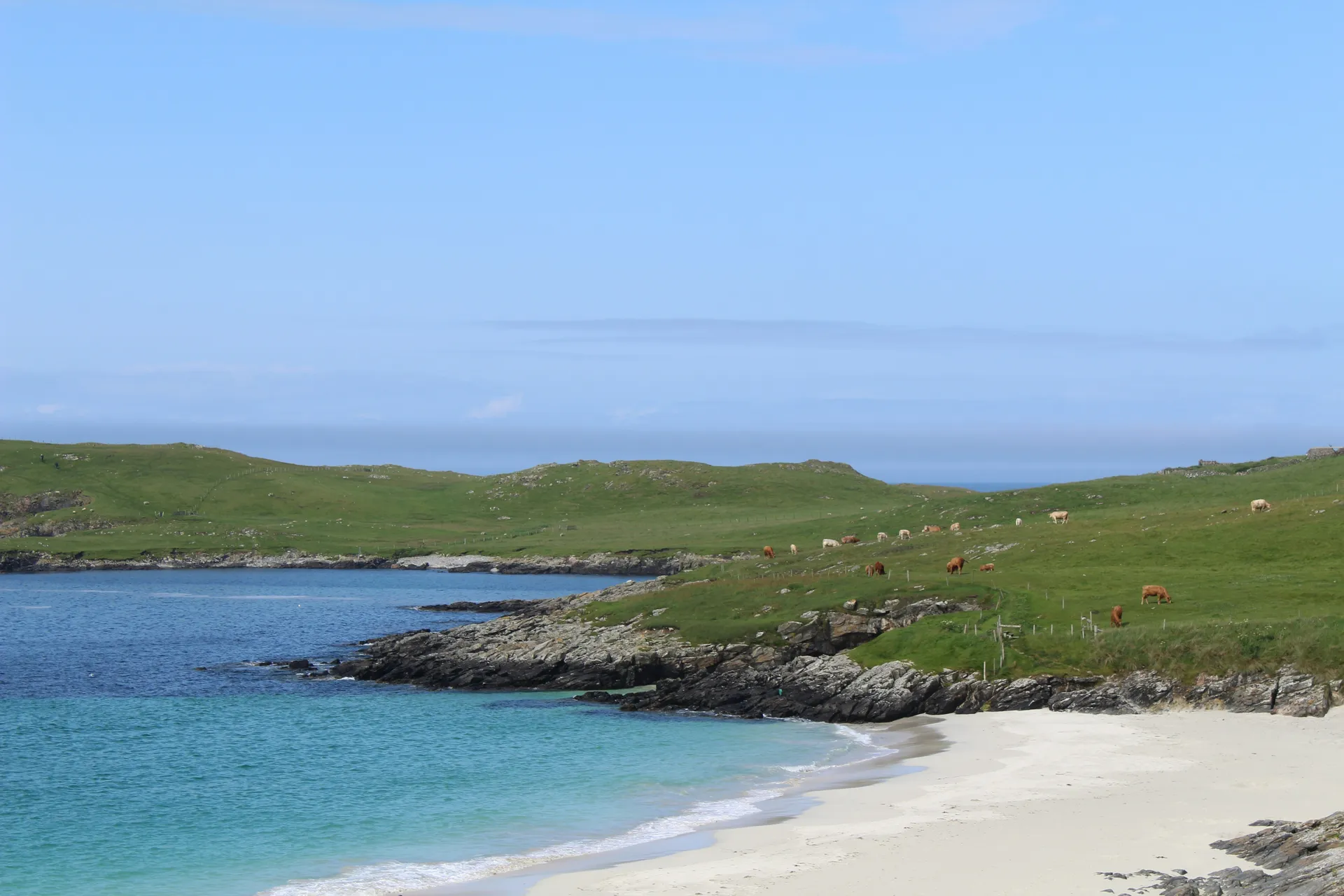
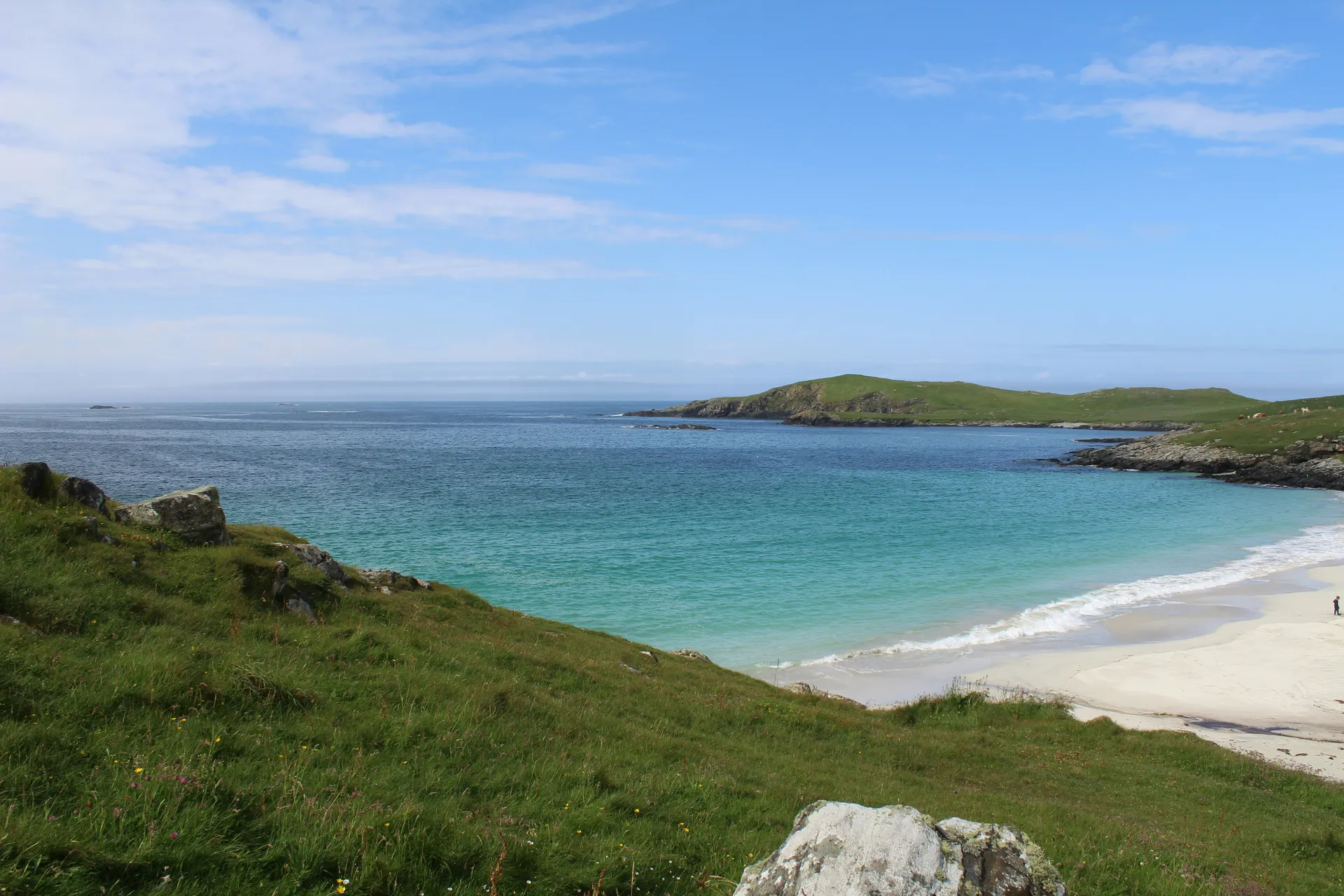
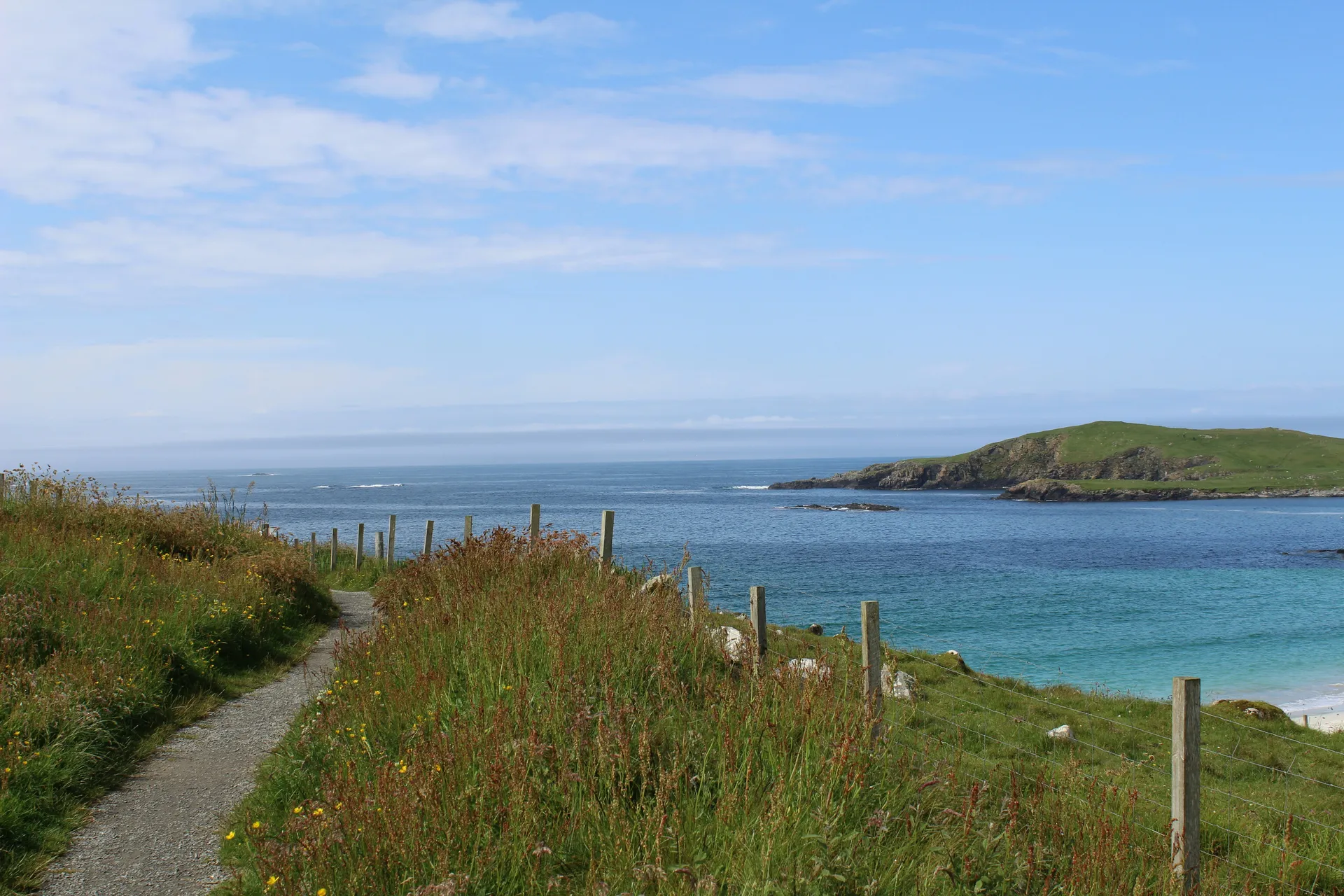
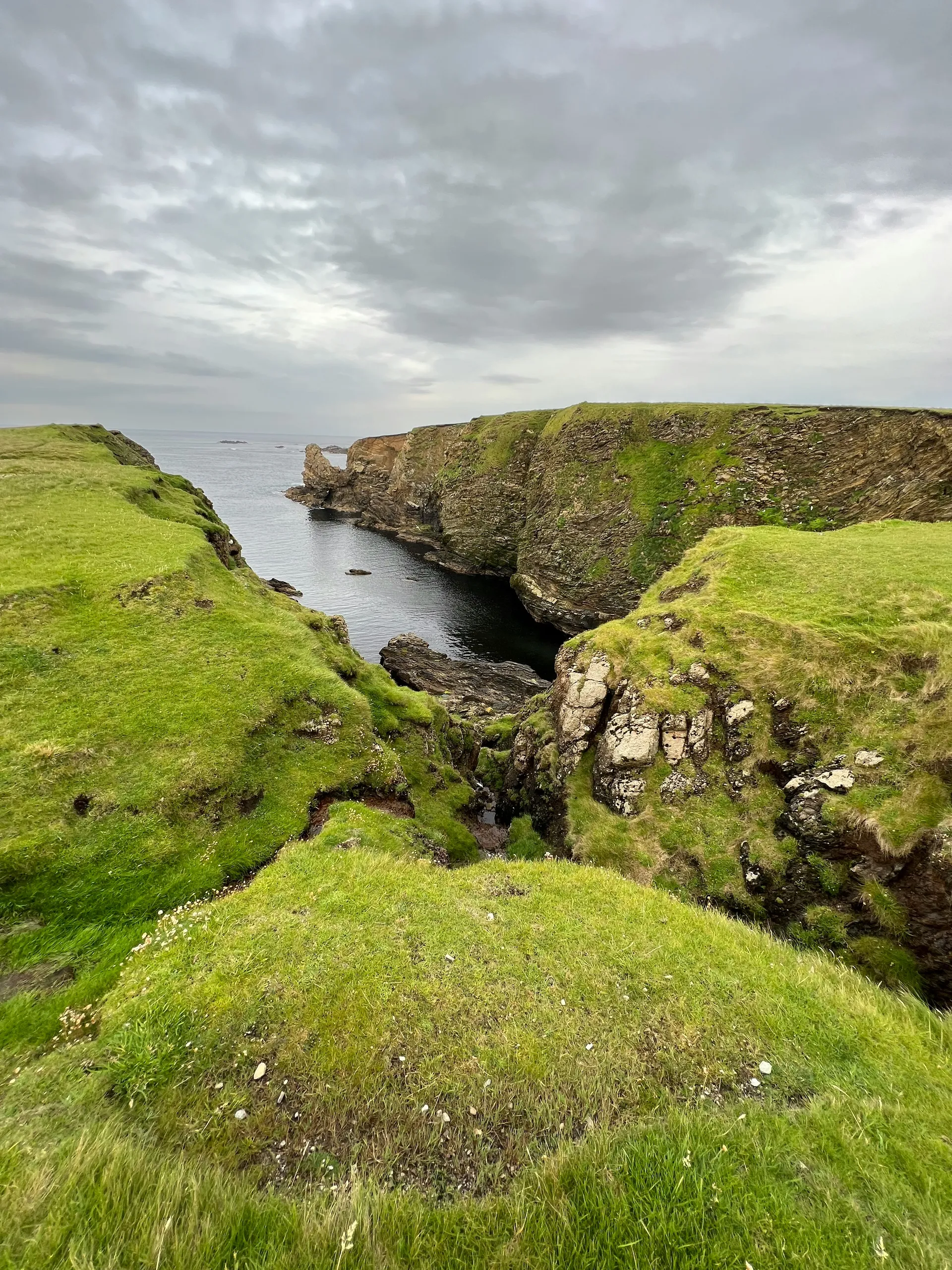
The natural environment of Shetland is its greatest spectacle. The sea cliffs at Hermaness, on the island of Unst (Britain's most northerly inhabited point), host one of Europe's largest gannet colonies—50,000 pairs nesting on stacks and ledges in a sensory assault of sound and motion. Puffins burrow in their thousands at Sumburgh Head, where a lighthouse marks the island's southern tip and the meeting of Atlantic and North Sea creates dramatic tidal races. Mousa Broch, the best-preserved Iron Age tower in Scotland, rises from a small island accessible by boat, its double-walled structure engineering marvel intact after 2,000 years. In summer, Shetland's latitude brings the "simmer dim"—weeks of near-perpetual daylight when the sun barely dips below the horizon, painting the sky in watercolors of amber and rose.
AIDA, Atlas Ocean Voyages, Hapag-Lloyd Cruises, Lindblad Expeditions, and Quark Expeditions all include Shetland on their British Isles and North Atlantic itineraries. Ships typically dock or anchor at Lerwick, with the town center immediately accessible. The best visiting window is May through August, when days are longest, wildlife is most active, and the simmer dim creates magical lighting conditions. Sea conditions can be rough even in summer, and layered, windproof clothing is essential regardless of season. Shetland is not a destination for those seeking manicured gardens and cream teas—it is a place for those who find beauty in raw coastline, ancient stone, and the fierce vitality of communities that have thrived on the edge of the known world for five thousand years.