Swansea — Abertawe in Welsh — sprawls around the curve of its magnificent bay on the south Wales coast, a city that has reinvented itself from heavy industrial port to cultural destination with a determination that would have pleased its most famous son, Dylan Thomas. The poet was born here in 1914, in a modest semi-detached house in the Uplands neighborhood, and his description of Swansea as an 'ugly, lovely town' — a phrase that captured both its industrial grit and its natural setting — has proved prophetic, as the city steadily tips the balance toward the lovely.
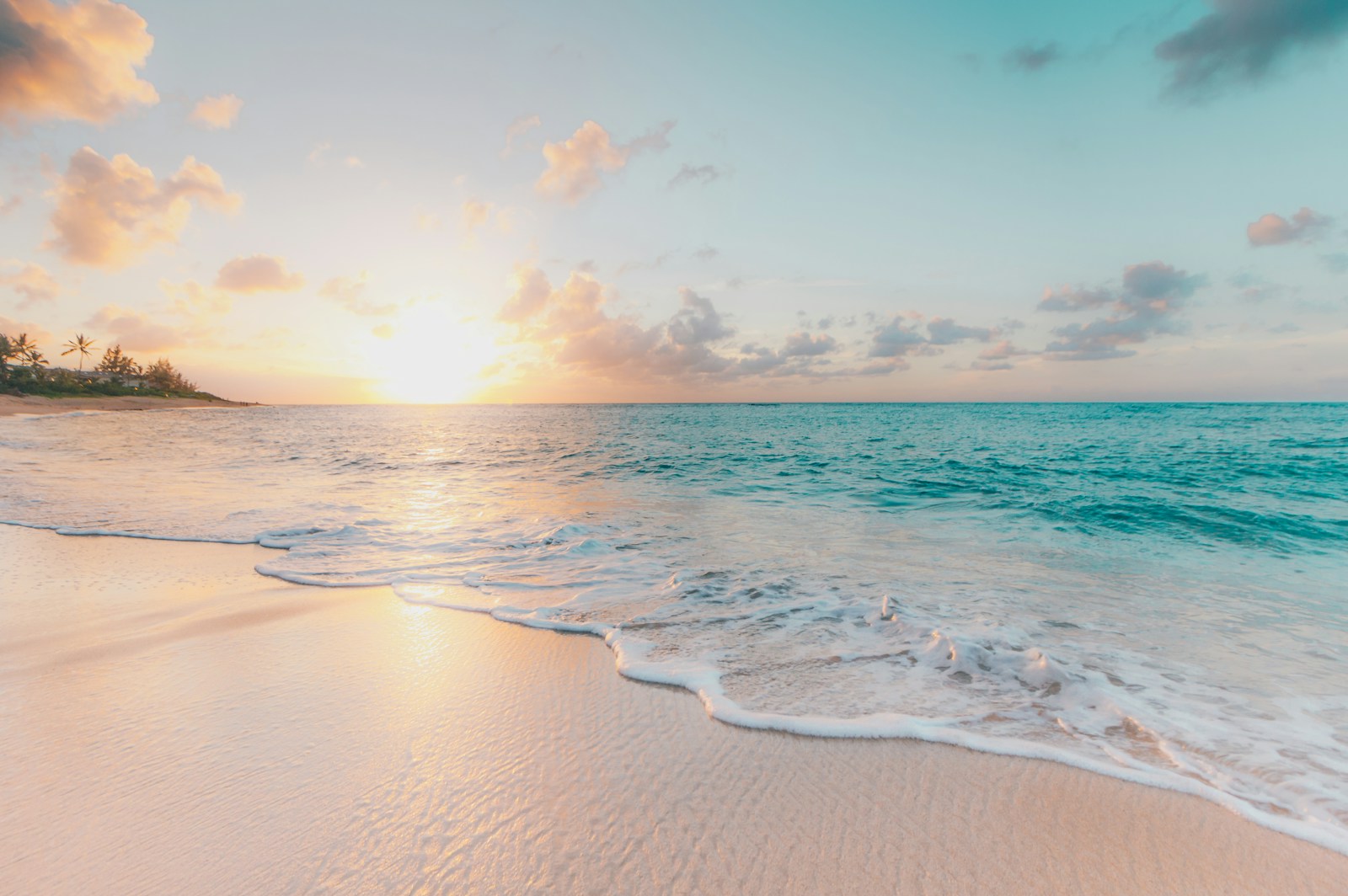
Swansea Bay is the city's great natural asset: a five-mile crescent of sand that sweeps from the city center west toward the Mumbles, a Victorian seaside village perched at the western tip of the bay where the old pier, lighthouse, and ice cream parlors create an atmosphere of genteel maritime leisure. The Mumbles has been attracting day-trippers since the world's first passenger railway service — horse-drawn along the Oystermouth Railway from 1807 — brought Swansea residents to its beaches. Today, the promenade from Swansea to Mumbles is one of the finest waterfront walks in Wales.
The culinary scene reflects Swansea's position at the intersection of sea, farmland, and the famous Gower Peninsula. Swansea Market, the largest indoor market in Wales, is the place to try laverbread — seaweed harvested from the Gower coast, boiled to a dark paste, and traditionally fried with oatmeal and served alongside cockles, bacon, and eggs for a uniquely Welsh breakfast. The market's cockle stalls have been family-run for generations, their produce gathered by hand from the Burry Inlet's beds. Local restaurants increasingly showcase Gower salt marsh lamb, Welsh Black beef, and seafood from the bay.
The Gower Peninsula, extending west from Mumbles, was the first area in Britain to be designated an Area of Outstanding Natural Beauty, and its coastline justifies the honor extravagantly. Rhossili Bay, consistently ranked among the top beaches in Europe, unfolds as three miles of golden sand backed by the dramatic cliff of Rhossili Down, with the tidal island of Worm's Head accessible at low tide. Three Cliffs Bay, Caswell Bay, and Langland Bay each offer their own character, while the peninsula's interior harbors Neolithic burial chambers, medieval castles, and some of the finest farmland in Wales.
Swansea's port facilities accommodate cruise ships at the SA1 development area, close to the city center and the National Waterfront Museum, which documents Wales's industrial and maritime heritage in a striking contemporary building. The city is well-connected by rail to London (three hours) and Cardiff (one hour). The best visiting season is May through September, when the Gower beaches are at their most inviting and the Welsh weather is at its most cooperative — though the term is relative. Swansea is a city that has found its voice after decades of post-industrial uncertainty, and the story it tells is one of coast, culture, and resilience.

