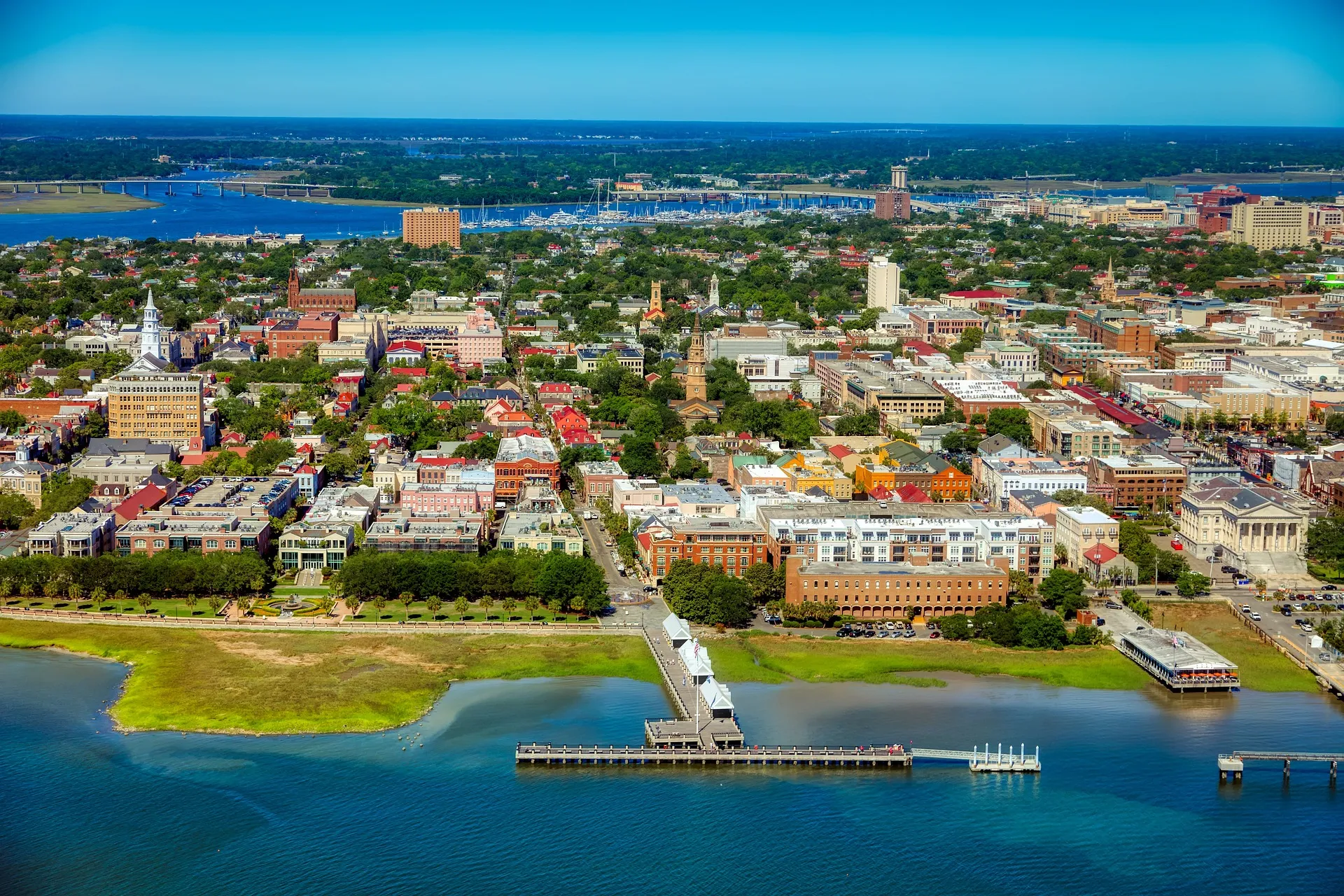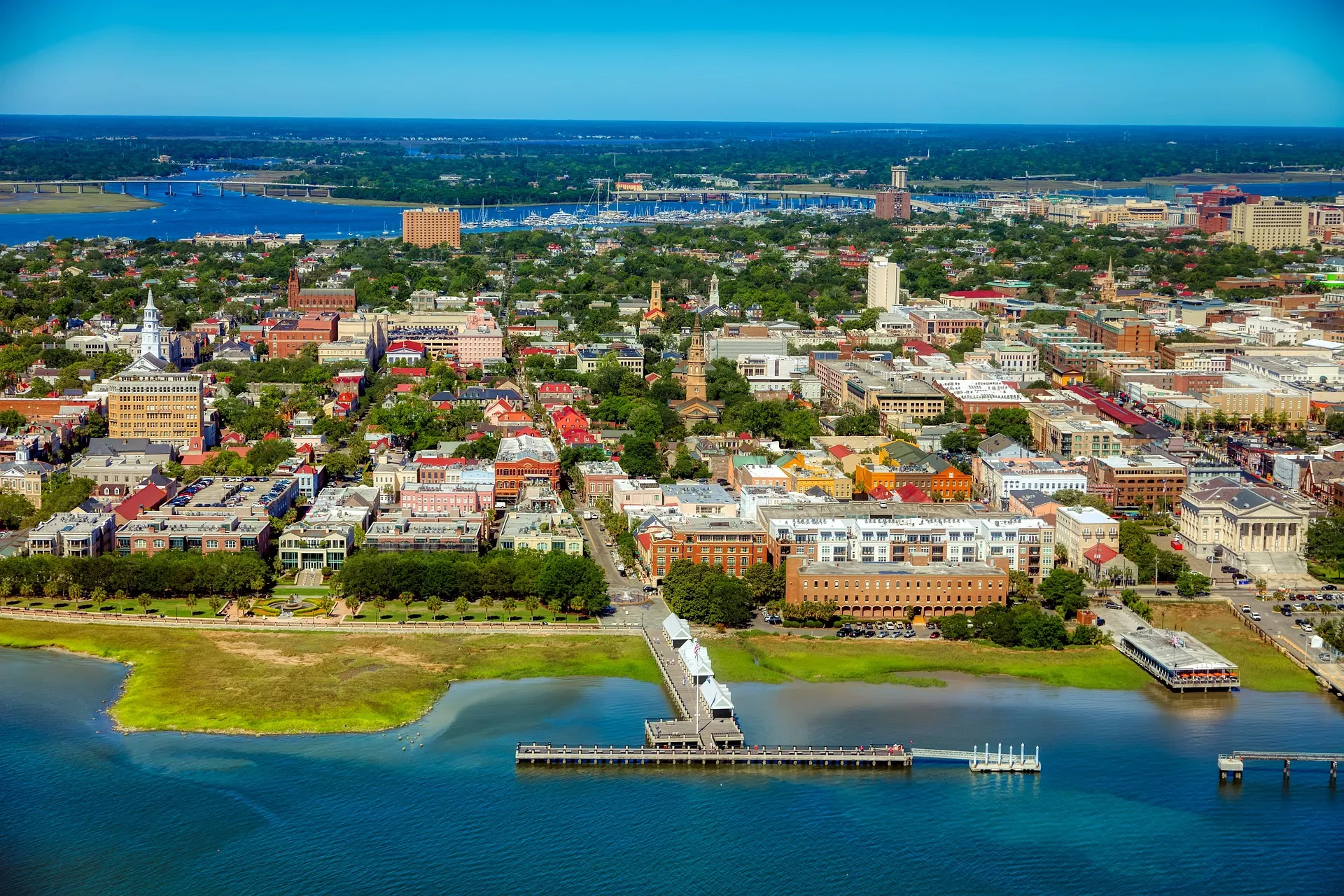
Among American cities, Charleston, South Carolina, occupies a unique position: a place where the architecture of the antebellum South has survived in such remarkable concentration that walking its streets feels less like tourism than time travel. Founded in 1670 as Charles Town, this port city at the confluence of the Ashley and Cooper Rivers was colonial America’s wealthiest and most cosmopolitan center—a status built on rice, indigo, and the enslaved labor that powered the Low Country’s plantation economy. Today, Charleston confronts this complex heritage with increasing honesty while celebrating the cultural richness—particularly in food and architecture—that its history produced.
The Historic District’s architectural inventory is staggering. Over 1,400 historic buildings crowd the peninsula’s southern tip, representing every style from Georgian to Federal to Greek Revival to the uniquely Charlestonian "single house"—a narrow residence oriented sideways to the street, with long piazzas (porches) catching the prevailing sea breeze. Rainbow Row, a series of 13 pastel-painted Georgian houses along East Bay Street, is among the most photographed streetscapes in America. The Battery, a seawall promenade at the peninsula’s tip, offers views across Charleston Harbor to Fort Sumter, where the first shots of the Civil War were fired in April 1861.
Charleston’s culinary renaissance has made it one of America’s most important food cities. The Low Country cuisine that Sean Brock, Mike Lata, and a new generation of chefs have championed draws on the African, English, French, and Caribbean traditions that converged in the colonial port. Shrimp and grits—once humble sustenance for shrimpers and farmers—has become Charleston’s signature dish, elevated to fine-dining status without losing its soul. She-crab soup, oyster roasts, Frogmore stew (a one-pot boil of shrimp, sausage, corn, and potatoes), and benne wafers (sesame seed cookies tracing directly to West African foodways) form a culinary vocabulary unique to the Low Country.
The International African American Museum, opened in 2023 on the site of Gadsden’s Wharf—where an estimated 40% of enslaved Africans brought to North America first set foot on American soil—represents Charleston’s most significant act of historical reckoning. The museum’s exhibitions trace the African American journey from African origins through enslavement, emancipation, and cultural contribution, using the actual ground beneath the building as its most powerful exhibit. This institution, alongside the Old Slave Mart Museum and plantation tours that center enslaved people’s experiences, reflects Charleston’s evolving commitment to telling its full story.
Crystal Cruises, Oceania Cruises, and Royal Caribbean bring their vessels to Charleston’s port, located on the Cooper River within sight of the downtown skyline. The port’s proximity to the Historic District—a short taxi ride or water taxi crossing—makes independent exploration effortless. March through May and September through November offer the most pleasant weather, with spring’s azalea blooms and autumn’s temperate breezes creating the ideal conditions for walking Charleston’s storied streets. The Spoleto Festival USA, held each May and June, adds 17 days of opera, dance, theater, and music to a city already rich in culture.