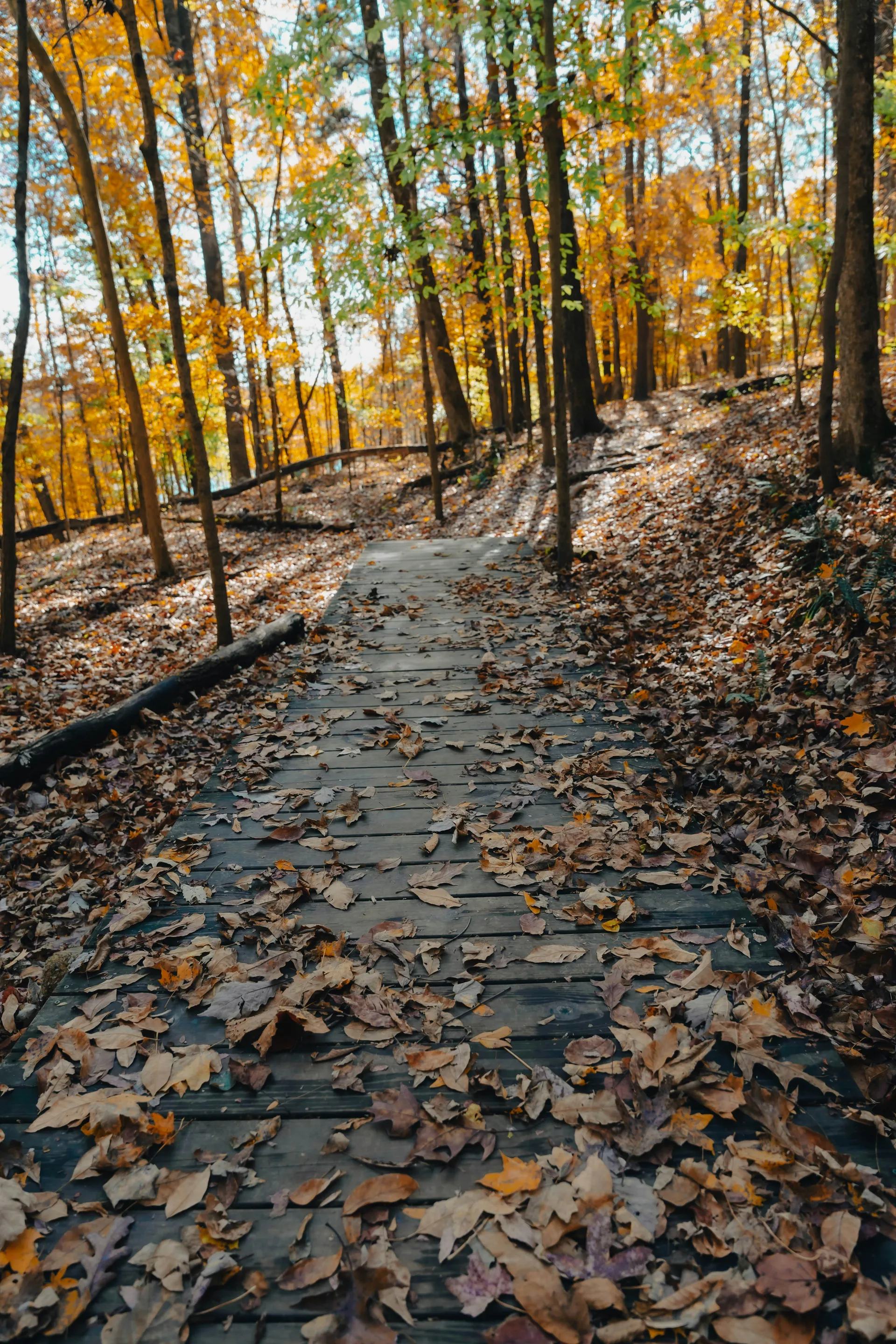
Where the Cumberland River makes a wide bend through the rolling hills of Middle Tennessee, Clarksville stands as one of the fastest-growing cities in the American South — a place where Civil War battlefields, frontier history, and a thriving contemporary arts scene converge in a city that balances Southern tradition with forward-looking energy. As the home of Fort Campbell — the U.S. Army's 101st Airborne Division (Air Assault), the "Screaming Eagles" — Clarksville carries a distinctive military heritage that shapes its culture and community.
Fort Defiance Civil War Park preserves the site where Confederate forces constructed a fortification overlooking the confluence of the Cumberland and Red rivers in 1861. The park's interpretive center documents the strategic importance of controlling these waterways during the Civil War, and the elevated position above the rivers provides commanding views that explain exactly why both armies fought for this ground. The broader Clarksville region saw significant military activity throughout the war, and several battlefields and historical sites are accessible within a short drive.
Downtown Clarksville has experienced a renaissance in recent years, with the historic district along Franklin Street and the riverside area developing into a vibrant cultural quarter. The Customs House Museum and Cultural Center, housed in a magnificent Italianate customs house built in 1898, is the second-largest general museum in Tennessee, with collections spanning art, history, and science. Public art installations dot the downtown streets, a growing number of craft breweries and restaurants occupy restored nineteenth-century buildings, and the monthly Art Walk draws crowds to galleries and studios across the district.
The Cumberland River, which defines Clarksville's geography and history, offers recreational opportunities that connect the city to its natural setting. The RiverWalk, a paved trail along the riverbank, provides pleasant walking and cycling with views of the limestone bluffs that line the river's course. Liberty Park, with its marina and extensive green spaces, serves as the city's primary outdoor gathering place. The river itself supports fishing for catfish, bass, and crappie that recalls a time when these waters were the region's primary transportation corridor.
River cruise ships navigating the Cumberland River dock at Clarksville's riverfront, where the historic downtown is immediately accessible on foot. The city serves as a stop on Nashville-to-Paducah river itineraries that trace the waterways of the American heartland. Spring (March-May) and autumn (September-November) offer the most pleasant weather — warm days, cool evenings, and the particular beauty of the Tennessee landscape in transition. Summer is hot and humid, typical of the region, while winter is mild but can include occasional cold snaps that remind visitors of the city's inland position.

