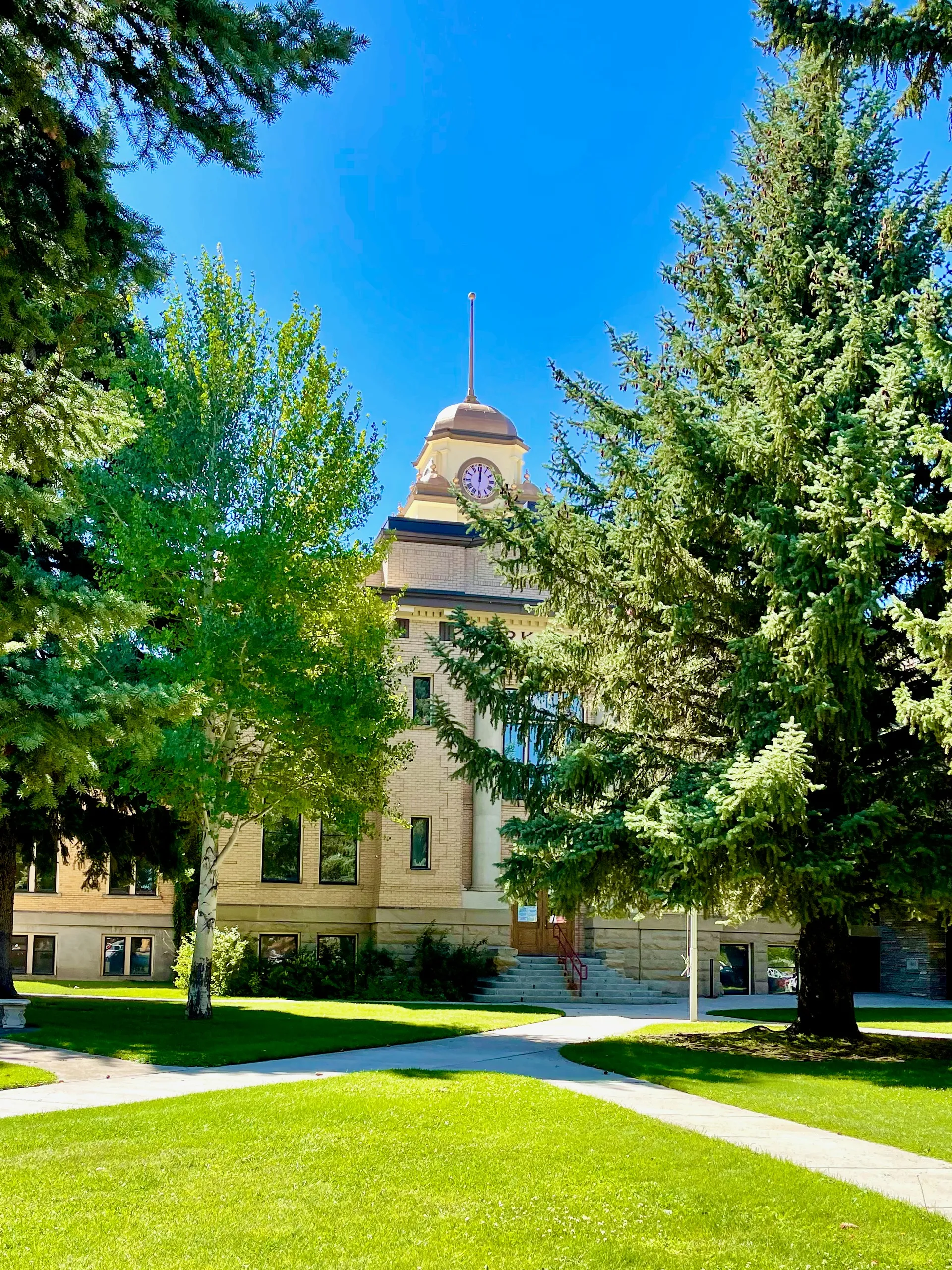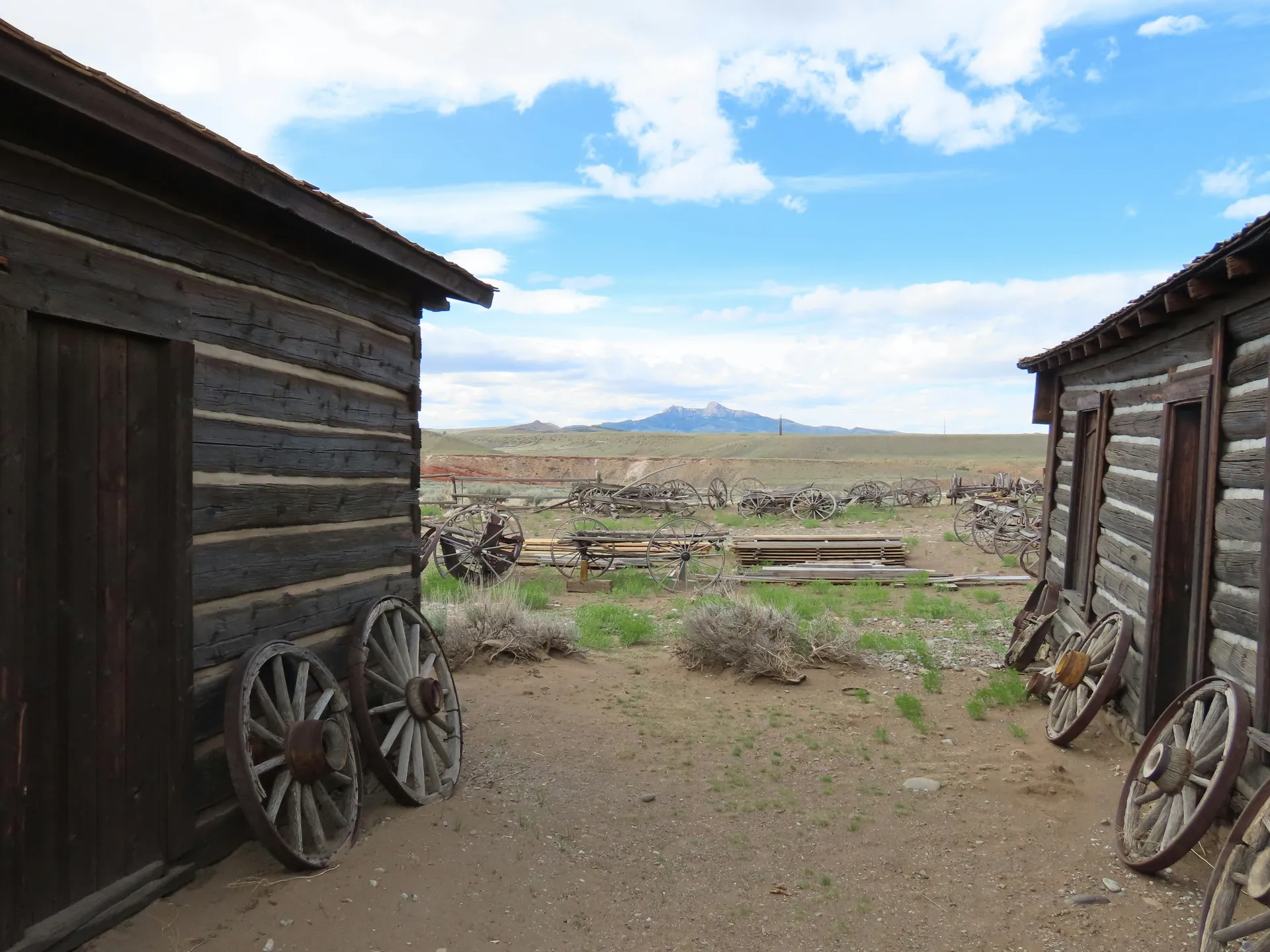
Cody, Wyoming, was founded in 1896 by William Frederick "Buffalo Bill" Cody, the showman-scout who transformed the American frontier into a global entertainment phenomenon. He chose this valley at the eastern approach to Yellowstone National Park for its scenery, its proximity to the park, and—in a stroke of characteristic self-promotion—its potential as a destination that would bear his name in perpetuity. The town has honored that vision with a dedication to Western heritage that is neither ironic nor kitschy but genuinely felt, making Cody one of the most authentic Western towns in the United States.
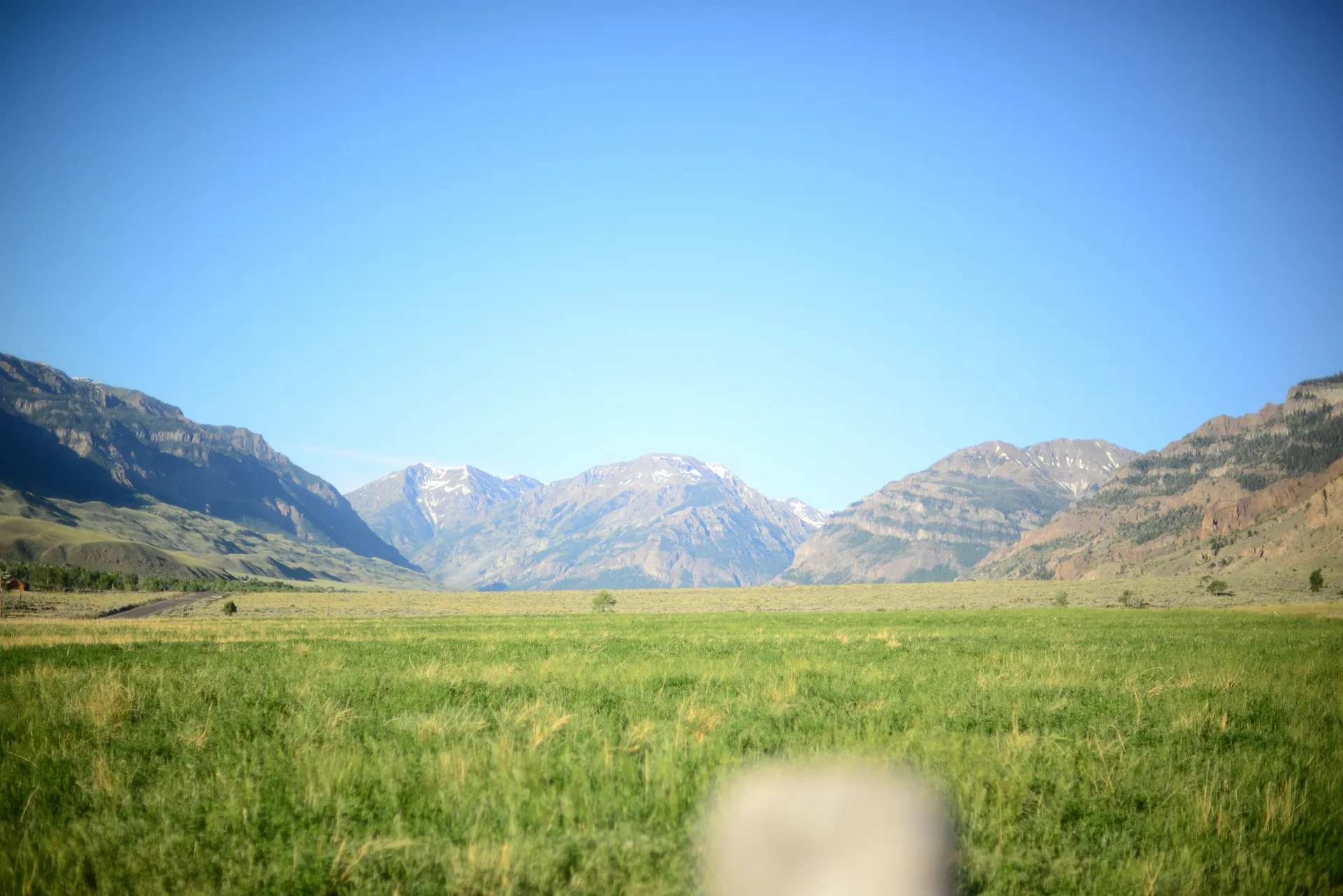
The town sits at 5,016 feet in the Bighorn Basin, flanked by the Absaroka Range to the west and the Bighorn Mountains to the east. The main street, Sheridan Avenue, maintains a Western-town aesthetic that manages to be both historic and alive—saddle shops, Western galleries, and the legendary Irma Hotel (built by Buffalo Bill in 1902 and named for his daughter) line a boulevard where pickup trucks outnumber sedans and cowboy hats are daily wear rather than costume. The Cody Nite Rodeo, running every summer evening from June through August, is not a tourist simulation but a genuine competition, with local cowboys and cowgirls competing in events that define the Western way of life.
The Buffalo Bill Center of the West is Cody's cultural crown jewel and one of the finest museum complexes in the American West. Five museums under one roof cover Western art (including major works by Frederic Remington and Charles M. Russell), natural history, firearms, Plains Indian culture, and the life of Buffalo Bill himself. The Whitney Western Art Museum alone justifies a trip to Cody, with galleries that trace the visual representation of the American West from the earliest exploration to contemporary art. The Plains Indian Museum, developed in close collaboration with Native communities, presents the cultures of the Northern Plains tribes with depth, respect, and beauty.
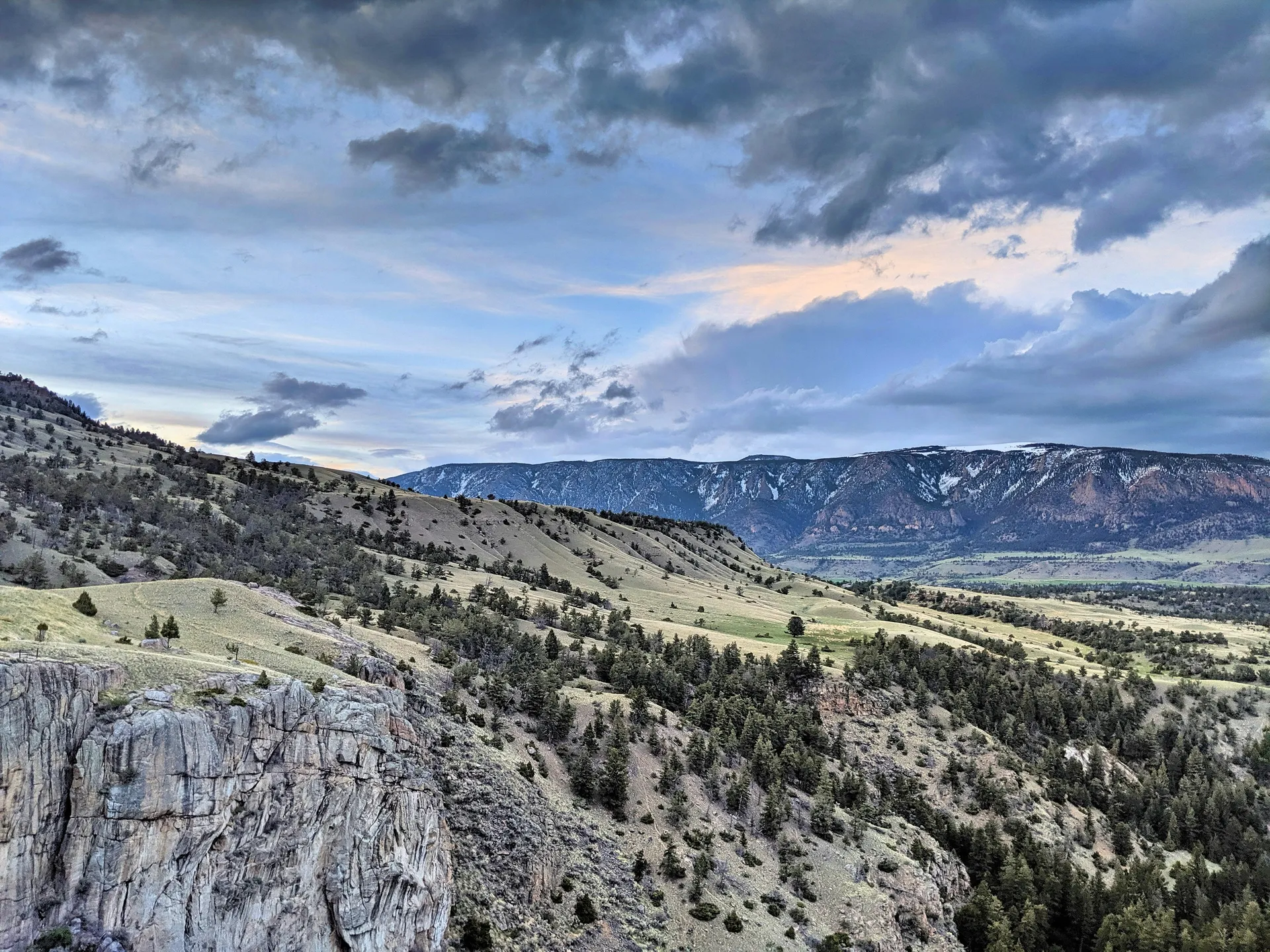
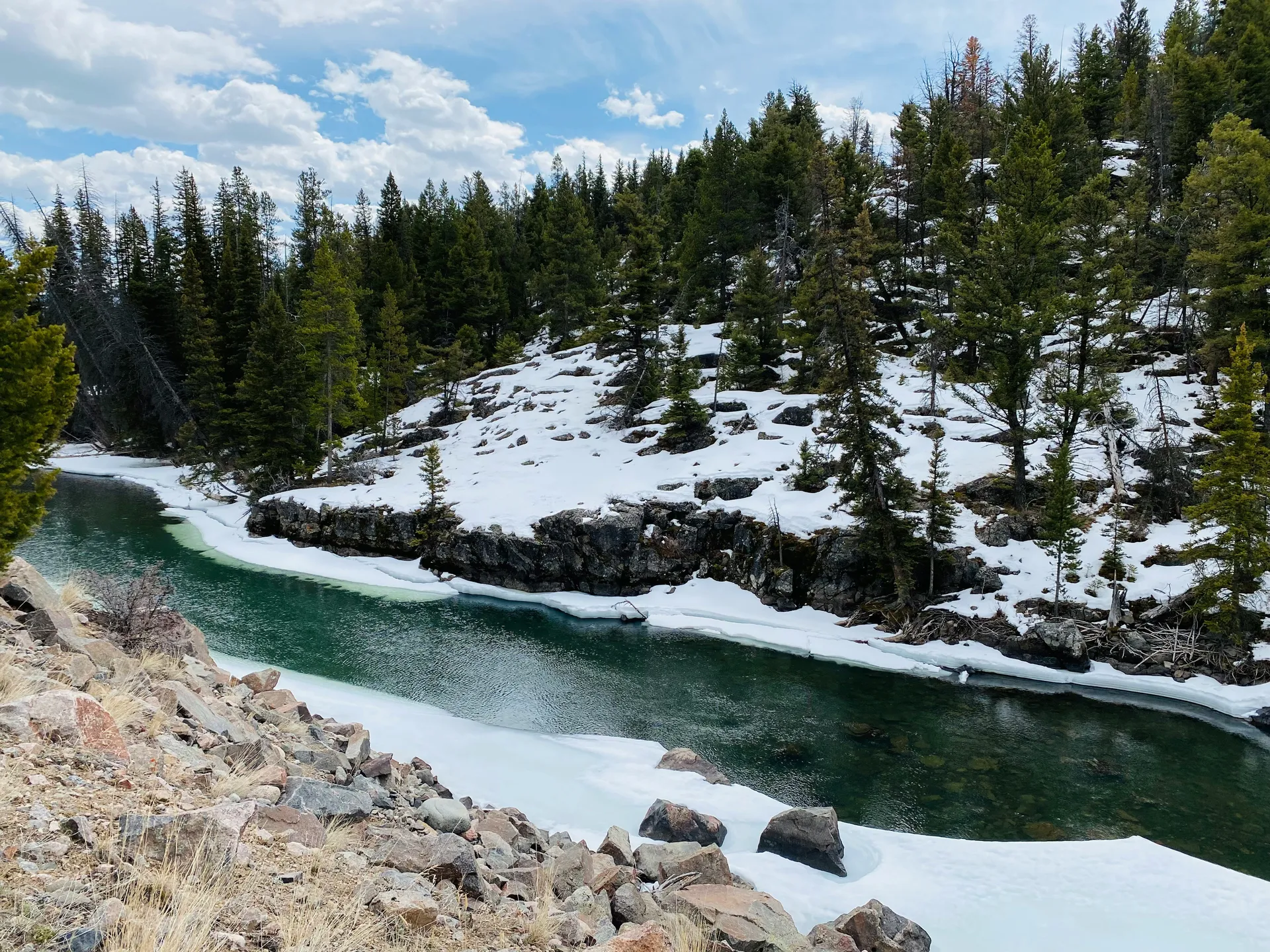
The landscape surrounding Cody is among the most dramatic in Wyoming. The Buffalo Bill Scenic Byway (US Route 14/16/20), the eastern approach to Yellowstone, follows the Shoshone River through Wapiti Valley—a corridor of volcanic rock formations, hot springs, and forested canyon walls that Theodore Roosevelt called "the most scenic fifty miles in America." The Buffalo Bill Reservoir, created by the dam Buffalo Bill himself championed, provides boating, fishing, and a vivid turquoise backdrop to the town. Heart Mountain, a geological anomaly visible from the town, is the site of a World War II Japanese American internment camp now preserved as a moving interpretive center. Yellowstone's East Entrance is just fifty-two miles west—close enough for a day trip yet far enough that Cody retains its own distinct identity.
Cody serves as the eastern gateway to Yellowstone National Park and is included in overland itineraries through the Greater Yellowstone Ecosystem. The best time to visit is June through September, when the rodeo runs nightly, the scenic byway is fully open, and the surrounding mountains are accessible for hiking and horseback riding. September brings the elk rut in the high country and golden aspens in the valleys. Winter closes some mountain roads but opens cross-country skiing territory and provides access to Yellowstone's winter wonderland via snowcoach from the park's east entrance.