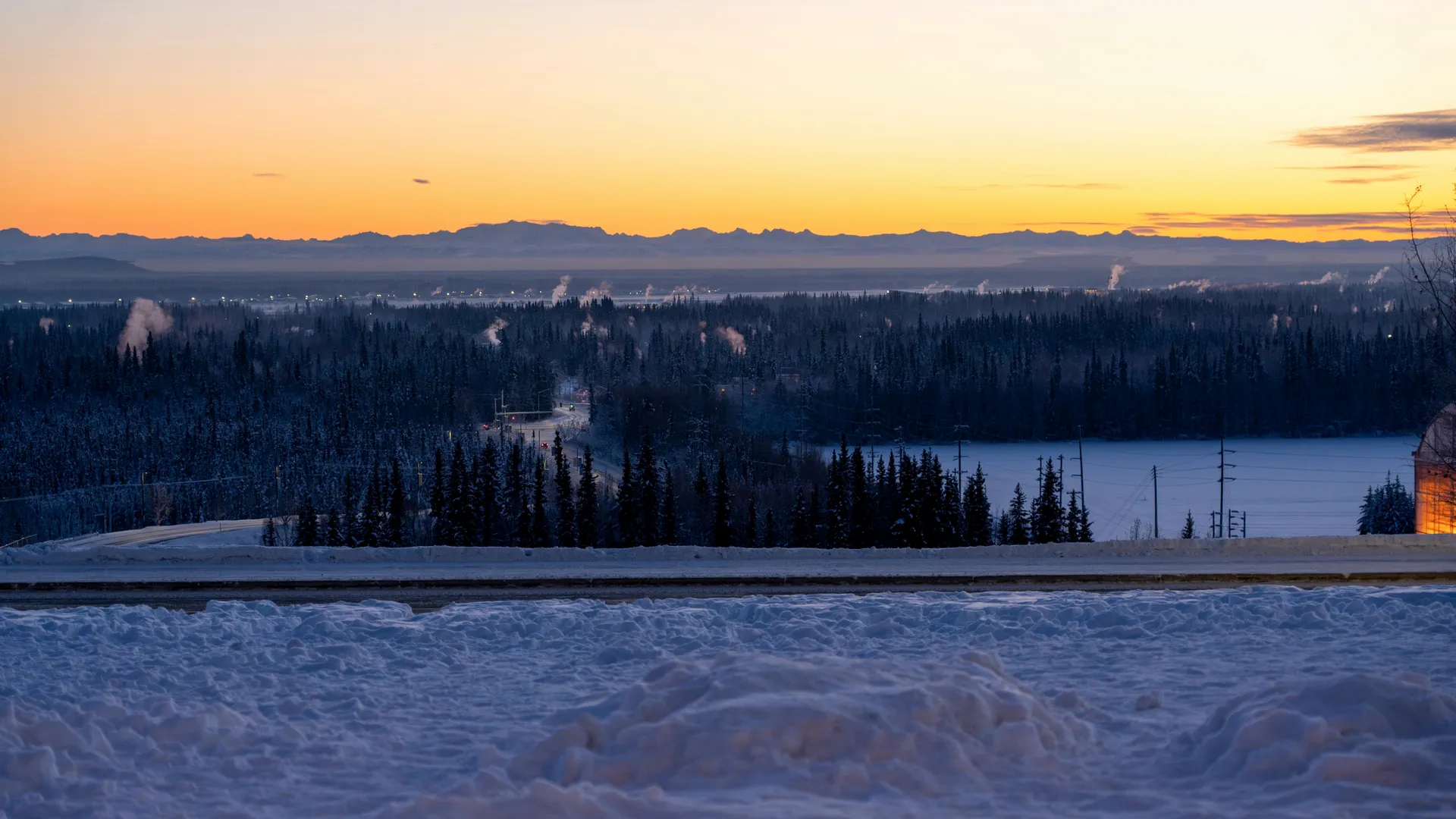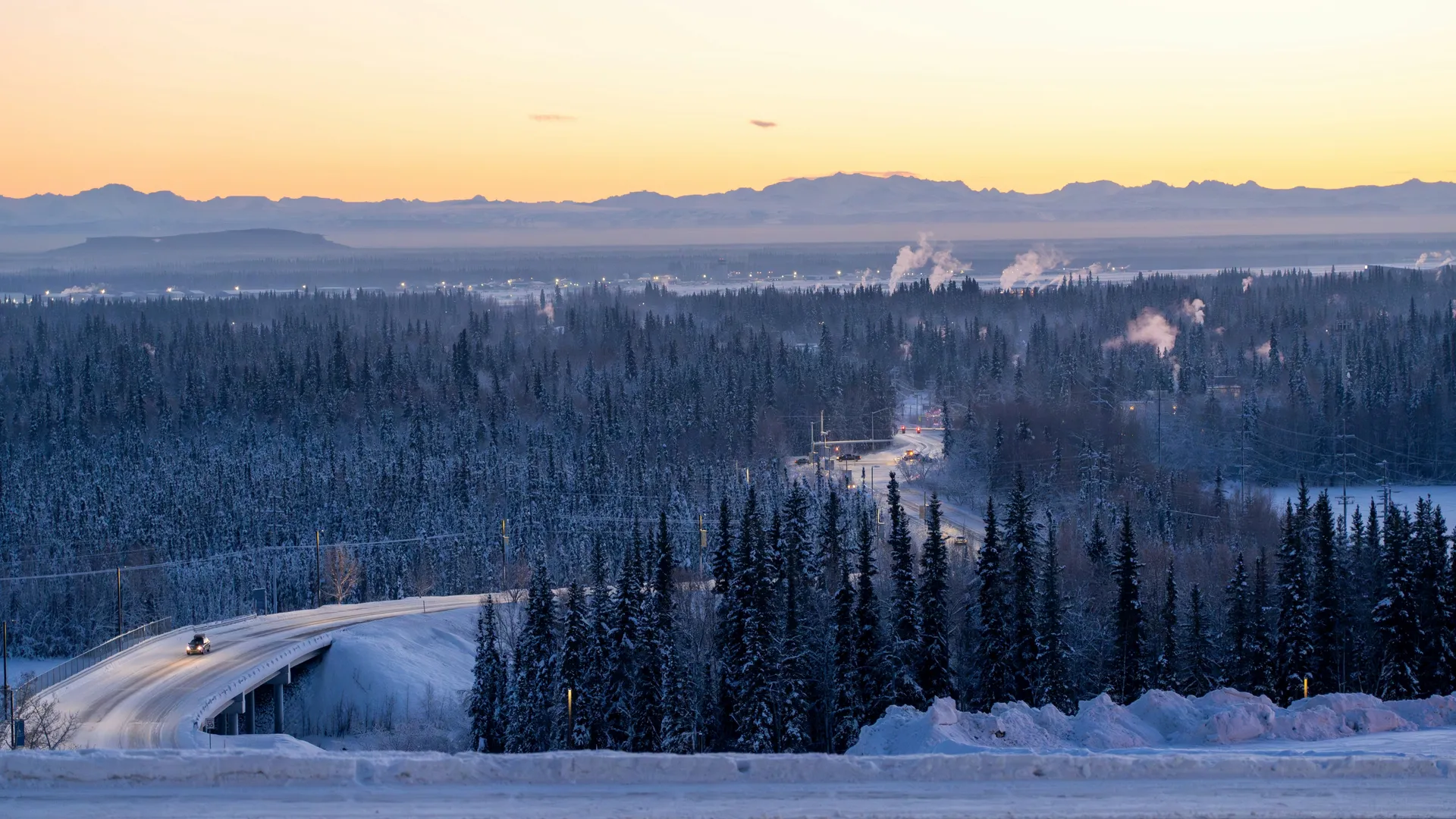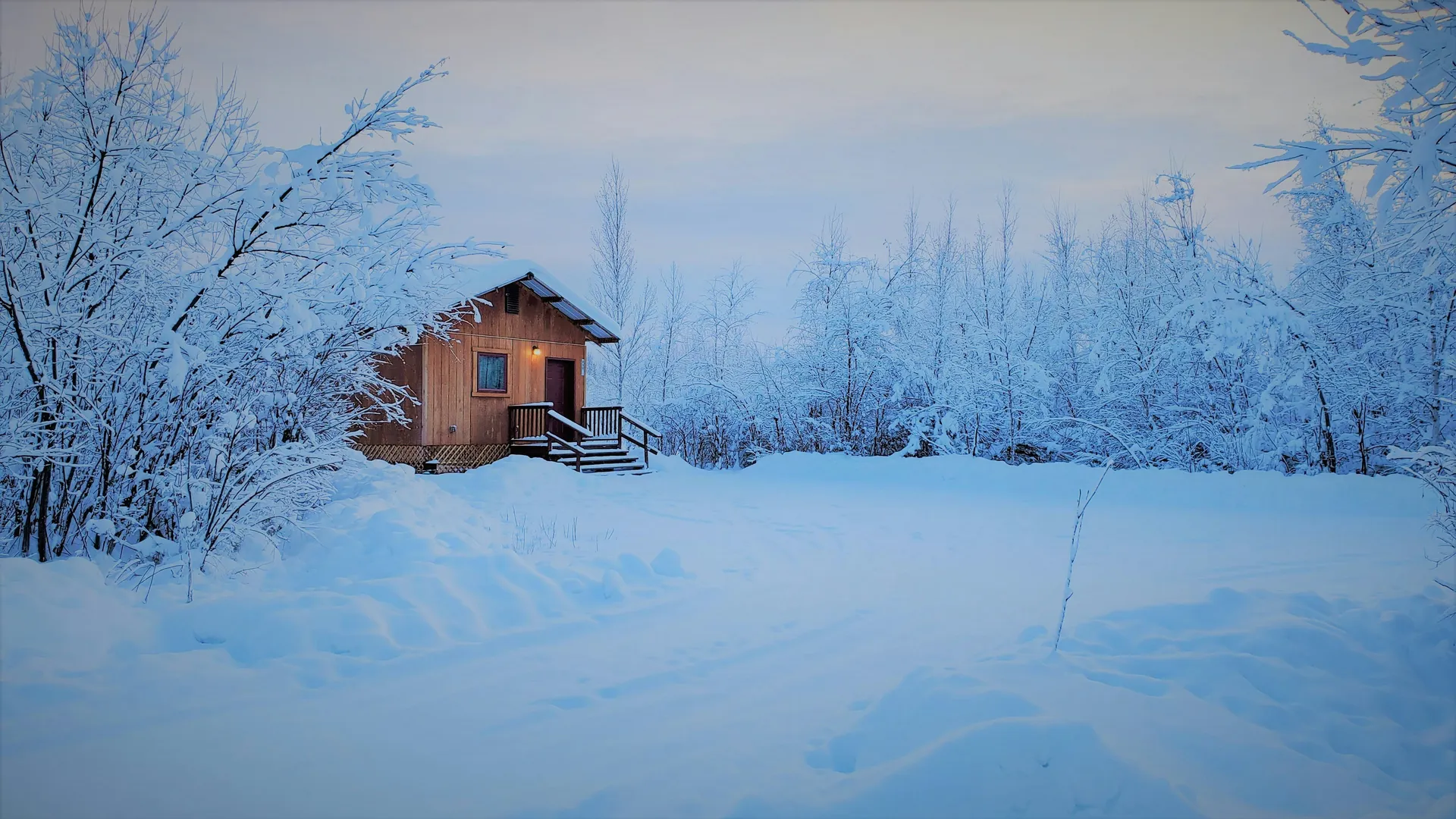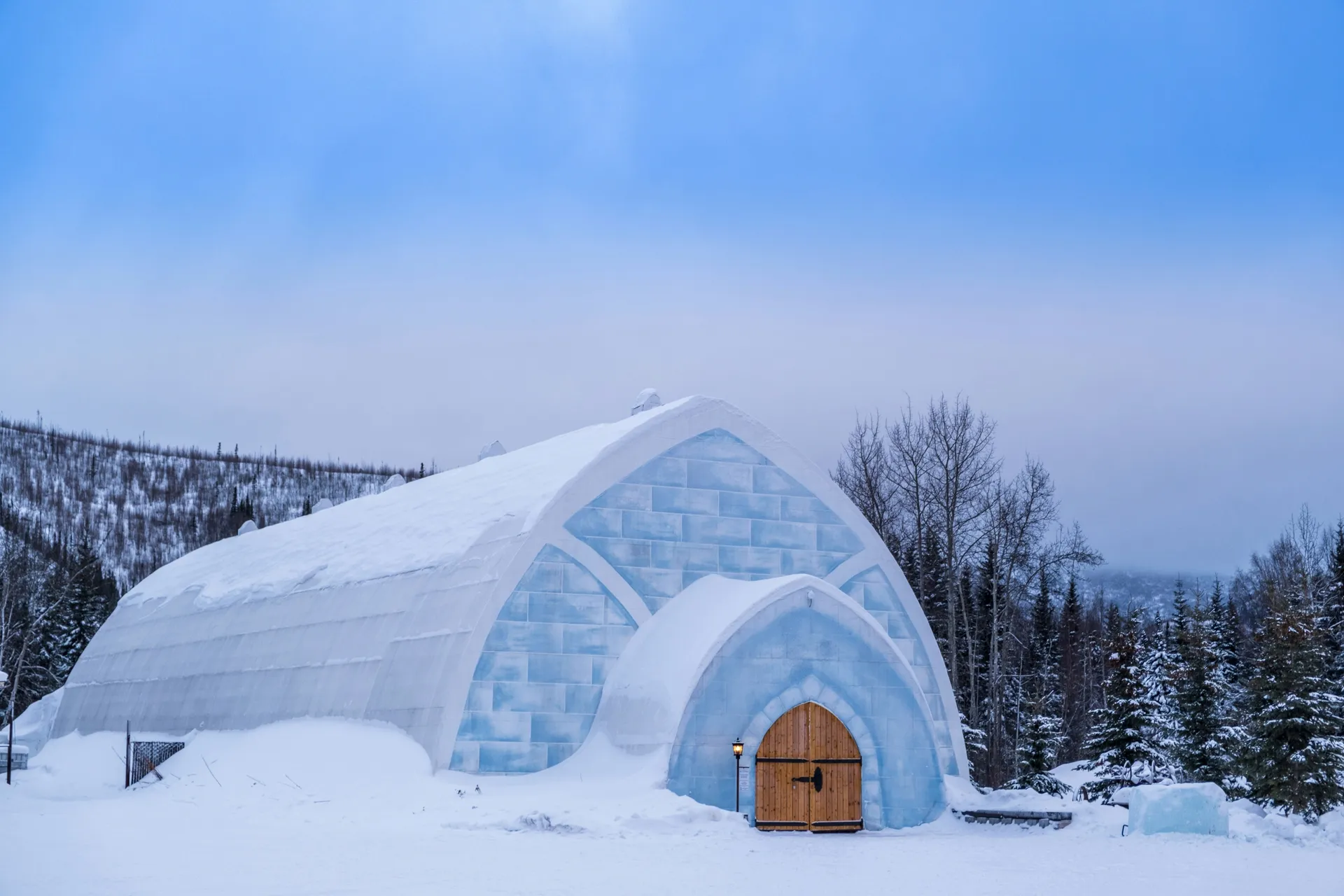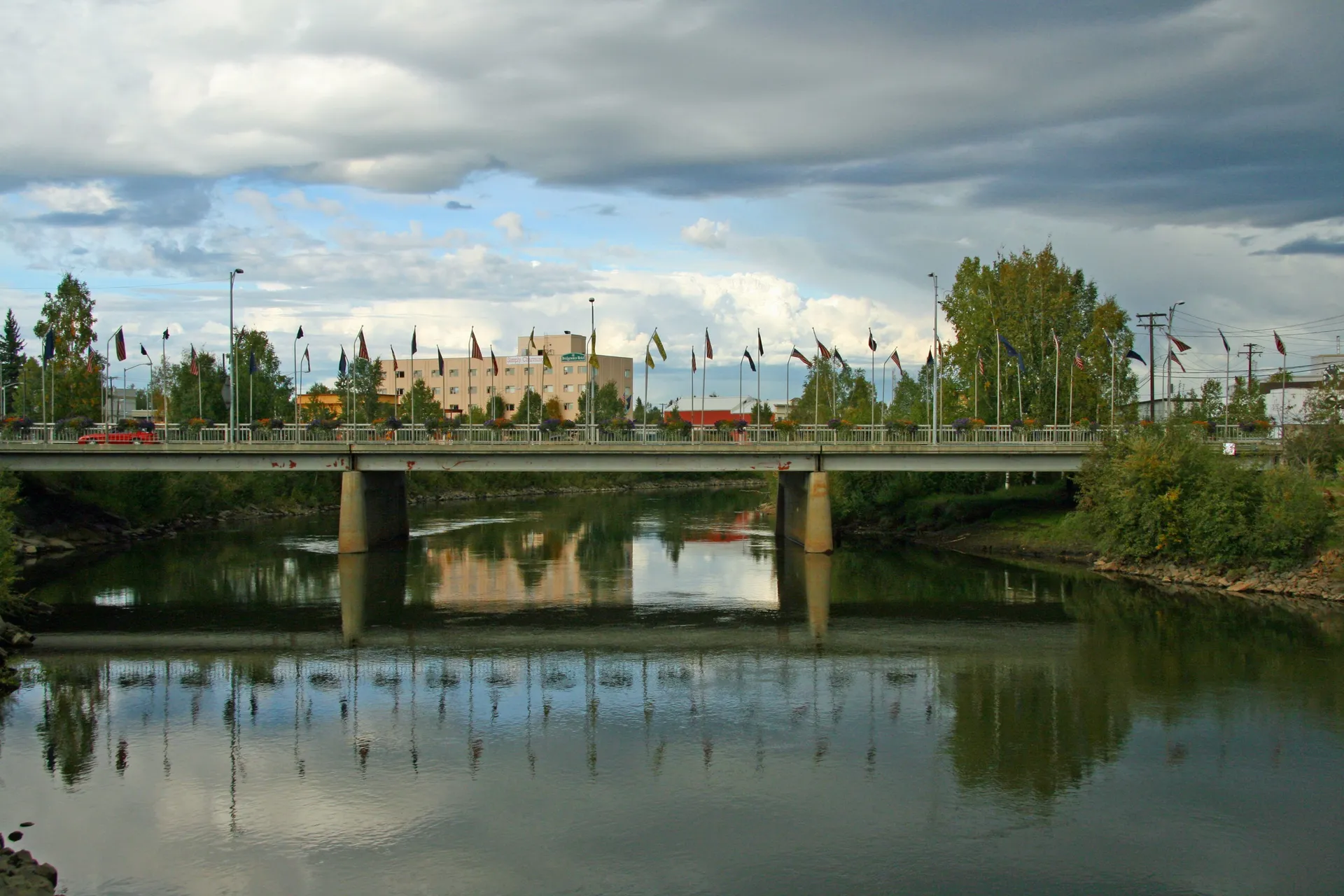
Fairbanks exists at the edge of the habitable world, a city built on permafrost and perseverance in the interior of Alaska, where winter temperatures plunge to minus forty and summer days stretch past midnight without ever seeing darkness. Founded in 1901 when a trader's steamboat ran aground on the Chena River—prompting an impromptu trading post that soon became a gold rush boomtown—Fairbanks has evolved into Alaska's second-largest city and the gateway to the Arctic. It remains a place where the frontier feels not like history but like daily life.
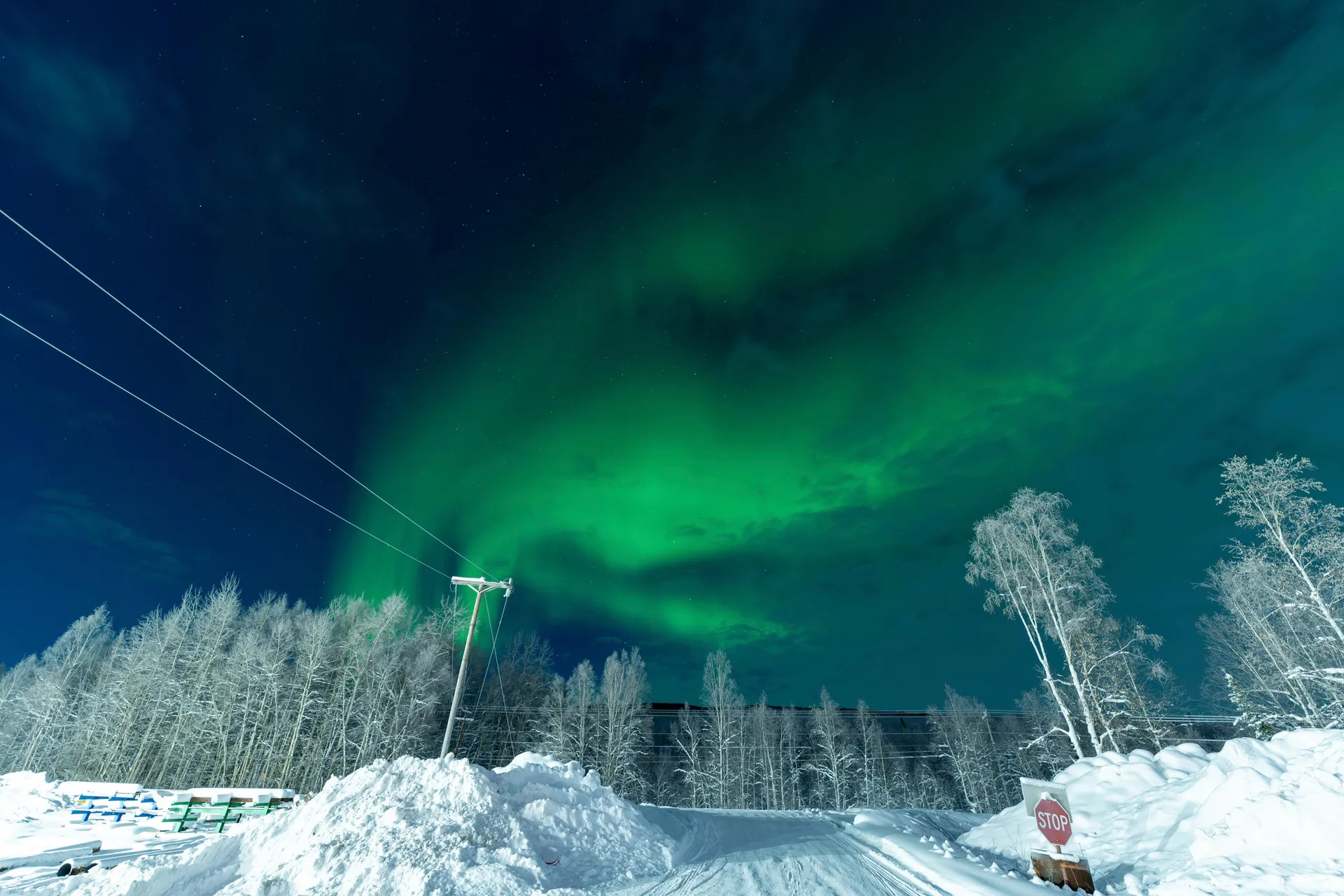
The city sprawls across the Tanana Valley at the confluence of the Chena and Tanana rivers, with the Alaska Range visible to the south on clear days—including Denali, the highest peak in North America, 125 miles distant yet so massive it dominates the horizon. Fairbanks itself is a working city rather than a scenic one, its character rooted in the university (the University of Alaska Fairbanks is a leading research institution for Arctic science), the military (Fort Wainwright and Eielson Air Force Base), and the pipeline (the Trans-Alaska Pipeline passes nearby). But the surrounding wilderness is extraordinary: boreal forests of spruce and birch, rivers teeming with salmon and grayling, and a sky that produces the aurora borealis with such reliability that Fairbanks has earned the title "Aurora Capital of the World."
The culinary scene in Fairbanks is shaped by its extreme geography. Local restaurants feature Alaskan king salmon, reindeer sausage, and wild-foraged berries that grow with explosive intensity during the brief but sun-drenched summer. The Pump House, set in a restored mining-era building on the banks of the Chena River, is a local institution serving Alaskan seafood and prime rib. Lavelle's Bistro brings surprising sophistication to the interior, with a wine list and seasonal menus that would be at home in any Lower 48 city. The craft brewery movement has reached Fairbanks, with HooDoo Brewing Company offering ales inspired by the boreal landscape.
Beyond the city, the experiences are genuinely once-in-a-lifetime. Denali National Park, accessible via a spectacular four-hour drive south on the Parks Highway, offers wildlife viewing—grizzly bears, wolves, caribou, Dall sheep—in a six-million-acre wilderness served by a single road. The Arctic Circle lies 198 miles north on the Dalton Highway, a gravel road built to service the pipeline that crosses some of the most remote terrain in North America. Chena Hot Springs, sixty miles northeast, provides a surreal experience of soaking in natural hot water while the northern lights dance overhead. In summer, a riverboat cruise on the Chena River offers a glimpse into the subsistence lifestyle of Athabascan villages.
Fairbanks serves as an embarkation point for Arctic and interior Alaska expeditions, and as a complement to coastal Alaska cruises. The best time to visit depends on your priority: summer (June–August) brings midnight sun, warm temperatures in the seventies, and access to Denali; winter (September–March) offers aurora viewing at its finest, with peak activity around the equinoxes. Spring breakup (April–May) and fall freeze-up (September–October) provide dramatic seasonal transitions unique to the subarctic.