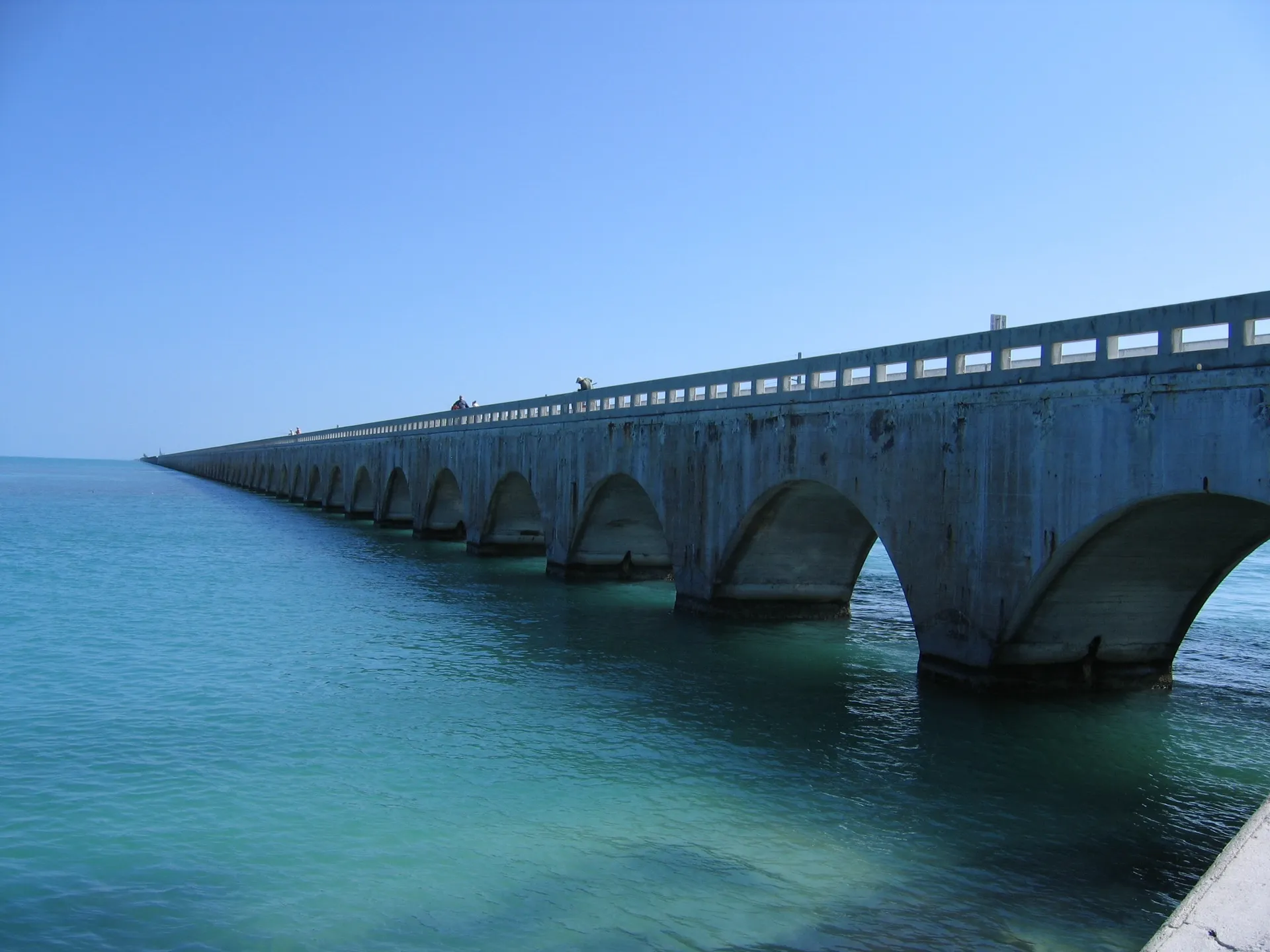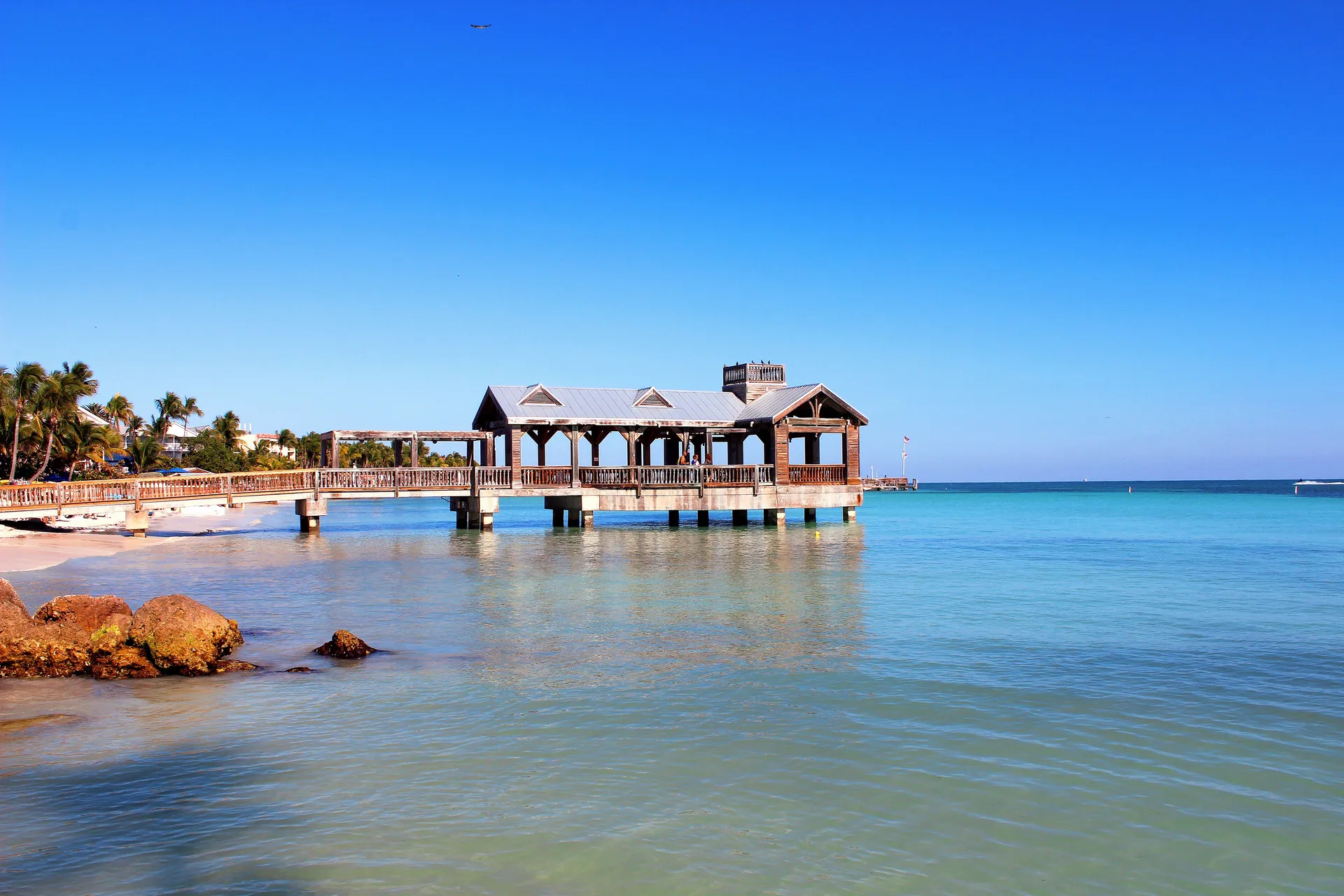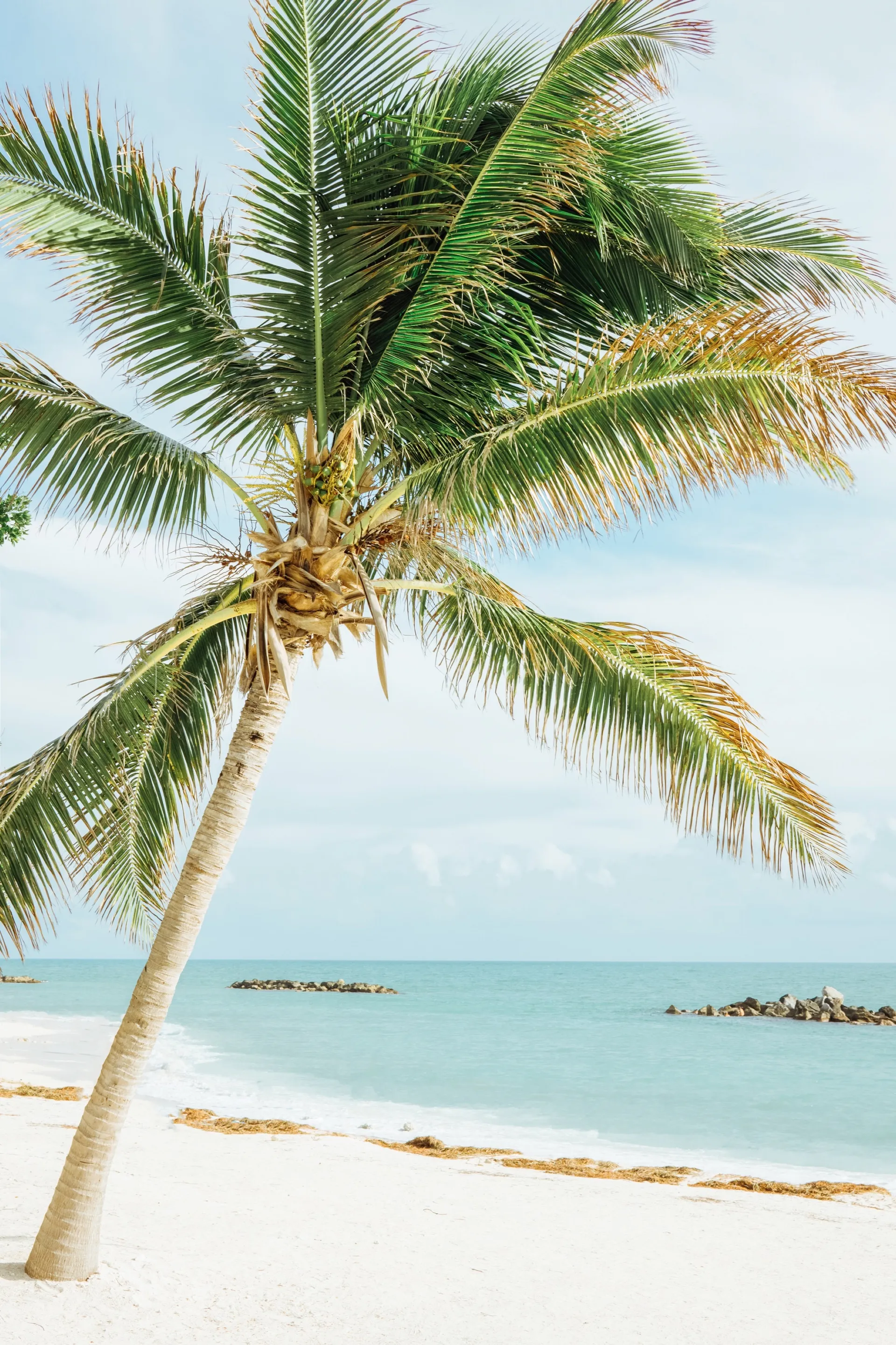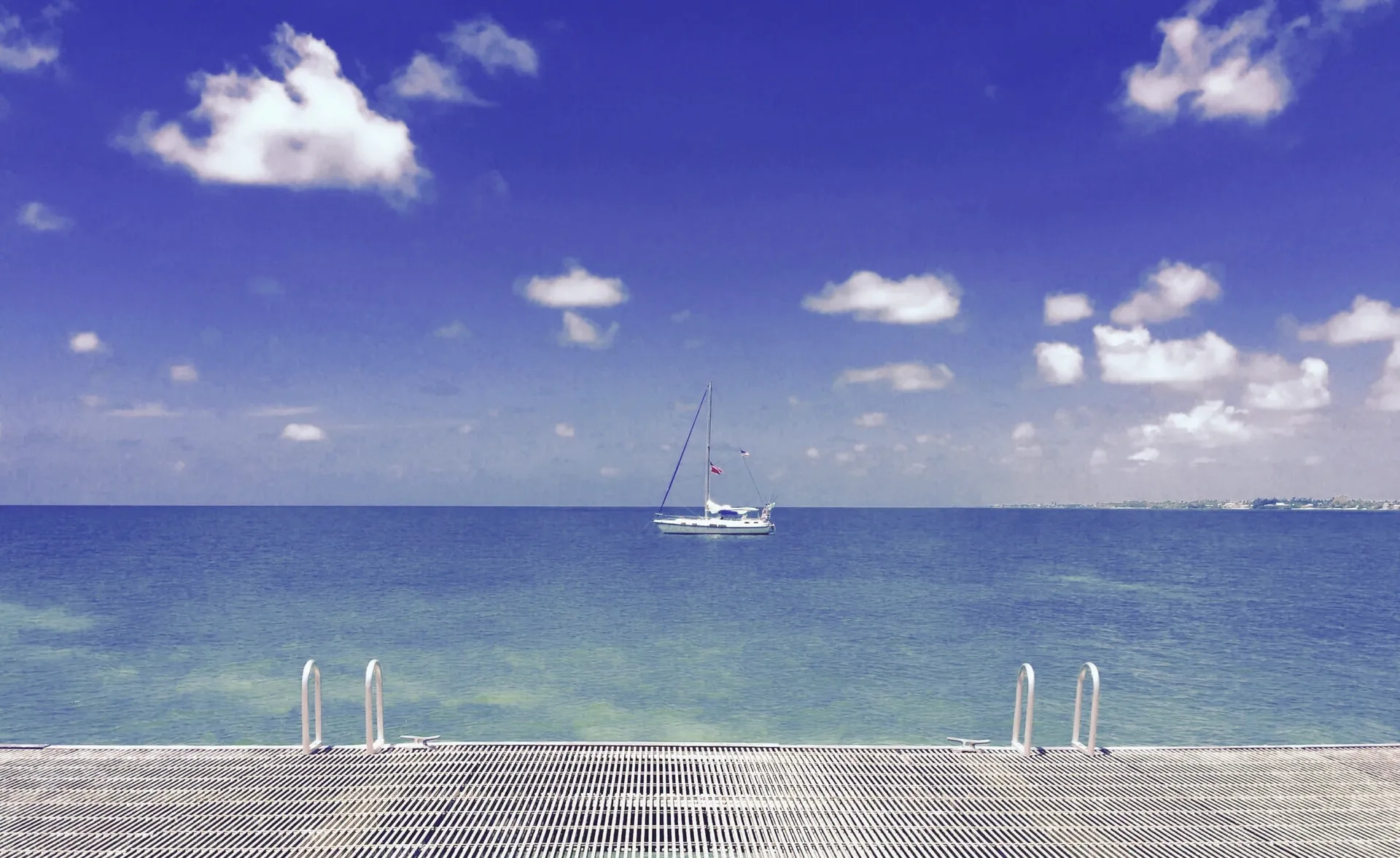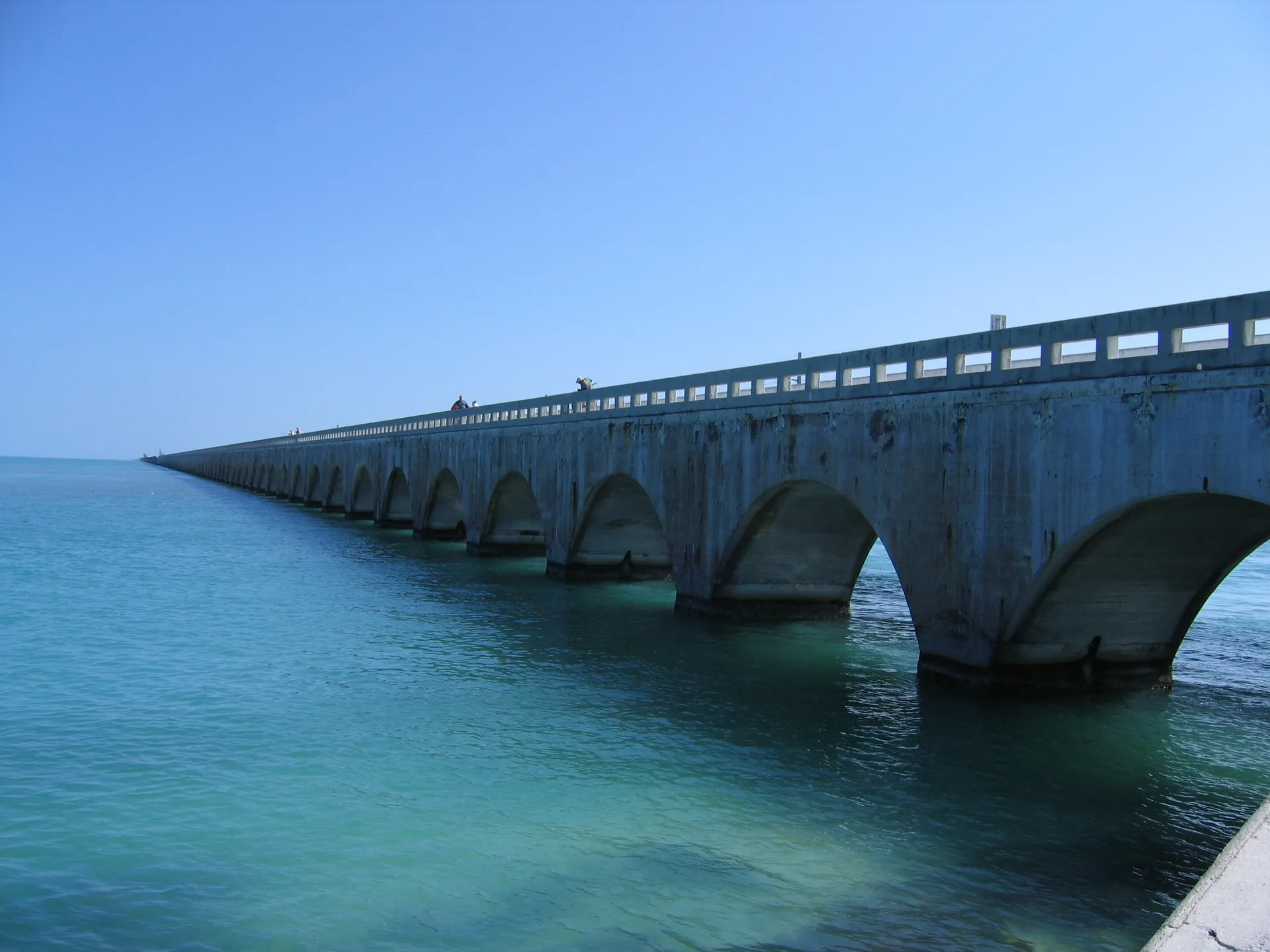
Key West is the end of the road — literally. Mile Marker 0 of US Route 1 sits at the corner of Whitehead and Fleming Streets, marking the southernmost point of the continental United States and the terminus of the Overseas Highway, that improbable 180-kilometre chain of bridges and causeways that links the Florida Keys to the mainland like a string of pearls thrown across the turquoise Gulf. This tiny island — just six and a half square kilometres — has served as a wrecking port, a naval base, a cigar-rolling centre, a shrimping hub, and a haven for writers, artists, and assorted misfits who were drawn to its tropical languor and its distance from the conventions of the mainland. Ernest Hemingway lived and wrote here. Tennessee Williams found inspiration in its steamy evenings. And Harry Truman liked it so much he established a "Little White House" that he used for eleven vacations during his presidency.
The architecture of Key West is its most immediately charming feature. The old town is a canopy-shaded grid of Victorian and Bahamian-style "conch houses" — white clapboard cottages with wraparound verandahs, gingerbread trim, and tin roofs painted in every shade of the tropical spectrum. The Hemingway Home and Museum, a handsome colonial-Spanish house on Whitehead Street, preserves the study where the novelist wrote A Farewell to Arms and To Have and Have Not, and is inhabited by some fifty polydactyl (six-toed) cats descended from Hemingway's own pets. The Truman Little White House, the Audubon House, and the Custom House Museum all contribute to a concentrated district of architectural and historical interest that is entirely walkable.
Key West's food culture reflects its Caribbean latitude and its fishing heritage. Conch — the large sea snail that gives the island and its native-born residents their nickname — appears as conch fritters, conch chowder, and cracked conch (battered and fried). Key lime pie, the island's signature dessert, is properly made with the small, tart, yellow-green limes that grow throughout the Keys, folded into a condensed-milk custard and served on a graham-cracker crust with meringue or whipped cream. The shrimp — pink, sweet, and harvested from the warm Gulf waters — is exceptional, whether served in a dock-side shrimp boil or as the star of a white-tablecloth ceviche. The sunset ritual at Mallory Square, where street performers, buskers, and food vendors gather nightly to celebrate the sun's descent into the Gulf of Mexico, is Key West's most democratic tradition.
The waters surrounding Key West offer some of the best snorkelling and diving in the continental United States. The Florida Keys National Marine Sanctuary protects the only living coral barrier reef in the country, and the shallow, crystal-clear waters around the Dry Tortugas — a cluster of seven islands seventy miles west — harbour some of the most pristine reef ecosystems in the western Atlantic. Fort Jefferson, a massive nineteenth-century hexagonal fortress on Garden Key in the Dry Tortugas, is one of the most dramatic and remote national monuments in the national park system, accessible only by seaplane or ferry.
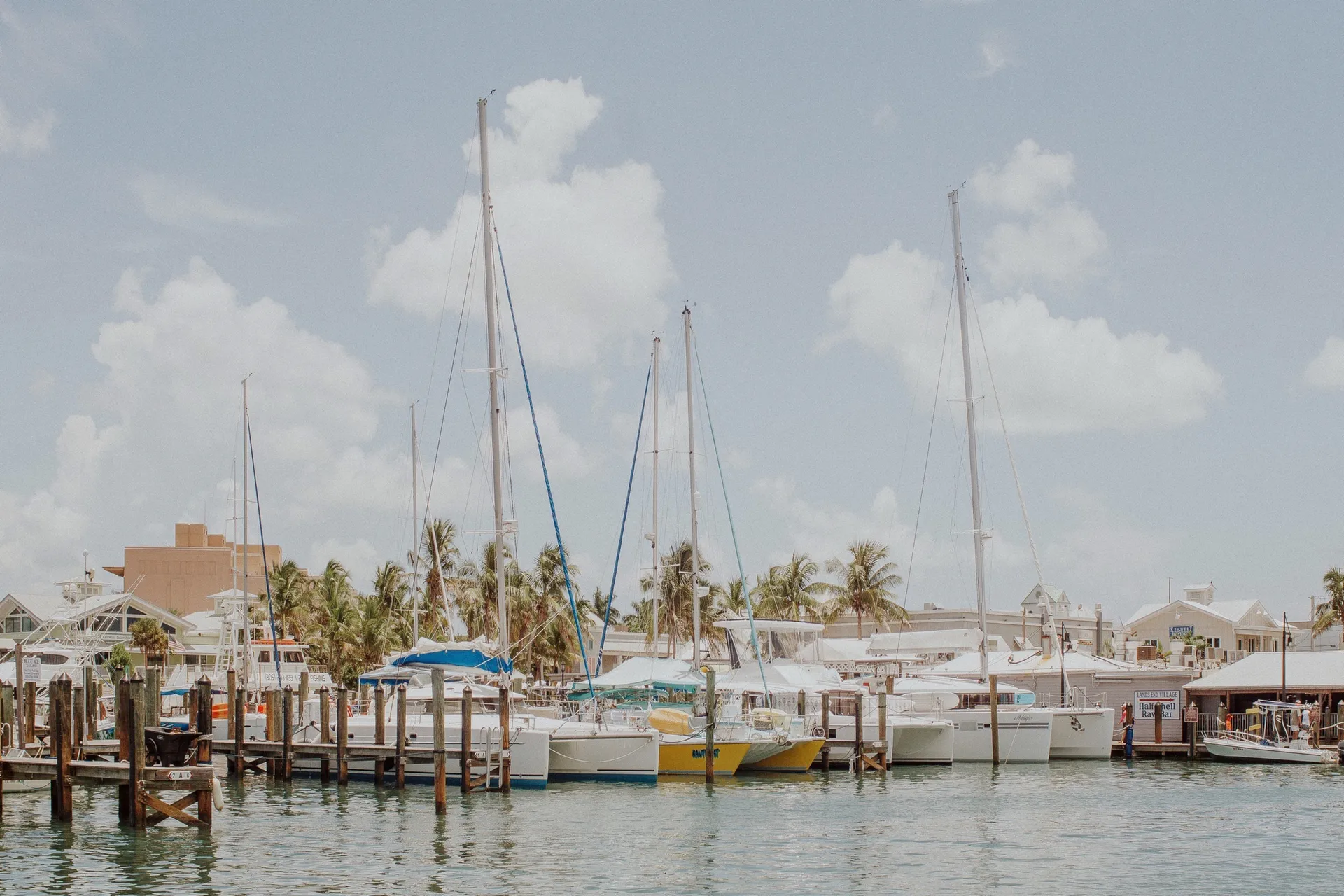
Key West is a port of call for Carnival Cruise Line, Celebrity Cruises, Oceania Cruises, and Virgin Voyages. Ships dock at the Outer Mole Pier, from which the old town, Duval Street, and the Hemingway House are within easy walking distance. The best time to visit is November through April, when the humidity eases, the temperatures settle into the mid-twenties, and the annual Fantasy Fest (October) and Hemingway Days (July) add festive colour to an island that scarcely needs the encouragement.