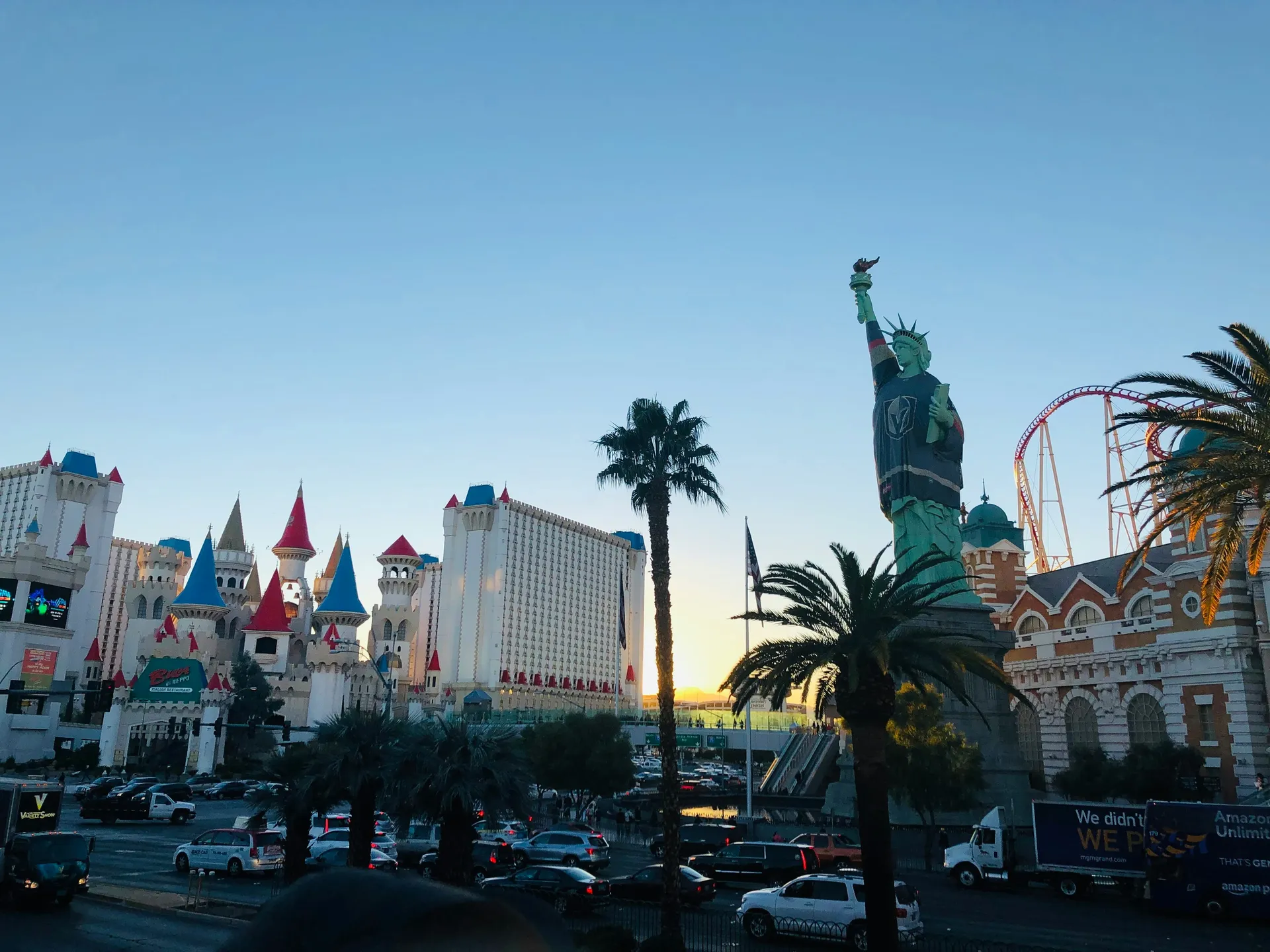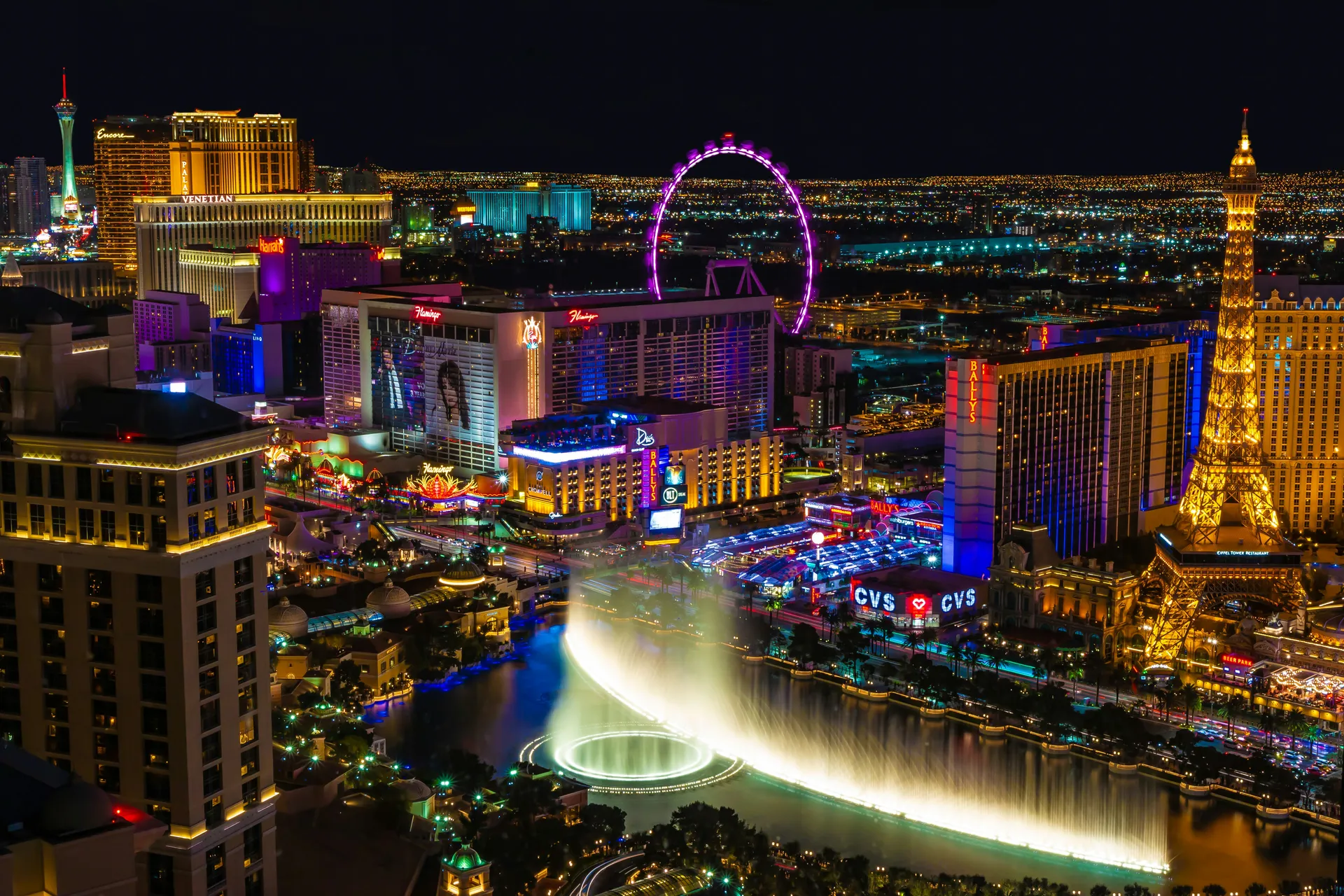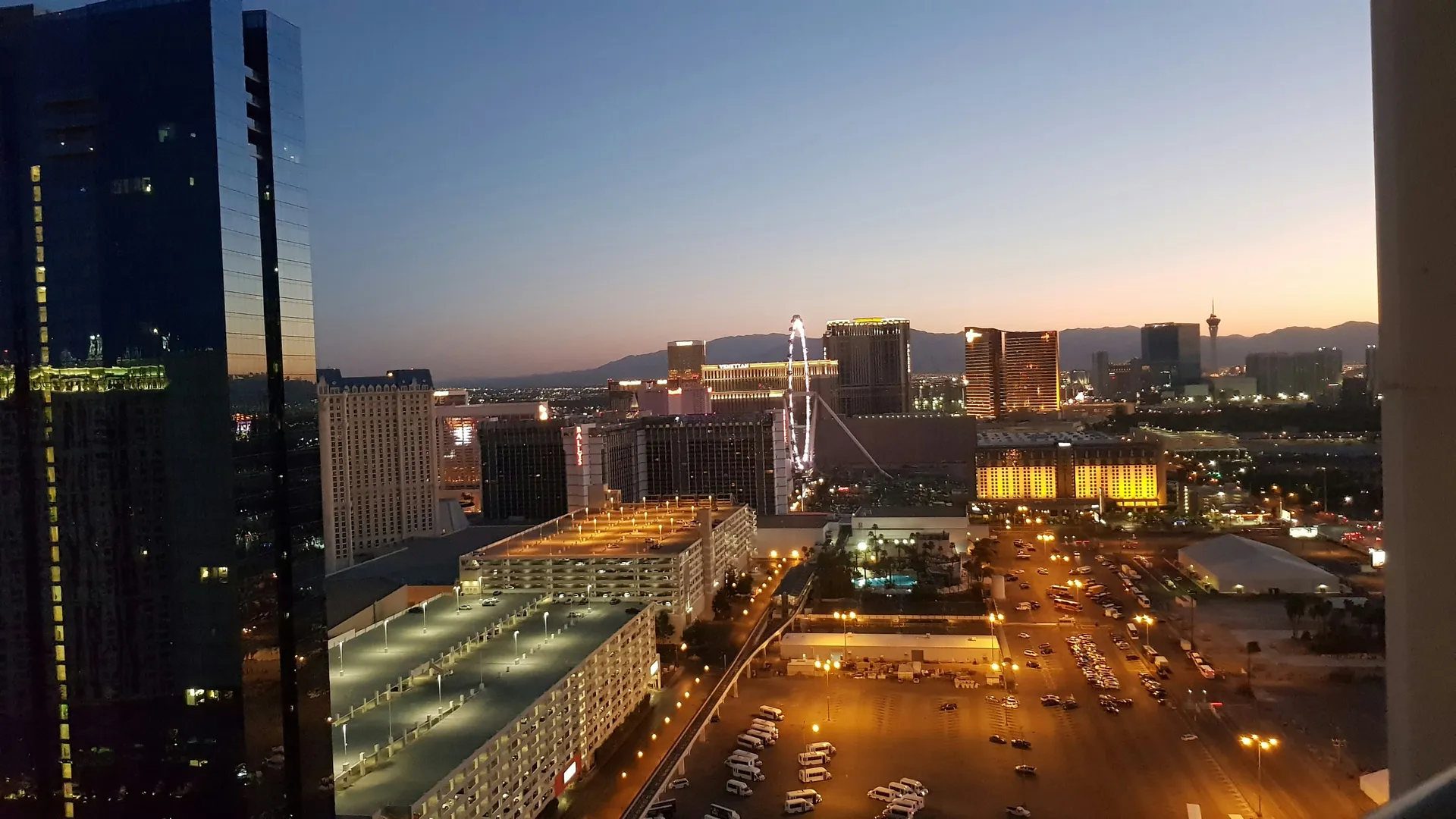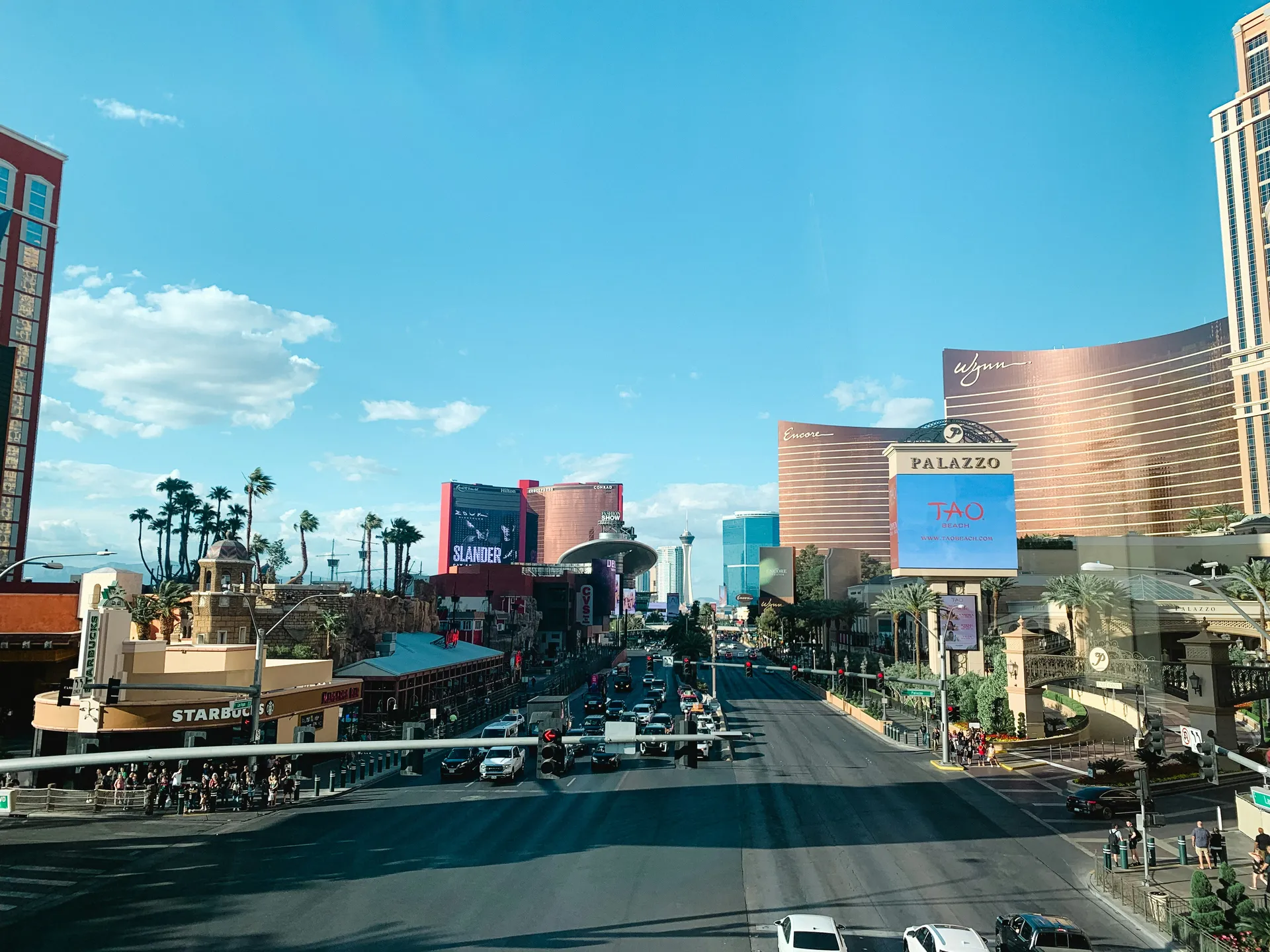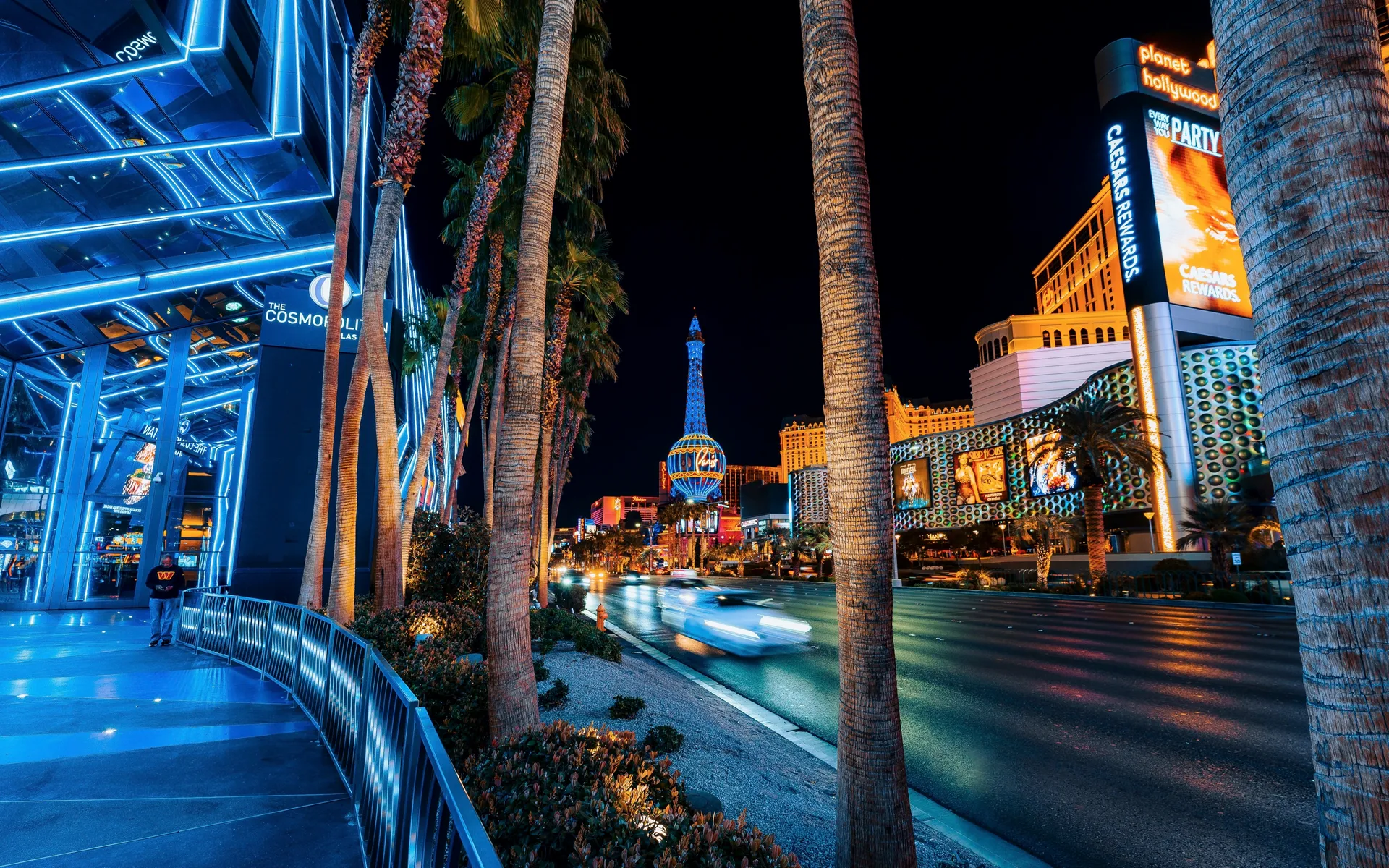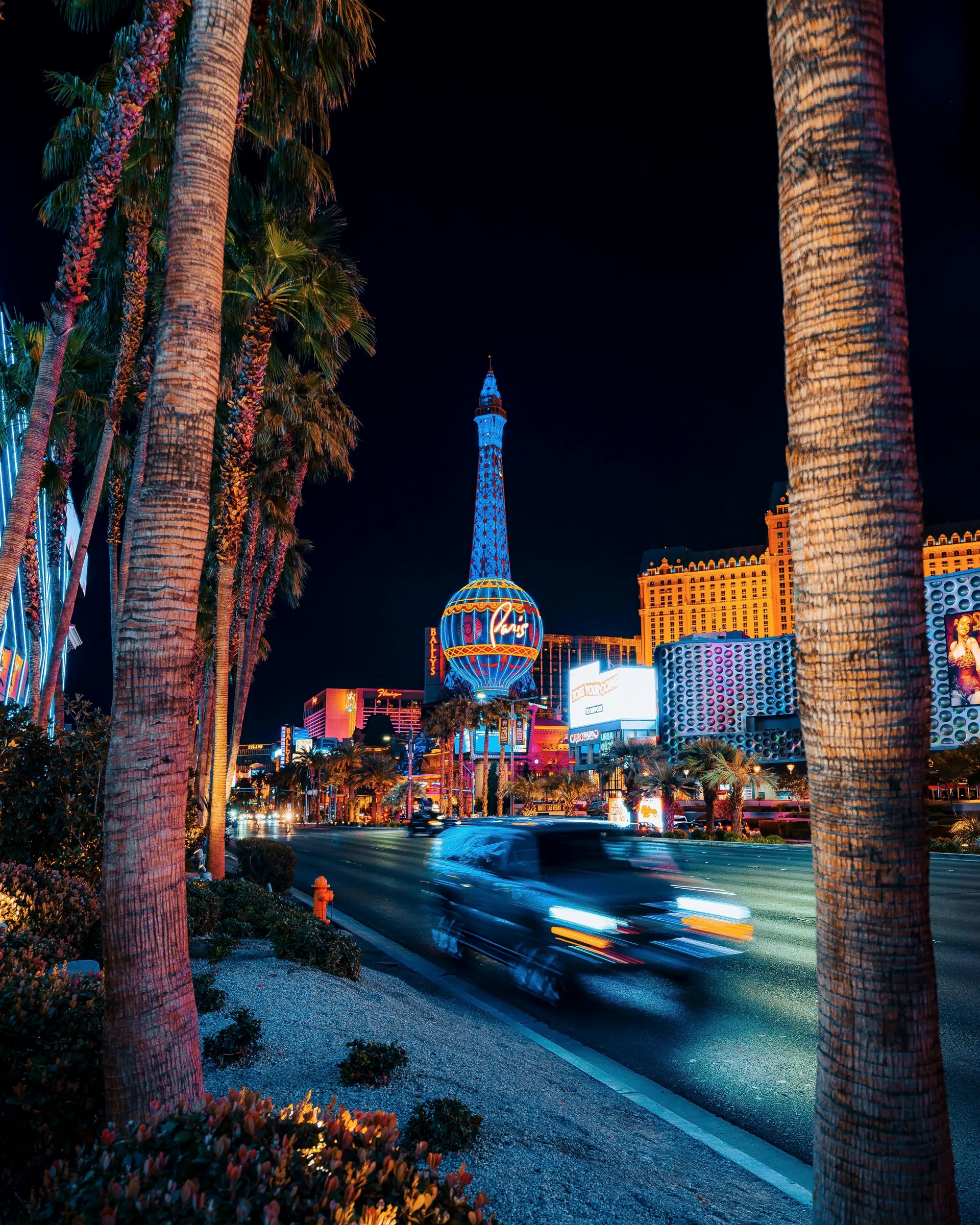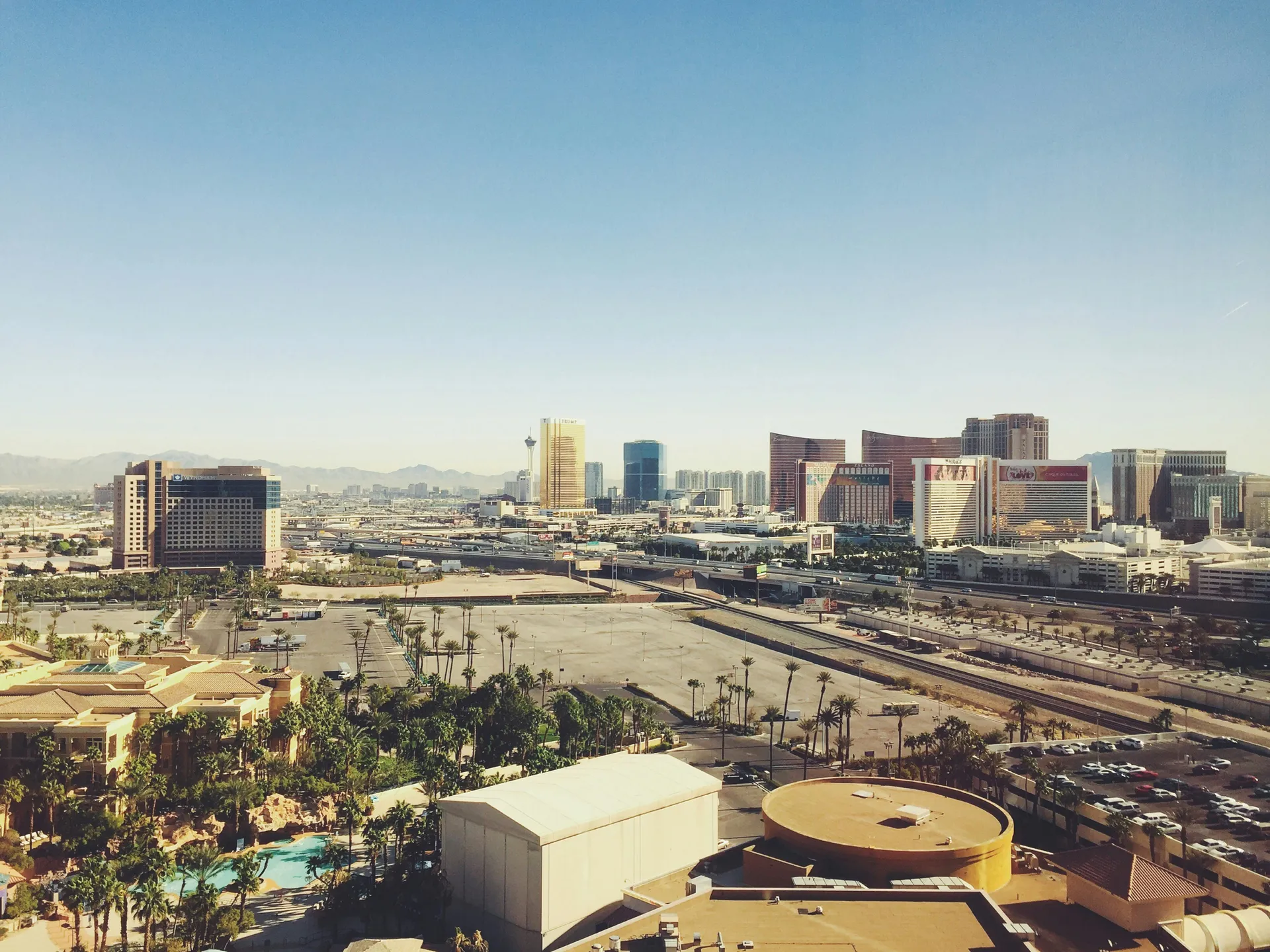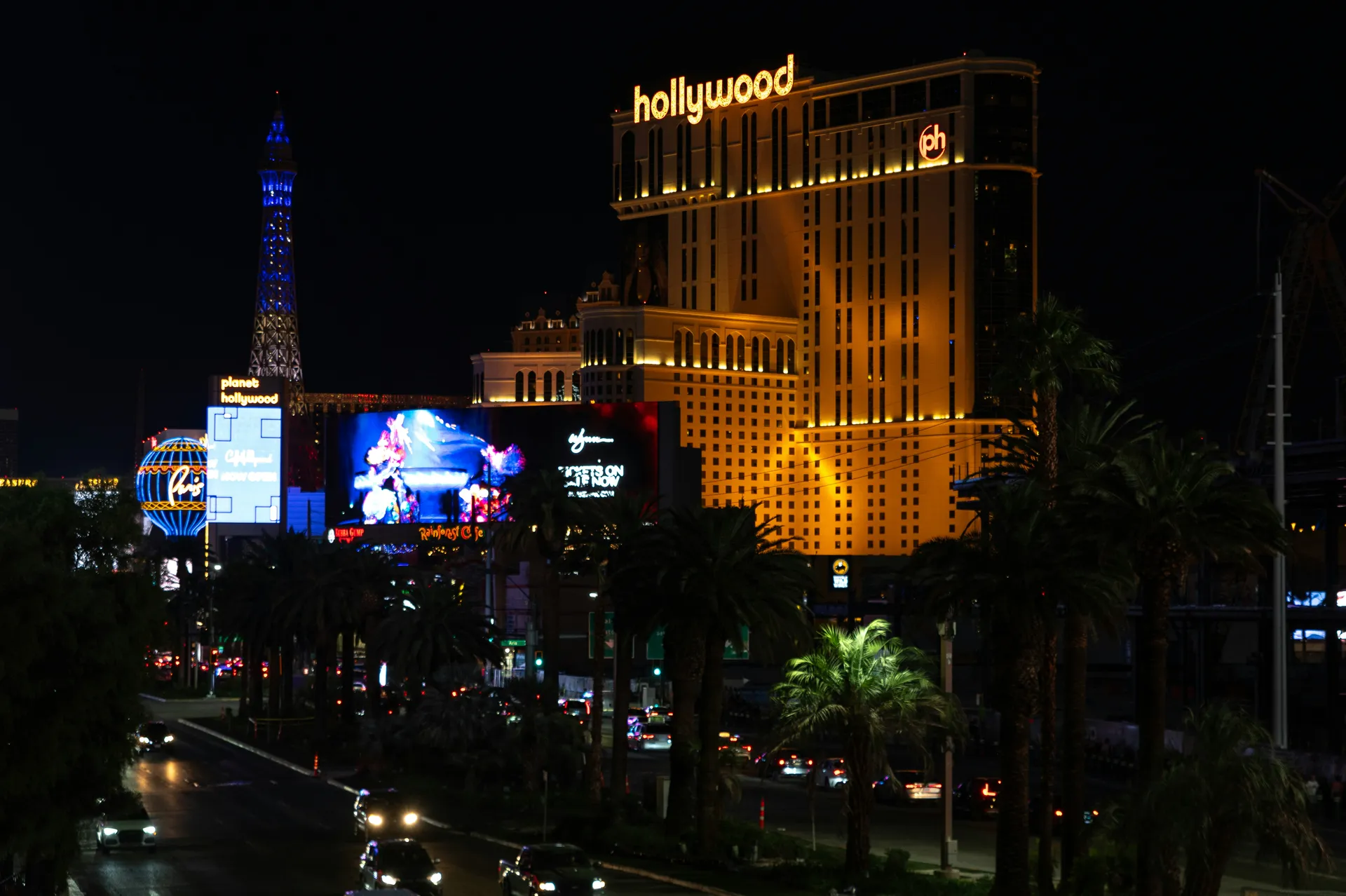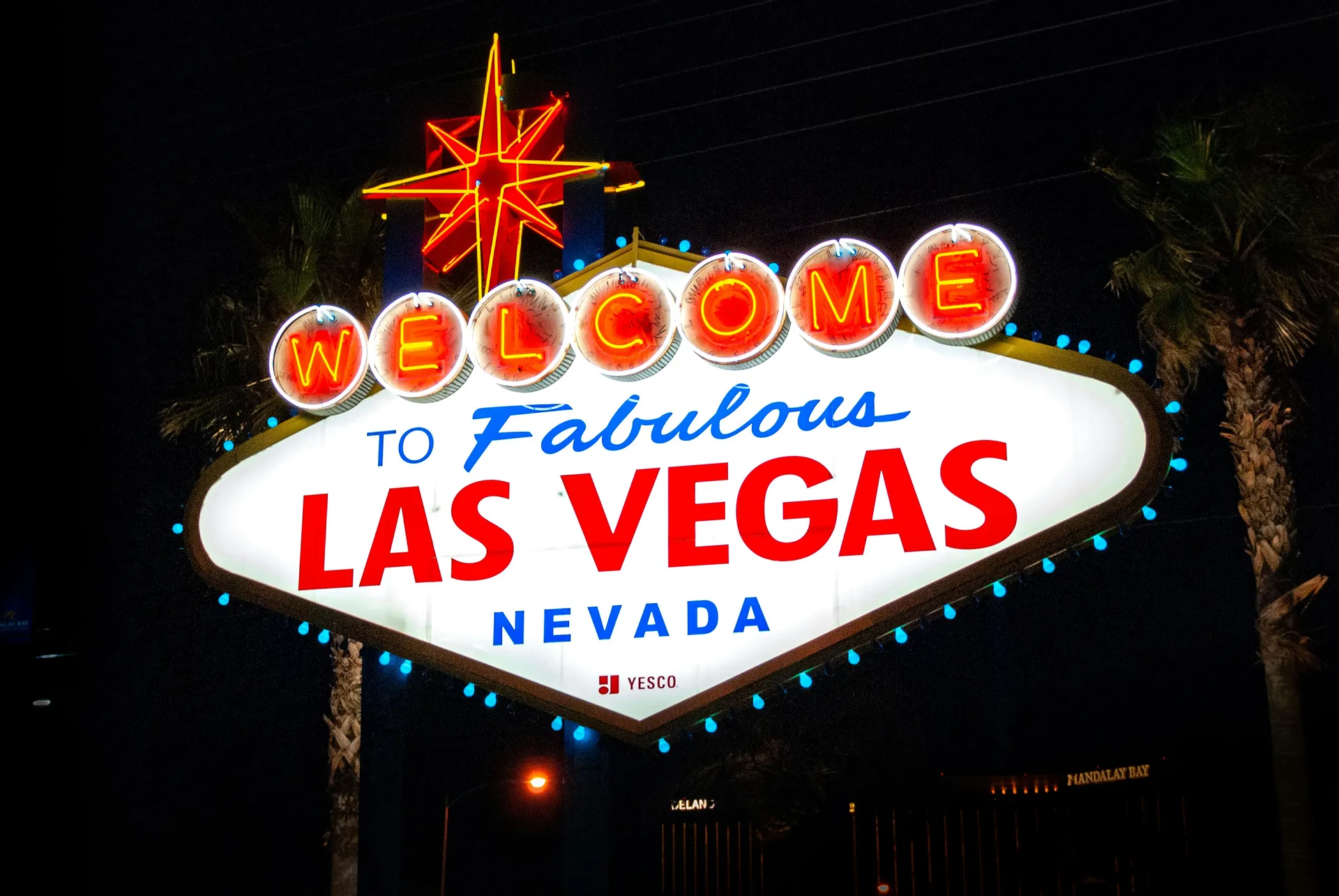
Las Vegas is an act of defiant imagination—a city of two million people built in the Mojave Desert, where summer temperatures exceed 115°F and the nearest significant body of water is Lake Mead, thirty miles east. What began as a railroad watering stop in 1905 became, through a combination of legalized gambling, cheap electricity from Hoover Dam, and a genius for spectacle, the entertainment capital of the world. The Strip—a four-mile stretch of Las Vegas Boulevard lined with megaresorts whose architecture ranges from Egyptian pyramids to Venetian canals to Parisian streetscapes—generates more revenue per mile than any other road on Earth.
But Las Vegas has evolved well beyond its casino origins. The city has reinvented itself as a destination for world-class dining, art, music, and outdoor adventure, attracting visitors who may never place a bet. The Bellagio Gallery of Fine Art mounts museum-quality exhibitions. The Neon Museum preserves the iconic signs of old Vegas in an outdoor gallery that is both nostalgic and hauntingly beautiful. Area 15, a sprawling immersive entertainment complex, houses Meow Wolf's Omega Mart—an art installation disguised as a grocery store that has become one of the most talked-about cultural experiences in the country. And the Sphere, the world's largest spherical structure, has redefined what a concert venue can be, with its 160,000-square-foot interior LED screen creating environments that are genuinely unprecedented.
The dining scene in Las Vegas is now among the best in the world, full stop. Celebrity chefs from across the globe have established outposts here: Joël Robuchon, Guy Savoy, and Wolfgang Puck represent the high end, while David Chang's Momofuku and José Andrés's China Poblano bring creative Asian and Mexican-Spanish cuisine to the mix. But the city's greatest dining strength may be its range—from the five-dollar shrimp cocktail at Du-par's to the thousand-dollar omakase at Kaiseki, every price point and cuisine is represented with genuine quality. The buffet, once the symbol of Vegas excess, has largely given way to focused, chef-driven restaurants, though the Bacchanal at Caesars Palace still sets the standard for abundance.
The natural landscapes surrounding Las Vegas are spectacular and frequently underappreciated. Red Rock Canyon National Conservation Area, just twenty minutes west, offers thirteen miles of scenic drive through Aztec sandstone formations that glow crimson and cream in the desert light. Valley of Fire State Park, an hour northeast, features petroglyphs, petrified wood, and sandstone formations that predate the dinosaurs. Hoover Dam and Lake Mead, thirty minutes southeast, provide engineering marvels and water recreation in the desert. And Death Valley National Park, two hours northwest, is one of the most extreme and beautiful landscapes in North America—holding records for the lowest point, the highest recorded temperature, and some of the darkest night skies on the continent.
Las Vegas serves as a hub for Southwest expedition itineraries and is often paired with the Grand Canyon, Zion, and the Utah national parks. The city is a year-round destination, though spring (March–May) and autumn (September–November) offer the most comfortable temperatures for outdoor exploration. Summer is brutally hot but the resorts are air-conditioned oases. Winter brings mild days and cool nights—perfect for hiking Red Rock Canyon or exploring the Strip on foot. McCarran International Airport (now Harry Reid International) offers direct flights from virtually every major city in the world.