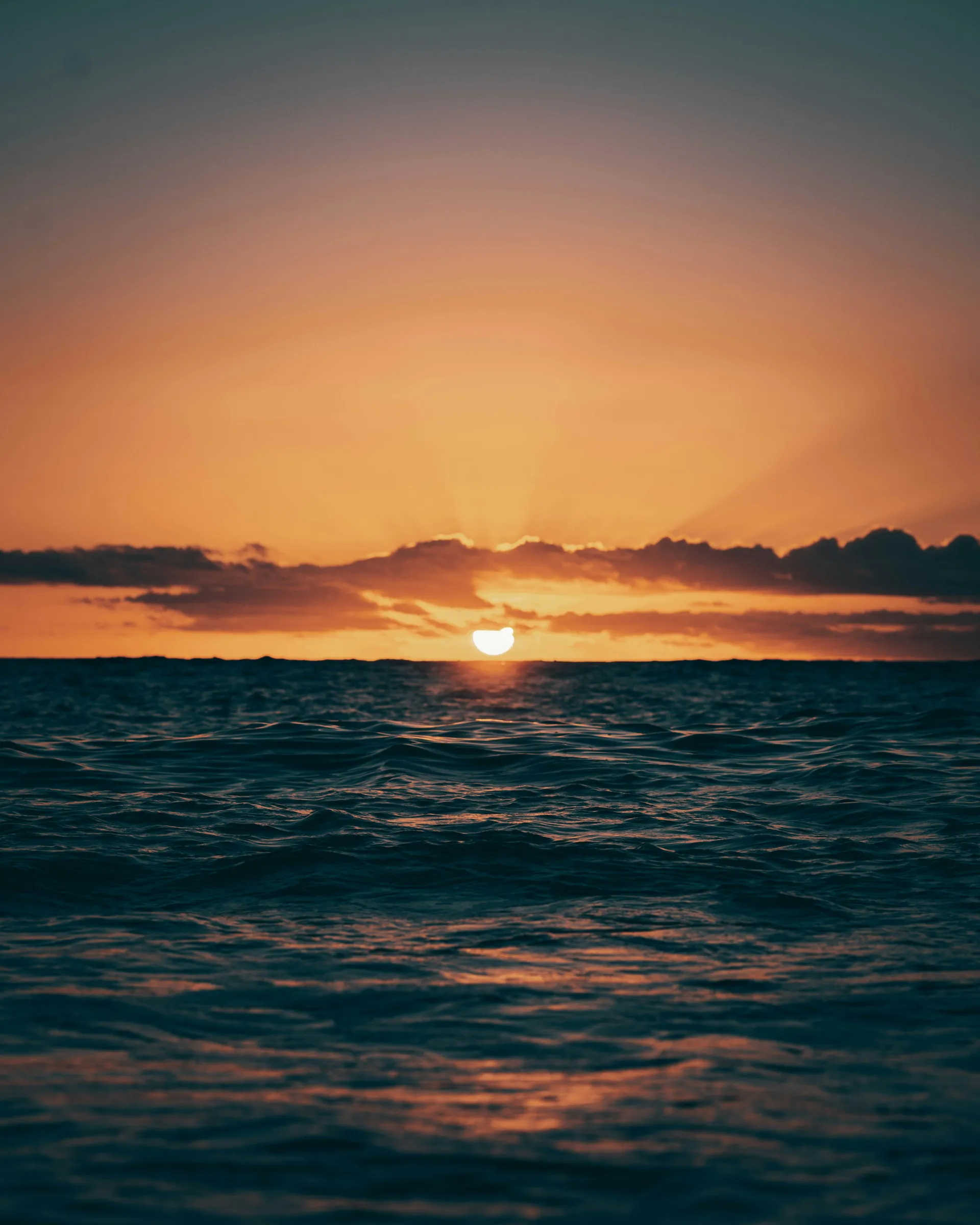
Maui is the product of two volcanoes whose lava flows merged to create the distinctive "Valley Isle"—a figure-eight-shaped island whose central isthmus separates the lush, rain-soaked valleys of the West Maui Mountains from the stark, lunar landscape of Haleakalā, a dormant shield volcano whose summit crater rises to 10,023 feet. The ancient Hawaiians considered Haleakalā the "House of the Sun," and watching the sunrise from its rim—above a sea of clouds, in temperatures that can drop below freezing even in the tropics—remains one of the most transcendent natural experiences in the Pacific.
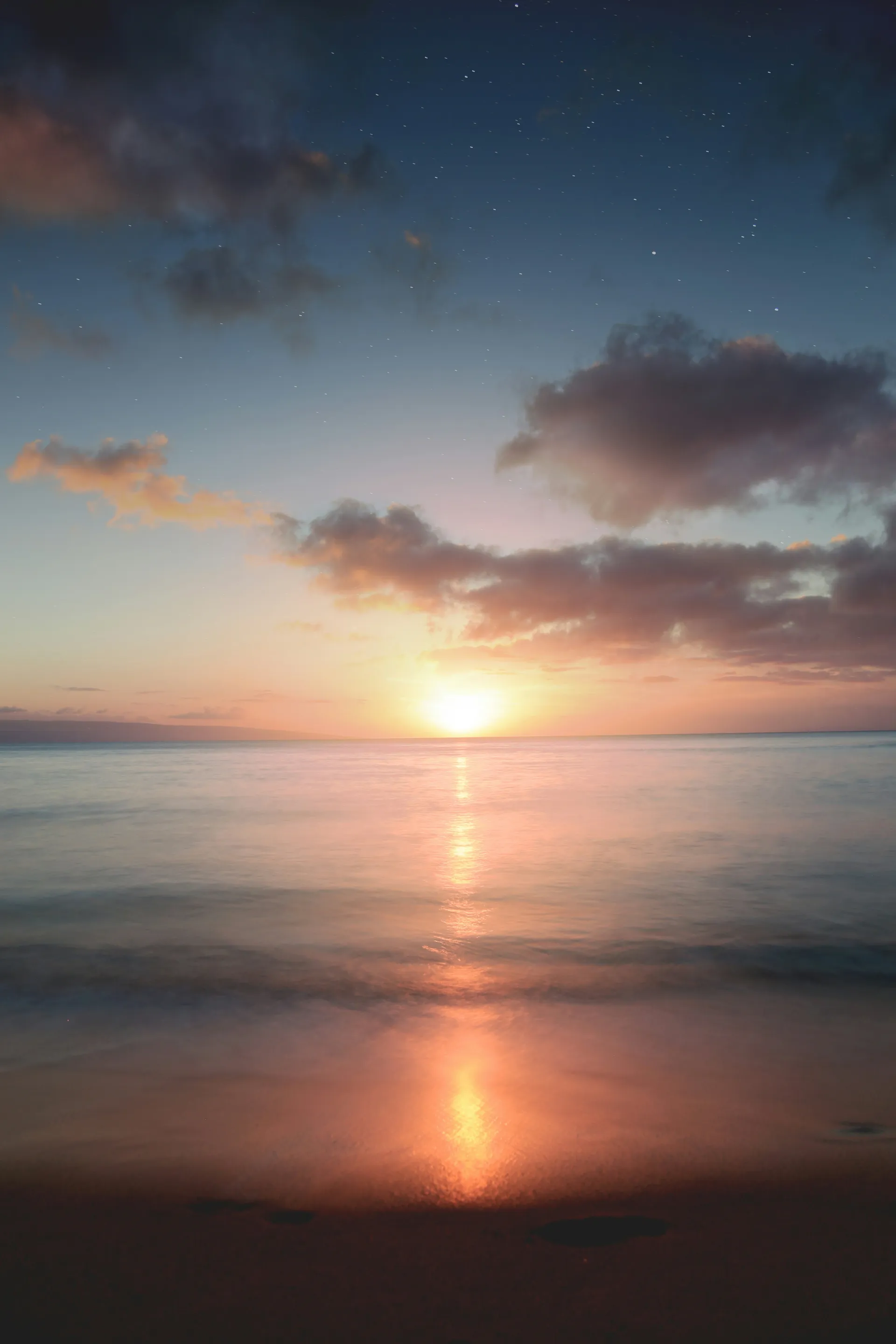
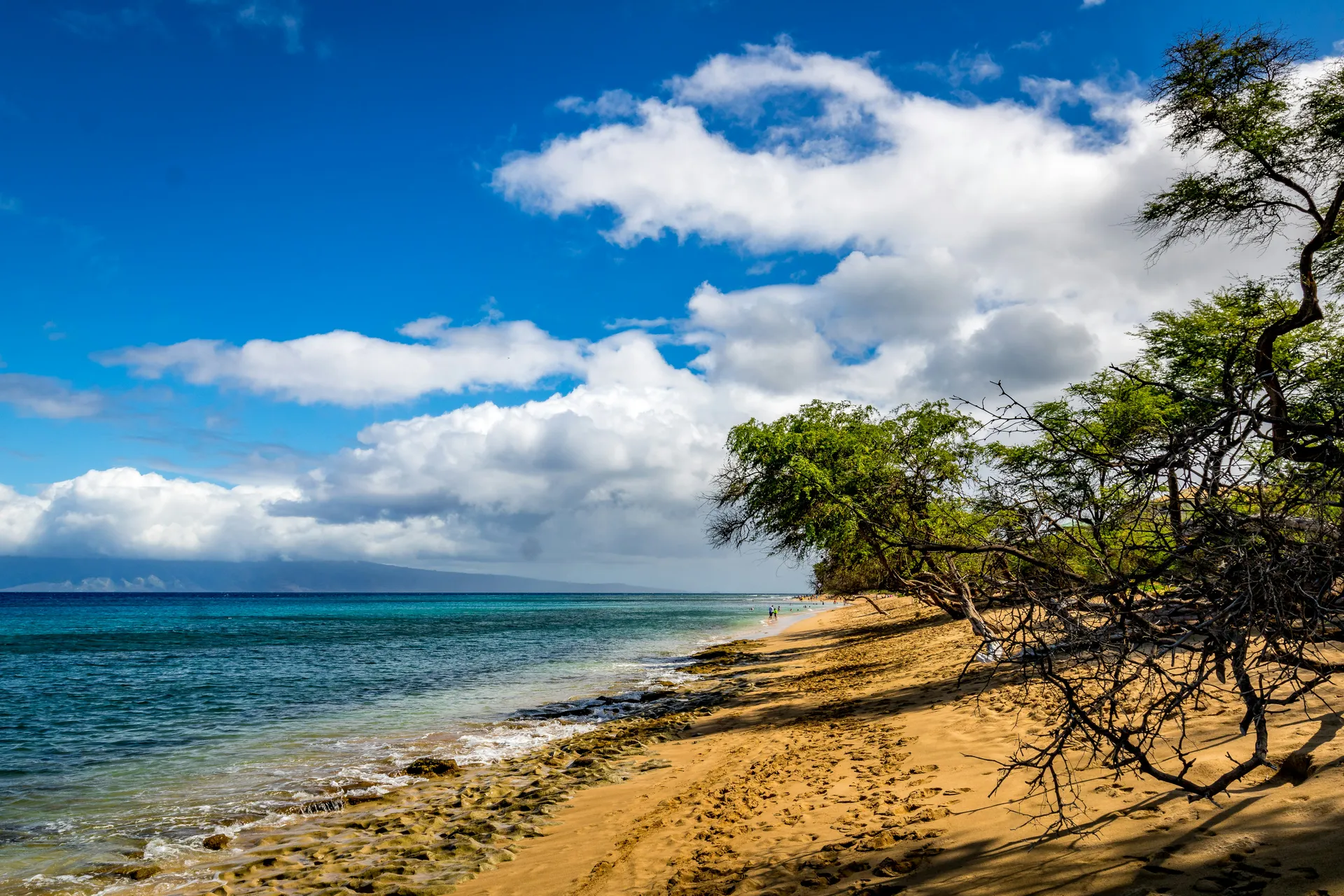
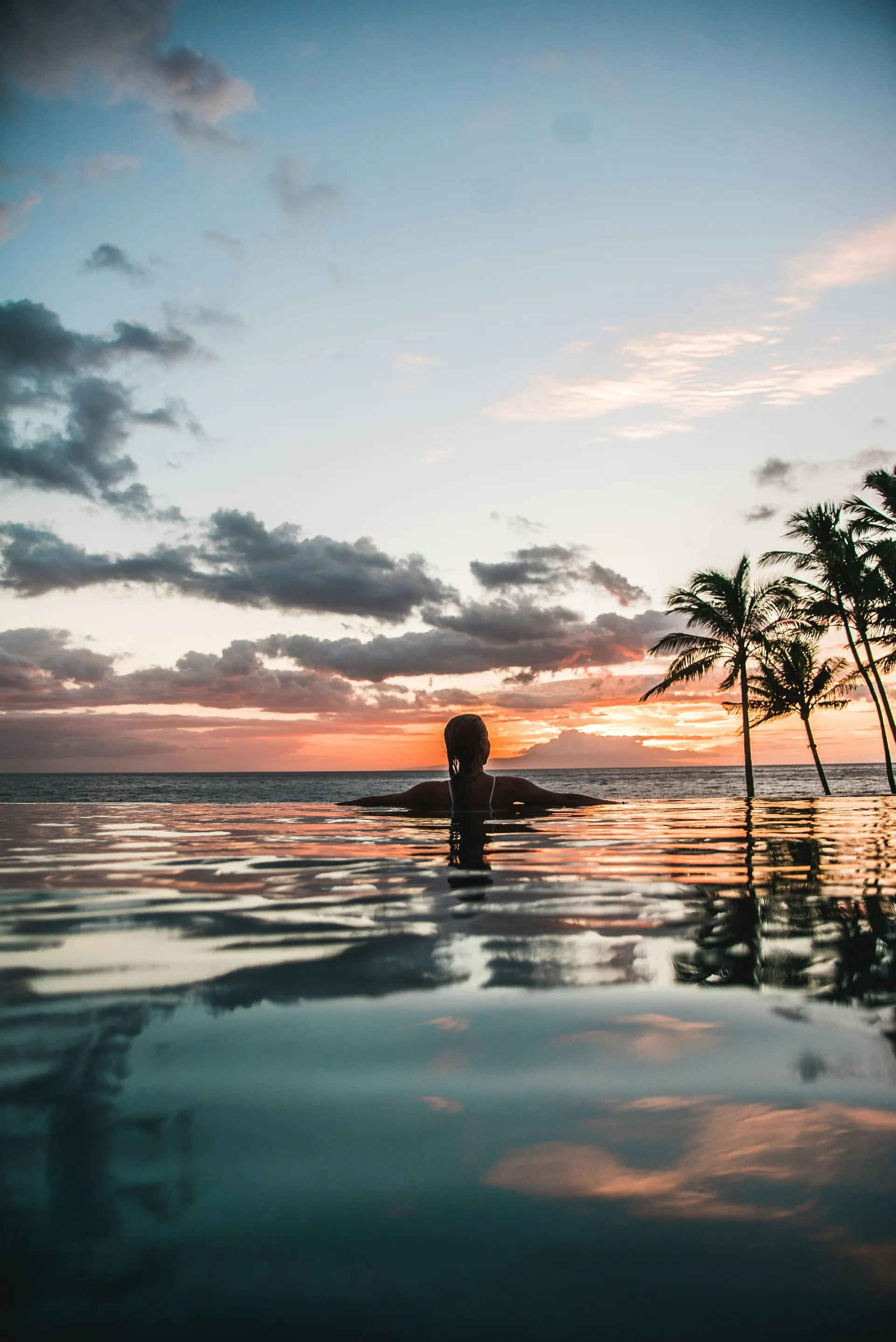
Maui's character varies dramatically across its microclimates and communities. The west coast, anchored by the historic whaling town of Lahaina and the resort corridors of Kaanapali and Kapalua, offers reliably sunny weather, calm seas, and the island's finest beaches—including Big Beach in Makena, a vast crescent of golden sand backed by a lava flow that is consistently ranked among the best beaches in the world. The north shore, around the surf town of Paia and the village of Haiku, is windward, green, and artistic—home to windsurfers, organic farmers, and a creative community drawn by the landscape and the light. Upcountry Maui, on the slopes of Haleakalā, is ranch and farm country, where the cool air, eucalyptus-scented breezes, and panoramic views create a Hawaii that looks nothing like the postcards.
Maui's culinary scene has matured into one of the finest in Hawaii. The farm-to-table movement thrives here, with restaurants drawing on the extraordinary agricultural diversity of an island that produces everything from Kula strawberries and Surfing Goat Dairy cheeses to sustainably raised beef and fresh-caught ahi. Mama's Fish House in Paia, set on a curve of white sand beneath palm trees, is consistently rated among the best restaurants in Hawaii—its menu credits the fisherman and the waters where each catch was landed. The food truck culture along the road to Hana serves fresh coconut, banana bread, and grilled fish tacos that are simple, perfect, and impossible to replicate elsewhere. Shave ice from Ululani's, with its impossibly vivid fruit syrups, is a daily essential.
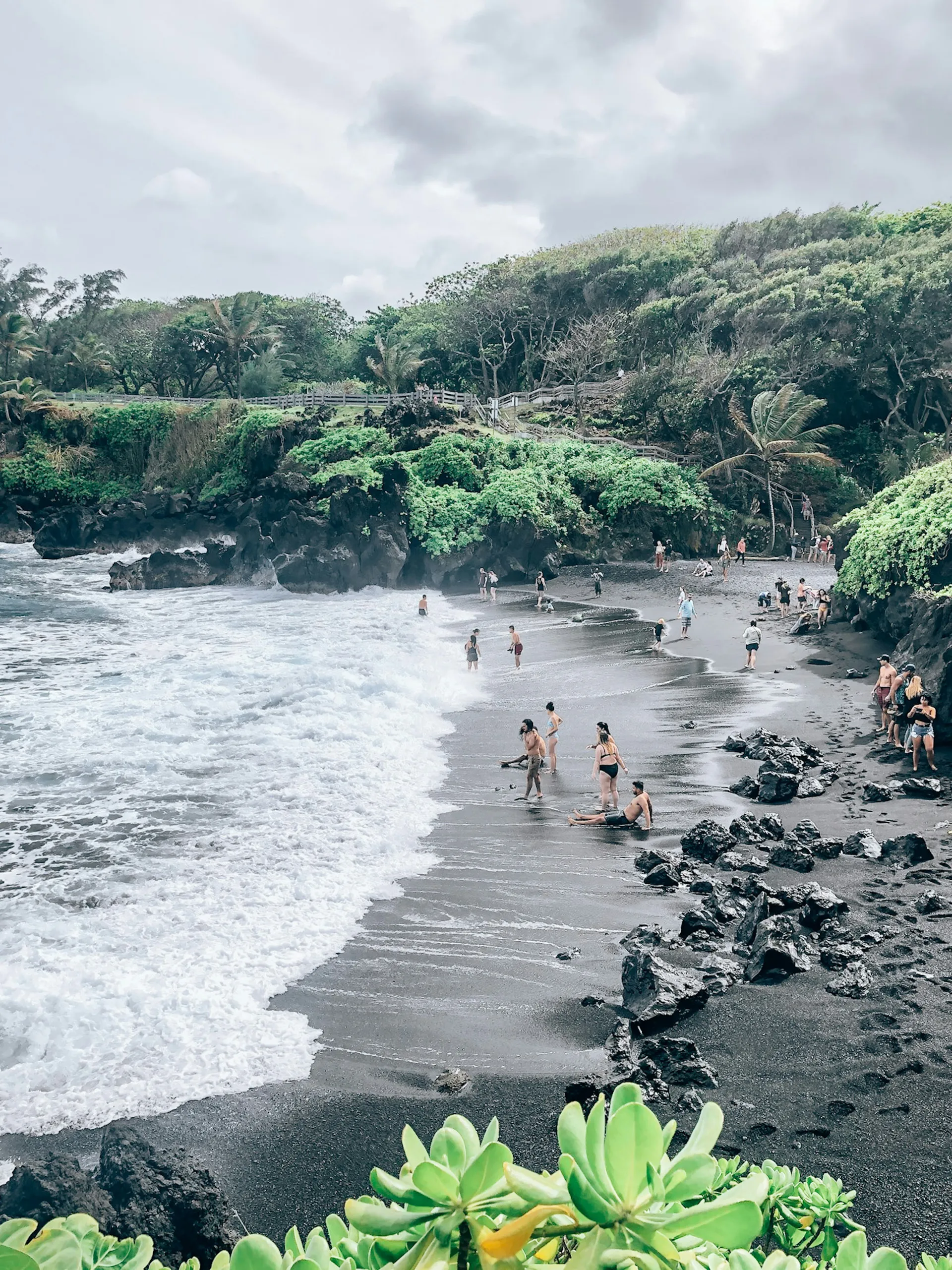
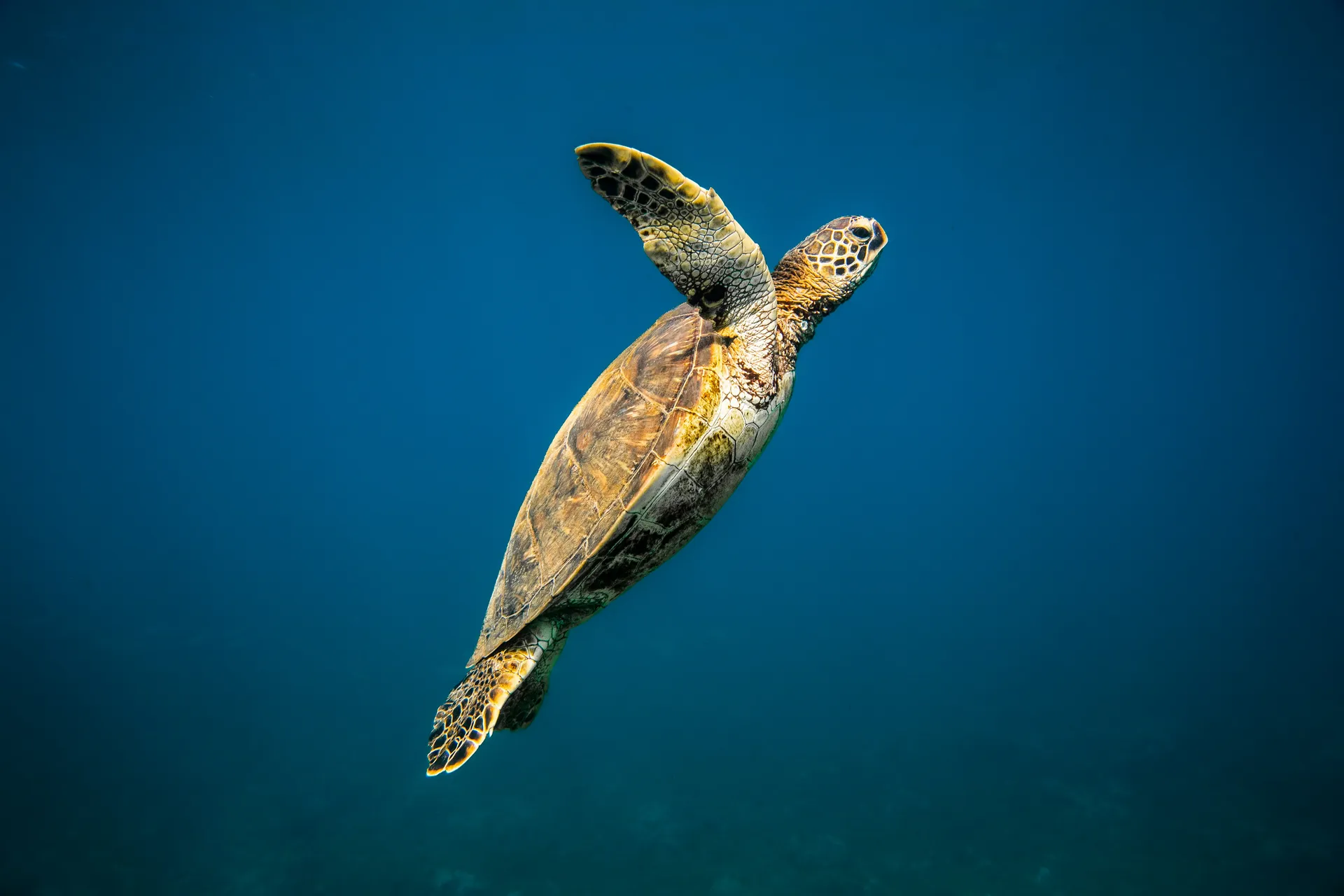
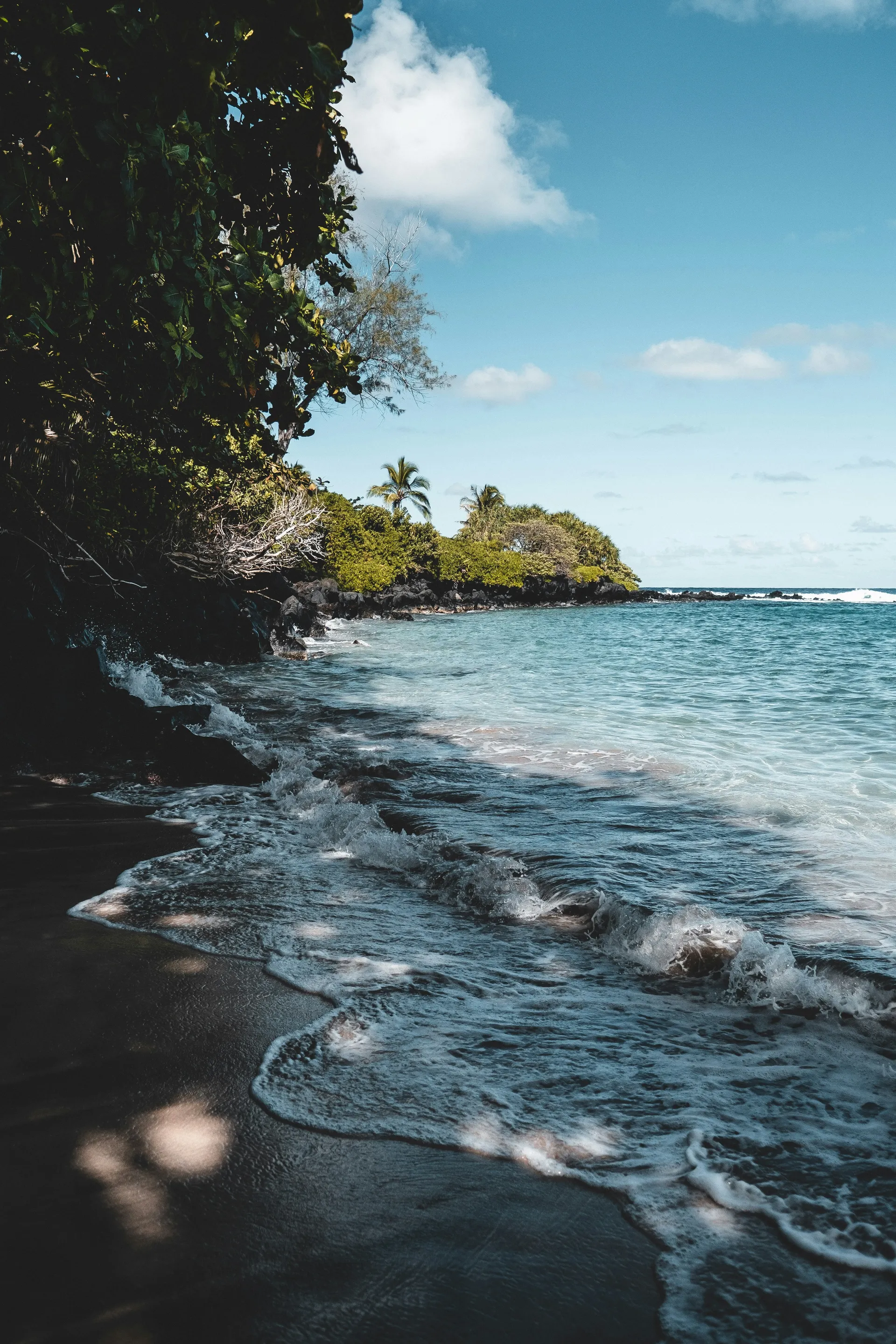
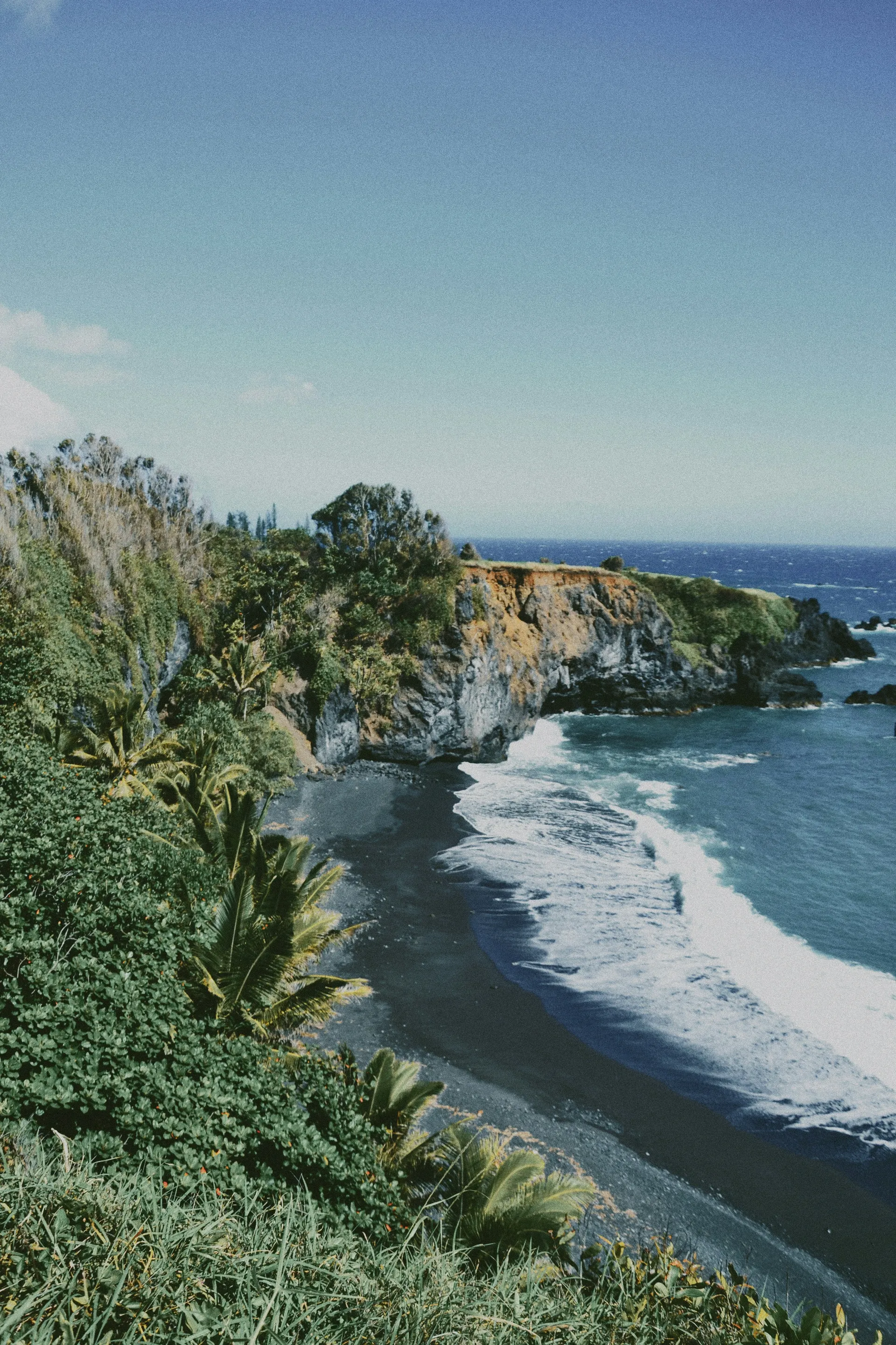
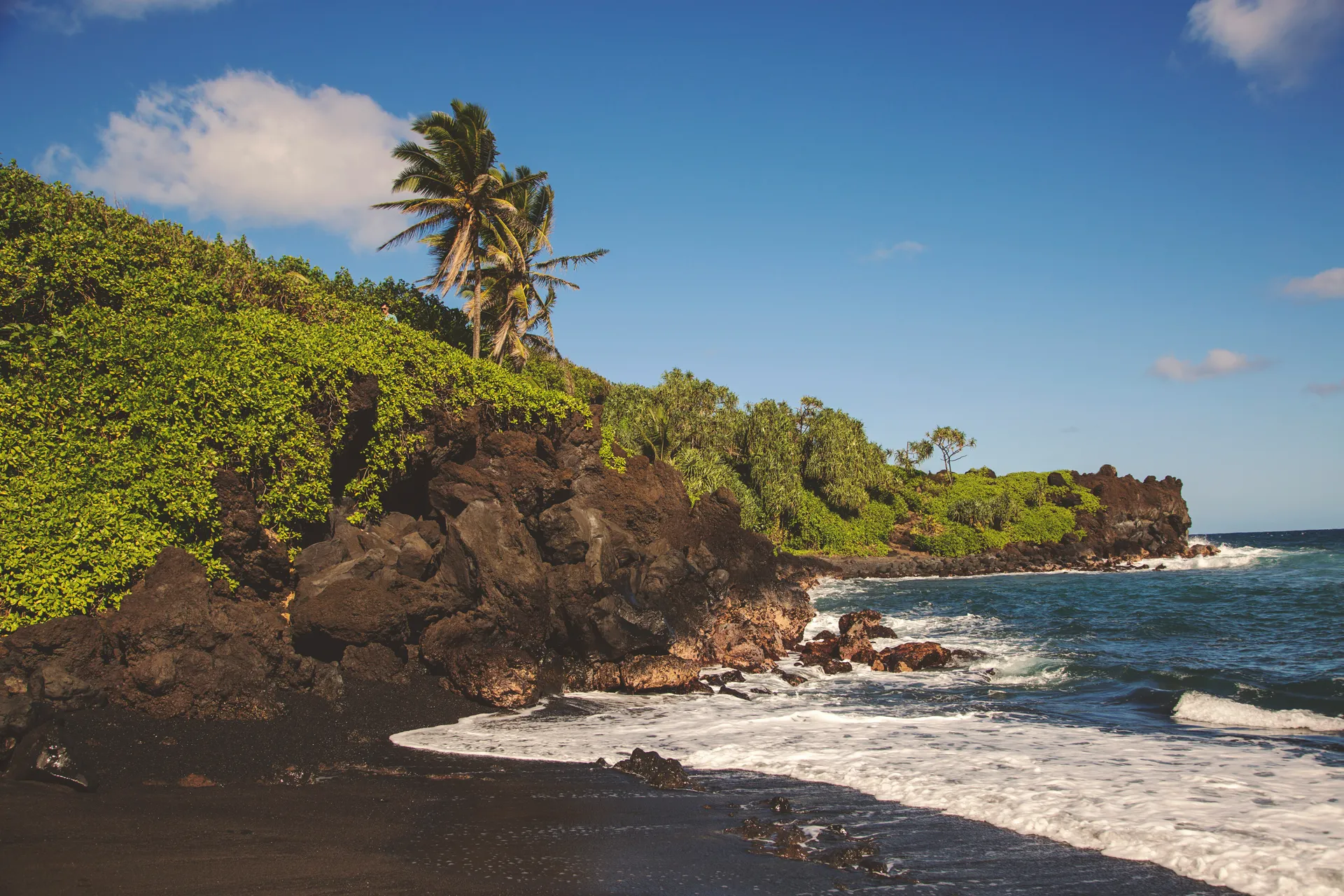
The Road to Hana is Maui's most iconic drive—a sixty-four-mile journey along the island's northeast coast that traverses 620 curves, crosses 59 one-lane bridges, and passes through a landscape of cascading waterfalls, bamboo forests, black sand beaches, and roadside stands selling fresh fruit and flower leis. At the road's end, the Pools of 'Ohe'o (Seven Sacred Pools) tumble down a series of rock-edged basins to the sea. Beyond Haleakalā and the Road to Hana, Maui offers world-class snorkeling at Molokini Crater (a partially submerged volcanic caldera), whale watching from December through April when humpbacks congregate in the warm Maui channel to calve, and zip-lining through the West Maui Mountains' lush valleys.
Maui is served by Kahului Airport and is a regular port of call for Pacific cruise itineraries, with ships typically tendering at Lahaina Harbor. The island is a year-round destination, with dry season (April–October) offering the most reliably sunny weather and calm seas for water activities. Winter (November–March) brings larger surf on the north shore, whale season, and slightly cooler temperatures. Reservations for sunrise viewing at Haleakalā now require advance booking through the National Park Service—a necessary measure to manage what has become one of the most sought-after natural experiences in the world.