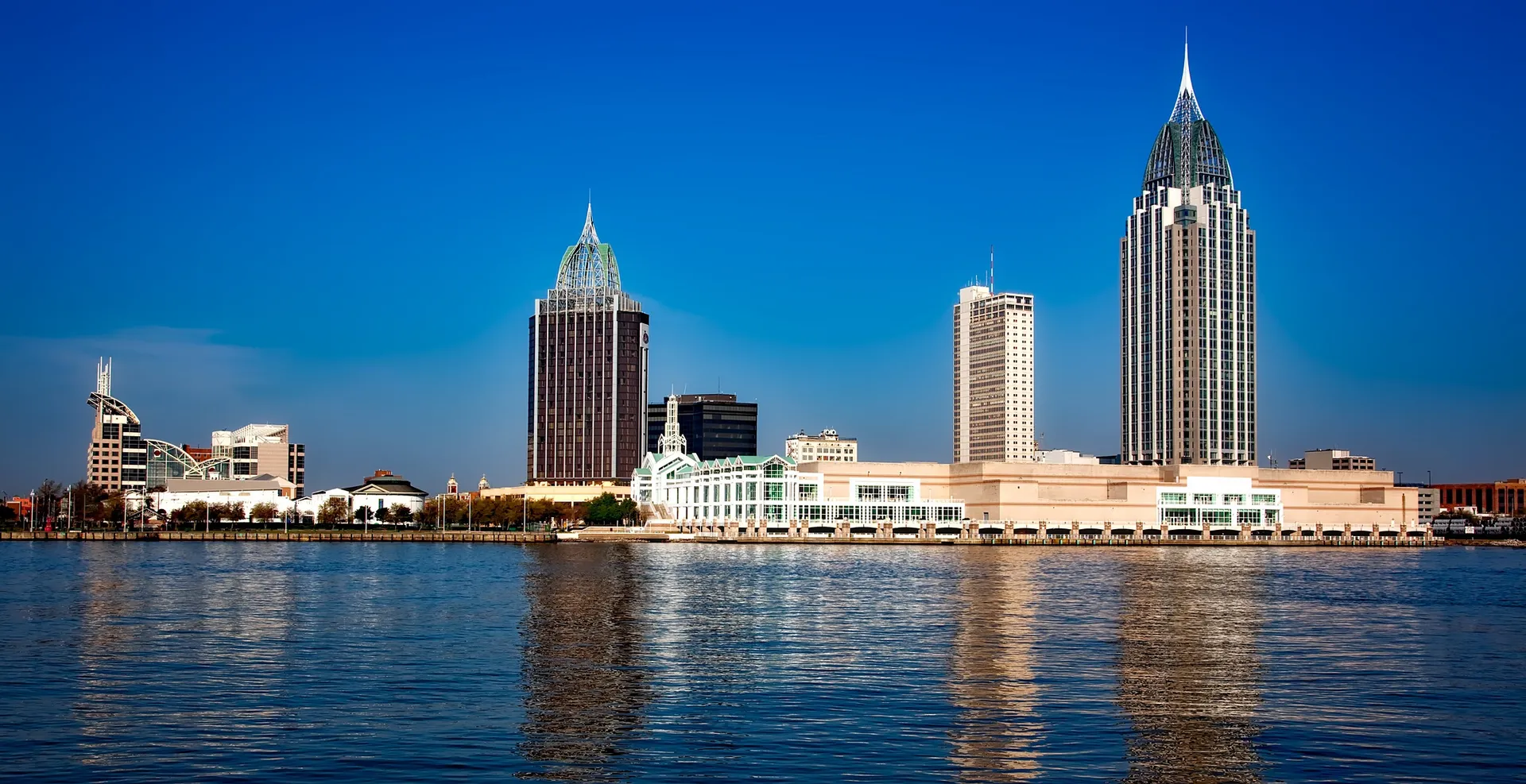
Mobile, Alabama, is the Gulf Coast's original party town—the city that invented Mardi Gras in America, a claim that predates New Orleans by fifteen years and is supported by historical records dating to 1703, when French colonial settlers organized the first masked celebration in what was then the capital of French Louisiana. This fact delights Mobilians and irritates New Orleanians in equal measure, but it speaks to a deeper truth about Mobile: this is a city with a history as deep and layered as any on the Gulf Coast, shaped by French, Spanish, British, Confederate, and American chapters that have produced an urban culture of distinctive charm, fierce civic pride, and an approach to food and celebration that is quintessentially Southern yet entirely its own.
The city's architectural heritage is concentrated in its historic districts, where live oaks draped in Spanish moss shade streets lined with antebellum mansions, Victorian cottages, and Creole townhouses. The Oakleigh Historic Complex, centered on an 1833 Greek Revival mansion, preserves the domestic life of Mobile's antebellum elite. The Cathedral of the Immaculate Conception, a massive Romanesque Revival structure completed in 1850, anchors Cathedral Square with the kind of ecclesiastical grandeur that reminds visitors of Mobile's Catholic French heritage. Bellingrath Gardens, twenty miles south of the city on the shores of Fowl River, is one of the great garden estates of the American South—65 acres of formal and naturalistic plantings that peak during azalea season (late February–March) and the winter Christmas light display.
Mobile's culinary heritage is rooted in the same Creole and Gulf Coast traditions as New Orleans, with distinctive local inflections that set it apart. West Indies salad—a cold dish of lump crabmeat marinated in vinegar, oil, and onion—is Mobile's signature appetizer, invented at a downtown restaurant in the 1940s and now considered a Gulf Coast classic. Fried green tomatoes, while claimed by many Southern cities, are prepared here with particular care. Gulf oysters, harvested from Mobile Bay and served raw, chargrilled, or in po'boys, are a year-round staple. The jubilee—a natural phenomenon unique to Mobile Bay in which crabs, shrimp, and flounder are driven to shore by oxygen-depleted water, enabling residents to scoop up seafood by the bucketful—occurs unpredictably on summer nights and remains one of the most extraordinary natural food events in North America.
Mobile Bay and its surrounding wetlands, barrier islands, and river deltas form one of the most biologically diverse estuarine systems in North America. Dauphin Island, at the bay's mouth, serves as a critical stopover for migratory birds and hosts the Audubon Bird Sanctuary and a marine research facility. The Mobile-Tensaw Delta, the second-largest river delta in the United States, sprawls across 260,000 acres of swamps, marshes, and bottomland forests accessible by kayak and airboat—home to alligators, bald eagles, and a variety of species that rivals the Everglades. The USS Alabama Battleship Memorial Park, located on the causeway across Mobile Bay, preserves the decorated World War II battleship and the submarine USS Drum as floating museums.
Carnival Cruise Line operates from the Alabama Cruise Terminal in downtown Mobile, making it one of the most convenient embarkation ports on the Gulf Coast—the terminal is within walking distance of the city's historic core and Dauphin Street entertainment district. Mobile's climate is subtropical, with warm temperatures year-round (though summer brings intense heat and humidity). The most comfortable visiting months are October through April, with Mardi Gras season (January–February) offering the city's most celebrated cultural experience—Mobile's parades are more intimate and family-oriented than New Orleans's, with a warmth and accessibility that reflects the city's character. Mobile is a city that has always known how to celebrate—and in its oak-shaded streets, its Gulf-fresh kitchens, and its ancient carnival tradition, it invites every visitor to join the party.

