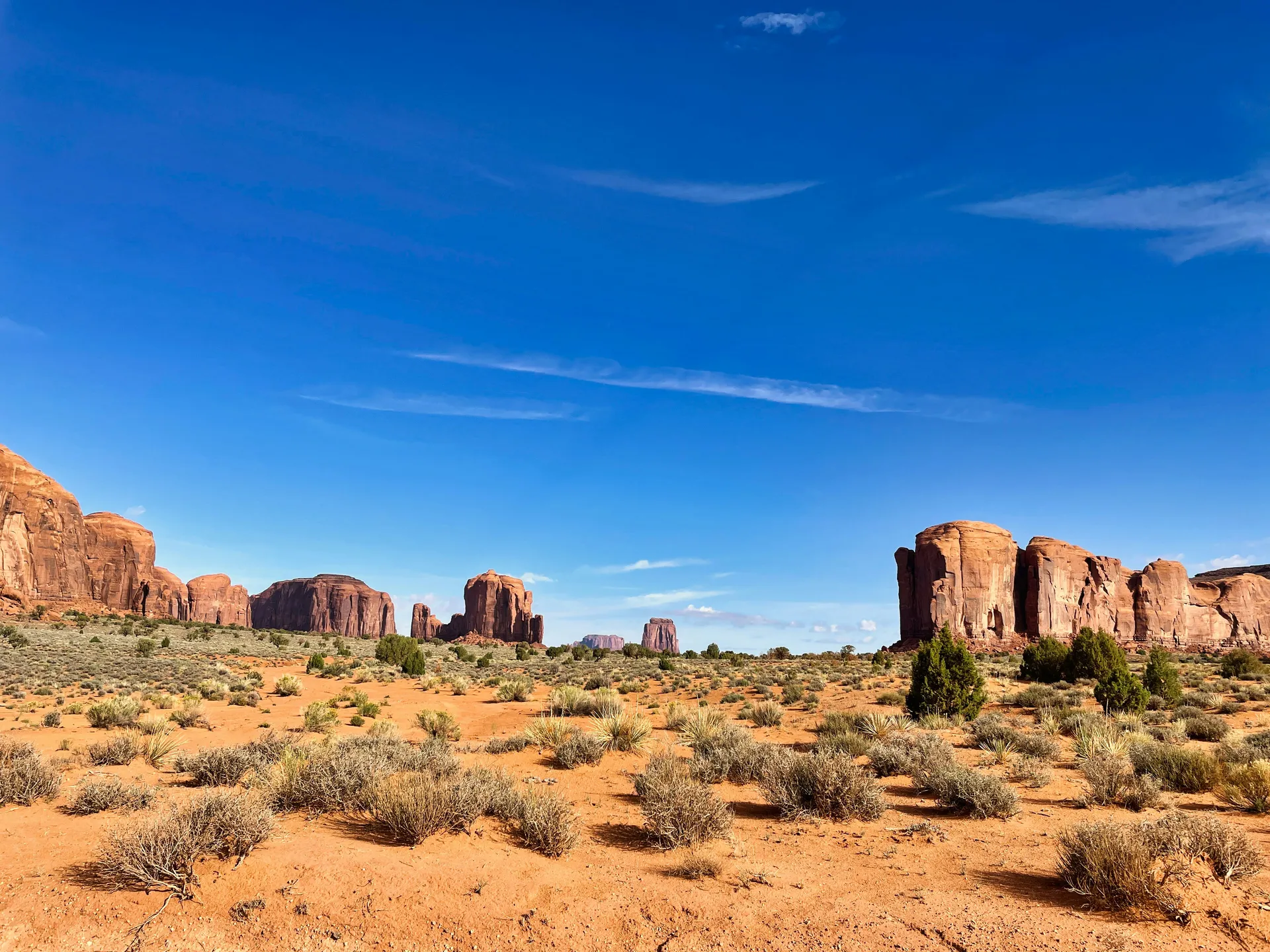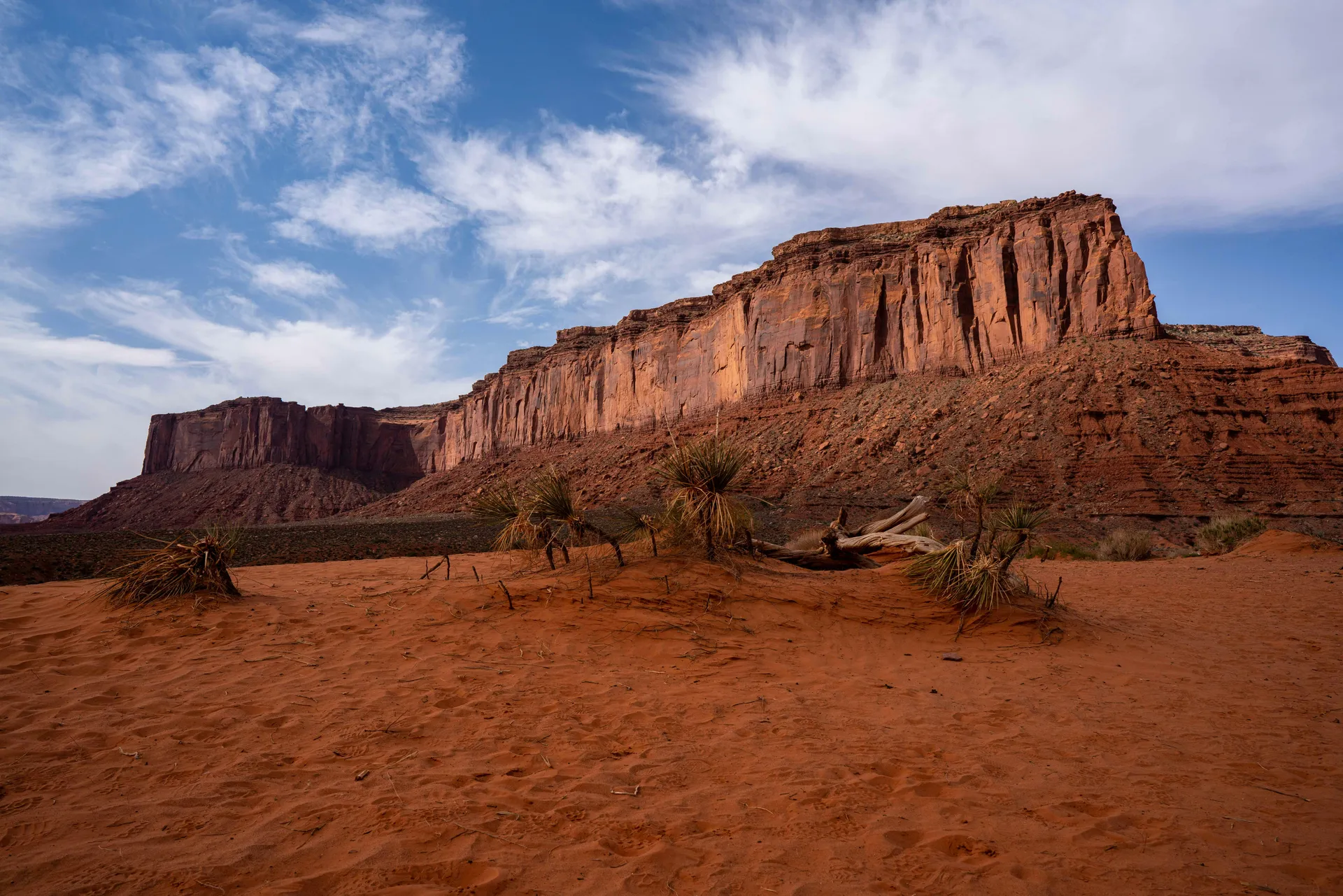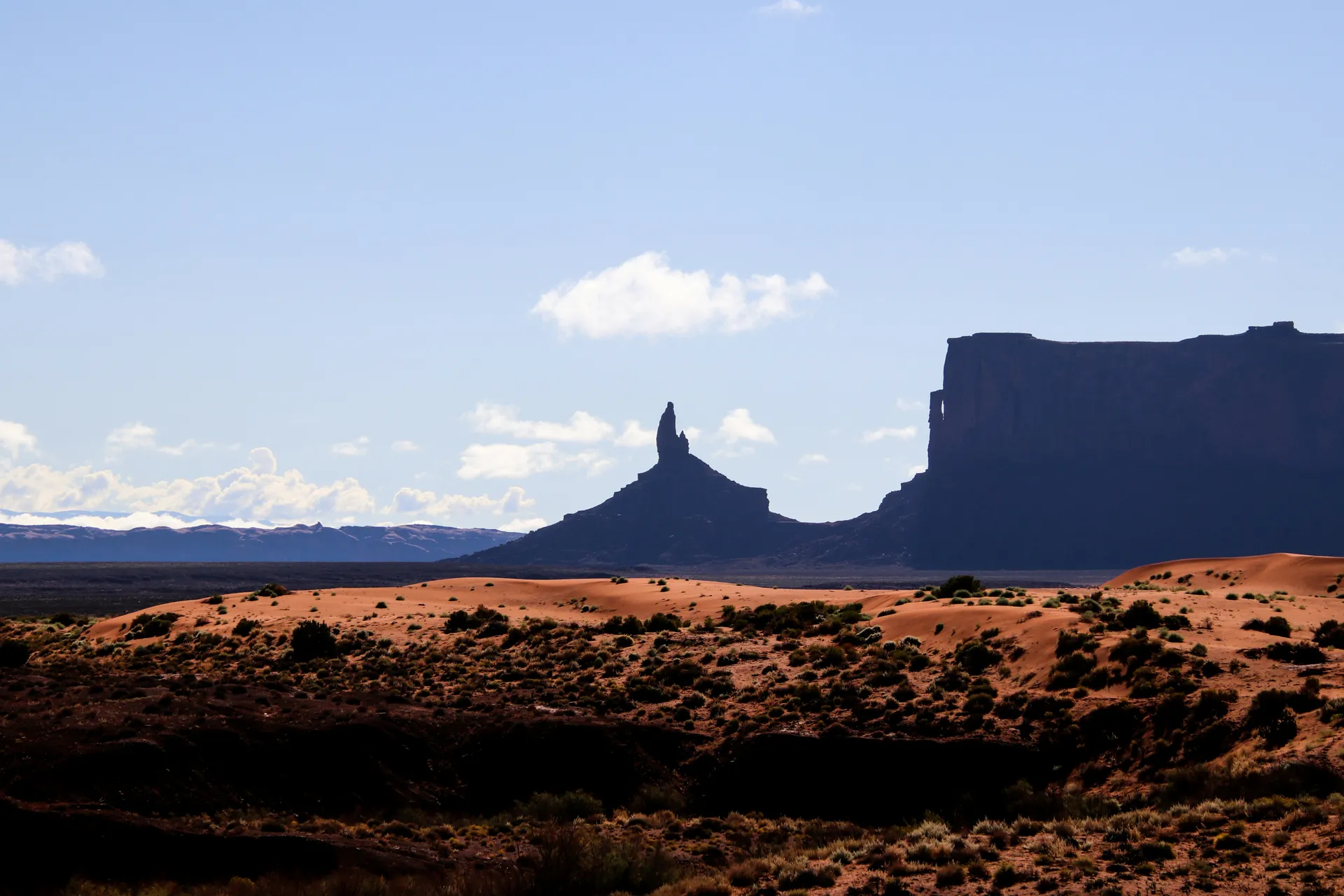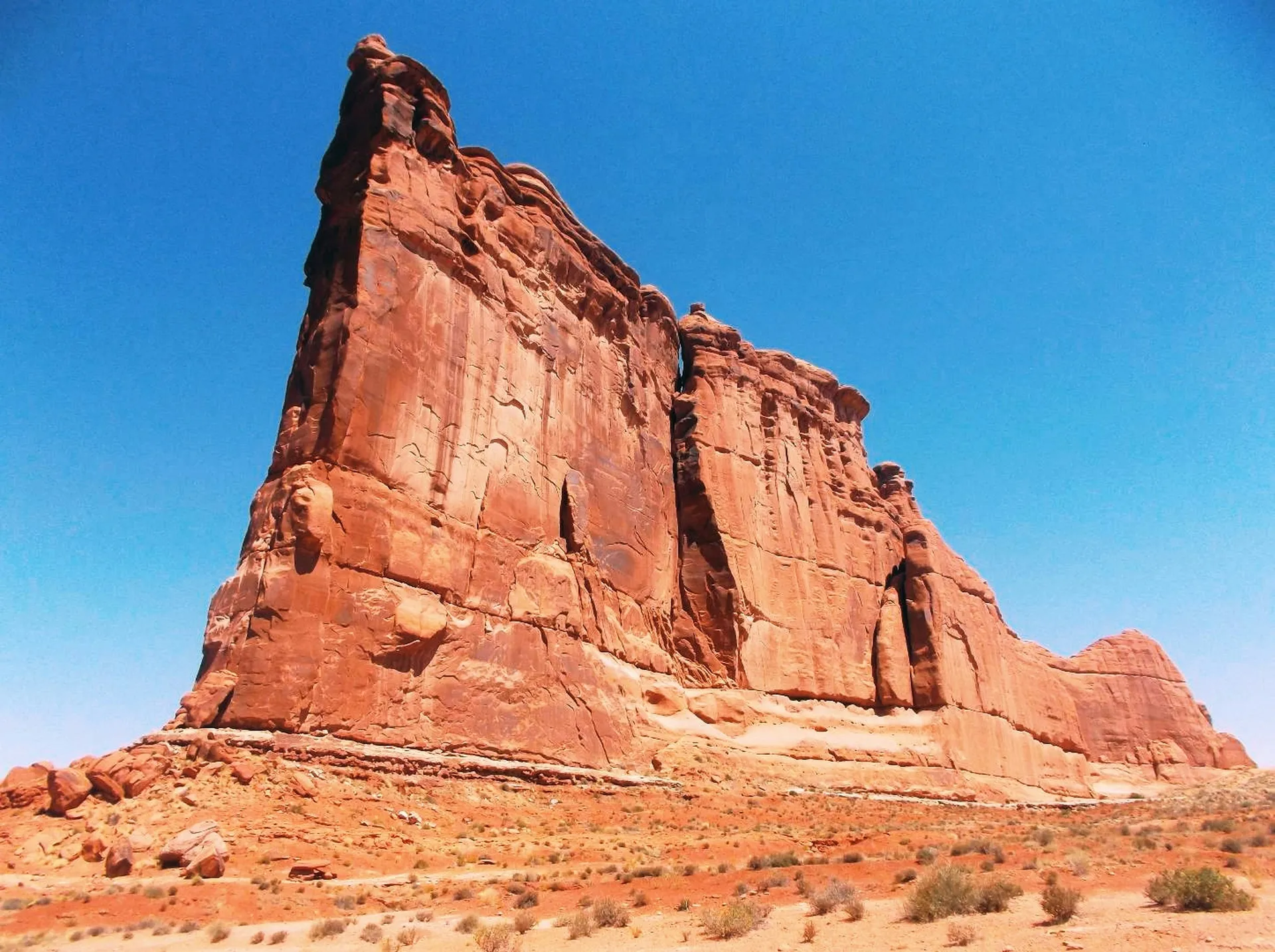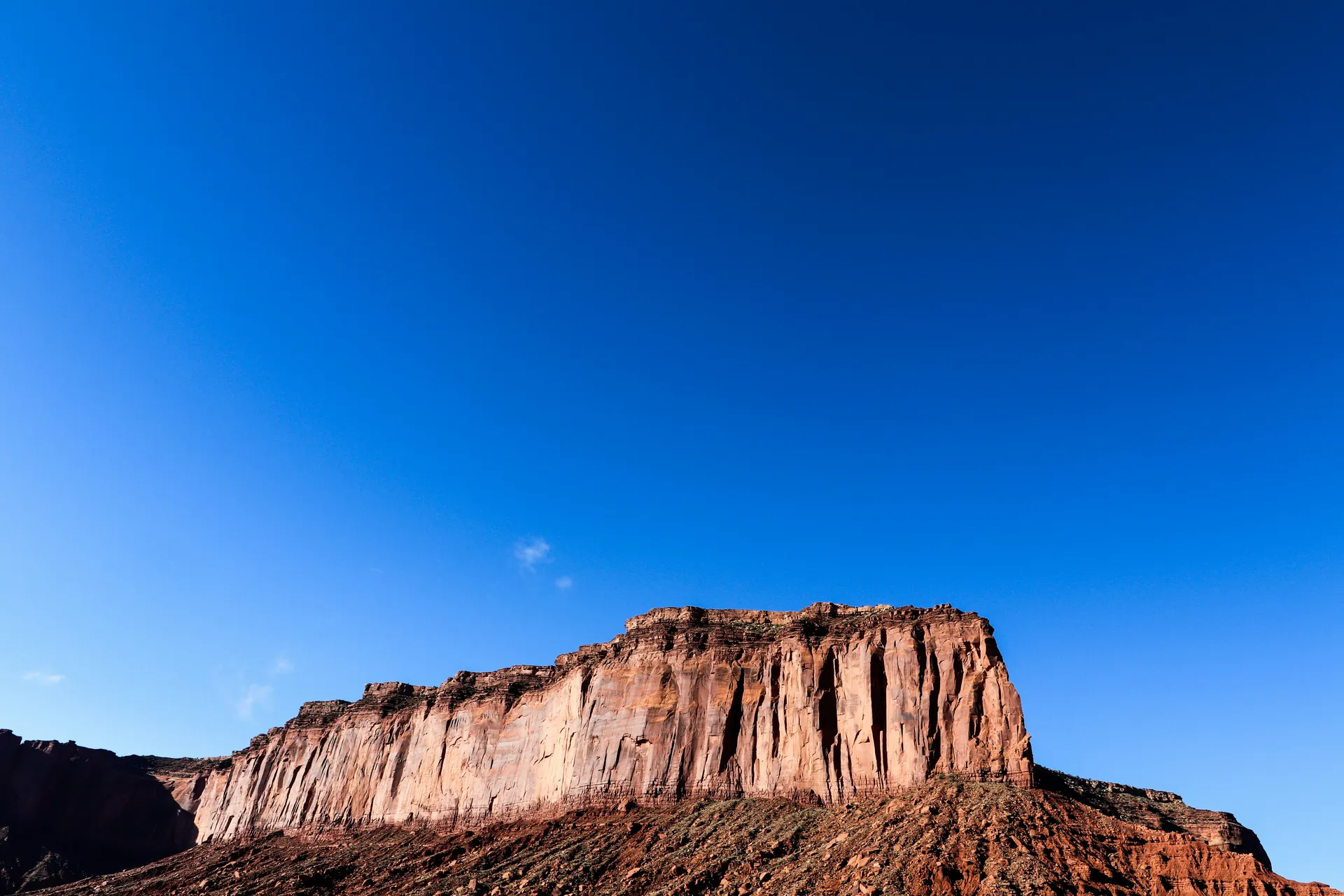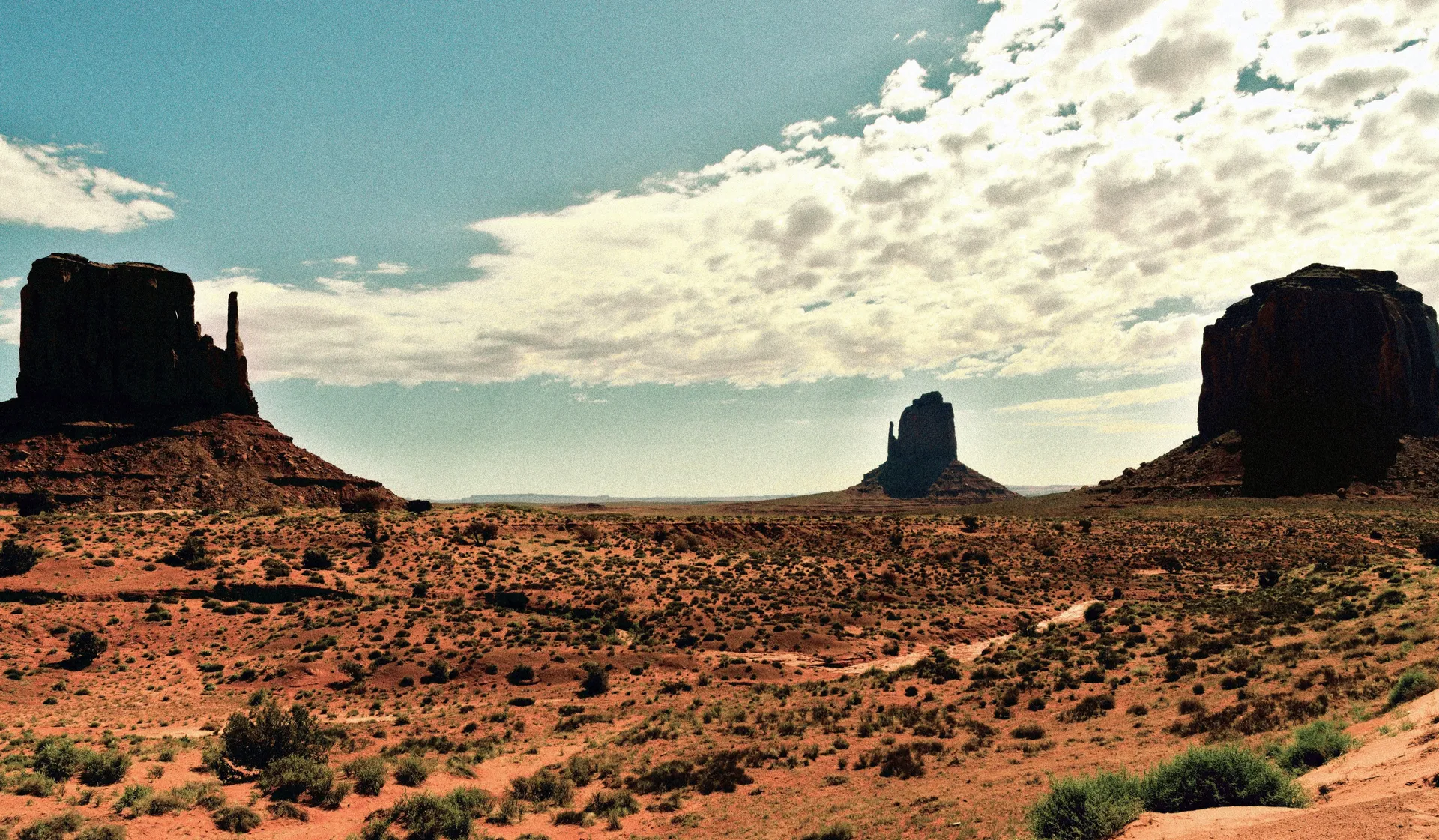
Monument Valley exists at the intersection of geology and myth. Its towering sandstone buttes—some rising a thousand feet from the desert floor—have become so synonymous with the American West that they serve as a kind of visual shorthand for frontier, freedom, and the vast open spaces of the imagination. John Ford filmed seven movies here, beginning with Stagecoach in 1939, and in doing so imprinted these formations on the global consciousness. But long before Hollywood arrived, the Navajo people had lived in this valley for centuries, and it is they who still steward the land today as the Monument Valley Navajo Tribal Park.
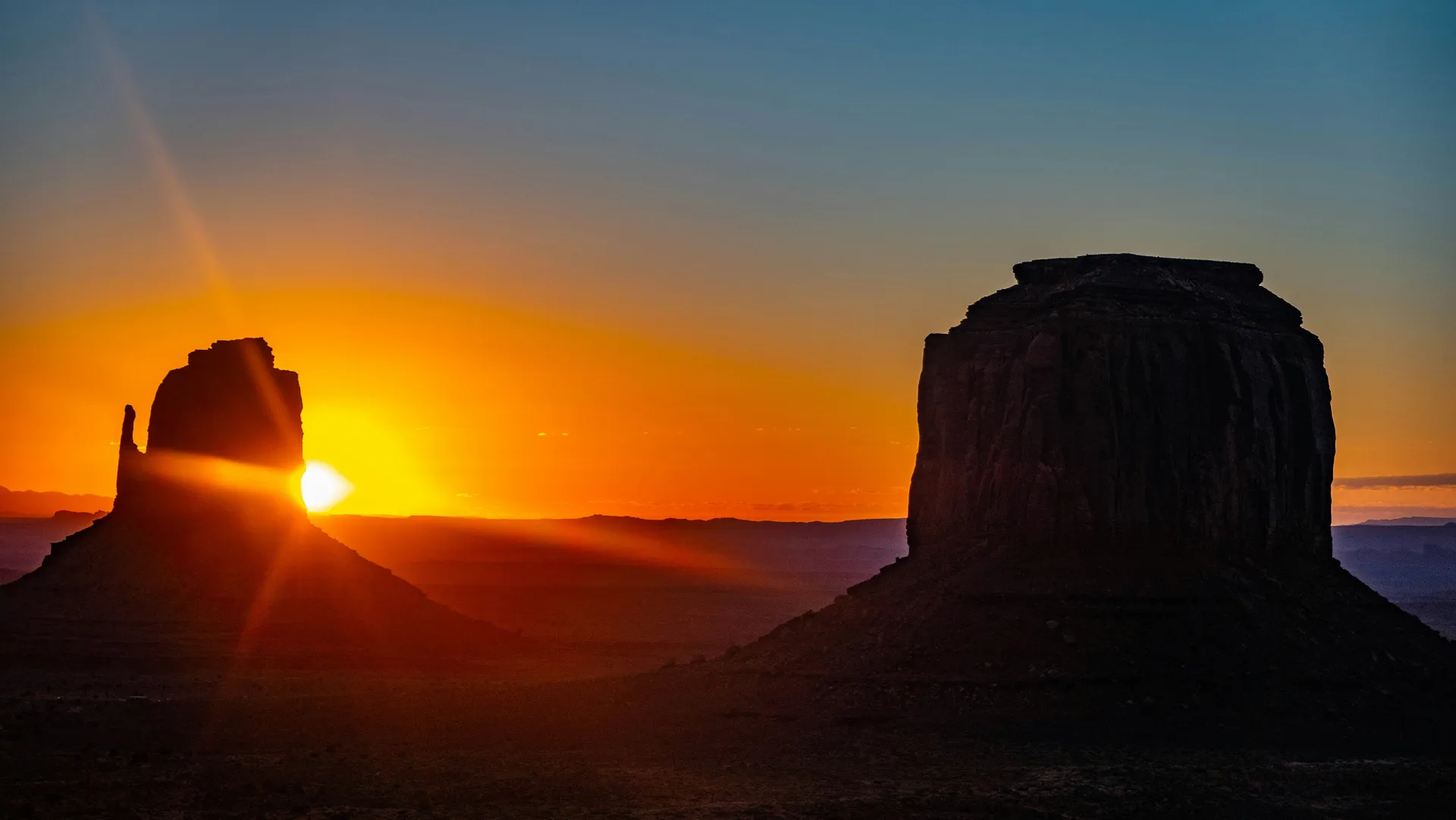
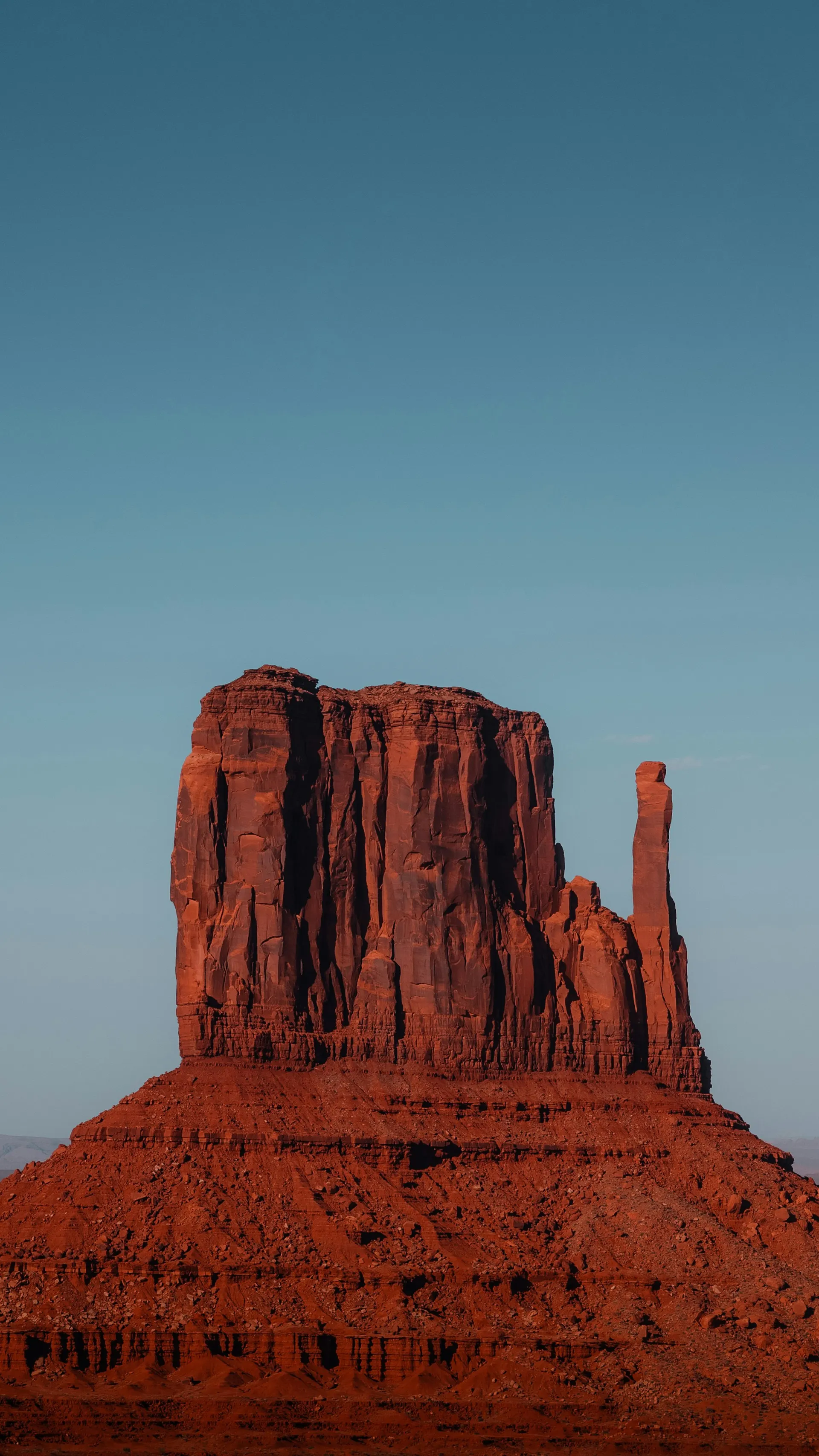
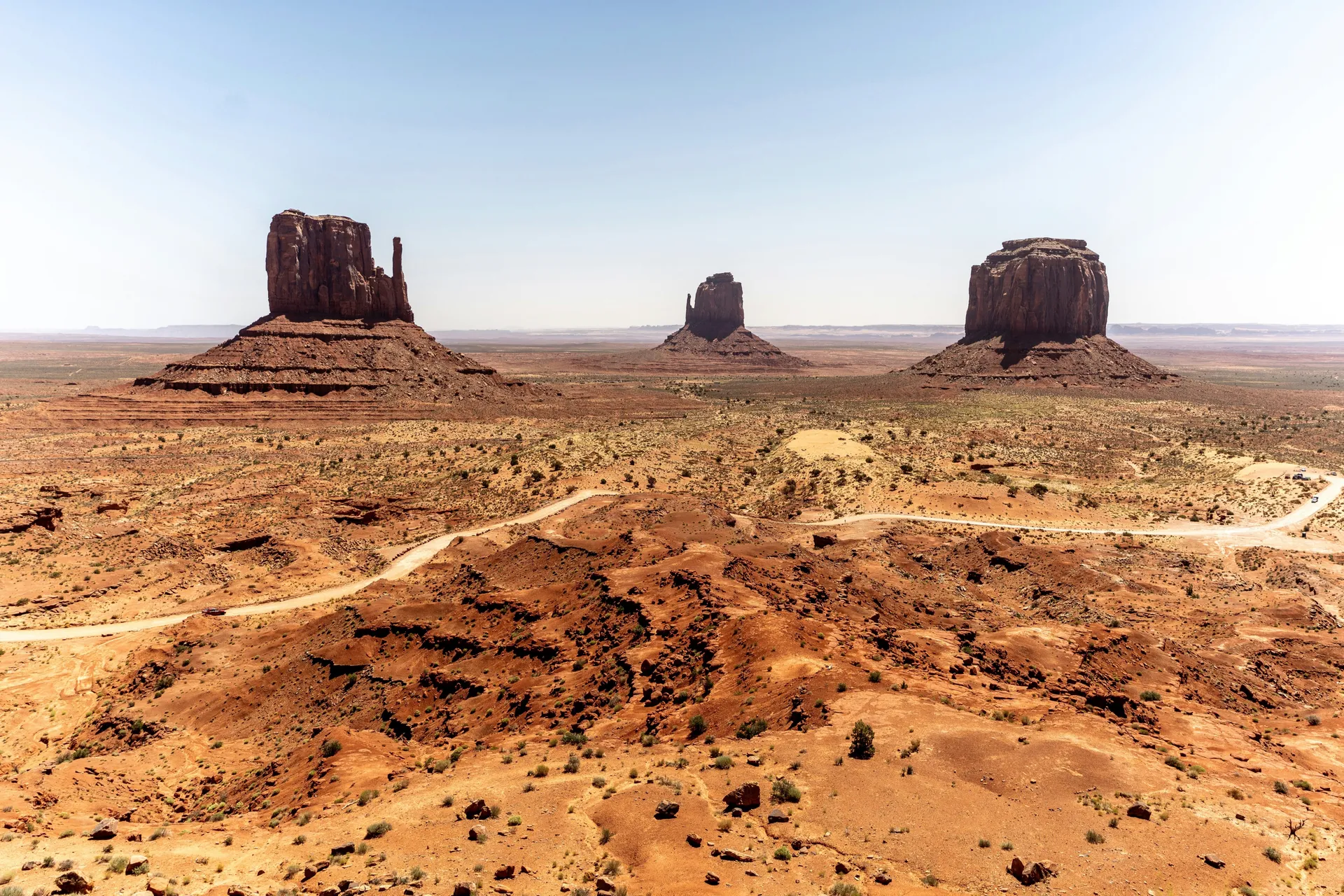
The valley straddles the Arizona-Utah border on the Colorado Plateau, a region of high desert where the air is so clear that distances become impossible to judge. The formations themselves—West Mitten Butte, East Mitten Butte, Merrick Butte, the Totem Pole—are remnants of ancient sandstone layers that once covered the entire region. Erosion stripped away everything but these resistant remnants, leaving behind monuments that seem to have been placed deliberately, like pieces on a cosmic chessboard. The colors shift throughout the day: rose-gold at dawn, burnt sienna at midday, deep crimson at sunset, and an ethereal blue-purple under moonlight.
While the valley itself has no formal restaurants, the experience of dining in this landscape is unforgettable. Navajo-guided tours often include traditional meals—fry bread, mutton stew, and blue corn dishes prepared over open fire in the shadow of the buttes. The View Hotel, the only accommodation within the park, offers a restaurant with floor-to-ceiling windows framing what may be the most spectacular dining view in the American Southwest. In the nearby town of Kayenta, simple but authentic Navajo and American fare provides sustenance for the journey.
The tribal park's seventeen-mile unpaved loop drive is the primary way to experience the valley floor, passing close to the major formations and offering pull-offs for photography. For deeper exploration, Navajo-guided tours are essential and non-negotiable—access to areas beyond the loop road is restricted to guided tours only. These excursions visit hidden arches, ancient petroglyphs, and traditional hogans that provide cultural context no self-guided visit can match. Horseback rides through the valley at sunset are among the most cinematic experiences available in the American West. Nearby, the Antelope Canyon slot formations and the shores of Lake Powell extend the exploration of this extraordinary landscape.
Monument Valley is typically accessed as part of overland itineraries through the Four Corners region, combined with the Grand Canyon, Sedona, and Utah's national parks. The park is open year-round, but the best conditions are found in spring (April–May) and autumn (September–October), when temperatures are comfortable and the light is at its most dramatic. Summer brings intense heat above 100°F, and winter can see snow—beautiful but cold. Photography enthusiasts should plan for sunrise and sunset, when the formations are bathed in the warm, directional light that made this valley famous.