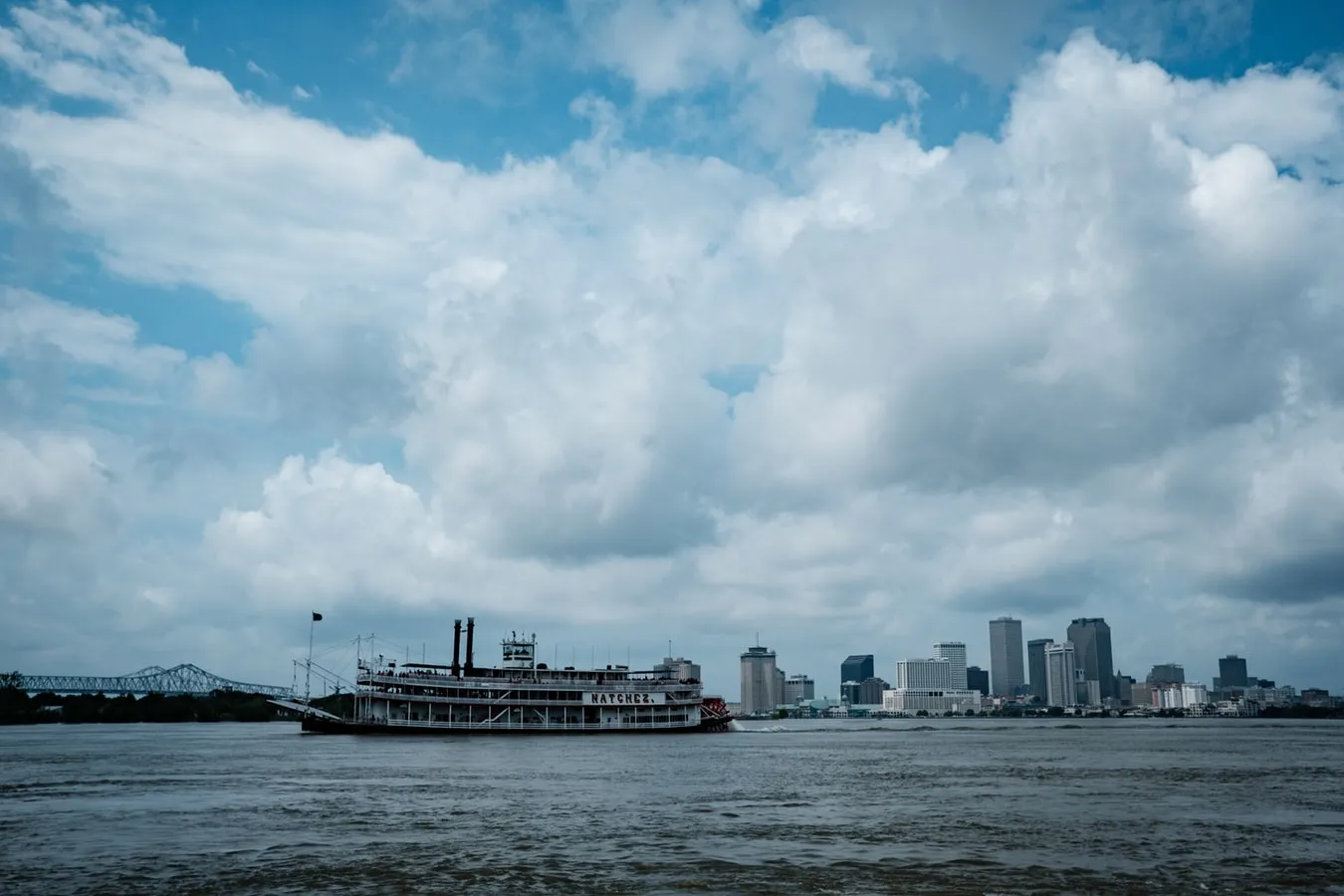
Founded in 1718 by the French explorer Jean-Baptiste Le Moyne de Bienville, New Orleans rose from the marshy banks of the Mississippi River to become one of North America's most culturally layered cities — a place where French colonial ambition, Spanish governance, African resilience, and Caribbean joie de vivre converged to create something entirely without parallel. The Louisiana Purchase of 1803 brought this jewel into American hands, yet New Orleans never fully surrendered its European soul, preserving its Creole architecture, its Catholic festivals, and its singular insistence that life is meant to be savored rather than merely endured.
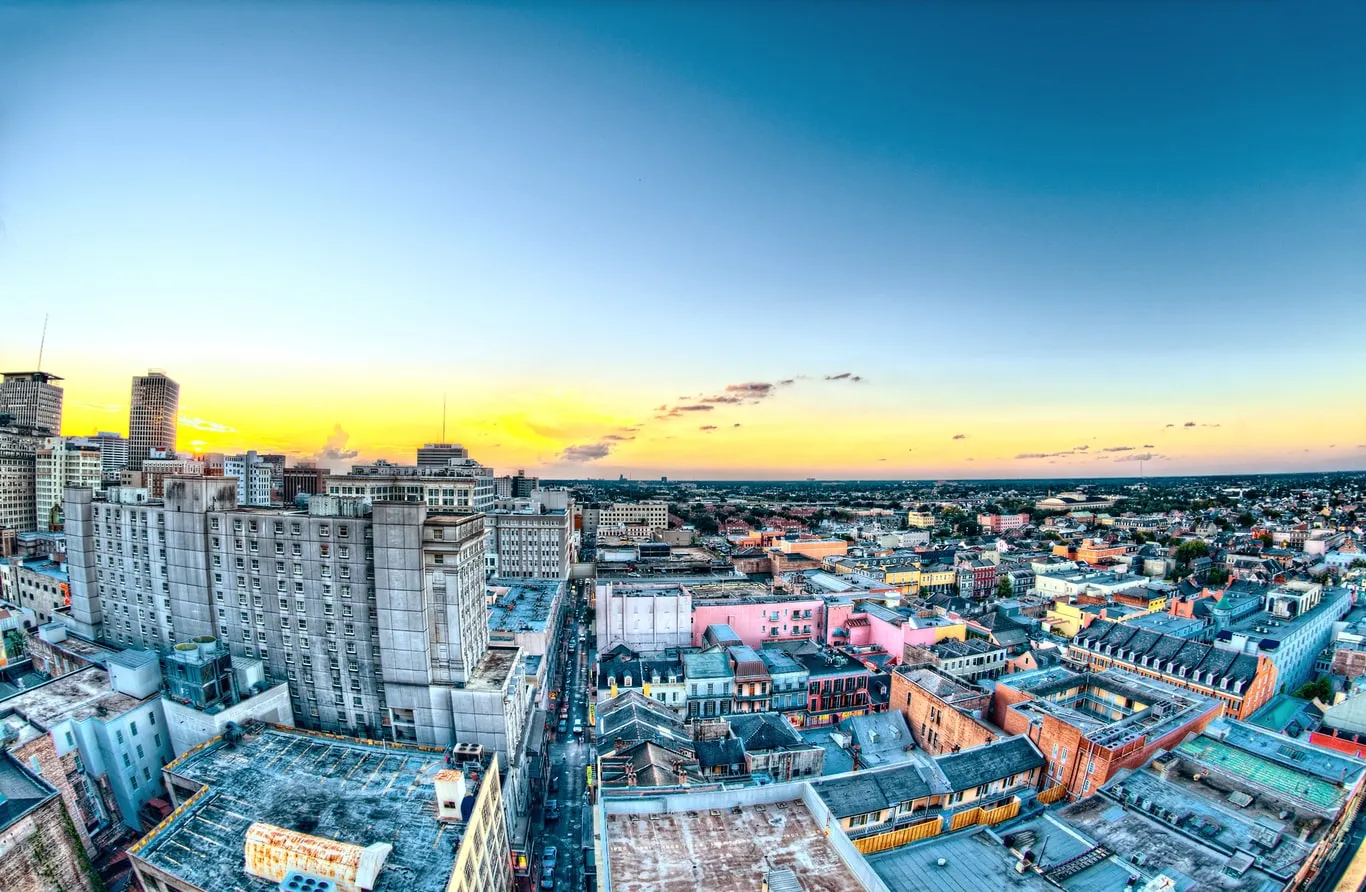
To arrive in New Orleans is to step into a city that breathes through its streets. The wrought-iron balconies of the French Quarter drip with ferns and bougainvillea, casting lace-like shadows across cobblestones that have absorbed two centuries of revelry and rain. Beyond the Quarter, the Garden District unfolds in a procession of antebellum mansions shaded by ancient live oaks, their canopies so dense they form green cathedrals overhead. Even the air carries intention here — jasmine in spring, roasting coffee year-round, and always, drifting from some unseen doorway, the unmistakable pulse of a brass ensemble finding its groove.
New Orleans does not merely feed its visitors; it initiates them. A proper education begins with a bowl of dark-roux seafood gumbo at Dooky Chase's, the legendary Tremé restaurant where Leah Chase once fed civil rights leaders and presidents alike. From there, one moves to the crispy, beignet-dusted mornings at Café Du Monde, the char-grilled oysters at Drago's — butter and Parmesan pooling in their shells like molten gold — and the delicate refinement of Commander's Palace, where turtle soup is finished tableside with a flourish of aged sherry. The muffuletta at Central Grocery, layered with olive salad and imported salumi, remains one of America's great sandwiches, while a late-night plate of crawfish étouffée at a Frenchmen Street haunt proves that this city's most transcendent meals often arrive without reservation or ceremony.
For those inclined to extend their journey beyond the delta, New Orleans serves as a compelling gateway to landscapes of startling contrast. The coral-hued dunes of Coral Pink Sand Dunes State Park in southern Utah offer an almost Martian otherworldliness — wind-sculpted sandstone rising against impossibly blue skies. Salt Lake City presents its own refined appeal, with a burgeoning culinary scene set against the dramatic backdrop of the Wasatch Range. The quiet coastal charm of Wilmington, North Carolina, with its riverfront historic district and proximity to pristine barrier islands, provides a gentler counterpoint. And for those drawn to the austere grandeur of the American West, the Eastern Sierra town of Bishop, California, sits at the foot of some of the continent's most spectacular alpine scenery, where granite peaks and ancient bristlecone pines command a reverent silence.
As one of the Gulf Coast's premier embarkation ports, New Orleans welcomes an impressive roster of cruise lines to its Julia Street terminal along the Mississippi. Carnival Cruise Line operates extensively from here, offering Caribbean itineraries that benefit from the city's festive spirit as both prelude and encore. Celebrity Cruises brings its contemporary luxury sensibility to departures that often include calls throughout the Western Caribbean and Central America. Norwegian Cruise Line provides a freestyle approach to Gulf and Caribbean voyaging, while Viking — renowned for its destination-focused ethos — charts refined itineraries that frequently explore the Mississippi itself, carrying guests through the storied river landscapes of the American South. Each of these lines recognizes what seasoned travelers have long understood: that New Orleans is not merely a port of departure but a destination unto itself, one that rewards those who arrive early and linger long after the gangway beckons.
In a world increasingly smoothed by homogeneity, New Orleans remains gloriously, defiantly itself — a city that has survived hurricanes, epidemics, and the relentless tide of modernity without losing its essential character. It is a place where second lines still parade through neighborhoods on Sunday afternoons, where jazz funerals transform grief into celebration, and where the simple act of sharing a meal becomes an expression of something close to grace.