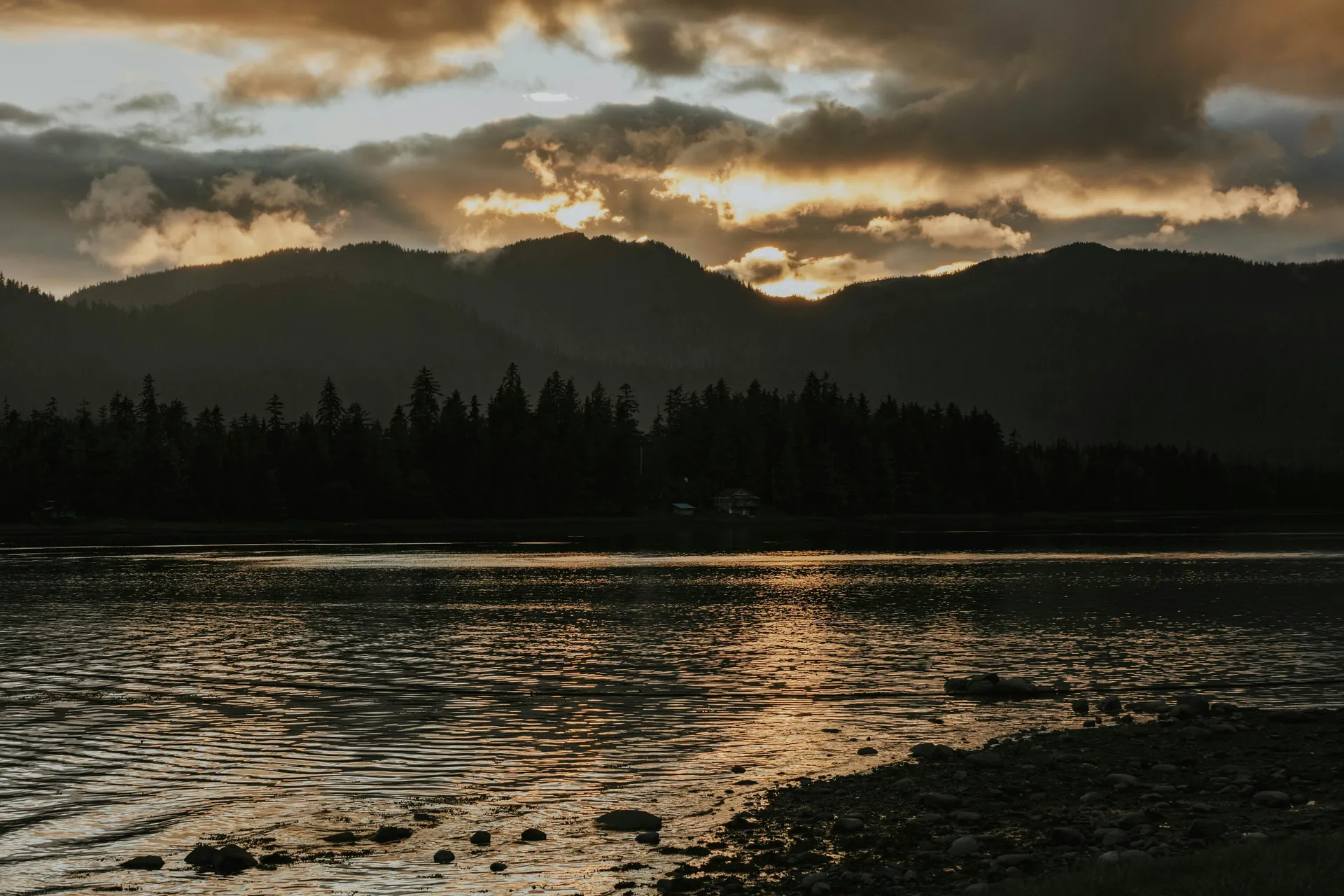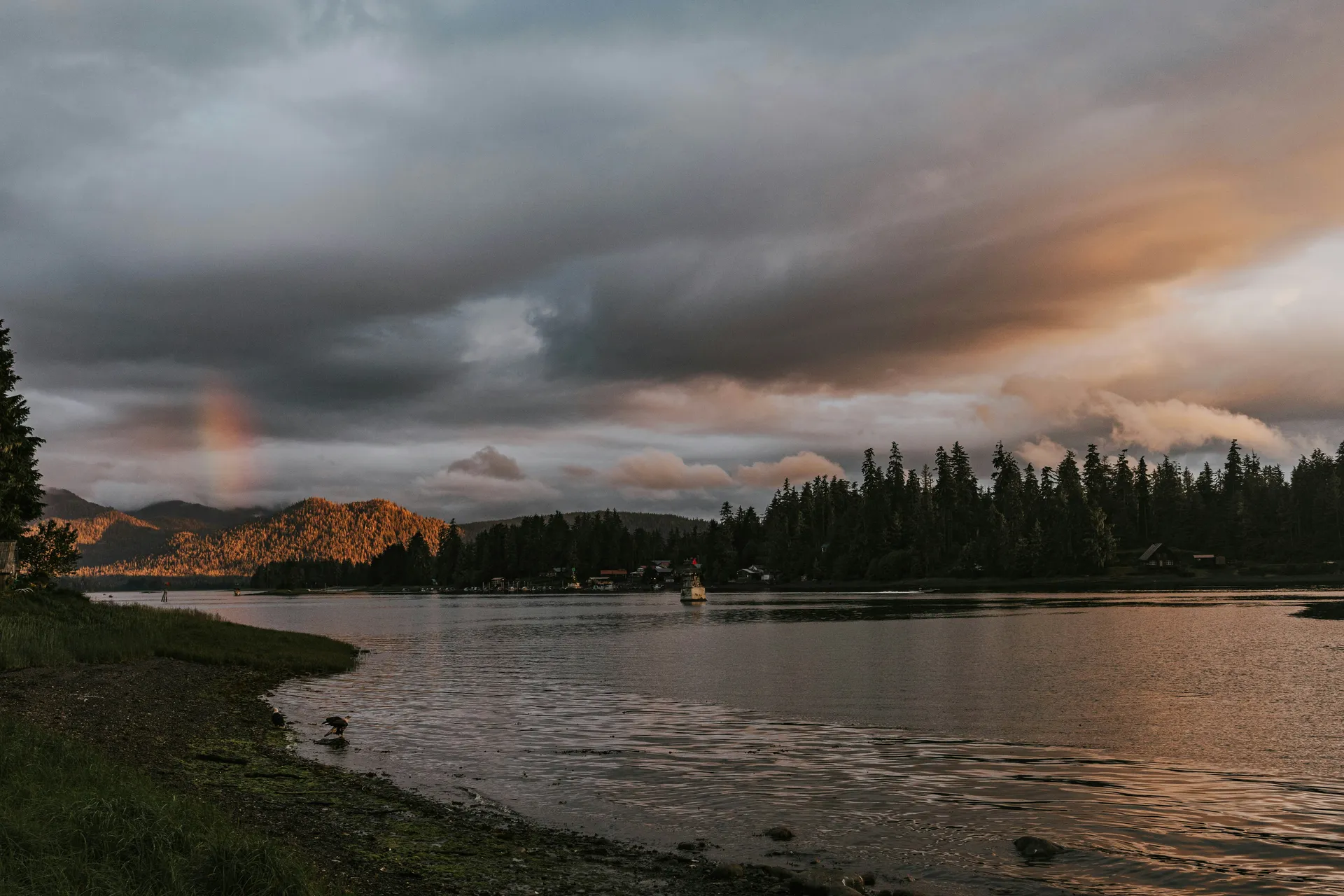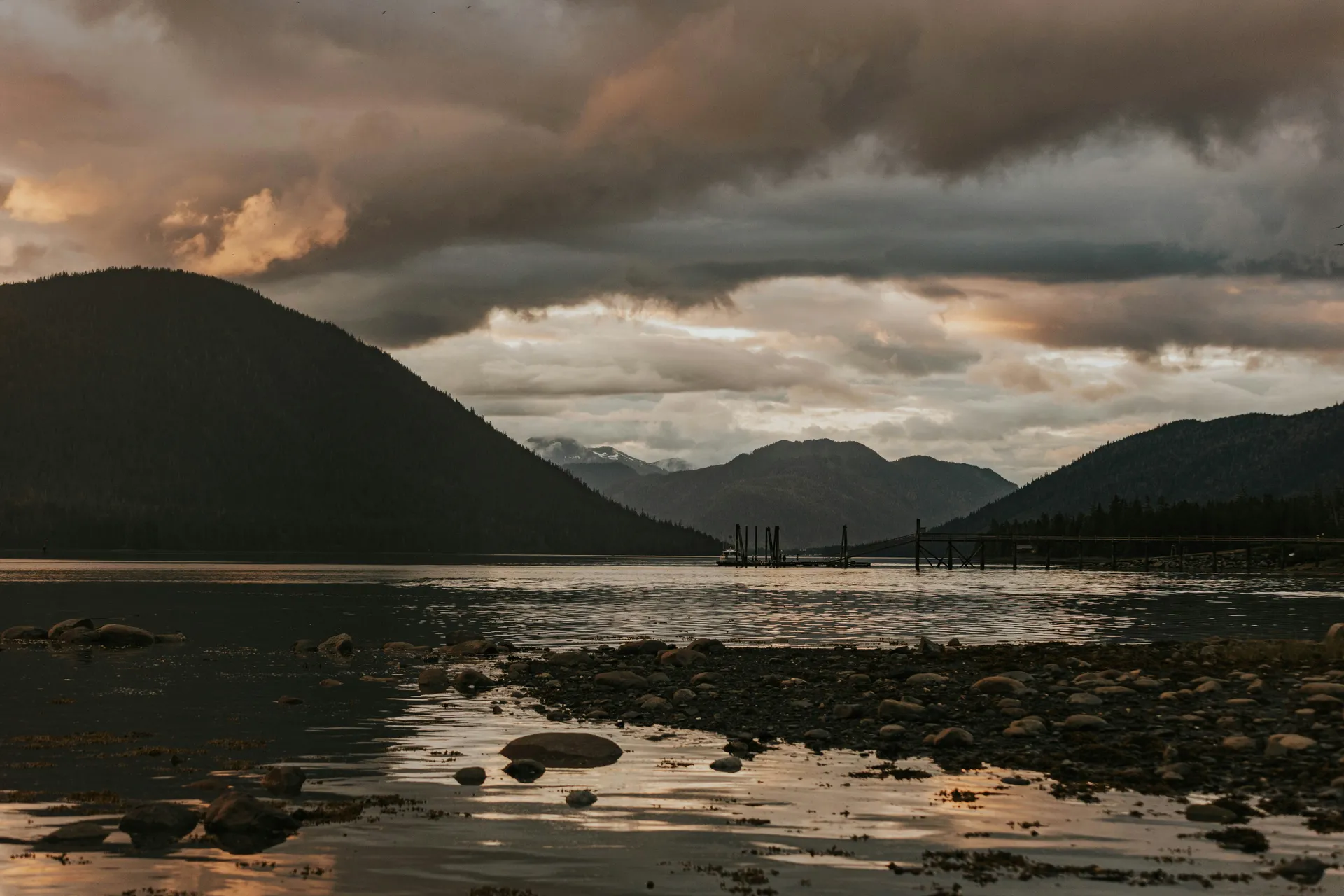
Petersburg is the Alaska that existed before the cruise ships came—a genuine fishing town of roughly 3,000 people on the northern tip of Mitkof Island in Southeast Alaska's Inside Passage, where Norwegian heritage, Tlingit culture, and the rhythms of the commercial fishing fleet create a community that is authentic in a way that many Alaskan ports aspire to but few achieve. The town was founded in 1897 by Peter Buschmann, a Norwegian immigrant who recognized the area's potential for fish processing, and the Scandinavian influence remains visible in the rosemaling (decorative painting) on downtown buildings, the Sons of Norway Hall, and the Little Norway Festival held every May.
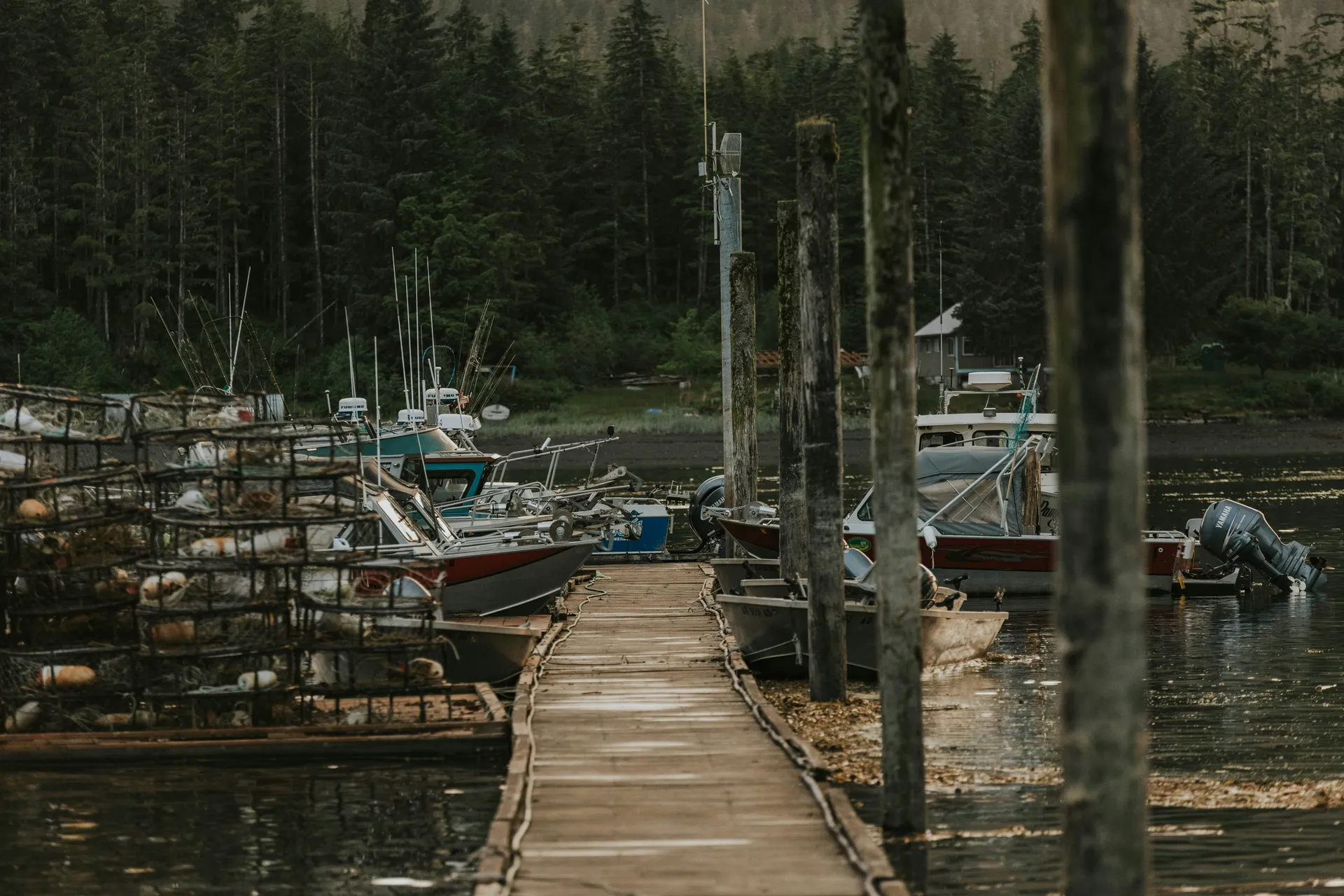
The town wraps around a compact harbor where commercial fishing boats—seiners, trollers, gillnetters—outnumber pleasure craft by a wide margin. The fishing industry remains Petersburg's economic backbone: halibut, salmon, herring, and Dungeness crab are processed here in volumes that make Petersburg one of the most productive fishing ports in Alaska. The Clausen Memorial Museum tells the story of the town's fishing heritage and its Tlingit and Norwegian roots with a directness that larger, more polished museums sometimes lack. Walking the docks at any hour, watching crews mend nets, stack crab pots, and offload the catch, provides a window into a working waterfront that most visitors to Alaska never see.
The cuisine of Petersburg is, unsurprisingly, dominated by seafood of extraordinary quality. Fresh halibut, caught in the waters surrounding the town, is served at local restaurants in preparations that range from beer-battered fish and chips to pan-seared fillets with lemon butter. King and Dungeness crab, pulled from cold, deep waters, are available in season at the harbor-side restaurants and at the annual Crab Festival in May. Smoked salmon, prepared according to both Norwegian and Tlingit traditions, is a local specialty—the cold-smoked lox reflecting Scandinavian influence, the hot-smoked strips reflecting indigenous methods. The Salty Pantry and Coastal Cold Storage offer some of the freshest seafood you will ever eat, direct from the boats to the counter.
The natural environment surrounding Petersburg is spectacular and largely undeveloped. The LeConte Glacier, twenty-five miles east, is the southernmost tidewater glacier in North America—Zodiac excursions or small-boat charters navigate through a field of icebergs and bergy bits to approach the glacier face, where calving events send plumes of water and ice into the fjord. Harbor seals haul out on the ice floes in large numbers, and humpback whales feed in the nutrient-rich waters of Frederick Sound. The Stikine River Delta, North America's largest unspoiled river delta, lies just south and is accessible by jet boat—an area of extraordinary wildlife diversity where bald eagles, brown bears, moose, and wolves inhabit a landscape of wetlands, river channels, and old-growth forest.
Petersburg is visited by Alaska Marine Highway ferries and by small expedition cruise vessels that can navigate the Wrangell Narrows—a twenty-two-mile channel so narrow and shallow that large cruise ships cannot transit it, which has helped preserve Petersburg's small-town character. The best time to visit is May through September, with May bringing the Little Norway Festival and peak herring season, July and August offering the warmest weather and the longest days, and September providing excellent wildlife viewing as bears fish for salmon and humpback whales feed in the surrounding waters.