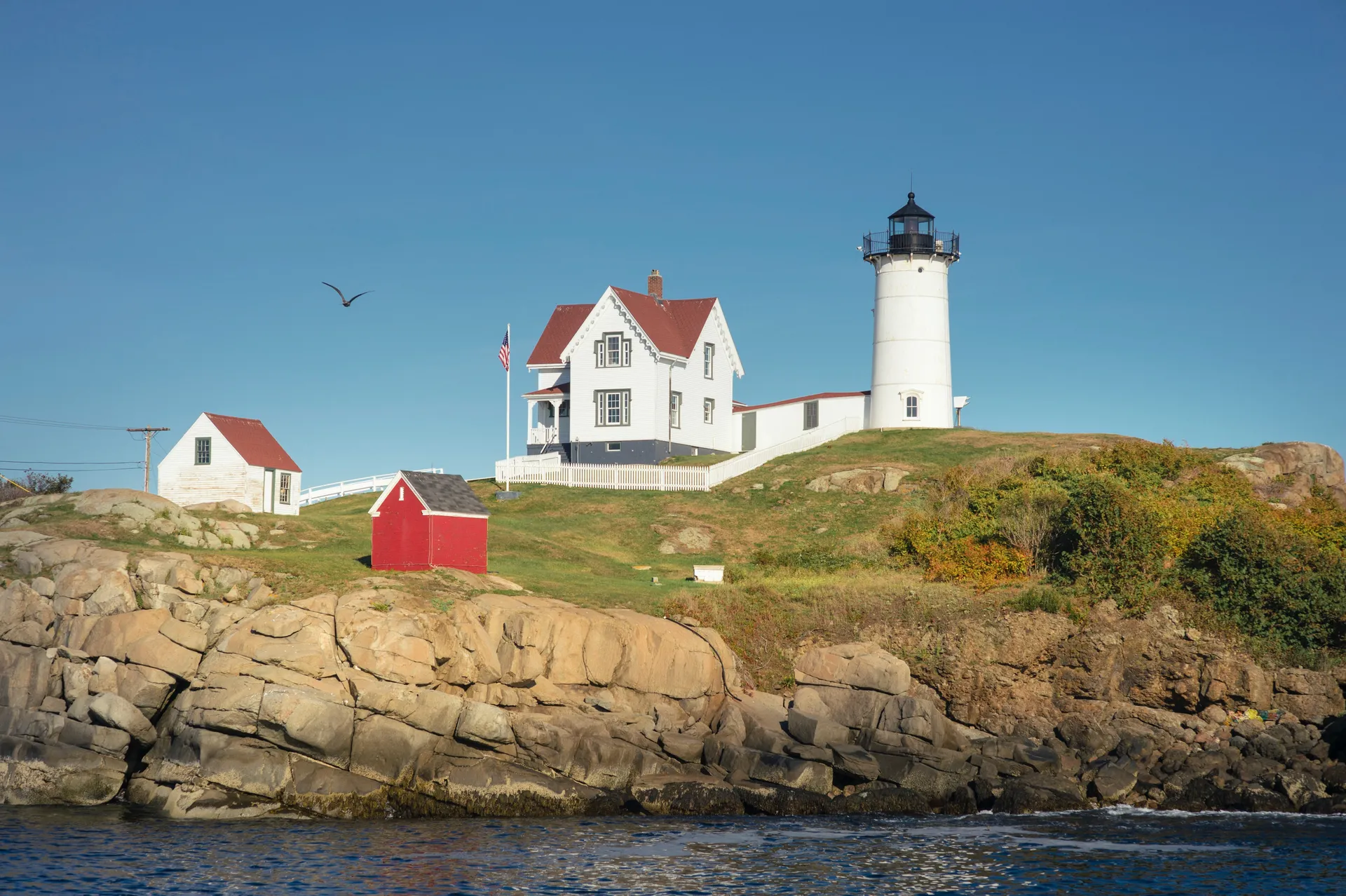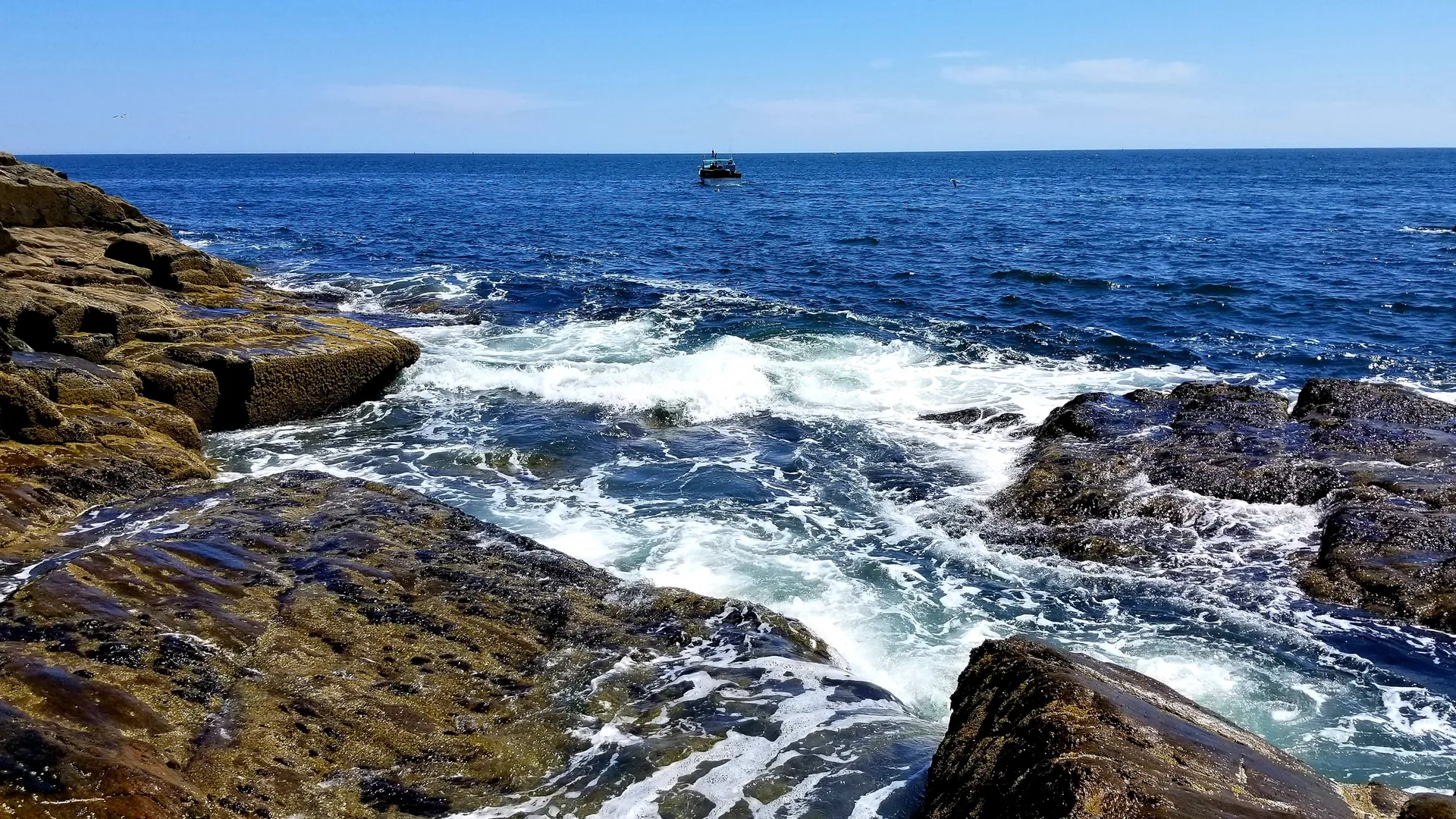
On a hilly peninsula jutting into Casco Bay, where the Atlantic scatters 365 islands across a waterscape of lobster buoys and sailing masts, Portland, Maine, has transformed itself from a declining port city into America’s most improbable food destination. This compact city of 68,000—New England’s smallest state capital by metro area—now boasts more restaurants per capita than nearly any city in the United States, a distinction that reflects both the extraordinary marine and agricultural bounty at its doorstep and the creative energy of chefs who have chosen this far northeastern corner of the country as their canvas.
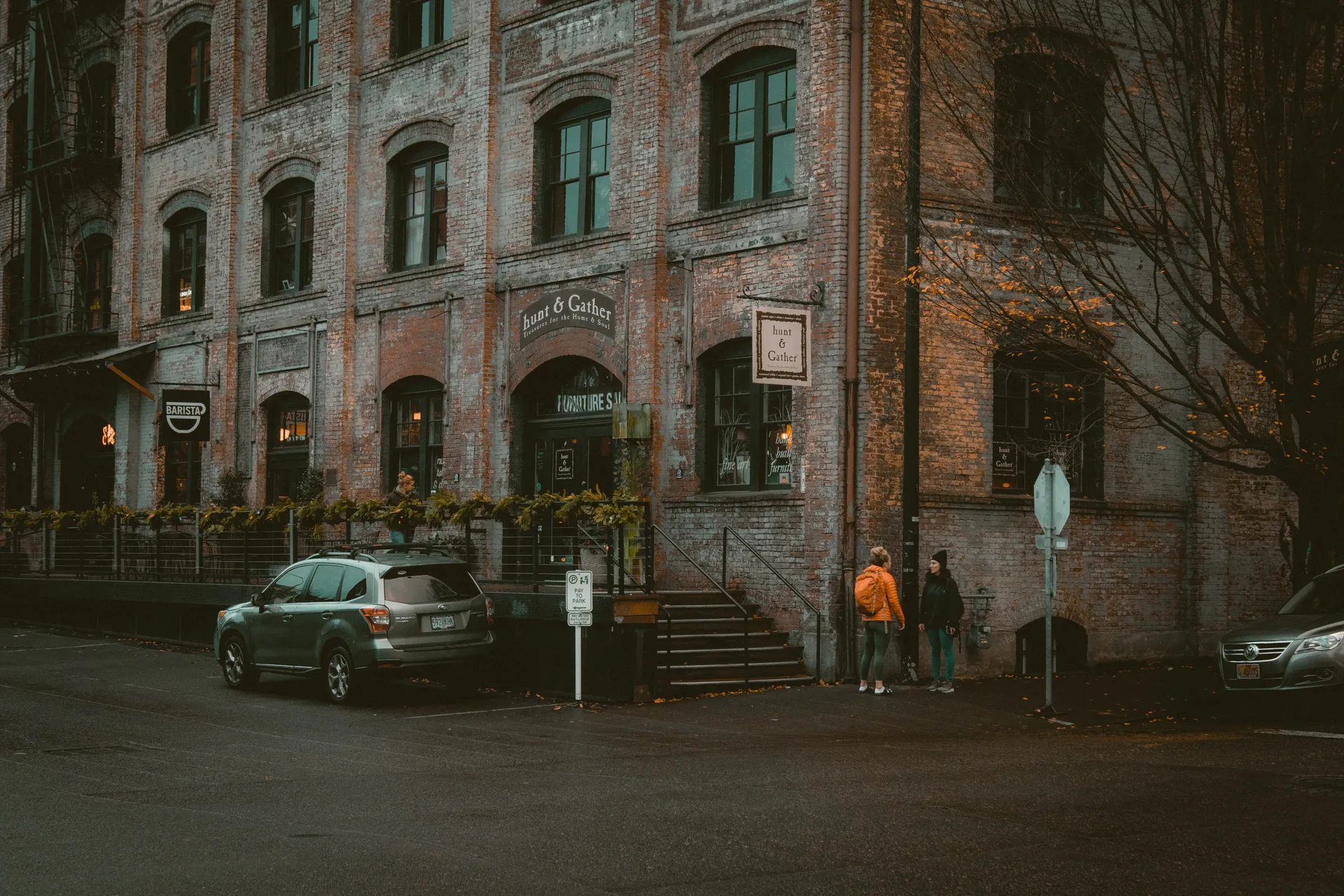
Portland’s Old Port district, a grid of brick-and-granite 19th-century commercial buildings sloping toward the working waterfront, is the city’s atmospheric core. These buildings, which survived the Great Fire of 1866 (itself following the devastation of the city during the War of 1812), now house an extraordinary concentration of restaurants, craft breweries, independent bookshops, and galleries. The waterfront itself remains a working port—lobster boats unload their catch at wharves where you can buy a freshly steamed lobster roll and eat it watching the harbor’s constant commerce of fishing vessels, island ferries, and sailing yachts.
The food scene that has put Portland on the national map draws on a larder of staggering quality. Maine lobster, the city’s totemic ingredient, appears in every form from the classic chilled roll (mayonnaise, celery, buttered split-top bun) to chef-driven preparations that would be at home in any global capital. Beyond lobster, the cold waters of the Gulf of Maine yield oysters from a dozen local farms, diver-harvested scallops, jonah crab, and the prized Maine shrimp. The surrounding farmland contributes wild blueberries, heritage apples, artisan cheeses, and the ingredients that fuel Portland’s farm-to-table restaurants—Fore Street, Eventide Oyster Co., Duckfat, and Hugo’s among the most celebrated.
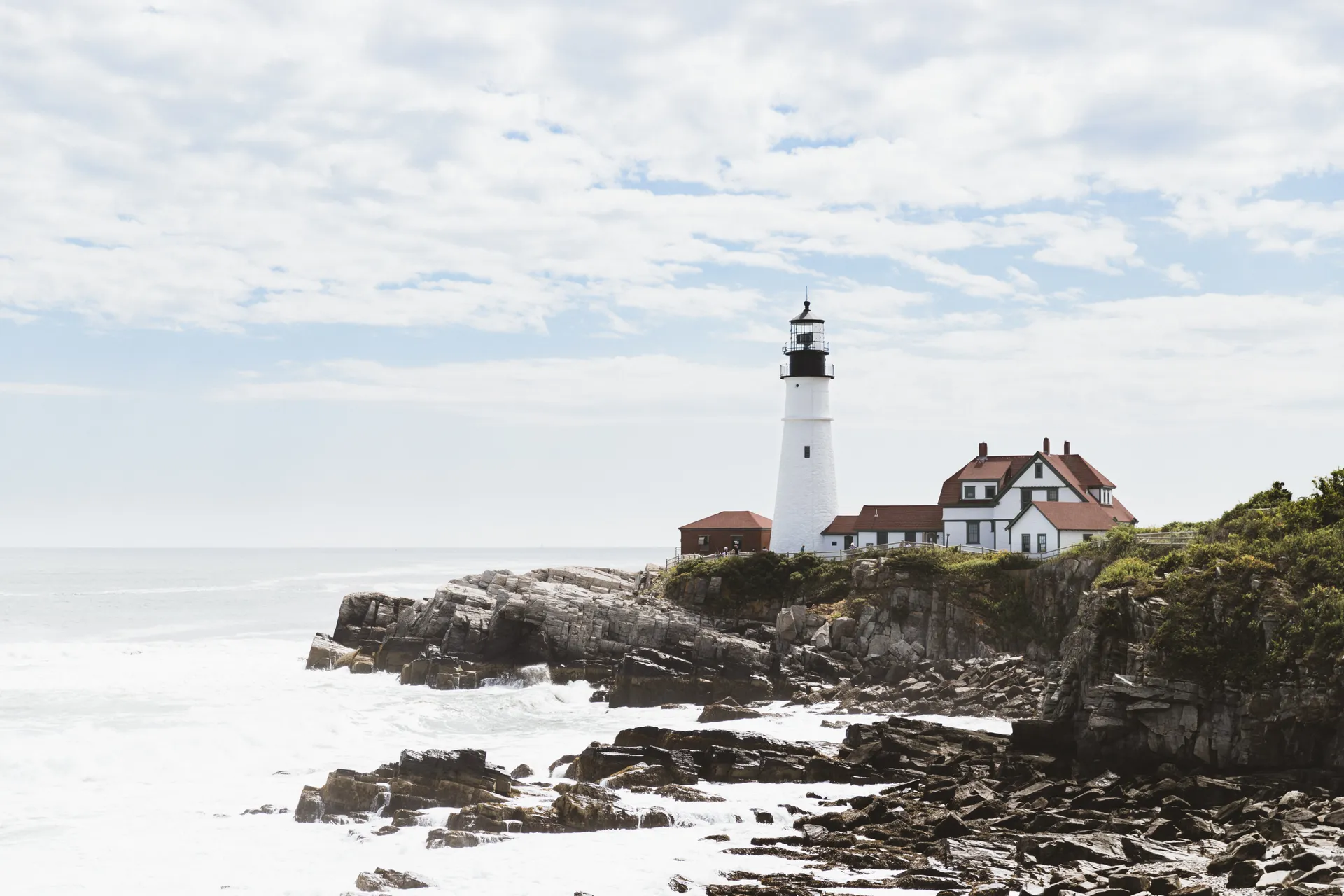
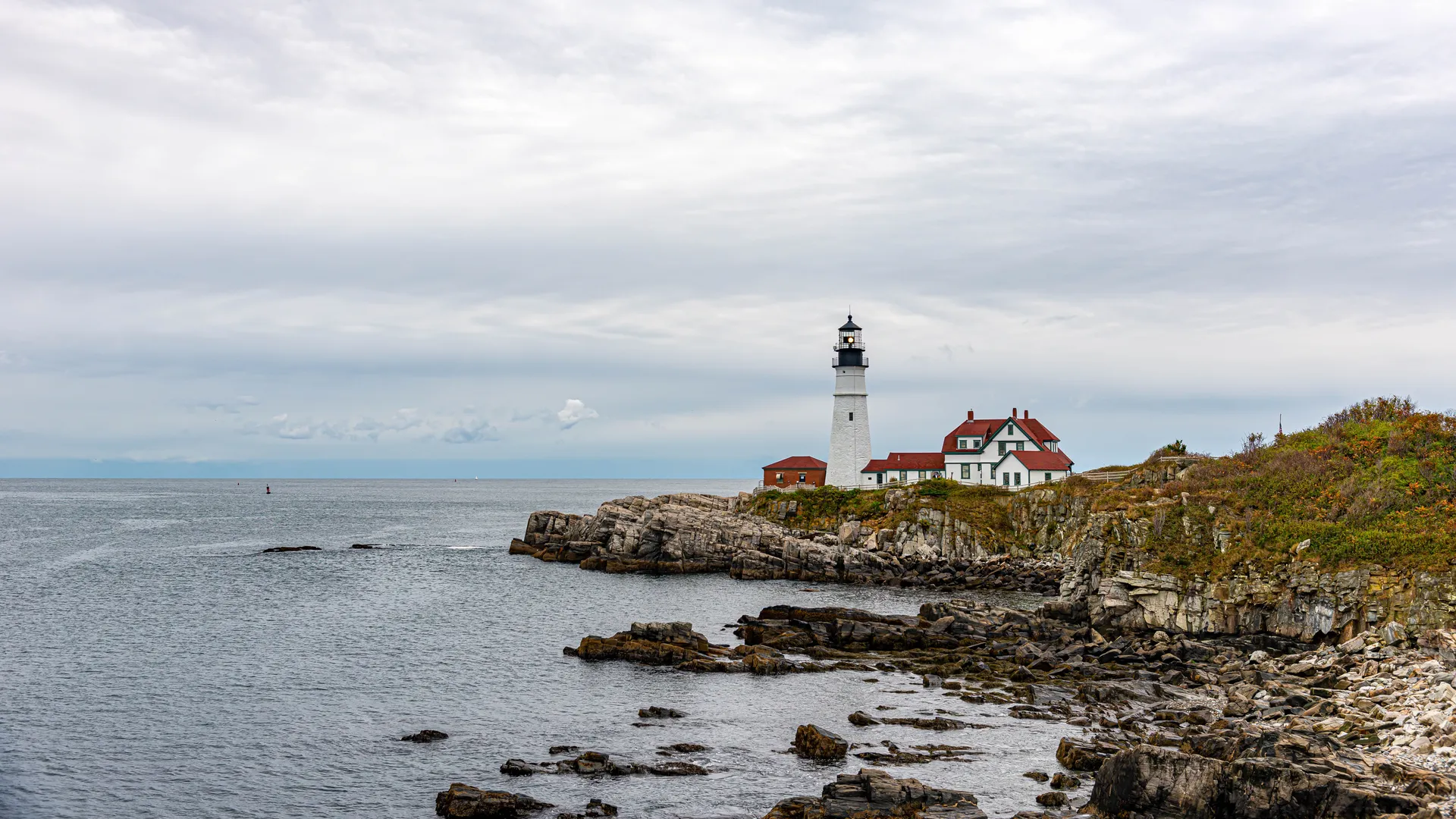
Portland’s cultural landscape extends beyond gastronomy. The Portland Museum of Art, designed in part by I.M. Pei, houses significant collections of American art including works by Winslow Homer, who painted at nearby Prouts Neck, and Andrew Wyeth, whose Maine paintings define a particular vision of American solitude. The Portland Head Light, commissioned by George Washington in 1791 and perched on the rocky shore of Cape Elizabeth, is among America’s most photographed lighthouses. Casco Bay’s islands—accessible by the Casco Bay Lines ferry, America’s oldest continuously operating ferry service—offer car-free cycling, swimming, and the unhurried pace of island life just minutes from downtown.
Norwegian Cruise Line, Princess Cruises, and Royal Caribbean bring their vessels to Portland’s deep-water port on the city’s eastern waterfront. The terminal’s location, within walking distance of the Old Port, makes Portland one of the most walkable cruise ports in North America. The season runs from May through October, with September and October offering the most spectacular weather—New England’s legendary fall foliage, warm days, cool nights, and the particular quality of autumn light that drew the painters who first recognized Maine’s visual magic.