Rapid City is the gateway to one of America's most concentrated landscapes of natural and cultural wonders—the Black Hills of South Dakota, a forested island of mountains rising from the Great Plains like a dark green mirage. The city of 77,000 sits at the eastern edge of the Hills, a practical, unpretentious community that serves as base camp for visits to Mount Rushmore, Crazy Horse Memorial, Badlands National Park, Wind Cave, Jewel Cave, and Custer State Park. The downtown has undergone a creative revival, with life-sized bronze statues of every U.S. president lining the street corners and Art Alley—a block-long canvas of murals and graffiti—providing an unexpected splash of urban art.
The Black Hills themselves are a geological anomaly—a dome of Precambrian granite pushed up through younger sedimentary layers roughly sixty million years ago, now covered in ponderosa pine forest that gives the Hills their distinctive dark appearance when viewed from the plains. The region is sacred to the Lakota Sioux, who call it Pahá Sápa, and the conflict between indigenous sovereignty and federal control remains a living issue—the 1980 Supreme Court ruling that the U.S. illegally seized the Black Hills has never been resolved, as the Lakota have refused the monetary settlement, insisting on the return of the land.
The culinary scene in Rapid City has grown considerably, driven by tourism and a local food culture that draws on the ranching traditions of western South Dakota. Bison (American buffalo), once nearly extinct and now raised on ranches throughout the region, appears on menus as steaks, burgers, and jerky—a lean, flavorful meat that is both historically significant and culinarily excellent. Chislic—bite-sized cubes of seasoned, deep-fried meat (traditionally mutton, now often venison or beef)—is South Dakota's state snack, and Rapid City's bars and restaurants serve it as a communal appetizer. Indian tacos, featuring seasoned meat and toppings on fry bread, reflect the indigenous culinary tradition. The craft brewery movement has arrived in force, with several downtown taprooms offering ales and lagers that fuel the after-adventure crowd.
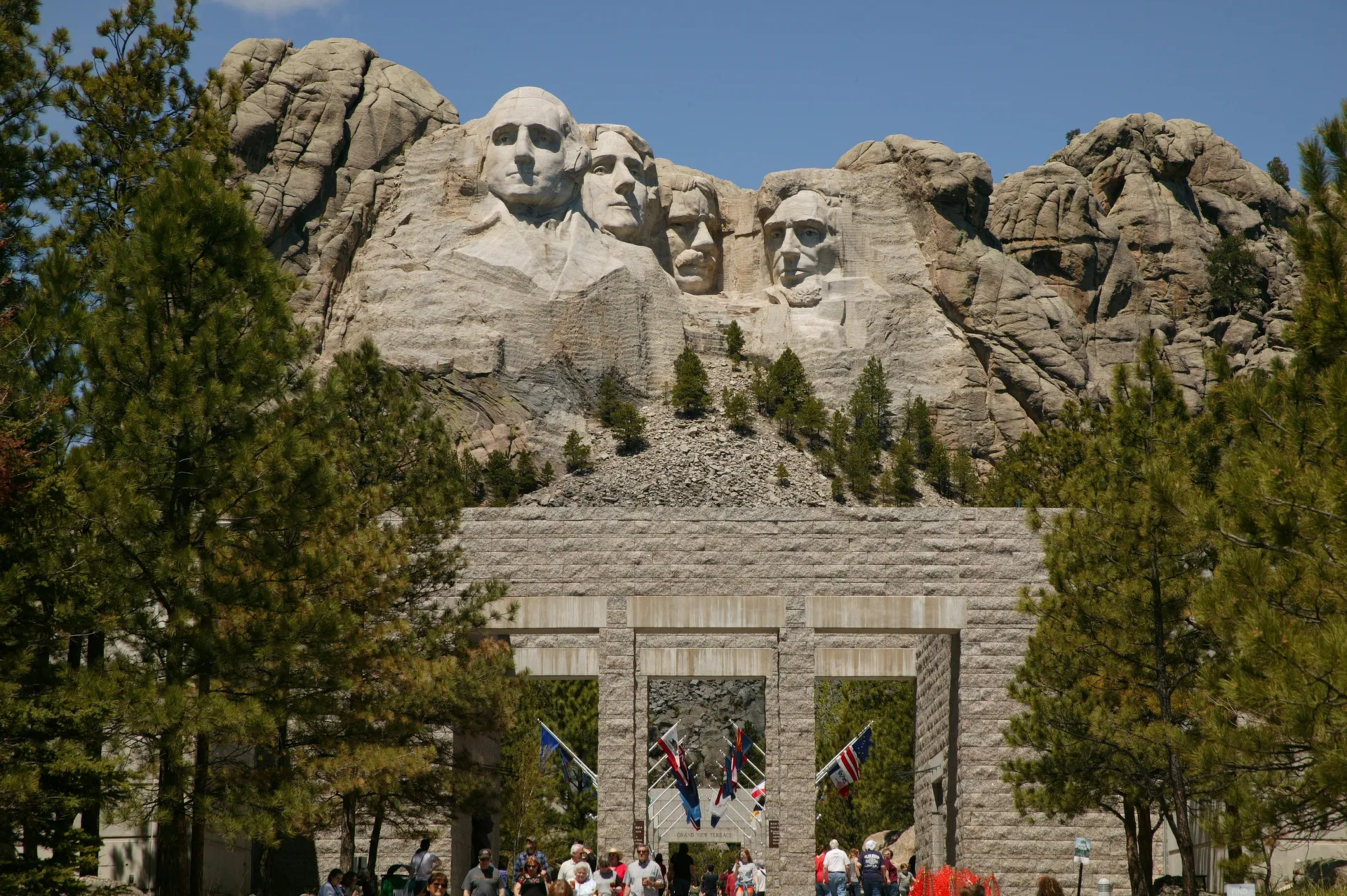
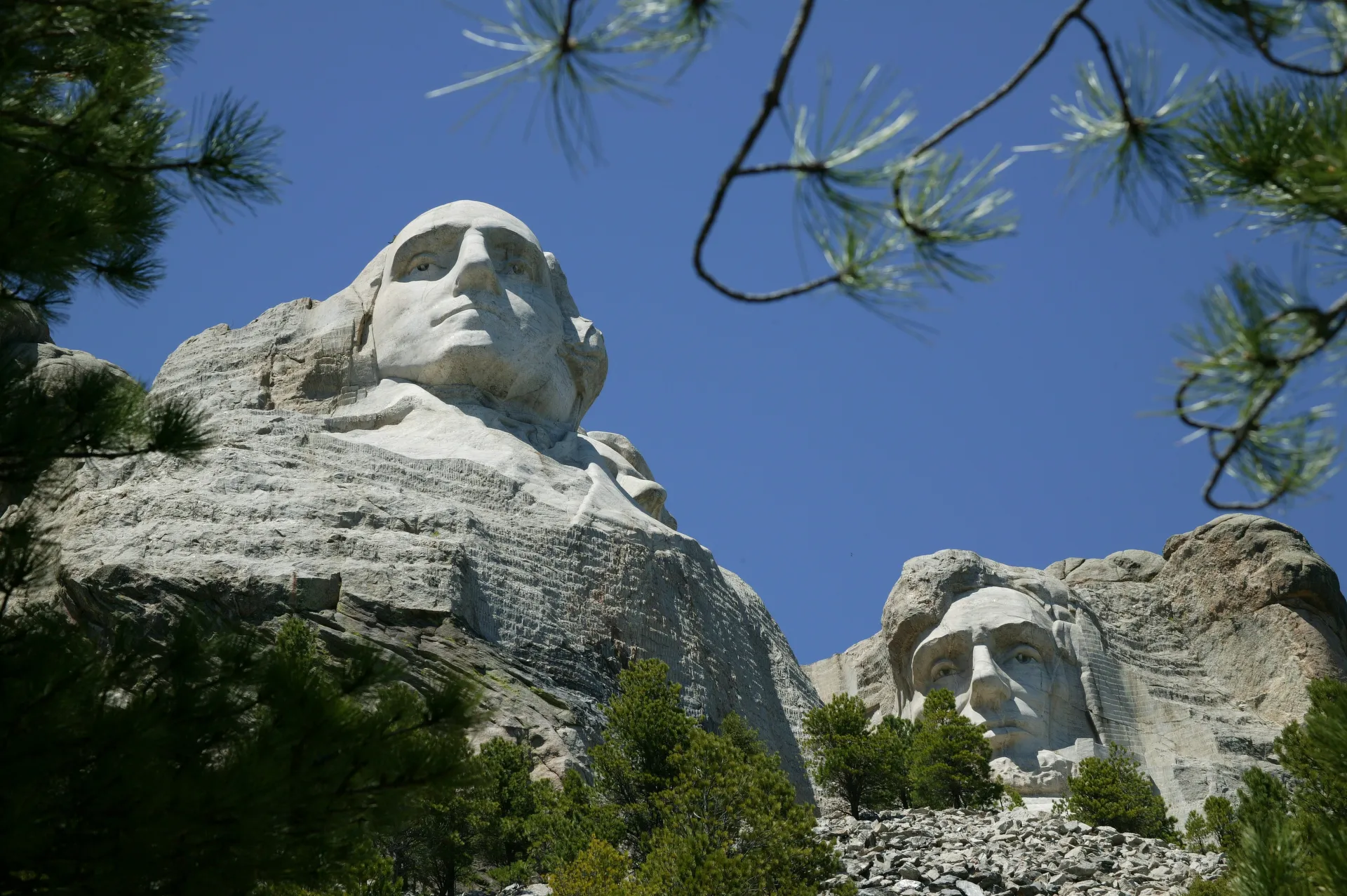
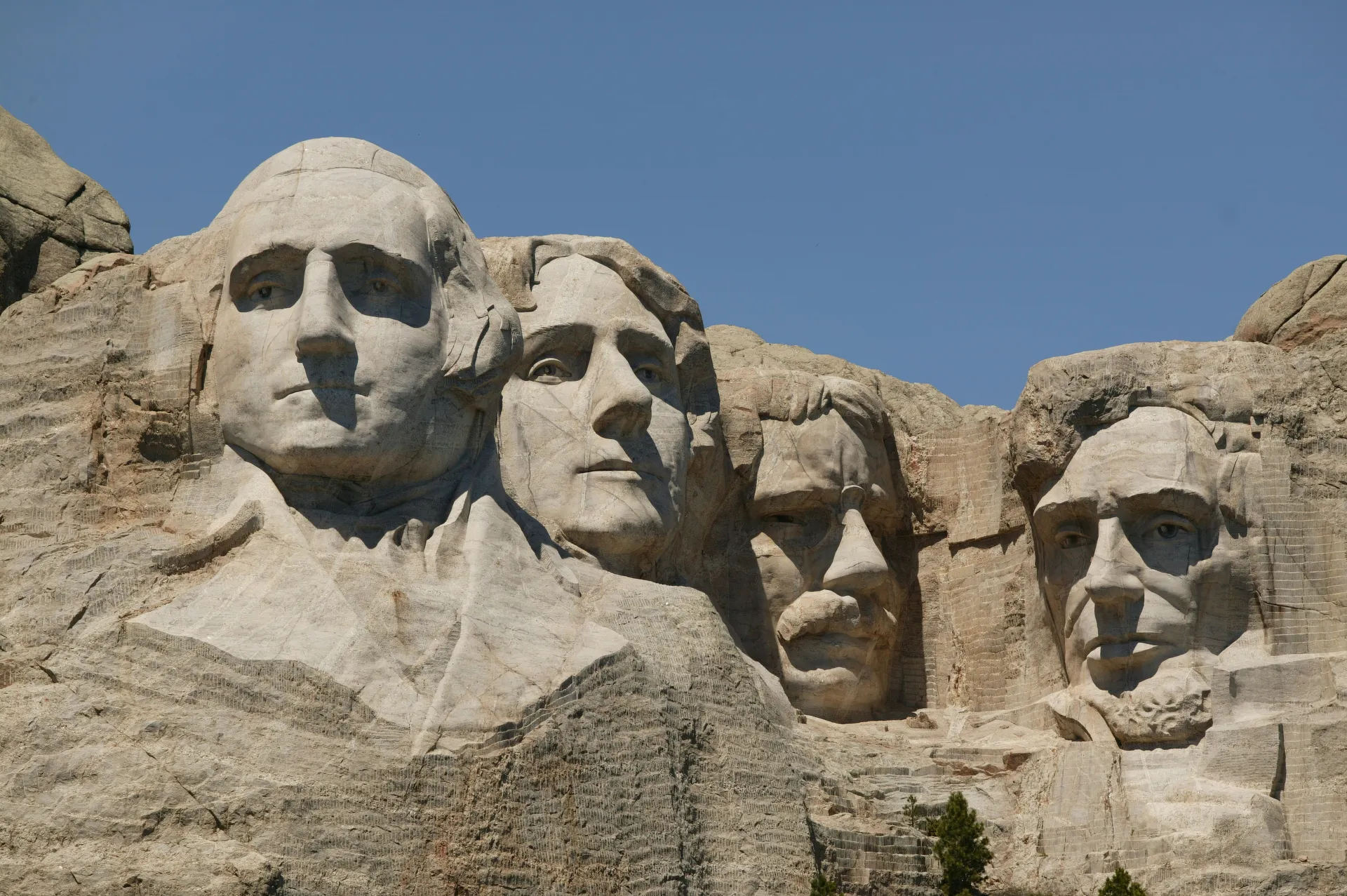
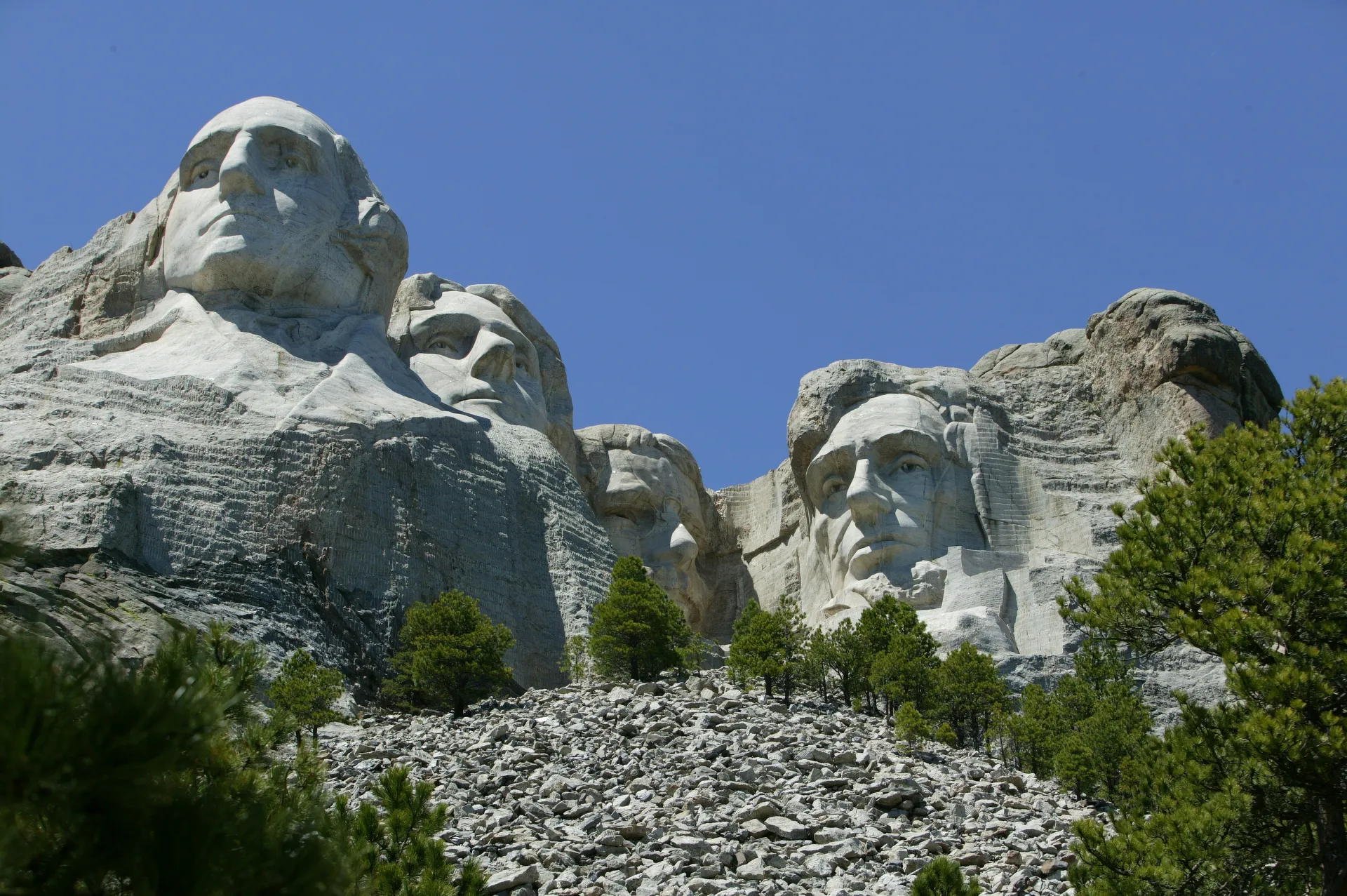
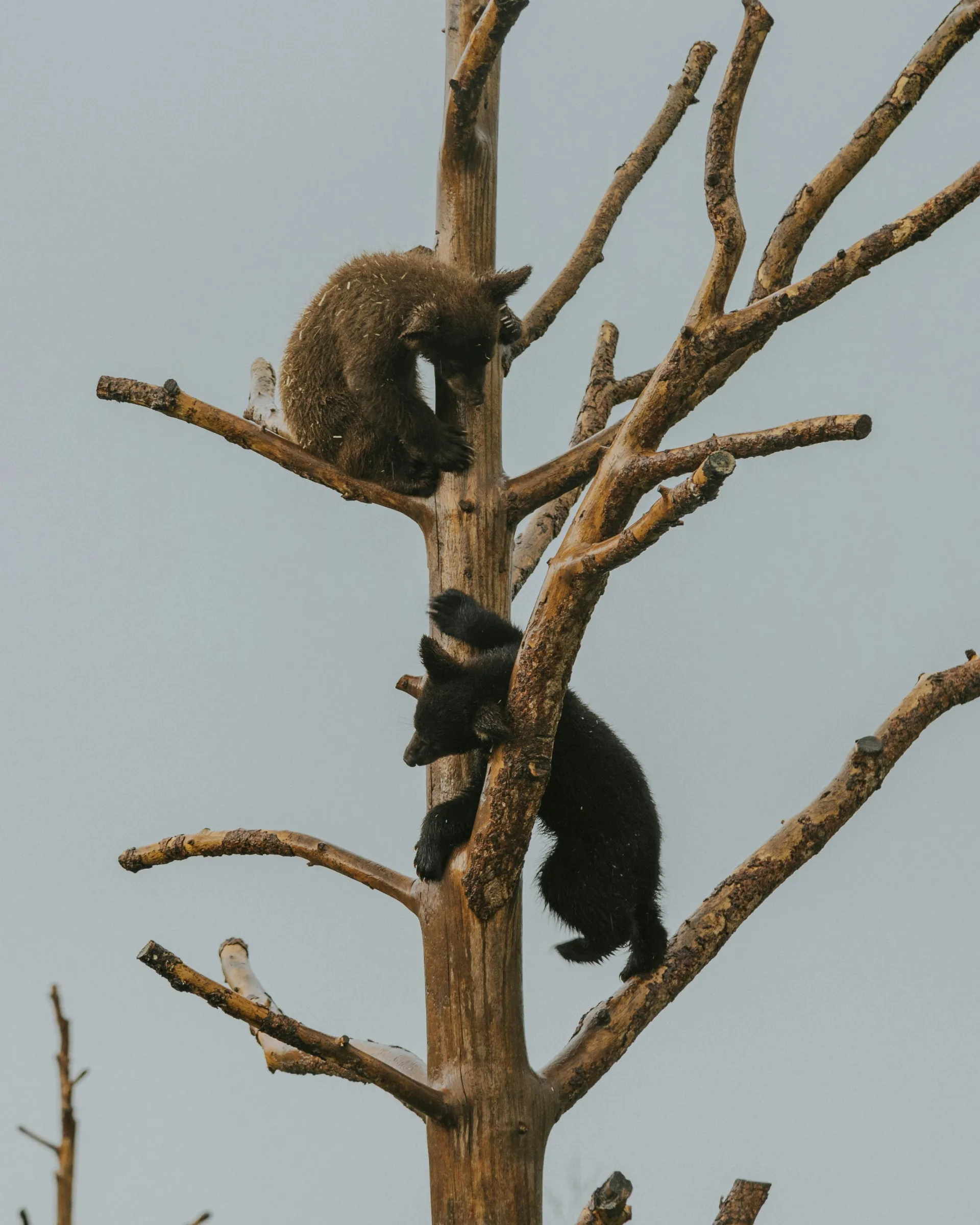
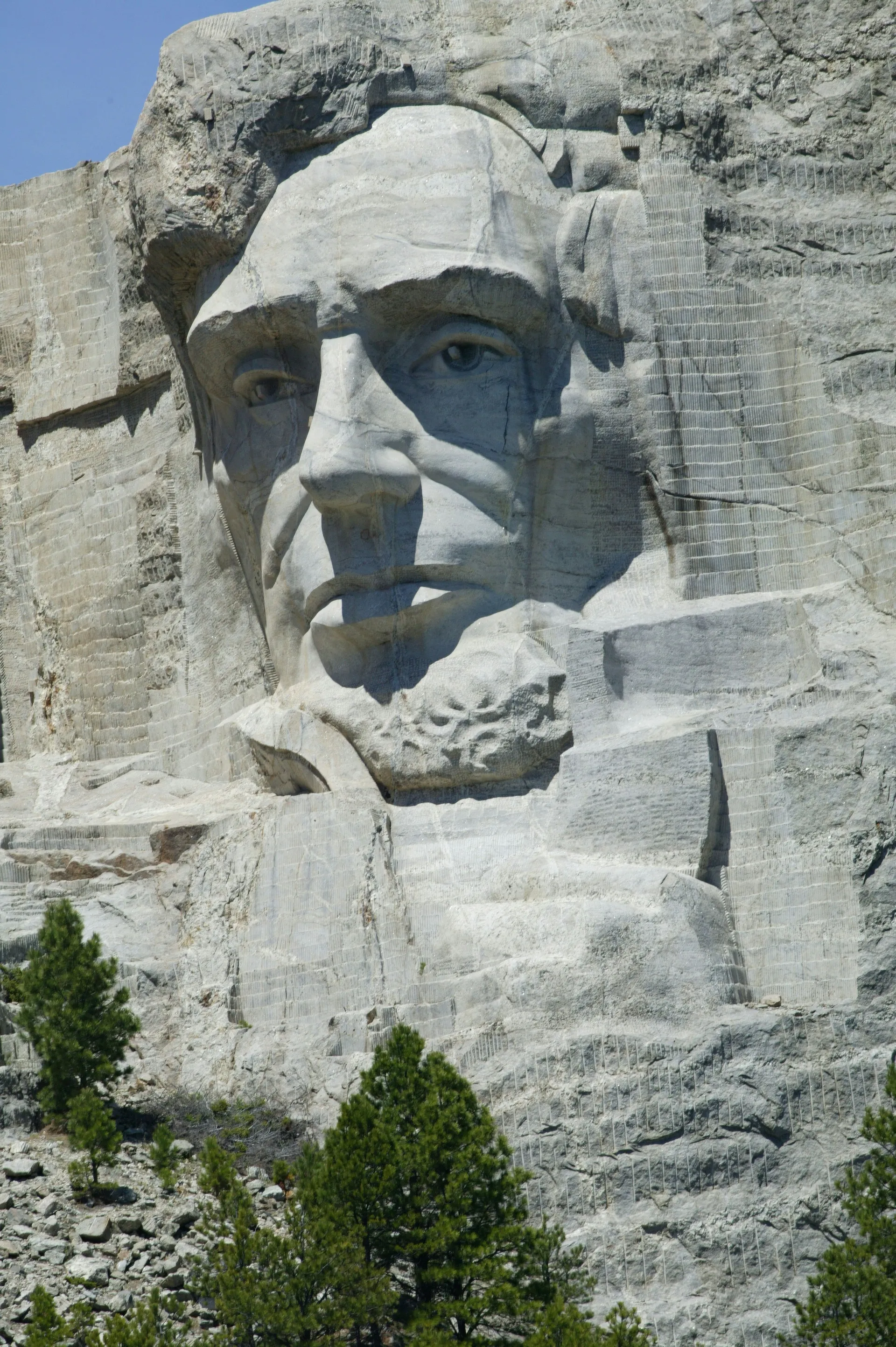
Mount Rushmore, seventeen miles southwest, is the region's defining landmark—the sixty-foot granite faces of Washington, Jefferson, Roosevelt, and Lincoln carved into the mountain between 1927 and 1941 by sculptor Gutzon Borglum. The Crazy Horse Memorial, still under construction seventeen miles farther south, will be the largest mountain carving in the world when completed—the outstretched arm of the Lakota warrior alone is longer than the entire Mount Rushmore sculpture. Badlands National Park, seventy-five miles east, presents a surreal landscape of eroded buttes, pinnacles, and spires in horizontal bands of pink, red, and white sediment that look like a Martian landscape transplanted to the Great Plains. Custer State Park offers free-roaming bison herds, burro encounters, and the Needles Highway—a twisting mountain road through granite spires that is one of the most scenic drives in the country.
Rapid City is accessible by air (Rapid City Regional Airport) and serves as the base for Black Hills itineraries, often included in Great Plains overland programs. The best time to visit is May through September, when all attractions are fully open and the weather is warm. The Sturgis Motorcycle Rally, held seventy miles northwest in early August, transforms the region. Autumn brings golden aspens in Spearfish Canyon and Custer State Park's annual bison roundup. Winter is cold but beautiful, with snow-dusted Mount Rushmore and the Badlands under dramatic skies.