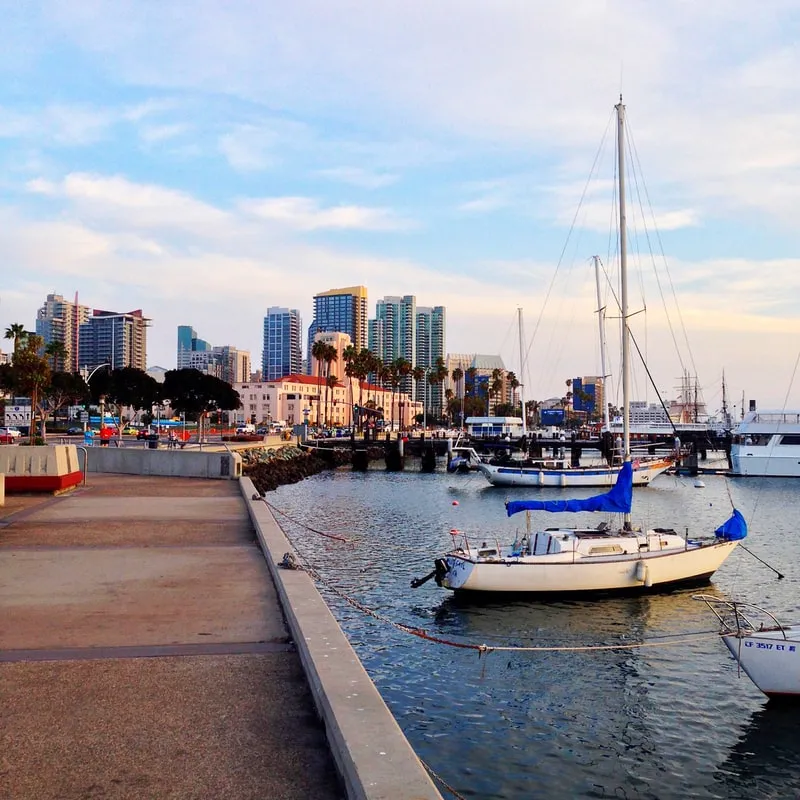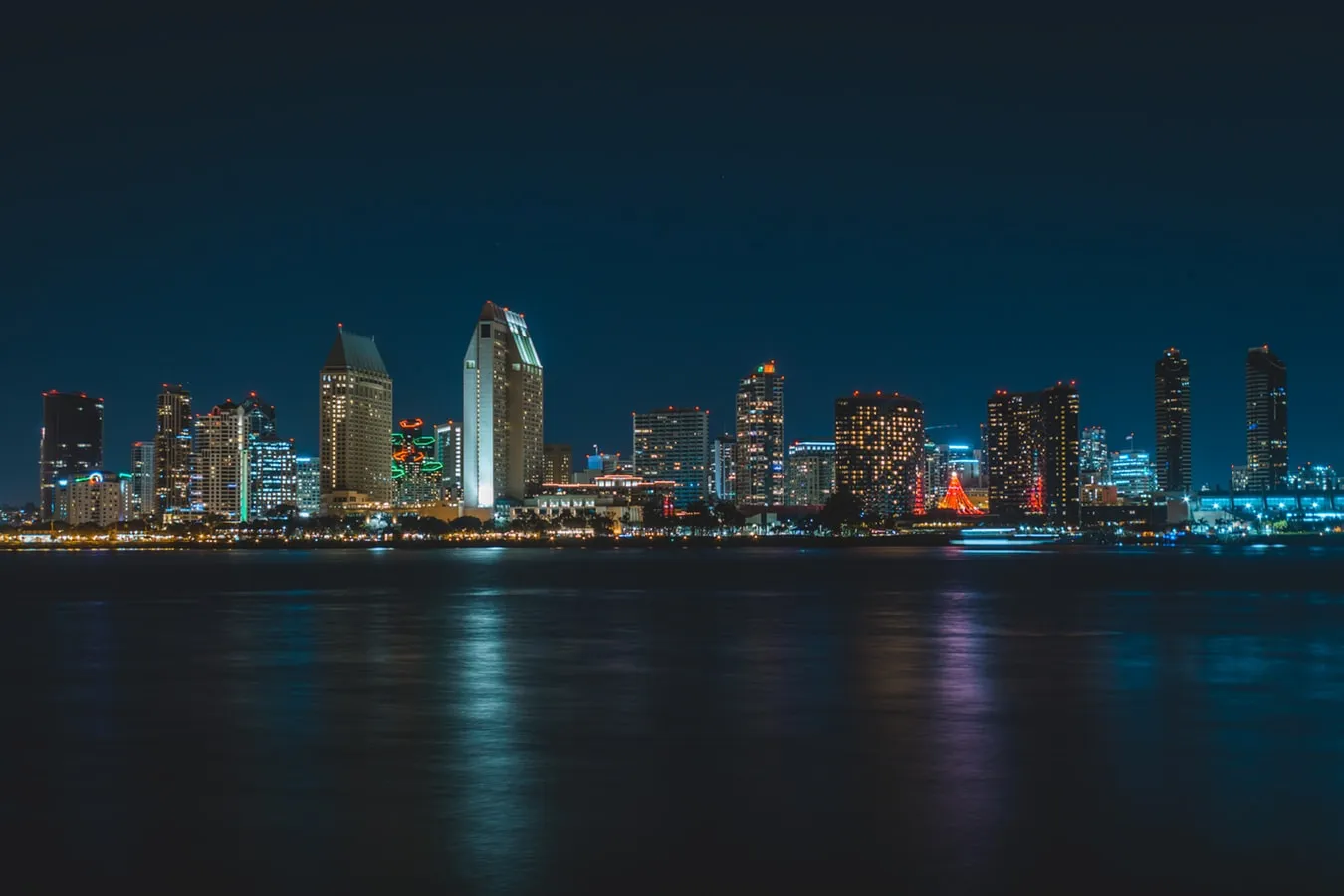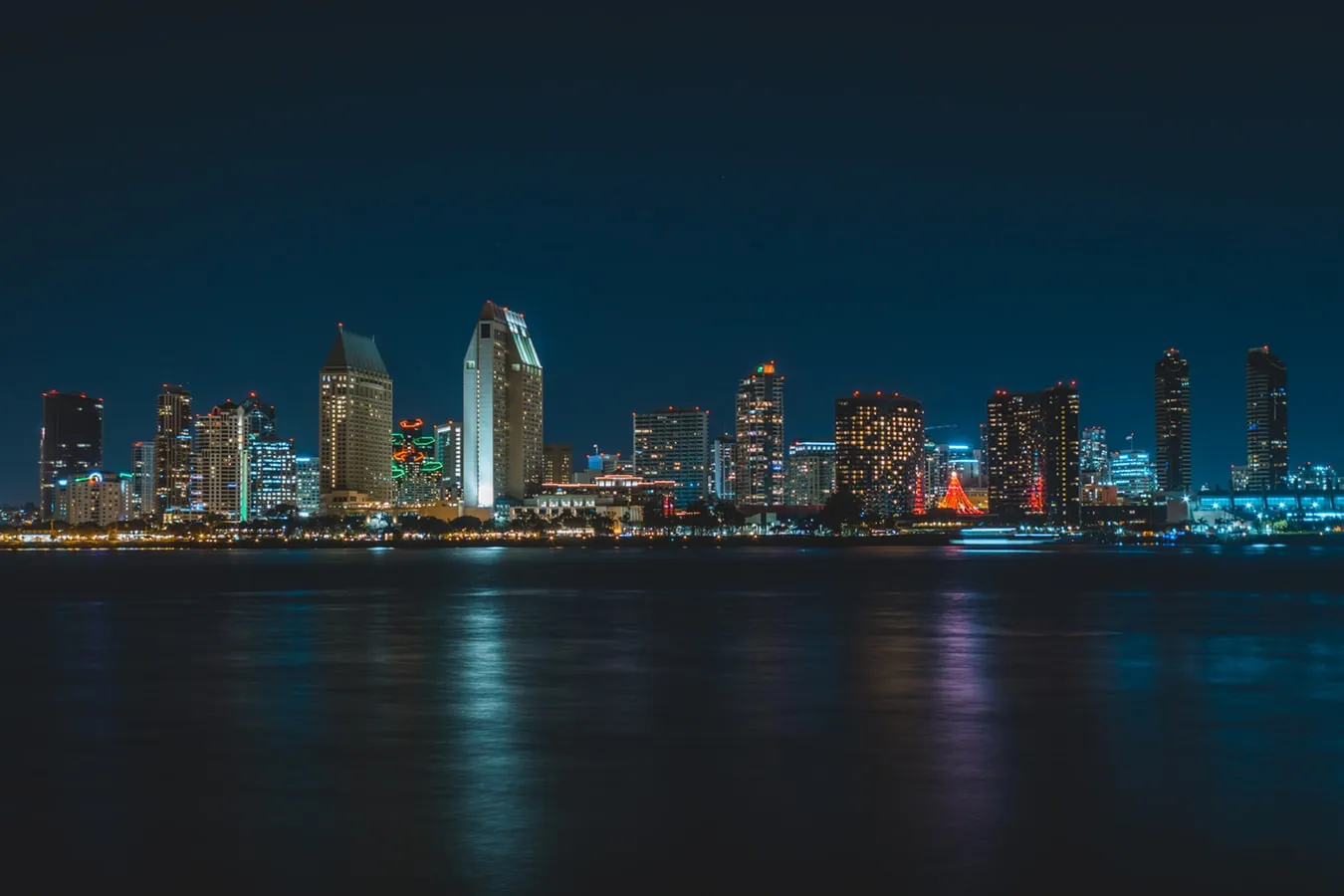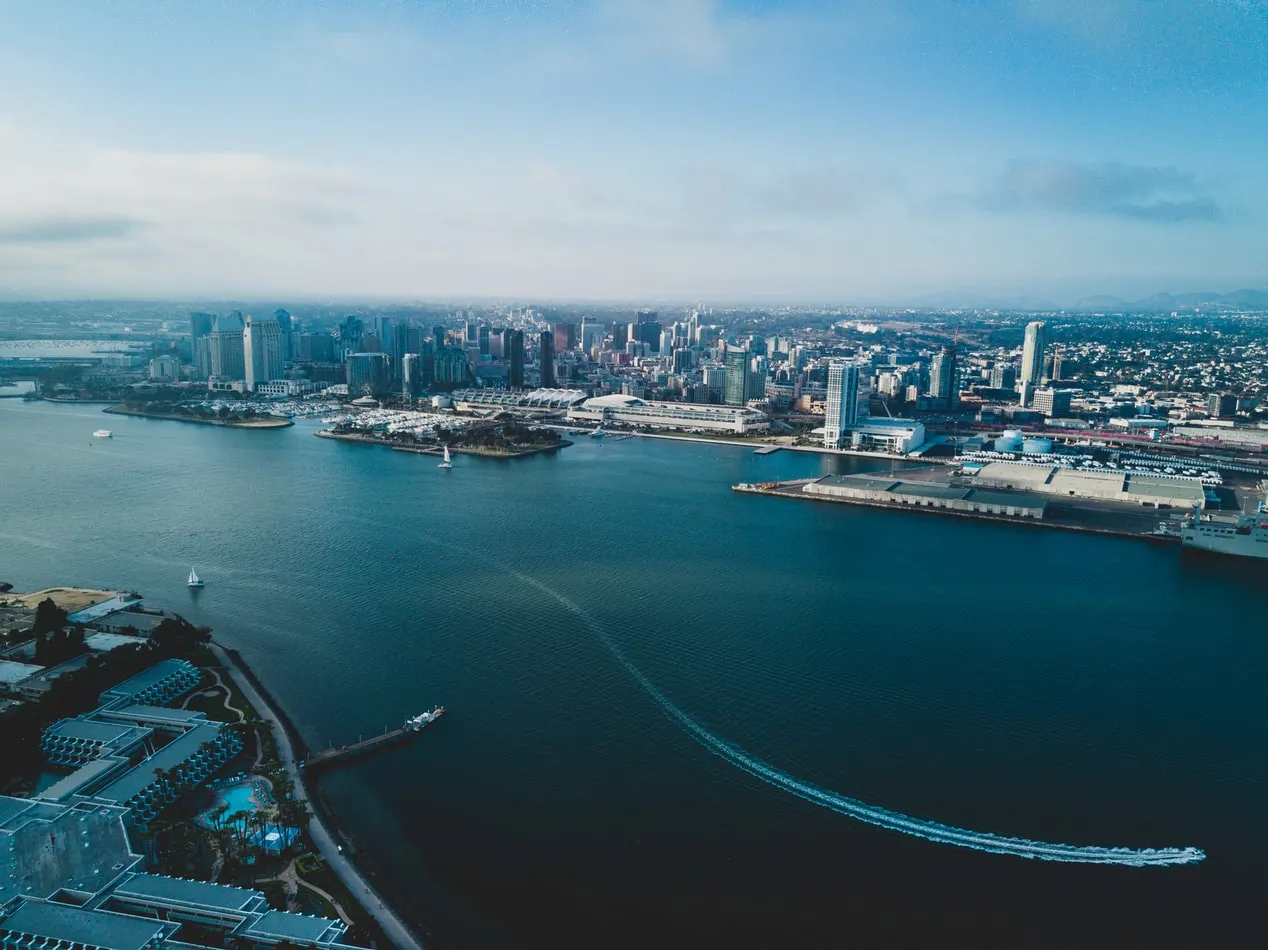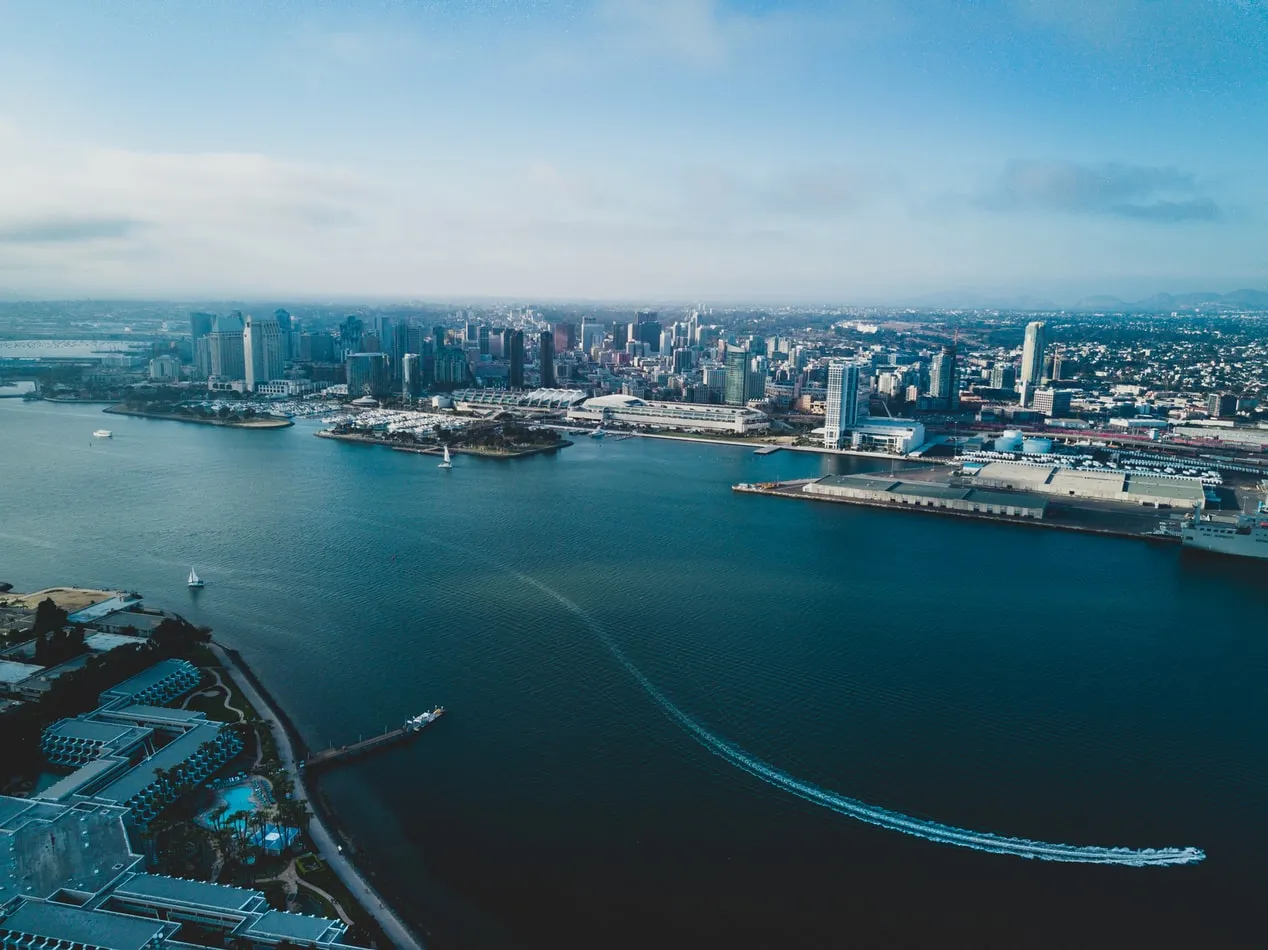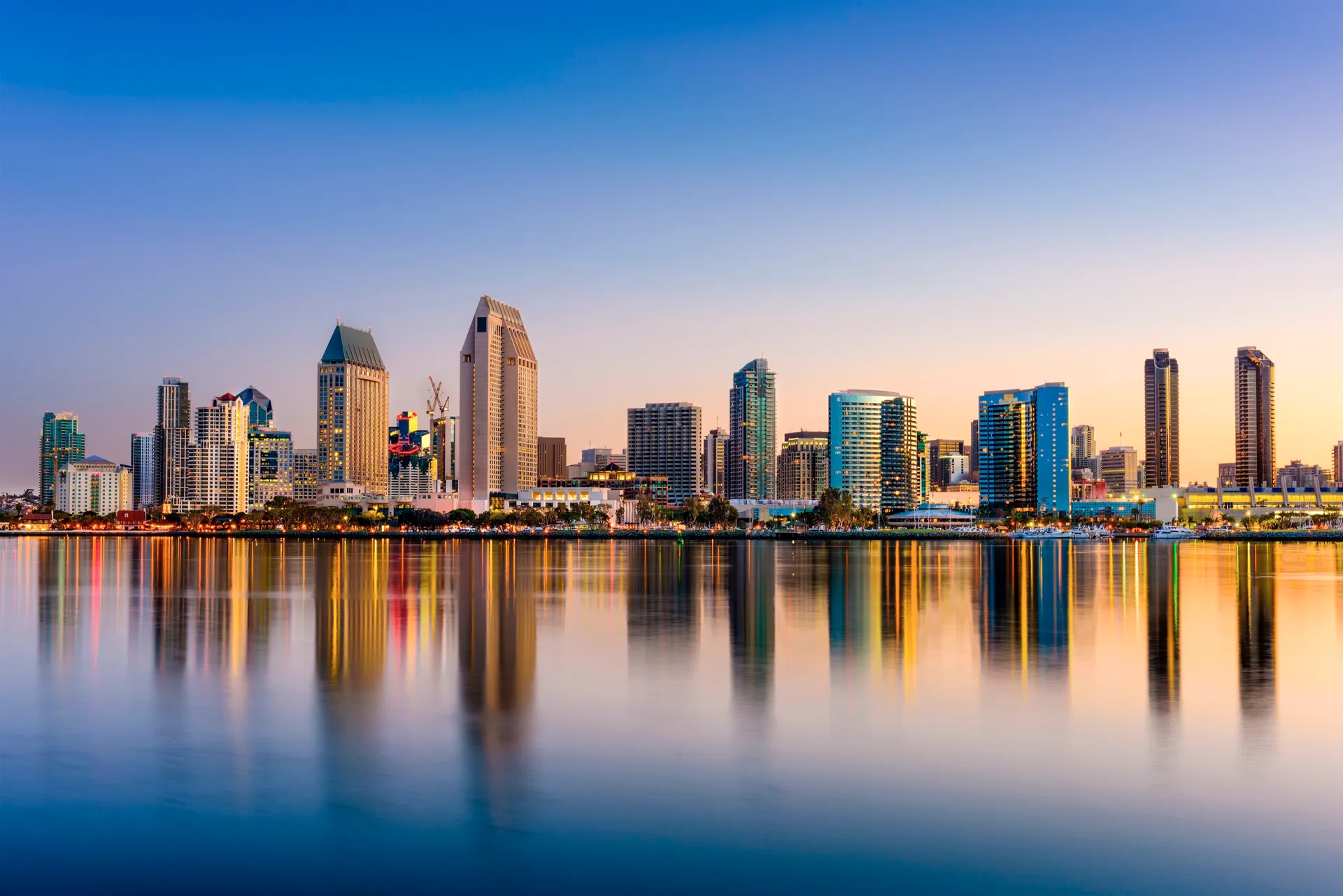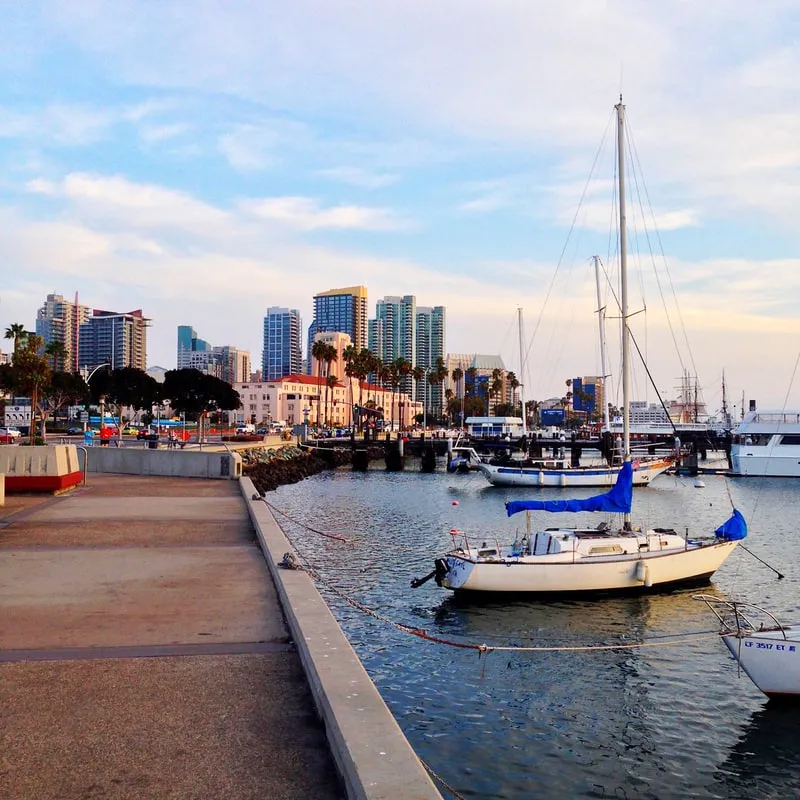
San Diego basks in what may be the finest climate in the continental United States—an average of 266 sunny days per year, temperatures that rarely stray far from seventy degrees, and a Pacific breeze that keeps the air fresh and the mood buoyant. But this coastal California city of 1.4 million is far more than its weather. Founded in 1769 as the first European settlement on the Pacific coast of what is now the United States, San Diego carries a deep history that spans Kumeyaay indigenous culture, Spanish missions, Mexican ranchos, military installations, and the biotech revolution that has made it one of the most innovative cities in the world.
The city's character is shaped by its extraordinary topography—a coastline of beaches, bluffs, and bays carved into the rolling hills of the southern California landscape. The Gaslamp Quarter, downtown's Victorian-era entertainment district, offers sixteen blocks of restaurants, rooftop bars, and live music venues. Balboa Park, a 1,200-acre urban cultural park, contains seventeen museums (including the San Diego Museum of Art, the Museum of Man, and the San Diego Natural History Museum), multiple gardens, the Old Globe Theatre, and the San Diego Zoo—consistently ranked among the finest zoological parks in the world. The park's Spanish Colonial Revival architecture, built for the 1915 Panama-California Exposition, creates a setting that is simultaneously festive and elegant.
San Diego's food scene reflects its position as a border city and a coastal metropolis. The city's proximity to Baja California—the border crossing at San Ysidro is the busiest in the Western Hemisphere—means that Mexican cuisine here is not an imported novelty but a native tradition. Fish tacos, introduced to San Diego from the Baja beach town of Ensenada, have become the city's unofficial food: battered and fried or grilled, topped with shredded cabbage, crema, and salsa, they are served at hundreds of taquerías from Point Loma to La Jolla. The craft beer scene is among the strongest in the nation—over 150 breweries operate in San Diego County, with Stone, Modern Times, and Societe leading a movement that has earned the city the nickname "Capital of Craft Beer." The seafood, from the fish market on the Embarcadero to the waterfront restaurants of Shelter Island, is impeccably fresh.
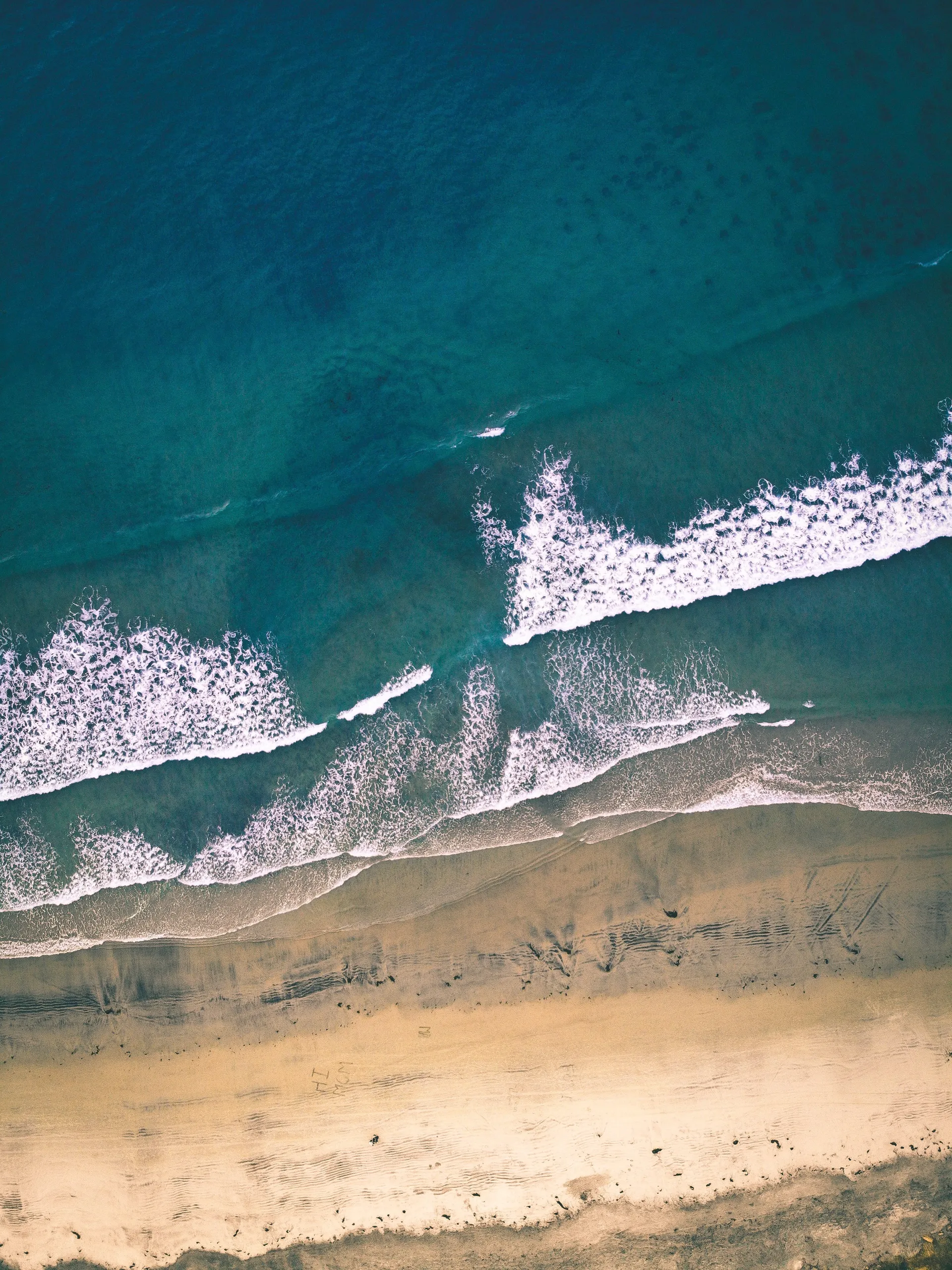
The coastline is San Diego's playground. La Jolla Cove, a small beach in an ecological reserve, offers snorkeling with leopard sharks and garibaldi (California's state marine fish) in water so clear it feels tropical. Coronado Beach, across the bay, provides wide, flat sand before the iconic Hotel del Coronado—a Victorian wooden resort from 1888 that has hosted presidents, royalty, and Marilyn Monroe (the beach scenes from Some Like It Hot were filmed here). The Torrey Pines State Natural Reserve offers hiking along eroded sandstone bluffs above the ocean, through groves of the rare Torrey pine—the rarest pine species in the United States. Cabrillo National Monument, at the tip of Point Loma, commemorates Juan Rodríguez Cabrillo's 1542 arrival and provides sweeping views of the harbor, the city, and—during migration season—gray whales passing offshore.
San Diego is a major cruise port, with the B Street Cruise Ship Terminal located in the heart of downtown adjacent to the Embarcadero and the Midway Museum (housed in the decommissioned aircraft carrier USS Midway). The city is excellent year-round, with the mildest temperatures from September through November—a period locals call "second summer." Winter brings whale watching season (December–March) and occasional rain that greens the hillsides. Summer is the peak tourist season, with warm water and the longest days, though the "June Gloom" marine layer can produce overcast mornings through early July.