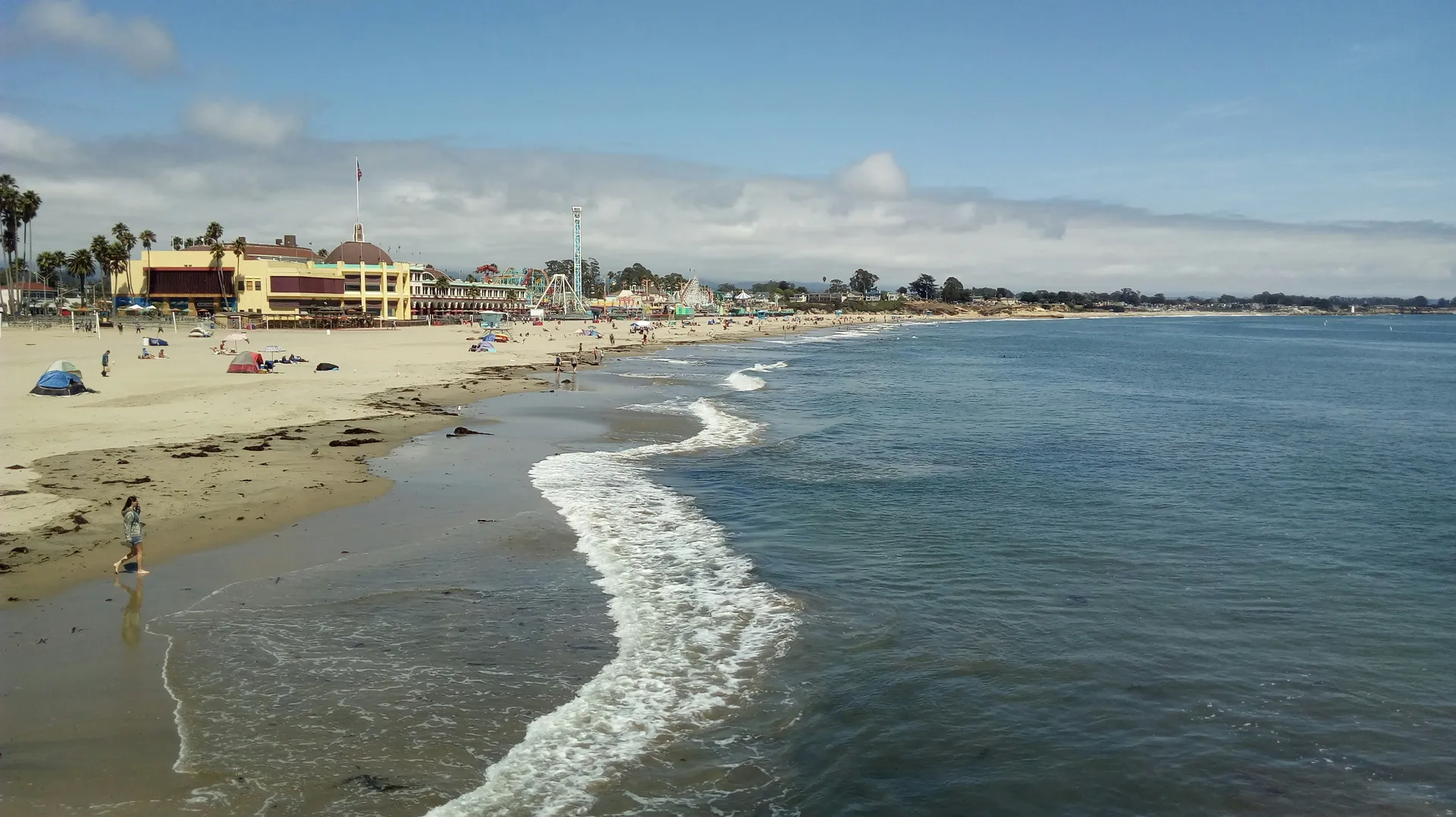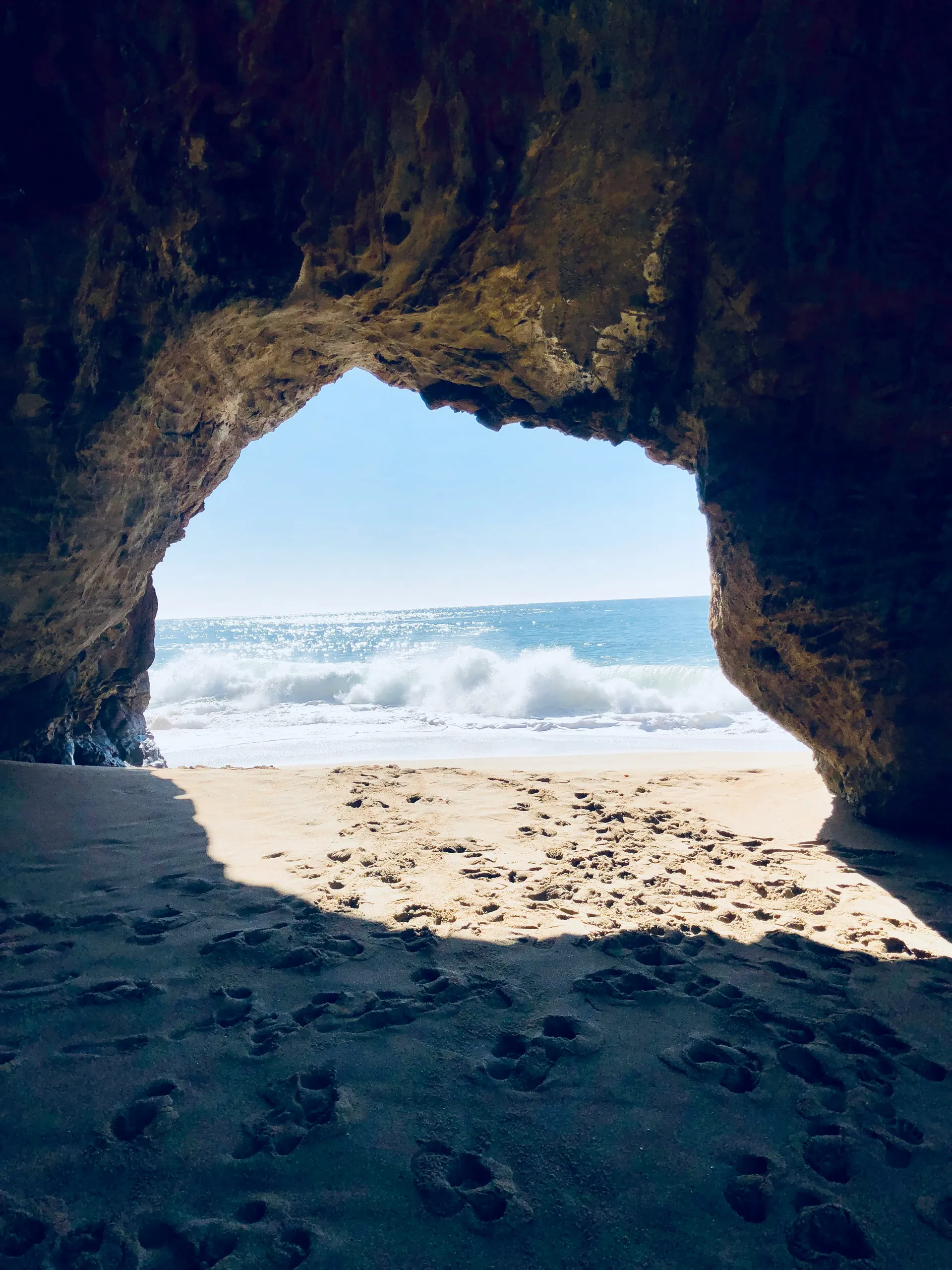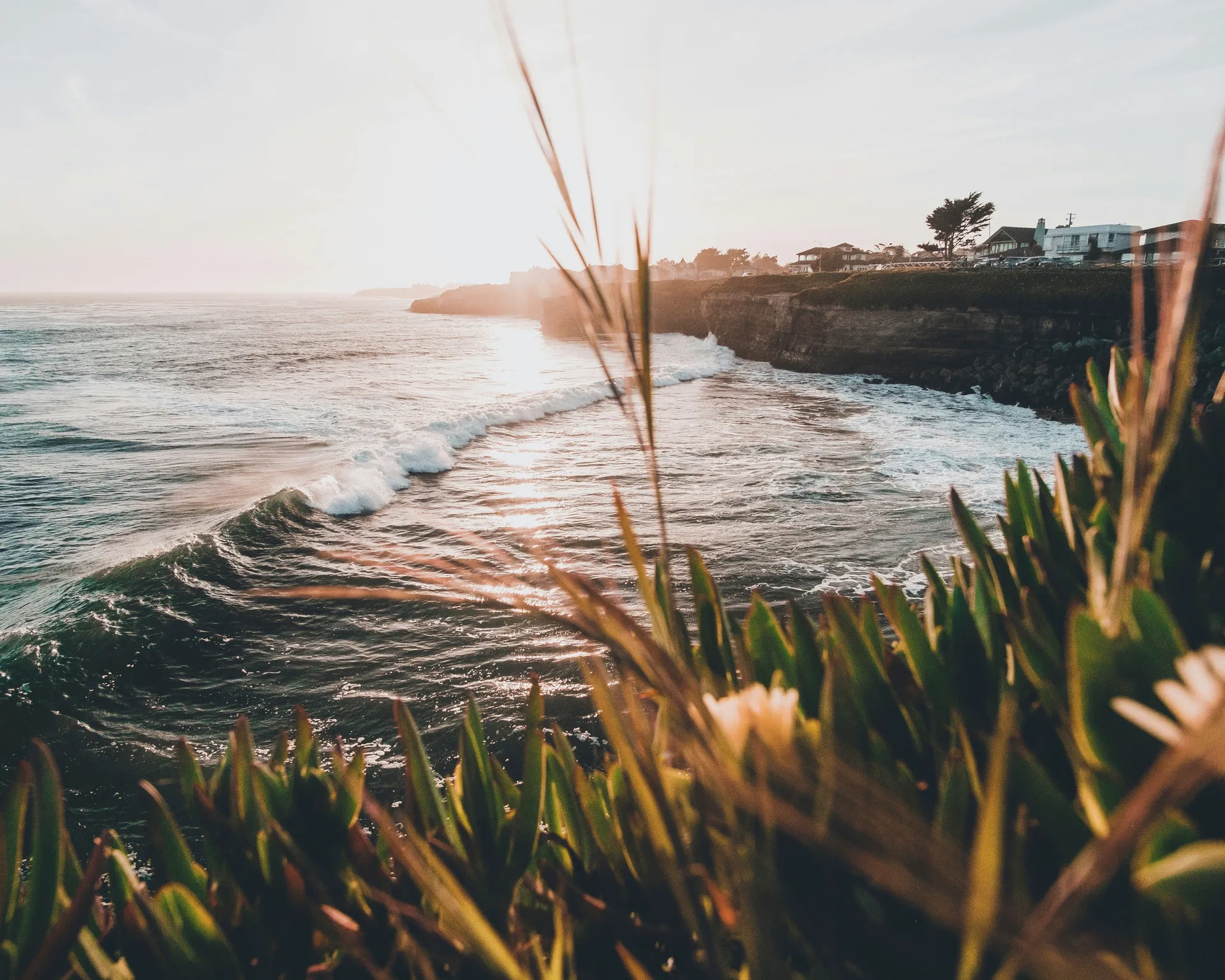
At the heart of the Galápagos Archipelago, Santa Cruz Island serves as the human and logistical center of one of the world's most important natural laboratories — the volcanic islands whose extraordinary wildlife inspired Charles Darwin's theory of evolution by natural selection and continue to fascinate scientists and travelers with their remarkable endemic species and fearless wildlife. Puerto Ayora, the island's main town and the largest settlement in the Galápagos, provides the primary base for exploring an ecosystem that remains one of the most pristine and carefully managed on Earth.
The Charles Darwin Research Station, located on the outskirts of Puerto Ayora, has been the headquarters of Galápagos conservation and scientific research since 1964. The station's most famous residents are the giant Galápagos tortoises — the animals that gave the archipelago its name (galápago is Spanish for tortoise) — housed in breeding programs that have pulled several subspecies back from the brink of extinction. The sight of these ancient creatures, some weighing over 250 kilograms and living well over a century, moving with deliberate, prehistoric grace through the station's pens, provides a visceral connection to the geological timescales that have shaped these islands.
The Santa Cruz highlands offer encounters with giant tortoises in their natural habitat — the only place in the Galápagos where large populations of wild tortoises are readily accessible. Walking through the cloud-forest zones of the upper island, where tortoises graze in green meadows surrounded by Scalesia forest (a tree-sized daisy that is itself a remarkable example of adaptive radiation), creates the sensation of having stepped back in geological time. The lava tunnels that snake through the island's interior — tubes formed by ancient lava flows, some large enough to walk through — add another dimension of geological wonder.
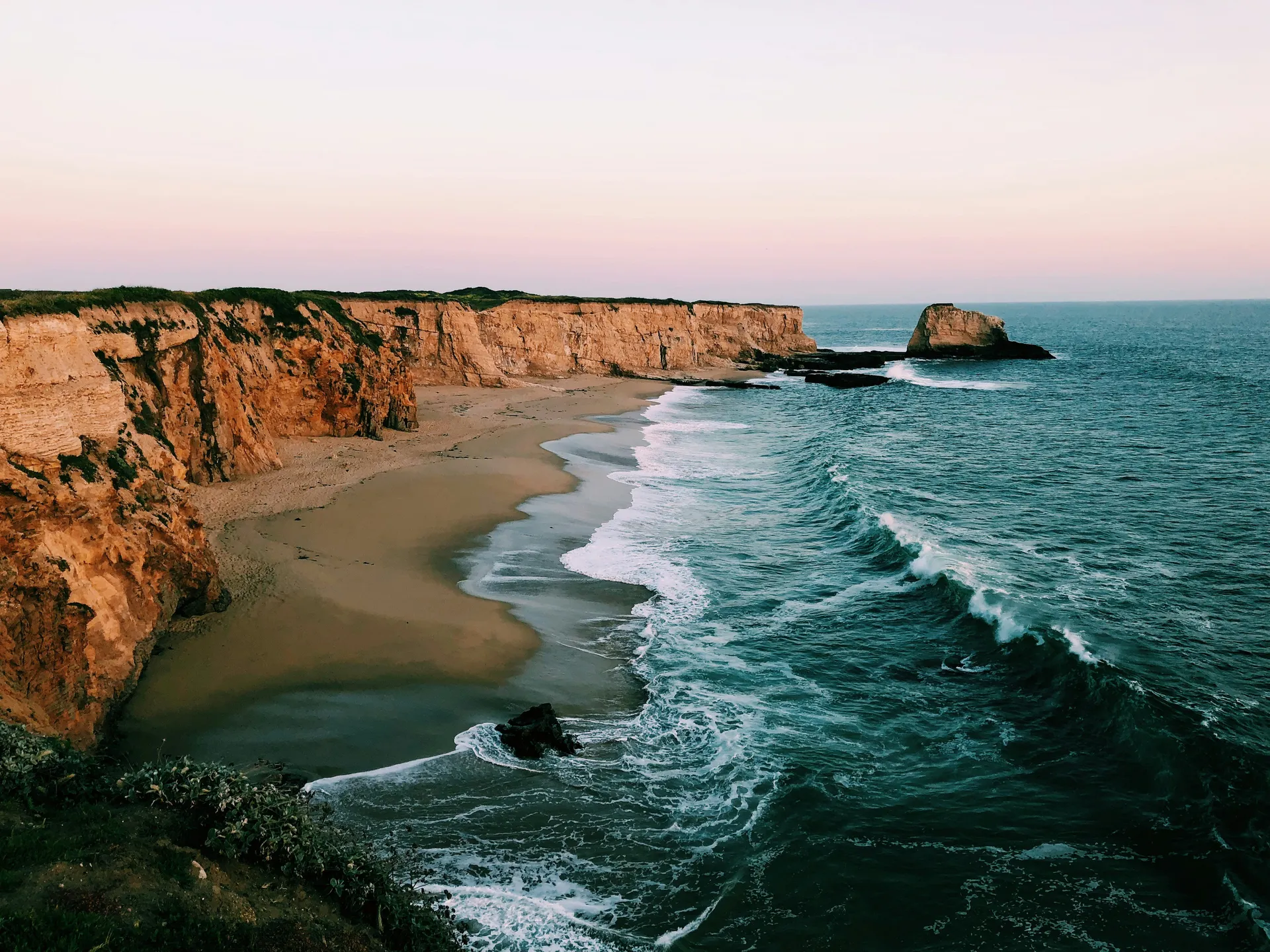
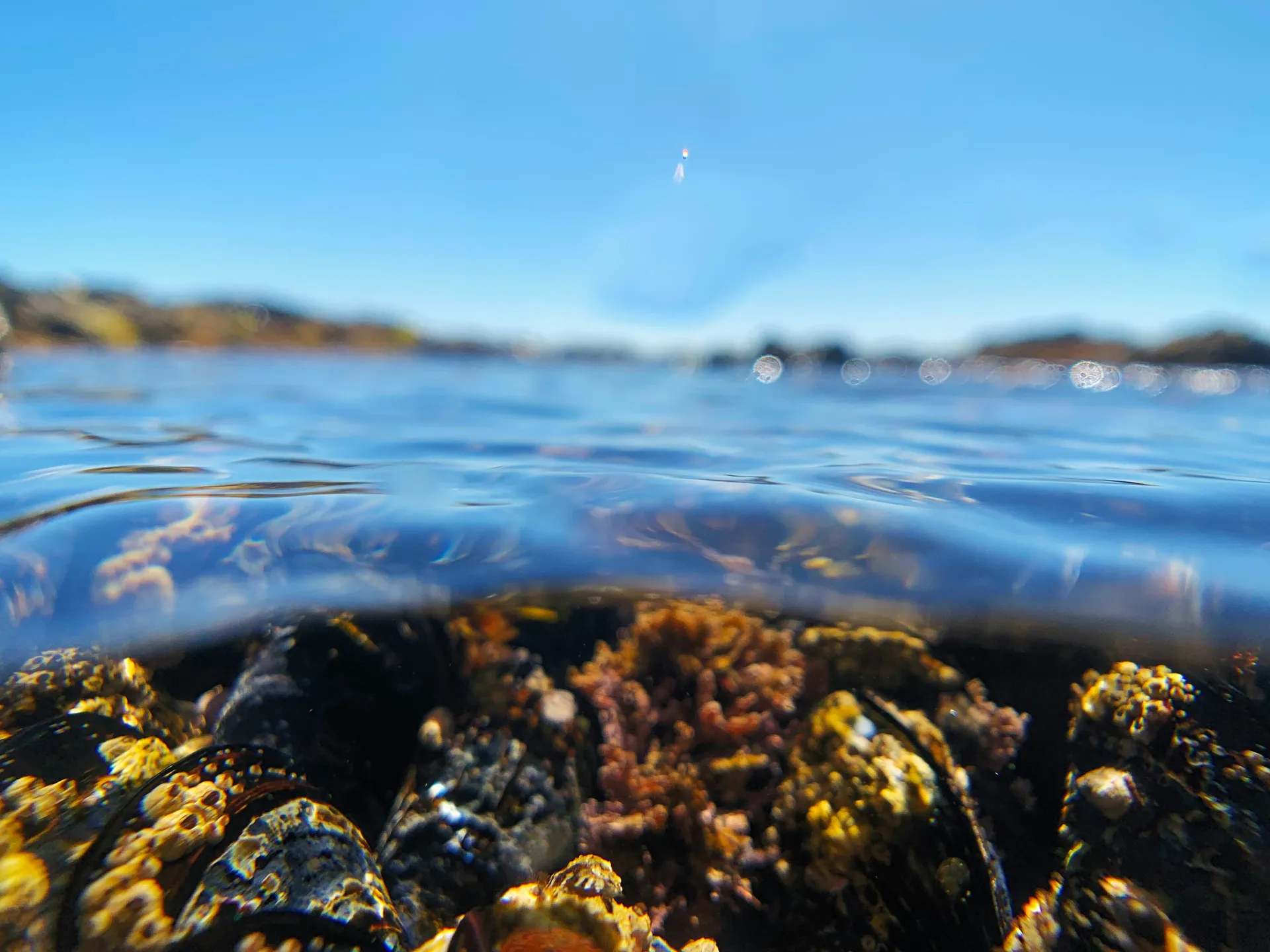
Tortuga Bay, accessible by a paved path from Puerto Ayora, is widely regarded as the finest beach in the Galápagos — a long sweep of white sand where marine iguanas sun themselves on the rocks, pelicans dive for fish in the shallows, and the complete absence of commercial development preserves the scene in a state of near-pristine natural beauty. The mangrove-lined inner lagoon provides calm snorkeling with sea turtles, reef sharks, and rays in water of remarkable clarity.
Cruise ships anchor in Academy Bay off Puerto Ayora and tender passengers to the town dock. The Galápagos National Park, which protects ninety-seven percent of the archipelago's land area, requires all visitors to be accompanied by certified naturalist guides. Strict visitor management protocols — including group size limits, marked trails, and minimum distances from wildlife — ensure that the islands' remarkable tameness (animals have no instinctive fear of humans) is preserved for future generations. The Galápagos climate is pleasant year-round, with a warm, wet season from January through May and a cooler, drier garúa season from June through December. Each season offers different wildlife highlights: the warm season brings sea turtle nesting and waved albatross courtship, while the garúa season offers the best snorkeling conditions and the peak of marine iguana breeding displays.