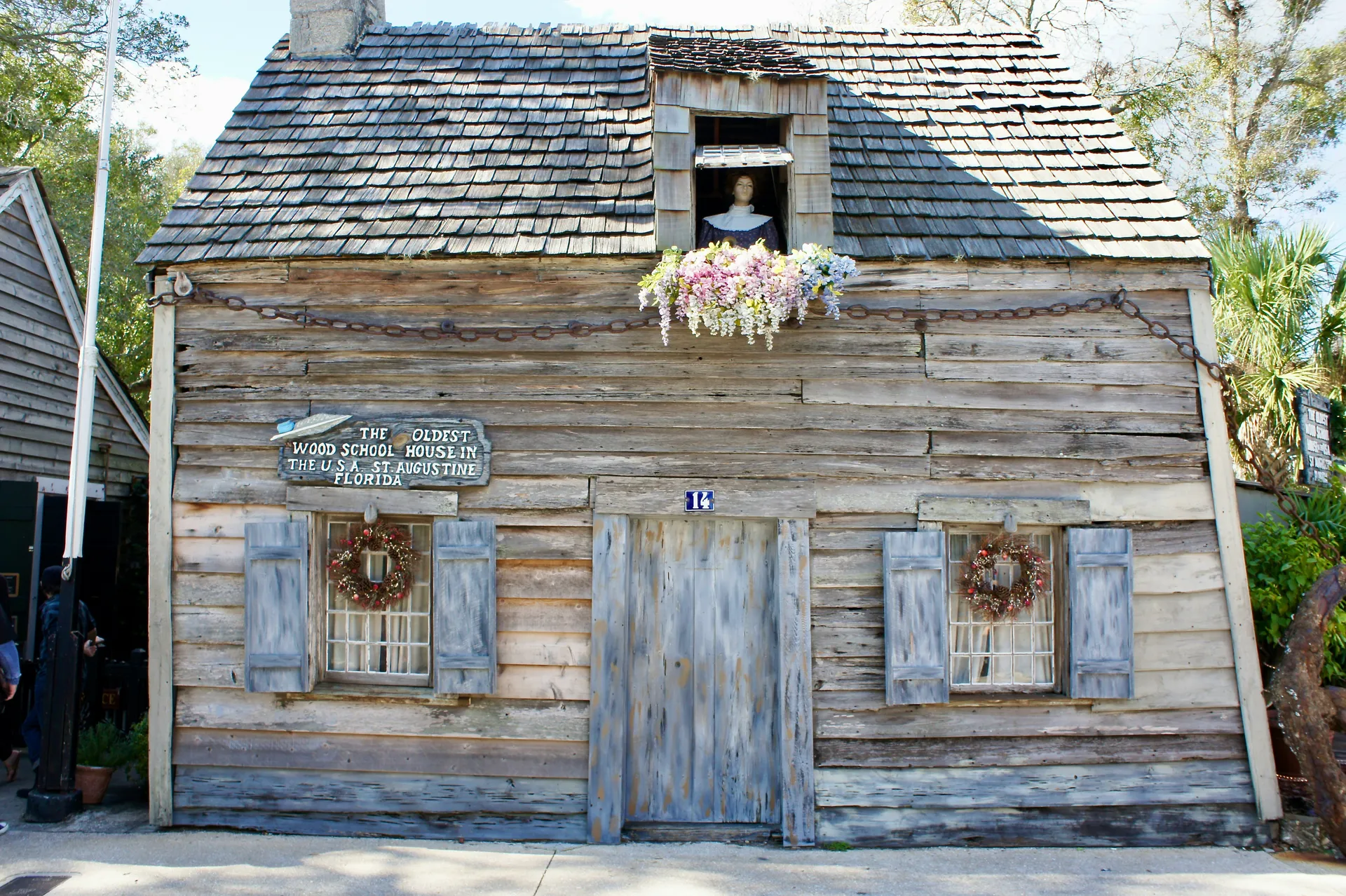
St. Augustine claims the title of oldest continuously occupied European settlement in the United States, and for once, the superlative is substantiated. Founded in 1565 by the Spanish admiral Pedro Menéndez de Avilés—fifty-five years before the Pilgrims reached Plymouth and forty-two years before the English established Jamestown—St. Augustine has endured sieges, fires, hurricanes, and changes of sovereignty (Spanish, British, Spanish again, Confederate, then American) while maintaining its distinctive character as a city where Florida meets the Old World.
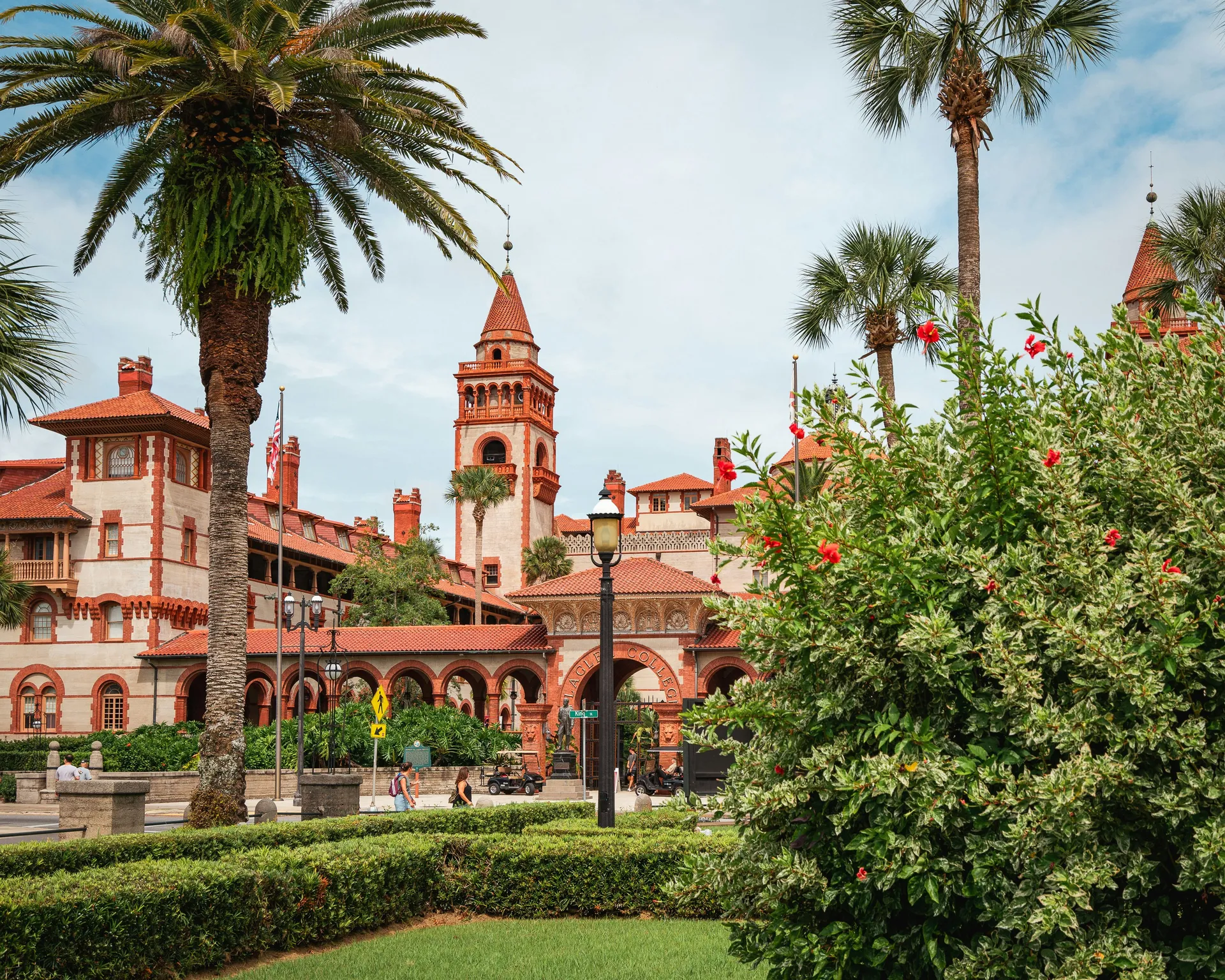
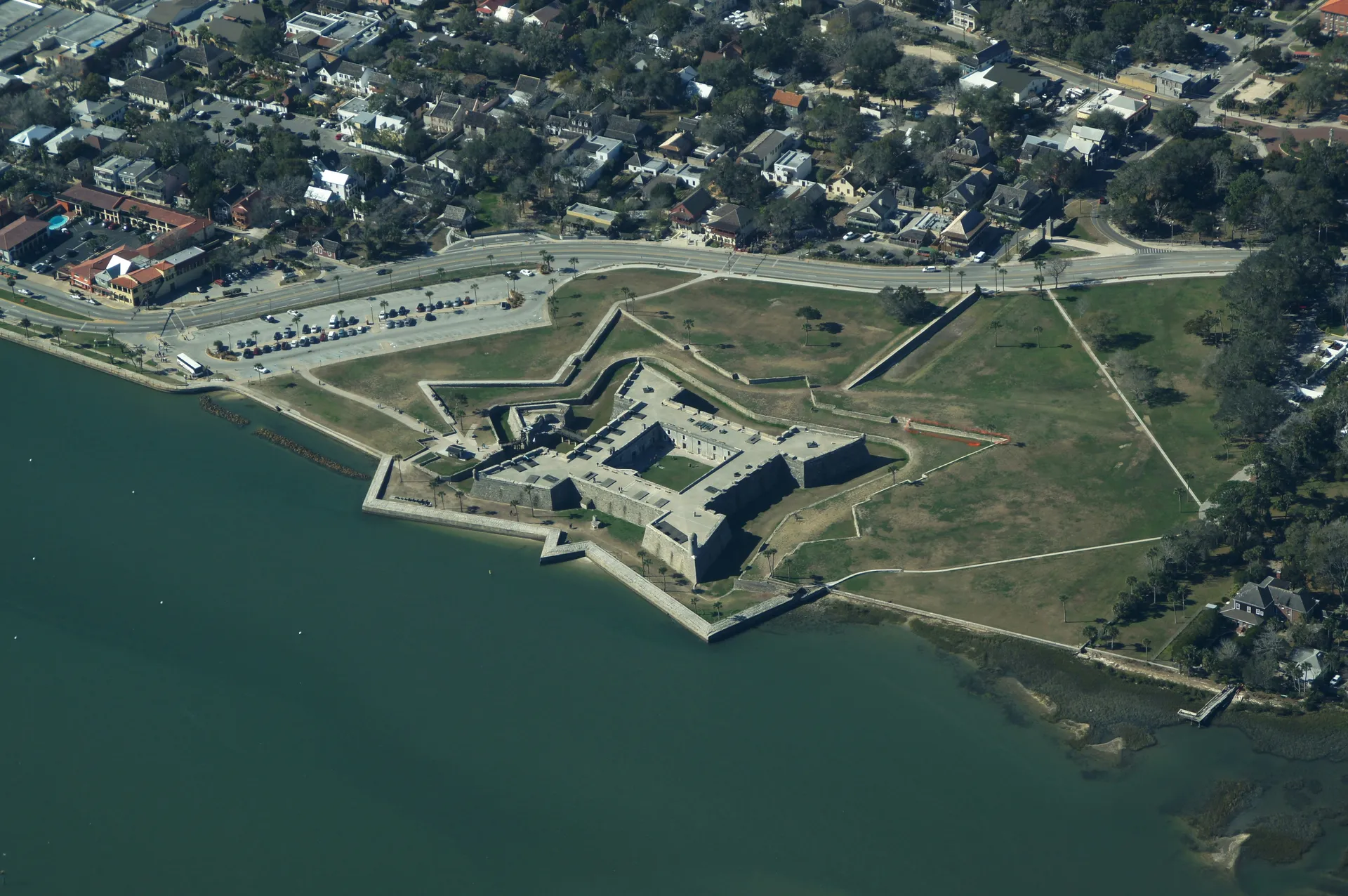
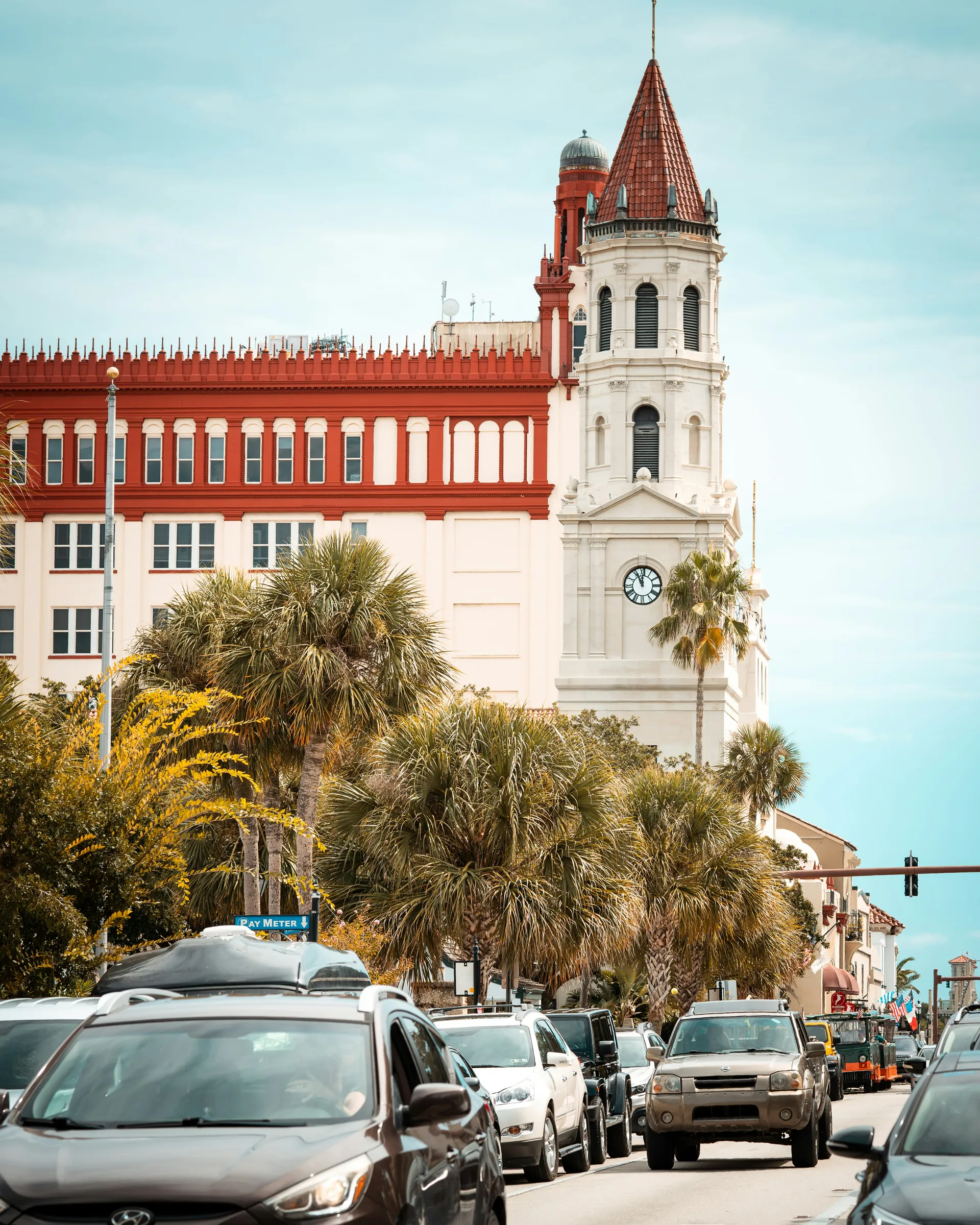
The historic core is anchored by the Castillo de San Marcos, a massive coquina stone fortress completed in 1695 that remains the oldest masonry fort in the United States. The coquina—a sedimentary rock composed of compressed shell fragments—proved an inspired building material: rather than shattering under cannon fire, it absorbed the impact, the shells compressing like a natural shock absorber. The fort never fell to siege. St. George Street, the pedestrian-only main thoroughfare of the colonial district, runs south from the City Gate through a corridor of restored Spanish colonial buildings, many dating to the eighteenth century, now housing shops, restaurants, and museums. The Cathedral Basilica, the Lightner Museum (housed in Henry Flagler's 1888 Hotel Alcazar), and the Flagler College campus (the former Ponce de León Hotel, a Spanish Renaissance Revival masterpiece) provide architectural highlights of considerable grandeur.
The cuisine of St. Augustine draws on its multicultural heritage and its position at the junction of Southern and Floridian food traditions. Datil peppers—a hot pepper variety grown nowhere else but St. Augustine, brought by Minorcan colonists in the eighteenth century—add a distinctive heat to sauces, chowders, and marinades throughout the city. The Minorcan clam chowder, a spicy, tomato-based version that predates New England's cream-based recipe by over a century, is the city's signature dish. Fresh shrimp from the St. Augustine fleet, often served as shrimp and grits or in Minorcan-style preparations, reflects the ongoing importance of the fishing industry. The craft cocktail and brewery scene has grown alongside the city's tourism, with establishments like the St. Augustine Distillery (in the former ice plant) offering tours and tastings.
Beyond the historic district, St. Augustine offers a surprising range of experiences. The Anastasia State Park provides four miles of pristine Atlantic beach and a salt marsh ecosystem that supports diverse birdlife. The St. Augustine Lighthouse, a striking black-and-white spiral-striped tower from 1874, offers 360-degree views from its gallery. Boat tours of the Matanzas River and the Intracoastal Waterway provide perspectives on the city's waterfront that land-based exploration cannot match. The Alligator Farm Zoological Park, operating since 1893, houses every species of crocodilian in the world and a wading bird rookery that, during nesting season, fills the trees with hundreds of egrets, herons, and roseate spoonbills.
St. Augustine is accessible as a port of call for Atlantic coast cruises and is located thirty-five miles south of Jacksonville's cruise terminal. The city is pleasant year-round, but the best seasons are spring (March–May) and autumn (October–November), when temperatures are comfortable and the humidity more manageable than in summer. The Nights of Lights celebration, from mid-November through January, illuminates the historic district with millions of white lights—one of the most extensive holiday light displays in the country. Summer brings beach weather and the warmest ocean temperatures, while winter is mild by Northern standards.