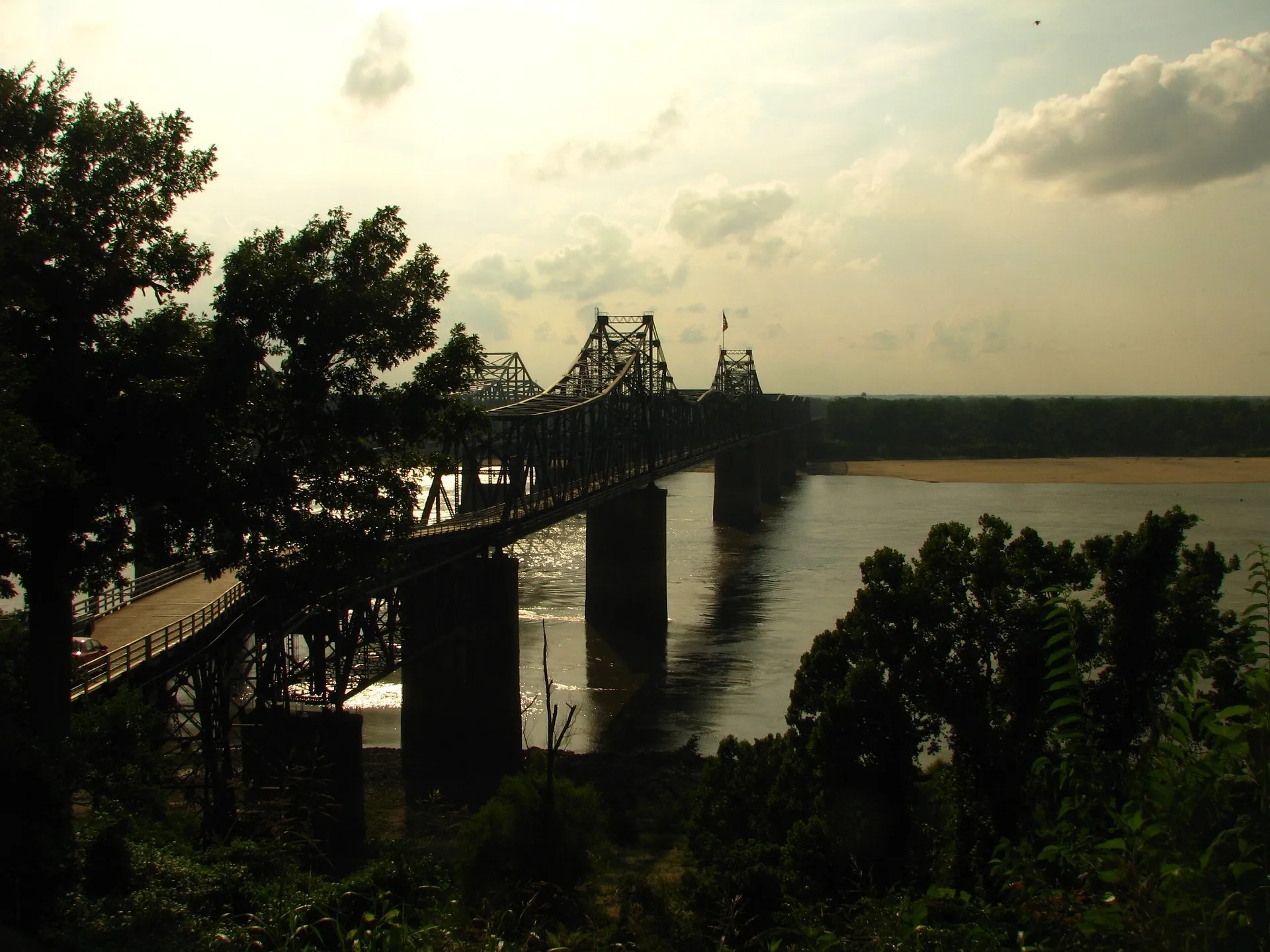
Vicksburg occupies a strategic bluff above the Mississippi River — a position so commanding that Abraham Lincoln declared it 'the key' to winning the Civil War. The city's forty-seven-day siege in 1863, which ended with Confederate surrender on July 4th, gave the Union control of the entire Mississippi and effectively split the Confederacy in two. Today, this history is preserved with a gravity and thoroughness that makes Vicksburg one of America's most significant military heritage destinations.
The Vicksburg National Military Park encompasses the siege lines in their entirety — sixteen miles of earthworks, fortifications, and monuments commemorating the armies that fought here. Over 1,300 monuments and markers create an outdoor gallery of nineteenth-century memorial sculpture, while the restored USS Cairo — an ironclad gunboat sunk by a mine in 1862 and recovered a century later — provides a remarkably preserved window into Civil War naval technology. The park's driving tour, with audio narration, allows visitors to follow the siege's progression from Grant's initial approaches to the final capitulation.
Beyond its Civil War identity, Vicksburg preserves an architectural heritage that spans the antebellum era through the early twentieth century. Washington Street's historic downtown, built along the bluff edge with commanding river views, contains some of Mississippi's finest examples of Italianate, Queen Anne, and Greek Revival architecture. The Old Court House Museum, which served as a signal station during the siege, houses one of the most comprehensive collections of Civil War artifacts in the South.
Viking features Vicksburg on Mississippi River itineraries, contextualizing the city within the broader narrative of America's relationship with its greatest river. The Lower Mississippi Delta's influence on American music, cuisine, and literature permeates Vicksburg's culture — from the blues heritage of the surrounding Delta to the Southern cooking traditions that produce exceptional fried catfish, tamales (a Mississippi Delta specialty), and pie.
Spring and autumn offer the most comfortable visiting conditions, with March through May and September through November providing warm but not oppressive temperatures. Vicksburg is a destination that demands contemplation — a city where the physical landscape tells a story of sacrifice, strategy, and the terrible beauty of terrain that determined the fate of a nation.

