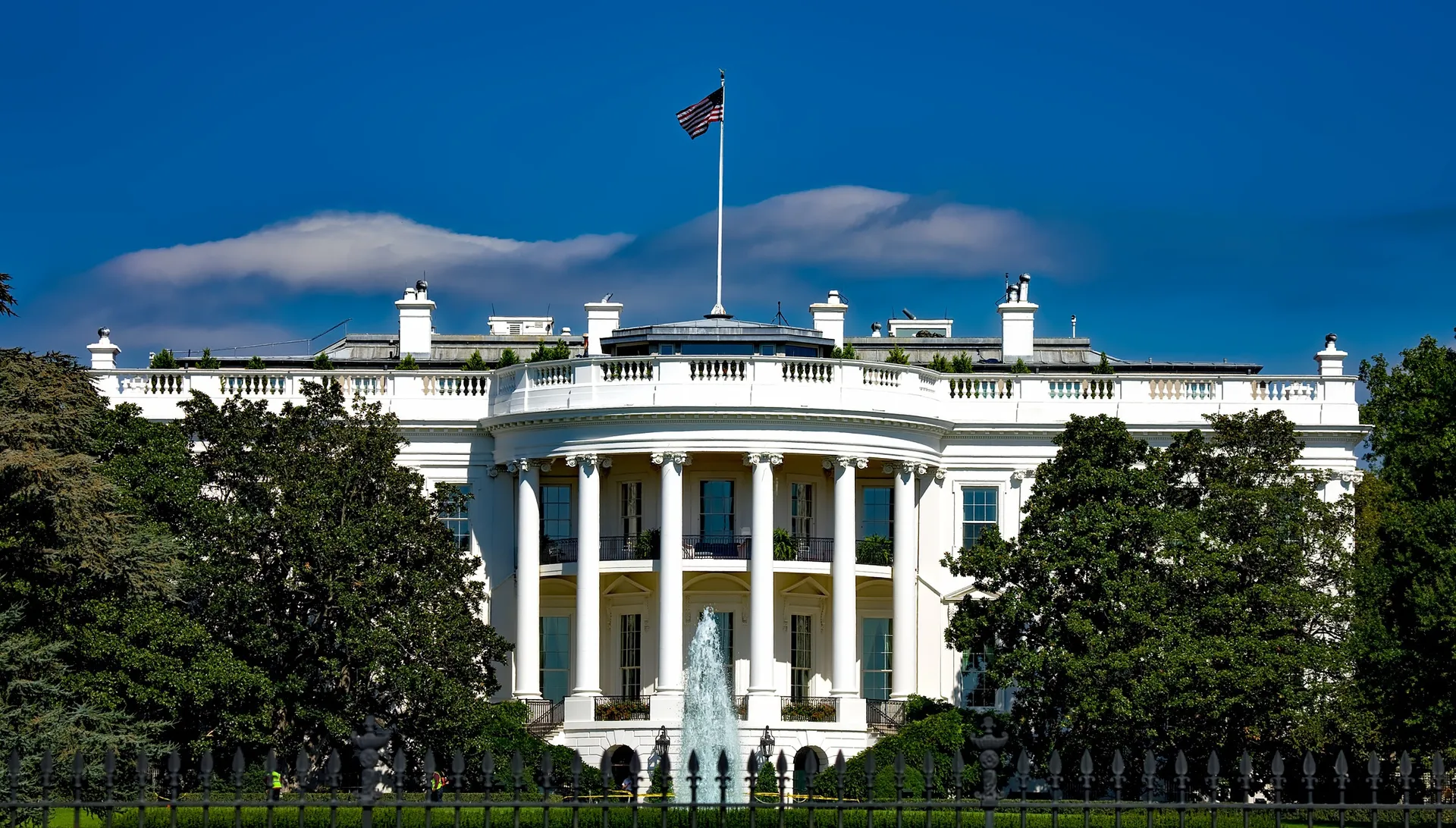
Washington, D.C., is the American experiment made manifest in marble and granite—a capital city designed from scratch on a swampy riverbank to embody the ideals of republican government, and then built, over two and a half centuries, into one of the great monumental cities of the world. Pierre Charles L'Enfant's 1791 plan, with its grand avenues radiating from the Capitol and the White House, its circles and squares, and its deliberate echoes of Versailles and Rome, created a framework that has accommodated everything from the Lincoln Memorial to the Vietnam Veterans Memorial with remarkable grace. The National Mall, stretching two miles from the Capitol to the Lincoln Memorial, is America's front lawn—a space where democracy, protest, celebration, and contemplation coexist.
The city's character extends far beyond its monuments and museums. The neighborhoods of Georgetown, Dupont Circle, Adams Morgan, Capitol Hill, and the revitalized Southwest Waterfront each possess distinct personalities, architectural styles, and cultural scenes. Georgetown, with its Federal-era townhouses, cobblestone streets, and boutiques, predates the capital itself. Dupont Circle throbs with café culture, bookshops, and the international energy of Embassy Row. The U Street Corridor, once the heart of Black Washington (Duke Ellington was born here) and devastated by the 1968 riots, has been reborn as a dining and nightlife destination. The Wharf, a mile-long mixed-use development along the Potomac, has given the city a waterfront it lacked for two centuries.
The dining scene in Washington has undergone a revolution that mirrors the city's demographic transformation. Once dismissed as a culinary backwater, D.C. now boasts one of the most diverse and dynamic restaurant scenes in the country. Ethiopian cuisine—the city has the largest Ethiopian population outside Africa—reaches its apex along the U Street and Columbia Heights corridors, where restaurants serve injera (spongy fermented flatbread) topped with spiced stews and lentil dishes of extraordinary depth. José Andrés, who arrived in D.C. in 1993 and has since become a global figure, established his restaurant empire here—Jaleo, Zaytinya, and Minibar represent his range from Spanish tapas to Greek-Turkish meze to molecular gastronomy. The city's Vietnamese, Salvadoran, and Korean communities have created culinary pockets that rival those of much larger cities.
The Smithsonian Institution, with its nineteen museums and galleries along and near the Mall—all free of charge—is the crown jewel of American public culture. The National Air and Space Museum, the National Museum of Natural History, the National Gallery of Art, and the newest addition, the National Museum of African American History and Culture (which opened in 2016 and has become the most visited museum on the Mall), together constitute a cultural resource without parallel. Beyond the Smithsonian, the Library of Congress—the largest library in the world, its Main Reading Room a cathedral of knowledge—the Kennedy Center for the Performing Arts, and the Phillips Collection (America's first museum of modern art) extend the cultural offerings into the exceptional.
Washington is accessible by air (Reagan National, Dulles, and BWI airports), rail (Amtrak and the Metro system), and river—Potomac River cruises offer a unique perspective on the monuments. The city is a year-round destination. Spring (late March–April) brings the National Cherry Blossom Festival, when 3,700 Japanese cherry trees ring the Tidal Basin in clouds of pink and white—one of the most photographed natural events in the country. Autumn offers comfortable temperatures and smaller crowds. Summer is hot and humid but brings the Fourth of July celebration on the Mall—fireworks over the Washington Monument—and free outdoor concerts. Winter is quiet, the museums are uncrowded, and the monuments, dusted with snow, are at their most solemn.

