Wrangell, Alaska: The Ancient Heart of the Inside Passage
Long before the first European sails appeared on the horizon, the Tlingit people knew this place as Ḵaachx̱ana.áak'w — a strategic settlement at the mouth of the Stikine River, one of the great waterways of the Pacific Northwest. Wrangell holds the rare distinction of having been governed by four nations: the Tlingit, Russia, Britain, and the United States, each leaving traces that make it one of the most historically layered communities in Alaska. The Russians established Redoubt Saint Dionysius here in 1834, and the British Hudson's Bay Company briefly took control before the American purchase of Alaska in 1867. Today, Wrangell remains an authentic fishing town of barely two thousand residents — a place where the rhythms of the natural world still dictate daily life.
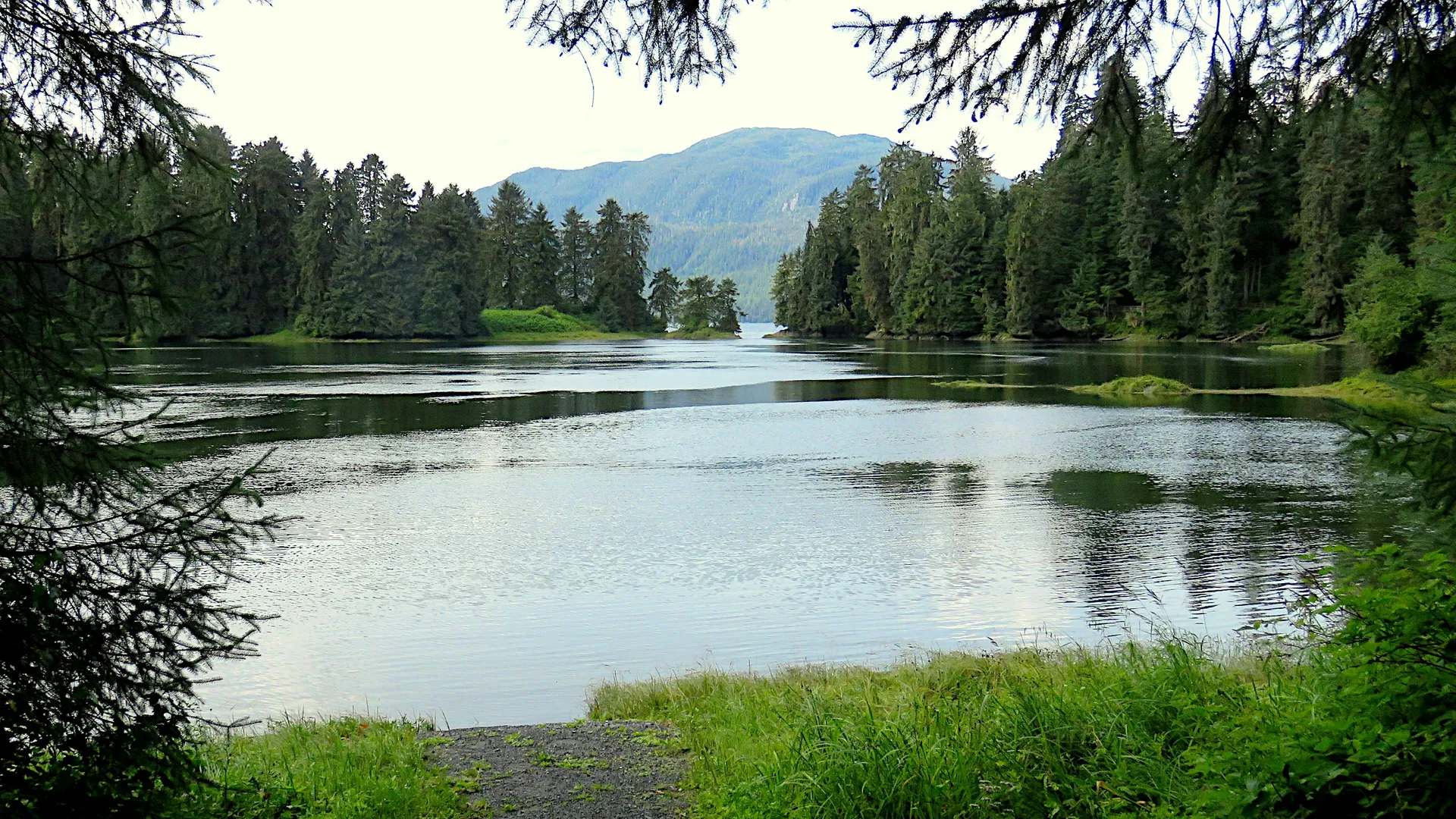
The character of Wrangell is defined by its extraordinary relationship with the wild. The town sits on the northern tip of Wrangell Island, facing the confluence of the Stikine River and Zimovia Strait. Bald eagles perch on every harbour piling. Black bears wander through backyards during salmon season. The waterfront is lined with working fishing boats rather than tourist boutiques, and the air carries the mingled scents of cedar, saltwater, and smoked fish. Petroglyph Beach, a short walk from the ferry terminal, preserves dozens of ancient rock carvings — spirals, faces, and killer whales etched into the stone by unknown hands perhaps eight thousand years ago — accessible freely and without barriers, a level of trust that speaks to Wrangell's character.
The food culture of Wrangell is salmon, and everything salmon. During summer runs, kings, sockeyes, pinks, and silvers surge up the Stikine in such numbers that bears congregate at Anan Creek in one of Alaska's most spectacular wildlife viewing events. Local smokehouses produce some of the finest smoked salmon in the state — rich, deeply flavoured, and sold at prices that would seem absurd in the lower forty-eight. The Diamond C Café on Front Street serves halibut and chips that fishermen themselves queue for, alongside massive cinnamon rolls that have achieved regional fame. Shrimp and Dungeness crab pulled from the strait that morning appear on specials at the Stikine Inn.
The Stikine River itself is Wrangell's greatest natural asset. A jet boat excursion upriver reveals a landscape of staggering grandeur — glaciers calving into the water, hot springs steaming on the riverbank, and grizzlies fishing in the shallows. The LeConte Glacier, the southernmost tidewater glacier in North America, is accessible by boat from Wrangell and offers close encounters with electric-blue icebergs. The Anan Wildlife Observatory, reachable by floatplane or boat, provides a platform to watch brown and black bears fishing simultaneously — one of the only places in Alaska where both species coexist so visibly.
Azamara, HX Expeditions, Oceania Cruises, Seabourn, Silversea, and Windstar Cruises all include Wrangell on their Inside Passage itineraries, valuing it precisely for its authenticity and lack of commercial tourism infrastructure. The port is small and personal — cruise passengers are often greeted by local volunteers offering walking tours. For travellers seeking the Alaska that existed before the gold rush gift shops and helicopter tours, Wrangell delivers something rare and genuine. The prime visiting window is May through September, with peak salmon runs in July and August bringing both the bears and the best fishing.

