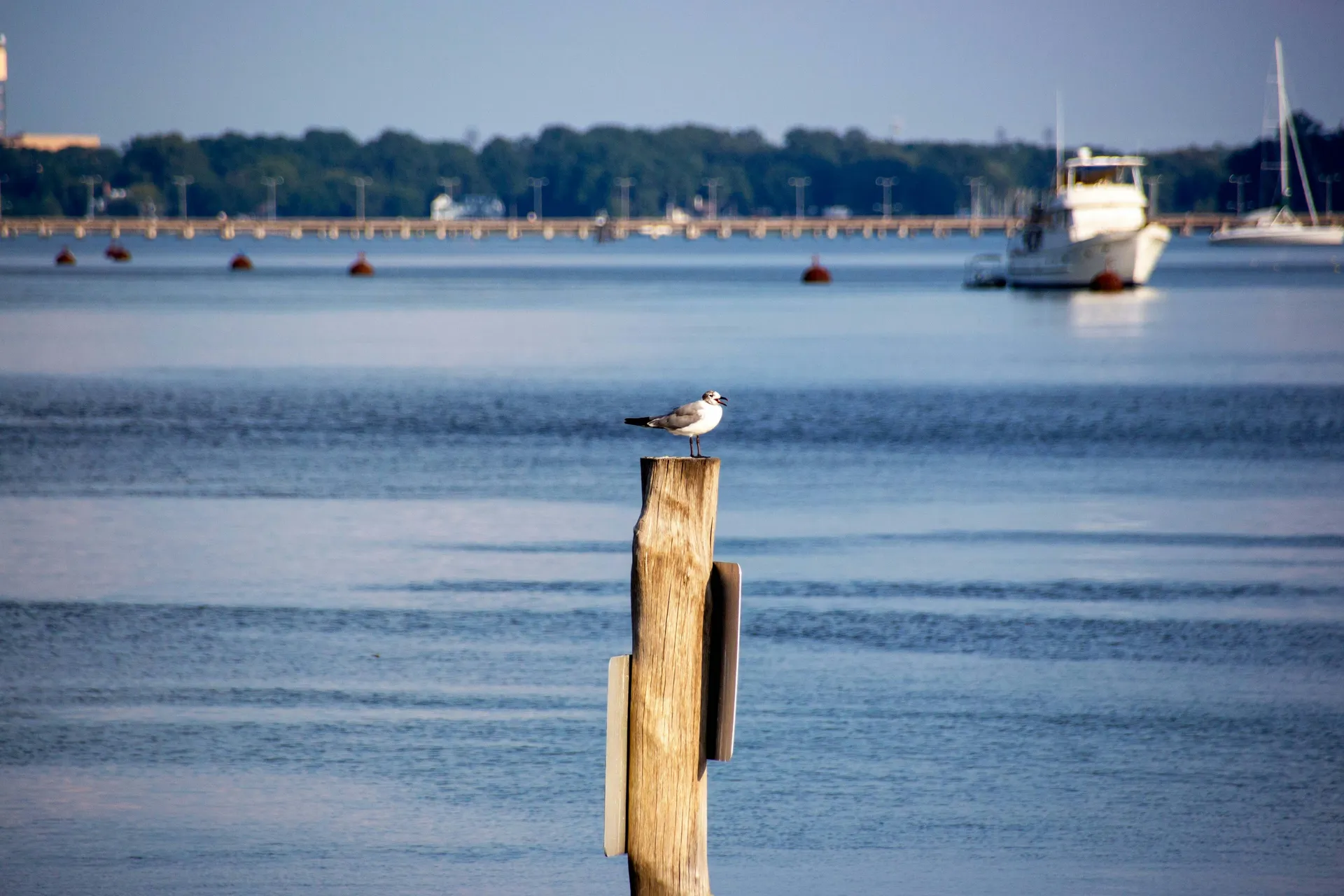
Yorktown sits on the southern bank of the York River in Virginia's Historic Triangle — a landscape so saturated with American history that virtually every field, bluff, and waterway played a role in shaping the nation. It was here, in October 1781, that George Washington's Continental Army, supported by French forces under the Comte de Rochambeau and the French fleet of Admiral de Grasse, besieged and defeated Lord Cornwallis's British forces in the battle that effectively ended the American Revolutionary War. The surrender at Yorktown — Cornwallis reportedly sent a subordinate to hand over his sword — was the military conclusion of a political revolution that had begun six years earlier with the shots fired at Lexington and Concord, and the battlefield that stretches across the bluffs above the York River remains one of the most emotionally resonant landscapes in American history.
The Yorktown Battlefield, administered by the National Park Service as part of Colonial National Historical Park, preserves the siege lines, redoubts, and artillery positions that decided American independence. The self-guided driving tour follows the British defensive perimeter — a crescent of earthworks anchored by redoubts (small forts) that Washington's forces breached in dramatic nighttime assaults led by Alexander Hamilton and the Marquis de Lafayette. Redoubt 10, stormed by Hamilton's light infantry with unloaded muskets and fixed bayonets to preserve the element of surprise, remains one of the most celebrated feats of arms in American military history, and standing at the redoubt's restored earthworks, looking across the same ground that Hamilton's men crossed under fire, collapses 245 years of history into a single, vivid moment.
The American Revolution Museum at Yorktown, adjacent to the battlefield, combines indoor galleries with an outdoor living-history complex where costumed interpreters demonstrate Continental Army camp life, 18th-century farming, and the maritime world of the Revolution. The museum's most powerful exhibits document the diverse experiences of the Revolution — not just the generals and politicians, but the enslaved people who fought on both sides (the British promised freedom to those who joined their ranks), the Native Americans whose sovereignty was threatened by both armies, and the common soldiers whose sacrifices are memorialised in the journals, letters, and personal effects on display.
Historic Yorktown village, stretching along the riverfront, preserves colonial-era buildings that witnessed both the Revolution and the Civil War (the town was occupied by Union forces for much of the conflict). The Nelson House, an imposing Georgian mansion that served as the home of Thomas Nelson Jr. — a signer of the Declaration of Independence and commander of the Virginia militia at the siege — still bears scars from American cannon fire reportedly directed by Nelson himself, who ordered his own house targeted when he learned Cornwallis was using it as headquarters.
Yorktown's waterfront can accommodate small cruise ships and river vessels, with the battlefield and museum within a short drive. The best time to visit is from April through October, when the weather is most comfortable for touring the outdoor battlefield sites and the living-history programmes are in full operation. The annual Yorktown Day celebration on October 19th commemorates the British surrender with military re-enactments, wreath-laying ceremonies, and a parade that draws visitors from across the country. The adjacent Colonial Williamsburg and Jamestown Settlement — the other two points of Virginia's Historic Triangle — complete an immersion in American colonial history that is unmatched anywhere in the United States.

