St. John's, US Virgin Islands: Where Danish History Meets Caribbean Soul
St. John's — the smallest and least developed of the three main US Virgin Islands — occupies a position of paradox in the Caribbean: an American territory that feels barely American, a tropical island where nearly two-thirds of the land is protected national park, a place where the ruins of Danish sugar plantations dissolve into forest so dense and vital that it seems to be actively reclaiming its pre-colonial identity. At just twenty square miles, St. John packs an extraordinary density of experience into a modest footprint — turquoise bays that rank among the Caribbean's finest, hiking trails through subtropical forest, and a cultural heritage that spans Taino settlement, Danish colonialism, African resistance, and the philanthropic vision of Laurance Rockefeller, whose land donation in 1956 created one of America's most unusual national parks.
Cruz Bay, the island's principal settlement and port of entry, establishes St. John's character immediately. This is not the cruise-ship-polished Caribbean of duty-free shops and chain restaurants but something more honest — a compact waterfront village where open-air bars serve painkillers of legendary potency, local artists sell work from converted cottages, and the pace of life is governed by ferry schedules and the position of the afternoon sun. The architecture reflects the island's layered history: Danish-era stone warehouses with their characteristic yellow walls and red roofs stand alongside Caribbean vernacular structures with wide verandahs and hurricane-proof shutters. The town's energy is concentrated but never frantic, a quality that makes it the ideal portal to the wilder landscapes beyond.
Virgin Islands National Park, covering approximately sixty percent of St. John's land area plus over five thousand acres of submerged marine habitat, is the island's defining feature and one of America's great conservation achievements. The park's trail system — over twenty routes totalling some sixty miles — traverses ecosystems ranging from dry coastal scrub to moist subtropical forest where century trees, bay rum trees, and kapok form a canopy so complete that the forest floor exists in permanent twilight. The Reef Bay Trail, the park's signature hike, descends from the island's central ridge through progressively lush vegetation to reach a series of petroglyphs carved into streamside boulders by the island's pre-Columbian Taino inhabitants — enigmatic figures whose meaning remains debated but whose presence connects this forest to a human story stretching back at least two thousand years. The trail terminates at Reef Bay, where a sugar mill ruin stands in dramatic juxtaposition against the turquoise sea.
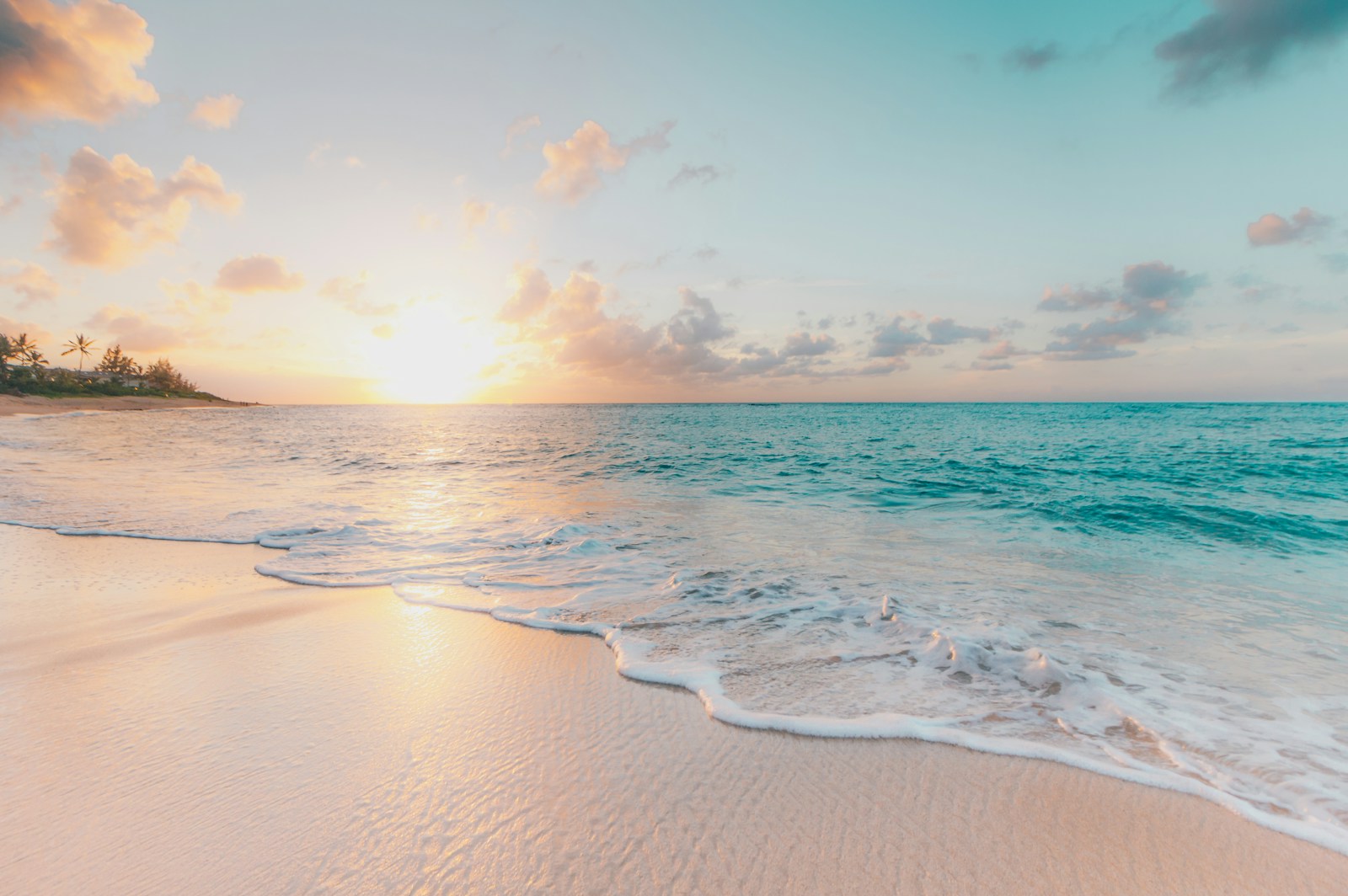
The beaches of St. John's operate at a level of natural beauty that justifies any superlative. Trunk Bay, with its underwater snorkeling trail through a healthy coral reef, is frequently cited among the world's ten finest beaches — its arc of white sand, backed by sea grape and coconut palms, achieving a symmetry that landscape painters would consider implausible if presented as fiction. Hawksnest Bay offers a more intimate experience, its rocky points sheltering calm water ideal for novice snorkelers, while the remote southern bays — Lameshur, Salt Pond, and the sublime Maho Bay — reward the effort of reaching them with near-complete solitude and marine life encounters that include regular appearances by hawksbill and green sea turtles. The snorkeling throughout St. John's waters is exceptional, with elkhorn coral, brain coral, and sea fans providing habitat for parrotfish, blue tang, and the occasional spotted eagle ray.
The ruins scattered across St. John tell the painful but essential story of the colonial sugar economy and the enslaved Africans who powered it. The Annaberg Plantation, the island's best-preserved sugar factory, retains its windmill tower, horse mill, and slave quarters, presented with interpretive care that centres the experience of the enslaved people rather than their owners. It was on St. John, in 1733, that enslaved Akwamu people staged one of the earliest and most significant slave revolts in the Americas, seizing control of much of the island for over six months before being suppressed by French troops from Martinique. This history, too often footnoted in Caribbean tourism, receives thoughtful attention on St. John, adding moral weight to what might otherwise be merely a beautiful destination. The island's contemporary culture — its fungi music, its kallaloo cuisine, its Carnival celebrations — carries the legacy of these complex histories into a vibrant present.

