Every April, on a remote island in the South Pacific, men climb wooden towers rising thirty meters above the ground, tie vines to their ankles, and leap headfirst toward the earth — their hair brushing the freshly tilled soil at the bottom in a ritual that has been performed for centuries. This is Naghol, the original bungee jump, and Pentecost Island in the Republic of Vanuatu is where it was born. Long before New Zealanders commercialized the concept, the Sa people of southern Pentecost were perfecting this astonishing act of courage and faith, a yam harvest ritual that simultaneously honors the ancestors, ensures a bountiful crop, and serves as a dramatic coming-of-age ceremony for young men.
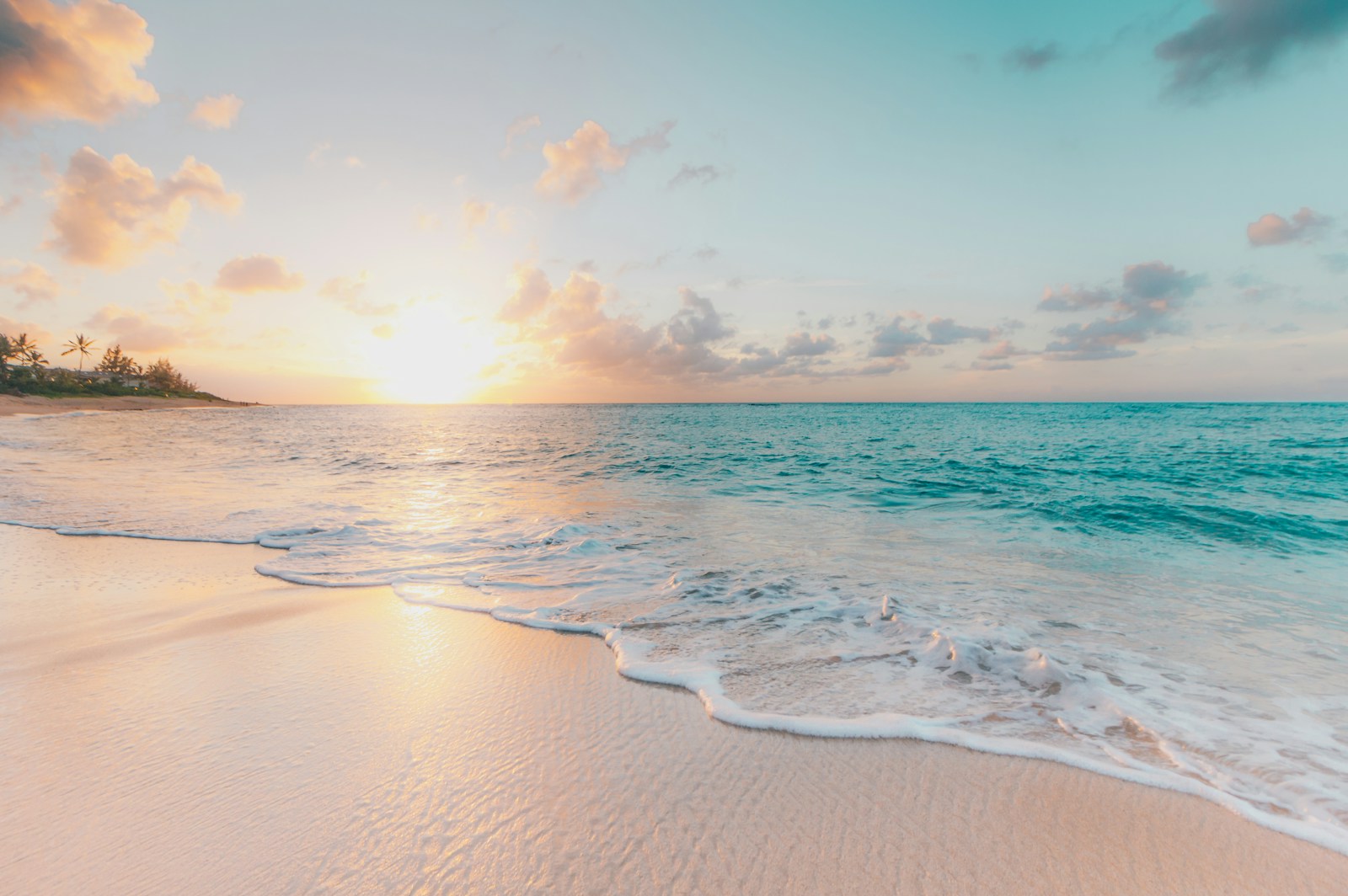
Pentecost is one of the larger islands in Vanuatu's central archipelago, stretching approximately sixty kilometers from north to south. Its landscape is a textbook of tropical Pacific beauty: volcanic ridges cloaked in dense rainforest, cascading waterfalls feeding rivers that carve deep valleys to the coast, and beaches of both black volcanic sand and white coral. The island's villages are scattered along the coastline and in the interior highlands, connected by foot trails that wind through gardens of taro, yam, and kava — the mildly narcotic root that plays a central role in Vanuatu's social and ceremonial life.
Food on Pentecost follows the traditional patterns of Melanesian subsistence agriculture. Root crops — yam, taro, manioc, and sweet potato — form the dietary base, supplemented by coconut, breadfruit, and tropical fruits gathered from the forest. Fish and shellfish are harvested from the reef and lagoon, often cooked in laplap — Vanuatu's national dish, a dense pudding of grated root vegetable and coconut milk wrapped in banana leaves and baked over hot stones. Kava ceremonies, held at dusk in the nakamal (communal meeting house), are an essential social ritual: the earthy, numbing brew is consumed in respectful silence as the tropical darkness falls.
Beyond Naghol, Pentecost offers natural experiences of genuine wildness. The interior forests harbor remarkable biodiversity, including endemic bird species and the coconut crab, the world's largest terrestrial arthropod. Waterfall swimming holes deep in the forest interior provide refreshing respite from the tropical heat. The coral reefs fringing the island's eastern coast offer snorkeling in warm, clear waters teeming with parrotfish, clownfish, and the occasional sea turtle. The island's cultural diversity is itself an attraction — Pentecost is home to speakers of five distinct languages, each associated with its own kastom (traditional customs) and artistic traditions.
Pentecost Island has no harbor or wharf capable of handling cruise ships; expedition vessels anchor offshore and tender passengers to beach landings. The Naghol land diving season runs from April to June, coinciding with the yam harvest — this is the window most expedition cruises target. Outside this season, the island remains visitable but without its signature spectacle. Weather is tropical and humid year-round, with the dry season (May to October) offering more comfortable conditions. A visit to Pentecost is an encounter with one of the Pacific's most extraordinary living traditions — a place where ritual, courage, and the rhythms of the land remain inseparable.

