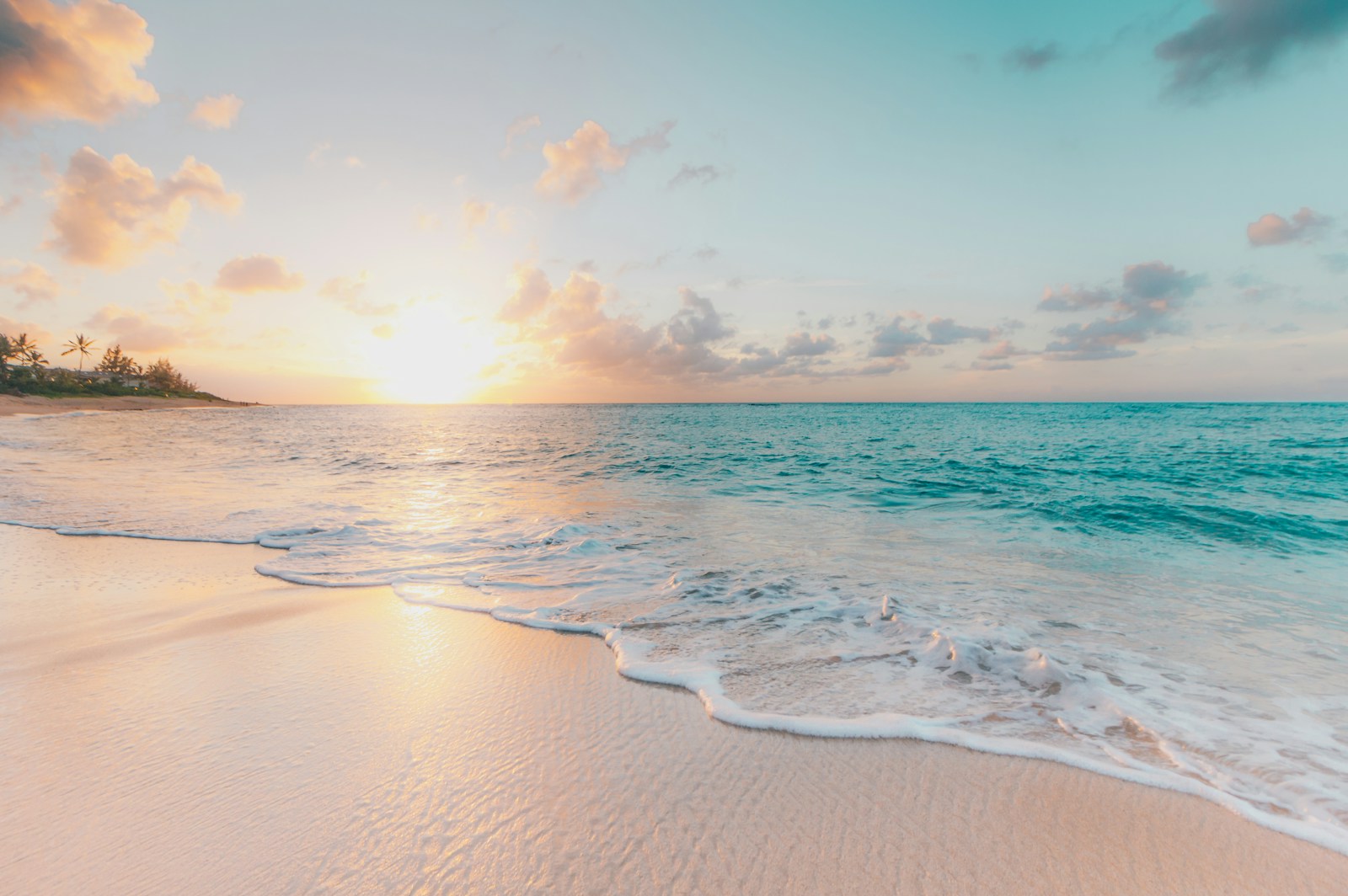
The Pacific islands occupy a place in the collective imagination that few destinations can rival—places where the boundary between sea and sky dissolves into infinity, where coral reefs guard lagoons of supernatural color, and where ancient seafaring cultures navigated by stars and currents long before European charts attempted to impose order on this vast ocean. Santo, Vanuatu, belongs to this enchanted geography, a destination that delivers on the promise of remoteness while offering depths that reward those who venture beyond the beach.
Espiritu Santo, Santo for short, sets a quiet pace amid pristine surroundings. Renowned for its world-class diving, luxurious island resorts at Million Dollar Point and some of the best beaches in the Vanuatuan archipelago, refresh your adventurous spirt in Santo. Santo came to prominence as an Allied military base in World War II and the locals are renowned for being some of the friendliest people on earth. Paradise Lagoon is located in the southern part of Espiritu Santo, the largest of the 83 volcanic islands that make up Vanuatu.
The first sight of Santo from the deck of an approaching vessel is the kind of moment that validates an entire voyage. The particular shade of the surrounding water—a palette of blues and greens that seems to have been mixed expressly for this location—provides the canvas against which the island's character unfolds. Ashore, the pace of life follows rhythms dictated by tide and season rather than calendar and clock. The air carries the fragrance of frangipani and coconut, and the sounds—birdsong, surf, the rustle of palm fronds—create an acoustic environment that induces tranquility at an almost physiological level.
The food culture reflects the generous abundance of both land and sea—fresh-caught fish prepared over open flames with techniques perfected across generations, tropical fruits that taste of concentrated sunshine, root vegetables transformed into dishes of surprising sophistication, and coconut in every conceivable preparation. Community feasts, where food is prepared in earth ovens and shared among residents and visitors alike, offer not just extraordinary flavors but genuine cultural exchange—the kind of experience that transforms a port call from pleasant to profound.
Nearby destinations including Mystery Island (Inyeug), Pentecost Island and Ureparapara Island provide rewarding extensions for those whose itineraries allow further exploration. The underwater world here ranks among the planet's most spectacular marine environments. Coral gardens pulse with life in every color the ocean offers, schools of tropical fish move in choreographed formations, and the visibility extends to depths that make you feel less like a visitor and more like a participant in an aquatic civilization. On land, volcanic landscapes, sacred sites, and traditional villages provide encounters with cultures whose navigational and artistic achievements are only now receiving the recognition they deserve.
What distinguishes Santo from comparable ports is the specificity of its appeal. The nation’s highest peak, Mount Tabwemasana (6,165 ft.) is located in the west-central part of the island. In 1606, a Spanish expedition led by Portuguese explorer Pedro Fernandes de Queirós, established a settlement at Paradise Bay. The island boasts an extensive WWII history with many ruins and relics. These details, often overlooked in broader surveys of the region, constitute the authentic texture of a destination that reveals its true character only to those who invest the time to look closely and engage directly with what makes this particular place irreplaceable.
Carnival Cruise Line features this destination on its carefully curated itineraries, bringing discerning travelers to experience its singular character. The most favorable conditions for visiting coincide with May through September, when drier conditions prevail and temperatures remain pleasant. Travelers should bring reef-safe sunscreen, quality snorkeling equipment, and a genuine respect for the local customs and traditions that have sustained these island communities through centuries of change. The greatest luxury here is not what you bring but what you leave behind—urgency, schedule, and the assumption that paradise is merely a postcard.

