Phú Quốc is Vietnam's largest island—a tropical paradise in the Gulf of Thailand that has transformed over the past decade from a sleepy fishing outpost into one of Southeast Asia's most dynamic resort destinations, yet still retains enough wild coastline, fishing village character, and jungle-covered interior to reward travelers seeking authenticity alongside comfort. The island's 2006 designation as a UNESCO Biosphere Reserve recognizes the ecological richness that coexists with its development.
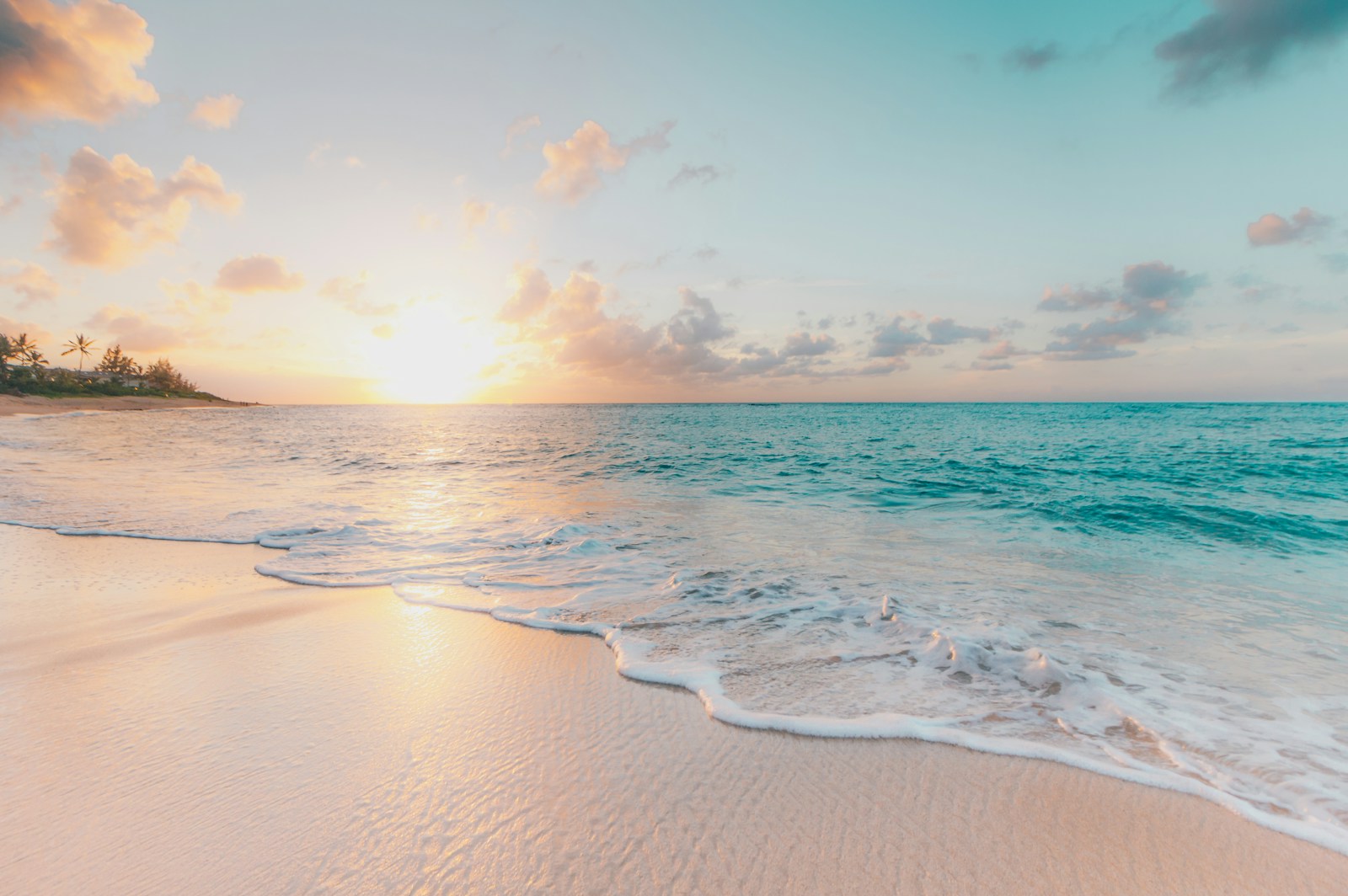
The island's beaches are its primary draw, and they deliver with tropical perfection. Long Beach (Bãi Dài) on the western coast stretches for nearly twenty kilometers—a ribbon of pale sand backed by coconut palms and lapped by warm, calm water that glows orange and crimson during the spectacular sunsets for which Phú Quốc is justly famous. Sao Beach (Bãi Sao) on the southeastern coast presents a crescent of powdery white sand and shallow turquoise water often cited as the finest beach in all of Vietnam. The northern coastline remains less developed, offering secluded coves and the wild beauty of the Phú Quốc National Park's coastal reaches.
The island's culinary identity centers on two products of global significance: fish sauce and pepper. Phú Quốc fish sauce (nước mắm) is considered the finest in Vietnam—itself a country that takes fish sauce very seriously—produced from anchovies fermented in massive wooden barrels for twelve to fifteen months. Tours of the traditional fish sauce factories in the town of Dương Đông reveal the aromatic intensity of this process and allow visitors to sample and purchase sauce of a quality unavailable outside the island. Phú Quốc pepper, grown on family farms in the island's interior, is equally renowned—its bold, complex heat prized by chefs worldwide.
The interior of the island, protected within the national park, harbors dense tropical forest covering the island's mountainous spine. Hiking trails lead to waterfalls, streams, and viewpoints that survey the forested canopy and the surrounding sea. The island's wildlife includes long-tailed macaques, silvered langurs, and the Phú Quốc ridgeback dog—a rare breed recognized by its distinctive dorsal hair ridge that grows in the opposite direction from the rest of the coat. The marine environment is equally rich, with coral reefs around the An Thới archipelago to the south providing excellent snorkeling and diving.
Cruise ships anchor offshore with tender service to the main town of Dương Đông. The island's road network, while rapidly improving, still lends itself to motorbike exploration—the most authentic way to discover the fishing villages, pepper farms, and hidden beaches that lie between the resort developments. The dry season from November through March offers the most reliable weather, with clear skies and calm seas ideal for beach activities and island exploration. The wet season from April through October brings afternoon thunderstorms but also lusher landscapes and fewer visitors.

