Γαλλική Πολυνησία
Ταχάα (Μότου Μαχάνα)
Taha’a (Motu Mahana)
169 voyages
Πολύ πριν οι Ευρωπαίοι ναυτικοί χαρτογραφήσουν τα Νησιά της Εταιρείας, οι αρχαίοι Πολυνήσιοι που εγκαταστάθηκαν στην Τάχαα γύρω στο 900 μ.Χ. την ονόμασαν *Uporu*, μια λέξη που μοιράζεται με το Upolu της Σαμόα, ανιχνεύοντας ένα μεταναστευτικό νήμα που εκτείνεται σε χιλιάδες μίλια ανοιχτής θάλασσας. Ο καπετάνιος Τζέιμς Κουκ πέρασε από εκεί το 1769 χωρίς να αποβιβαστεί, και δεν ήταν παρά μέχρι την άφιξη της Λονδρέζικης Αποστολικής Εταιρείας στις αρχές του δέκατου ένατου αιώνα που τα δυτικά αρχεία για το νησί άρχισαν να διαμορφώνονται. Ωστόσο, η Τάχαα πάντα αντιστεκόταν στην ορμή του εξωτερικού κόσμου — δεν υπάρχει αεροδρόμιο, ούτε λιμάνι κρουαζιέρας, ούτε πόλη αρκετά μεγάλη για να δικαιολογεί φανάρι — και αυτή η ήσυχη αντίσταση είναι ακριβώς που την καθιστά εξαιρετική.
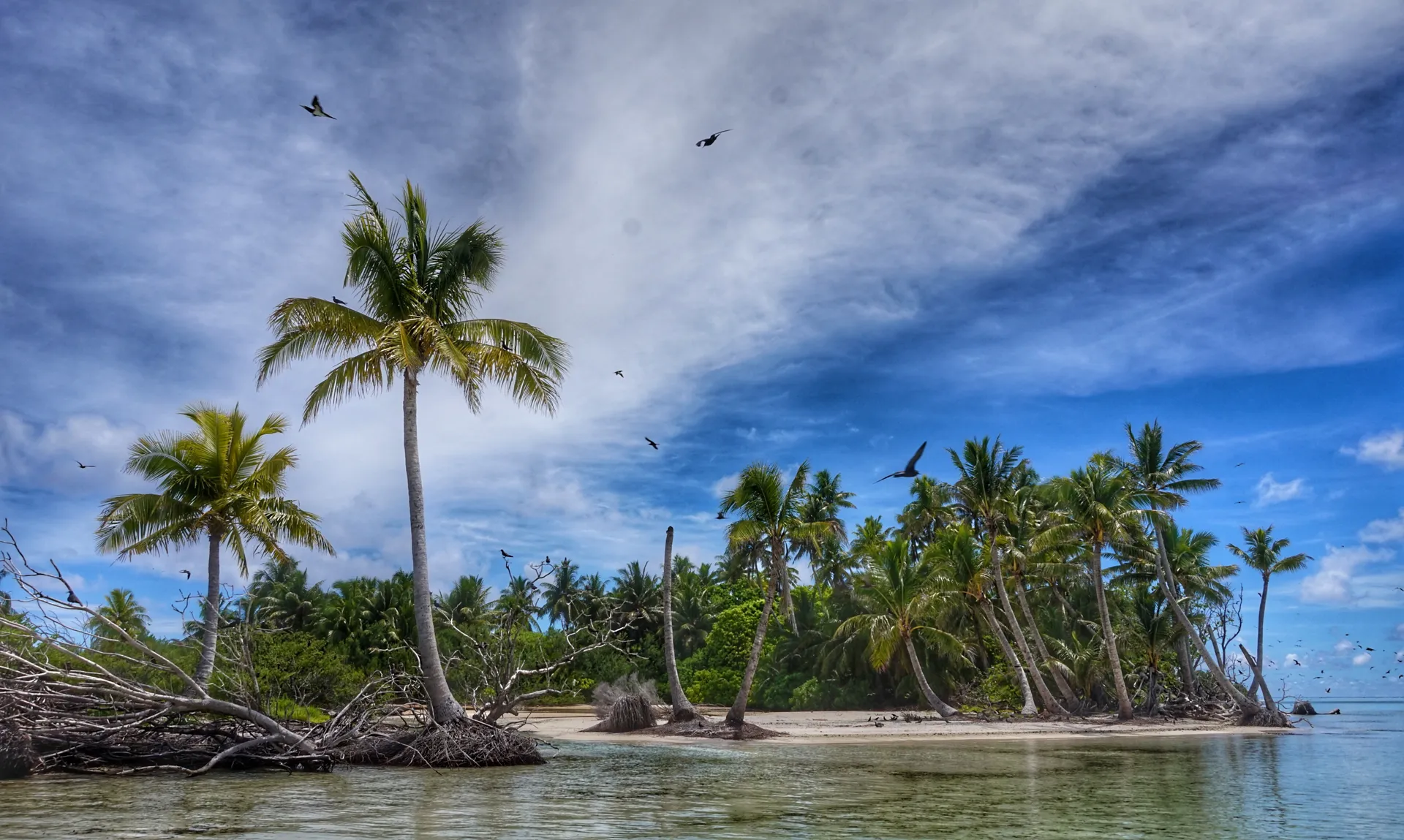
Μοιραζόμενη μια μοναδική τιρκουάζ λιμνοθάλασσα με τη μεγαλύτερη αδελφή της, τη Raiatea, η Taha'a είναι προσβάσιμη μόνο με πλοίο, μια γεωγραφική λεπτομέρεια που φιλτράρει τον κόσμο σε όσους είναι πρόθυμοι να επιβραδύνουν τον ρυθμό τους. Η σιλουέτα του νησιού είναι ηφαιστειακή και βαθιά σκαλισμένη, με σμαραγδένιες κορυφογραμμές που βυθίζονται σε κόλπους τόσο στενούς και ήρεμους που μοιάζουν με ιδιωτικά φιόρδ. Οι ορχιδέες βανίλιας αναρριχώνται μέσα στη υγρή σκιά των φοινικόδεντρων, γεμίζοντας ολόκληρες κοιλάδες με ένα άρωμα τόσο πλούσιο που γίνεται αντιληπτό πριν το μάτι εντοπίσει την πηγή του. Μικρές οικογενειακές φυτείες παράγουν περίπου το ογδόντα τοις εκατό της συνολικής βανίλιας της Γαλλικής Πολυνησίας εδώ, και η συγκομιδή — χειροκίνητα επικονιασμένη, αποξηραμένη στον ήλιο, υπομονετική — ορίζει τον ρυθμό του νησιού με την ίδια βεβαιότητα όπως η παλίρροια.
Το φαγητό στην Ταχάα είναι μια εκπαίδευση στην εγκράτεια και την αφθονία ταυτόχρονα. Το *Poisson cru*, ο πολυνησιακός πρόγονος του σεβίτσε, σερβίρεται σε μισό κοχύλι καρύδας: ωμός τόνος μαριναρισμένος σε εσπεριδοειδή και βουτηγμένος σε φρέσκο γάλα καρύδας που πιέστηκε εκείνο το πρωί. Στις τοπικές πανσιόν και στις παραθαλάσσιες συγκεντρώσεις, το *ma'a Tahiti* — το παραδοσιακό γεύμα φούρνου στη γη — προσφέρει αργοψημένο γουρουνάκι, *fāfaru* (ψάρι που έχει υποστεί ζύμωση σε θαλασσινό νερό), ρίζα τάρο τυλιγμένη σε φύλλα μπανάνας και ψωμοκαρπία ψημένη μέχρι να γίνει βελούδινη σαν κρέμα. Η βανίλια εμφανίζεται όχι μόνο στα επιδόρπια αλλά και στις σάλτσες που περιχύνονται πάνω από ψητό *mahi-mahi* και αστακό, ένα αρωματικό σήμα κατατεθέν αδύνατο να αναπαραχθεί αλλού. Το *po'e*, μια μεταξένια πουτίγκα από μπανάνα ή παπάγια, πηχτή με άμυλο αρορούτου και στεφανωμένη με κρέμα καρύδας, κλείνει τα γεύματα με τη χάρη ενός ηλιοβασιλέματος.
Η περιβάλλουσα λιμνοθάλασσα και τα γειτονικά νησιά συνθέτουν ένα αρχιπέλαγος αντιθέσεων που αξίζει να εξερευνηθεί. Η Βαιτάπε, η ήρεμη πρωτεύουσα της Μπόρα Μπόρα, μόλις δεκαέξι χιλιόμετρα βορειοδυτικά, προσφέρει μπουτίκ με μαργαριτάρια και καφέ δίπλα στο νερό, με φόντο το δραματικό όρος Οτεμάνου. Οι οδοντωτές κορυφές και τα πεδία ανανά της Μορέα βρίσκονται σε μικρή πτήση από το Παπέετε, την κοσμοπολίτικη πρωτεύουσα της Ταϊτής, όπου η αγορά Marché de Papeete σφύζει από πωλητές που προσφέρουν λάδι *monoï*, πλεγμένα καπέλα και χαράγματα Μαρκέζας. Για τους δύτες που επιζητούν την απομόνωση, η Φακαράβα — ένας Βιοσφαιρικός Αποθεματικός της UNESCO στα μακρινά Τουαμούτου — φυλάσσει δύο περάσματα όπου εκατοντάδες γκρίζοι καρχαρίες υφάλων περιπολούν σε τοίχους ζωντανού κοραλλιού, ένα θέαμα που κατατάσσεται ανάμεσα στις πιο εξαιρετικές υποβρύχιες εμπειρίες στον κόσμο.
Η Ταχάα κατέχει μια σπάνια ναυτική διάκριση: είναι το μοναδικό νησί στο σύμπλεγμα των Κοινωνικών Νήσων που μπορεί να περιπλευστεί ολόκληρο με πλοίο μέσα στο καταφύγιο της προστατευμένης λιμνοθάλασσάς του, καθιστώντας το φυσική σκηνή για κρουαζιέρες με μικρά σκάφη. Η Paul Gauguin Cruises, η εταιρεία που είναι πιο στενά συνδεδεμένη με τη ναυτική ταυτότητα της Γαλλικής Πολυνησίας, αγκυροβολεί στο Motu Mahana — ένα ιδιωτικό νησάκι όπου οι επιβάτες πατούν τα πόδια τους στην άμμο σαν πούδρα για μπάρμπεκιου. Η Windstar Cruises στέλνει τα κομψά ιστιοπλοϊκά της να γλιστρούν μέσα στα ίδια νερά, συνδυάζοντας την ισχύ του ανέμου με την πολυτέλεια του να περπατάς ξυπόλητος, σε έναν ρυθμό που ταιριάζει με τον αργόσυρτο χαρακτήρα του νησιού. Η Silversea, με τα πλοία εξερευνητικού τύπου που ανοίγουν τον ευρύτερο Ειρηνικό σε απαιτητικούς ταξιδιώτες, προσεγγίζει εδώ ως μέρος δρομολογίων που διασχίζουν από τα Νησιά Μαρκουάζ μέχρι τα Τουαμούτου, πλαισιώνοντας την Ταχάα ως την αρωματική, ήπια καρδιά ενός μακρινού ταξιδιού.
Αυτό που μένει μετά την αναχώρηση δεν είναι ένα μεμονωμένο ορόσημο ή μια επιμελημένη εκδρομή, αλλά ένα αισθητηριακό σύνολο: το πράσινο-χρυσό φως που διαπερνά τις βανιλιακές κληματαριές, η ζεστασιά των νερών της λιμνοθάλασσας στο ύψος των αστραγάλων, ο αργός ρυθμός ενός τόπου που ποτέ δεν χρειάστηκε αεροδρόμιο για να νιώσει ολοκληρωμένος. Η Taha'a δεν συναγωνίζεται για την προσοχή. Απλώς περιμένει, τυλιγμένη σε αέρα αρωματισμένο με βανίλια, για εκείνους που έχουν την ευαισθησία να φτάσουν δια θαλάσσης.
Gallery