Γουινέα
Οράγκο
Orango, Bissagos Islands
5 voyages
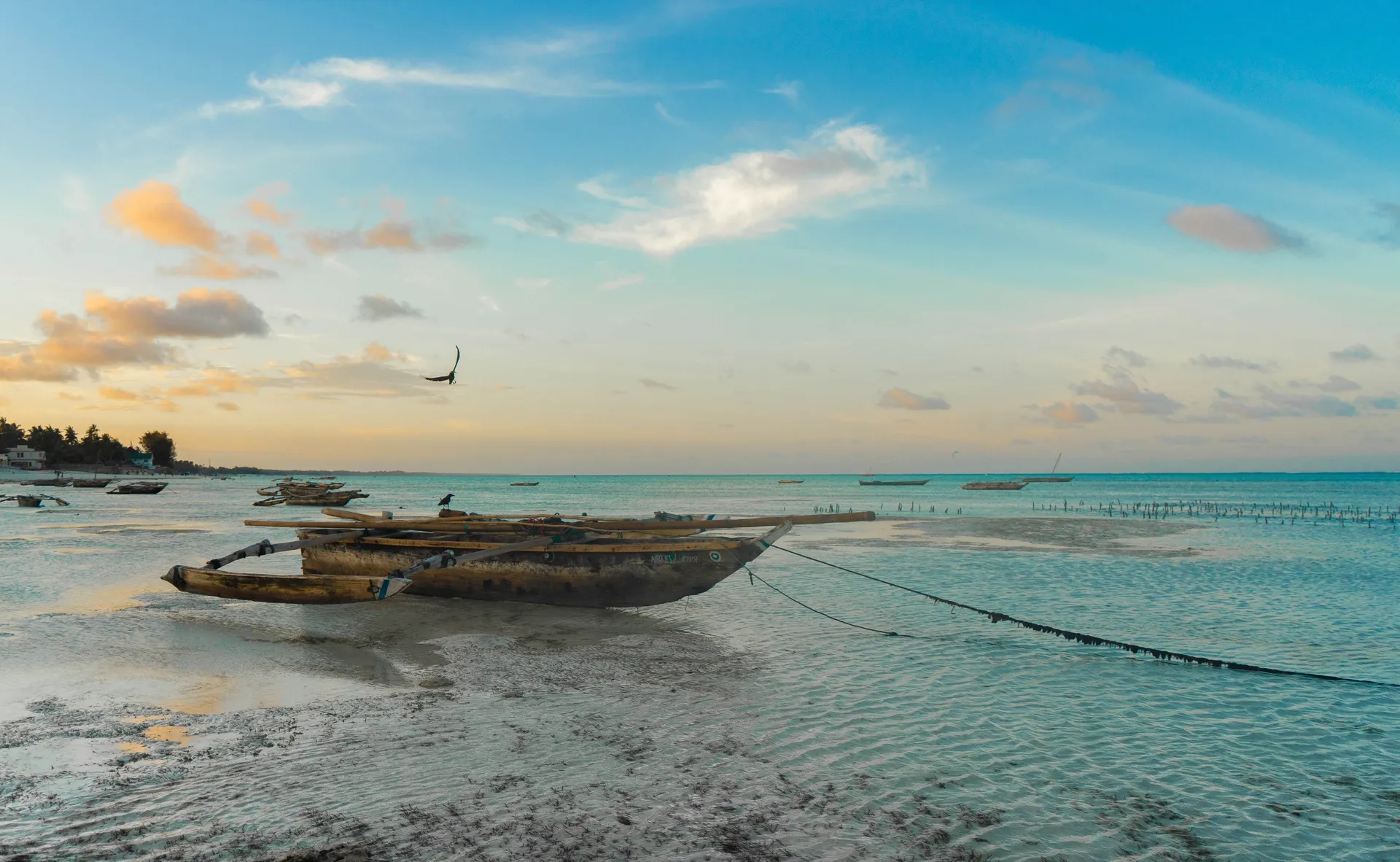
Στα ζεστά, ρηχά νερά κατά μήκος της ακτής της Γουινέας-Μπισσάου, μιας από τις λιγότερο επισκέψιμες χώρες της Δυτικής Αφρικής, το αρχιπέλαγος Μπιζαγκός εκτείνεται σε μια έκταση μεγαλύτερη από το Βέλγιο — μια συλλογή ογδόντα οκτώ νησιών, από τα οποία μόνο είκοσι είναι μόνιμα κατοικημένα. Το Οράνγκο, ένα από τα μεγαλύτερα και πιο πολιτισμικά σημαντικά νησιά, βρίσκεται στην καρδιά αυτού του Αποθέματος Βιοσφαίρας της UNESCO, έναν τόπο όπου η παραδοσιακή ανιμιστική κουλτούρα, οι μητριαρχικές κοινωνικές δομές και η εξαιρετική βιοποικιλότητα δημιουργούν μια εμπειρία μοναδική σε ολόκληρη την αφρικανική ήπειρο.
Οι λαοί Μπιζαγκός, που κατοικούν αυτά τα νησιά για αιώνες, διατηρούν μία από τις πιο ανέπαφες παραδοσιακές κουλτούρες στη Δυτική Αφρική. Στο Οράνγκο, η κοινωνία οργανώνεται κατά μήκος μητρογραμμικών γραμμών — οι γυναίκες επιλέγουν τους συζύγους τους, κατέχουν περιουσία και ασκούν σημαντική πολιτική εξουσία, μια κοινωνική δομή που προηγείται και έχει αντισταθεί τόσο στην ισλαμική όσο και στη χριστιανική ιεραποστολική επιρροή. Ιερά δάση, όπου ιερά μνημεία πνευμάτων στέκονται κάτω από επιβλητικά δέντρα βαμβακόδεντρου, παραμένουν κεντρικά στη ζωή της κοινότητας. Τελετές μυήσεων, χοροί με μάσκες και εποχιακά φεστιβάλ σηματοδοτούν τη ροή του χρόνου σύμφωνα με ρυθμούς που συνδέουν την ανθρώπινη κοινότητα με τον φυσικό κόσμο με τρόπους που οι σύγχρονες κοινωνίες έχουν σε μεγάλο βαθμό ξεχάσει.
Το φυσικό περιβάλλον των Μπιζαγκός είναι εξαιρετικό. Το Εθνικό Πάρκο Οράνγκο, που ιδρύθηκε το 2000, προστατεύει την δυτική ακτή του νησιού και τα γύρω νερά του, όπου φιλοξενούνται ένας από τους πιο σημαντικούς πληθυσμούς ιπποποτάμων σε αλμυρό νερό παγκοσμίως. Αυτοί οι ιπποπόταμοι — ο μοναδικός πληθυσμός στην Αφρική που ζει σε αλμυρά περιβάλλοντα — μετακινούνται ανάμεσα στους εκβολές με μανγκρόβια και τη ανοιχτή θάλασσα, μια προσαρμογή που δεν συναντάται πουθενά αλλού στον πλανήτη. Οι πράσινες θαλάσσιες χελώνες φωλιάζουν στις παραλίες του Οράνγκο, οι θαλάσσιες αγελάδες βόσκουν στα ρηχά κανάλια και τα δάση μανγκρόβιων σφύζουν από πτηνά, όπως ερωδιοί, αλκυόνες και αφρικανικοί αετοί ψαράδες.
Τα νερά ανάμεσα στα νησιά υποστηρίζουν πλούσια αλιευτικά πεδία που θρέφουν τόσο τις τοπικές κοινότητες όσο και τις μεταναστευτικές πληθυσμούς καρχαριών, ακτίνων και δελφινιών. Το οικοσύστημα είναι από τα πιο παραγωγικά στην ακτή της Δυτικής Αφρικής, στηριζόμενο σε εκτεταμένα δάση μανγκρόβιων που λειτουργούν ως βρεφονηπιακοί σταθμοί για αμέτρητα θαλάσσια είδη. Στην ξηρά, τα νησιά φιλοξενούν δάση από φοίνικες, σαβάνες και υγροτόπους γλυκού νερού που στεγάζουν είδη όπως οι σαύρες-φύλακες, οι μαϊμούδες βερβέτες και μια εντυπωσιακή ποικιλία πεταλούδων και λιβελλουλών.
Η Οράνγκο προσεγγίζεται με πλοίο από την πρωτεύουσα της ηπειρωτικής χώρας, τη Μπισάου, ένα ταξίδι αρκετών ωρών μέσα από τα κανάλια διακοσμημένα με νησιά του αρχιπελάγους, ή με εξερευνητικό κρουαζιερόπλοιο που αγκυροβολεί ανοιχτά. Υπάρχει σχεδόν καθόλου τουριστική υποδομή — μερικά οικολογικά καταλύματα και κοινοτικά ξενώνες αποτελούν το σύνολο των επιλογών διαμονής. Η ξηρή περίοδος από τον Νοέμβριο έως τον Μάιο προσφέρει τις πιο άνετες συνθήκες επίσκεψης και την καλύτερη παρατήρηση της άγριας ζωής, με την περίοδο ωοτοκίας των χελωνών να κορυφώνεται από τον Οκτώβριο έως τον Μάρτιο. Τα νησιά Μπιζαγκός απαιτούν υπομονή, ευελιξία και μια γνήσια προθυμία να αλληλεπιδράσει κανείς με έναν κόσμο που λειτουργεί σύμφωνα με αρχές θεμελιωδώς διαφορετικές από εκείνες της κουλτούρας του ταξιδιώτη.
Gallery