Ιαπωνία
Γιοκοχάμα
Yokohama, Japan
188 voyages
Όταν τα μαύρα πλοία του Κομμοδούρου Μάθιου Πέρι κατέπλευσαν στο τότε ήσυχο ψαροχώρι το 1853, η Γιοκοχάμα έγινε το απρόσμενο σημείο καμπής πάνω στο οποίο θα στηριζόταν ολόκληρη η σύγχρονη ταυτότητα της Ιαπωνίας. Η Συνθήκη του Καναγκάουα, που υπογράφηκε εδώ τον επόμενο χρόνο, άνοιξε το δρόμο μετά από δύο αιώνες απομόνωσης σακόκου, και μέσα σε μια δεκαετία αυτό το κάποτε ήσυχο λιμάνι είχε μεταμορφωθεί στο πιο κοσμοπολίτικο λιμάνι της χώρας — ένας τόπος όπου έμποροι μεταξιού, ξένοι διπλωμάτες και περιπετειώδεις ταξιδιώτες συνυπήρχαν κατά μήκος φωτισμένων με αέριο λεωφόρων που δεν θα έμοιαζαν άτοπα σε μια Παρίσι του δέκατου ένατου αιώνα. Αυτό το πνεύμα κομψής ανανέωσης δεν εγκατέλειψε ποτέ αυτές τις ακτές.
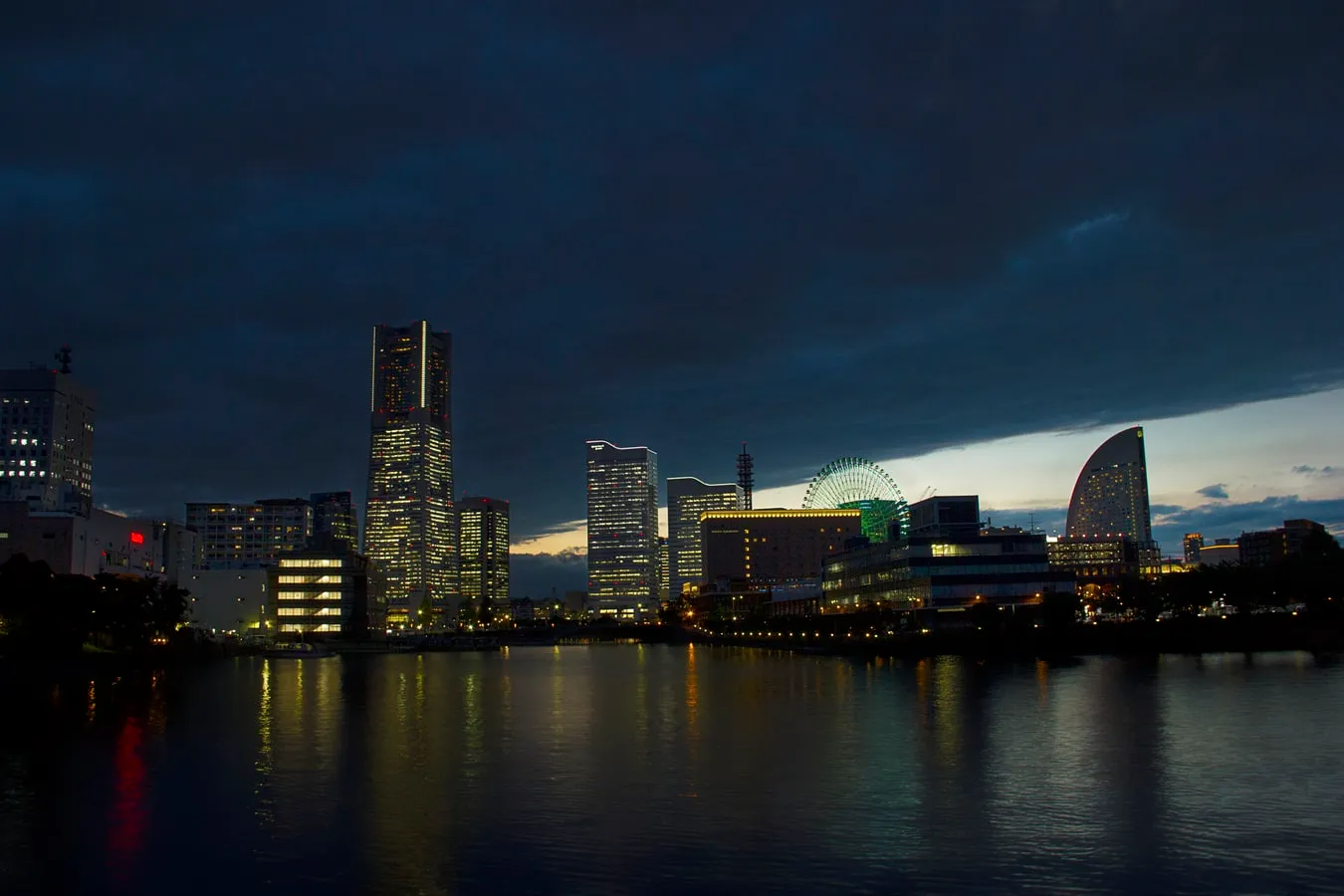
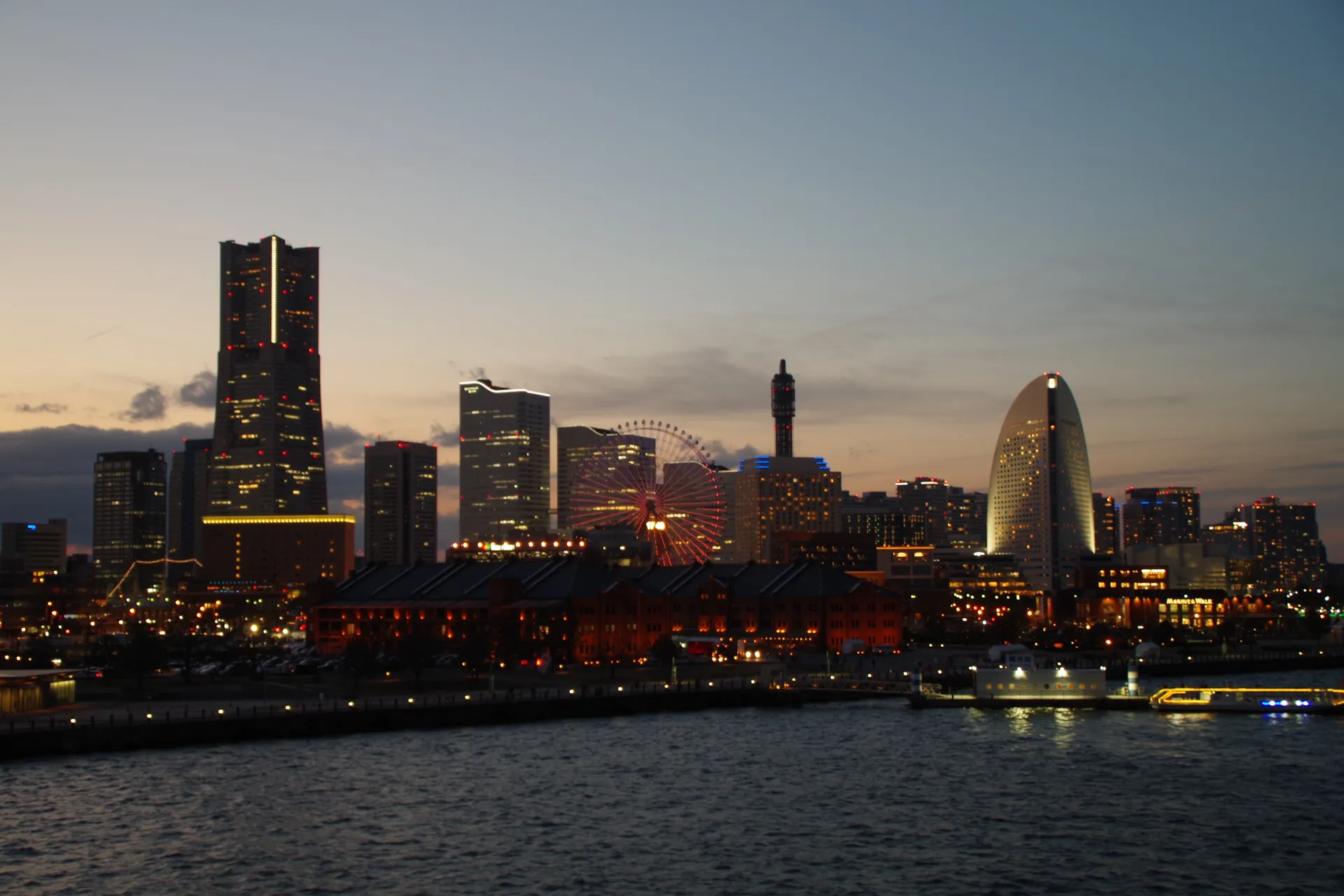
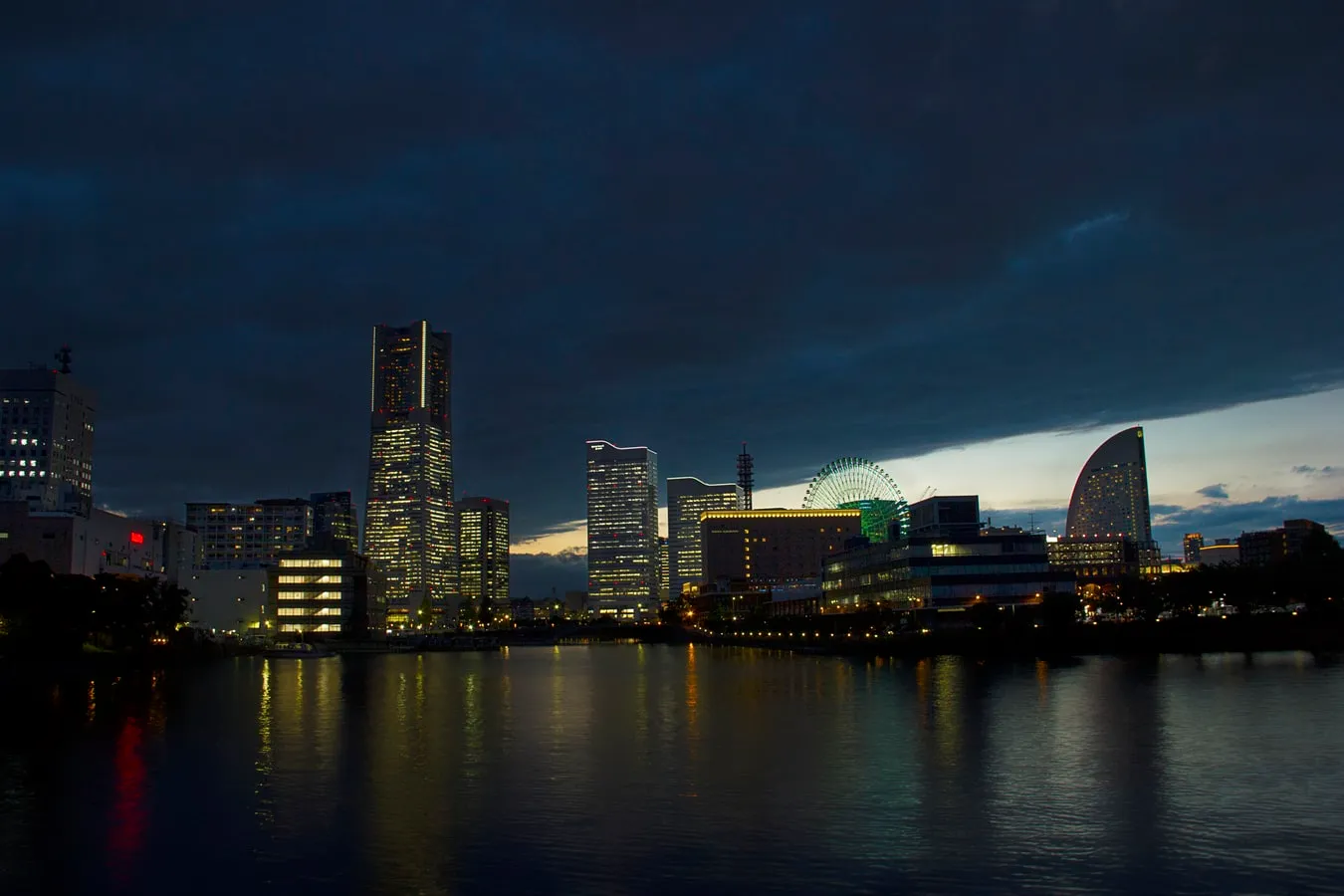
Σήμερα, η δεύτερη μεγαλύτερη πόλη της Ιαπωνίας φορά την κομψότητά της με μια αβίαστη χάρη που η γειτονική μητρόπολη σπάνια καταφέρνει να επιτύχει. Όπου το Τόκιο κατακλύζει τις αισθήσεις, η Γιοκοχάμα προσκαλεί — μια παραθαλάσσια προκυμαία εδώ, ένας ήσυχος κήπος εκεί, η αργή απόλαυση του να παρακολουθείς τα κοντέινερ να γλιστρούν πέρα από το κρεμνιστό κόκκινο πλέγμα της Γέφυρας του Κόλπου Γιοκοχάμα στο λυκόφως. Η περιοχή Minato Mirai υψώνεται κατά μήκος του λιμανιού με μια έκταση αρχιτεκτονικής φιλοδοξίας, ο χαρακτηριστικός Πύργος Ρολογιού και το ιστιοειδές InterContinental πλαισιώνουν έναν ορίζοντα που μοιάζει ταυτόχρονα μελλοντικός και βαθιά ριζωμένος στην ναυτική παράδοση. Περιπλανηθείτε στη συνοικία Yamate Bluff, όπου οι δυτικές κατοικίες της βικτωριανής εποχής στέκονται ακόμα ανάμεσα σε κήπους με τριαντάφυλλα, και αρχίζετε να κατανοείτε γιατί η Γιοκοχάμα υπήρξε πάντα η πιο ανοιχτή πόλη της Ιαπωνίας — ένας τόπος που απορρόφησε τον κόσμο χωρίς να χάσει τον εαυτό του.
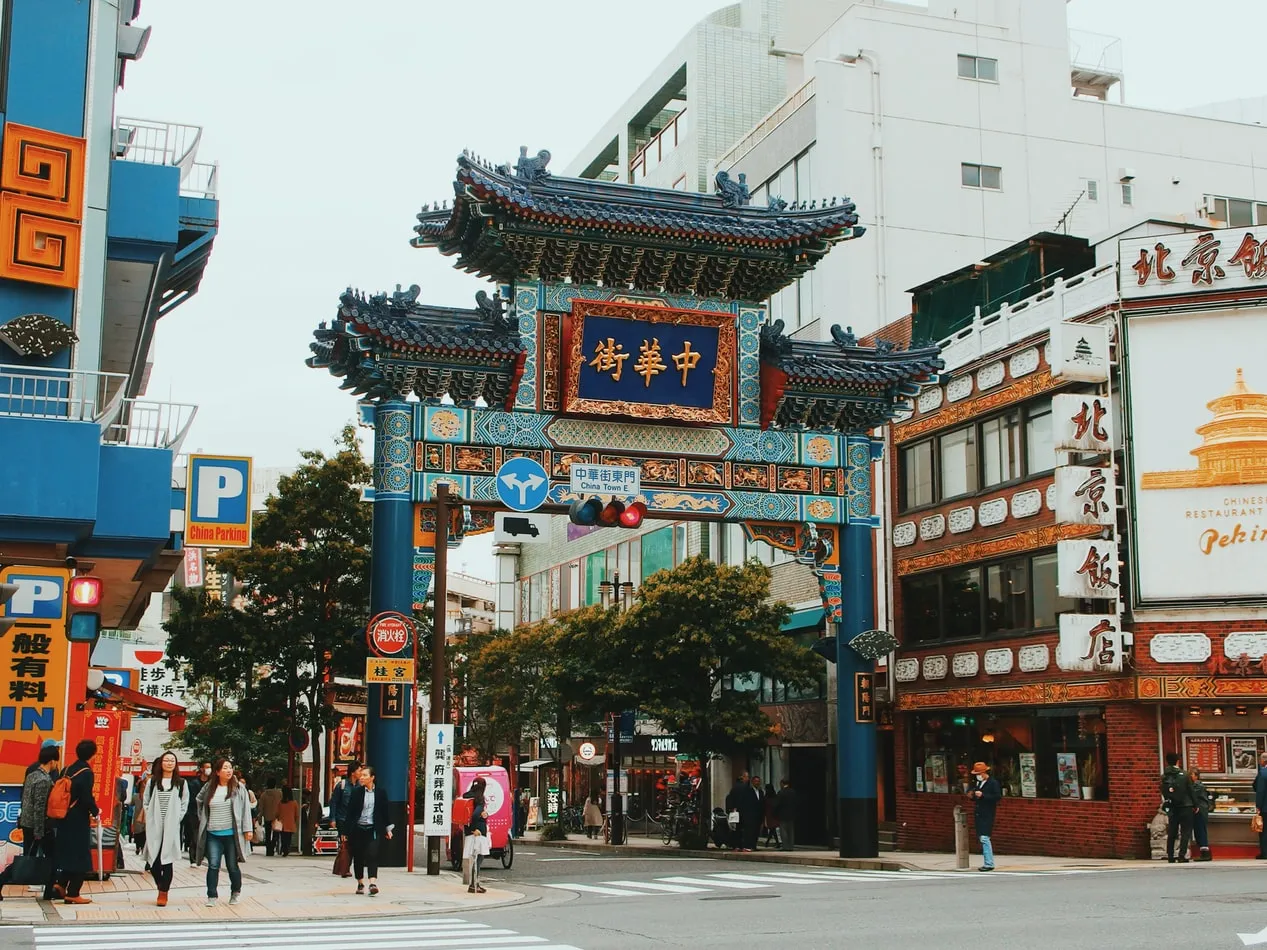
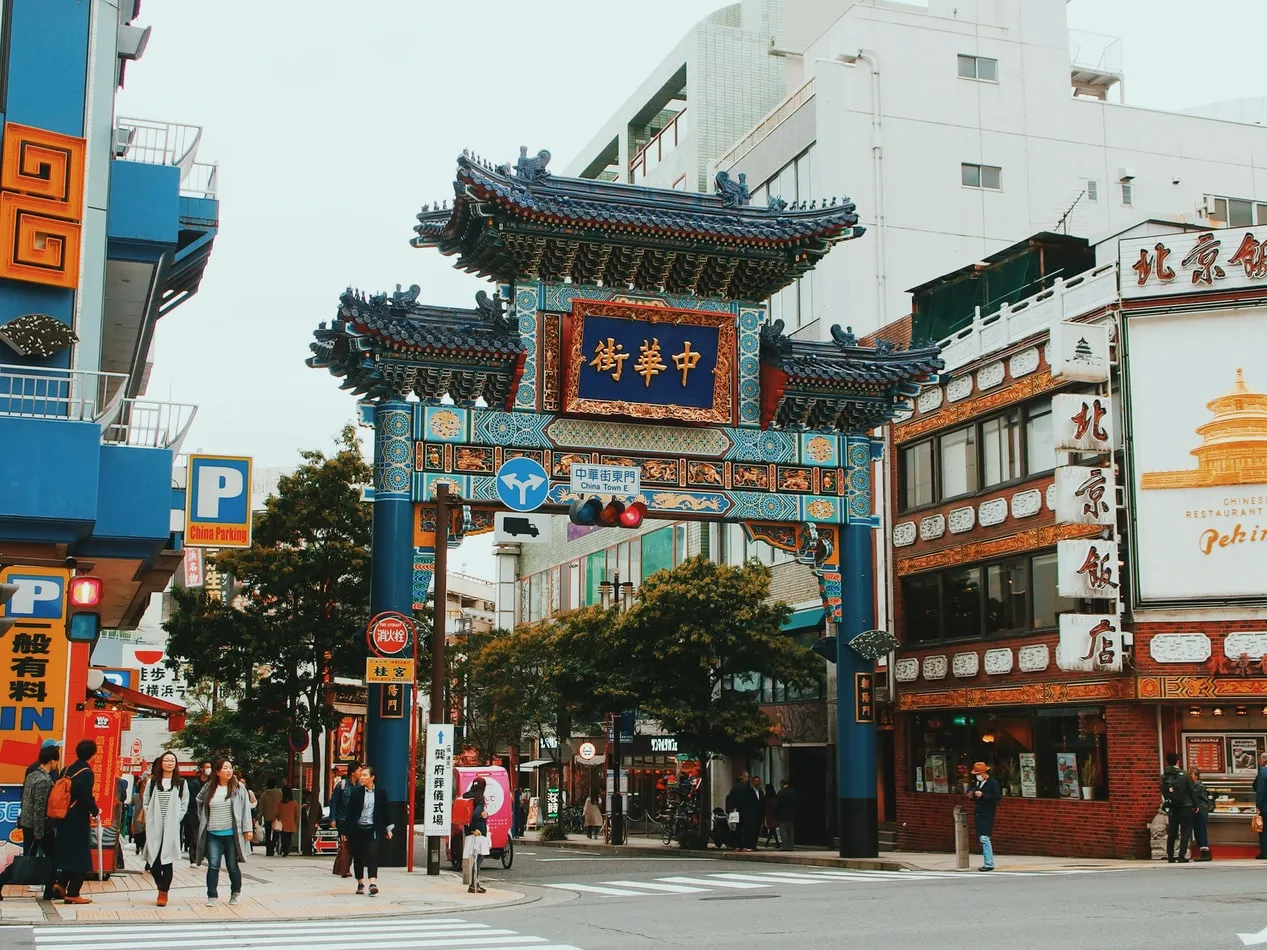
Καμία επίσκεψη δεν είναι ολοκληρωμένη χωρίς να παραδοθείτε στην εξαιρετική γαστρονομική ταυτότητα της πόλης. Η Γιοκοχάμα είναι η γενέτειρα της ιαπωνικής κουλτούρας ράμεν, και το Μουσείο Ράμεν Σιν-Γιοκοχάμα αποτίει με αγάπη φόρο τιμής σε αυτήν την κληρονομιά — όμως η πραγματική αποκάλυψη περιμένει στα καταστήματα ικέι-ράμεν που απλώνονται στα πίσω στενά, όπου ο πλούσιος ζωμός από χόνδρο χοιρινού τόνκοτσου συναντά τη σόγια-πλούσια σόγιου σε ένα στυλ που δεν συναντάται πουθενά αλλού στον κόσμο. Στην Τσάιναταουν — τη μεγαλύτερη στην Ασία, με τα περίτεχνα της πύλες που χρονολογούνται από τη δεκαετία του 1860 — τα σόρονπο, λεπτά σούπια ζυμαρικά γεμάτα καυτό ζωμό, έχουν αποκτήσει σχεδόν μυθική φήμη, ενώ τα νικουμάν, ατμισμένα ψωμάκια από το Κόσινρο, παραμένουν ένα τελετουργικό πέρασμα. Για κάτι πιο εκλεπτυσμένο, αναζητήστε το σάνμα-μεν της Γιοκοχάμα, ένα πιάτο με ζυμαρικά αρωματισμένα με σουσάμι και απατηλή απλότητα, ή κλείστε θέση στον πάγκο σε ένα από τα σούσι-για με θέα το λιμάνι, όπου το πρωινό ψάρι χιράμε και κοχάντα φτάνουν απευθείας από την ακτή της Καναγκάβα.
Η ενδοχώρα πέρα από το λιμάνι ανταμείβει τον περίεργο ταξιδιώτη με τον ίδιο τρόπο. Το Εθνικό Πάρκο Φούτζι Χακόνε Ιζού βρίσκεται μόλις ενενήντα λεπτά νοτιοδυτικά, με τις ηφαιστειακές ιαματικές πηγές του, τους ναούς ντυμένους με κέδρους και την αξεπέραστη σιλουέτα του Φούτζι-σαν να συνθέτουν το πιθανώς πιο φωτογραφημένο τοπίο της Ιαπωνίας. Προχωρήστε βορειότερα στην περιοχή Τόχοκου και η ατμόσφαιρα αλλάζει εντελώς: το φεουδαρχικό κάστρο του Χιροσάκι, περιτριγυρισμένο από δύο χιλιάδες κερασιές, μεταμορφώνεται σε ένα ονειρικό τοπίο από πέταλα που πέφτουν κάθε Απρίλιο, ενώ η κοντινή επαρχία Αομόρι προσφέρει την πρωτόγονη ομορφιά της λίμνης Τοβάδα, με τα νερά της καλντέρας τόσο ήρεμα που καθρεφτίζουν τα γύρω δάση οξιάς με φωτογραφική ακρίβεια. Η πόλη των ιαματικών πηγών Χαναμάκι, αγαπημένο καταφύγιο του ποιητή Κέντζι Μιγιαζάβα, προσφέρει μια βαθιά, στοχαστική ησυχία που επαναφέρει την ψυχή σε ισορροπία — λουτρά από πέτρα τροφοδοτούμενα από μεταλλικές πηγές, δείπνα καϊσέκι σε σκεύη λακαρισμένα, και τίποτε άλλο παρά το κελάηδημα των πουλιών και τον ατμό που υψώνεται στον ορεινό αέρα.
Για όσους φτάνουν δια θαλάσσης, η προβλήτα Osanbashi της Γιοκοχάμα αποτελεί από μόνη της έναν προορισμό — μια κυματιστή ξύλινη εξέδρα που διπλασιάζεται ως ένα από τα πιο εντυπωσιακά έργα δημόσιας αρχιτεκτονικής στην Ιαπωνία. Η Celebrity Cruises τοποθετεί τη Γιοκοχάμα ως ακρογωνιαίο λίθο στα δρομολόγια της στην Ασία, με τα πλοία να παραμένουν συχνά αρκετά ώστε οι επισκέπτες να απολαύσουν τόσο την κοσμοπολίτικη παραθαλάσσια περιοχή της πόλης όσο και τις πιο ήσυχες κατοικημένες γειτονιές της. Η Princess Cruises, αξιοποιώντας δεκαετίες εμπειρίας στην ιαπωνική αγορά, χρησιμοποιεί συχνά το λιμάνι ως σημείο επιβίβασης για εκτεταμένα ταξίδια μέσω της Εσωτερικής Θάλασσας και πέραν αυτής, με τα πλοία της να γλιστρούν πέρα από τη γέφυρα Bay καθώς τα φώτα της πόλης αρχίζουν να λαμπυρίζουν πάνω στο νερό. Όποια εξέδρα κι αν επιλέξετε, η αναχώρηση από τη Γιοκοχάμα προσφέρει μια από τις πιο κινηματογραφικές στιγμές της κρουαζιέρας — μια αργή αποκάλυψη ολόκληρης της ακτογραμμής του Καντό, με τον Φούτζι-σαν να αιωρείται στον ορίζοντα σαν μια υπόσχεση που γνωρίζετε πως η Ιαπωνία θα τηρήσει.
Gallery