AmaWaterwaysAA260824AKR
Grand Danube - Giurgiu to Vilshofen
Date
2026-08-24
Duration
14 nights
Departure Port
Giurgiu
Romania
Arrival Port
Vilshofen
Germany
Rating
Luxury
Theme
—
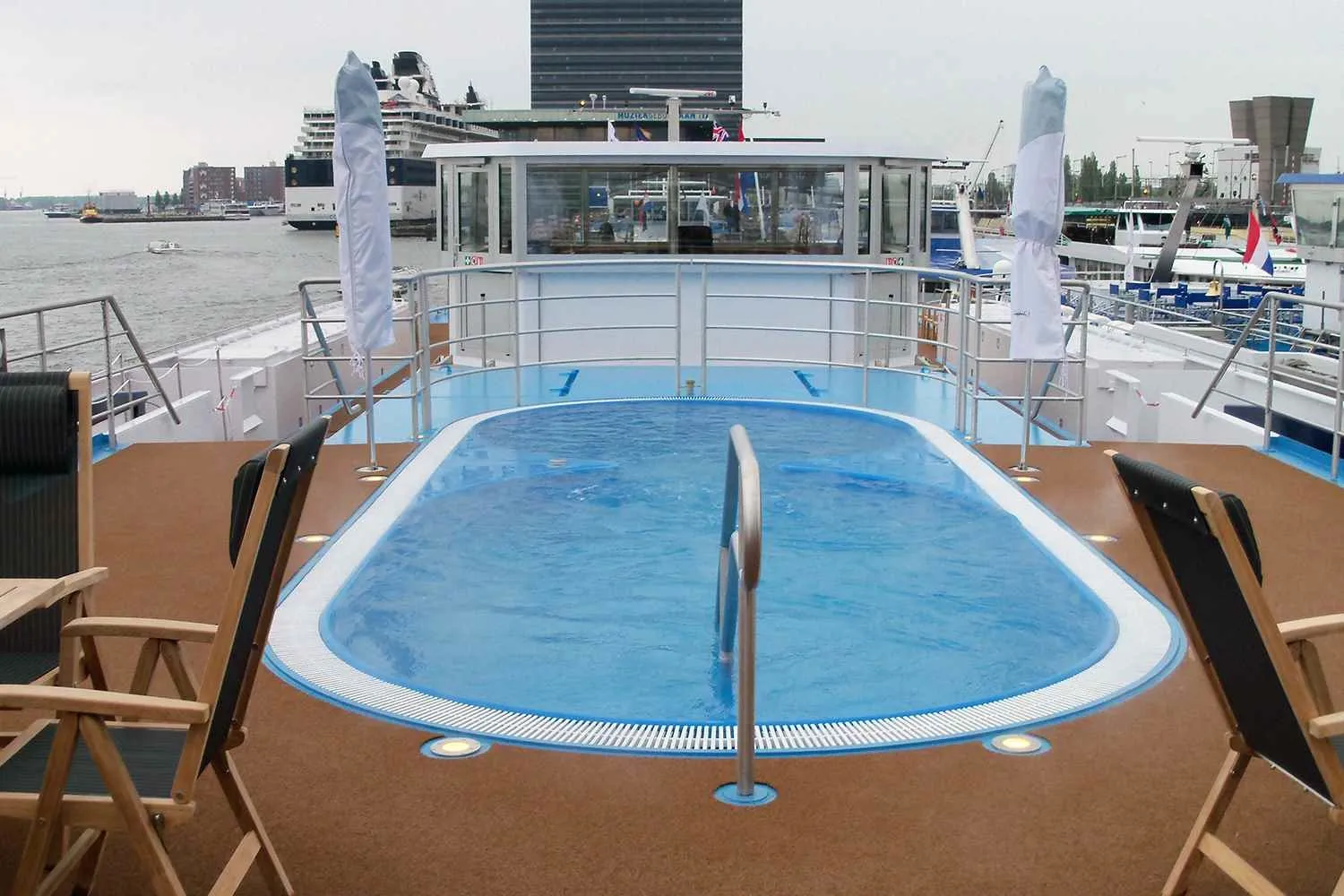
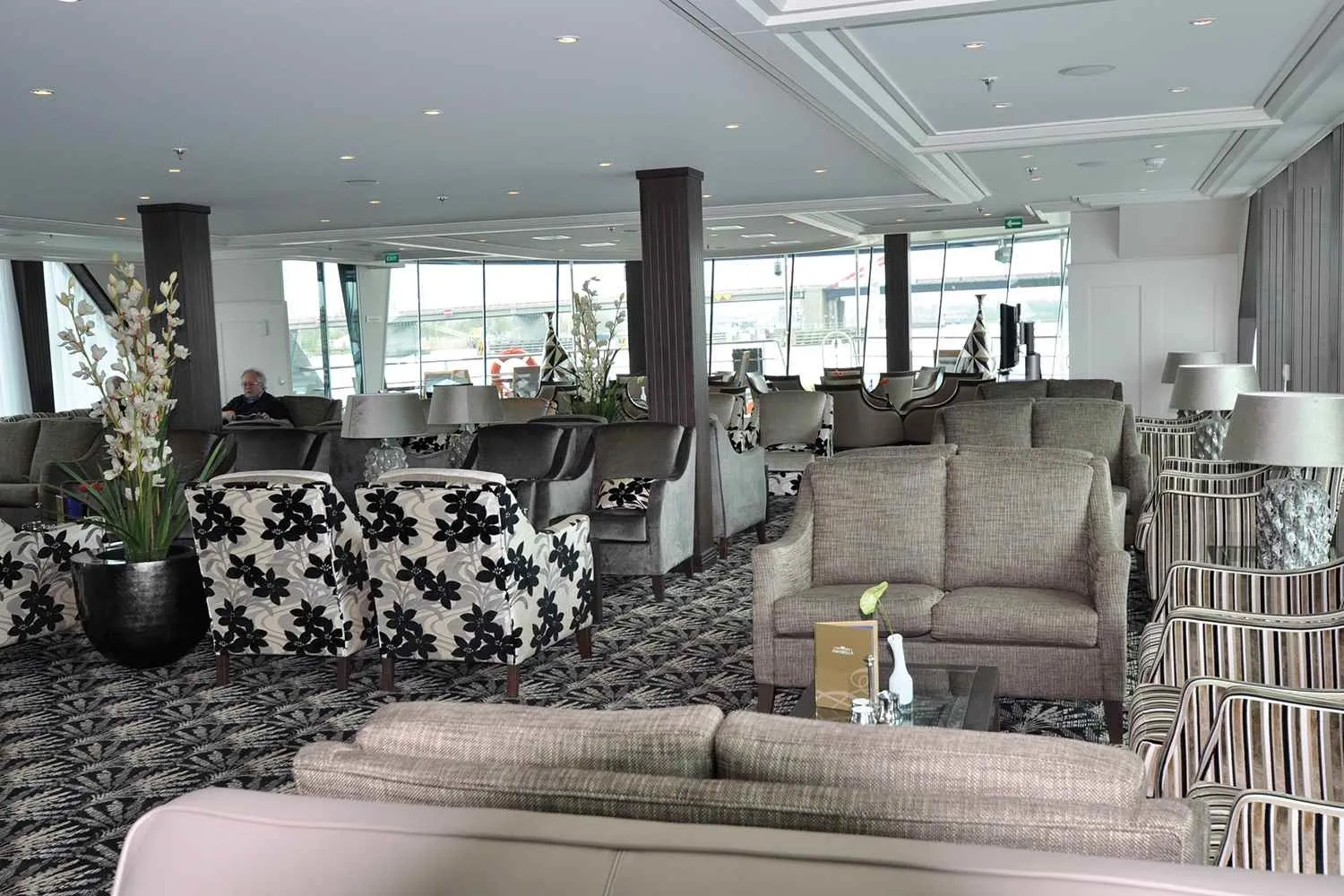
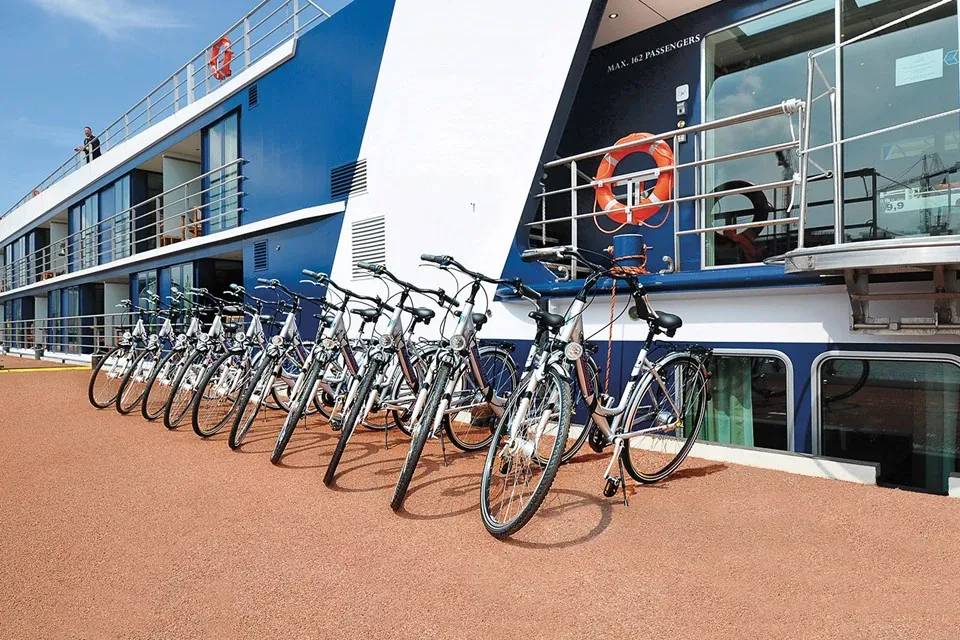
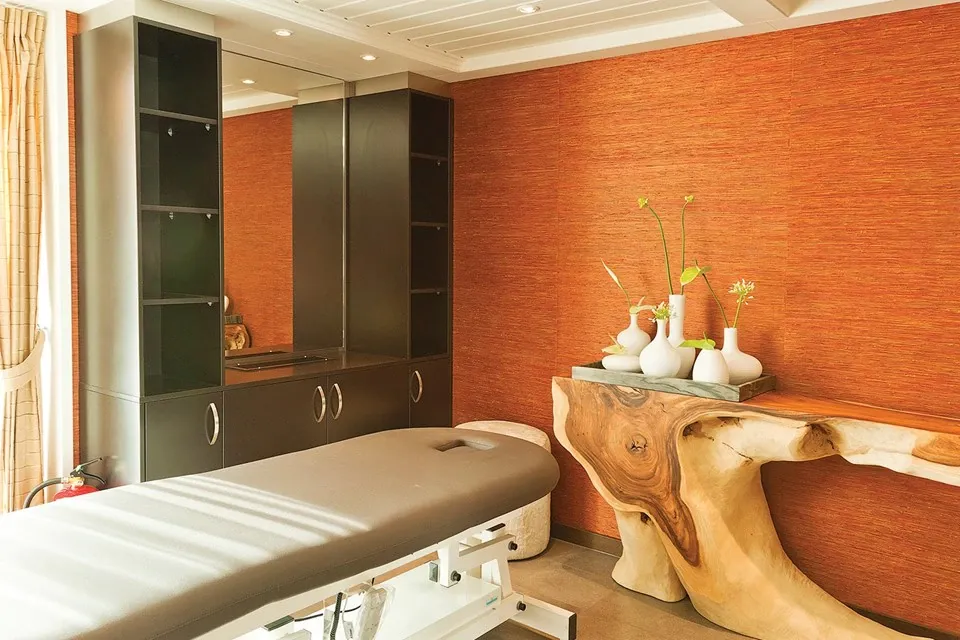
AmaWaterways
AmaBella
Launched
2010
Refitted
—
Tonnage
3,600 GT
Passengers
161
Cabins
81
Crew
51
Length
443 m
Width
12 m
Speed
11 knots
Adults Only
No
Itinerary
Day 1
Day 1
Giurgiu
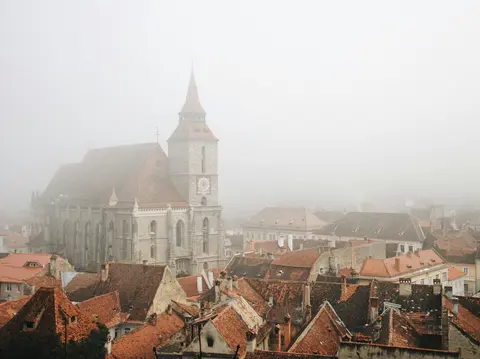
Giurgiu, a historic port city on the Danube River, is a vibrant gateway to Romania's rich culture and medieval towns. Must-do experiences include savoring local delicacies like "mămăligă" and visiting nearby UNESCO World Heritage sites such as Sighișoara. The best season to visit is spring or early autumn, when the weather is mild and the landscapes are at their most picturesque.
Day 2
Day 2
Ruse
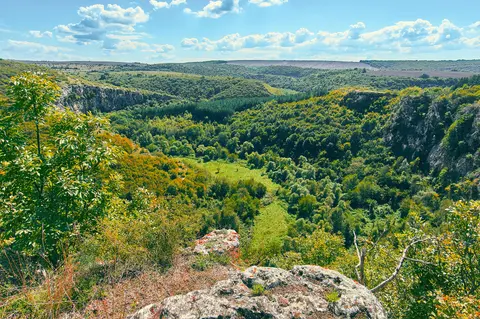
Ruse, Bulgaria's elegant Danube gateway, surprises with a Belle Époque city centre of Austro-Hungarian grandeur — neoclassical facades, ornate fountains, and a Liberty Monument that would not look out of place in Vienna. The city serves as the gateway to the spectacular Rusenski Lom Nature Park, whose limestone canyon shelters medieval rock-carved monasteries of eerie beauty. The remarkable Basarbovo Monastery, still inhabited by monks, clings to cliffs above the turquoise river. Local wineries produce distinguished Mavrud and Cabernet from the nearby Danube plains. May through September offers the most pleasant temperatures for exploration.
Day 3
Day 3
Vidin
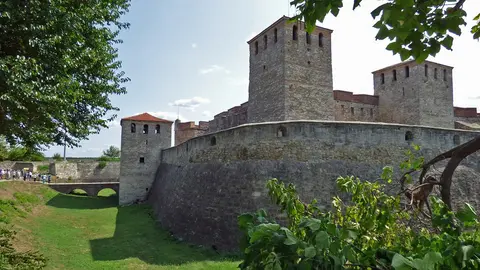
Vidin is a captivating port town on the Danube River known for its rich history, eclectic architecture, and vibrant local culture. Must-do experiences include exploring the Baba Vida Fortress and savoring local dishes like **kavarma** and **lutenitsa**. The best time to visit is during the spring and autumn months when the weather is pleasant and the local markets are bustling with activity.
Day 4
Day 4
Iron Gates
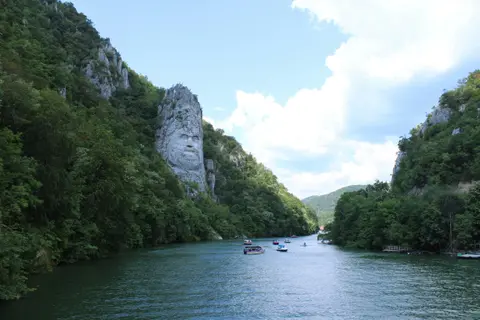
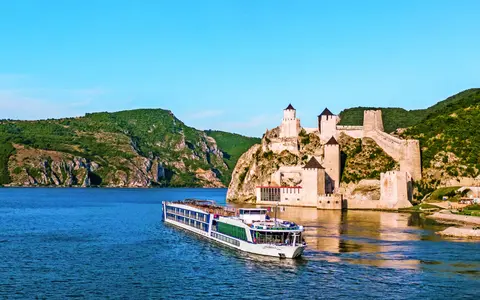
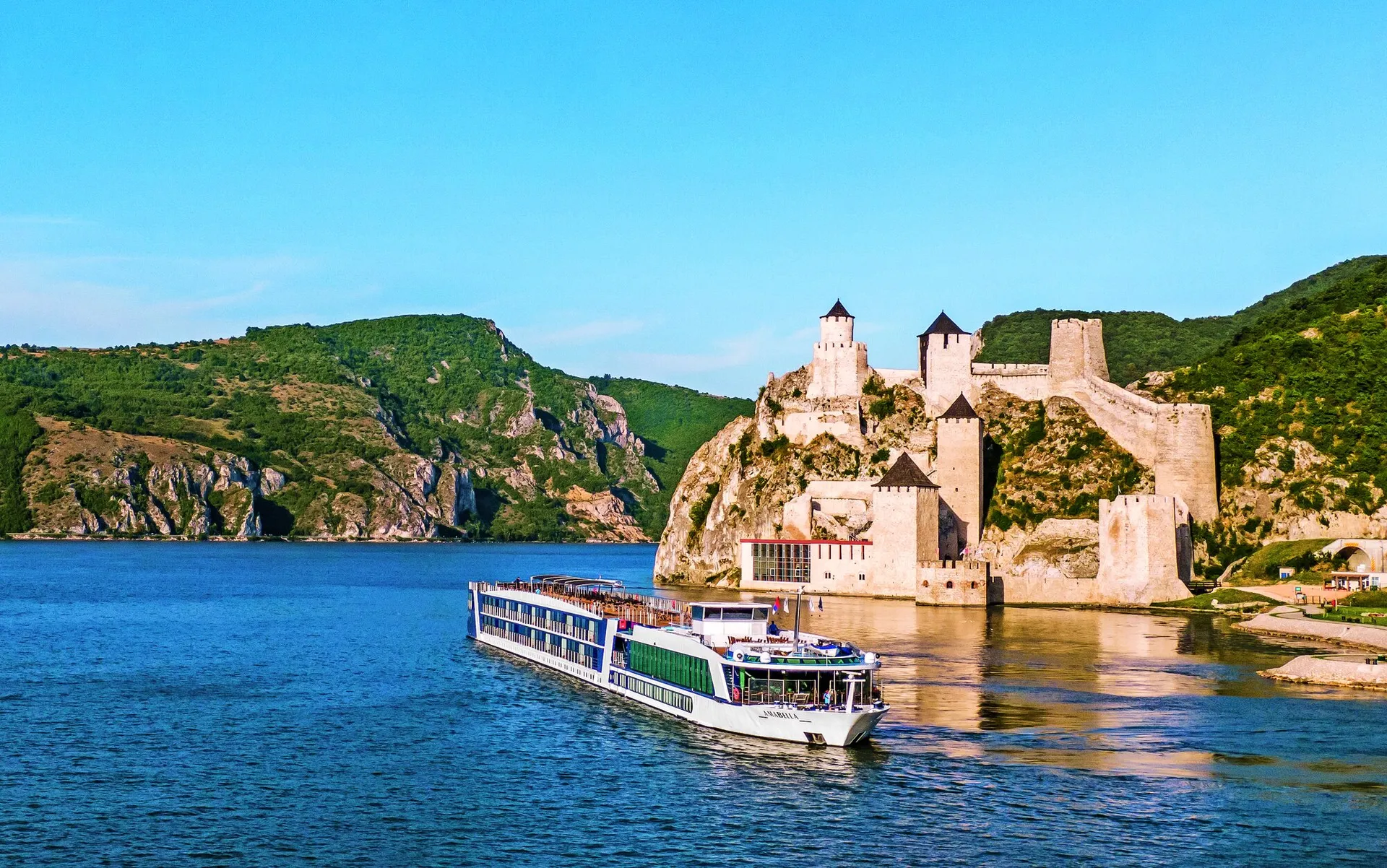
The port of Iron Gates in Romania is a stunning natural gorge along the Danube River, rich in history and breathtaking landscapes. Visitors should not miss the chance to savor local dishes like sarmale and mici, as well as explore nearby Transylvanian gems like Sighișoara and Sibiu. The best time to visit is during the spring and fall when the weather is mild and the scenery is at its most vibrant.
Day 5
Day 5
Belgrade
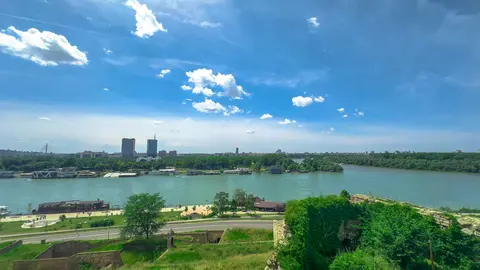
Belgrade, the 'White City' rebuilt at least forty times at the confluence of the Danube and Sava rivers, surprises every visitor with its raw, uncurated vitality — a capital that wears its turbulent history lightly while embracing the present with irresistible energy. The Kalemegdan Fortress, fortified for over two thousand years, offers the most dramatic river panorama on the entire Danube; below it, the Skadarlija cobblestone quarter fills nightly with kafana musicians and the aromas of Serbian rakija and roasted meats. Belgrade's nightlife — centered on the floating river clubs called splavovi — is genuinely legendary in Europe. Spring and early autumn offer the most comfortable conditions; the Iron Gate gorge is two hours downstream by river.
Day 6
Day 6
Novi Sad
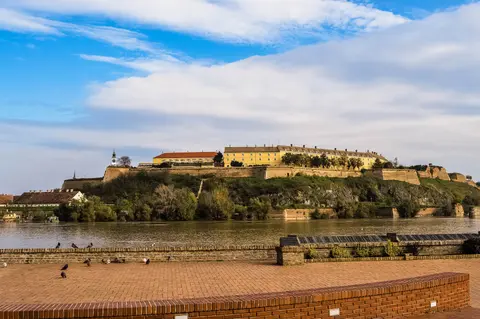
Novi Sad — the "Serbian Athens" — unfolds along the left bank of the Danube beneath the commanding walls of the Petrovaradin Fortress, a Habsburg military masterpiece whose underground tunnel labyrinth and hilltop clock tower (with hands reversed, to confuse enemy gunners) make for one of Europe's most unusual fortress visits. The city's elegant pedestrian street, the Zmaj Jovina, is lined with 19th-century Habsburg architecture that rewards a leisurely afternoon, while the Serbian cultural renaissance of the same era left behind museums, galleries, and coffee house traditions that endure today. In July, the EXIT music festival transforms the fortress into one of Europe's most storied outdoor stages. Visit May through September for the finest weather.
Day 6
Day 6
Ilok
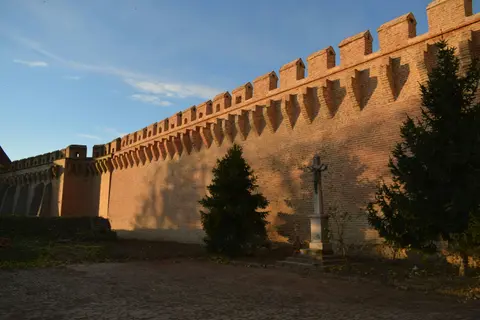
Ilok, a historical port in Croatia, enchants visitors with its medieval architecture, serene riverfront, and vibrant local culture. Must-do experiences include savoring traditional dishes like "čobanac" and sampling the exquisite local wine, "Traminac." The best time to visit is during the late spring or early fall, when the weather is pleasant and the vineyards are lush.
Day 7
Day 7
Pecs
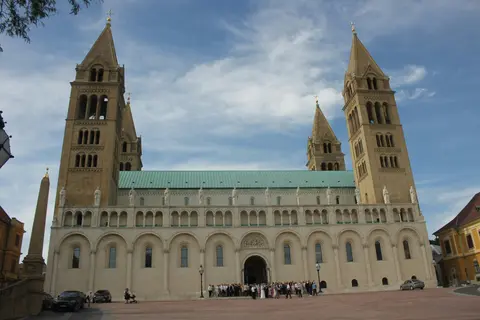
Pécs is a two-thousand-year-old Hungarian city where Roman burial chambers, Ottoman mosques, and Habsburg ceramics coexist beneath the sunny Mecsek Hills. Must-do experiences include the UNESCO Early Christian necropolis, the Zsolnay Cultural Quarter, and wine tasting along the Villány route. May through October is ideal, with September and October bringing the grape harvest and wine festivals.
Day 7
Day 7
Mohacs
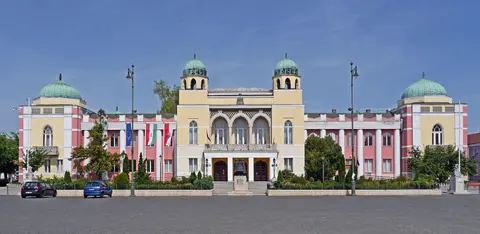
Mohács is a historically significant Hungarian town on the Danube, renowned for the pivotal 1526 battle and the UNESCO-listed Busójárás winter festival featuring dramatic masked processions. Visitors should not miss the fiery halászlé fisherman's soup prepared with fresh Danube catch, and a wine excursion to the nearby Villány appellation for world-class reds. The ideal season to visit is late spring through early autumn for warm riverside days, though February offers the unforgettable spectacle of Busójárás.
Day 8
Day 8
Budapest
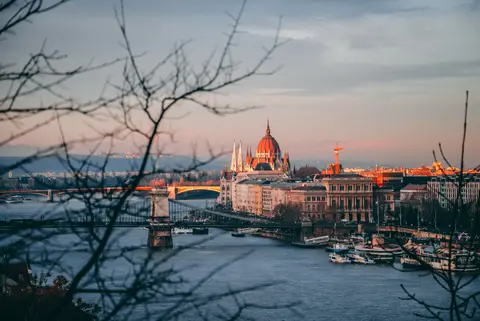
Budapest, divided by the Danube into the hilly Buda of thermal baths and medieval castle lanes on one bank and the grand Pest of coffee-house culture and Art Nouveau splendor on the other, delivers the most theatrical first impression of any European capital — whether approached by river as the neo-Gothic Parliament materializes from the water or by night from the Citadella's sweep of illuminated panorama below. The city's celebrated thermal bath culture, rooted in Ottoman-era hammams and perfected in palatial Secession-era pools like the Széchenyi, is an experience entirely unlike anything else in Europe. Visit spring and autumn for comfortable temperatures; Vienna is two and a half hours west by train.
Day 10
Day 10
Bratislava
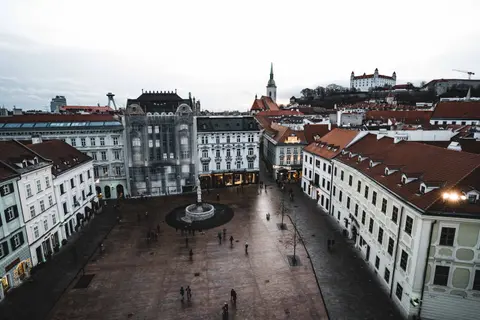
Bratislava, the only national capital bordering two sovereign states, sits sixty kilometres downstream from Vienna on the Danube — close enough for a day trip to the Austrian capital, yet possessed of its own entirely distinct character: a pastel-hued medieval old town of hidden courtyards, playful bronze statues, and hilltop castle views, where wine bars pour outstanding Slovak Riesling at prices that make the Viennese feel extravagant. The city's dramatic reinvention since 1989 has produced a dynamic, youthful culture that fills the old quarter's restaurants and concert halls with genuine warmth. Pair with Vienna or Budapest for the classic Danube river trilogy; all three cities are within two hours of each other.
Day 11
Day 11
Vienna
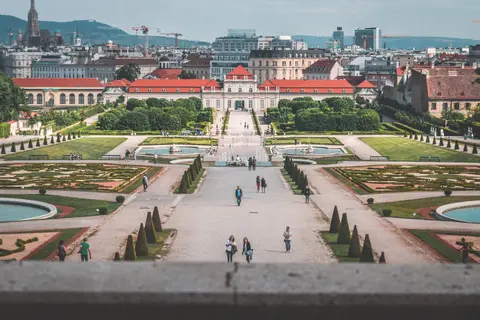
The port of Vienna is a cultural gem along the Danube River, famous for its stunning architecture, rich history, and vibrant culinary scene. Must-do experiences include sampling authentic Wiener Schnitzel and visiting the picturesque village of Dürnstein. The best season to visit is spring or early fall, when the city's gardens bloom and outdoor activities abound.
Day 12
Day 12
Weissenkirchen
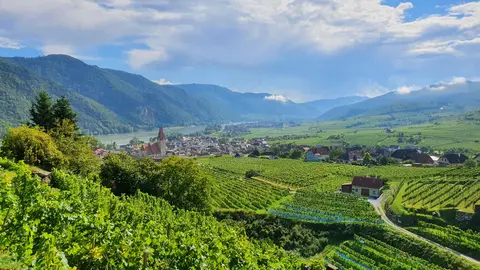
Weißenkirchen in Austria is a picturesque port town in the Wachau Valley, known for its rich history, stunning architecture, and delectable local cuisine. Must-do experiences include savoring the regional specialty, Wachauer Marillenknödel, and exploring the nearby historic towns of Dürnstein and Melk. The best time to visit is during the summer when the apricot harvest is in full swing, offering a vibrant culinary experience.
Day 12
Day 12
Grein
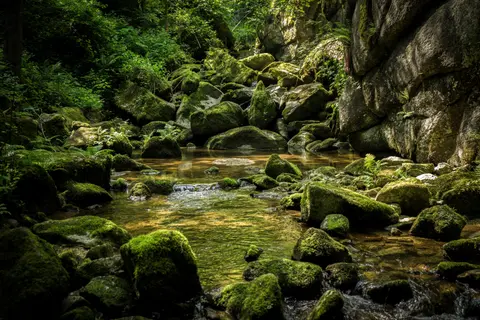
Grein, a picturesque port on the Danube River in Upper Austria, is known for its stunning architecture and rich history dating back to the 13th century. Must-do experiences include savoring local dishes like Greiner Knödel and visiting nearby attractions such as Dürnstein and Linz. The best season to visit is spring, when the landscape bursts into bloom and local festivities abound.
Day 13
Day 13
Linz
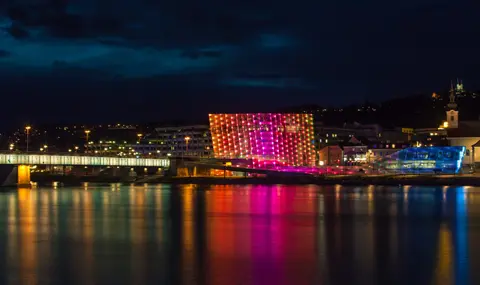
Austria's third city has accomplished one of Europe's most convincing urban transformations — reinventing itself from industrial centre to cultural powerhouse, a journey recognised in 2009 when it was named European Capital of Culture. The Ars Electronica Center, a museum of digital art and technology that glows with LED light across the Danube each evening, epitomises Linz's forward-looking identity. Yet the city's Roman roots, its baroque Hauptplatz (one of Austria's finest main squares), and its proximity to the Wachau Valley anchor it firmly in history. The Upper Austrian cuisine — particularly Linzer Torte, the world's oldest-documented cake recipe — is exceptional. Linz is most agreeable May through September.
Day 14
Day 14
Passau
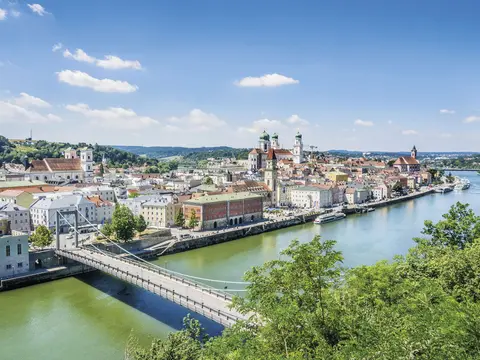
Passau occupies one of Central Europe's most dramatic natural stages — a narrow peninsula at the confluence of three rivers, the Danube, Inn, and Ilz, where the old town's baroque spires and shuttered merchants' houses crowd the very tip of the land between the waters. St. Stephen's Cathedral houses the world's largest church organ, a 17,974-pipe instrument whose daily concerts fill the nave with a sound that seems architectural in its density. The Veste Oberhaus fortress above the city commands panoramic views across three countries on clear days. Passau is a classic Danube river cruise departure point; spring and early autumn, when the river runs high and the light turns golden, are the finest seasons.
Day 15
Day 15
Vilshofen
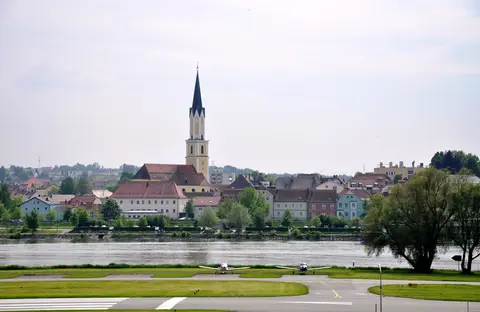
Vilshofen an der Donau is a handsome Bavarian river town where three streams converge with the Danube, its medieval market charter and Gothic Stadtturm bearing witness to eight centuries of river trade prosperity — though its most joyful claim to fame is the boisterous Vilshofen Volksfest, Bavaria's second-largest folk festival after Oktoberfest, held each June. The pastel-painted baroque townhouses and arcaded courtyards of the compact old town make for an idyllic Danube-side stroll, while the surrounding farmland and rolling hills of Lower Bavaria offer cycling routes of pastoral serenity. Summer brings the festival season; spring and autumn lend the Danube Valley its most golden and peaceful character.
Day 1
Giurgiu
Giurgiu, a historic port city on the Danube River, is a vibrant gateway to Romania's rich culture and medieval towns. Must-do experiences include savoring local delicacies like "mămăligă" and visiting nearby UNESCO World Heritage sites such as Sighișoara. The best season to visit is spring or early autumn, when the weather is mild and the landscapes are at their most picturesque.
Day 2
Ruse
Ruse, Bulgaria's elegant Danube gateway, surprises with a Belle Époque city centre of Austro-Hungarian grandeur — neoclassical facades, ornate fountains, and a Liberty Monument that would not look out of place in Vienna. The city serves as the gateway to the spectacular Rusenski Lom Nature Park, whose limestone canyon shelters medieval rock-carved monasteries of eerie beauty. The remarkable Basarbovo Monastery, still inhabited by monks, clings to cliffs above the turquoise river. Local wineries produce distinguished Mavrud and Cabernet from the nearby Danube plains. May through September offers the most pleasant temperatures for exploration.
Day 3
Vidin
Vidin is a captivating port town on the Danube River known for its rich history, eclectic architecture, and vibrant local culture. Must-do experiences include exploring the Baba Vida Fortress and savoring local dishes like **kavarma** and **lutenitsa**. The best time to visit is during the spring and autumn months when the weather is pleasant and the local markets are bustling with activity.
Day 4
Iron Gates
The port of Iron Gates in Romania is a stunning natural gorge along the Danube River, rich in history and breathtaking landscapes. Visitors should not miss the chance to savor local dishes like sarmale and mici, as well as explore nearby Transylvanian gems like Sighișoara and Sibiu. The best time to visit is during the spring and fall when the weather is mild and the scenery is at its most vibrant.
Day 5
Belgrade
Belgrade, the 'White City' rebuilt at least forty times at the confluence of the Danube and Sava rivers, surprises every visitor with its raw, uncurated vitality — a capital that wears its turbulent history lightly while embracing the present with irresistible energy. The Kalemegdan Fortress, fortified for over two thousand years, offers the most dramatic river panorama on the entire Danube; below it, the Skadarlija cobblestone quarter fills nightly with kafana musicians and the aromas of Serbian rakija and roasted meats. Belgrade's nightlife — centered on the floating river clubs called splavovi — is genuinely legendary in Europe. Spring and early autumn offer the most comfortable conditions; the Iron Gate gorge is two hours downstream by river.
Day 6
Novi Sad
Novi Sad — the "Serbian Athens" — unfolds along the left bank of the Danube beneath the commanding walls of the Petrovaradin Fortress, a Habsburg military masterpiece whose underground tunnel labyrinth and hilltop clock tower (with hands reversed, to confuse enemy gunners) make for one of Europe's most unusual fortress visits. The city's elegant pedestrian street, the Zmaj Jovina, is lined with 19th-century Habsburg architecture that rewards a leisurely afternoon, while the Serbian cultural renaissance of the same era left behind museums, galleries, and coffee house traditions that endure today. In July, the EXIT music festival transforms the fortress into one of Europe's most storied outdoor stages. Visit May through September for the finest weather.
Ilok
Ilok, a historical port in Croatia, enchants visitors with its medieval architecture, serene riverfront, and vibrant local culture. Must-do experiences include savoring traditional dishes like "čobanac" and sampling the exquisite local wine, "Traminac." The best time to visit is during the late spring or early fall, when the weather is pleasant and the vineyards are lush.
Day 7
Pecs
Pécs is a two-thousand-year-old Hungarian city where Roman burial chambers, Ottoman mosques, and Habsburg ceramics coexist beneath the sunny Mecsek Hills. Must-do experiences include the UNESCO Early Christian necropolis, the Zsolnay Cultural Quarter, and wine tasting along the Villány route. May through October is ideal, with September and October bringing the grape harvest and wine festivals.
Mohacs
Mohács is a historically significant Hungarian town on the Danube, renowned for the pivotal 1526 battle and the UNESCO-listed Busójárás winter festival featuring dramatic masked processions. Visitors should not miss the fiery halászlé fisherman's soup prepared with fresh Danube catch, and a wine excursion to the nearby Villány appellation for world-class reds. The ideal season to visit is late spring through early autumn for warm riverside days, though February offers the unforgettable spectacle of Busójárás.
Day 8
Budapest
Budapest, divided by the Danube into the hilly Buda of thermal baths and medieval castle lanes on one bank and the grand Pest of coffee-house culture and Art Nouveau splendor on the other, delivers the most theatrical first impression of any European capital — whether approached by river as the neo-Gothic Parliament materializes from the water or by night from the Citadella's sweep of illuminated panorama below. The city's celebrated thermal bath culture, rooted in Ottoman-era hammams and perfected in palatial Secession-era pools like the Széchenyi, is an experience entirely unlike anything else in Europe. Visit spring and autumn for comfortable temperatures; Vienna is two and a half hours west by train.
Day 10
Bratislava
Bratislava, the only national capital bordering two sovereign states, sits sixty kilometres downstream from Vienna on the Danube — close enough for a day trip to the Austrian capital, yet possessed of its own entirely distinct character: a pastel-hued medieval old town of hidden courtyards, playful bronze statues, and hilltop castle views, where wine bars pour outstanding Slovak Riesling at prices that make the Viennese feel extravagant. The city's dramatic reinvention since 1989 has produced a dynamic, youthful culture that fills the old quarter's restaurants and concert halls with genuine warmth. Pair with Vienna or Budapest for the classic Danube river trilogy; all three cities are within two hours of each other.
Day 11
Vienna
The port of Vienna is a cultural gem along the Danube River, famous for its stunning architecture, rich history, and vibrant culinary scene. Must-do experiences include sampling authentic Wiener Schnitzel and visiting the picturesque village of Dürnstein. The best season to visit is spring or early fall, when the city's gardens bloom and outdoor activities abound.
Day 12
Weissenkirchen
Weißenkirchen in Austria is a picturesque port town in the Wachau Valley, known for its rich history, stunning architecture, and delectable local cuisine. Must-do experiences include savoring the regional specialty, Wachauer Marillenknödel, and exploring the nearby historic towns of Dürnstein and Melk. The best time to visit is during the summer when the apricot harvest is in full swing, offering a vibrant culinary experience.
Grein
Grein, a picturesque port on the Danube River in Upper Austria, is known for its stunning architecture and rich history dating back to the 13th century. Must-do experiences include savoring local dishes like Greiner Knödel and visiting nearby attractions such as Dürnstein and Linz. The best season to visit is spring, when the landscape bursts into bloom and local festivities abound.
Day 13
Linz
Austria's third city has accomplished one of Europe's most convincing urban transformations — reinventing itself from industrial centre to cultural powerhouse, a journey recognised in 2009 when it was named European Capital of Culture. The Ars Electronica Center, a museum of digital art and technology that glows with LED light across the Danube each evening, epitomises Linz's forward-looking identity. Yet the city's Roman roots, its baroque Hauptplatz (one of Austria's finest main squares), and its proximity to the Wachau Valley anchor it firmly in history. The Upper Austrian cuisine — particularly Linzer Torte, the world's oldest-documented cake recipe — is exceptional. Linz is most agreeable May through September.
Day 14
Passau
Passau occupies one of Central Europe's most dramatic natural stages — a narrow peninsula at the confluence of three rivers, the Danube, Inn, and Ilz, where the old town's baroque spires and shuttered merchants' houses crowd the very tip of the land between the waters. St. Stephen's Cathedral houses the world's largest church organ, a 17,974-pipe instrument whose daily concerts fill the nave with a sound that seems architectural in its density. The Veste Oberhaus fortress above the city commands panoramic views across three countries on clear days. Passau is a classic Danube river cruise departure point; spring and early autumn, when the river runs high and the light turns golden, are the finest seasons.
Day 15
Vilshofen
Vilshofen an der Donau is a handsome Bavarian river town where three streams converge with the Danube, its medieval market charter and Gothic Stadtturm bearing witness to eight centuries of river trade prosperity — though its most joyful claim to fame is the boisterous Vilshofen Volksfest, Bavaria's second-largest folk festival after Oktoberfest, held each June. The pastel-painted baroque townhouses and arcaded courtyards of the compact old town make for an idyllic Danube-side stroll, while the surrounding farmland and rolling hills of Lower Bavaria offer cycling routes of pastoral serenity. Summer brings the festival season; spring and autumn lend the Danube Valley its most golden and peaceful character.
Cabin Categories
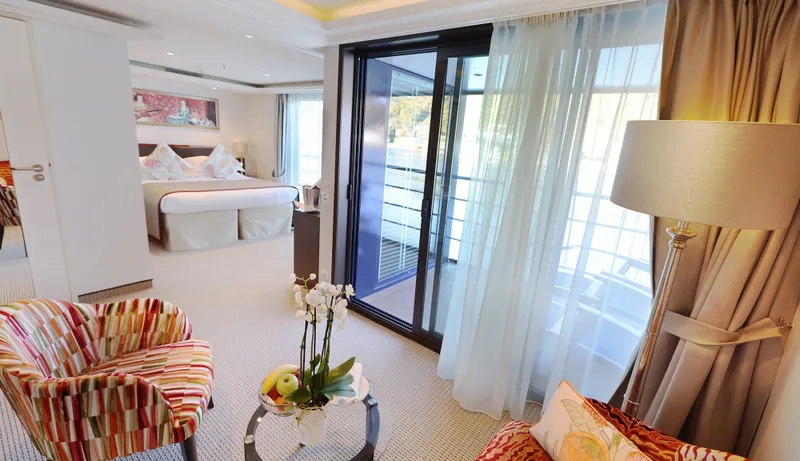
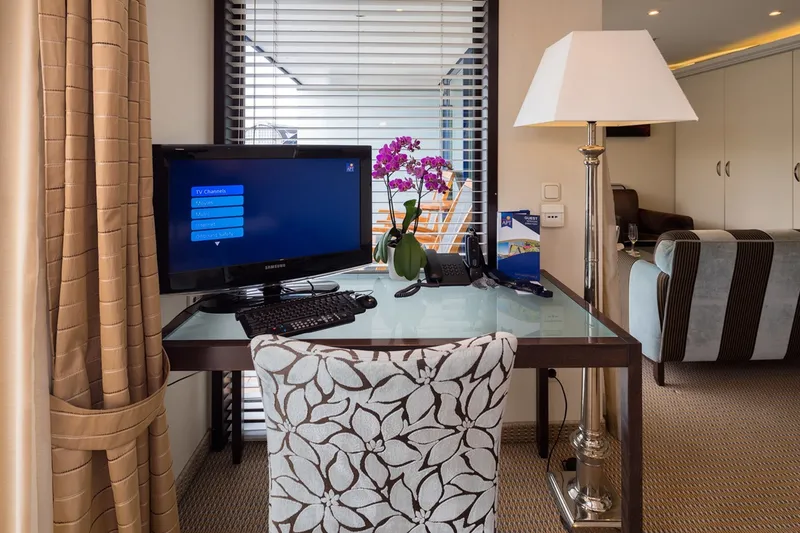
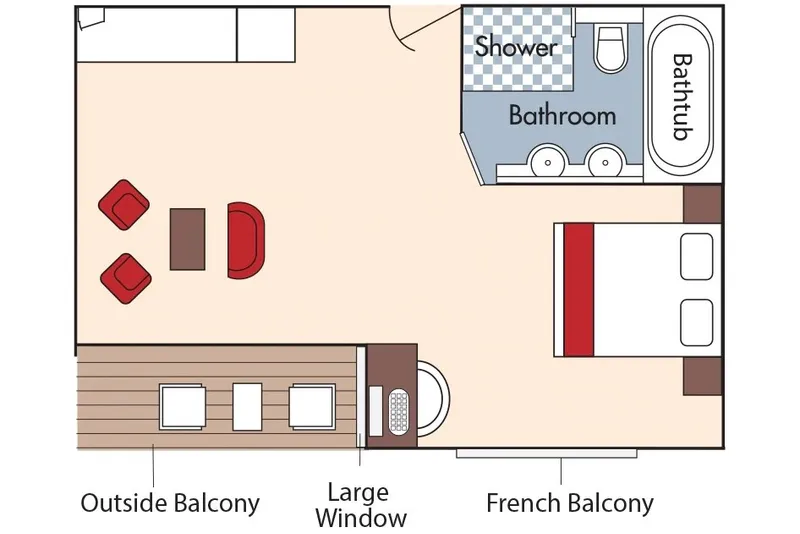
Suite
Suite
350 m²Max 2
SS
In-room temperature control
Deluxe hotel-style bedding with Egyptian linen, down pillows and duvet
Spacious bathrooms with multi-jet showerheads
Large wardrobe, full-length mirror, hair dryer, safe and direct-dial telephone
Flat-screen TV that also works as a computer
Entertainment on Demand system providing complimentary TV, movies and music library
Complimentary internet and Wi-Fi
Complimentary bottled water replenished daily
Desk and chair
Double or Twin ConfigurationLounge AreaVanity AreaShowerBathToiletries Provided+9
US$15,798 /person+ US$500 taxes & fees
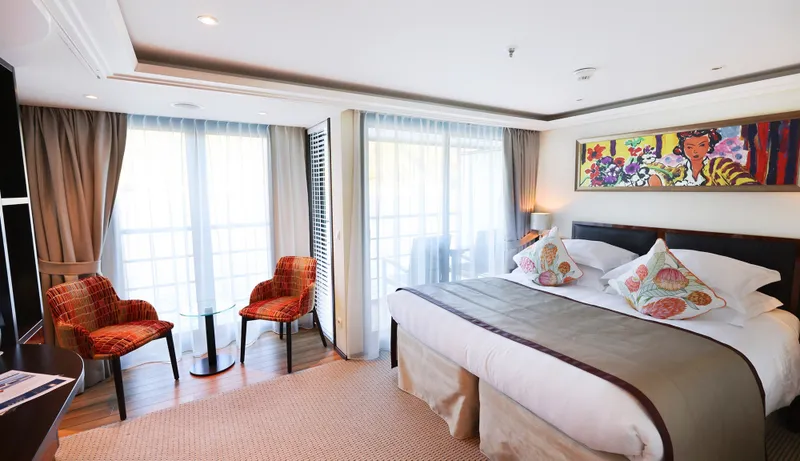
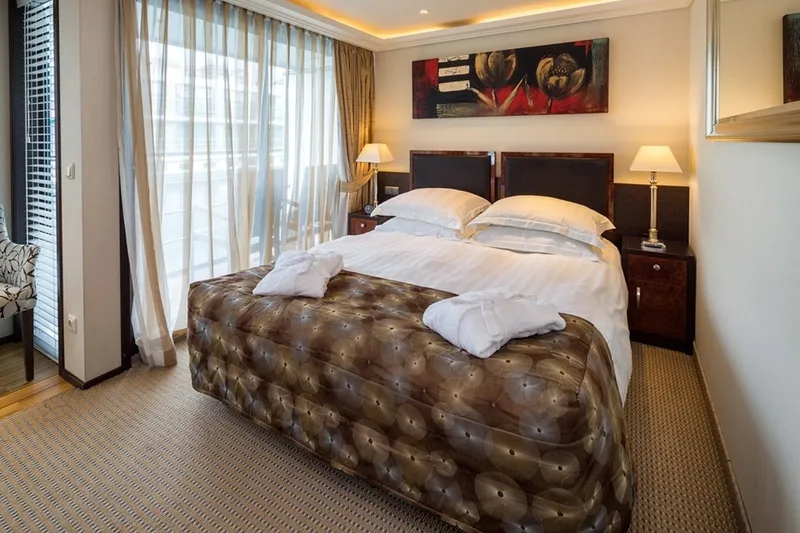
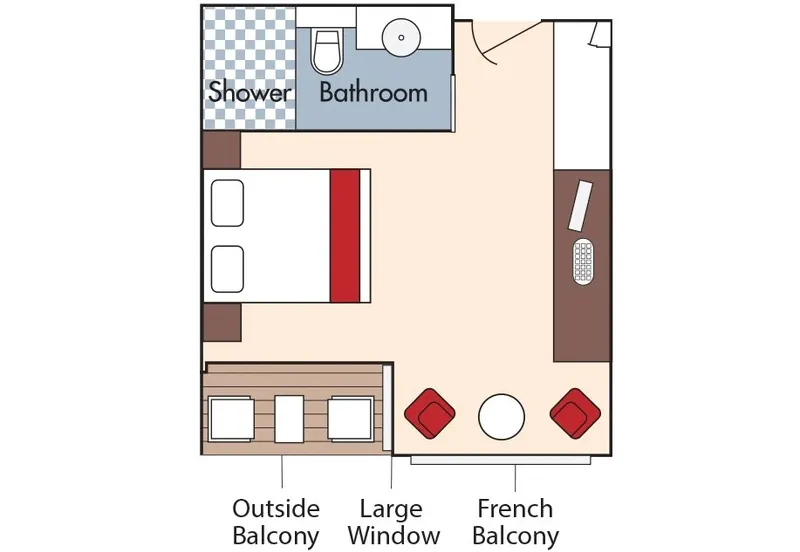
French Balcony
Balcony
170–235 m²Max 2
AAABBABBC
In-room temperature control
Deluxe hotel-style bedding with Egyptian linen, down pillows and duvet
Spacious bathrooms with multi-jet showerheads
Large wardrobe, full-length mirror, hair dryer, safe and direct-dial telephone
Flat-screen TV that also works as a computer
Entertainment on Demand system providing complimentary TV, movies and music library
Complimentary internet and Wi-Fi
Complimentary bottled water replenished daily
Desk and chair
Double or Twin ConfigurationLounge AreaShowerToiletries ProvidedButler ServiceTV+9
US$11,298 /person+ US$500 taxes & fees
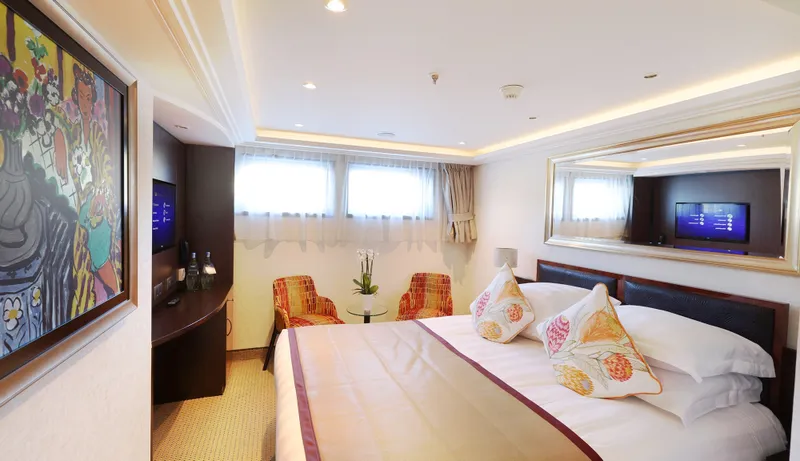
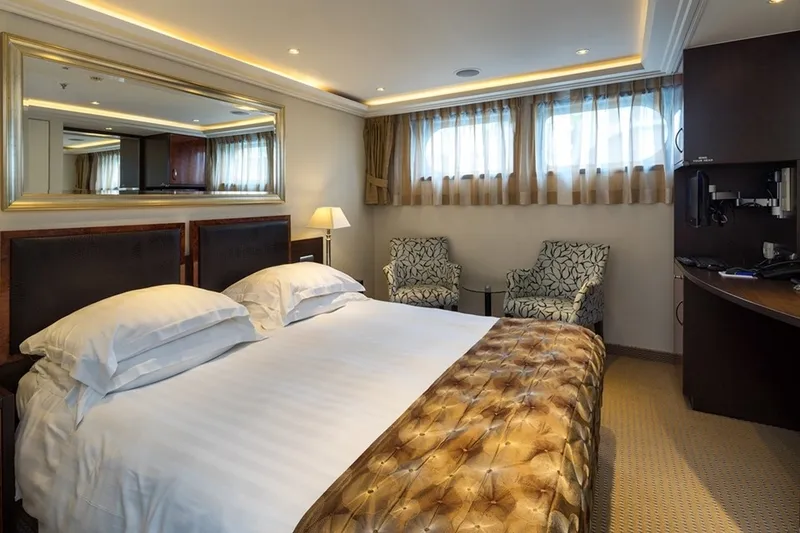
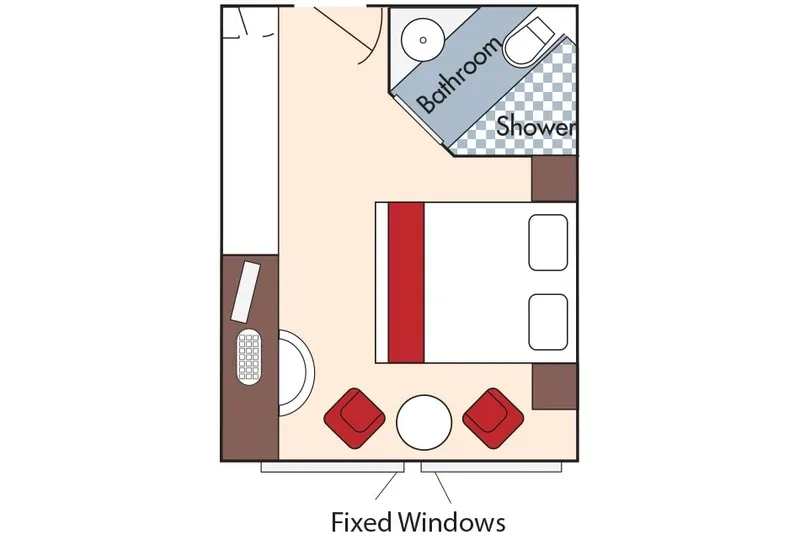
Fixed Window
Inside
170 m²Max 2
DE
In-room temperature control
Deluxe hotel-style bedding with Egyptian linen, down pillows and duvet
Spacious bathrooms with multi-jet showerheads
Large wardrobe, full-length mirror, hair dryer, safe and direct-dial telephone
Flat-screen TV that also works as a computer
Entertainment on Demand system providing complimentary TV, movies and music library
Complimentary internet and Wi-Fi
Complimentary bottled water replenished daily
Desk and chair
Double or Twin ConfigurationShowerToiletries ProvidedTVFree Wi-FiSafe+5
US$8,599 /person+ US$500 taxes & fees
Interested in This Voyage?
Our cruise specialists can help you find the perfect cabin and the best available pricing.
(+886) 02-2721-7300Contact Advisor