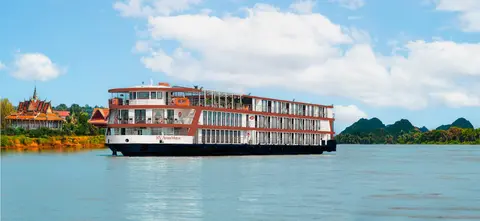
AmaWaterwaysKC271213D
Riches Of The Mekong
Date
2027-12-13
Duration
7 nights
Departure Port
Kampong Cham
Cambodia
Arrival Port
Ho Chi Minh City
Vietnam
Rating
Luxury
Theme
—
AmaWaterways
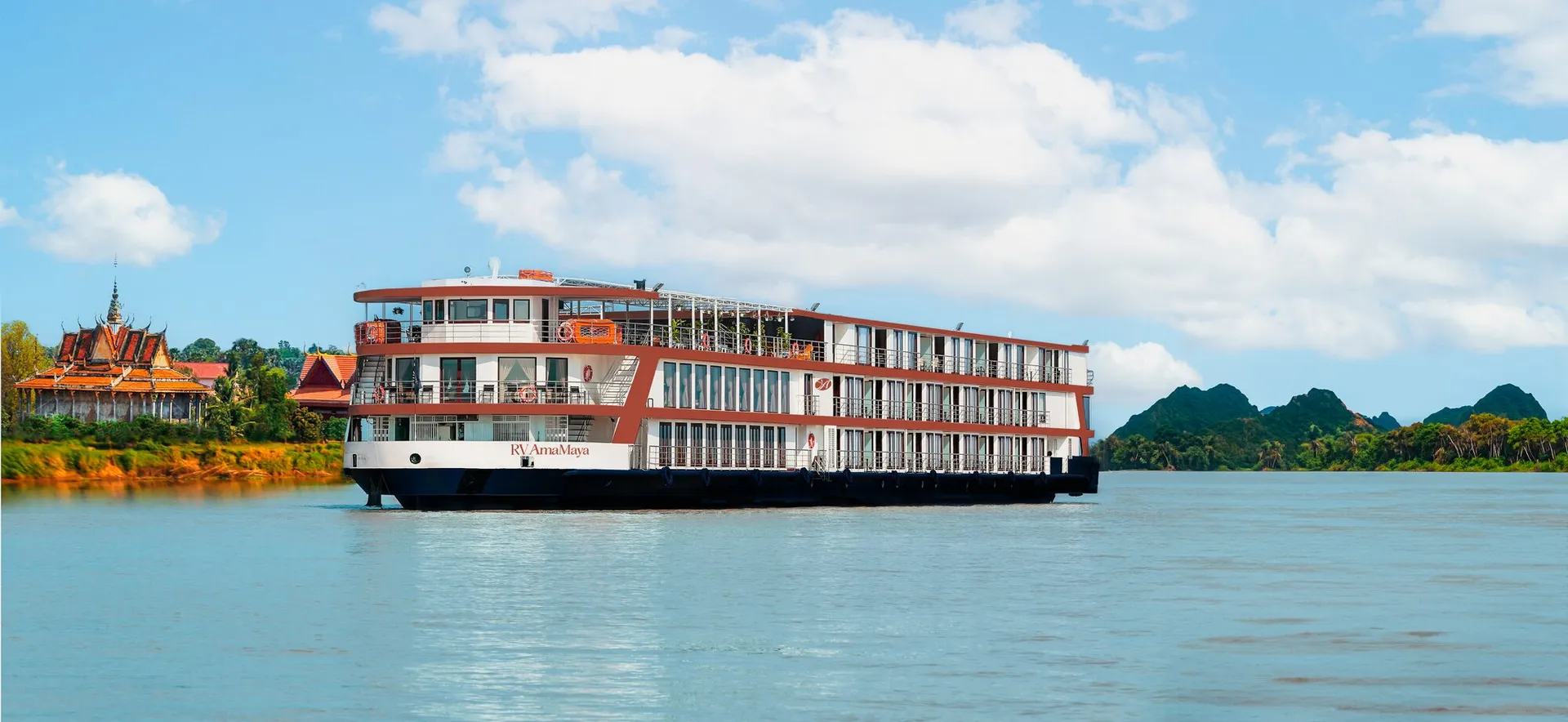
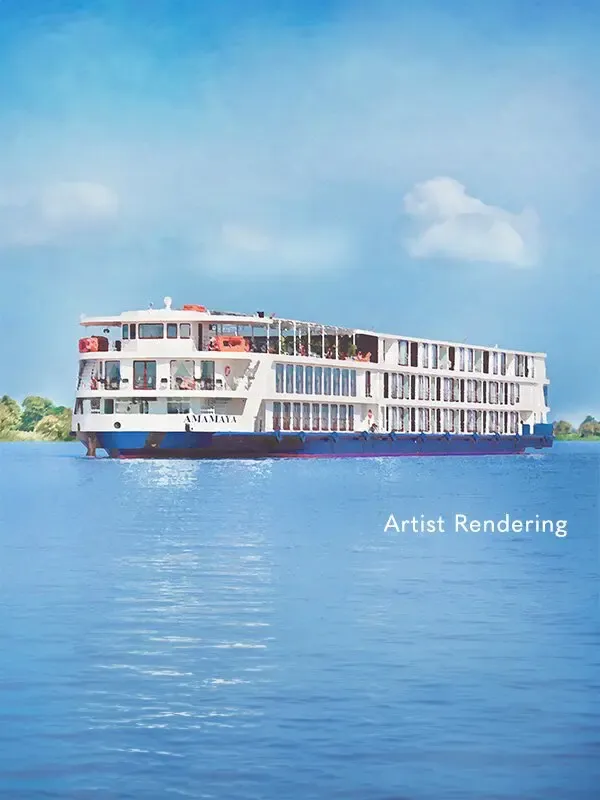
AmaMaya
Launched
2015
Refitted
—
Tonnage
—
Passengers
120
Cabins
60
Crew
70
Length
443 m
Width
14 m
Speed
—
Adults Only
No
Itinerary
Day 1
Day 1
Kampong Cham
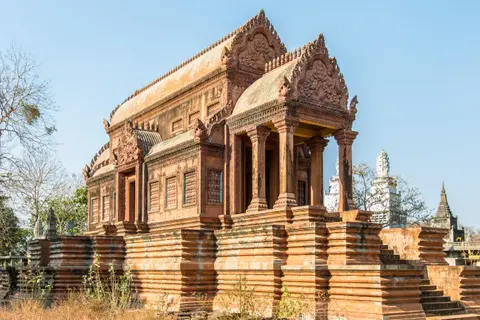
Kampong Cham unfolds along the Mekong's western bank in a languid rhythm far removed from Cambodia's tourist circuit — a provincial capital where saffron-robed monks cross bamboo bridges at dawn and French colonial villas drowse behind frangipani trees. The highlight is Wat Nokor, a twelfth-century Angkorian temple whose moss-covered sandstone galleries envelop a functioning Buddhist sanctuary in a haunting conversation between centuries. The nearby rubber plantations, a legacy of French Indochina, offer a window into the region's complex history. Kampong Cham is best visited November through February, when the dry season transforms the Mekong into a serene silver expanse.
Day 2
Day 2
Angkor Ban
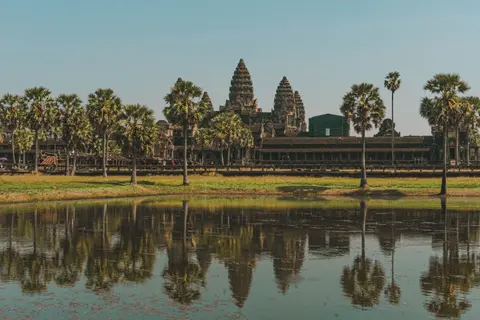
Angkor Ban is a riverside Mekong village in Cambodia's Kampong Cham Province where unvarnished authenticity awaits the discerning river cruise traveler — a world away from tourist infrastructure, offering a rare glimpse into rural Khmer life unchanged by modernity. Ancient laterite temple ruins hide among the trees, while local craftspeople practice traditional silk weaving and pottery in family compounds that welcome visitors with quiet warmth. The dry season from November through April offers the most comfortable conditions for exploring the village lanes and surrounding countryside on foot or by bicycle. Phnom Penh is a half-day's river journey downstream.
Day 2
Day 2
Oknhatey Village
Day 3
Day 3
Oudong
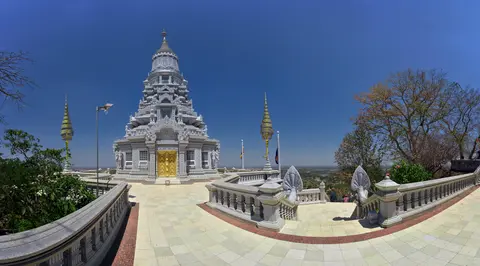
Oudong, a historical town in Cambodia, was the royal capital from the 17th to the 19th centuries and is celebrated for its stunning stupas and vibrant local culture. Must-do experiences include savoring traditional dishes like amok and lok lak at local markets. The best season to visit is during the cooler months from November to February, when the weather is most pleasant for exploration.
Day 3
Day 3
Kampong Tralach
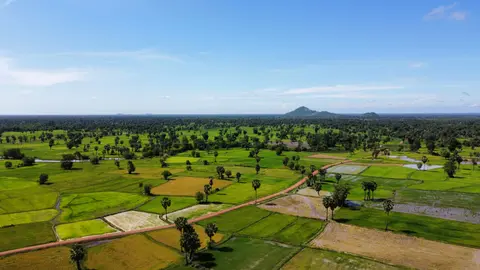
Kampong Tralach, Cambodia is a distinctive port city where deep cultural heritage meets authentic local atmosphere, featured on itineraries by AmaWaterways. Must-do experiences include exploring the vibrant local markets for regional specialties and fresh seafood, and discovering the waterfront quarter where maritime heritage meets contemporary energy. The optimal time to visit is November through April, when dry season brings clear skies and calm seas.
Day 3
Day 3
Phnom Penh
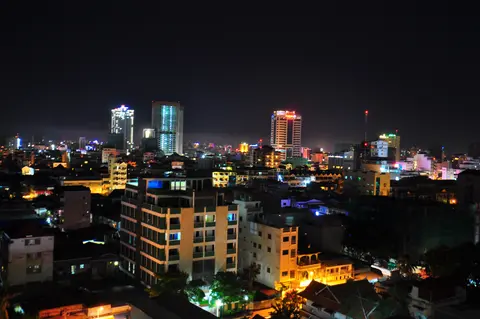
Phnom Penh rises from the confluence of the Mekong, Tonlé Sap, and Bassac rivers with a resilience that makes it one of Southeast Asia's most affecting capitals — a city that endured the Khmer Rouge's "Year Zero" and has re-emerged as a place of broad riverfront boulevards, excellent Khmer cuisine, and a cultural energy that feels earned rather than manufactured. The Royal Palace and its Silver Pagoda, housing a life-size gold Buddha studded with 9,584 diamonds, is the city's architectural centrepiece; the Tuol Sleng Genocide Museum, a former high school converted to a prison by the Khmer Rouge, is sobering but essential history. November through February offers the most comfortable climate for extended exploration.
Day 5
Day 5
Phnom Penh
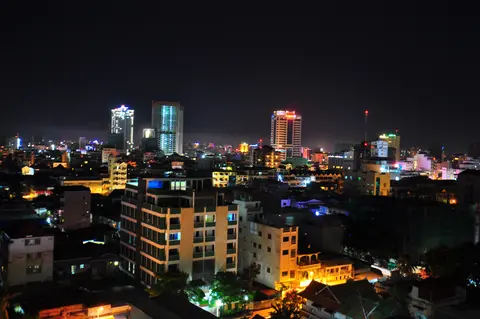
Phnom Penh rises from the confluence of the Mekong, Tonlé Sap, and Bassac rivers with a resilience that makes it one of Southeast Asia's most affecting capitals — a city that endured the Khmer Rouge's "Year Zero" and has re-emerged as a place of broad riverfront boulevards, excellent Khmer cuisine, and a cultural energy that feels earned rather than manufactured. The Royal Palace and its Silver Pagoda, housing a life-size gold Buddha studded with 9,584 diamonds, is the city's architectural centrepiece; the Tuol Sleng Genocide Museum, a former high school converted to a prison by the Khmer Rouge, is sobering but essential history. November through February offers the most comfortable climate for extended exploration.
Day 5
Day 5
Border Crossing
Day 5
Day 5
Tan Chau
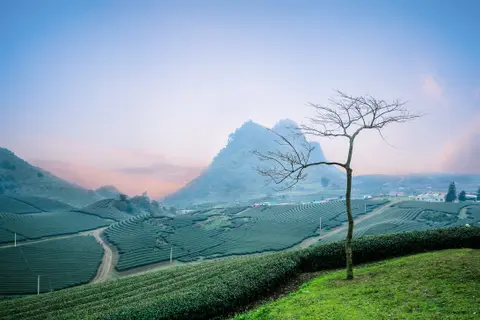
Tan Chau is a quietly enchanting border town on the upper Mekong Delta, where Vietnamese, Khmer, Cham, and Chinese cultural threads weave together in floating markets, silk-weaving workshops, and ornate riverside temples. River cruise guests typically arrive by sampan at dawn, when the town's covered market erupts with color and the legendary Tan Chau silk — hand-woven on traditional wooden looms — is spread out for trade. The cool dry season from November to February offers the most pleasant conditions for exploring this living crossroads of Southeast Asian civilization.
Day 6
Day 6
Sa Dec
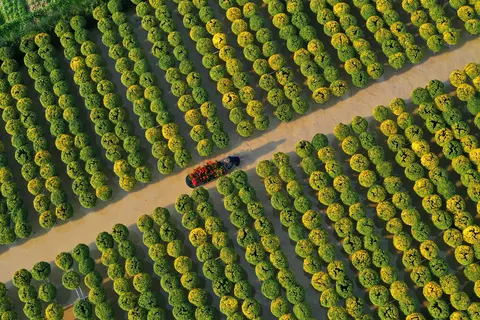
Sa Đéc, a sleepy town of French colonial villas and temple-filled alleyways on a branch of the Mekong Delta, is renowned as the birthplace of Marguerite Duras and the flowering capital of Vietnam. The town's nurseries supply orchids, bonsai, and chrysanthemums to florists across the country, perfuming the riverside air. The restored Huỳnh Thủy Lê House — where Duras's colonial-era love story unfolded — offers a haunting window into the delta's past. Vendors ply the waterways in flat-bottomed boats piled with tropical fruit. November through April brings the dry season's golden light and gentle breezes.
Day 7
Day 7
Cai Be
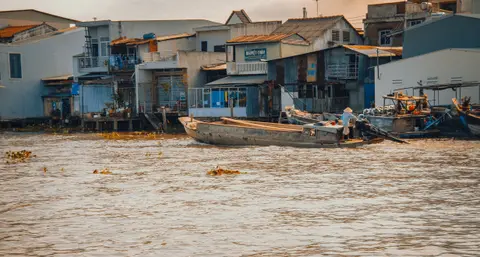
Cái Bè is a vibrant port town in Vietnam's Mekong Delta, known for its unique floating market and rich culinary heritage. Must-do experiences include sampling local delicacies like bánh xèo and exploring the bustling Cái Bè Floating Market. The best time to visit is during the dry season from December to April, when the weather is most pleasant for exploring this enchanting region.
Day 8
Day 8
My Tho
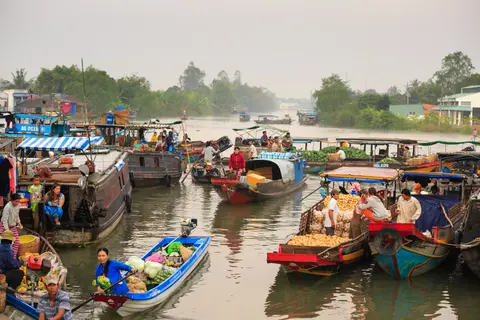
My Tho offers the most accessible gateway into the Mekong Delta, where the great river fractures into a web of channels, floating markets, orchid gardens, and coconut-palm islands that feel entirely removed from the pace of Ho Chi Minh City, just 70 kilometres north. A sampan journey through Thới Sơn Island's narrow waterways, past honey-bee farms and cottage workshops pressing coconut candy, captures the unhurried rhythms of delta life with immediacy no museum could replicate. The city is at its most photogenic in the dry season from November to April, when clear skies illuminate the jade-green water hyacinth drifting on the current.
Day 8
Day 8
Ho Chi Minh City
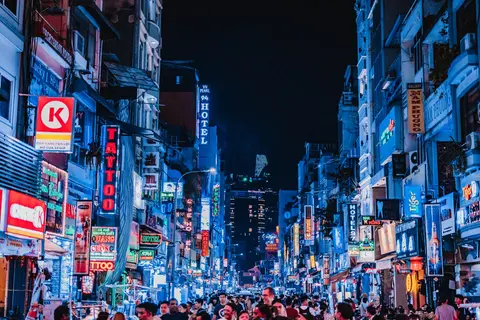
Still whispered as Saigon by its ten million residents, Ho Chi Minh City pulses with an energy that outlasted every empire and every war. The French colonial grandeur of Notre-Dame Cathedral and Gustave Eiffel's Central Post Office stands in vivid counterpoint to the city's kinetic street life — an endless river of motorbikes, fragrant with pho broth and charcoal-grilled meats. Do not miss the Reunification Palace, a time capsule of Cold War modernism, or a dawn bowl of bánh mì from a sidewalk vendor. The dry season, November through April, offers the most comfortable conditions for exploration.
Day 1
Kampong Cham
Kampong Cham unfolds along the Mekong's western bank in a languid rhythm far removed from Cambodia's tourist circuit — a provincial capital where saffron-robed monks cross bamboo bridges at dawn and French colonial villas drowse behind frangipani trees. The highlight is Wat Nokor, a twelfth-century Angkorian temple whose moss-covered sandstone galleries envelop a functioning Buddhist sanctuary in a haunting conversation between centuries. The nearby rubber plantations, a legacy of French Indochina, offer a window into the region's complex history. Kampong Cham is best visited November through February, when the dry season transforms the Mekong into a serene silver expanse.
Day 2
Angkor Ban
Angkor Ban is a riverside Mekong village in Cambodia's Kampong Cham Province where unvarnished authenticity awaits the discerning river cruise traveler — a world away from tourist infrastructure, offering a rare glimpse into rural Khmer life unchanged by modernity. Ancient laterite temple ruins hide among the trees, while local craftspeople practice traditional silk weaving and pottery in family compounds that welcome visitors with quiet warmth. The dry season from November through April offers the most comfortable conditions for exploring the village lanes and surrounding countryside on foot or by bicycle. Phnom Penh is a half-day's river journey downstream.
Oknhatey Village
Day 3
Oudong
Oudong, a historical town in Cambodia, was the royal capital from the 17th to the 19th centuries and is celebrated for its stunning stupas and vibrant local culture. Must-do experiences include savoring traditional dishes like amok and lok lak at local markets. The best season to visit is during the cooler months from November to February, when the weather is most pleasant for exploration.
Kampong Tralach
Kampong Tralach, Cambodia is a distinctive port city where deep cultural heritage meets authentic local atmosphere, featured on itineraries by AmaWaterways. Must-do experiences include exploring the vibrant local markets for regional specialties and fresh seafood, and discovering the waterfront quarter where maritime heritage meets contemporary energy. The optimal time to visit is November through April, when dry season brings clear skies and calm seas.
Phnom Penh
Phnom Penh rises from the confluence of the Mekong, Tonlé Sap, and Bassac rivers with a resilience that makes it one of Southeast Asia's most affecting capitals — a city that endured the Khmer Rouge's "Year Zero" and has re-emerged as a place of broad riverfront boulevards, excellent Khmer cuisine, and a cultural energy that feels earned rather than manufactured. The Royal Palace and its Silver Pagoda, housing a life-size gold Buddha studded with 9,584 diamonds, is the city's architectural centrepiece; the Tuol Sleng Genocide Museum, a former high school converted to a prison by the Khmer Rouge, is sobering but essential history. November through February offers the most comfortable climate for extended exploration.
Day 5
Phnom Penh
Phnom Penh rises from the confluence of the Mekong, Tonlé Sap, and Bassac rivers with a resilience that makes it one of Southeast Asia's most affecting capitals — a city that endured the Khmer Rouge's "Year Zero" and has re-emerged as a place of broad riverfront boulevards, excellent Khmer cuisine, and a cultural energy that feels earned rather than manufactured. The Royal Palace and its Silver Pagoda, housing a life-size gold Buddha studded with 9,584 diamonds, is the city's architectural centrepiece; the Tuol Sleng Genocide Museum, a former high school converted to a prison by the Khmer Rouge, is sobering but essential history. November through February offers the most comfortable climate for extended exploration.
Border Crossing
Tan Chau
Tan Chau is a quietly enchanting border town on the upper Mekong Delta, where Vietnamese, Khmer, Cham, and Chinese cultural threads weave together in floating markets, silk-weaving workshops, and ornate riverside temples. River cruise guests typically arrive by sampan at dawn, when the town's covered market erupts with color and the legendary Tan Chau silk — hand-woven on traditional wooden looms — is spread out for trade. The cool dry season from November to February offers the most pleasant conditions for exploring this living crossroads of Southeast Asian civilization.
Day 6
Sa Dec
Sa Đéc, a sleepy town of French colonial villas and temple-filled alleyways on a branch of the Mekong Delta, is renowned as the birthplace of Marguerite Duras and the flowering capital of Vietnam. The town's nurseries supply orchids, bonsai, and chrysanthemums to florists across the country, perfuming the riverside air. The restored Huỳnh Thủy Lê House — where Duras's colonial-era love story unfolded — offers a haunting window into the delta's past. Vendors ply the waterways in flat-bottomed boats piled with tropical fruit. November through April brings the dry season's golden light and gentle breezes.
Day 7
Cai Be
Cái Bè is a vibrant port town in Vietnam's Mekong Delta, known for its unique floating market and rich culinary heritage. Must-do experiences include sampling local delicacies like bánh xèo and exploring the bustling Cái Bè Floating Market. The best time to visit is during the dry season from December to April, when the weather is most pleasant for exploring this enchanting region.
Day 8
My Tho
My Tho offers the most accessible gateway into the Mekong Delta, where the great river fractures into a web of channels, floating markets, orchid gardens, and coconut-palm islands that feel entirely removed from the pace of Ho Chi Minh City, just 70 kilometres north. A sampan journey through Thới Sơn Island's narrow waterways, past honey-bee farms and cottage workshops pressing coconut candy, captures the unhurried rhythms of delta life with immediacy no museum could replicate. The city is at its most photogenic in the dry season from November to April, when clear skies illuminate the jade-green water hyacinth drifting on the current.
Ho Chi Minh City
Still whispered as Saigon by its ten million residents, Ho Chi Minh City pulses with an energy that outlasted every empire and every war. The French colonial grandeur of Notre-Dame Cathedral and Gustave Eiffel's Central Post Office stands in vivid counterpoint to the city's kinetic street life — an endless river of motorbikes, fragrant with pho broth and charcoal-grilled meats. Do not miss the Reunification Palace, a time capsule of Cold War modernism, or a dawn bowl of bánh mì from a sidewalk vendor. The dry season, November through April, offers the most comfortable conditions for exploration.
Cabin Categories
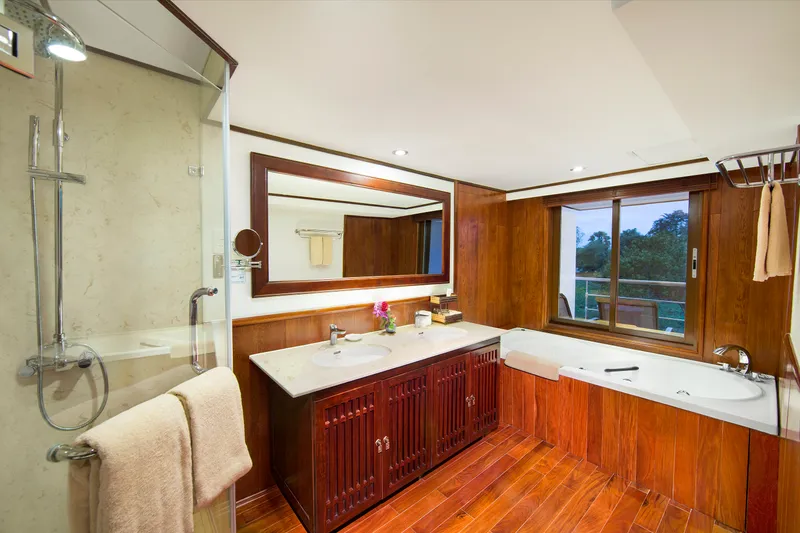
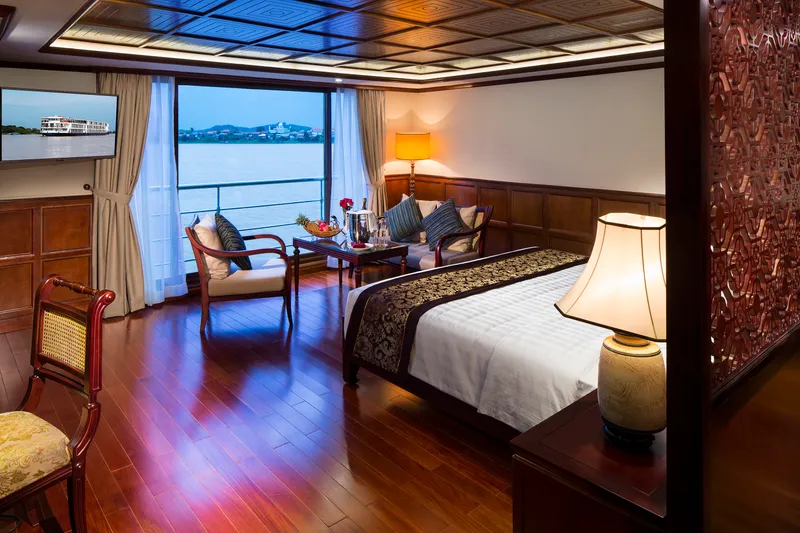
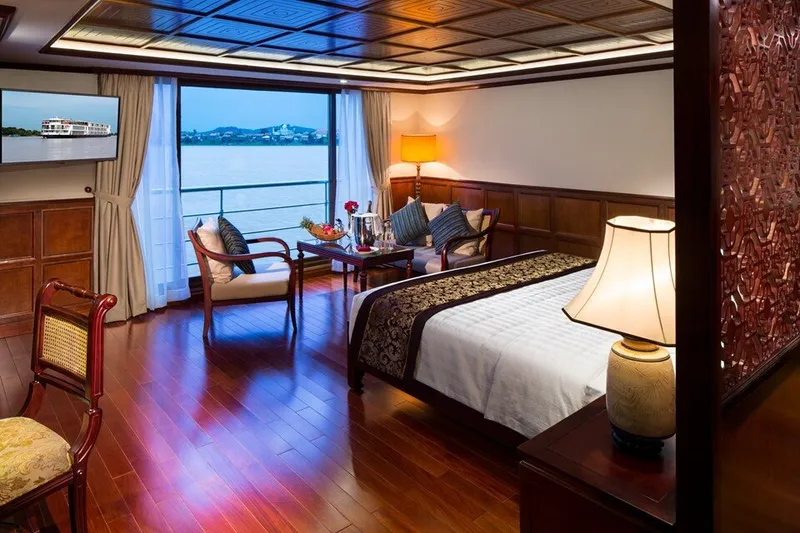
Luxury Suite French & Outside Balcony
Suite
502 m²Max 2
L
Luxury Suite French & Outside Balcony
King or Twin ConfigurationLounge AreaShowerBathToiletries ProvidedRoom Service Available+8
US$6,728 /person+ US$280 taxes & fees
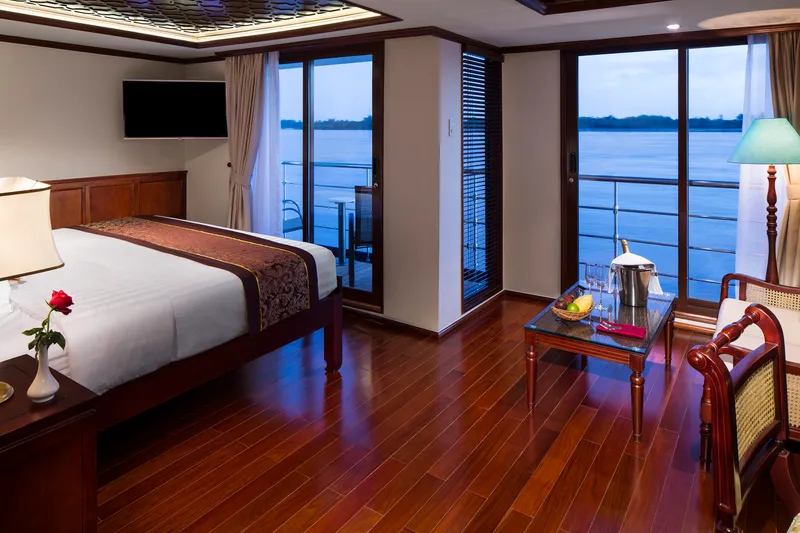
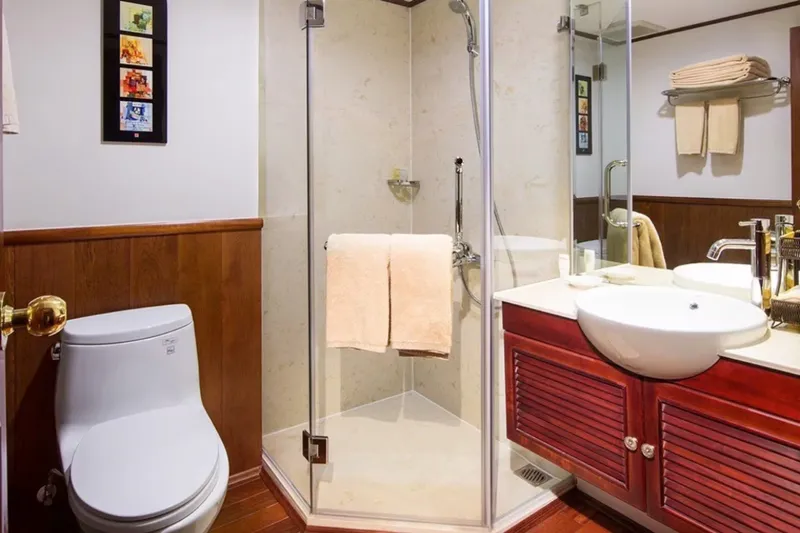
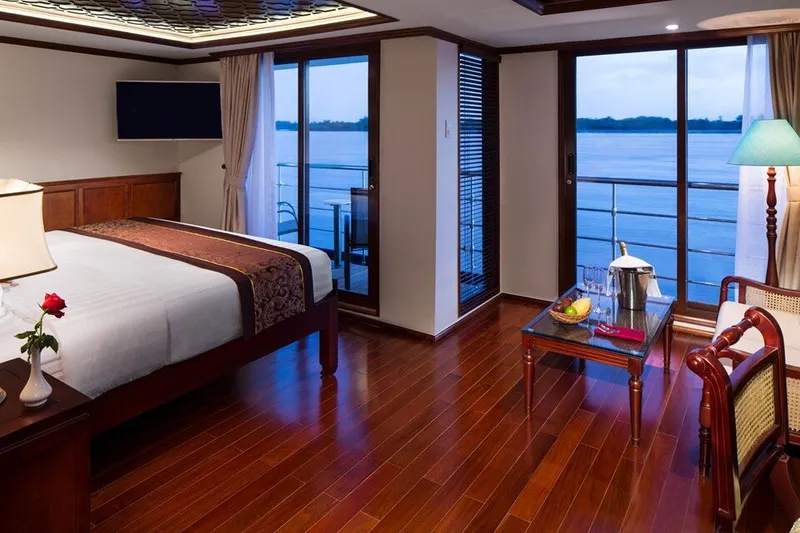
Suite French & Outside Balcony
Suite
366 m²Max 2
S
Suite French & Outside Balcony
Queen or Twin ConfigurationLounge AreaShowerBathToiletries ProvidedRoom Service Available+8
US$5,728 /person+ US$280 taxes & fees
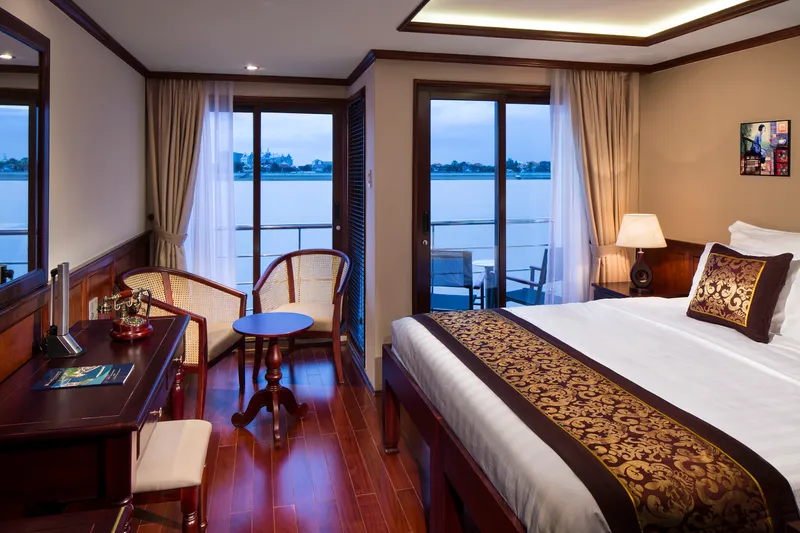
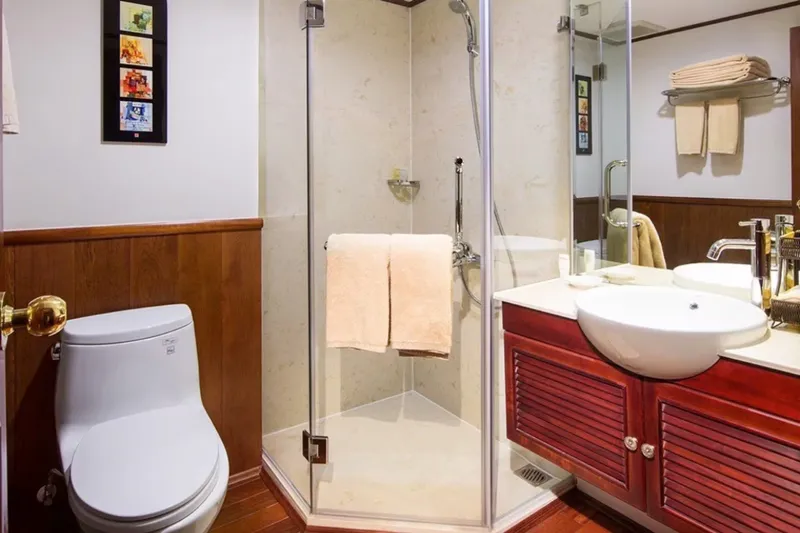
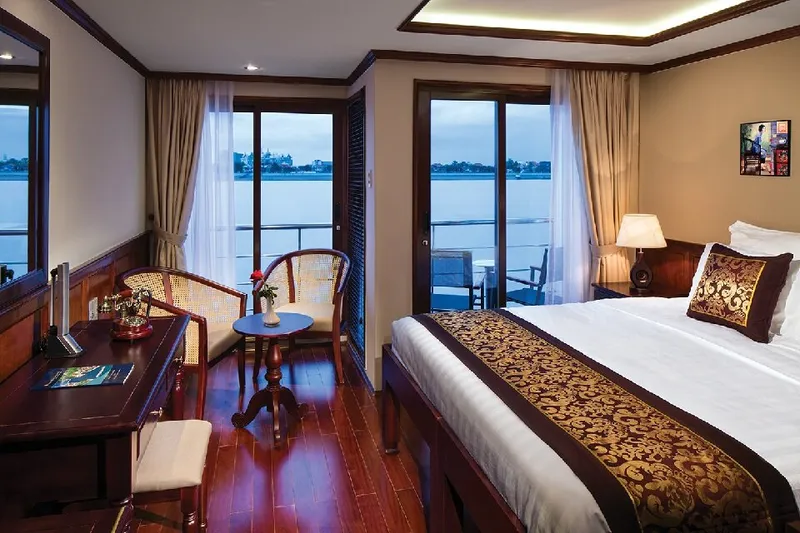
Category A French & Outside Balcony
Balcony
251 m²Max 2
A
Category A French & Outside Balcony
Queen or Twin ConfigurationLounge AreaShowerBathRoom Service AvailableTV+6
US$4,728 /person+ US$280 taxes & fees
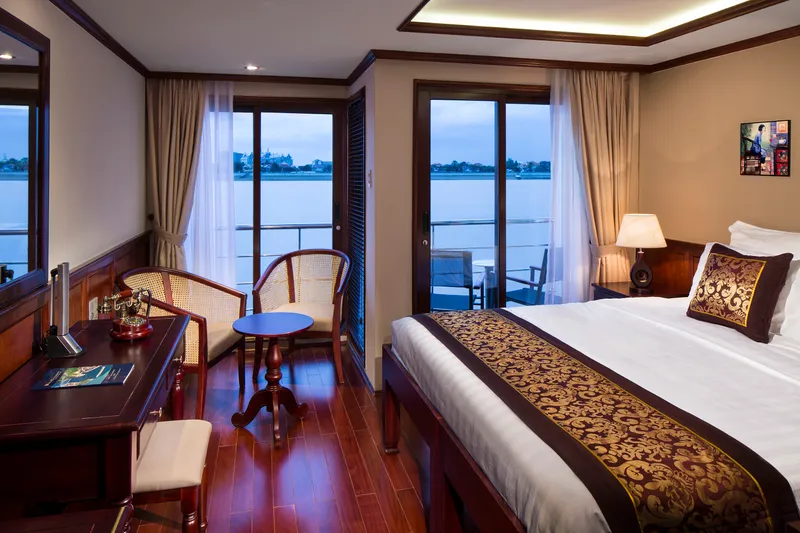
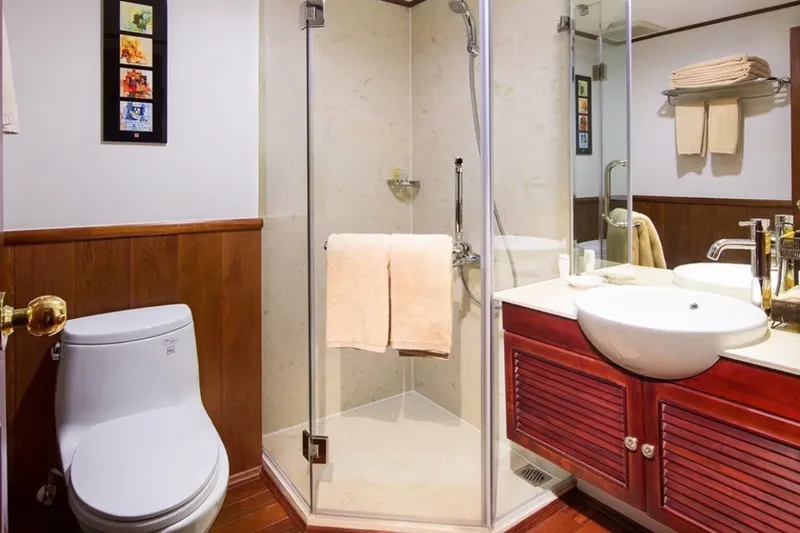
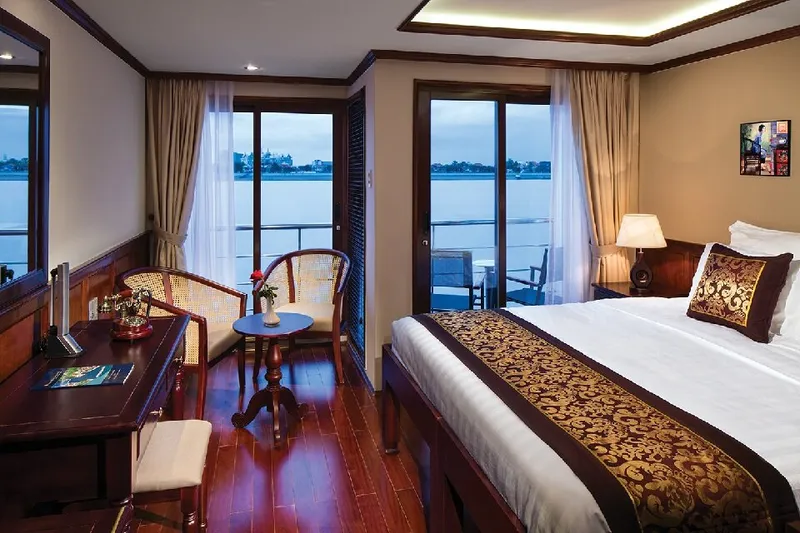
Category B French & Outside Balcony
Balcony
251 m²Max 2
B
Category B
Queen or Twin ConfigurationLounge AreaShowerToiletries ProvidedRoom Service AvailableTV+6
US$4,428 /person+ US$280 taxes & fees
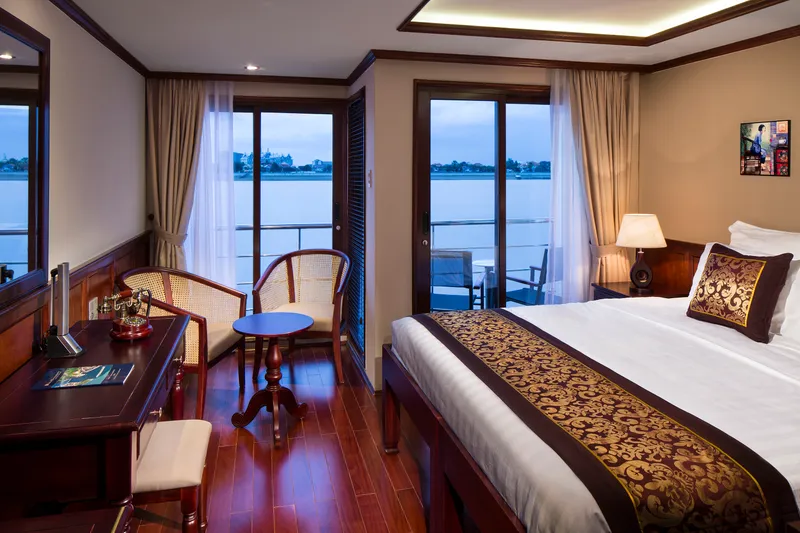
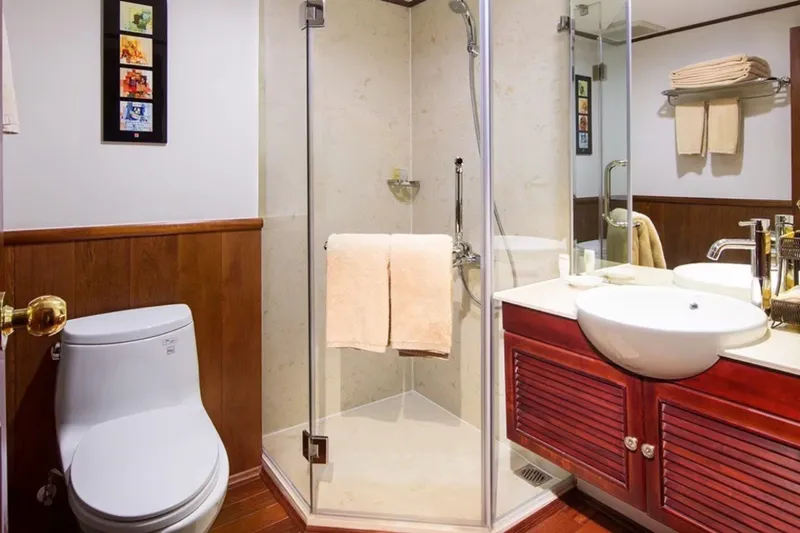
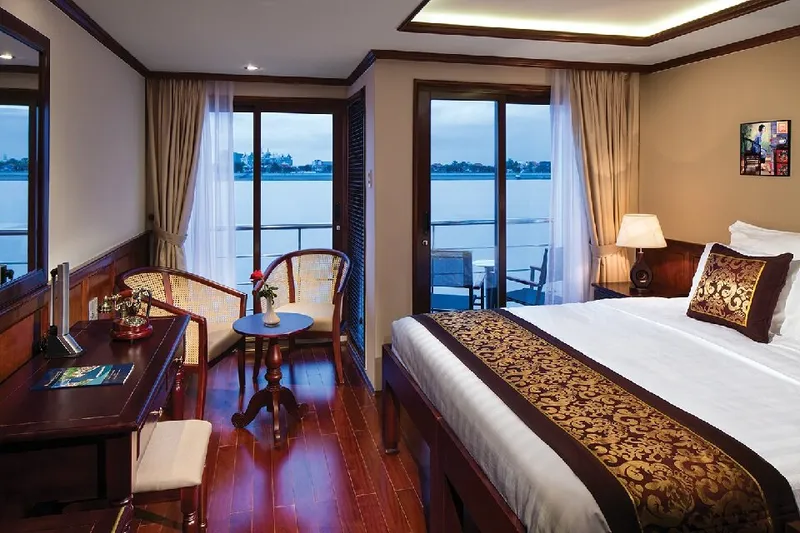
Category C French & Outside Balcony
Balcony
251 m²Max 2
C
Category C French & Outside Balcony
Queen or Twin ConfigurationShowerToiletries ProvidedRoom Service AvailableTVFree Wi-Fi+5
US$3,729 /person+ US$280 taxes & fees
Interested in This Voyage?
Our cruise specialists can help you find the perfect cabin and the best available pricing.
(+886) 02-2721-7300Contact Advisor