AmaWaterwaysAD260422ANW
Rhine & Moselle Splendors - Luxembourg to Basel
Date
2026-04-22
Duration
7 nights
Departure Port
Luxembourg
Luxembourg
Arrival Port
Basel
Switzerland
Rating
Luxury
Theme
Food & Drink
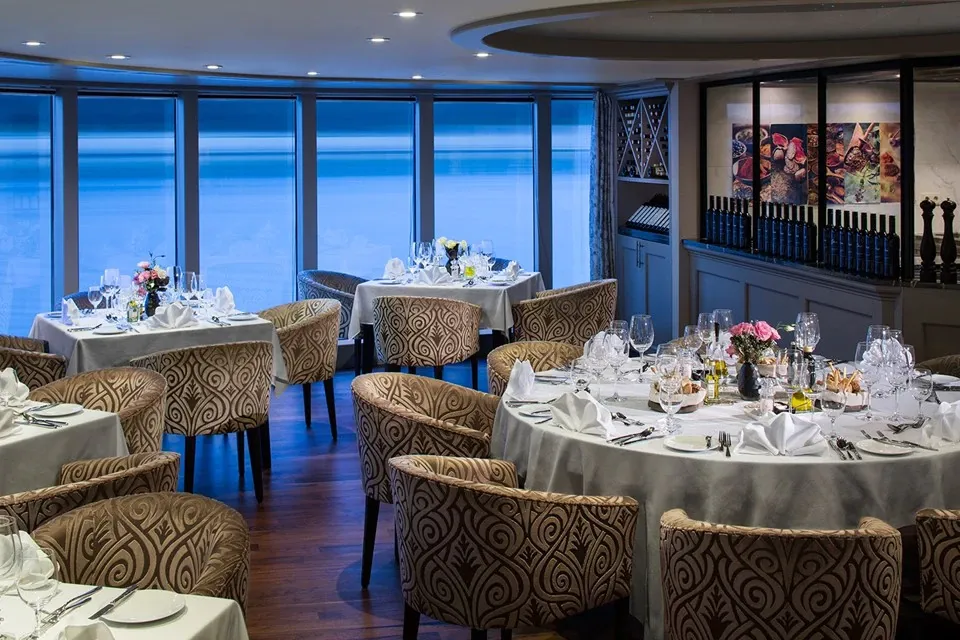
AmaWaterways
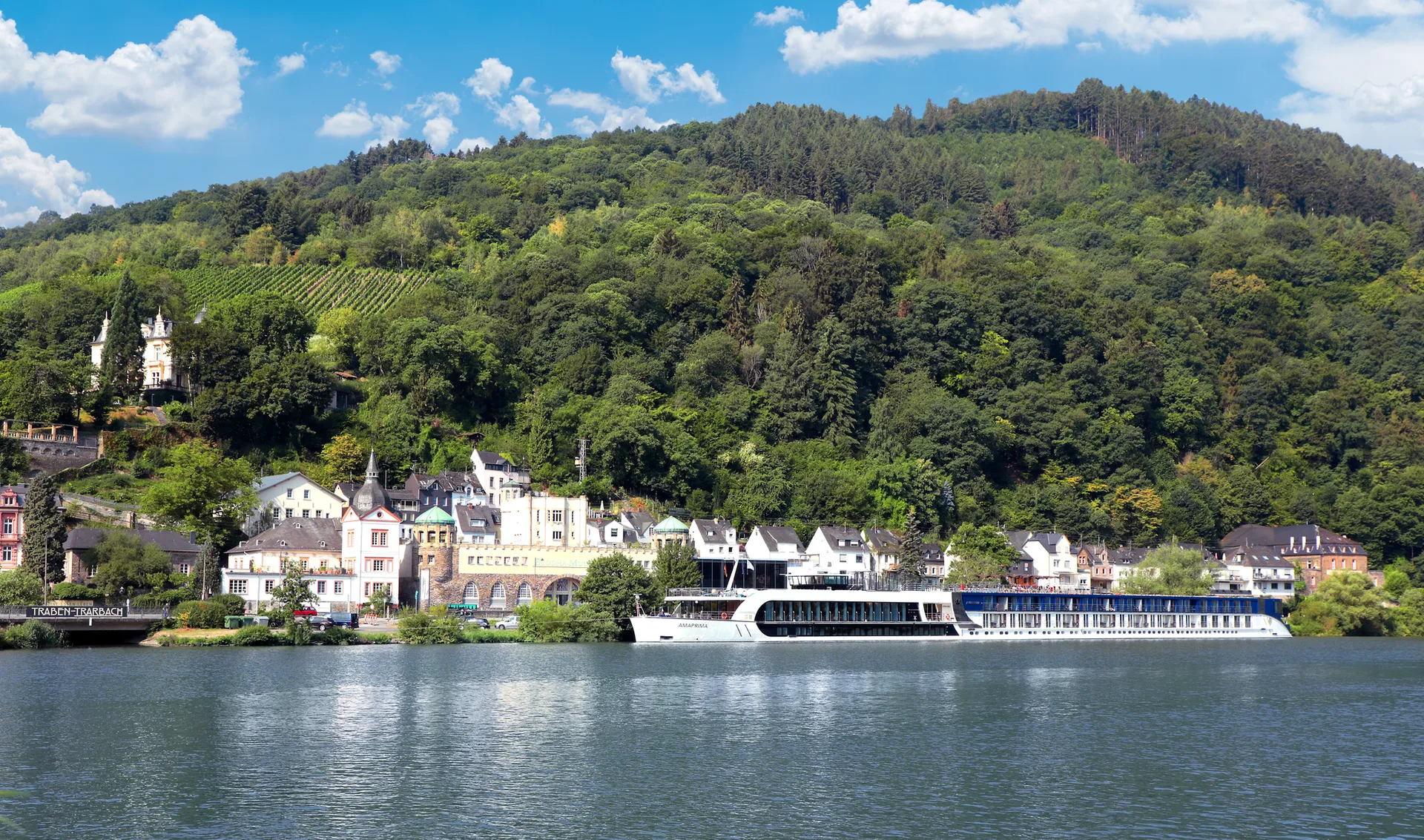
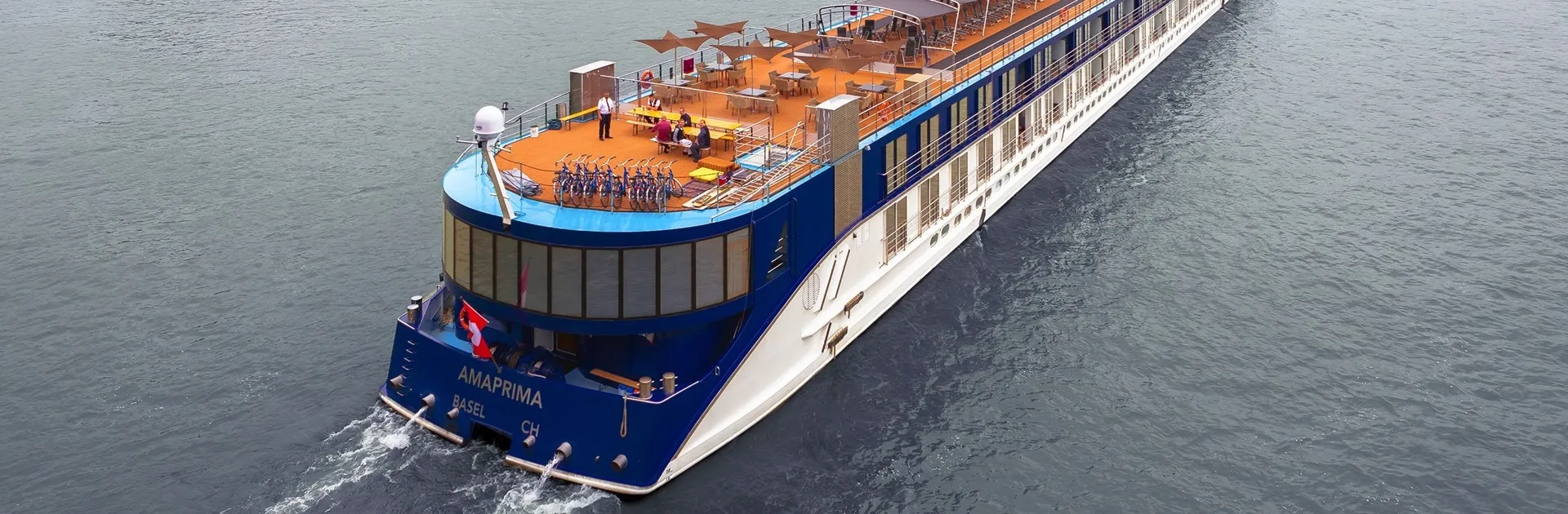
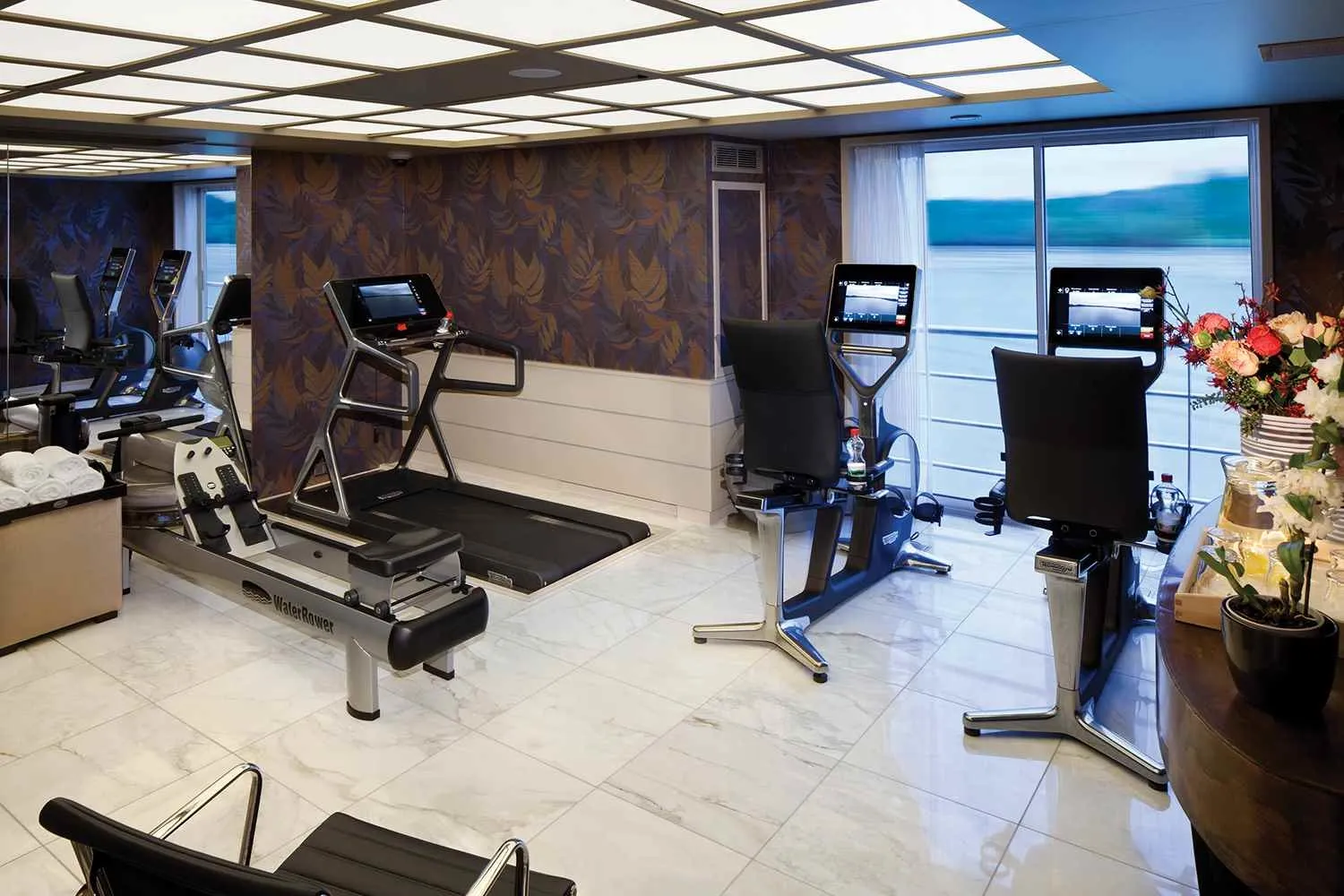
AmaPrima
Launched
2013
Refitted
—
Tonnage
3,600 GT
Passengers
162
Cabins
81
Crew
51
Length
443 m
Width
11.5 m
Speed
9 knots
Adults Only
No
Itinerary
Day 1
Day 1
Luxembourg
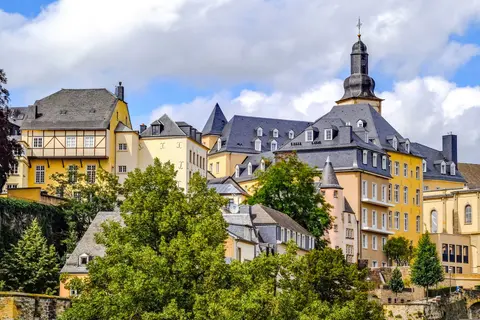
Luxembourg is Europe's most dramatically situated small capital, perched above deep river gorges and fortified with UNESCO-listed ramparts including seventeen kilometres of underground casemates. Must-dos include exploring the Bock Casemates, dining on Judd mat Gaardebounen, and wandering the charming Grund quarter in the valley below. May through October offers the best weather for enjoying the city's extraordinary terrace views and outdoor cafe culture.
Day 2
Day 2
Schweich
Schweich is a town in the Trier-Saarburg district, in Rhineland-Palatinate, Germany. It is situated on the river Moselle, approx. 10 km northeast of Trier. Schweich is the seat of the Verbandsgemeinde Schweich an der Römischen Weinstraße
Day 2
Day 2
Trier
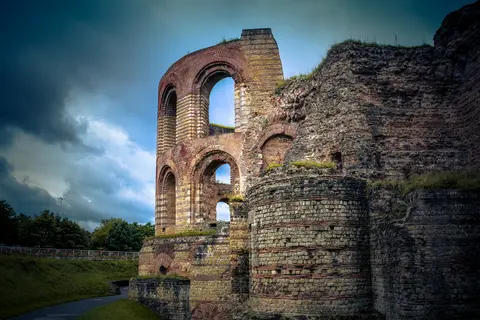
Trier is Germany's oldest city and once the northern capital of the Western Roman Empire, its incomparable UNESCO-listed ensemble of monuments — the blackened Porta Nigra gate, the vast Imperial Baths, the Amphitheater, and a Roman bridge still carrying traffic across the Moselle — more than justifying the title 'Rome of the North.' The birthplace of Karl Marx and a gateway to the Moselle wine region's elegant Riesling estates, Trier rewards a long visit with layers of history spanning two millennia within an effortlessly walkable historic center. The summer months from May to September are ideal, when Moselle Valley vineyard terraces gleam in full-leafed splendor.
Day 2
Day 2
Wasserbillig
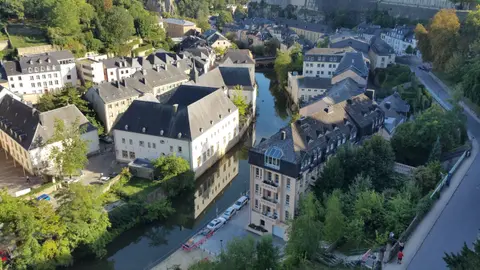
Wasserbillig is a serene Luxembourgish town at the confluence of the Sauer and Moselle rivers, prized for its Roman heritage, vineyard landscapes, and proximity to the wine towns of Grevenmacher and Remich. Visitors should taste traditional *Judd mat Gaardebounen* paired with local Moselle Riesling and explore the nearby Luxembourg City casemates. Late spring through early autumn offers the finest conditions, when the vineyards are lush, river terraces beckon, and the Moselle wine festivals bring the region to vivid life.
Day 3
Day 3
Cochem
Cochem is the seat of and the biggest town in the Cochem-Zell district in Rhineland-Palatinate, Germany. With just over 5,000 inhabitants, Cochem falls just behind Kusel, in the Kusel district, as Germany's second smallest district seat. Since 7 June 2009, it has belonged to the Verbandsgemeinde of Cochem.
Day 3
Day 3
Lahnstein
Day 4
Day 4
Rhine Gorge
The Rhine Gorge is a popular name for the Upper Middle Rhine Valley, a 65 km section of the Rhine between Koblenz and Bingen in the states of Rhineland-Palatinate and Hesse in Germany.
Day 4
Day 4
Rudesheim
Rüdesheim am Rhein is a town in the Rhine Valley, Germany. It’s known for winemaking, especially of Riesling wines. In the center, Drosselgasse is a lane lined with shops, taverns and restaurants. Nearby, Siegfried’s Mechanical Music Cabinet is a museum of automated musical instruments. Medieval Brömserburg Castle is home to the Rheingau Wine Museum, exhibiting wine paraphernalia from ancient times to the present.
Day 5
Day 5
Ludwigshafen
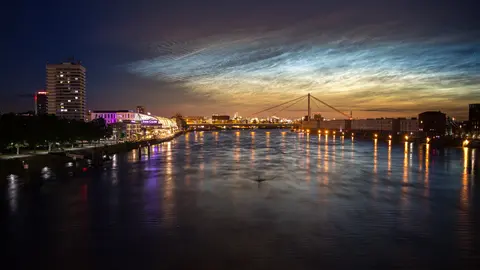
Ludwigshafen am Rhein was founded by Bavarian royal ambition in 1843 and grew rapidly into one of Germany's great industrial cities — home to BASF, the world's largest chemical company, whose vast campus stretches along the Rhine for kilometres. Though industrial in character, Ludwigshafen occupies a prime Rhine valley position that places it within easy reach of Heidelberg, Germany's most romantic university city, and the rolling vineyards of the Palatinate wine region. The Kunstmuseum Ludwigshafen houses a noteworthy collection of contemporary art. Ludwigshafen is a year-round river cruise port, though May through October offers the most pleasant conditions for excursions into the surrounding wine country.
Day 6
Day 6
Strasbourg
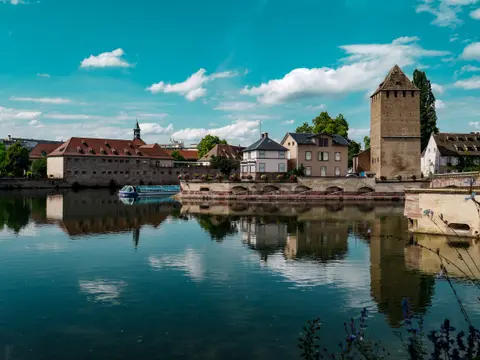
Strasbourg is one of Europe's great border cities, its Franco-German soul etched into every half-timbered façade of the UNESCO-listed Grande Île and every turret of the soaring rose-sandstone cathedral that reigned as the world's tallest building for over two centuries. As the seat of the European Parliament and home to the European Court of Human Rights, this sophisticated Alsatian capital savors outstanding Riesling and choucroute garnie with equal Continental pride. The city dazzles year-round, though December's legendary Christmas market — among the oldest in Europe — transforms its medieval squares into an enchanted winter spectacle.
Day 7
Day 7
Basel
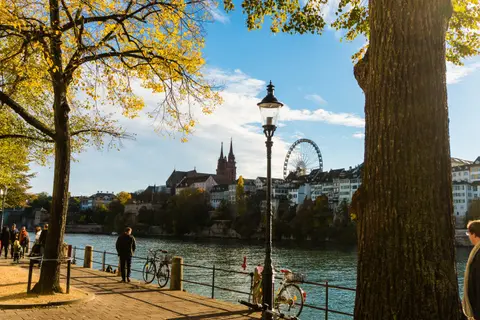
Basel, where Switzerland, France, and Germany converge at the Rhine's northward bend, hosts a concentration of world-class art institutions that rivals any city its size on earth — the Kunstmuseum alone, the world's oldest public art collection, could occupy days, and Art Basel each June draws every name that matters in the contemporary art world to this compact, elegant city. The Rhine itself is the city's great social artery: in summer, locals jump in with waterproof bags and float downstream, a tradition as charming as any museum. Spring through autumn is ideal for outdoor exploration; Paris is just three hours by TGV and Strasbourg a mere twenty minutes by train.
Day 1
Luxembourg
Luxembourg is Europe's most dramatically situated small capital, perched above deep river gorges and fortified with UNESCO-listed ramparts including seventeen kilometres of underground casemates. Must-dos include exploring the Bock Casemates, dining on Judd mat Gaardebounen, and wandering the charming Grund quarter in the valley below. May through October offers the best weather for enjoying the city's extraordinary terrace views and outdoor cafe culture.
Day 2
Schweich
Schweich is a town in the Trier-Saarburg district, in Rhineland-Palatinate, Germany. It is situated on the river Moselle, approx. 10 km northeast of Trier. Schweich is the seat of the Verbandsgemeinde Schweich an der Römischen Weinstraße
Trier
Trier is Germany's oldest city and once the northern capital of the Western Roman Empire, its incomparable UNESCO-listed ensemble of monuments — the blackened Porta Nigra gate, the vast Imperial Baths, the Amphitheater, and a Roman bridge still carrying traffic across the Moselle — more than justifying the title 'Rome of the North.' The birthplace of Karl Marx and a gateway to the Moselle wine region's elegant Riesling estates, Trier rewards a long visit with layers of history spanning two millennia within an effortlessly walkable historic center. The summer months from May to September are ideal, when Moselle Valley vineyard terraces gleam in full-leafed splendor.
Wasserbillig
Wasserbillig is a serene Luxembourgish town at the confluence of the Sauer and Moselle rivers, prized for its Roman heritage, vineyard landscapes, and proximity to the wine towns of Grevenmacher and Remich. Visitors should taste traditional *Judd mat Gaardebounen* paired with local Moselle Riesling and explore the nearby Luxembourg City casemates. Late spring through early autumn offers the finest conditions, when the vineyards are lush, river terraces beckon, and the Moselle wine festivals bring the region to vivid life.
Day 3
Cochem
Cochem is the seat of and the biggest town in the Cochem-Zell district in Rhineland-Palatinate, Germany. With just over 5,000 inhabitants, Cochem falls just behind Kusel, in the Kusel district, as Germany's second smallest district seat. Since 7 June 2009, it has belonged to the Verbandsgemeinde of Cochem.
Lahnstein
Day 4
Rhine Gorge
The Rhine Gorge is a popular name for the Upper Middle Rhine Valley, a 65 km section of the Rhine between Koblenz and Bingen in the states of Rhineland-Palatinate and Hesse in Germany.
Rudesheim
Rüdesheim am Rhein is a town in the Rhine Valley, Germany. It’s known for winemaking, especially of Riesling wines. In the center, Drosselgasse is a lane lined with shops, taverns and restaurants. Nearby, Siegfried’s Mechanical Music Cabinet is a museum of automated musical instruments. Medieval Brömserburg Castle is home to the Rheingau Wine Museum, exhibiting wine paraphernalia from ancient times to the present.
Day 5
Ludwigshafen
Ludwigshafen am Rhein was founded by Bavarian royal ambition in 1843 and grew rapidly into one of Germany's great industrial cities — home to BASF, the world's largest chemical company, whose vast campus stretches along the Rhine for kilometres. Though industrial in character, Ludwigshafen occupies a prime Rhine valley position that places it within easy reach of Heidelberg, Germany's most romantic university city, and the rolling vineyards of the Palatinate wine region. The Kunstmuseum Ludwigshafen houses a noteworthy collection of contemporary art. Ludwigshafen is a year-round river cruise port, though May through October offers the most pleasant conditions for excursions into the surrounding wine country.
Day 6
Strasbourg
Strasbourg is one of Europe's great border cities, its Franco-German soul etched into every half-timbered façade of the UNESCO-listed Grande Île and every turret of the soaring rose-sandstone cathedral that reigned as the world's tallest building for over two centuries. As the seat of the European Parliament and home to the European Court of Human Rights, this sophisticated Alsatian capital savors outstanding Riesling and choucroute garnie with equal Continental pride. The city dazzles year-round, though December's legendary Christmas market — among the oldest in Europe — transforms its medieval squares into an enchanted winter spectacle.
Day 7
Basel
Basel, where Switzerland, France, and Germany converge at the Rhine's northward bend, hosts a concentration of world-class art institutions that rivals any city its size on earth — the Kunstmuseum alone, the world's oldest public art collection, could occupy days, and Art Basel each June draws every name that matters in the contemporary art world to this compact, elegant city. The Rhine itself is the city's great social artery: in summer, locals jump in with waterproof bags and float downstream, a tradition as charming as any museum. Spring through autumn is ideal for outdoor exploration; Paris is just three hours by TGV and Strasbourg a mere twenty minutes by train.
Cabin Categories
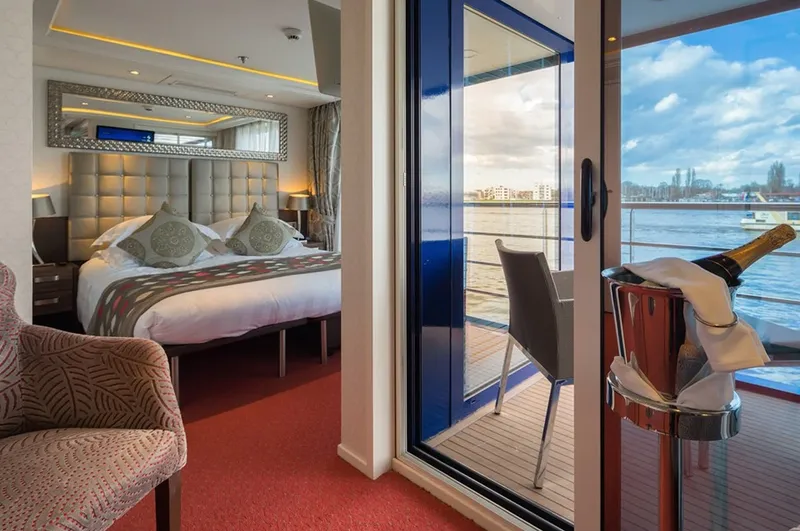
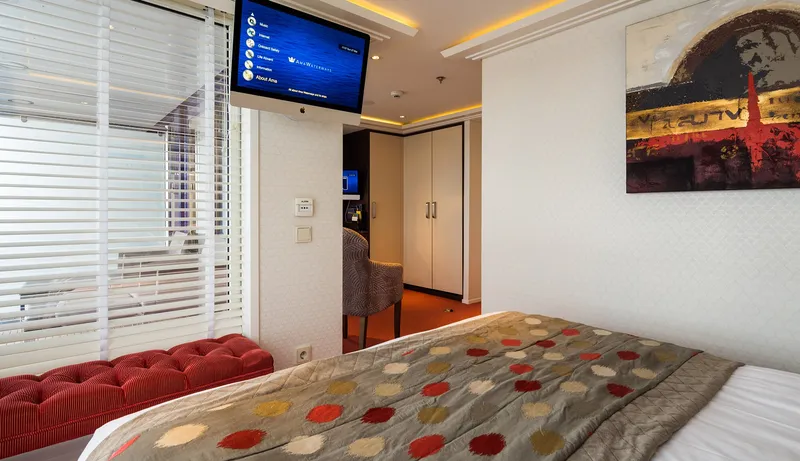
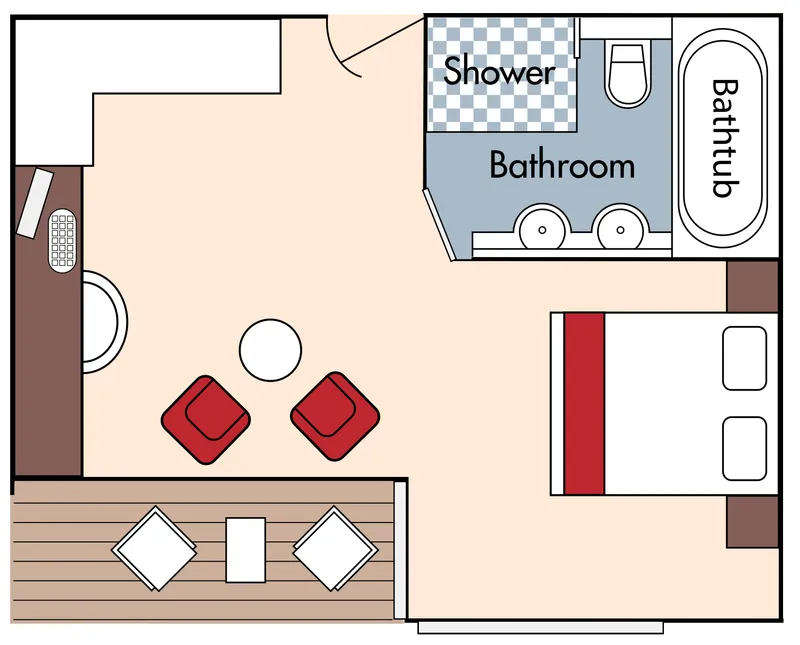
Suite
Suite
300 m²Max 2
SS
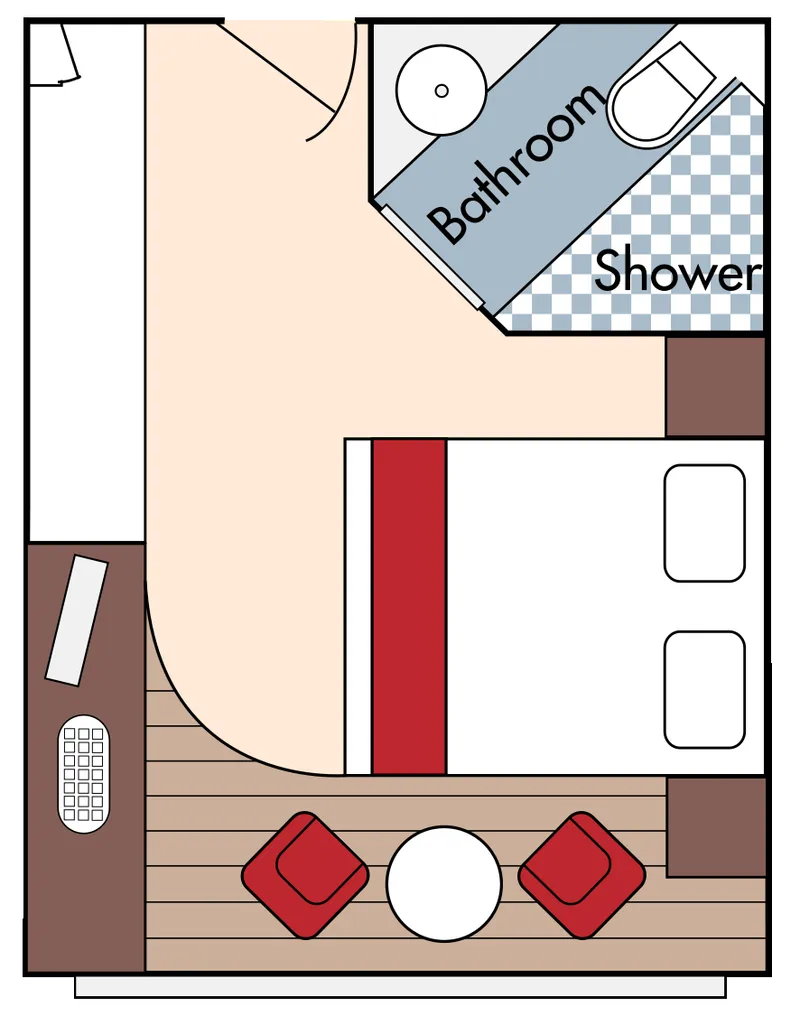
In-room temperature control
Deluxe hotel-style bedding with Egyptian linen, down pillows and duvet
Spacious bathrooms with multi-jet showerheads
Large wardrobe, full-length mirror, hair dryer, safe and direct-dial telephone
Flat-screen TV that also works as a computer
Entertainment on Demand system providing complimentary TV, movies and music library
Complimentary internet and Wi-Fi
Complimentary bottled water replenished daily
Desk and chair
Queen or Twin ConfigurationLounge AreaShowerBathToiletries ProvidedRoom Service Available+6
US$9,348 /person+ US$250 taxes & fees
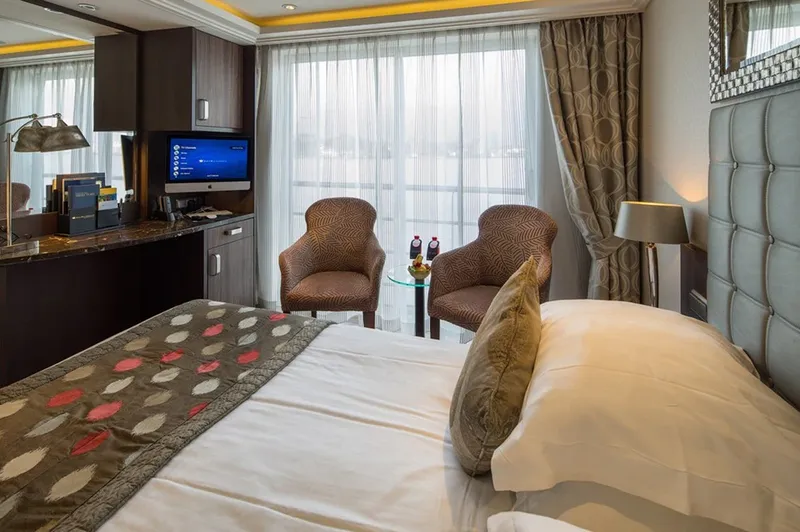
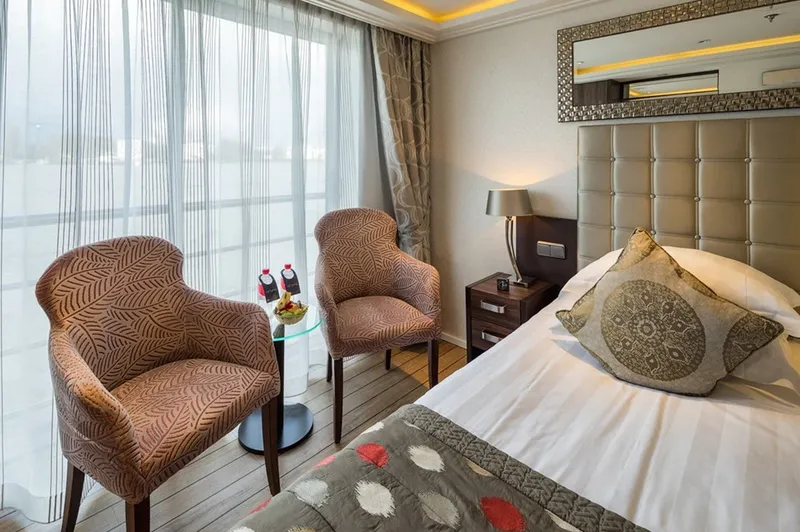
French Balcony
Balcony
170 m²Max 2
C
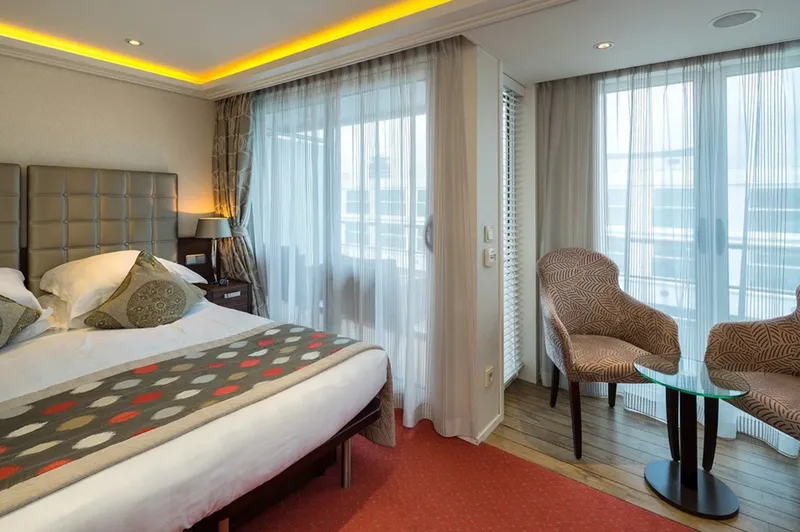
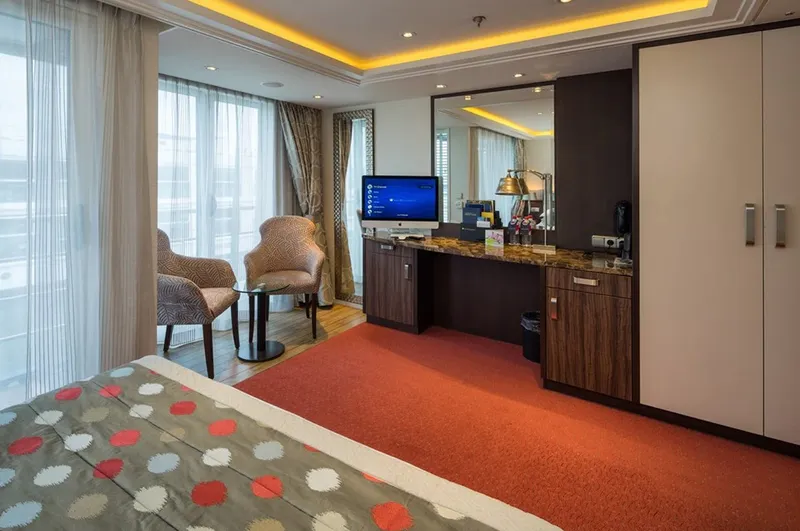
In-room temperature control
Deluxe hotel-style bedding with Egyptian linen, down pillows and duvet
Spacious bathrooms with multi-jet showerheads
Large wardrobe, full-length mirror, hair dryer, safe and direct-dial telephone
Flat-screen TV that also works as a computer
Entertainment on Demand system providing complimentary TV, movies and music library
Complimentary internet and Wi-Fi
Complimentary bottled water replenished daily
Desk and chair
Queen or Twin ConfigurationShowerToiletries ProvidedRoom Service AvailableTVFree Wi-Fi+6
US$6,848 /person+ US$250 taxes & fees
Twin Balcony
Balcony
210–290 m²Max 2
AAAA+ABBABB
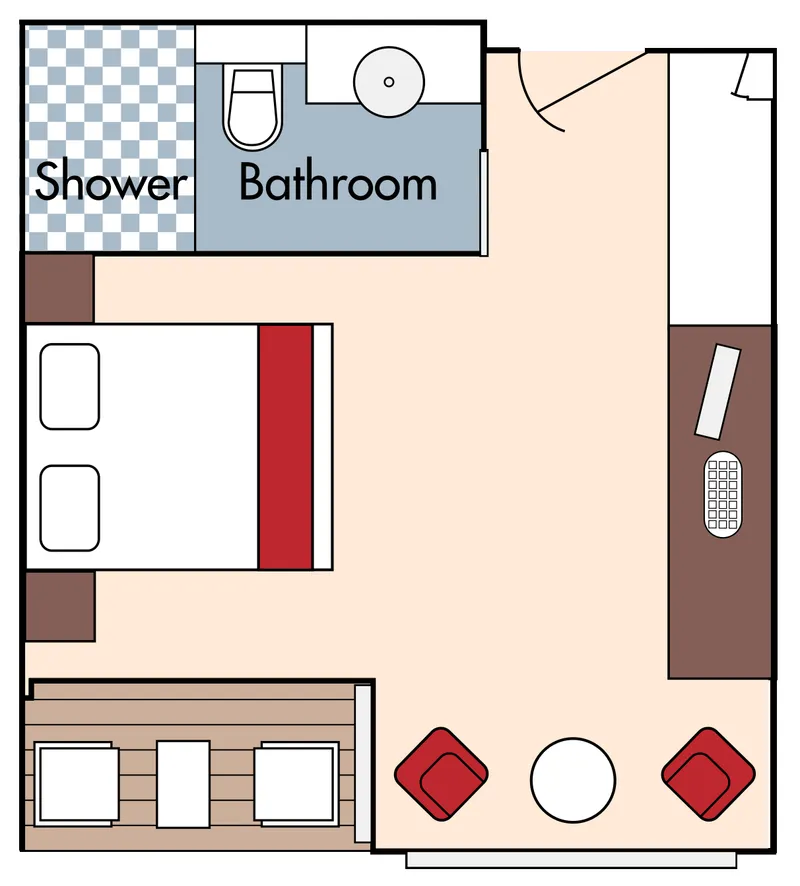
In-room temperature control
Deluxe hotel-style bedding with Egyptian linen, down pillows and duvet
Spacious bathrooms with multi-jet showerheads
Large wardrobe, full-length mirror, hair dryer, safe and direct-dial telephone
Flat-screen TV that also works as a computer
Entertainment on Demand system providing complimentary TV, movies and music library
Complimentary internet and Wi-Fi
Complimentary bottled water replenished daily
Desk and chair
Queen or Twin ConfigurationShowerToiletries ProvidedRoom Service AvailableTVFree Wi-Fi+6
US$7,448 /person+ US$250 taxes & fees
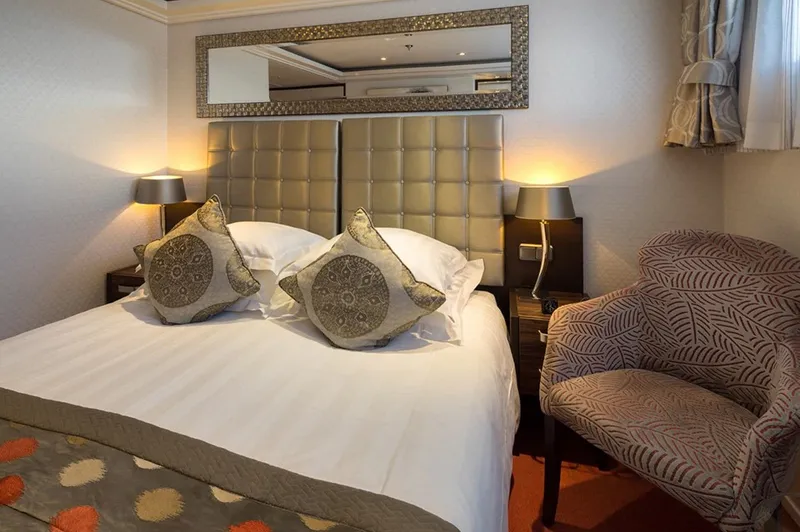
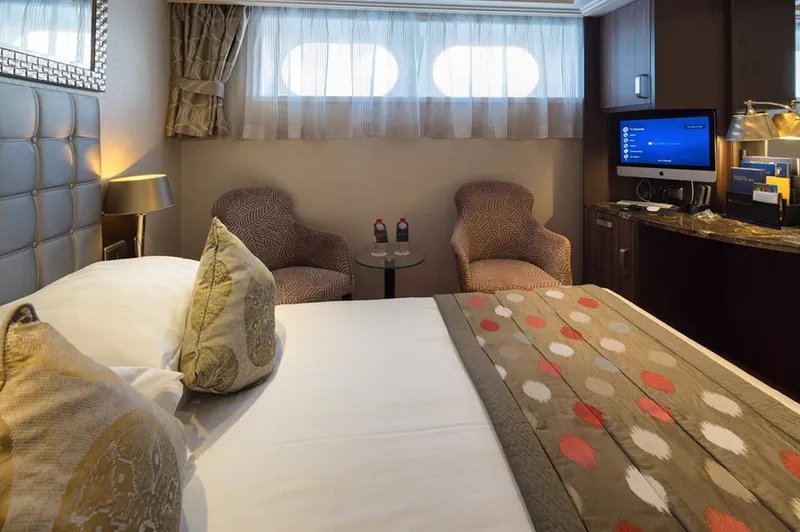
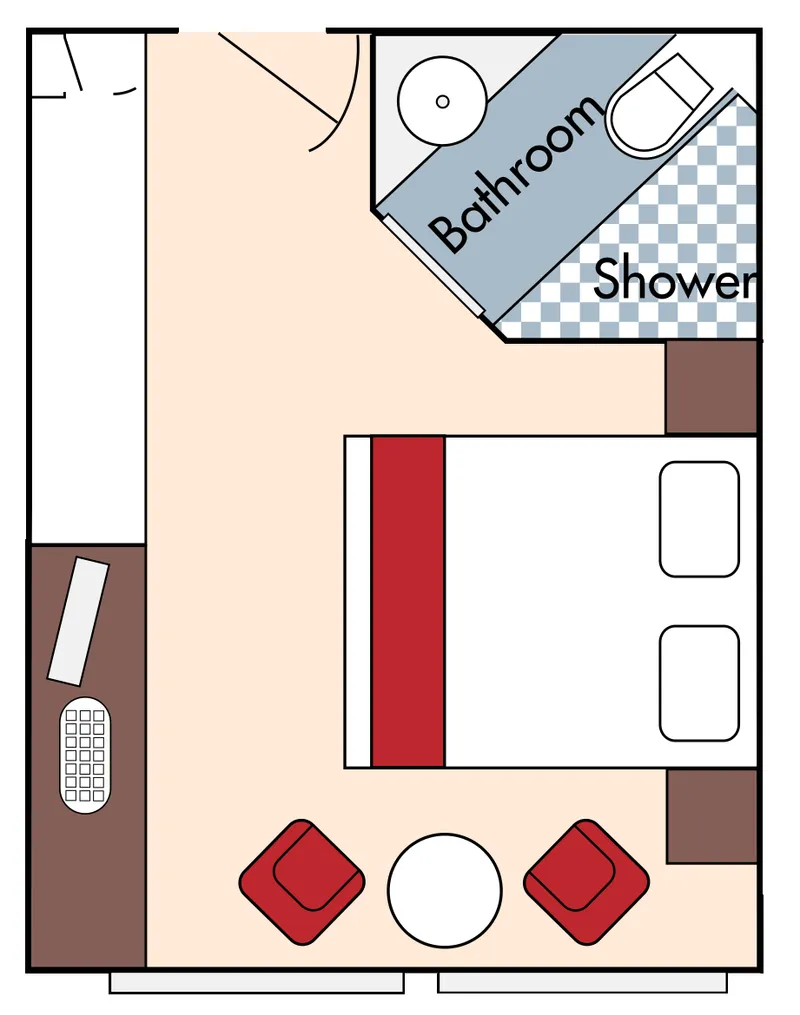
Fixed Window
Outside
160 m²Max 2
DE
In-room temperature control
Deluxe hotel-style bedding with Egyptian linen, down pillows and duvet
Spacious bathrooms with multi-jet showerheads
Large wardrobe, full-length mirror, hair dryer, safe and direct-dial telephone
Flat-screen TV that also works as a computer
Entertainment on Demand system providing complimentary TV, movies and music library
Complimentary internet and Wi-Fi
Complimentary bottled water replenished daily
Desk and chair
Queen or Twin ConfigurationShowerToiletries ProvidedRoom Service AvailableTVFree Wi-Fi+6
US$5,349 /person+ US$250 taxes & fees
Interested in This Voyage?
Our cruise specialists can help you find the perfect cabin and the best available pricing.
(+886) 02-2721-7300Contact Advisor