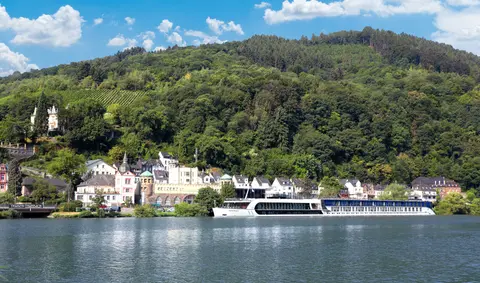
AmaWaterwaysAD260930ANR
Vineyards Of The Rhine & Moselle from Amsterdam
Date
2026-09-30
Duration
7 nights
Departure Port
Amsterdam
Netherlands
Arrival Port
Luxembourg
Luxembourg
Rating
Luxury
Theme
Food & Drink
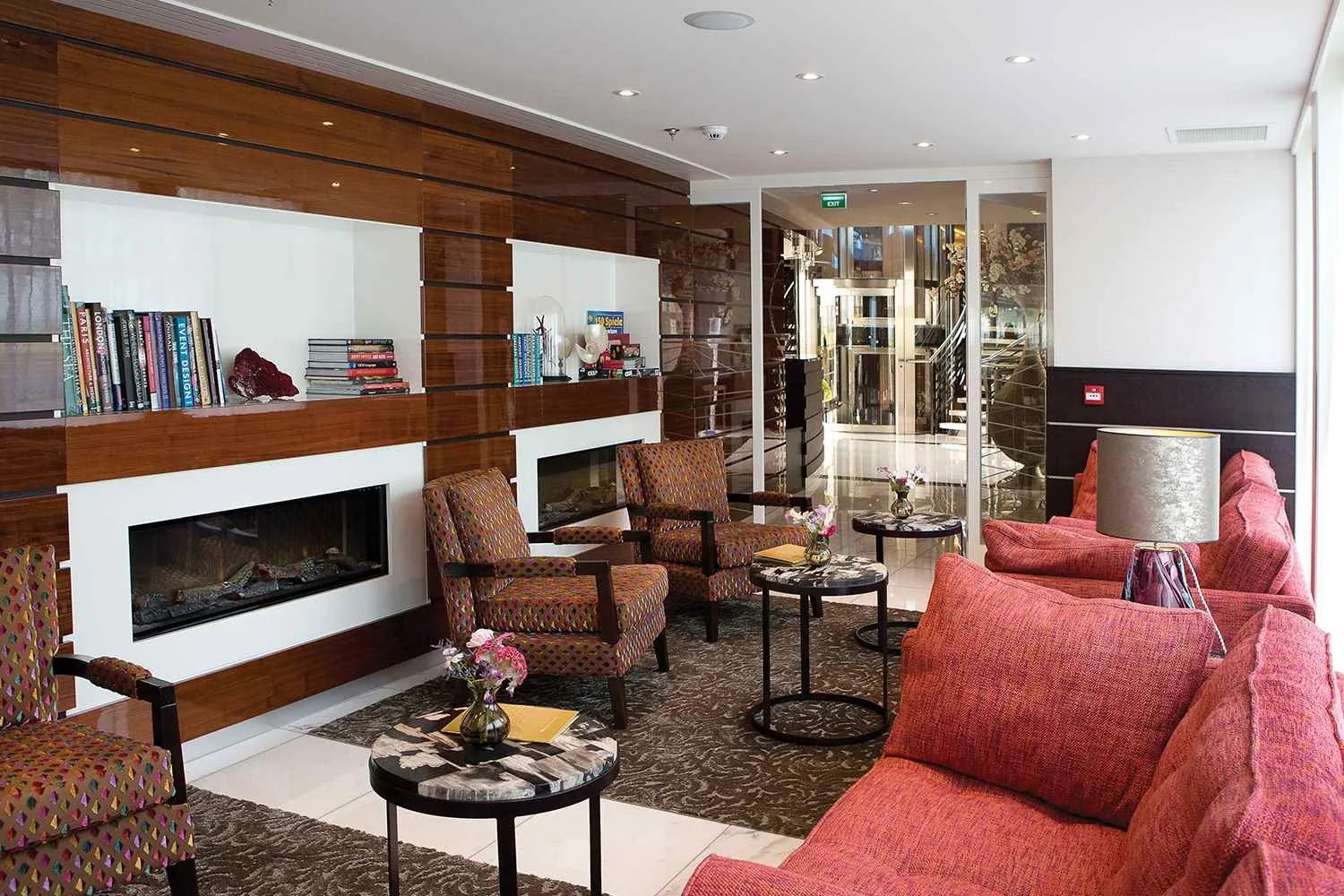
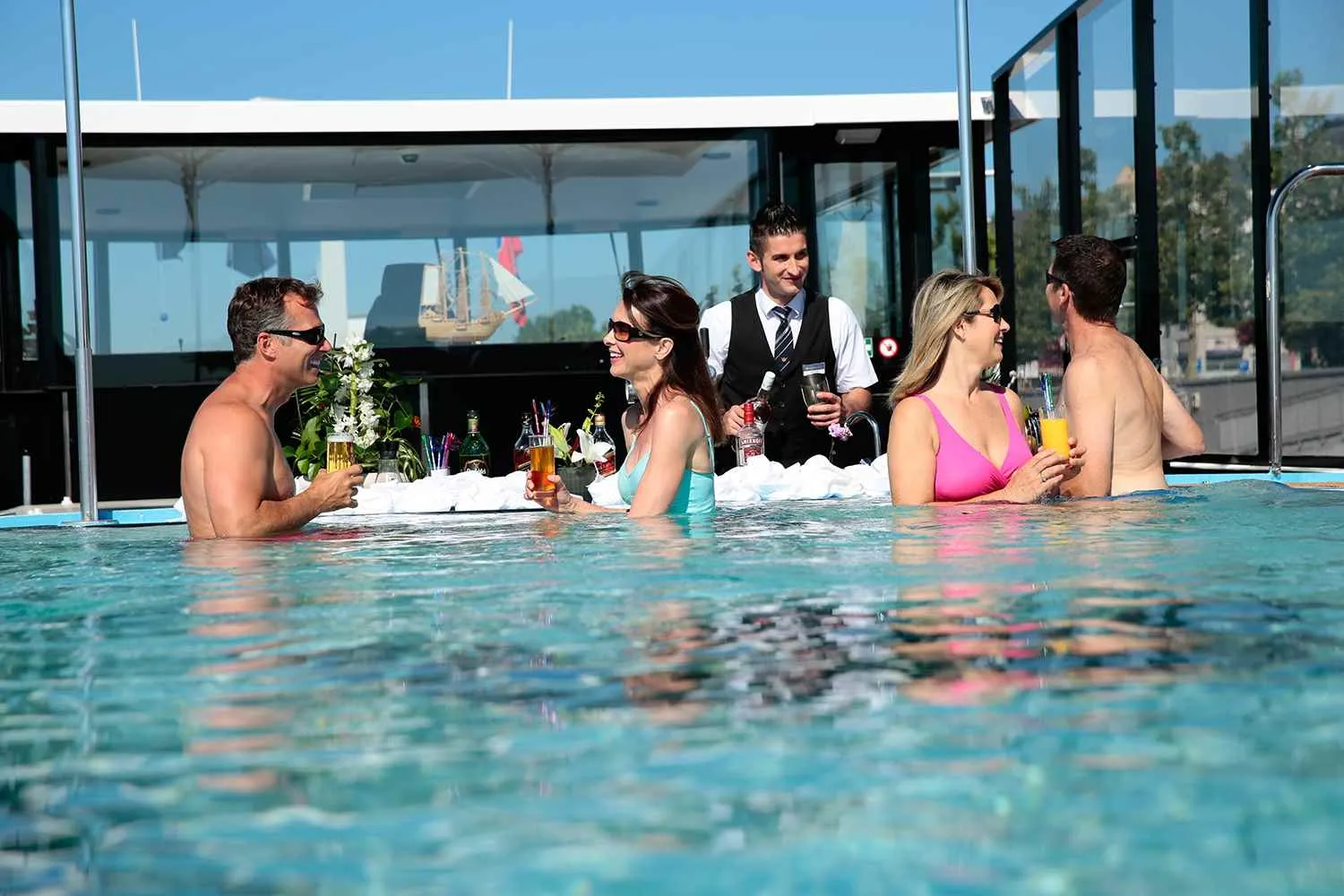
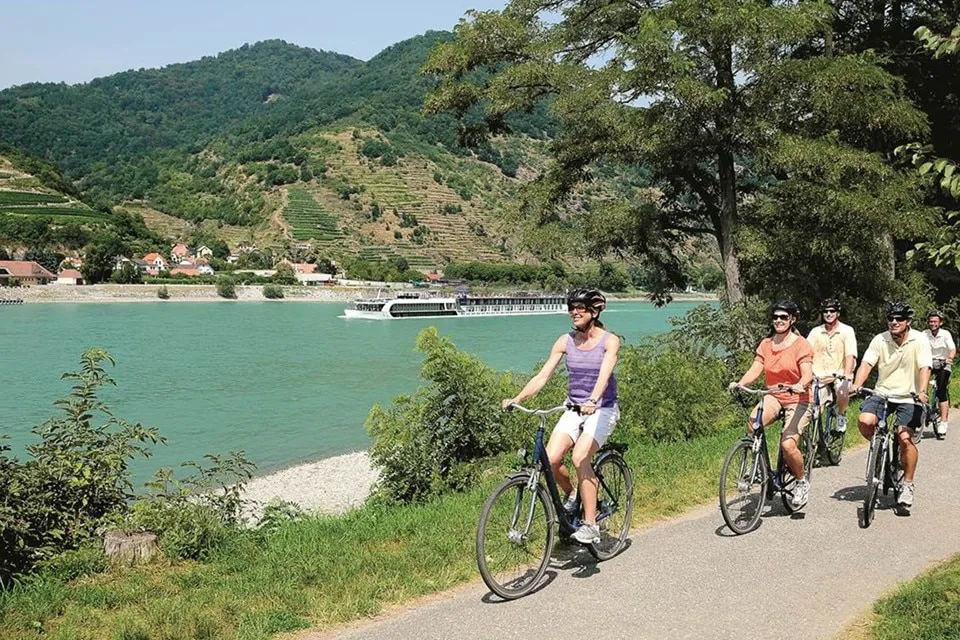
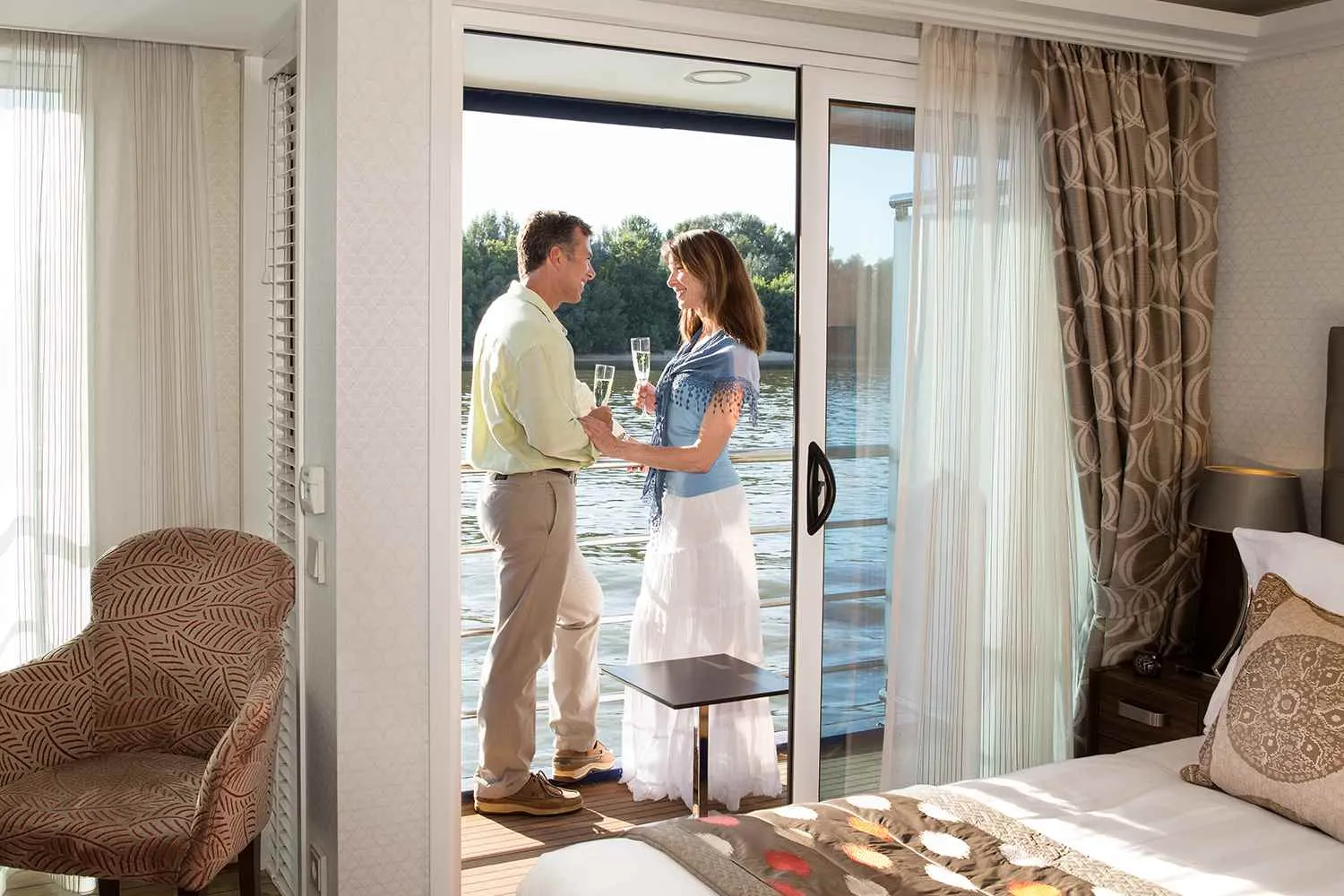
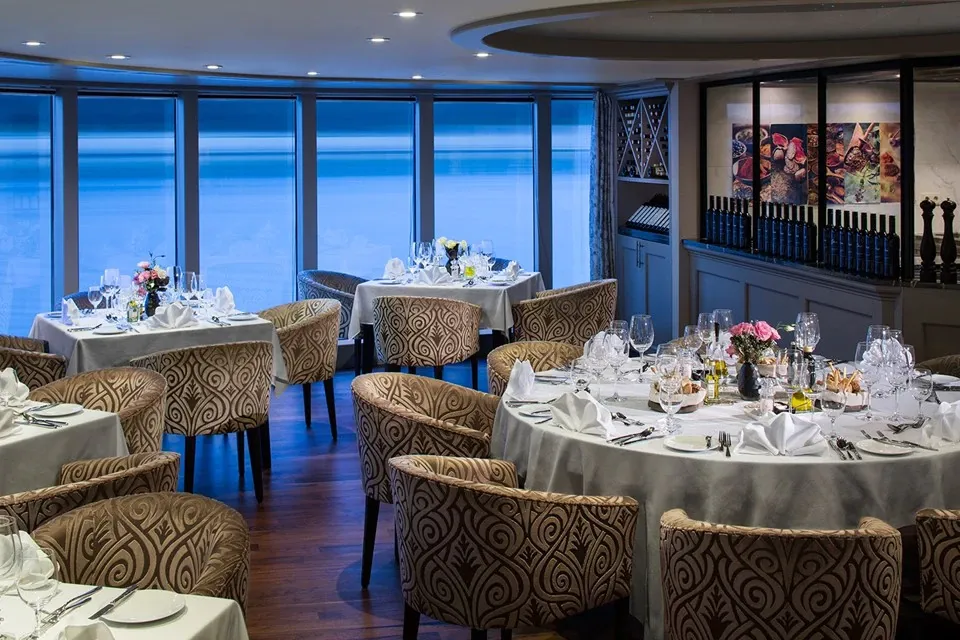
AmaWaterways
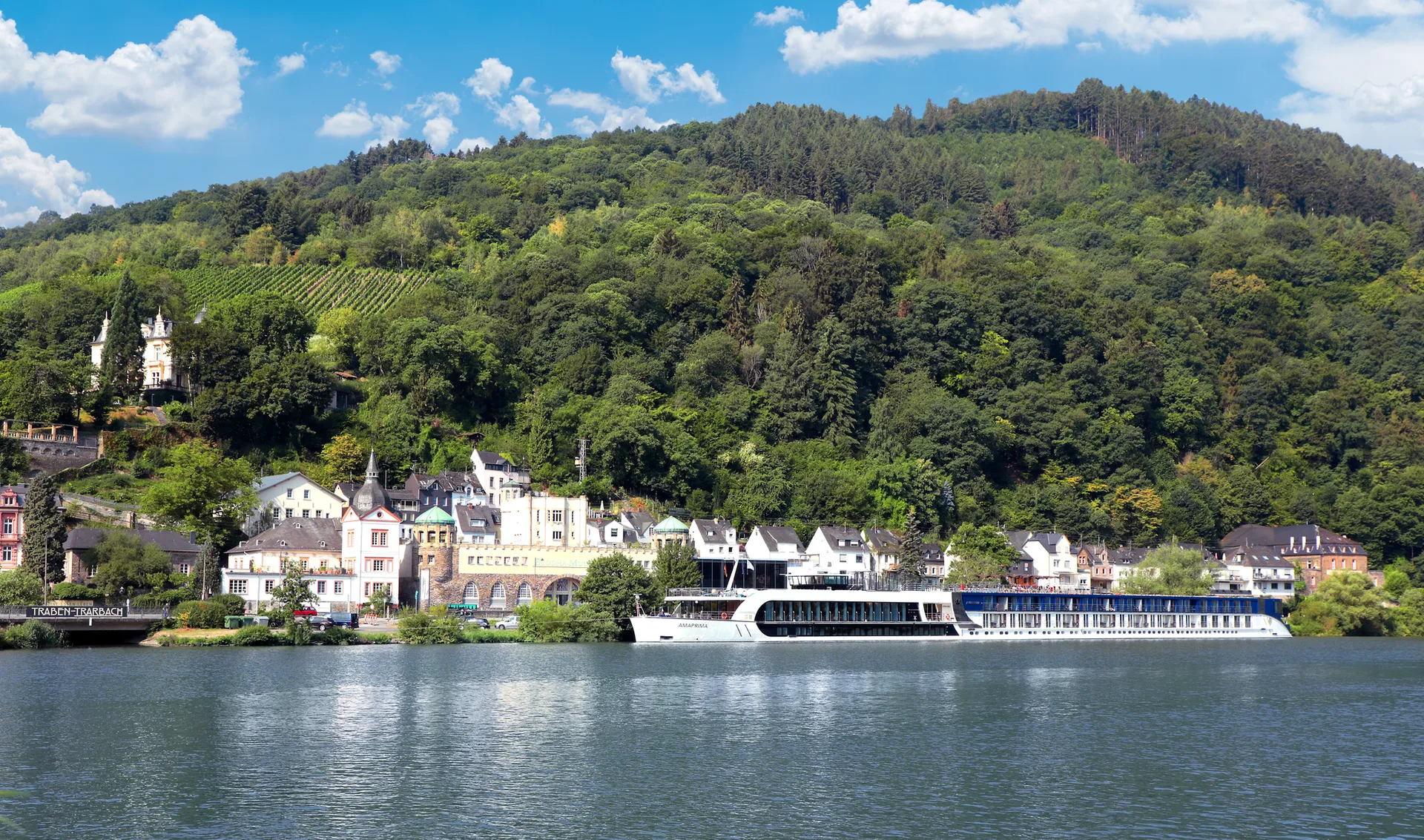
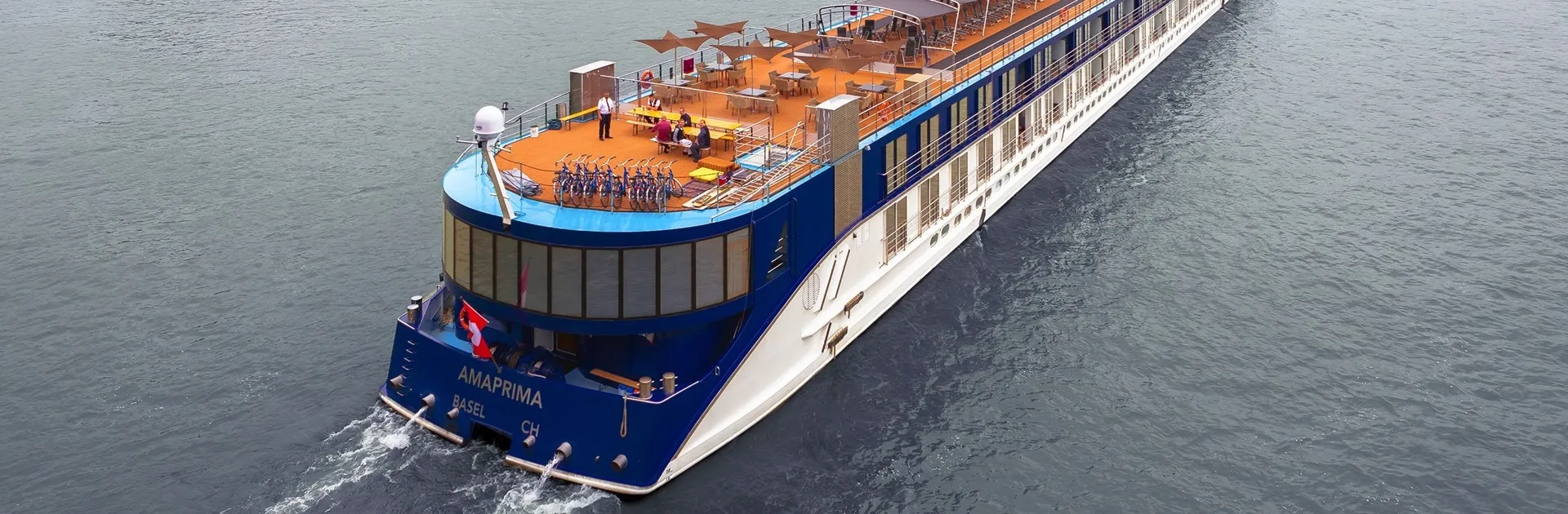
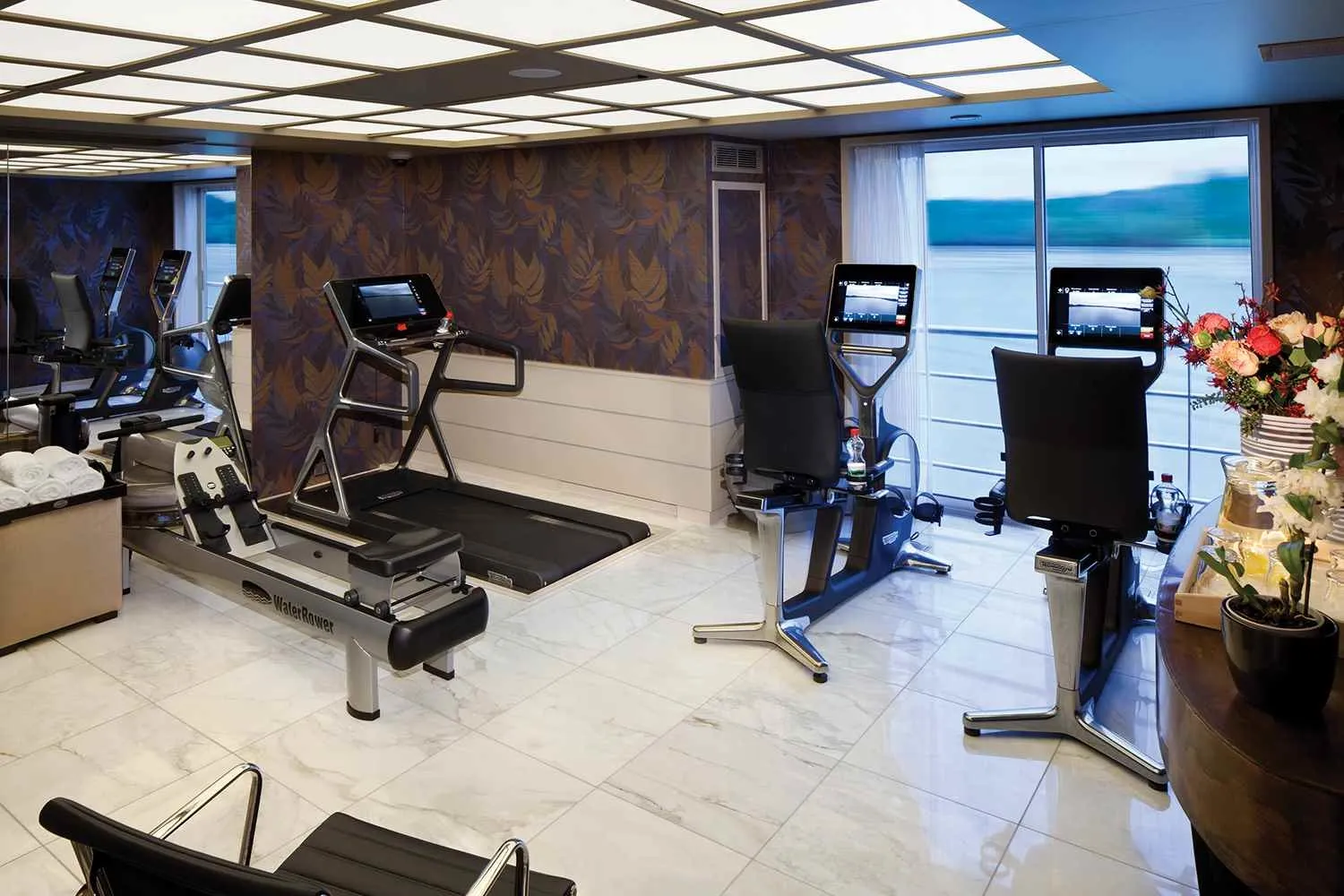
AmaPrima
Launched
2013
Refitted
—
Tonnage
3,600 GT
Passengers
162
Cabins
81
Crew
51
Length
443 m
Width
11.5 m
Speed
9 knots
Adults Only
No
Itinerary
Day 1
Day 1
Amsterdam
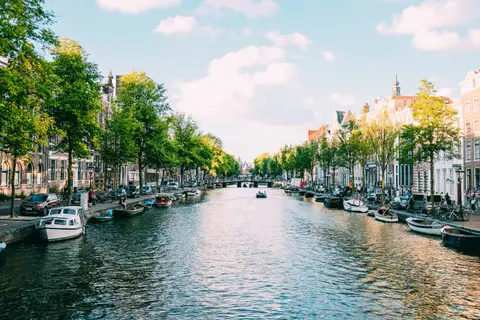
Amsterdam's UNESCO-listed canal ring — a concentric web of seventeenth-century merchant houses and arching stone bridges — remains one of the Western world's most perfectly preserved Golden Age cityscapes, best explored by bicycle or canal boat at a pace that lets the city's genius reveal itself slowly. The Rijksmuseum's collection of Rembrandt and Vermeer masterpieces is essential, while the Anne Frank House offers one of Europe's most profoundly moving historical encounters. Spring brings the iconic tulip season; summer fills the terraces of the Jordaan district. Schiphol Airport makes Amsterdam a seamless gateway to the entire European continent.
Day 3
Day 3
Cologne
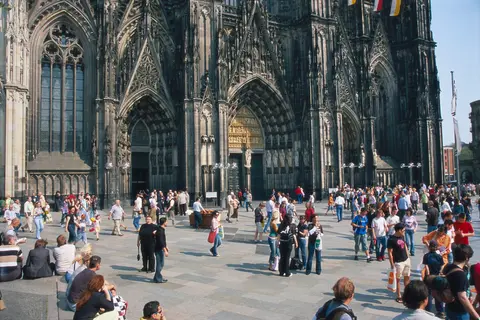
Cologne's twin-spired Gothic cathedral, six hundred years in the building and still the city's defining monument, is the inevitable starting point — but this ancient Rhine city rewards exploration well beyond its iconic silhouette. The Romano-Germanic Museum reveals the city's Roman foundations, while the Chocolate Museum on the riverbank offers a distinctly sweeter history lesson. Cologne's famed Kölsch beer culture thrives in the old town's traditional brew-houses, where one round follows another in centuries-old wooden halls. The city is welcoming year-round, though the legendary Christmas markets (November–December) attract visitors from across Europe.
Day 4
Day 4
Rudesheim
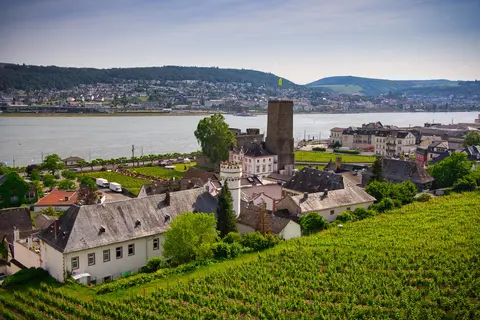
Rüdesheim am Rhein, a jewel of the UNESCO-listed Upper Middle Rhine Valley, is where Germany's most storied wine river cuts through vine-terraced slopes and medieval castle ruins. The pedestrianised Drosselgasse laneway — beloved since the Romantic era — hums with wine taverns pouring the region's celebrated Rieslings, crisp and mineral from the slate soils. The Niederwald Monument surveys the river from the heights, reached by cable car above the vineyards. Day trips by boat unlock Bacharach, Boppard, and the legendary Lorelei rock. September's harvest festivals transform the entire valley into a convivial celebration of the vintage.
Day 5
Day 5
Mainz
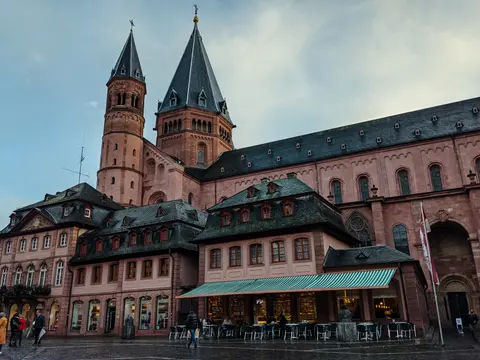
Mainz is where the modern world was printed into existence: Johannes Gutenberg's invention of movable-type printing around 1440 transformed this ancient Rhine city into the birthplace of the information age, a legacy honoured at the extraordinary Gutenberg Museum, home to one of the surviving original Bibles. The Romanesque cathedral of St. Martin, built over a millennium from the year 975, anchors a charming old town of wine taverns and market squares where Rhenish Rieslings flow freely. Visit between spring and autumn for the famous Mainz Wine Market held beside the Rhine. A day-cruise port with surprising cultural depth.
Day 5
Day 5
Lahnstein
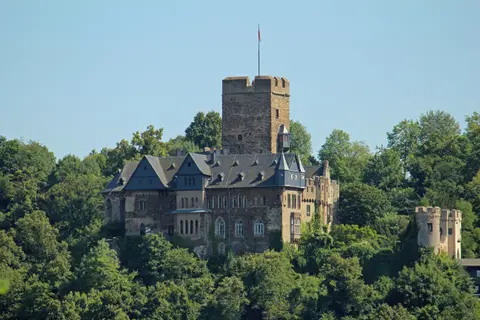
Lahnstein sits at the confluence of the Lahn and Rhine rivers in Germany's UNESCO-listed Rhine Gorge, overlooked by the fairy-tale Burg Lahneck castle and surrounded by steep, vine-covered hillsides. Must-dos include touring the castle's restored great hall, tasting mineral Rieslings from local wineries, and cruising the Rhine past the legendary Lorelei rock. May through October offers warm weather and the region's festive wine-harvest season.
Day 6
Day 6
Moselle Valley
Day 6
Day 6
Cochem
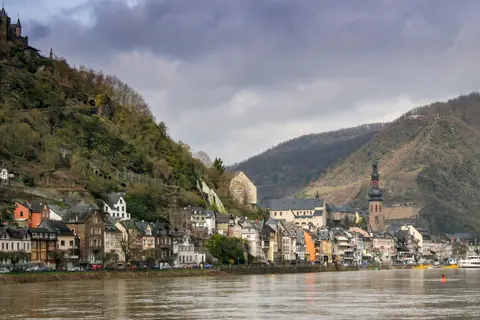
The Reichsburg Cochem — a turreted fairy-tale castle presiding over a loop of the Moselle River — is among Germany's most photogenic medieval fortresses, its silhouette rising above terraced vineyards of ancient Riesling vines. The town below offers a charming ensemble of half-timbered houses, wine-cellar tastings, and cycle paths threading through valley landscapes that have barely changed in centuries. Arrive in September for the harvest festival, when the whole town smells of fermenting Riesling, or choose May for blossom-framed panoramas and long golden evenings on the riverside terraces.
Day 7
Day 7
Bernkastel
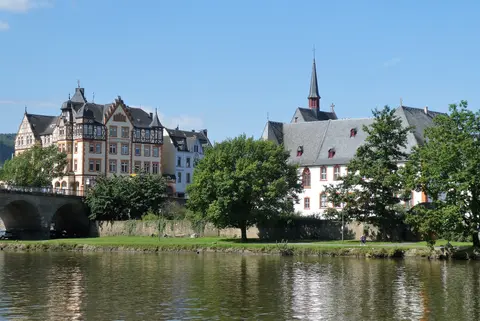
Bernkastel-Kues, the twin town straddling the Moselle, has been synonymous with Riesling for six centuries — home to the legendary Bernkasteler Doctor vineyard, whose precipitous south-facing slope has produced wines of such renown that a single hectare once sold for a record price. The Marktplatz, virtually unchanged since the seventeenth century, is Germany's most photogenic half-timbered market square: a stage-set of crooked facades and flower-hung balconies best appreciated over a glass of Spätlese in the late afternoon light. September brings the annual Moselle Wine Festival to the riverbanks. Trier, Germany's oldest city with its spectacular Roman amphitheatre, lies forty minutes upstream.
Day 8
Day 8
Luxembourg
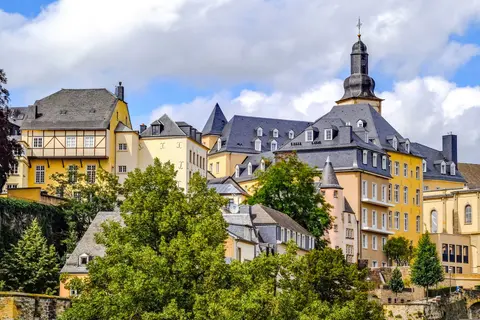
Luxembourg is Europe's most dramatically situated small capital, perched above deep river gorges and fortified with UNESCO-listed ramparts including seventeen kilometres of underground casemates. Must-dos include exploring the Bock Casemates, dining on Judd mat Gaardebounen, and wandering the charming Grund quarter in the valley below. May through October offers the best weather for enjoying the city's extraordinary terrace views and outdoor cafe culture.
Day 1
Amsterdam
Amsterdam's UNESCO-listed canal ring — a concentric web of seventeenth-century merchant houses and arching stone bridges — remains one of the Western world's most perfectly preserved Golden Age cityscapes, best explored by bicycle or canal boat at a pace that lets the city's genius reveal itself slowly. The Rijksmuseum's collection of Rembrandt and Vermeer masterpieces is essential, while the Anne Frank House offers one of Europe's most profoundly moving historical encounters. Spring brings the iconic tulip season; summer fills the terraces of the Jordaan district. Schiphol Airport makes Amsterdam a seamless gateway to the entire European continent.
Day 3
Cologne
Cologne's twin-spired Gothic cathedral, six hundred years in the building and still the city's defining monument, is the inevitable starting point — but this ancient Rhine city rewards exploration well beyond its iconic silhouette. The Romano-Germanic Museum reveals the city's Roman foundations, while the Chocolate Museum on the riverbank offers a distinctly sweeter history lesson. Cologne's famed Kölsch beer culture thrives in the old town's traditional brew-houses, where one round follows another in centuries-old wooden halls. The city is welcoming year-round, though the legendary Christmas markets (November–December) attract visitors from across Europe.
Day 4
Rudesheim
Rüdesheim am Rhein, a jewel of the UNESCO-listed Upper Middle Rhine Valley, is where Germany's most storied wine river cuts through vine-terraced slopes and medieval castle ruins. The pedestrianised Drosselgasse laneway — beloved since the Romantic era — hums with wine taverns pouring the region's celebrated Rieslings, crisp and mineral from the slate soils. The Niederwald Monument surveys the river from the heights, reached by cable car above the vineyards. Day trips by boat unlock Bacharach, Boppard, and the legendary Lorelei rock. September's harvest festivals transform the entire valley into a convivial celebration of the vintage.
Day 5
Mainz
Mainz is where the modern world was printed into existence: Johannes Gutenberg's invention of movable-type printing around 1440 transformed this ancient Rhine city into the birthplace of the information age, a legacy honoured at the extraordinary Gutenberg Museum, home to one of the surviving original Bibles. The Romanesque cathedral of St. Martin, built over a millennium from the year 975, anchors a charming old town of wine taverns and market squares where Rhenish Rieslings flow freely. Visit between spring and autumn for the famous Mainz Wine Market held beside the Rhine. A day-cruise port with surprising cultural depth.
Lahnstein
Lahnstein sits at the confluence of the Lahn and Rhine rivers in Germany's UNESCO-listed Rhine Gorge, overlooked by the fairy-tale Burg Lahneck castle and surrounded by steep, vine-covered hillsides. Must-dos include touring the castle's restored great hall, tasting mineral Rieslings from local wineries, and cruising the Rhine past the legendary Lorelei rock. May through October offers warm weather and the region's festive wine-harvest season.
Day 6
Moselle Valley
Cochem
The Reichsburg Cochem — a turreted fairy-tale castle presiding over a loop of the Moselle River — is among Germany's most photogenic medieval fortresses, its silhouette rising above terraced vineyards of ancient Riesling vines. The town below offers a charming ensemble of half-timbered houses, wine-cellar tastings, and cycle paths threading through valley landscapes that have barely changed in centuries. Arrive in September for the harvest festival, when the whole town smells of fermenting Riesling, or choose May for blossom-framed panoramas and long golden evenings on the riverside terraces.
Day 7
Bernkastel
Bernkastel-Kues, the twin town straddling the Moselle, has been synonymous with Riesling for six centuries — home to the legendary Bernkasteler Doctor vineyard, whose precipitous south-facing slope has produced wines of such renown that a single hectare once sold for a record price. The Marktplatz, virtually unchanged since the seventeenth century, is Germany's most photogenic half-timbered market square: a stage-set of crooked facades and flower-hung balconies best appreciated over a glass of Spätlese in the late afternoon light. September brings the annual Moselle Wine Festival to the riverbanks. Trier, Germany's oldest city with its spectacular Roman amphitheatre, lies forty minutes upstream.
Day 8
Luxembourg
Luxembourg is Europe's most dramatically situated small capital, perched above deep river gorges and fortified with UNESCO-listed ramparts including seventeen kilometres of underground casemates. Must-dos include exploring the Bock Casemates, dining on Judd mat Gaardebounen, and wandering the charming Grund quarter in the valley below. May through October offers the best weather for enjoying the city's extraordinary terrace views and outdoor cafe culture.
Cabin Categories
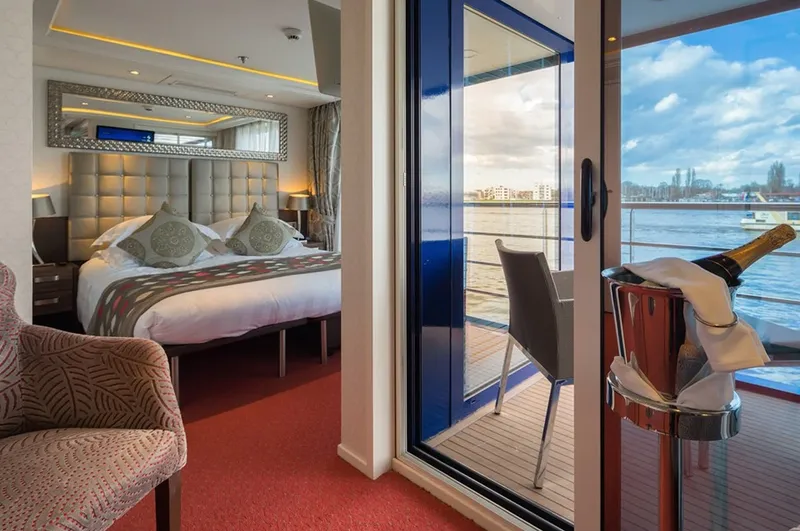
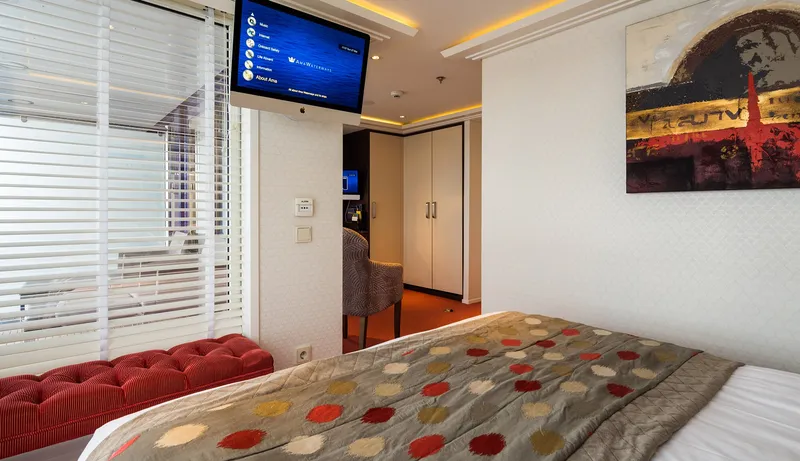
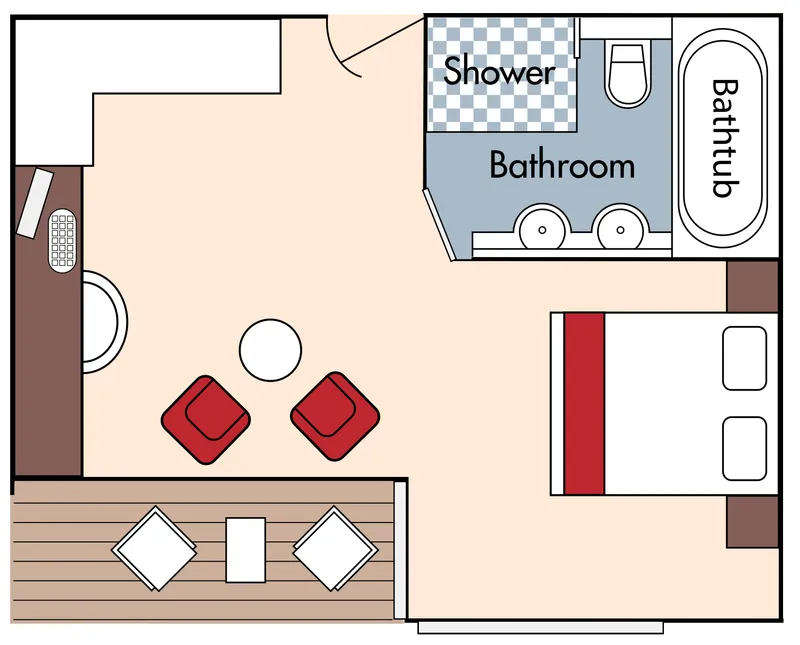
Suite
Suite
300 m²Max 2
SS
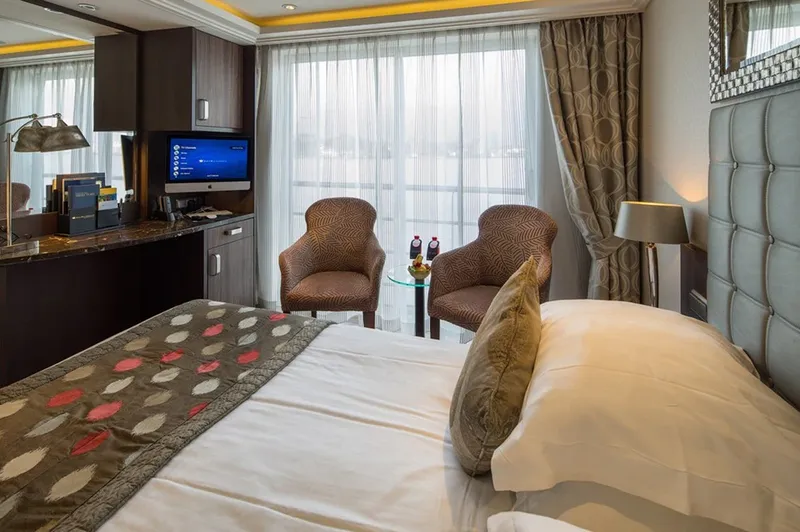
In-room temperature control
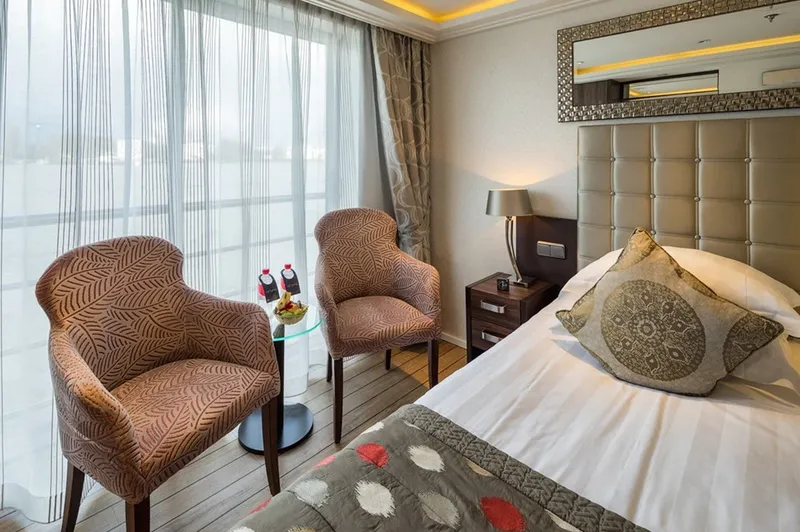
Deluxe hotel-style bedding with Egyptian linen, down pillows and duvet
Spacious bathrooms with multi-jet showerheads
Large wardrobe, full-length mirror, hair dryer, safe and direct-dial telephone
Flat-screen TV that also works as a computer
Entertainment on Demand system providing complimentary TV, movies and music library
Complimentary internet and Wi-Fi
Complimentary bottled water replenished daily
Desk and chair
Queen or Twin ConfigurationLounge AreaShowerBathToiletries ProvidedRoom Service Available+6
US$8,598 /person+ US$250 taxes & fees
French Balcony
Balcony
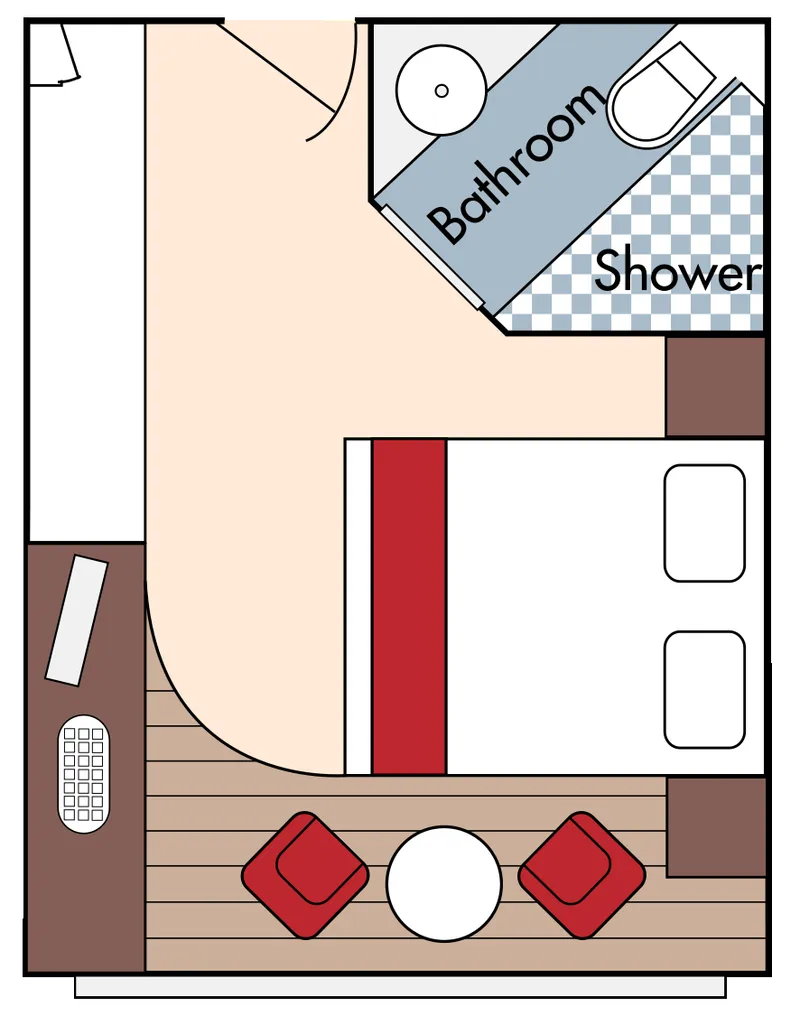
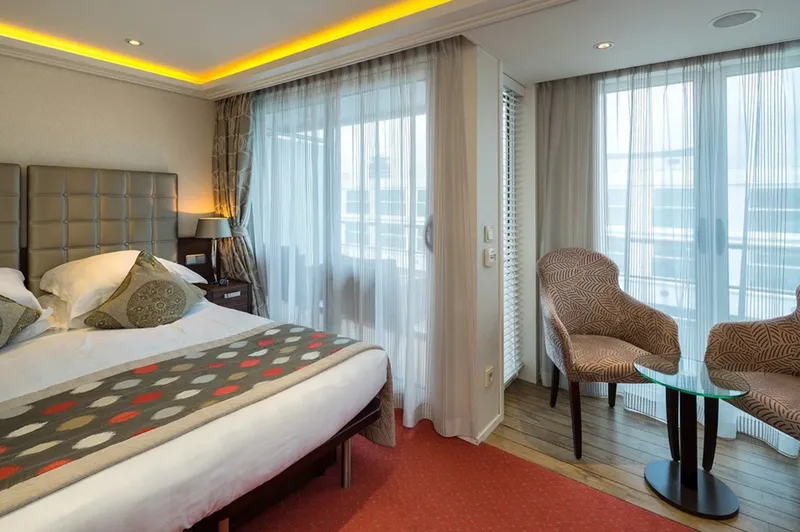
170 m²Max 2
C
In-room temperature control
Deluxe hotel-style bedding with Egyptian linen, down pillows and duvet
Spacious bathrooms with multi-jet showerheads
Large wardrobe, full-length mirror, hair dryer, safe and direct-dial telephone
Flat-screen TV that also works as a computer
Entertainment on Demand system providing complimentary TV, movies and music library
Complimentary internet and Wi-Fi
Complimentary bottled water replenished daily
Desk and chair
Queen or Twin ConfigurationShowerToiletries ProvidedRoom Service AvailableTVFree Wi-Fi+6
US$6,098 /person+ US$250 taxes & fees
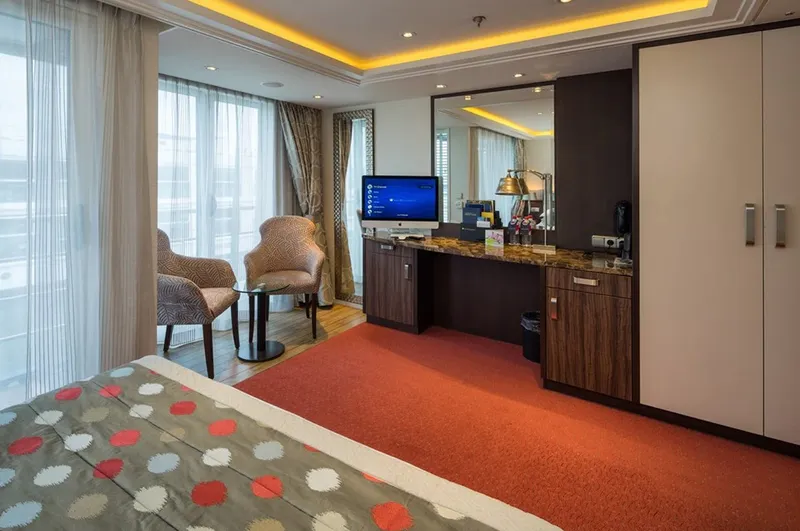
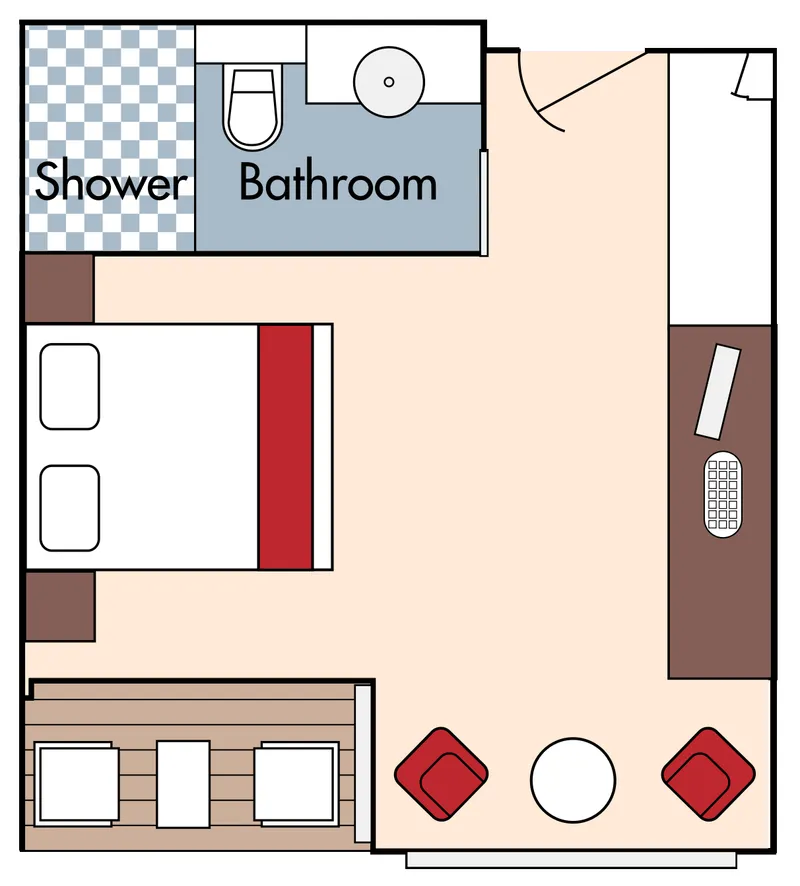
Twin Balcony
Balcony
210–290 m²Max 2
AAAA+ABBABB
In-room temperature control
Deluxe hotel-style bedding with Egyptian linen, down pillows and duvet
Spacious bathrooms with multi-jet showerheads
Large wardrobe, full-length mirror, hair dryer, safe and direct-dial telephone
Flat-screen TV that also works as a computer
Entertainment on Demand system providing complimentary TV, movies and music library
Complimentary internet and Wi-Fi
Complimentary bottled water replenished daily
Desk and chair
Queen or Twin ConfigurationShowerToiletries ProvidedRoom Service AvailableTVFree Wi-Fi+6
US$6,698 /person+ US$250 taxes & fees
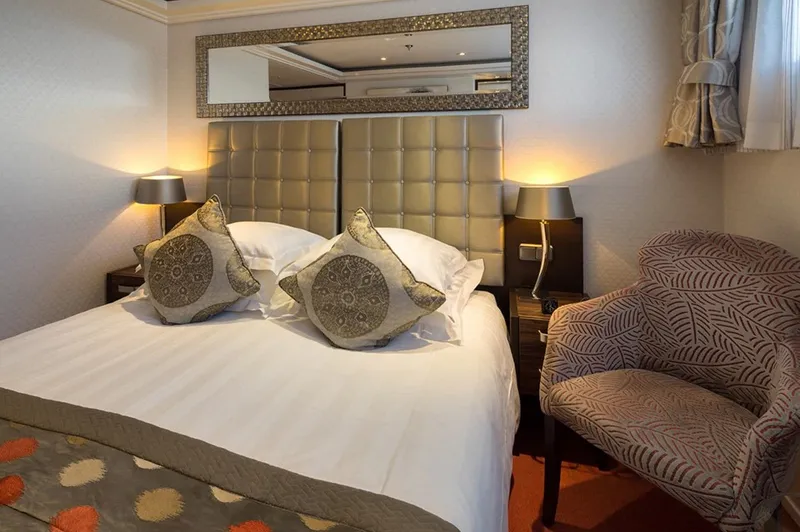
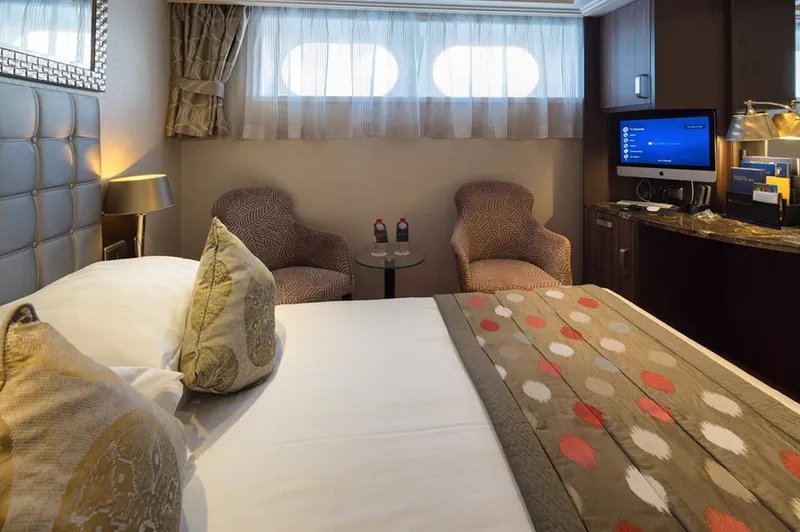
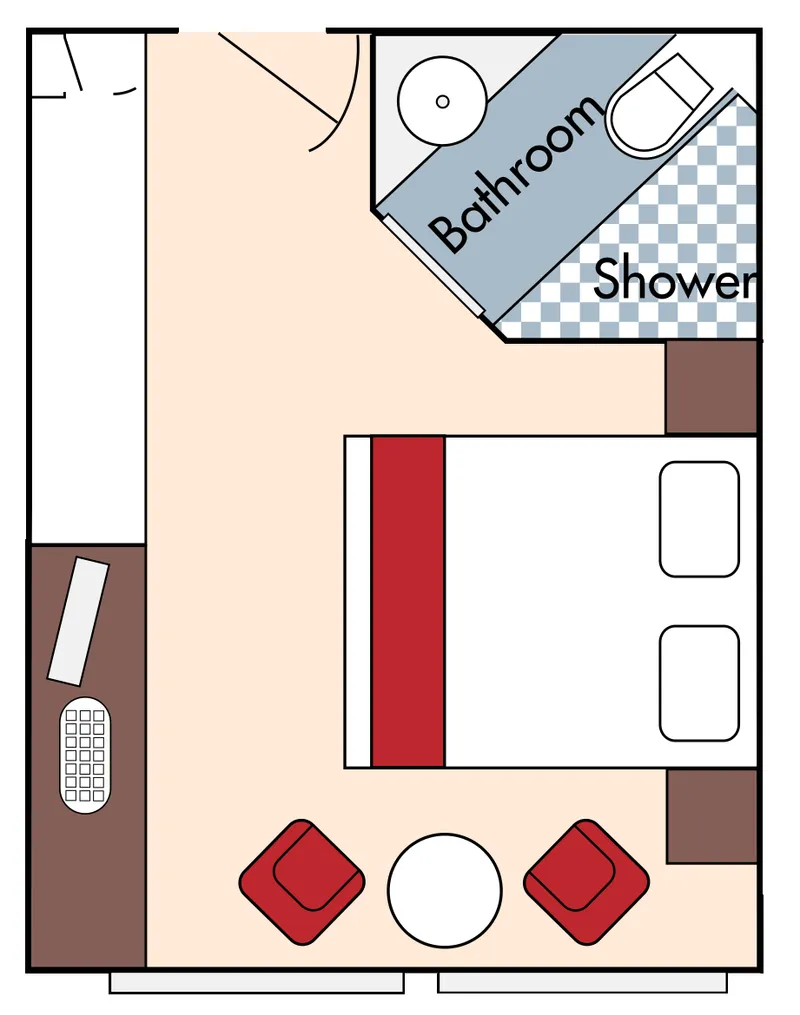
Fixed Window
Outside
160 m²Max 2
DE
In-room temperature control
Deluxe hotel-style bedding with Egyptian linen, down pillows and duvet
Spacious bathrooms with multi-jet showerheads
Large wardrobe, full-length mirror, hair dryer, safe and direct-dial telephone
Flat-screen TV that also works as a computer
Entertainment on Demand system providing complimentary TV, movies and music library
Complimentary internet and Wi-Fi
Complimentary bottled water replenished daily
Desk and chair
Queen or Twin ConfigurationShowerToiletries ProvidedRoom Service AvailableTVFree Wi-Fi+6
US$4,599 /person+ US$250 taxes & fees
Interested in This Voyage?
Our cruise specialists can help you find the perfect cabin and the best available pricing.
(+886) 02-2721-7300Contact Advisor