AmaWaterwaysAD270428AO
Medieval Treasures
Date
2027-04-28
Duration
7 nights
Departure Port
Basel
Switzerland
Arrival Port
Nuremberg
Germany
Rating
Luxury
Theme
—
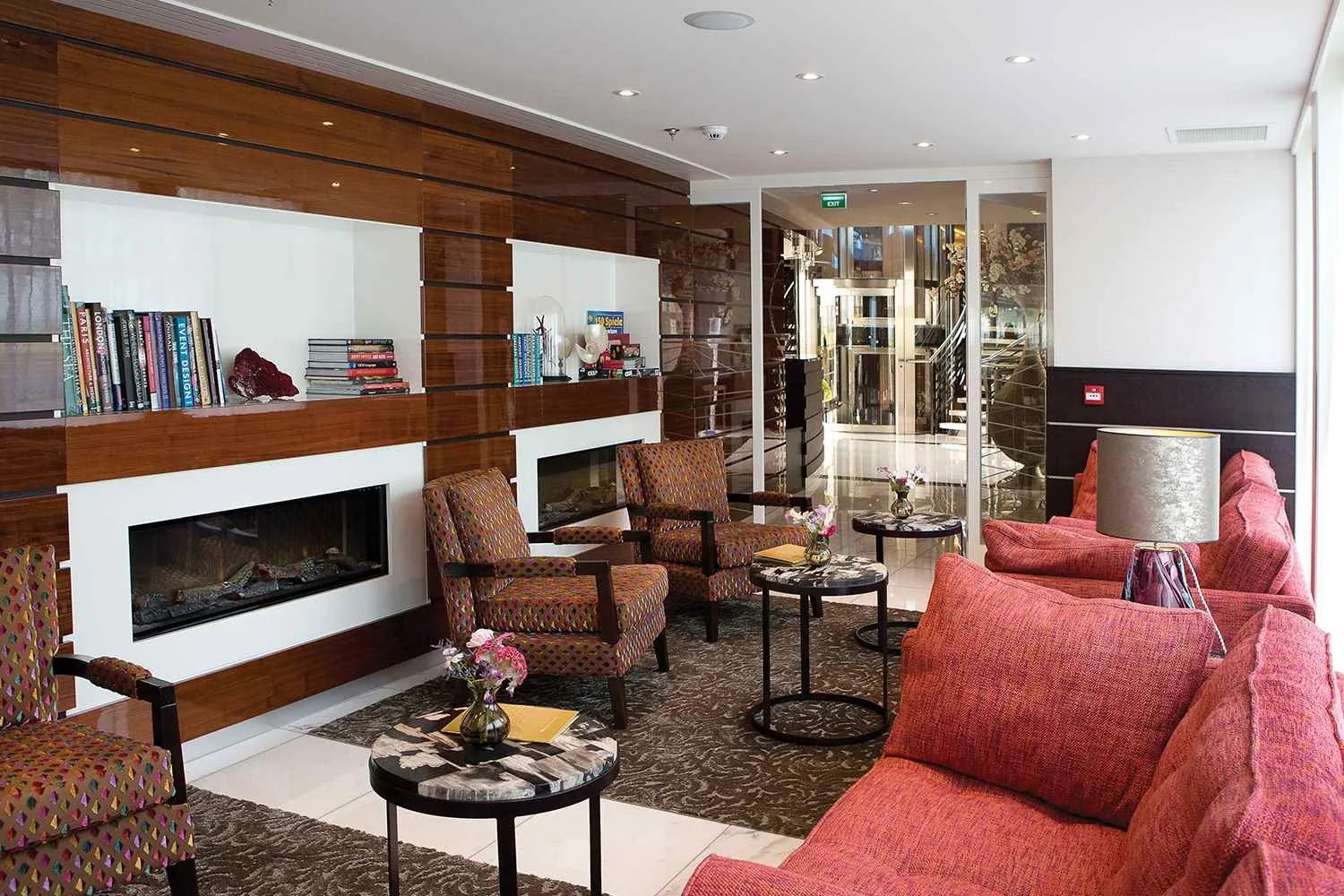
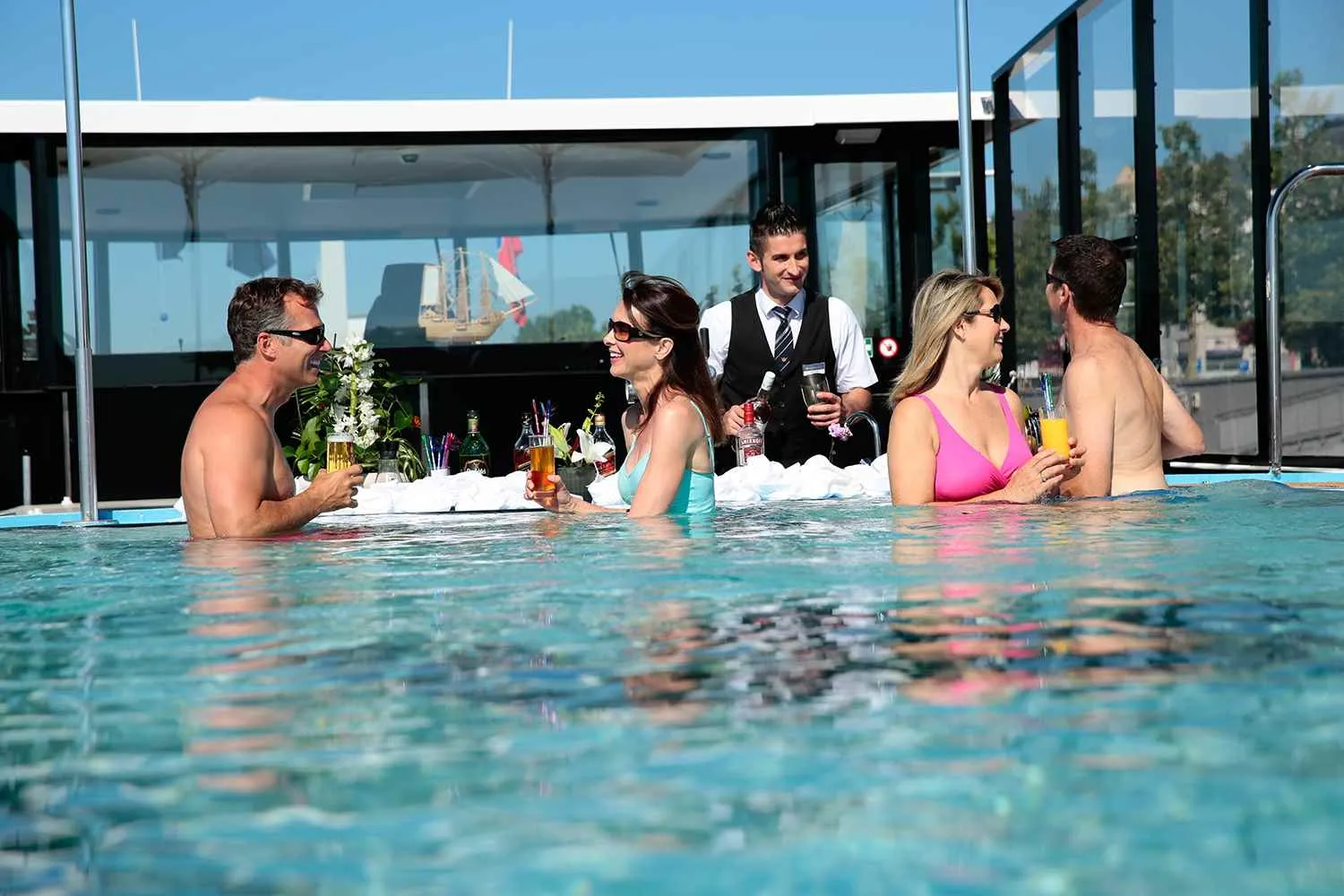
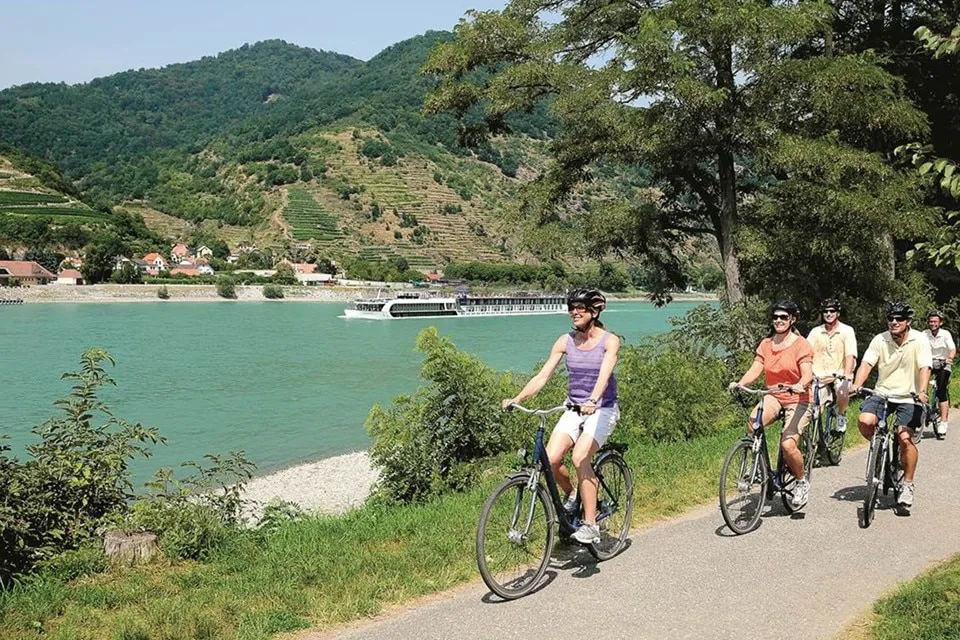
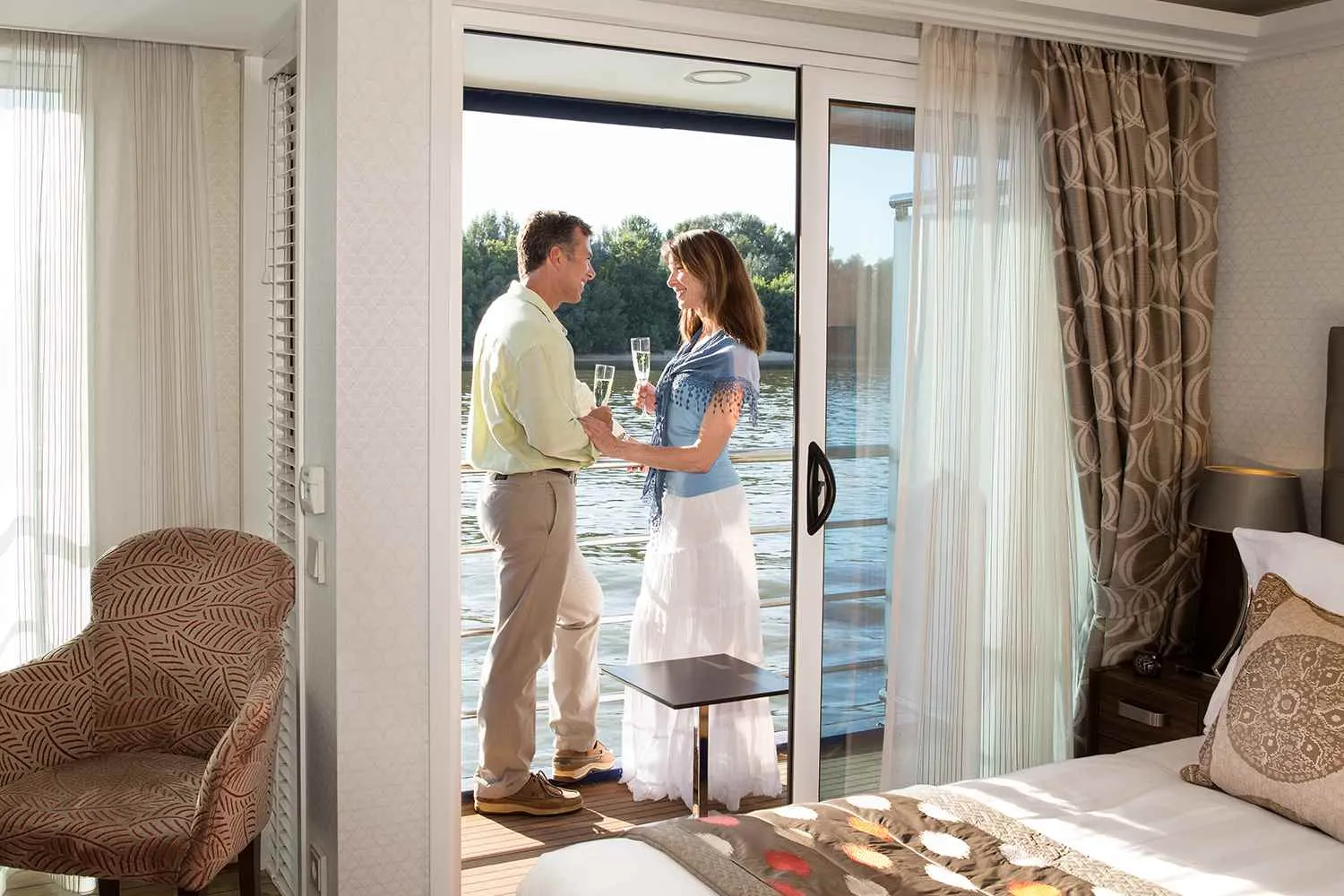
AmaWaterways
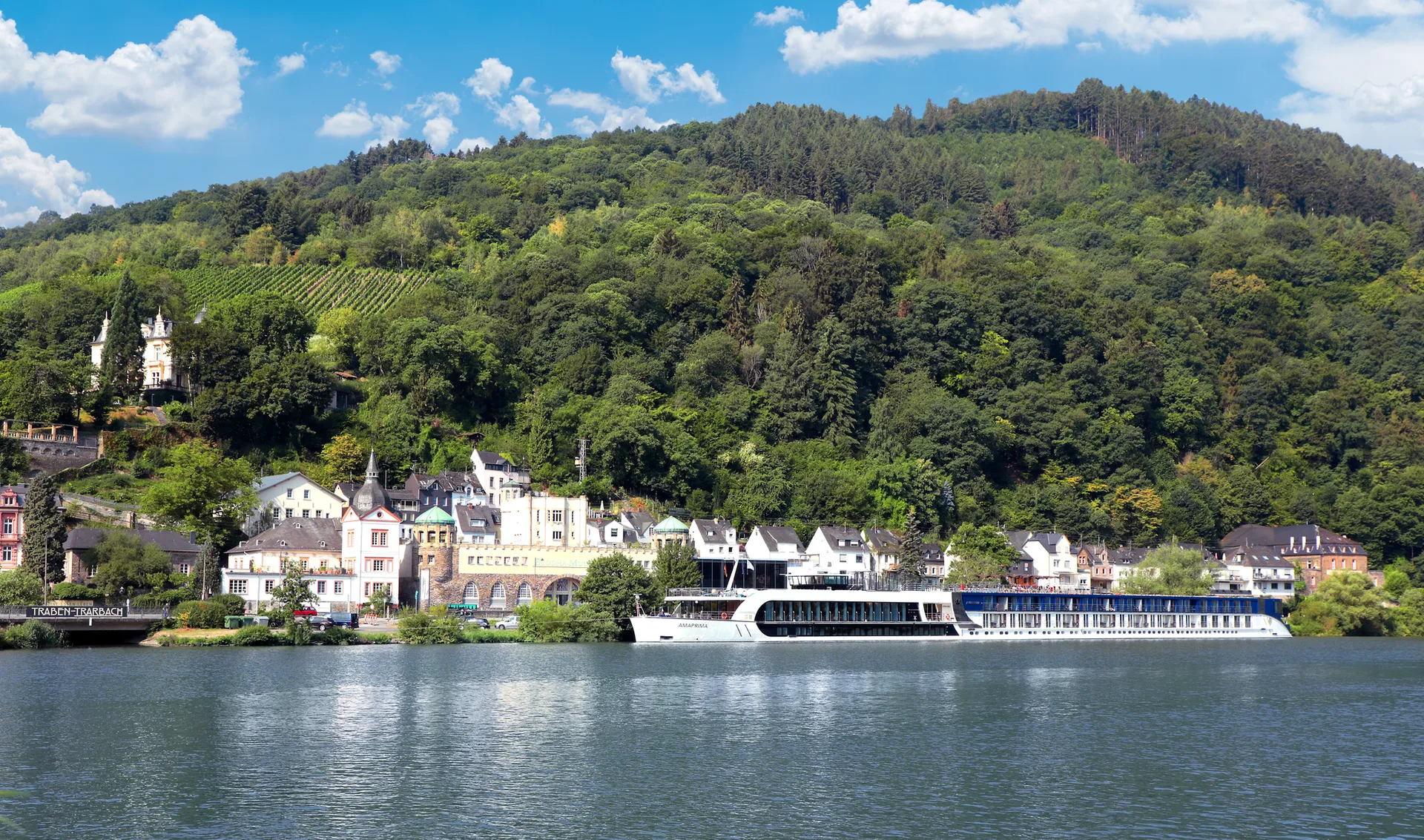
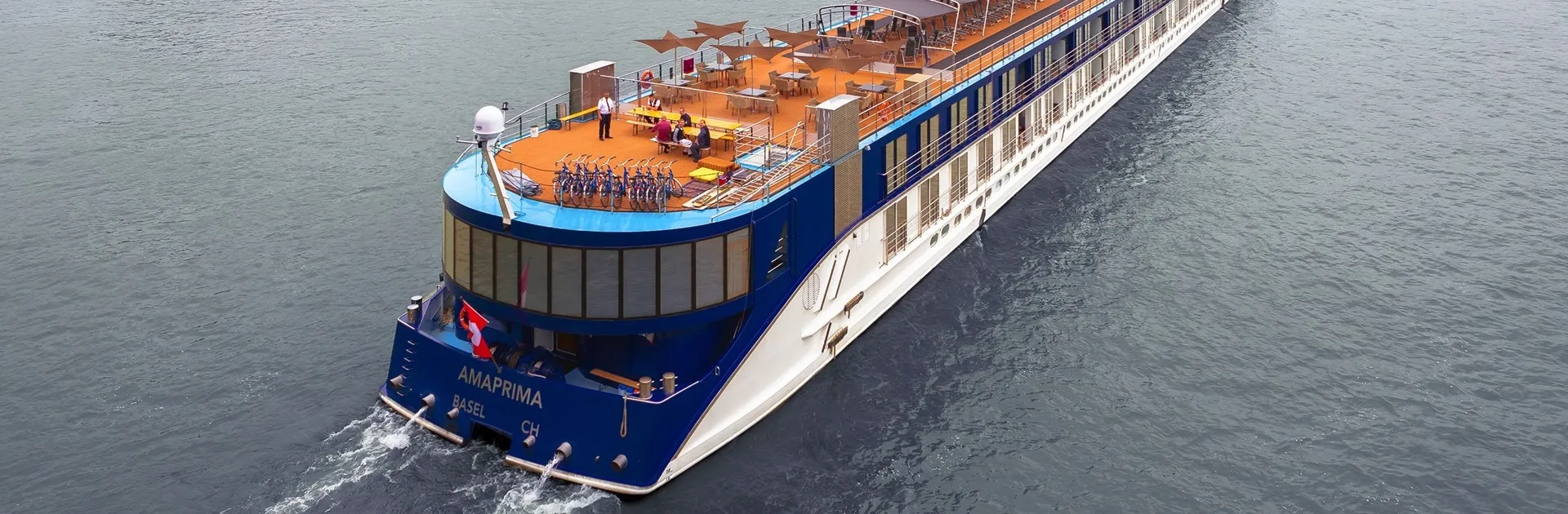
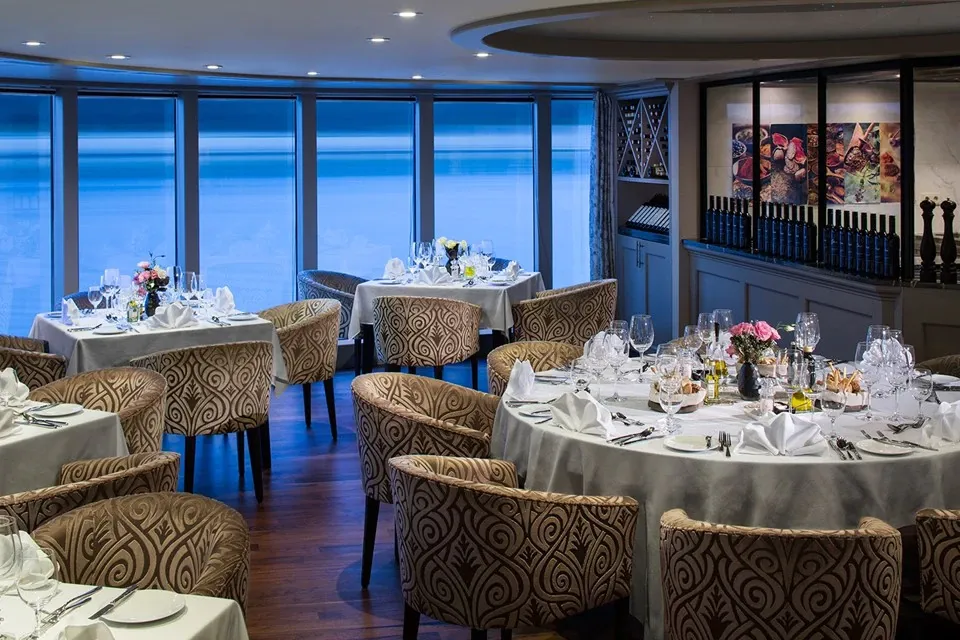
AmaPrima
Launched
2013
Refitted
—
Tonnage
3,600 GT
Passengers
162
Cabins
81
Crew
51
Length
443 m
Width
11.5 m
Speed
9 knots
Adults Only
No
Itinerary
Day 1
Day 1
Basel
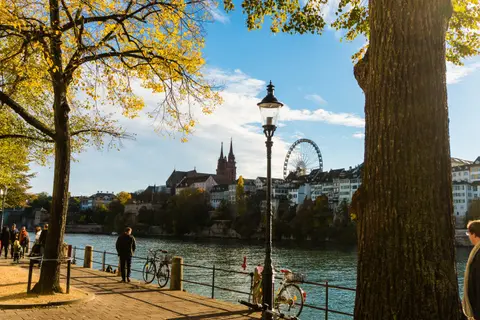
Basel, where Switzerland, France, and Germany converge at the Rhine's northward bend, hosts a concentration of world-class art institutions that rivals any city its size on earth — the Kunstmuseum alone, the world's oldest public art collection, could occupy days, and Art Basel each June draws every name that matters in the contemporary art world to this compact, elegant city. The Rhine itself is the city's great social artery: in summer, locals jump in with waterproof bags and float downstream, a tradition as charming as any museum. Spring through autumn is ideal for outdoor exploration; Paris is just three hours by TGV and Strasbourg a mere twenty minutes by train.
Day 2
Day 2
Strasbourg
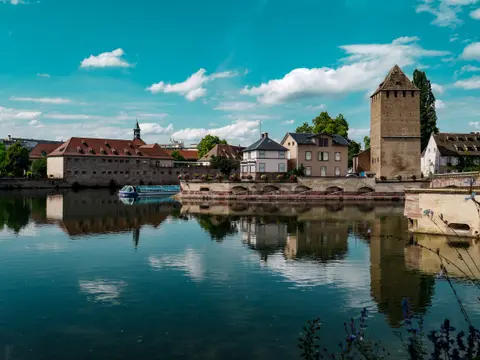
Strasbourg is one of Europe's great border cities, its Franco-German soul etched into every half-timbered façade of the UNESCO-listed Grande Île and every turret of the soaring rose-sandstone cathedral that reigned as the world's tallest building for over two centuries. As the seat of the European Parliament and home to the European Court of Human Rights, this sophisticated Alsatian capital savors outstanding Riesling and choucroute garnie with equal Continental pride. The city dazzles year-round, though December's legendary Christmas market — among the oldest in Europe — transforms its medieval squares into an enchanted winter spectacle.
Day 3
Day 3
Ludwigshafen
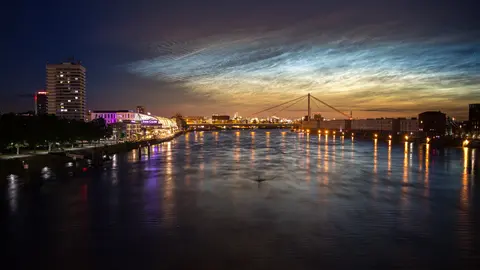
Ludwigshafen am Rhein was founded by Bavarian royal ambition in 1843 and grew rapidly into one of Germany's great industrial cities — home to BASF, the world's largest chemical company, whose vast campus stretches along the Rhine for kilometres. Though industrial in character, Ludwigshafen occupies a prime Rhine valley position that places it within easy reach of Heidelberg, Germany's most romantic university city, and the rolling vineyards of the Palatinate wine region. The Kunstmuseum Ludwigshafen houses a noteworthy collection of contemporary art. Ludwigshafen is a year-round river cruise port, though May through October offers the most pleasant conditions for excursions into the surrounding wine country.
Day 4
Day 4
Frankfurt
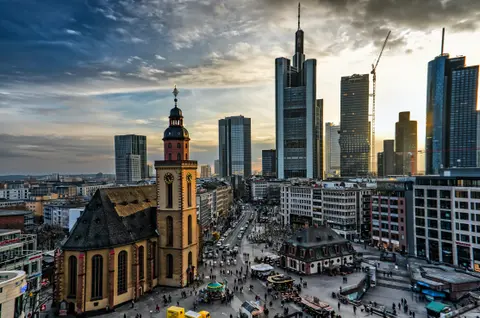
Frankfurt’s port is a dynamic entry point to the heart of Germany, blending modern finance with rich history. Must-do experiences include savoring traditional dishes like Frankfurter Rippchen and exploring the bustling Kleinmarkthalle. The best season to visit is during the spring, when the city comes alive with festivals and outdoor markets.
Day 5
Day 5
Miltenberg
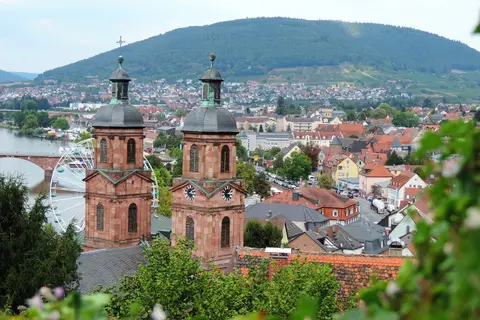
Miltenberg is a captivating port town in Germany, renowned for its stunning half-timbered architecture and rich historical heritage. Must-do experiences include indulging in local specialties like Miltenberger Käse and Schäufele, and exploring the nearby towns of Wertheim and Bernkastel. The best season to visit is during the late spring and summer months when the town's vibrant markets and outdoor atmosphere come alive.
Day 5
Day 5
Wertheim
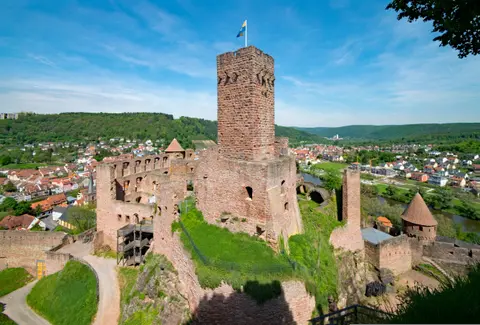
Perched at the confluence of the Main and Tauber rivers beneath the romantic ruins of a 12th-century count's castle, Wertheim is one of Franconia's most perfectly preserved medieval towns — a place where timber-framed houses lean over cobbled market squares and where the bone-dry Silvaner poured from the distinctive Bocksbeutel bottle defines the regional table. Day trips to baroque Würzburg, the medieval perfection of Rothenburg ob der Tauber, and the half-timbered town of Miltenberg complete the picture. September's wine harvest brings the Tauber Valley to its most golden.
Day 6
Day 6
Wurzburg
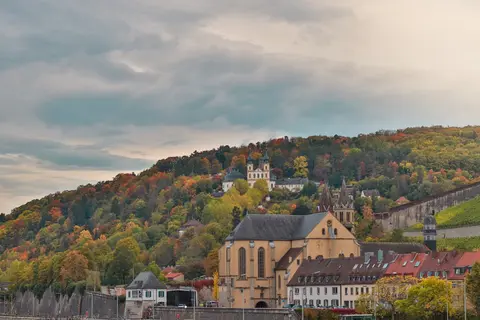
Würzburg, presiding over the Main River at the northern gateway of the Romantic Road, is Bavaria's most elegantly baroque city — its skyline commanded by the medieval Marienberg Fortress and its streets presided over by the magnificent Residenz, a UNESCO-listed princely palace whose frescoed Treppenhaus ceiling by Tiepolo is considered the largest fresco in the world. The surrounding Franconian wine country produces some of Germany's most distinctive Silvaner and Riesling, sold in the iconic bocksbeutel flask from cellars carved directly beneath the old city. Spring through autumn reveals the vine-clad hillsides in their most photogenic splendor; the historic Weinfest am Stein wine festival each September is a highlight of the Franconian calendar.
Day 7
Day 7
Eltmann
Eltmann is a charming Franconian town on the Main River in Bavaria, where medieval castle ruins overlook vineyards, half-timbered houses, and one of Germany's premier wine regions. Must-dos include climbing to the Wallburg Castle viewpoint, tasting dry Silvaner wines in their distinctive Bocksbeutel bottles, and excursing to the UNESCO-listed city of Bamberg. May through October offers the warmest weather, open beer gardens, and the most pleasant Main valley cruising conditions.
Day 8
Day 8
Nuremberg
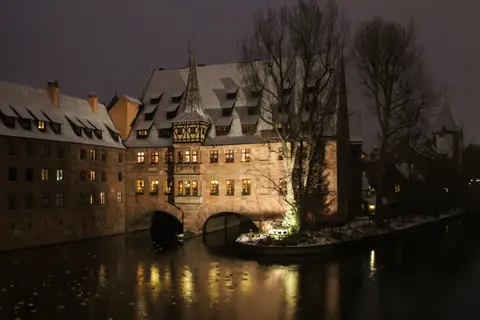
Nuremberg commands the imagination on two levels: as the glittering medieval city where Holy Roman Emperors held court, Albrecht Dürer was born, and craftsmen produced the first pocket watch — and as the site of the 20th century's darkest chapter, where Nazi rallies and subsequent war crimes trials left permanent marks on European history and conscience. The Kaiserburg castle crowning the hill above the perfectly preserved old town offers sweeping views of a cityscape that, despite wartime bombing, remains one of Germany's most beautiful. The Documentation Centre on the former Nazi Rally Grounds is essential, sobering history; the Christmas Market on the Hauptmarkt, held since 1628, is among Europe's finest. Visit May through October or December.
Day 1
Basel
Basel, where Switzerland, France, and Germany converge at the Rhine's northward bend, hosts a concentration of world-class art institutions that rivals any city its size on earth — the Kunstmuseum alone, the world's oldest public art collection, could occupy days, and Art Basel each June draws every name that matters in the contemporary art world to this compact, elegant city. The Rhine itself is the city's great social artery: in summer, locals jump in with waterproof bags and float downstream, a tradition as charming as any museum. Spring through autumn is ideal for outdoor exploration; Paris is just three hours by TGV and Strasbourg a mere twenty minutes by train.
Day 2
Strasbourg
Strasbourg is one of Europe's great border cities, its Franco-German soul etched into every half-timbered façade of the UNESCO-listed Grande Île and every turret of the soaring rose-sandstone cathedral that reigned as the world's tallest building for over two centuries. As the seat of the European Parliament and home to the European Court of Human Rights, this sophisticated Alsatian capital savors outstanding Riesling and choucroute garnie with equal Continental pride. The city dazzles year-round, though December's legendary Christmas market — among the oldest in Europe — transforms its medieval squares into an enchanted winter spectacle.
Day 3
Ludwigshafen
Ludwigshafen am Rhein was founded by Bavarian royal ambition in 1843 and grew rapidly into one of Germany's great industrial cities — home to BASF, the world's largest chemical company, whose vast campus stretches along the Rhine for kilometres. Though industrial in character, Ludwigshafen occupies a prime Rhine valley position that places it within easy reach of Heidelberg, Germany's most romantic university city, and the rolling vineyards of the Palatinate wine region. The Kunstmuseum Ludwigshafen houses a noteworthy collection of contemporary art. Ludwigshafen is a year-round river cruise port, though May through October offers the most pleasant conditions for excursions into the surrounding wine country.
Day 4
Frankfurt
Frankfurt’s port is a dynamic entry point to the heart of Germany, blending modern finance with rich history. Must-do experiences include savoring traditional dishes like Frankfurter Rippchen and exploring the bustling Kleinmarkthalle. The best season to visit is during the spring, when the city comes alive with festivals and outdoor markets.
Day 5
Miltenberg
Miltenberg is a captivating port town in Germany, renowned for its stunning half-timbered architecture and rich historical heritage. Must-do experiences include indulging in local specialties like Miltenberger Käse and Schäufele, and exploring the nearby towns of Wertheim and Bernkastel. The best season to visit is during the late spring and summer months when the town's vibrant markets and outdoor atmosphere come alive.
Wertheim
Perched at the confluence of the Main and Tauber rivers beneath the romantic ruins of a 12th-century count's castle, Wertheim is one of Franconia's most perfectly preserved medieval towns — a place where timber-framed houses lean over cobbled market squares and where the bone-dry Silvaner poured from the distinctive Bocksbeutel bottle defines the regional table. Day trips to baroque Würzburg, the medieval perfection of Rothenburg ob der Tauber, and the half-timbered town of Miltenberg complete the picture. September's wine harvest brings the Tauber Valley to its most golden.
Day 6
Wurzburg
Würzburg, presiding over the Main River at the northern gateway of the Romantic Road, is Bavaria's most elegantly baroque city — its skyline commanded by the medieval Marienberg Fortress and its streets presided over by the magnificent Residenz, a UNESCO-listed princely palace whose frescoed Treppenhaus ceiling by Tiepolo is considered the largest fresco in the world. The surrounding Franconian wine country produces some of Germany's most distinctive Silvaner and Riesling, sold in the iconic bocksbeutel flask from cellars carved directly beneath the old city. Spring through autumn reveals the vine-clad hillsides in their most photogenic splendor; the historic Weinfest am Stein wine festival each September is a highlight of the Franconian calendar.
Day 7
Eltmann
Eltmann is a charming Franconian town on the Main River in Bavaria, where medieval castle ruins overlook vineyards, half-timbered houses, and one of Germany's premier wine regions. Must-dos include climbing to the Wallburg Castle viewpoint, tasting dry Silvaner wines in their distinctive Bocksbeutel bottles, and excursing to the UNESCO-listed city of Bamberg. May through October offers the warmest weather, open beer gardens, and the most pleasant Main valley cruising conditions.
Day 8
Nuremberg
Nuremberg commands the imagination on two levels: as the glittering medieval city where Holy Roman Emperors held court, Albrecht Dürer was born, and craftsmen produced the first pocket watch — and as the site of the 20th century's darkest chapter, where Nazi rallies and subsequent war crimes trials left permanent marks on European history and conscience. The Kaiserburg castle crowning the hill above the perfectly preserved old town offers sweeping views of a cityscape that, despite wartime bombing, remains one of Germany's most beautiful. The Documentation Centre on the former Nazi Rally Grounds is essential, sobering history; the Christmas Market on the Hauptmarkt, held since 1628, is among Europe's finest. Visit May through October or December.
Cabin Categories
Suite
Suite
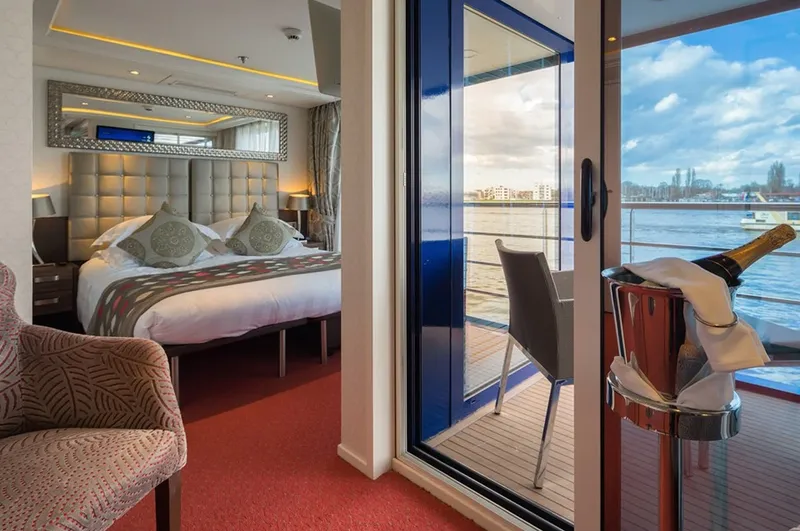
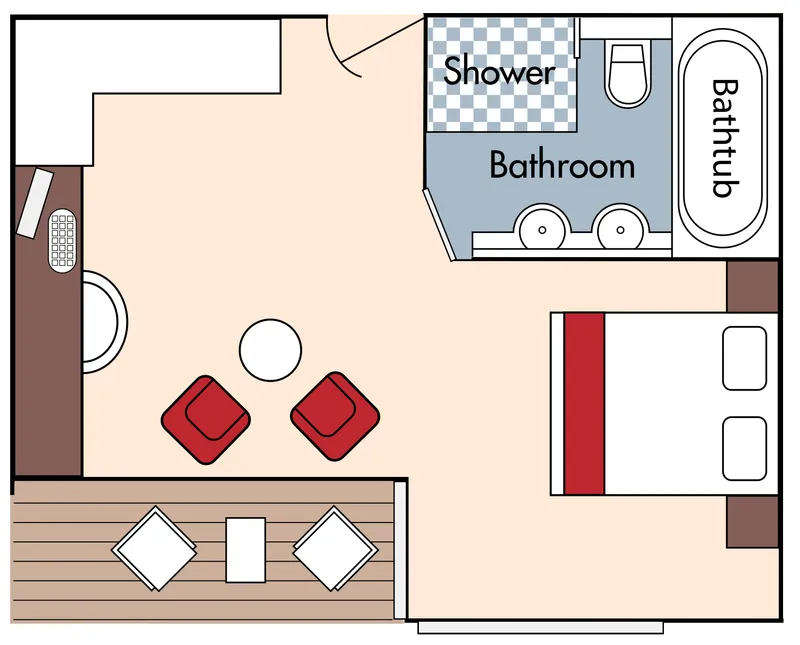
300 m²Max 2
SS
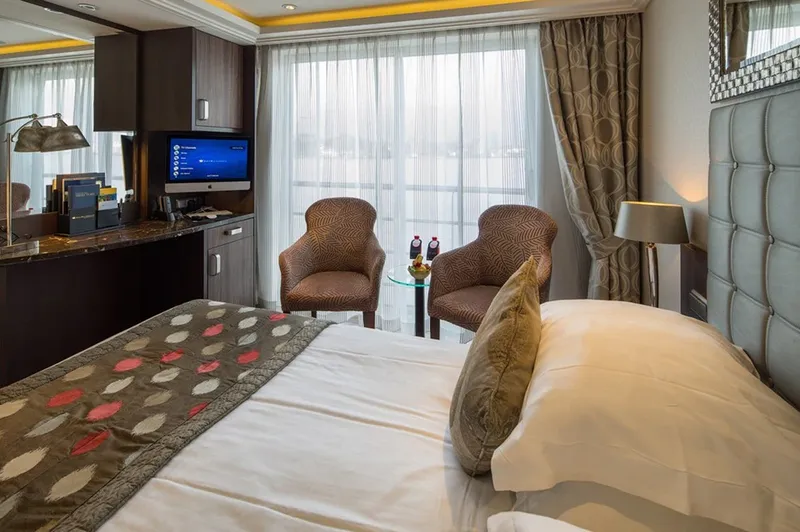
In-room temperature control
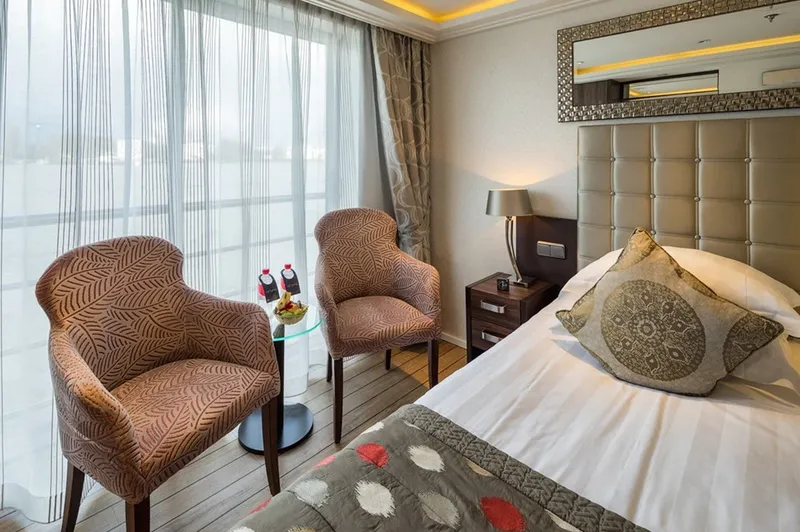
Deluxe hotel-style bedding with Egyptian linen, down pillows and duvet
Spacious bathrooms with multi-jet showerheads
Large wardrobe, full-length mirror, hair dryer, safe and direct-dial telephone
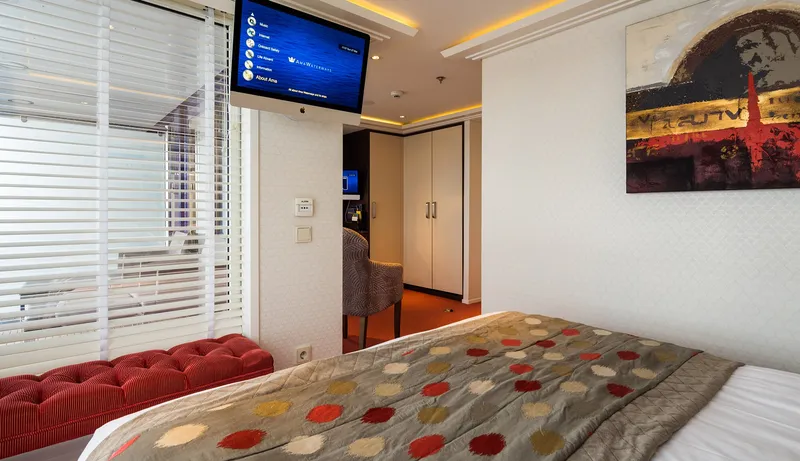
Flat-screen TV that also works as a computer
Entertainment on Demand system providing complimentary TV, movies and music library
Complimentary internet and Wi-Fi
Complimentary bottled water replenished daily
Desk and chair
Queen or Twin ConfigurationLounge AreaShowerBathToiletries ProvidedRoom Service Available+6
View Details
French Balcony
Balcony
170 m²Max 2
C
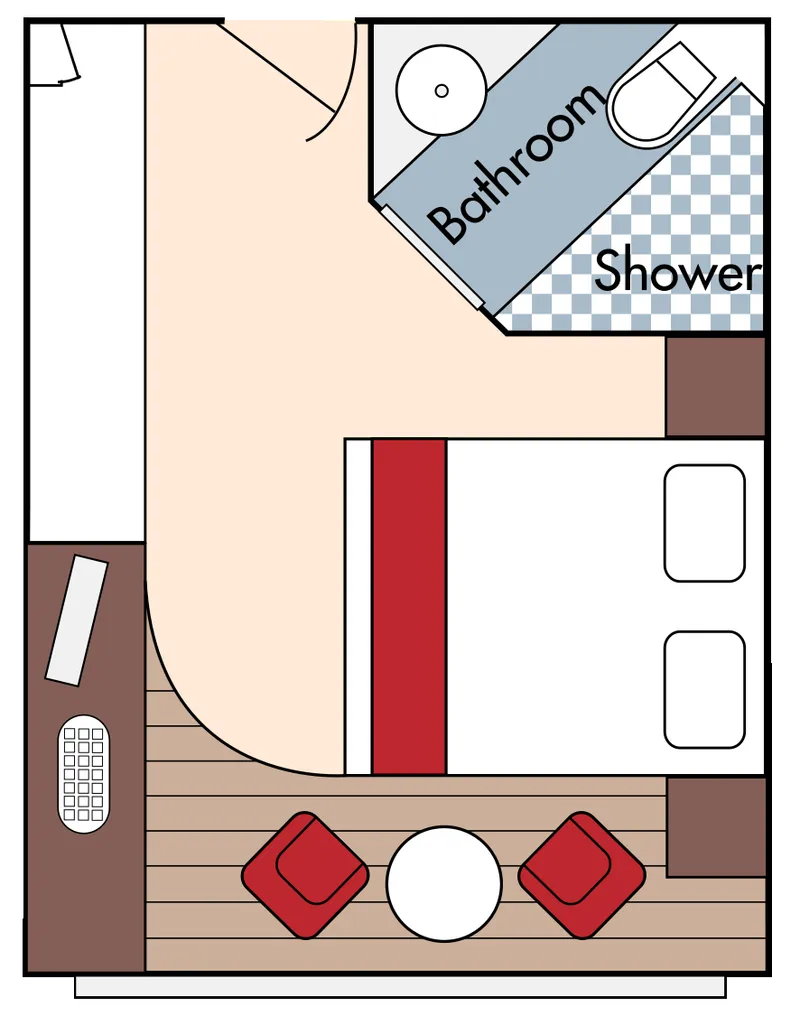
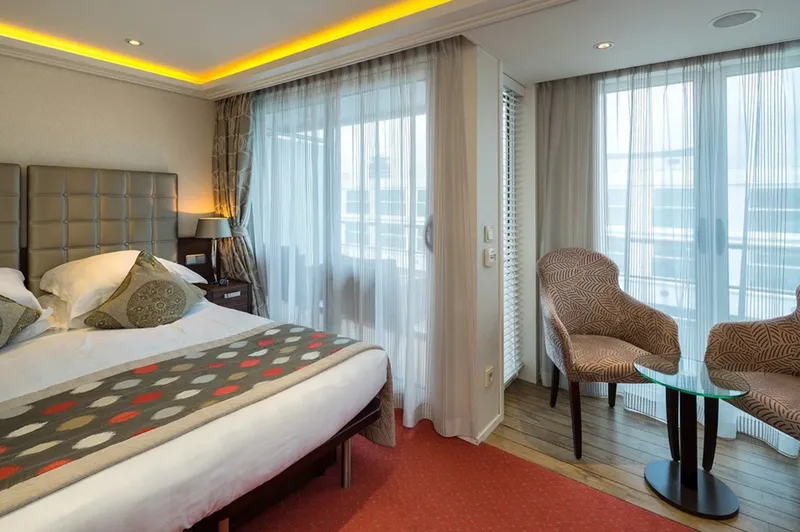
In-room temperature control
Deluxe hotel-style bedding with Egyptian linen, down pillows and duvet
Spacious bathrooms with multi-jet showerheads
Large wardrobe, full-length mirror, hair dryer, safe and direct-dial telephone
Flat-screen TV that also works as a computer
Entertainment on Demand system providing complimentary TV, movies and music library
Complimentary internet and Wi-Fi
Complimentary bottled water replenished daily
Desk and chair
Queen or Twin ConfigurationShowerToiletries ProvidedRoom Service AvailableTVFree Wi-Fi+6
View Details
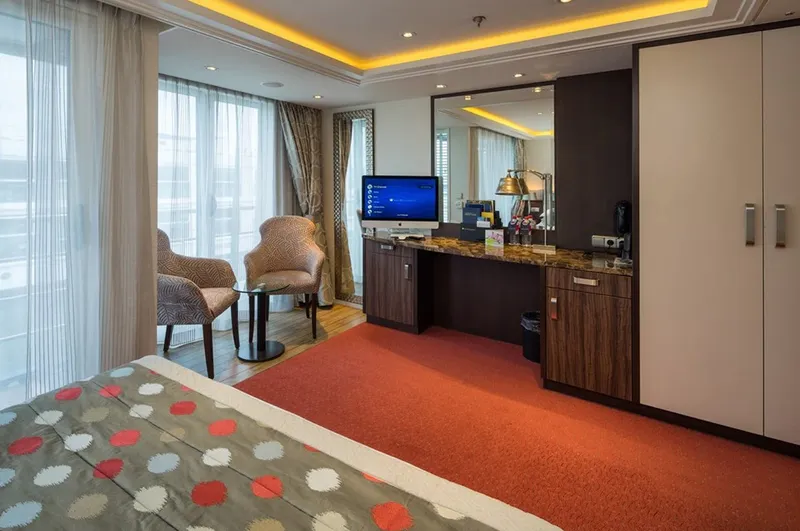
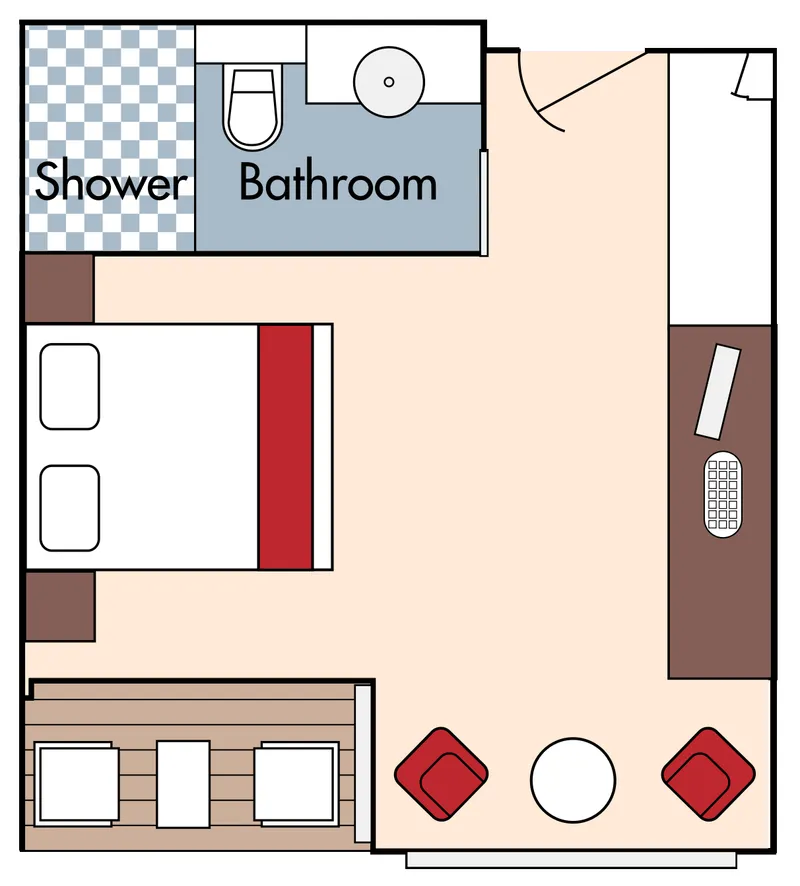
Twin Balcony
Balcony
210–290 m²Max 2
AAAA+ABBABB
In-room temperature control
Deluxe hotel-style bedding with Egyptian linen, down pillows and duvet
Spacious bathrooms with multi-jet showerheads
Large wardrobe, full-length mirror, hair dryer, safe and direct-dial telephone
Flat-screen TV that also works as a computer
Entertainment on Demand system providing complimentary TV, movies and music library
Complimentary internet and Wi-Fi
Complimentary bottled water replenished daily
Desk and chair
Queen or Twin ConfigurationShowerToiletries ProvidedRoom Service AvailableTVFree Wi-Fi+6
View Details
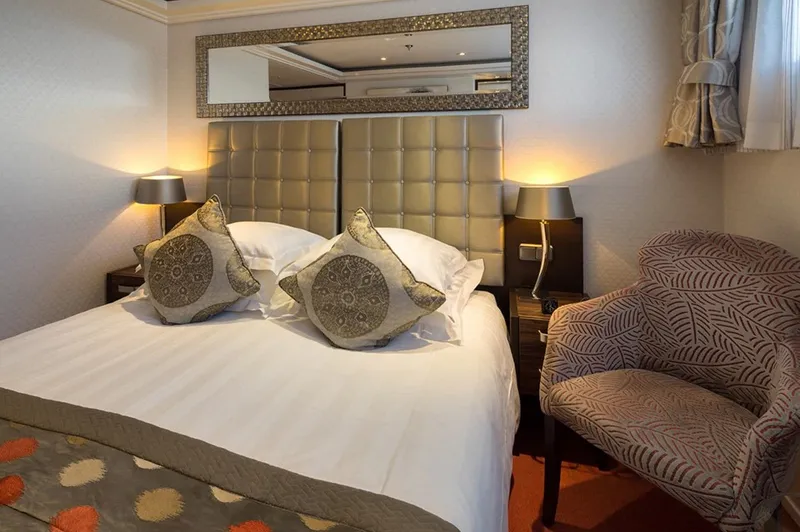
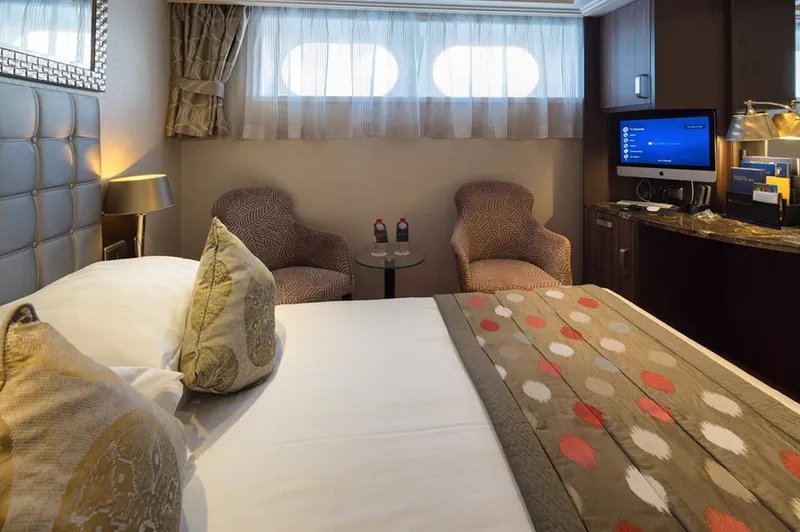
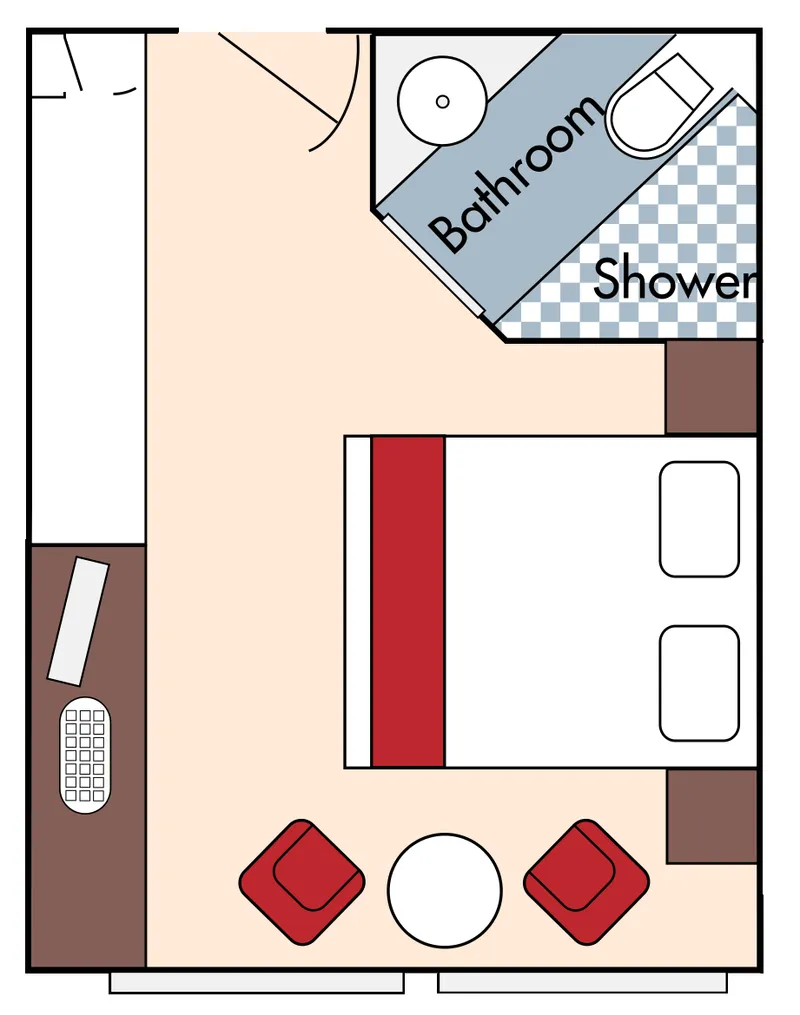
Fixed Window
Outside
160 m²Max 2
DE
In-room temperature control
Deluxe hotel-style bedding with Egyptian linen, down pillows and duvet
Spacious bathrooms with multi-jet showerheads
Large wardrobe, full-length mirror, hair dryer, safe and direct-dial telephone
Flat-screen TV that also works as a computer
Entertainment on Demand system providing complimentary TV, movies and music library
Complimentary internet and Wi-Fi
Complimentary bottled water replenished daily
Desk and chair
Queen or Twin ConfigurationShowerToiletries ProvidedRoom Service AvailableTVFree Wi-Fi+6
View Details
Interested in This Voyage?
Our cruise specialists can help you find the perfect cabin and the best available pricing.
(+886) 02-2721-7300Contact Advisor