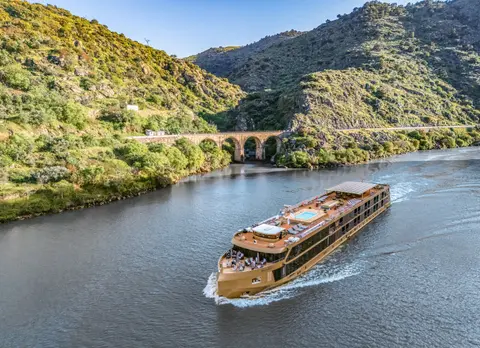
AmaWaterwaysPC260605DO
Enticing Douro - Roundtrip Porto
Date
2026-06-05
Duration
7 nights
Departure Port
Porto
Portugal
Arrival Port
Porto
Portugal
Rating
—
Theme
—
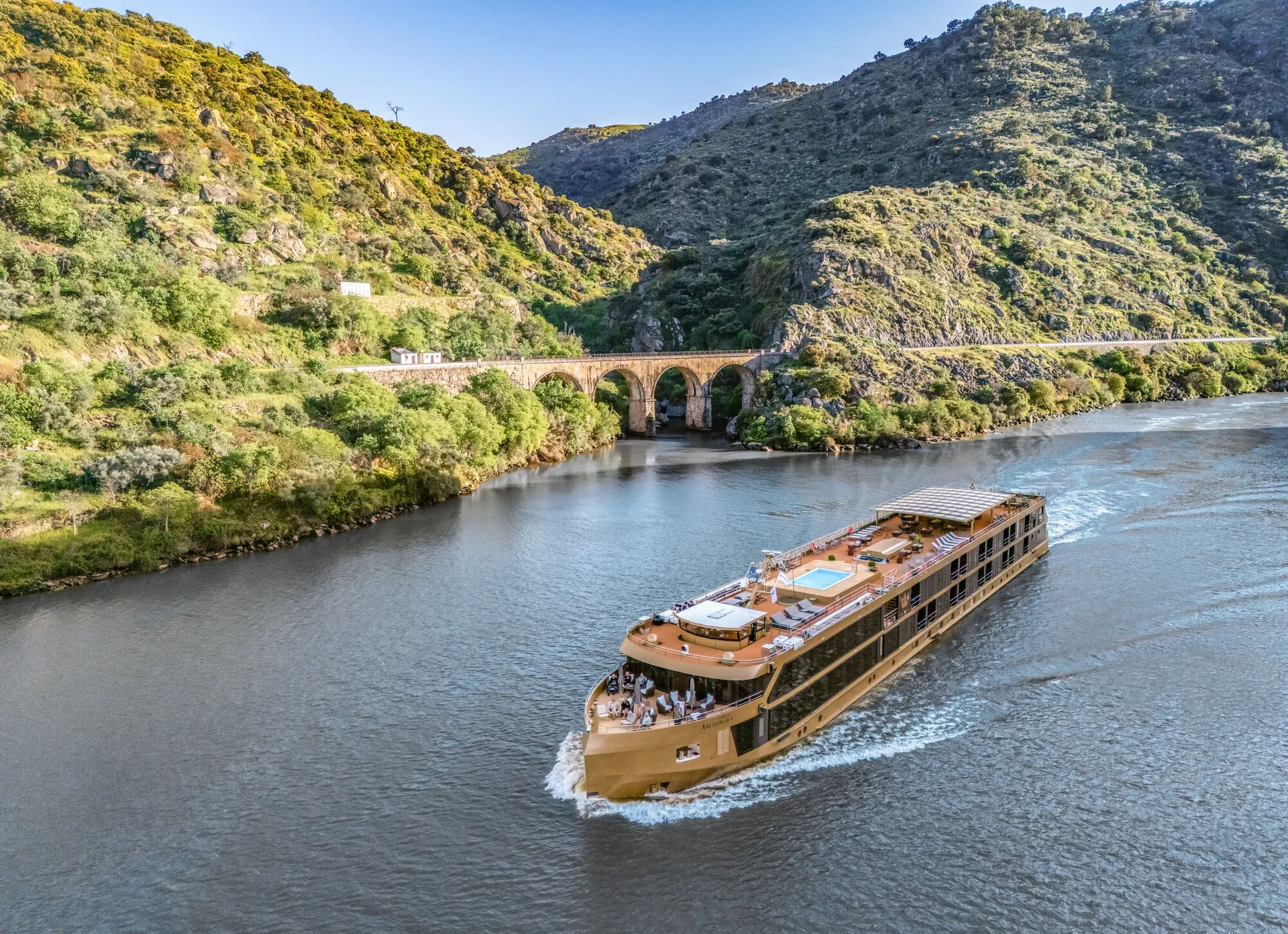
AmaWaterways
AmaSintra
Launched
2023
Refitted
—
Tonnage
—
Passengers
—
Cabins
—
Crew
—
Length
—
Width
11 m
Speed
12 knots
Adults Only
No
Itinerary
Day 1
Day 1
Porto
Porto, the storied French river port on the Gironde estuary, serves as Bordeaux's historic maritime gateway and a destination of surprising cultural richness. The medieval citadel quarter commands sweeping views over the river, while the neo-Gothic château and Romanesque church anchor a town that once provisioned transatlantic voyages. Local restaurants celebrate the region's celebrated produce — Pauillac lamb, oysters from the nearby Arcachon Basin, and the great wines of the Médoc, whose legendary châteaux lie just a short drive away. Visit in September during the grape harvest for an unforgettable atmosphere.
Day 2
Day 2
Regua
Régua, gateway to Portugal's vertiginous Douro Valley wine country, sits at the point where the river enters its most dramatic gorge — terraced vineyards climbing impossible slopes on every side, their schist walls a testament to generations of viticultural determination. The Wine Museum in Pinhão's art nouveau azulejo station captures the region's soul, while the great quintas — Ramos Pinto, Croft, Niepoort — open their cellars for intimate tastings of vintage port and luminous dry whites. Harvest season in September and October transforms the valley into a festival of colour and ferment.
Day 3
Day 3
Vega de Terron
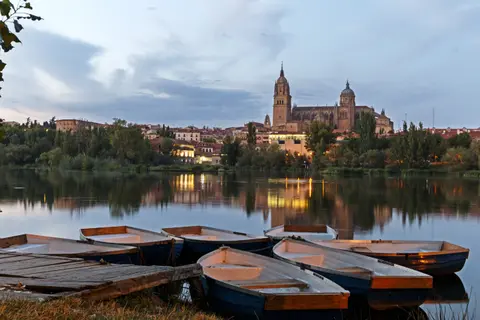
Vega de Terrón is a tiny Portuguese-border river port where the Douro — navigable here only since the mid-twentieth century — carves its way through the spectacular Arribes del Duero Natural Park, a landscape of granite gorges plunging hundreds of meters to the river below, dotted with ancient villages and rare Black Stork nesting sites. River cruise passengers disembark here to discover an Iberian frontier that centuries of sheer cliff and wild current kept virtually impenetrable, exploring nearby Portuguese wineries producing bold, earthy reds from centenarian schist vineyards. Spring ignites the gorge slopes with wildflowers; autumn suffuses the terraced vines with burnished copper and gold.
Day 5
Day 5
Pinhao
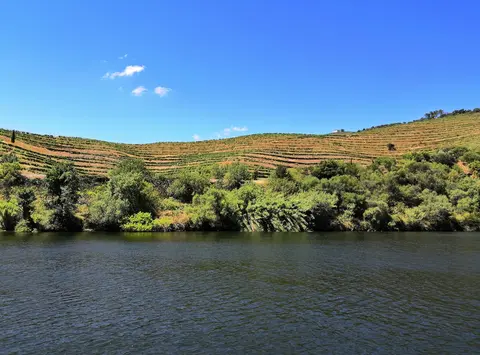
Pinhão sits at the most photographed bend on the Douro River, where impossibly steep terraced vineyards — the schist-stone walls built by hand over centuries — have shaped a valley so beautiful it is protected as a UNESCO World Heritage Site and produced port wine for the world since the Marquis of Pombal established its boundaries in 1756. The village railway station, decorated with 24 azulejo tile panels depicting scenes of the grape harvest, is a minor masterpiece of Portuguese folk art that alone justifies a stop. The river cruise between Pinhão and Régua, passing through the heart of the Port wine country, is among the most beautiful journeys in Europe. Visit during the September harvest for an experience of extraordinary sensory richness.
Day 6
Day 6
Regua
Régua, gateway to Portugal's vertiginous Douro Valley wine country, sits at the point where the river enters its most dramatic gorge — terraced vineyards climbing impossible slopes on every side, their schist walls a testament to generations of viticultural determination. The Wine Museum in Pinhão's art nouveau azulejo station captures the region's soul, while the great quintas — Ramos Pinto, Croft, Niepoort — open their cellars for intimate tastings of vintage port and luminous dry whites. Harvest season in September and October transforms the valley into a festival of colour and ferment.
Day 7
Day 7
Porto
Porto, the storied French river port on the Gironde estuary, serves as Bordeaux's historic maritime gateway and a destination of surprising cultural richness. The medieval citadel quarter commands sweeping views over the river, while the neo-Gothic château and Romanesque church anchor a town that once provisioned transatlantic voyages. Local restaurants celebrate the region's celebrated produce — Pauillac lamb, oysters from the nearby Arcachon Basin, and the great wines of the Médoc, whose legendary châteaux lie just a short drive away. Visit in September during the grape harvest for an unforgettable atmosphere.
Day 1
Porto
Porto, the storied French river port on the Gironde estuary, serves as Bordeaux's historic maritime gateway and a destination of surprising cultural richness. The medieval citadel quarter commands sweeping views over the river, while the neo-Gothic château and Romanesque church anchor a town that once provisioned transatlantic voyages. Local restaurants celebrate the region's celebrated produce — Pauillac lamb, oysters from the nearby Arcachon Basin, and the great wines of the Médoc, whose legendary châteaux lie just a short drive away. Visit in September during the grape harvest for an unforgettable atmosphere.
Day 2
Regua
Régua, gateway to Portugal's vertiginous Douro Valley wine country, sits at the point where the river enters its most dramatic gorge — terraced vineyards climbing impossible slopes on every side, their schist walls a testament to generations of viticultural determination. The Wine Museum in Pinhão's art nouveau azulejo station captures the region's soul, while the great quintas — Ramos Pinto, Croft, Niepoort — open their cellars for intimate tastings of vintage port and luminous dry whites. Harvest season in September and October transforms the valley into a festival of colour and ferment.
Day 3
Vega de Terron
Vega de Terrón is a tiny Portuguese-border river port where the Douro — navigable here only since the mid-twentieth century — carves its way through the spectacular Arribes del Duero Natural Park, a landscape of granite gorges plunging hundreds of meters to the river below, dotted with ancient villages and rare Black Stork nesting sites. River cruise passengers disembark here to discover an Iberian frontier that centuries of sheer cliff and wild current kept virtually impenetrable, exploring nearby Portuguese wineries producing bold, earthy reds from centenarian schist vineyards. Spring ignites the gorge slopes with wildflowers; autumn suffuses the terraced vines with burnished copper and gold.
Day 5
Pinhao
Pinhão sits at the most photographed bend on the Douro River, where impossibly steep terraced vineyards — the schist-stone walls built by hand over centuries — have shaped a valley so beautiful it is protected as a UNESCO World Heritage Site and produced port wine for the world since the Marquis of Pombal established its boundaries in 1756. The village railway station, decorated with 24 azulejo tile panels depicting scenes of the grape harvest, is a minor masterpiece of Portuguese folk art that alone justifies a stop. The river cruise between Pinhão and Régua, passing through the heart of the Port wine country, is among the most beautiful journeys in Europe. Visit during the September harvest for an experience of extraordinary sensory richness.
Day 6
Regua
Régua, gateway to Portugal's vertiginous Douro Valley wine country, sits at the point where the river enters its most dramatic gorge — terraced vineyards climbing impossible slopes on every side, their schist walls a testament to generations of viticultural determination. The Wine Museum in Pinhão's art nouveau azulejo station captures the region's soul, while the great quintas — Ramos Pinto, Croft, Niepoort — open their cellars for intimate tastings of vintage port and luminous dry whites. Harvest season in September and October transforms the valley into a festival of colour and ferment.
Day 7
Porto
Porto, the storied French river port on the Gironde estuary, serves as Bordeaux's historic maritime gateway and a destination of surprising cultural richness. The medieval citadel quarter commands sweeping views over the river, while the neo-Gothic château and Romanesque church anchor a town that once provisioned transatlantic voyages. Local restaurants celebrate the region's celebrated produce — Pauillac lamb, oysters from the nearby Arcachon Basin, and the great wines of the Médoc, whose legendary châteaux lie just a short drive away. Visit in September during the grape harvest for an unforgettable atmosphere.
Cabin Categories
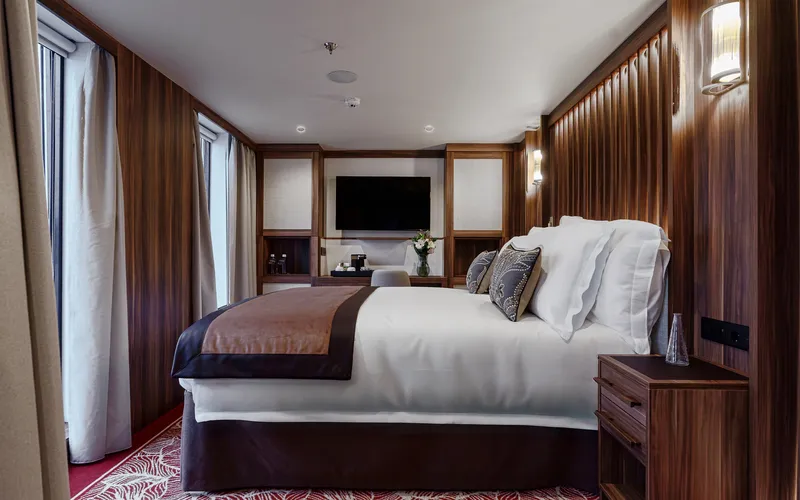
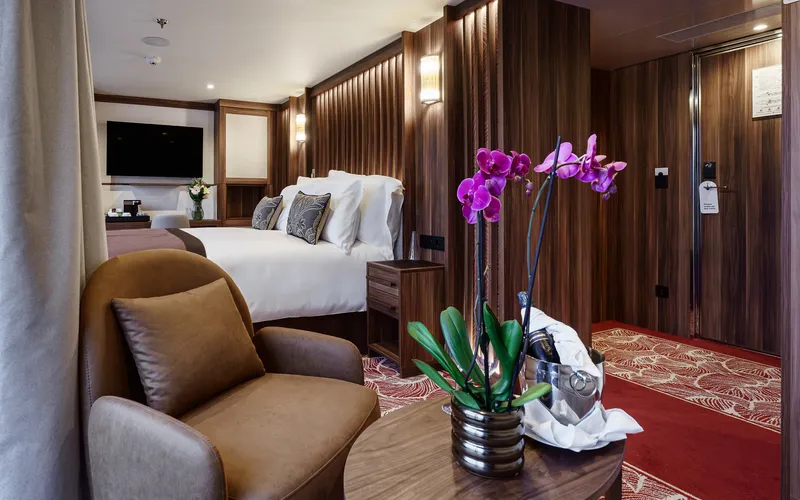
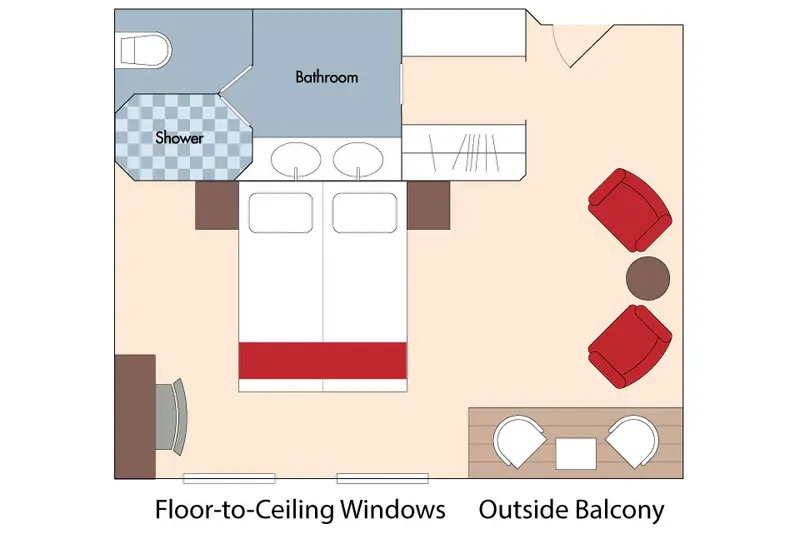
Suite
Suite
323 m²Max 2
S
Suite
Lounge AreaVanity AreaShowerRoom Service AvailableTVFree Wi-Fi+6
View Details
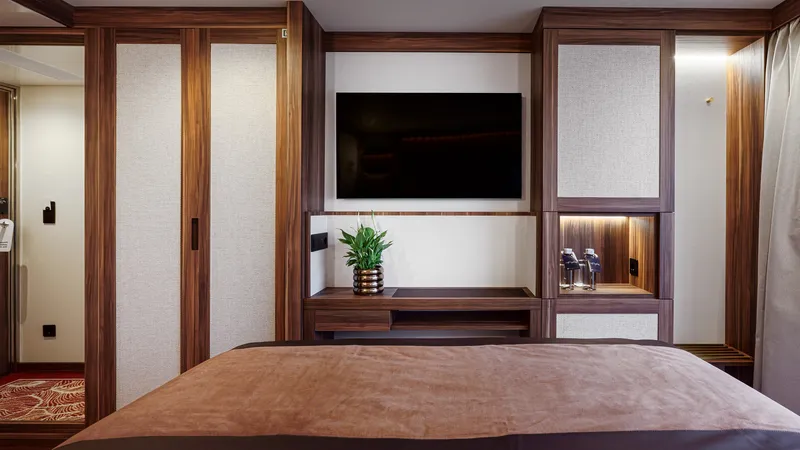
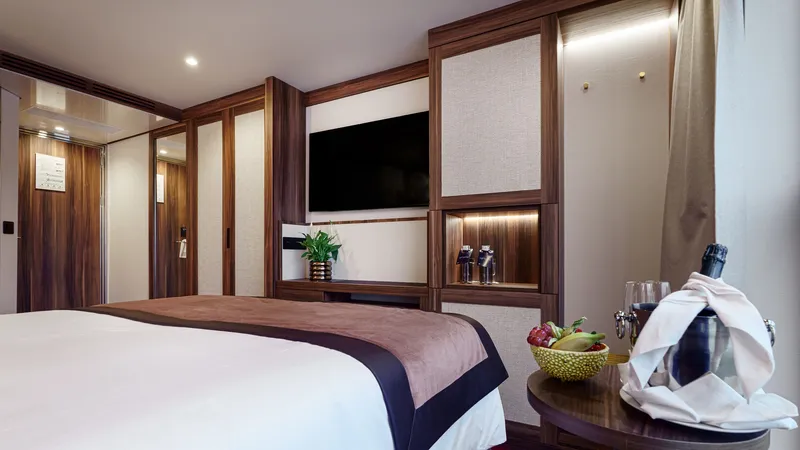
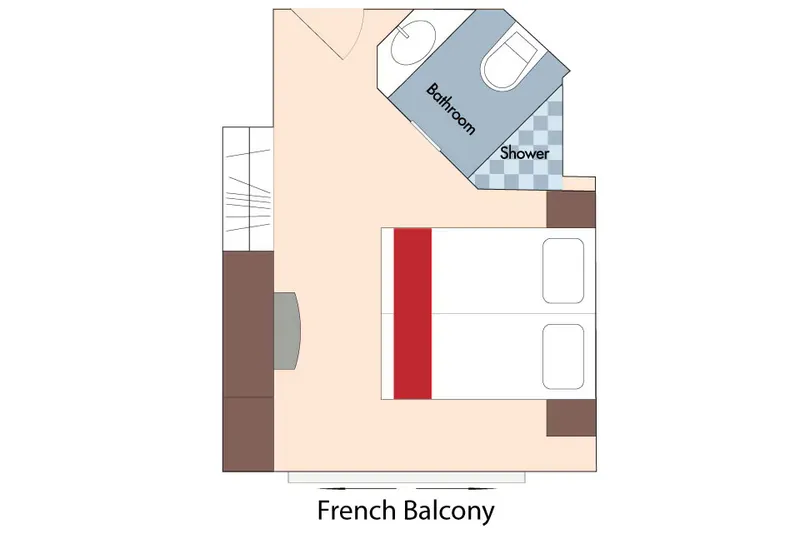
French Balcony
Balcony
161 m²Max 2
C
French Balcony
Queen or Twin ConfigurationLounge AreaVanity AreaShowerRoom Service AvailableTV+5
View Details
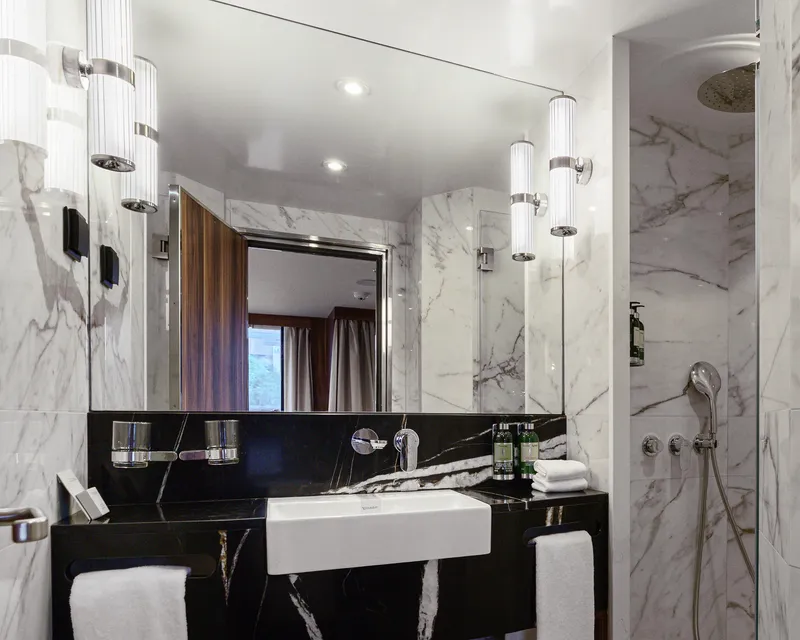
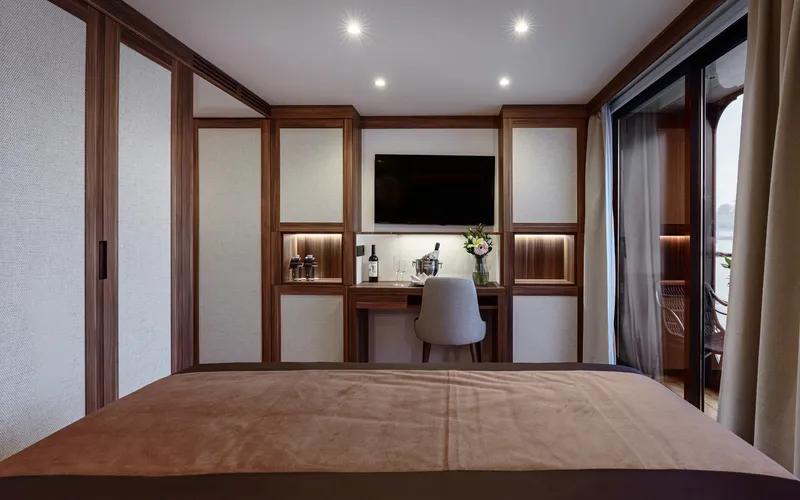
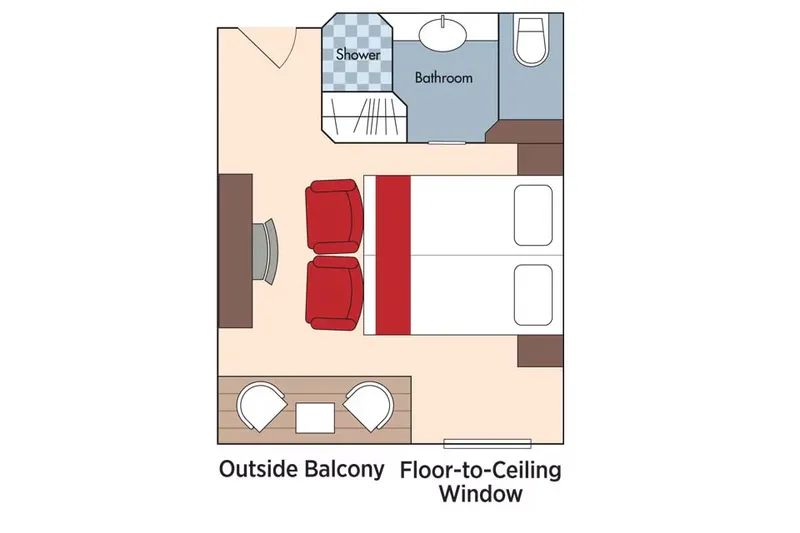
Outside Balcony
Balcony
215 m²Max 2
AB
Outside Balcony
Lounge AreaVanity AreaShowerRoom Service AvailableTVFree Wi-Fi+7
View Details
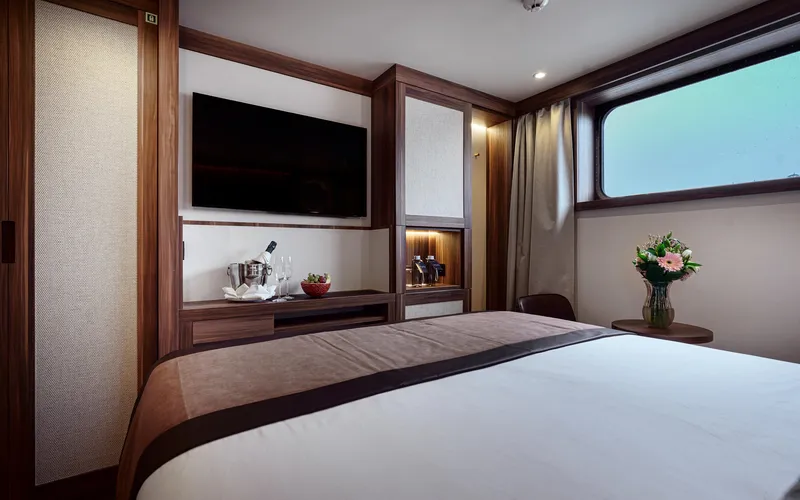
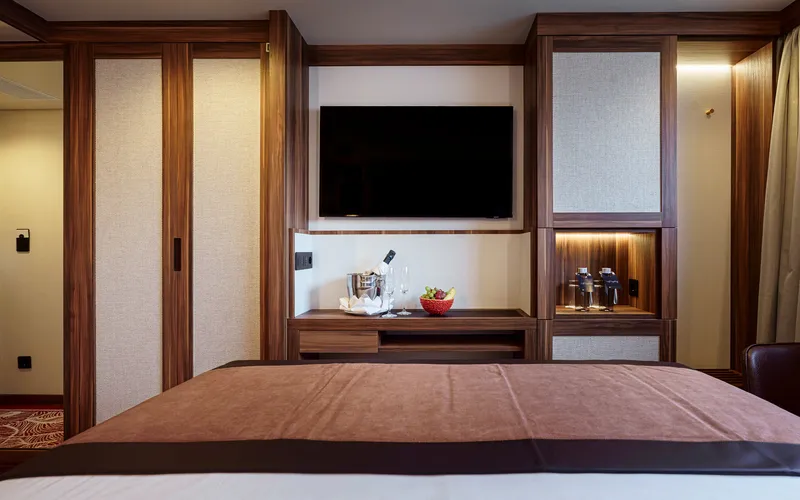
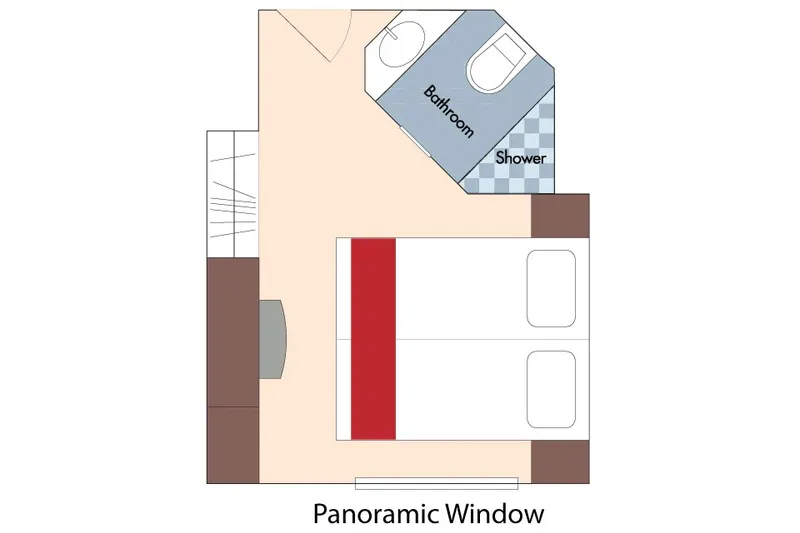
Panoramic Window
Outside
161 m²Max 2
DE
Panoramic Window
Queen or Twin ConfigurationLounge AreaVanity AreaShowerRoom Service AvailableTV+5
View Details
Interested in This Voyage?
Our cruise specialists can help you find the perfect cabin and the best available pricing.
(+886) 02-2721-7300Contact Advisor