AmaWaterwaysZQ260517ZG
Golden Trails of East Africa
Date
2026-05-17
Duration
16 nights
Departure Port
Johannesburg
South Africa
Arrival Port
Arusha
Tanzania
Rating
Luxury
Theme
Safari
AmaWaterways
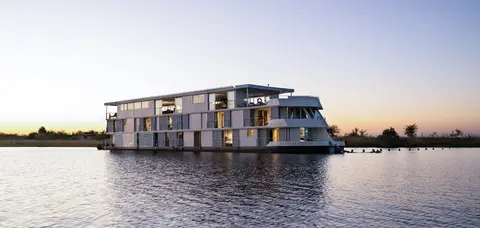
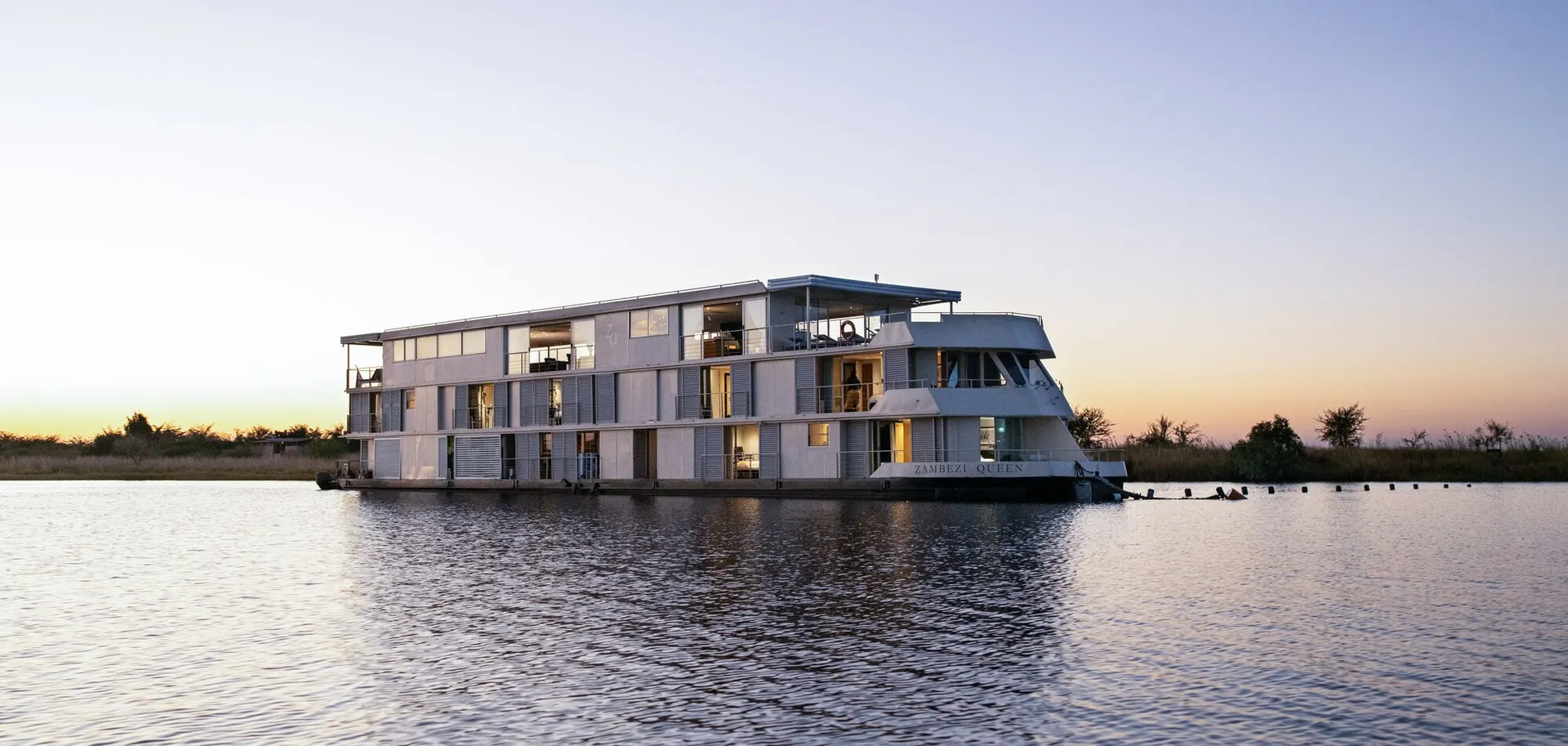
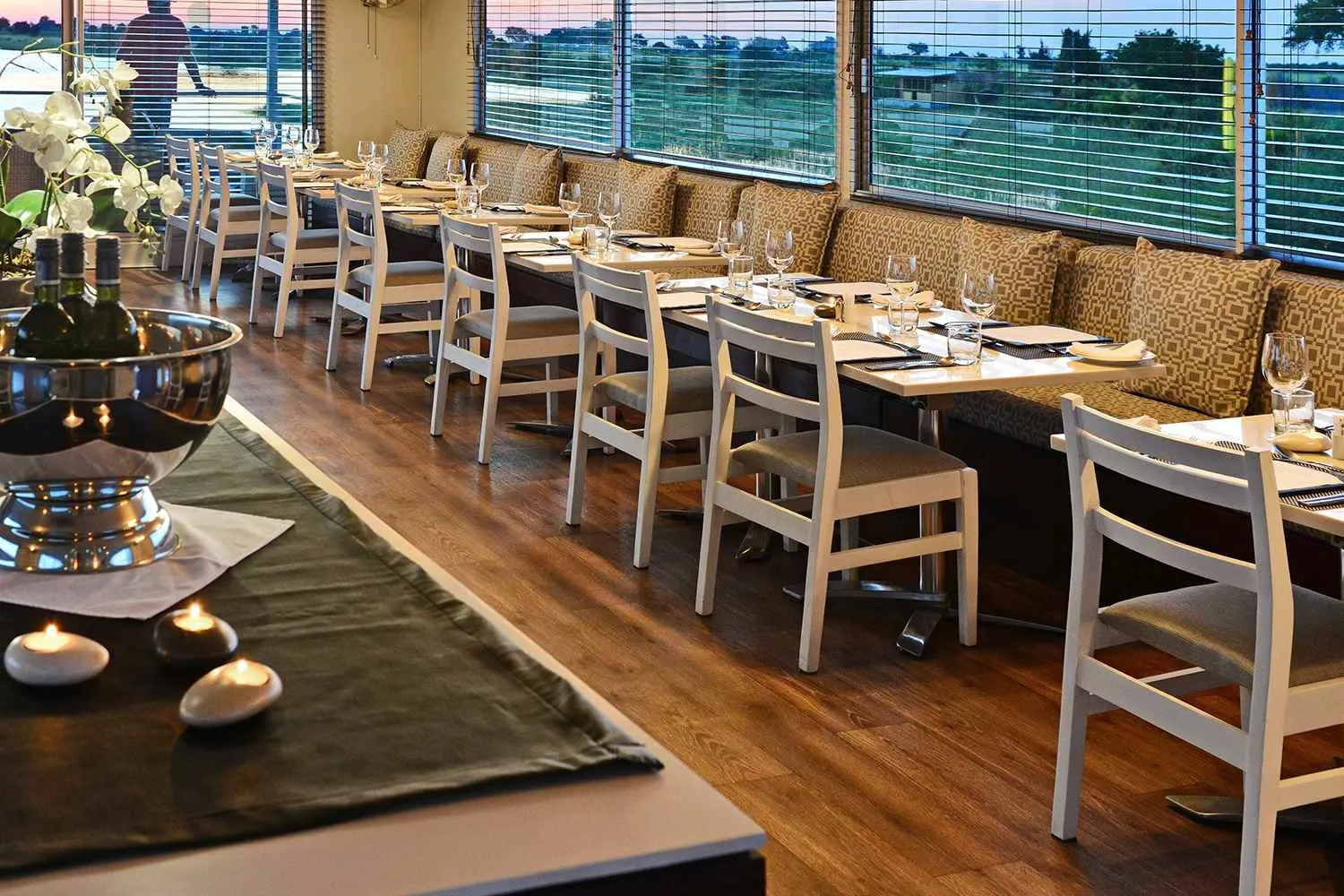
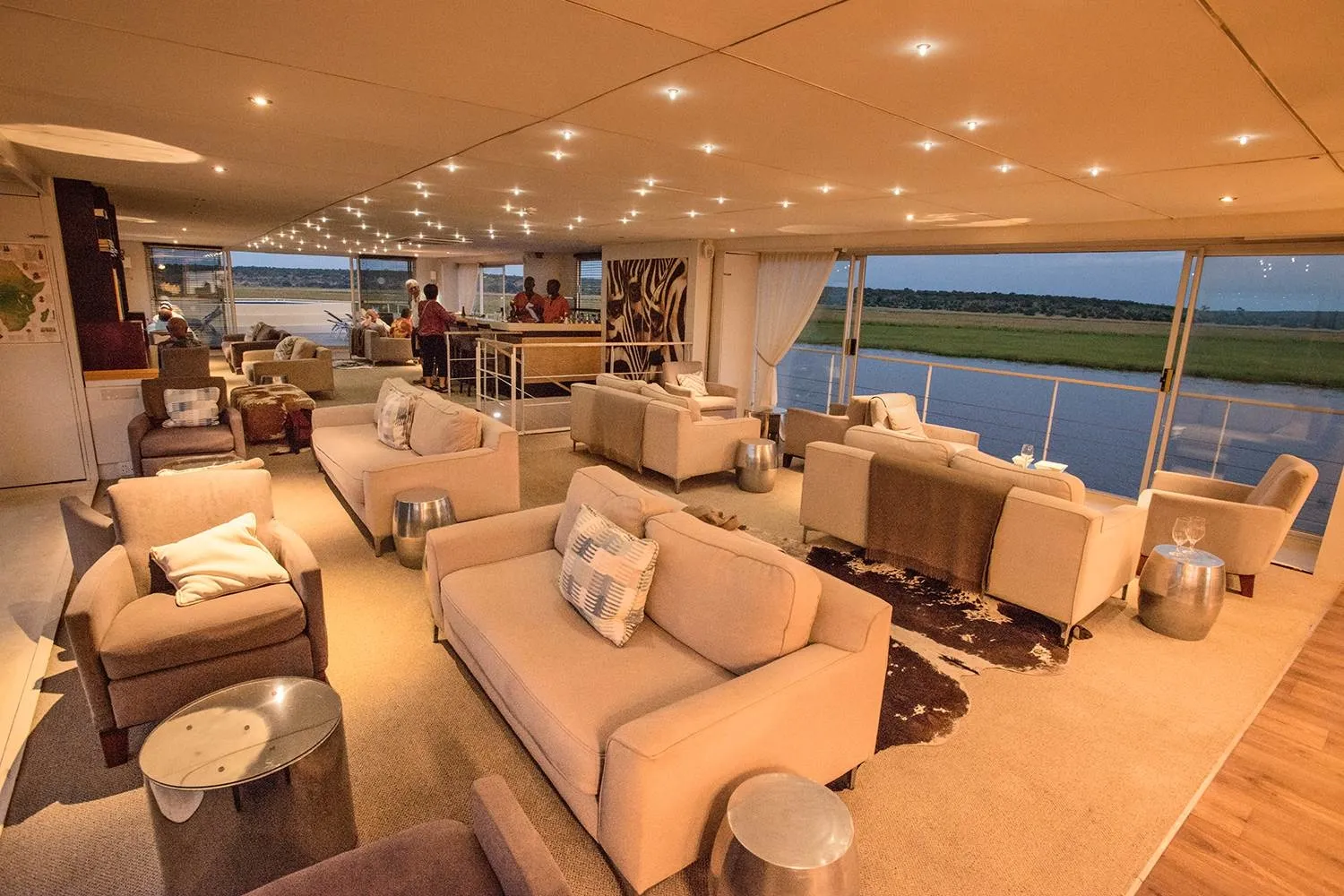
Zambezi Queen
Small Adventure
Launched
2009
Refitted
2019
Tonnage
—
Passengers
28
Cabins
14
Crew
22
Length
150 m
Width
8 m
Speed
24 knots
Adults Only
No
Itinerary
Day 1
Day 1
Johannesburg
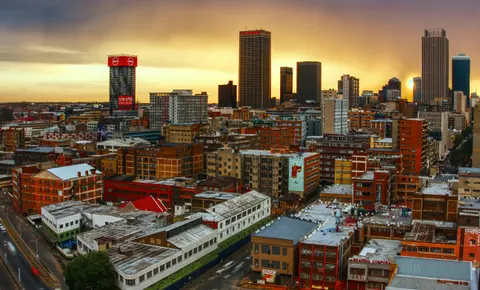
Johannesburg, South Africa's largest city, rose from the 1886 gold rush to become a metropolis of extraordinary cultural depth, from the living heritage of Soweto to the contemporary dining scene of Maboneng and Rosebank. Visitors should not miss the Apartheid Museum for its profound historical narrative and a culinary walking tour through Soweto's street-food culture. The ideal season to visit is September through November, when spring wildflowers blanket the highveld, jacarandas transform Pretoria into a violet dreamscape, and mild temperatures make exploration effortless.
Day 3
Day 3
Chobe National Park
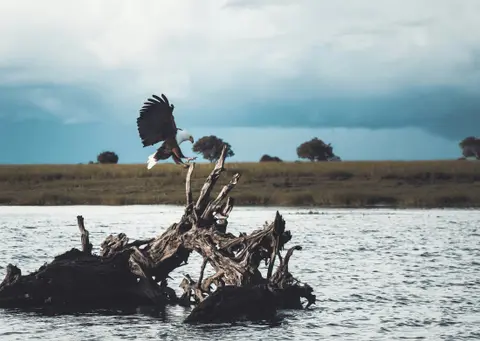
Chobe National Park in northern Botswana harbors the world’s largest elephant concentration—120,000 strong—along a dramatic riverfront where boat safaris offer eye-level wildlife encounters. Must-dos include an afternoon Chobe River boat safari, game drives in the Savuti Marsh, and a day trip to nearby Victoria Falls. Visit May through October when the dry season concentrates spectacular herds along the riverfront.
Day 5
Day 5
Chobe National Park
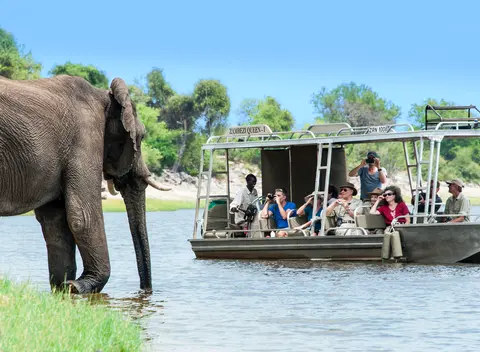
Chobe National Park in northern Botswana harbors the world’s largest elephant concentration—120,000 strong—along a dramatic riverfront where boat safaris offer eye-level wildlife encounters. Must-dos include an afternoon Chobe River boat safari, game drives in the Savuti Marsh, and a day trip to nearby Victoria Falls. Visit May through October when the dry season concentrates spectacular herds along the riverfront.
Day 6
Day 6
Kasane
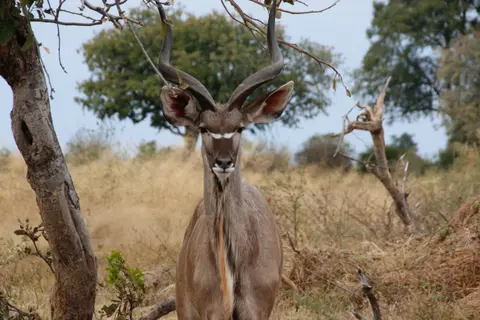
Kasane is a Botswanan border town at the confluence of the Chobe and Zambezi rivers, serving as the gateway to Chobe National Park and its extraordinary population of 120,000 elephants. Must-dos include a Chobe riverfront game drive, a sunset boat cruise among swimming elephants, and a day trip to Victoria Falls. May through October's dry season offers peak wildlife concentrations along the river.
Day 6
Day 6
Victoria Falls
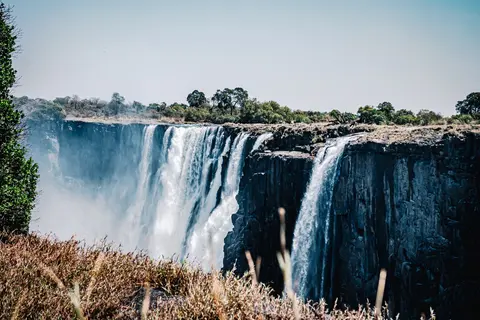
Victoria Falls, Zimbabwe, is home to the world's widest curtain of falling water — the 1,708-metre Mosi-oa-Tunya on the Zambezi River — surrounded by rainforest, world-class safari country including Hwange and Zambezi National Parks, and a growing luxury hospitality scene. Visitors should not miss a gorge-edge walk through the spray-fed rainforest and a sunset cruise on the upper Zambezi. The ideal season runs from June through August, when dry winter weather ensures clear skies, peak wildlife viewing, and the falls maintain a powerful yet photogenic flow.
Day 8
Day 8
Victoria Falls
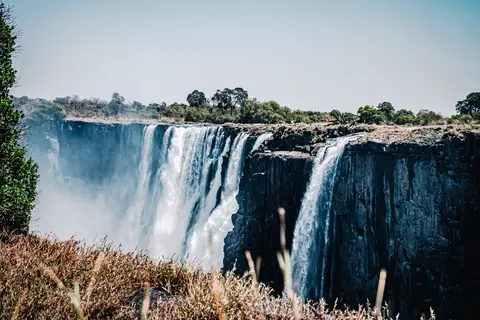
Victoria Falls, Zimbabwe, is home to the world's widest curtain of falling water — the 1,708-metre Mosi-oa-Tunya on the Zambezi River — surrounded by rainforest, world-class safari country including Hwange and Zambezi National Parks, and a growing luxury hospitality scene. Visitors should not miss a gorge-edge walk through the spray-fed rainforest and a sunset cruise on the upper Zambezi. The ideal season runs from June through August, when dry winter weather ensures clear skies, peak wildlife viewing, and the falls maintain a powerful yet photogenic flow.
Day 9
Day 9
Johannesburg
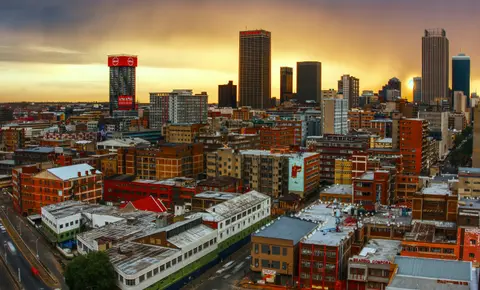
Johannesburg, South Africa's largest city, rose from the 1886 gold rush to become a metropolis of extraordinary cultural depth, from the living heritage of Soweto to the contemporary dining scene of Maboneng and Rosebank. Visitors should not miss the Apartheid Museum for its profound historical narrative and a culinary walking tour through Soweto's street-food culture. The ideal season to visit is September through November, when spring wildflowers blanket the highveld, jacarandas transform Pretoria into a violet dreamscape, and mild temperatures make exploration effortless.
Day 11
Day 11
Arusha
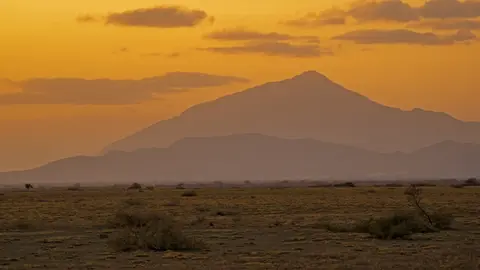
Arusha is Tanzania's safari capital, a highland city on the slopes of Mount Meru that serves as the gateway to the Serengeti, Ngorongoro Crater, and Mount Kilimanjaro. Must-dos include embarking on safari game drives, tasting nyama choma and world-class Arabica coffee, and exploring the central market's vibrant displays. June through October offers prime dry-season game viewing, while January through February brings the Serengeti calving season.
Day 12
Day 12
Tarangire National Park
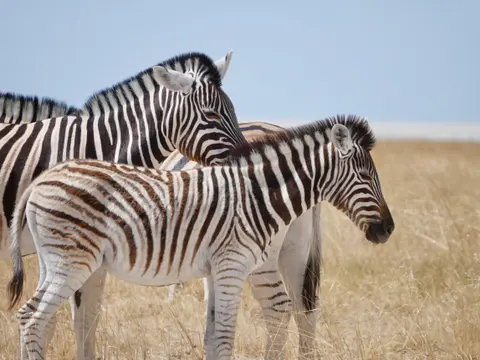
Tarangire National Park in northern Tanzania is a baobab-studded wilderness harboring one of Africa’s largest elephant concentrations along its life-giving river. Must-dos include dry-season game drives to witness massive elephant gatherings, walking safaris with armed rangers, and birding among 550 recorded species. Visit June through October when the dry season concentrates wildlife along the Tarangire River in spectacular densities.
Day 13
Day 13
Lake Manyara
Day 14
Day 14
Ngorongoro
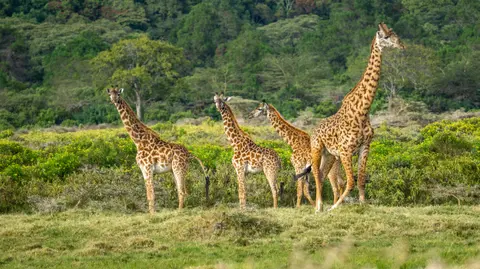
Ngorongoro Crater is a collapsed volcanic caldera in northern Tanzania that shelters one of Africa’s densest concentrations of wildlife within its twenty-kilometer-wide walls, including lions, black rhinos, elephants, and vast flocks of flamingos. Must-dos include a game drive on the crater floor, visiting the Olduvai Gorge fossil site, and sundowner cocktails on the crater rim. June through October offers the best dry-season game viewing, with short grasses and concentrated wildlife.
Day 16
Day 16
Serengeti National Park
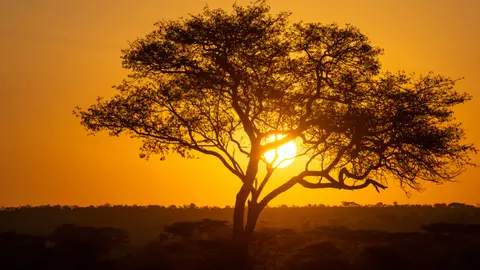
The Serengeti is Tanzania’s legendary 14,750-square-kilometer wilderness hosting the Great Migration of over two million animals—the planet’s greatest wildlife spectacle. Must-dos include witnessing wildebeest river crossings, a hot-air balloon safari at dawn, and tracking big cats around the Seronera Valley’s rocky kopjes. The park rewards visitors year-round: calving season in January, western migration in June, and dramatic Mara River crossings from July through October.
Day 1
Johannesburg
Johannesburg, South Africa's largest city, rose from the 1886 gold rush to become a metropolis of extraordinary cultural depth, from the living heritage of Soweto to the contemporary dining scene of Maboneng and Rosebank. Visitors should not miss the Apartheid Museum for its profound historical narrative and a culinary walking tour through Soweto's street-food culture. The ideal season to visit is September through November, when spring wildflowers blanket the highveld, jacarandas transform Pretoria into a violet dreamscape, and mild temperatures make exploration effortless.
Day 3
Chobe National Park
Chobe National Park in northern Botswana harbors the world’s largest elephant concentration—120,000 strong—along a dramatic riverfront where boat safaris offer eye-level wildlife encounters. Must-dos include an afternoon Chobe River boat safari, game drives in the Savuti Marsh, and a day trip to nearby Victoria Falls. Visit May through October when the dry season concentrates spectacular herds along the riverfront.
Day 5
Chobe National Park
Chobe National Park in northern Botswana harbors the world’s largest elephant concentration—120,000 strong—along a dramatic riverfront where boat safaris offer eye-level wildlife encounters. Must-dos include an afternoon Chobe River boat safari, game drives in the Savuti Marsh, and a day trip to nearby Victoria Falls. Visit May through October when the dry season concentrates spectacular herds along the riverfront.
Day 6
Kasane
Kasane is a Botswanan border town at the confluence of the Chobe and Zambezi rivers, serving as the gateway to Chobe National Park and its extraordinary population of 120,000 elephants. Must-dos include a Chobe riverfront game drive, a sunset boat cruise among swimming elephants, and a day trip to Victoria Falls. May through October's dry season offers peak wildlife concentrations along the river.
Victoria Falls
Victoria Falls, Zimbabwe, is home to the world's widest curtain of falling water — the 1,708-metre Mosi-oa-Tunya on the Zambezi River — surrounded by rainforest, world-class safari country including Hwange and Zambezi National Parks, and a growing luxury hospitality scene. Visitors should not miss a gorge-edge walk through the spray-fed rainforest and a sunset cruise on the upper Zambezi. The ideal season runs from June through August, when dry winter weather ensures clear skies, peak wildlife viewing, and the falls maintain a powerful yet photogenic flow.
Day 8
Victoria Falls
Victoria Falls, Zimbabwe, is home to the world's widest curtain of falling water — the 1,708-metre Mosi-oa-Tunya on the Zambezi River — surrounded by rainforest, world-class safari country including Hwange and Zambezi National Parks, and a growing luxury hospitality scene. Visitors should not miss a gorge-edge walk through the spray-fed rainforest and a sunset cruise on the upper Zambezi. The ideal season runs from June through August, when dry winter weather ensures clear skies, peak wildlife viewing, and the falls maintain a powerful yet photogenic flow.
Day 9
Johannesburg
Johannesburg, South Africa's largest city, rose from the 1886 gold rush to become a metropolis of extraordinary cultural depth, from the living heritage of Soweto to the contemporary dining scene of Maboneng and Rosebank. Visitors should not miss the Apartheid Museum for its profound historical narrative and a culinary walking tour through Soweto's street-food culture. The ideal season to visit is September through November, when spring wildflowers blanket the highveld, jacarandas transform Pretoria into a violet dreamscape, and mild temperatures make exploration effortless.
Day 11
Arusha
Arusha is Tanzania's safari capital, a highland city on the slopes of Mount Meru that serves as the gateway to the Serengeti, Ngorongoro Crater, and Mount Kilimanjaro. Must-dos include embarking on safari game drives, tasting nyama choma and world-class Arabica coffee, and exploring the central market's vibrant displays. June through October offers prime dry-season game viewing, while January through February brings the Serengeti calving season.
Day 12
Tarangire National Park
Tarangire National Park in northern Tanzania is a baobab-studded wilderness harboring one of Africa’s largest elephant concentrations along its life-giving river. Must-dos include dry-season game drives to witness massive elephant gatherings, walking safaris with armed rangers, and birding among 550 recorded species. Visit June through October when the dry season concentrates wildlife along the Tarangire River in spectacular densities.
Day 13
Lake Manyara
Day 14
Ngorongoro
Ngorongoro Crater is a collapsed volcanic caldera in northern Tanzania that shelters one of Africa’s densest concentrations of wildlife within its twenty-kilometer-wide walls, including lions, black rhinos, elephants, and vast flocks of flamingos. Must-dos include a game drive on the crater floor, visiting the Olduvai Gorge fossil site, and sundowner cocktails on the crater rim. June through October offers the best dry-season game viewing, with short grasses and concentrated wildlife.
Day 16
Serengeti National Park
The Serengeti is Tanzania’s legendary 14,750-square-kilometer wilderness hosting the Great Migration of over two million animals—the planet’s greatest wildlife spectacle. Must-dos include witnessing wildebeest river crossings, a hot-air balloon safari at dawn, and tracking big cats around the Seronera Valley’s rocky kopjes. The park rewards visitors year-round: calving season in January, western migration in June, and dramatic Mara River crossings from July through October.
Cabin Categories
Private Balcony
Suite
215–235 m²Max 2
SASB
In-room temperature control and fan
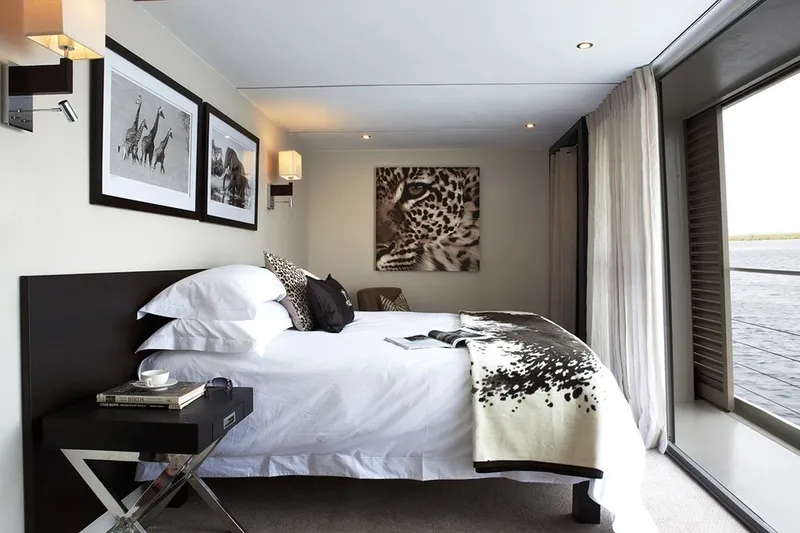
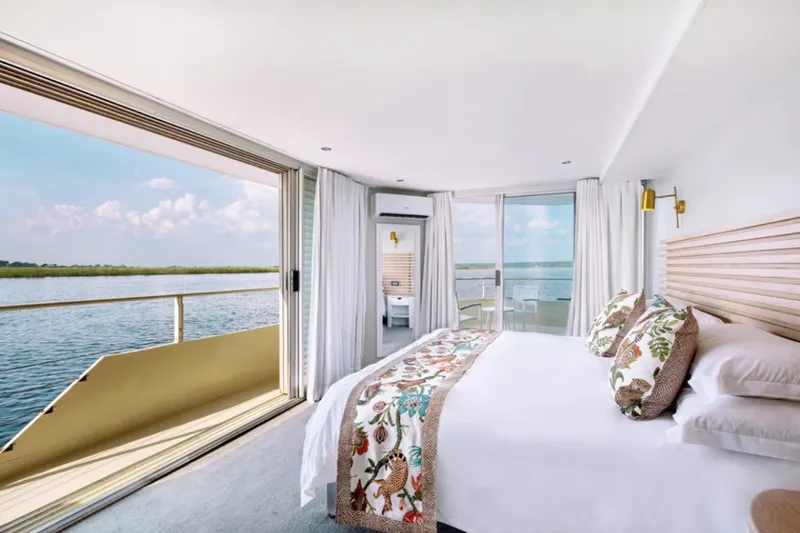
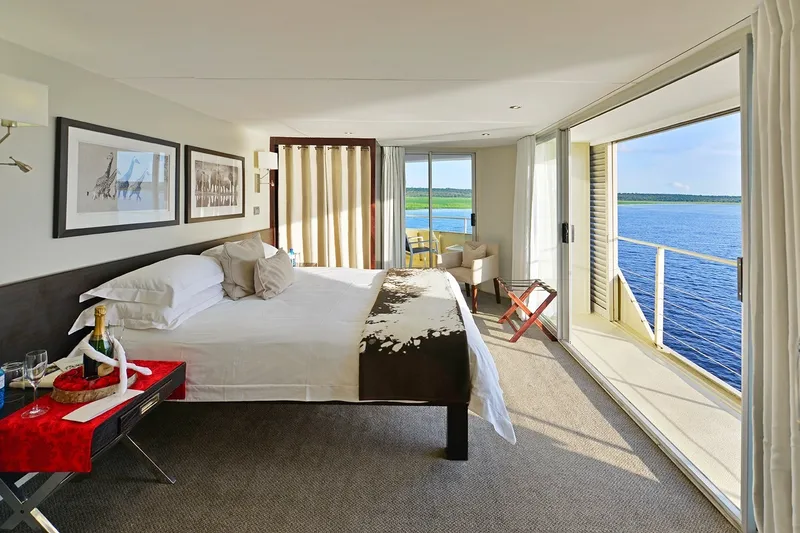
Deluxe hotel-style bedding and oversized king beds (can also be configured as two single beds)
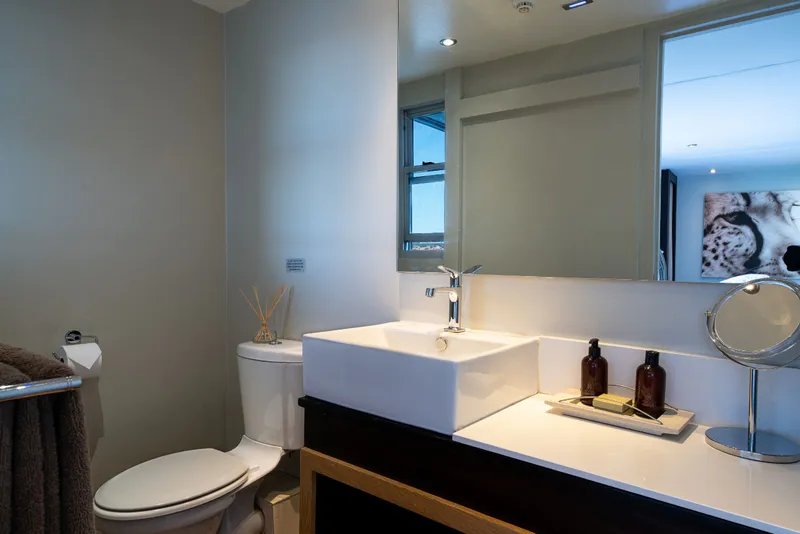
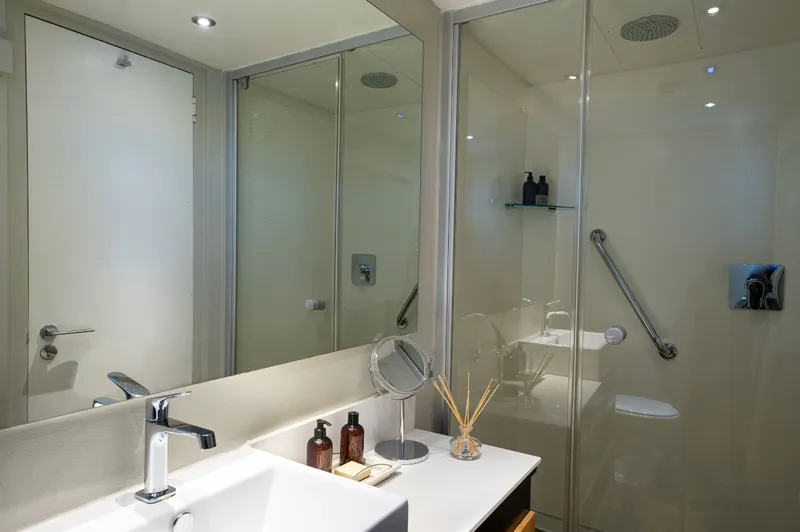
Spacious en-suite bathrooms
Large wardrobe, full-length mirror, hair dryer, toiletries, bathrobes and slippers
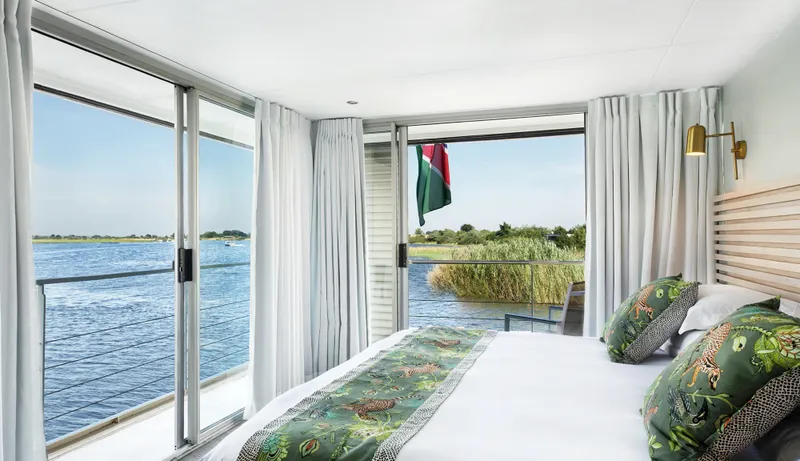
Floor-to-ceiling windows, sliding glass doors and sliding shutters for privacy and protection from the sun
Outside balcony
Complimentary Wi-Fi and electronic safe
Complimentary bottled water replenished daily
King or Twin ConfigurationShowerToiletries ProvidedRoom Service AvailableTVFree Wi-Fi+5
View Details
Private Balcony with Sitting Area
Suite
300 m²Max 2
LSMS
In-room temperature control and fan
Deluxe hotel-style bedding and oversized king beds (can also be configured as two single beds)
Spacious en-suite bathrooms
Large wardrobe, full-length mirror, hair dryer, toiletries, bathrobes and slippers
Floor-to-ceiling windows, sliding glass doors and sliding shutters for privacy and protection from the sun
Outside balcony
Complimentary Wi-Fi and electronic safe
Complimentary bottled water replenished daily
King or Twin ConfigurationLounge AreaShowerToiletries ProvidedRoom Service AvailableSuite Benefits+7
View Details
Interested in This Voyage?
Our cruise specialists can help you find the perfect cabin and the best available pricing.
(+886) 02-2721-7300Contact Advisor