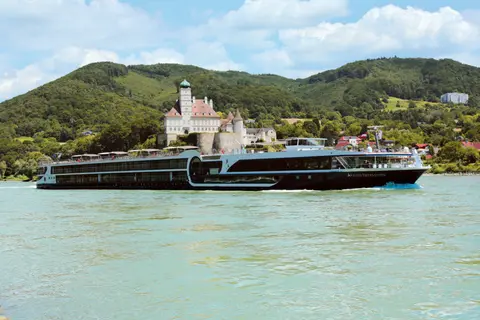
Active & Discovery On The Danube
Date
2026-09-15
Duration
7 nights
Departure Port
Budapest
Hungary
Arrival Port
Vilshofen
Germany
Rating
Luxury
Theme
History & Culture
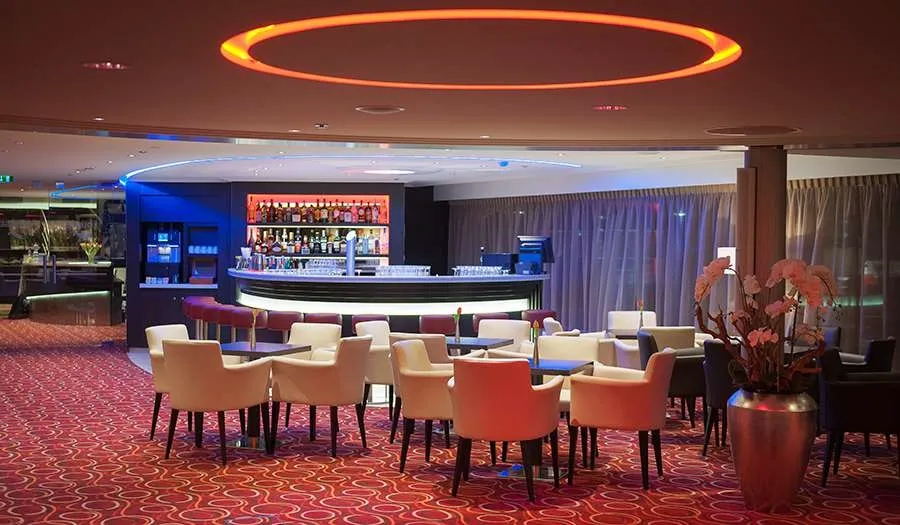
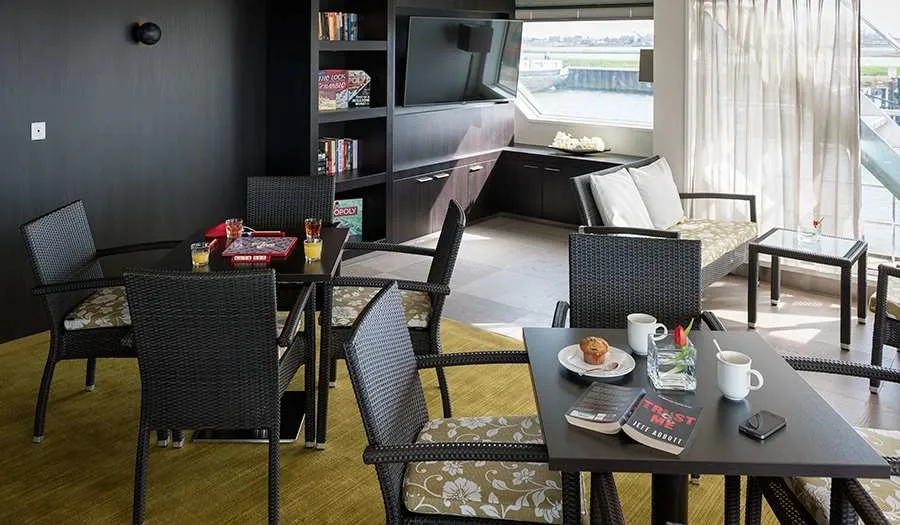
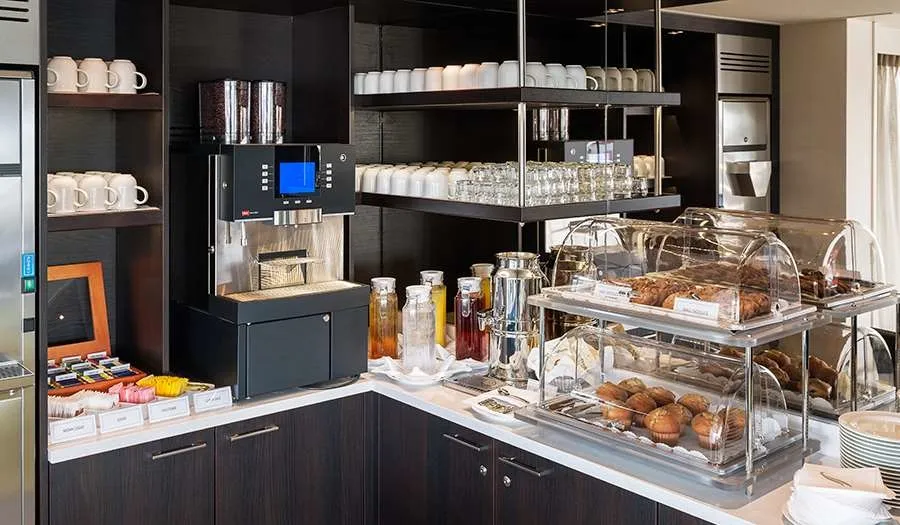
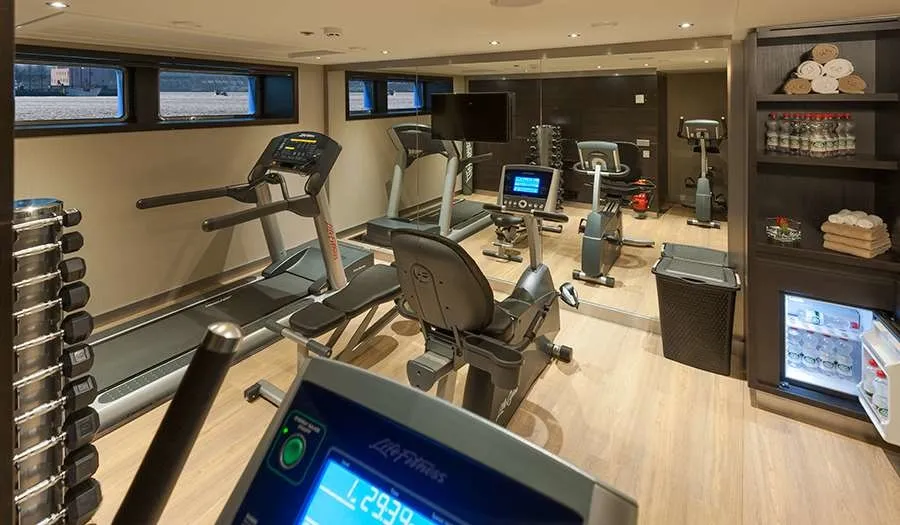
Avalon Waterways
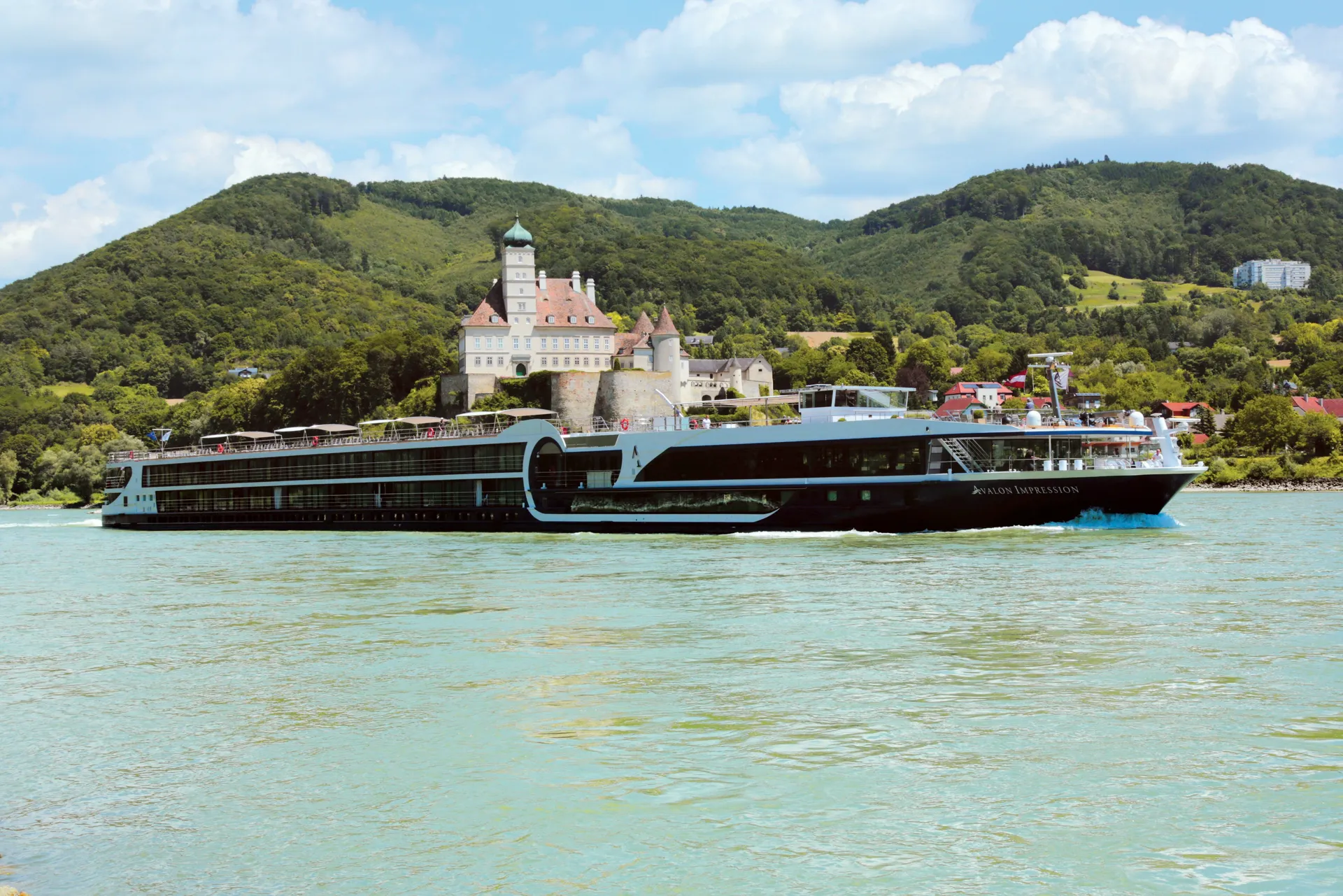
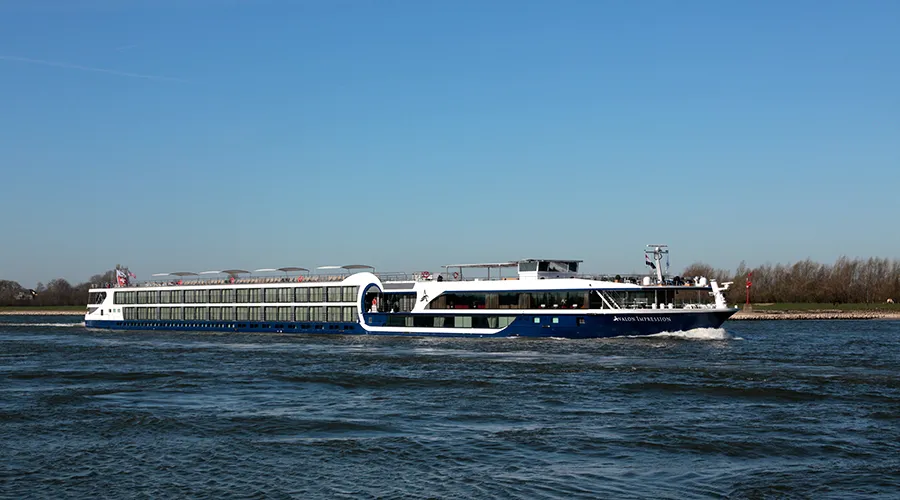
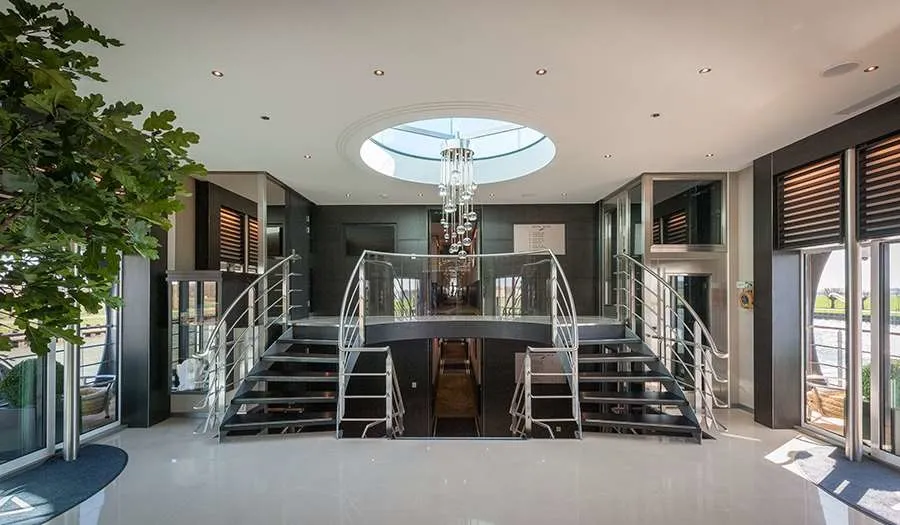
Avalon Impression
Suite Ship
Launched
2014
Refitted
—
Tonnage
2,775 GT
Passengers
166
Cabins
83
Crew
47
Length
443 m
Width
12 m
Speed
12 knots
Adults Only
No
Itinerary
Day 1
Day 1
Budapest
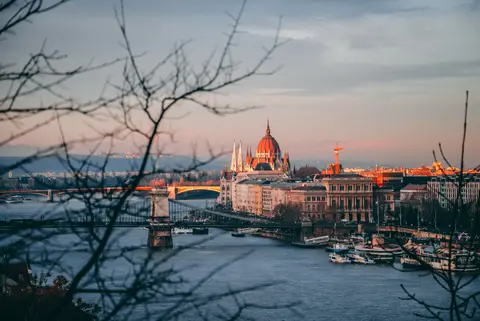
Budapest, divided by the Danube into the hilly Buda of thermal baths and medieval castle lanes on one bank and the grand Pest of coffee-house culture and Art Nouveau splendor on the other, delivers the most theatrical first impression of any European capital — whether approached by river as the neo-Gothic Parliament materializes from the water or by night from the Citadella's sweep of illuminated panorama below. The city's celebrated thermal bath culture, rooted in Ottoman-era hammams and perfected in palatial Secession-era pools like the Széchenyi, is an experience entirely unlike anything else in Europe. Visit spring and autumn for comfortable temperatures; Vienna is two and a half hours west by train.
Day 1
Day 1
At Sea
Day 2
Day 2
Visegrad
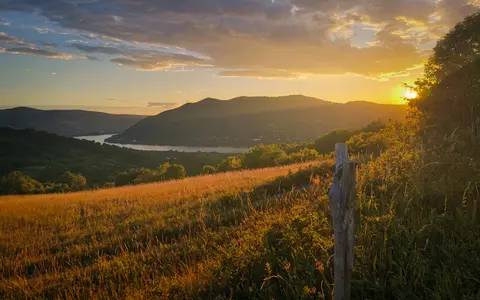
Visegrád commands the Danube’s most dramatic bend from a hilltop citadel that once housed the Hungarian Crown Jewels and a Renaissance royal palace rivaling Italian courts. Must-dos include climbing to the Upper Castle for panoramic Danube Bend views, exploring King Matthias’s restored palace and Hercules Fountain, and tasting Hungarian gulyás with Etyek wines. Visit April through October, with autumn foliage adding golden drama to the sweeping river views.
Day 3
Day 3
Vienna
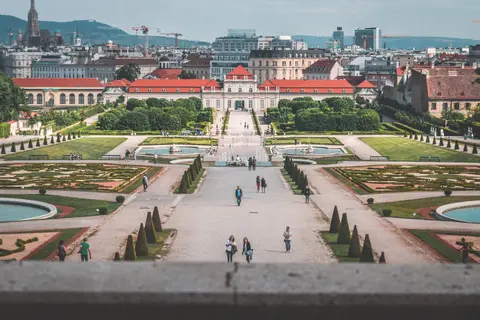
The port of Vienna is a cultural gem along the Danube River, famous for its stunning architecture, rich history, and vibrant culinary scene. Must-do experiences include sampling authentic Wiener Schnitzel and visiting the picturesque village of Dürnstein. The best season to visit is spring or early fall, when the city's gardens bloom and outdoor activities abound.
Day 5
Day 5
Krems
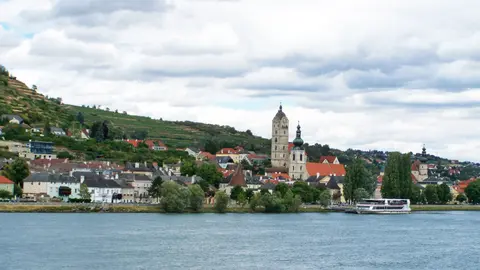
Krems an der Donau has stood at the eastern gateway of the Wachau Valley — Austria's most beautiful stretch of the Danube — since Emperor Otto III granted it market rights in 995 AD, making it one of the country's oldest documented towns. The UNESCO-listed Wachau landscape surrounding the city is a masterpiece of vineyard terraces, Baroque abbeys, and medieval castles reflected in the river; the Grüner Veltliner and Riesling wines produced here are among Austria's finest. Must-dos include visiting the monumental Melk Abbey and cycling the Danube Cycle Path through the valley. Krems is most enchanting April through October, with the harvest season in September offering wine cellar tastings of exceptional depth.
Day 5
Day 5
Grein
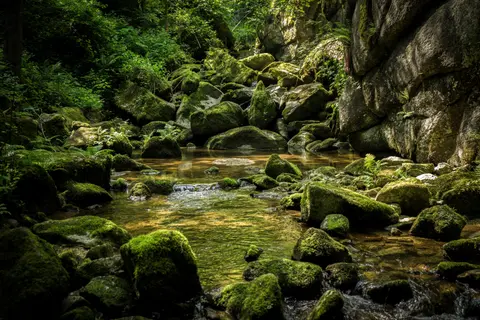
Grein, a picturesque port on the Danube River in Upper Austria, is known for its stunning architecture and rich history dating back to the 13th century. Must-do experiences include savoring local dishes like Greiner Knödel and visiting nearby attractions such as Dürnstein and Linz. The best season to visit is spring, when the landscape bursts into bloom and local festivities abound.
Day 6
Day 6
Linz
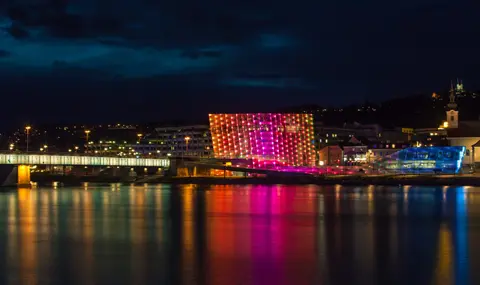
Austria's third city has accomplished one of Europe's most convincing urban transformations — reinventing itself from industrial centre to cultural powerhouse, a journey recognised in 2009 when it was named European Capital of Culture. The Ars Electronica Center, a museum of digital art and technology that glows with LED light across the Danube each evening, epitomises Linz's forward-looking identity. Yet the city's Roman roots, its baroque Hauptplatz (one of Austria's finest main squares), and its proximity to the Wachau Valley anchor it firmly in history. The Upper Austrian cuisine — particularly Linzer Torte, the world's oldest-documented cake recipe — is exceptional. Linz is most agreeable May through September.
Day 6
Day 6
Mauthausen
Mauthausen in Upper Austria is home to one of Europe's most important Holocaust memorials, the former concentration camp where over 90,000 prisoners died, including at the notorious "Staircase of Death" quarry. Must-dos include walking the memorial grounds, viewing the Staircase of Death, and studying the exhibition's personal testimonies. April through October offers the most suitable conditions for this essential but emotionally demanding visit.
Day 7
Day 7
Engelhartszell
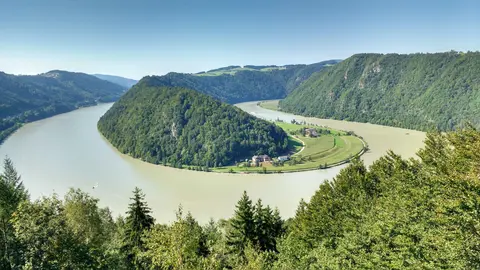
Engelhartszell an der Donau is a tranquil Upper Austrian village on the Danube, distinguished by Stift Engelszell — the country's only Trappist monastery, where monks have brewed acclaimed beers and crafted artisan cheese since the thirteenth century. Visitors should not miss a tasting at the abbey followed by a hike above the Schlögener Schlinge, the Danube's most dramatic horseshoe bend. Late spring through early autumn offers the finest conditions, when the river runs calm, the orchards are in bloom, and the monastery garden is at its most fragrant.
Day 7
Day 7
Schlögen
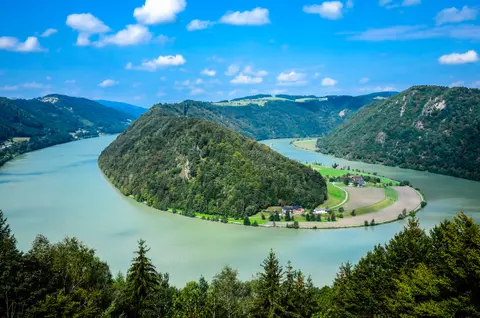
Schlögen, Austria, is a charming port town known for its breathtaking views along the Danube River and rich historical significance. Must-do experiences include savoring traditional dishes like Wiener Schnitzel and exploring nearby attractions such as Vienna and Dürnstein. The best season to visit is during the spring and summer months when the landscapes are vibrant and the local festivals are in full swing.
Day 8
Day 8
Vilshofen
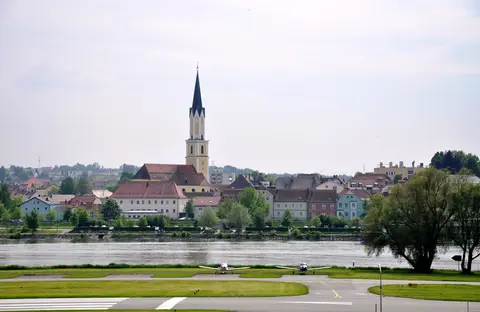
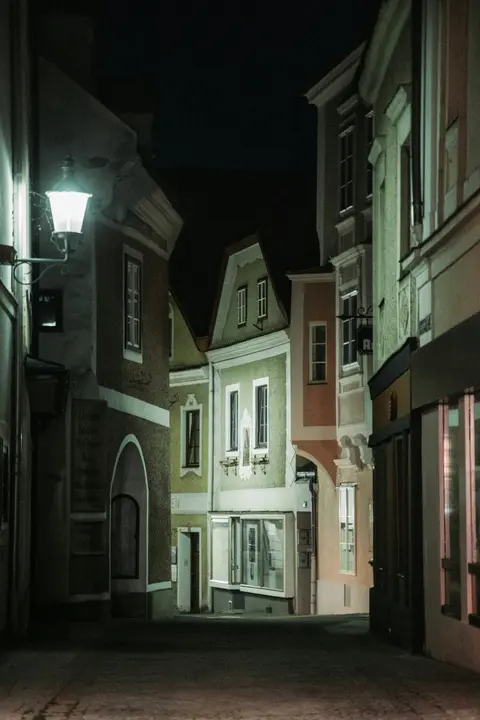
Vilshofen an der Donau is a handsome Bavarian river town where three streams converge with the Danube, its medieval market charter and Gothic Stadtturm bearing witness to eight centuries of river trade prosperity — though its most joyful claim to fame is the boisterous Vilshofen Volksfest, Bavaria's second-largest folk festival after Oktoberfest, held each June. The pastel-painted baroque townhouses and arcaded courtyards of the compact old town make for an idyllic Danube-side stroll, while the surrounding farmland and rolling hills of Lower Bavaria offer cycling routes of pastoral serenity. Summer brings the festival season; spring and autumn lend the Danube Valley its most golden and peaceful character.
Day 1
Budapest
Budapest, divided by the Danube into the hilly Buda of thermal baths and medieval castle lanes on one bank and the grand Pest of coffee-house culture and Art Nouveau splendor on the other, delivers the most theatrical first impression of any European capital — whether approached by river as the neo-Gothic Parliament materializes from the water or by night from the Citadella's sweep of illuminated panorama below. The city's celebrated thermal bath culture, rooted in Ottoman-era hammams and perfected in palatial Secession-era pools like the Széchenyi, is an experience entirely unlike anything else in Europe. Visit spring and autumn for comfortable temperatures; Vienna is two and a half hours west by train.
At Sea
Day 2
Visegrad
Visegrád commands the Danube’s most dramatic bend from a hilltop citadel that once housed the Hungarian Crown Jewels and a Renaissance royal palace rivaling Italian courts. Must-dos include climbing to the Upper Castle for panoramic Danube Bend views, exploring King Matthias’s restored palace and Hercules Fountain, and tasting Hungarian gulyás with Etyek wines. Visit April through October, with autumn foliage adding golden drama to the sweeping river views.
Day 3
Vienna
The port of Vienna is a cultural gem along the Danube River, famous for its stunning architecture, rich history, and vibrant culinary scene. Must-do experiences include sampling authentic Wiener Schnitzel and visiting the picturesque village of Dürnstein. The best season to visit is spring or early fall, when the city's gardens bloom and outdoor activities abound.
Day 5
Krems
Krems an der Donau has stood at the eastern gateway of the Wachau Valley — Austria's most beautiful stretch of the Danube — since Emperor Otto III granted it market rights in 995 AD, making it one of the country's oldest documented towns. The UNESCO-listed Wachau landscape surrounding the city is a masterpiece of vineyard terraces, Baroque abbeys, and medieval castles reflected in the river; the Grüner Veltliner and Riesling wines produced here are among Austria's finest. Must-dos include visiting the monumental Melk Abbey and cycling the Danube Cycle Path through the valley. Krems is most enchanting April through October, with the harvest season in September offering wine cellar tastings of exceptional depth.
Grein
Grein, a picturesque port on the Danube River in Upper Austria, is known for its stunning architecture and rich history dating back to the 13th century. Must-do experiences include savoring local dishes like Greiner Knödel and visiting nearby attractions such as Dürnstein and Linz. The best season to visit is spring, when the landscape bursts into bloom and local festivities abound.
Day 6
Linz
Austria's third city has accomplished one of Europe's most convincing urban transformations — reinventing itself from industrial centre to cultural powerhouse, a journey recognised in 2009 when it was named European Capital of Culture. The Ars Electronica Center, a museum of digital art and technology that glows with LED light across the Danube each evening, epitomises Linz's forward-looking identity. Yet the city's Roman roots, its baroque Hauptplatz (one of Austria's finest main squares), and its proximity to the Wachau Valley anchor it firmly in history. The Upper Austrian cuisine — particularly Linzer Torte, the world's oldest-documented cake recipe — is exceptional. Linz is most agreeable May through September.
Mauthausen
Mauthausen in Upper Austria is home to one of Europe's most important Holocaust memorials, the former concentration camp where over 90,000 prisoners died, including at the notorious "Staircase of Death" quarry. Must-dos include walking the memorial grounds, viewing the Staircase of Death, and studying the exhibition's personal testimonies. April through October offers the most suitable conditions for this essential but emotionally demanding visit.
Day 7
Engelhartszell
Engelhartszell an der Donau is a tranquil Upper Austrian village on the Danube, distinguished by Stift Engelszell — the country's only Trappist monastery, where monks have brewed acclaimed beers and crafted artisan cheese since the thirteenth century. Visitors should not miss a tasting at the abbey followed by a hike above the Schlögener Schlinge, the Danube's most dramatic horseshoe bend. Late spring through early autumn offers the finest conditions, when the river runs calm, the orchards are in bloom, and the monastery garden is at its most fragrant.
Schlögen
Schlögen, Austria, is a charming port town known for its breathtaking views along the Danube River and rich historical significance. Must-do experiences include savoring traditional dishes like Wiener Schnitzel and exploring nearby attractions such as Vienna and Dürnstein. The best season to visit is during the spring and summer months when the landscapes are vibrant and the local festivals are in full swing.
Day 8
Vilshofen
Vilshofen an der Donau is a handsome Bavarian river town where three streams converge with the Danube, its medieval market charter and Gothic Stadtturm bearing witness to eight centuries of river trade prosperity — though its most joyful claim to fame is the boisterous Vilshofen Volksfest, Bavaria's second-largest folk festival after Oktoberfest, held each June. The pastel-painted baroque townhouses and arcaded courtyards of the compact old town make for an idyllic Danube-side stroll, while the surrounding farmland and rolling hills of Lower Bavaria offer cycling routes of pastoral serenity. Summer brings the festival season; spring and autumn lend the Danube Valley its most golden and peaceful character.
Cabin Categories
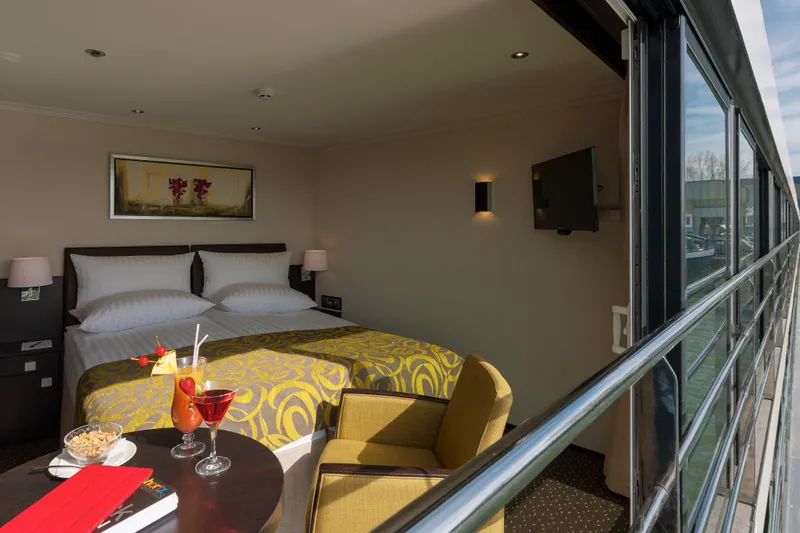
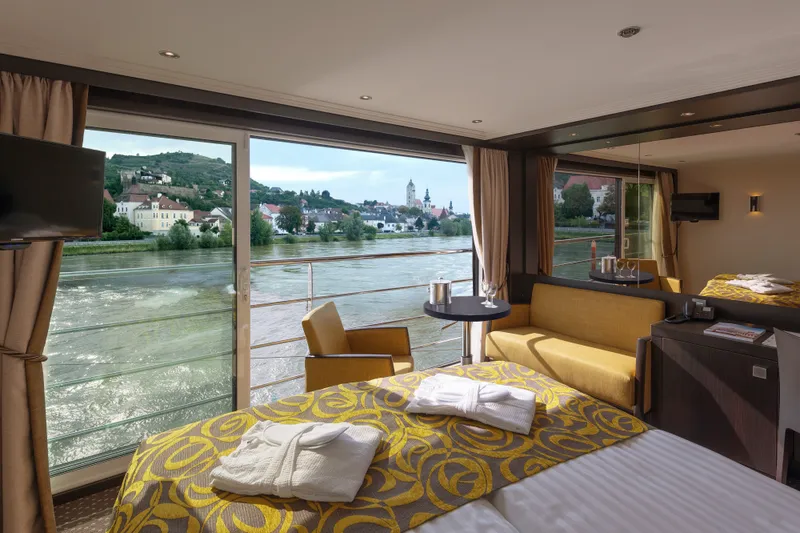
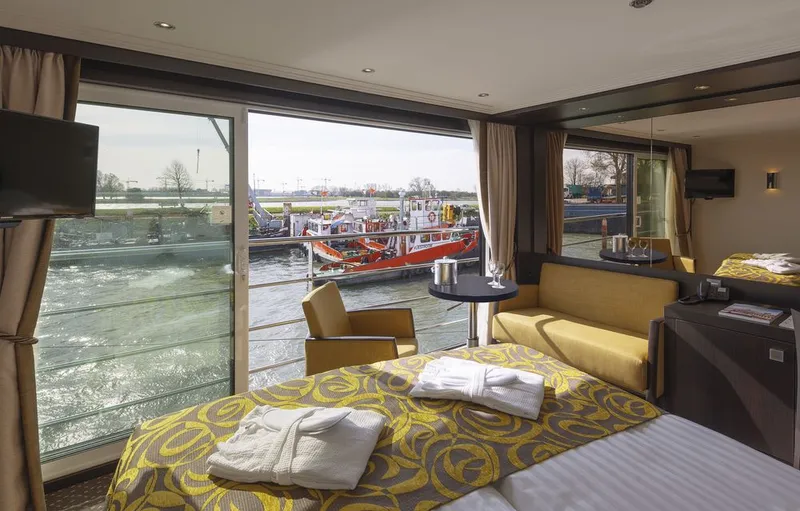
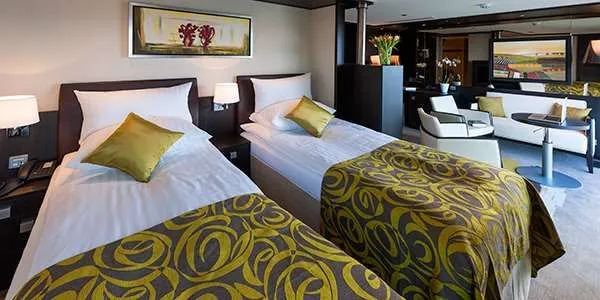
Panorama Suite
Suite
200 m²Max 2
ABP
Stateroom Features:
Comfort Collection Beds
Luxurious mattress toppers
Egyptian super-combed cotton linens
European-style duvets
Soft & firm pillows
Extra blankets
Choice of bed configuration
Nightly turn-down service
Bedside tables with reading lamps
Premium Hairdryer
L'Occitane bath products
Spacious 3-door closets with shelves for ample storage
Easy under-bed luggage storage
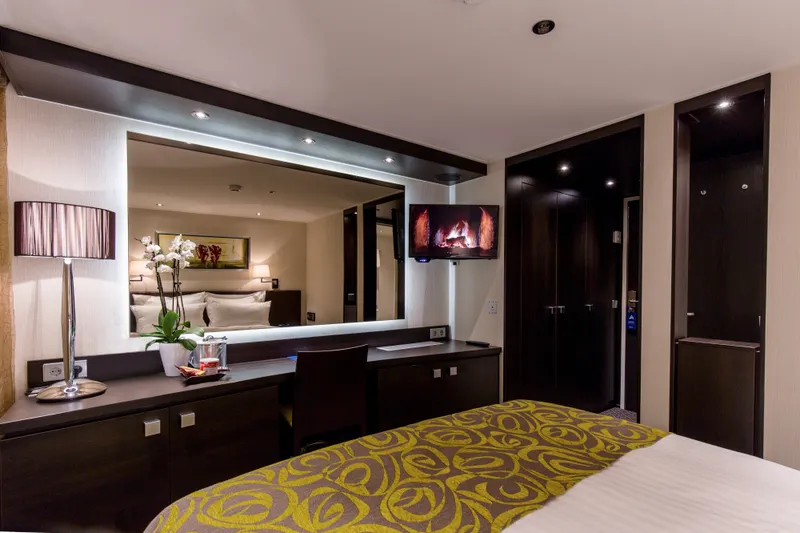
Flatscreen satellite TV with English-speaking channels & over 100 free movie options
Alarm clock
Direct-dial telephone
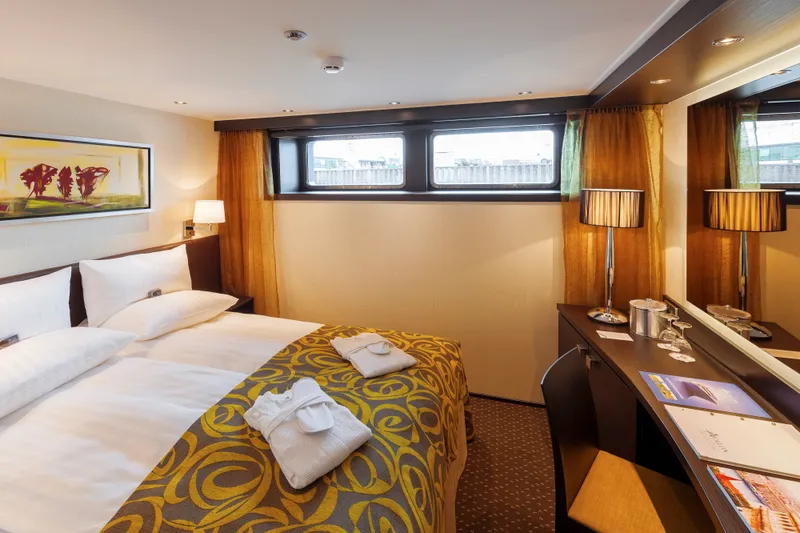
Bathrobes & slippers
Well-stocked minibar
Complimentary filtered water
In-room safe
Individual climate control
Elegant, contemporary design
Large mirror in bathroom
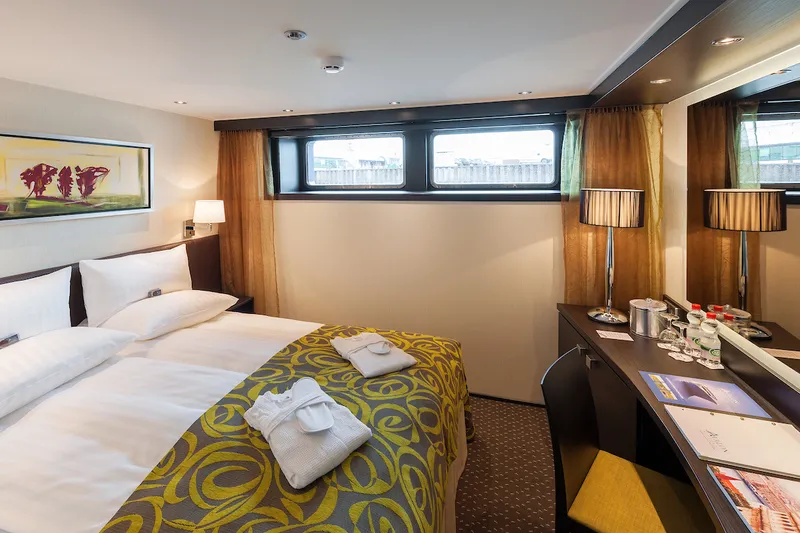
Two windows
Full shower with glass door
Writing desk and chair
Lighted makeup mirror
Complimentary Wi-Fi
One Queen-Sized Bed or Two Twins
USB Ports
Queen or Twin ConfigurationShowerToiletries ProvidedRoom Service AvailableMini Bar (Additional Cost)TV+5
View Details
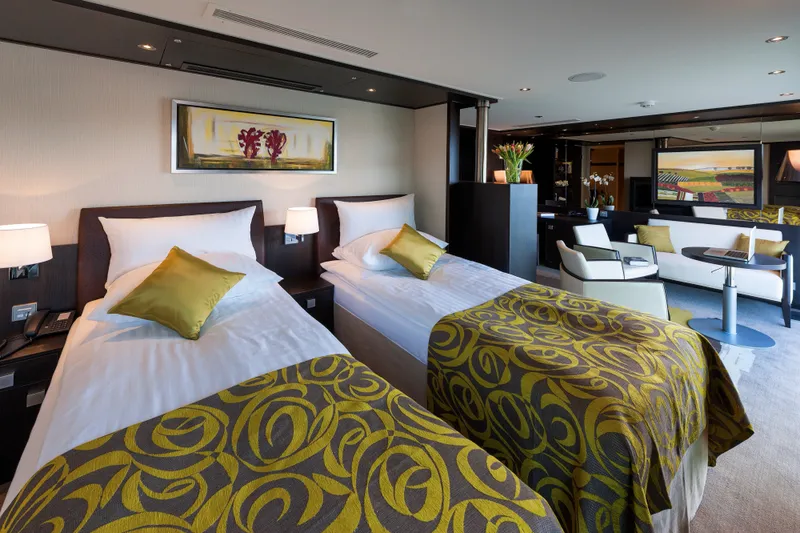
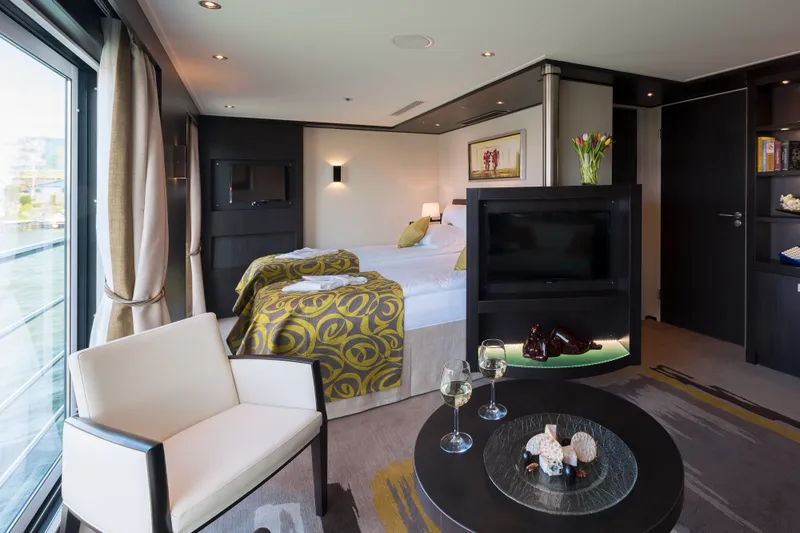
Royal Suite
Suite
300 m²Max 2
S
Stateroom Features:
Comfort Collection Beds
Luxurious mattress toppers
Egyptian super-combed cotton linens
European-style duvets
Soft & firm pillows
Extra blankets
Choice of bed configuration
Nightly turn-down service
Bedside tables with reading lamps
Premium Hairdryer
L'Occitane bath products
Spacious 3-door closets with shelves for ample storage
Easy under-bed luggage storage
Flatscreen satellite TV with English-speaking channels & over 100 free movie options
Alarm clock
Direct-dial telephone
Bathrobes & slippers
Well-stocked minibar
Complimentary filtered water
In-room safe
Individual climate control
Elegant, contemporary design
Large mirror in bathroom
Two windows
Full shower with glass door
Writing desk and chair
Lighted makeup mirror
Complimentary Wi-Fi
One Queen-Sized Bed or Two Twins
USB Ports
King or Twin ConfigurationShowerToiletries ProvidedRoom Service AvailableMini Bar (Additional Cost)TV+5
View Details
Deluxe Stateroom
Outside
172 m²Max 2
DE
Stateroom Features:
Comfort Collection Beds
Luxurious mattress toppers
Egyptian super-combed cotton linens
European-style duvets
Soft & firm pillows
Extra blankets
Choice of bed configuration
Nightly turn-down service
Bedside tables with reading lamps
Premium Hairdryer
L'Occitane bath products
Spacious 3-door closets with shelves for ample storage
Easy under-bed luggage storage
Flatscreen satellite TV with English-speaking channels & over 100 free movie options
Alarm clock
Direct-dial telephone
Bathrobes & slippers
Well-stocked minibar
Complimentary filtered water
In-room safe
Individual climate control
Elegant, contemporary design
Large mirror in bathroom
Two windows
Full shower with glass door
Writing desk and chair
Lighted makeup mirror
Complimentary Wi-Fi
One Queen-Sized Bed or Two Twins
USB Ports
Queen or Twin ConfigurationShowerToiletries ProvidedRoom Service AvailableMini Bar (Additional Cost)TV+4
US$4,330 /person+ US$0 taxes & fees
Interested in This Voyage?
Our cruise specialists can help you find the perfect cabin and the best available pricing.
(+886) 02-2721-7300Contact Advisor