Avalon Waterways60904
Fascinating Vietnam, Cambodia & the Mekong River with Hanoi & Ha Long Bay (Southbound)
Date
2026-09-04
Duration
7 nights
Departure Port
Hanoi
Vietnam
Arrival Port
Ho Chi Minh City
Vietnam
Rating
Luxury
Theme
History & Culture
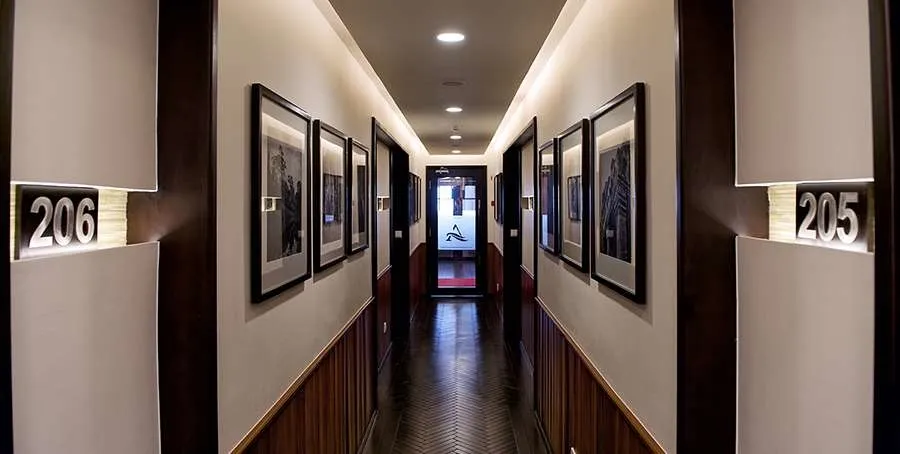
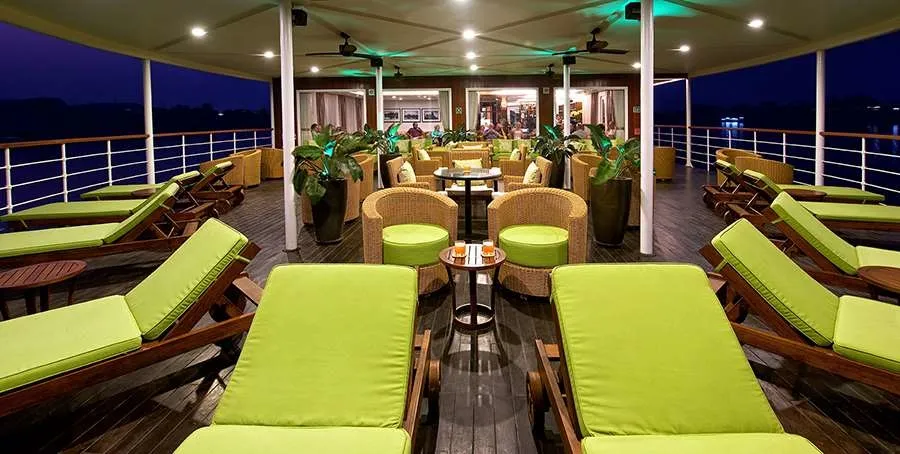
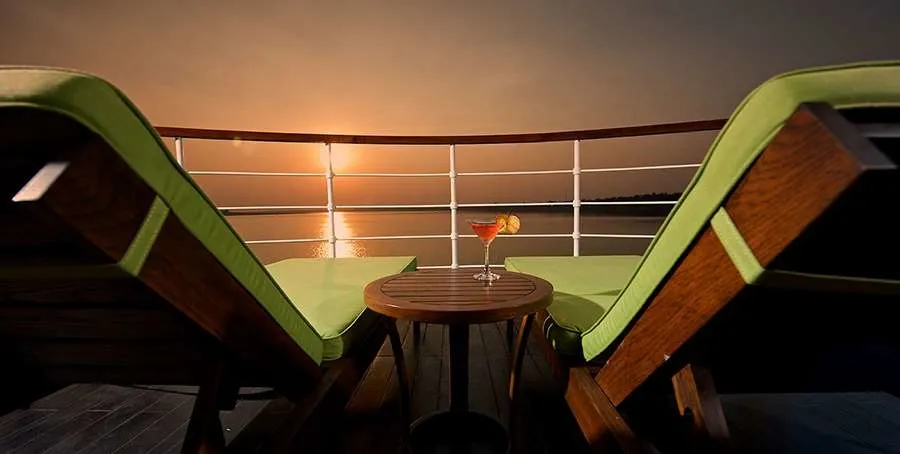
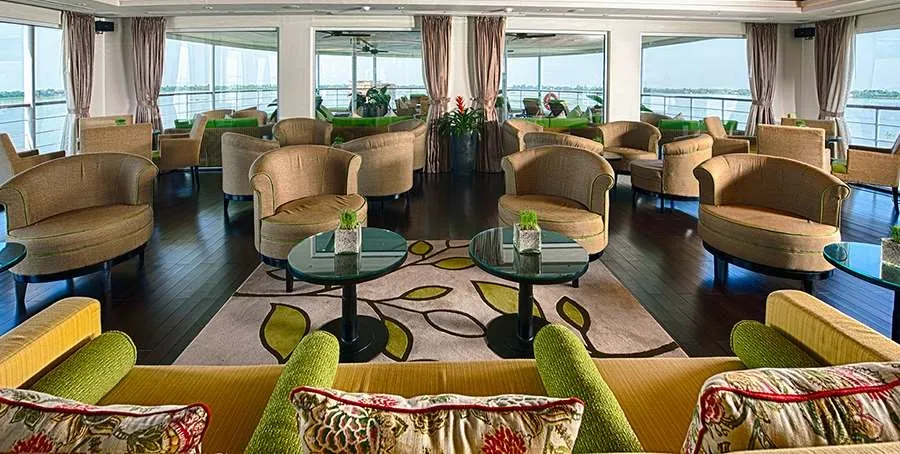

Avalon Waterways
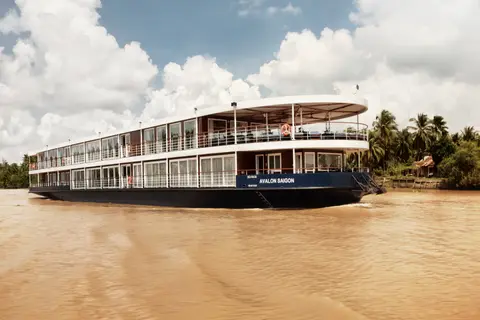
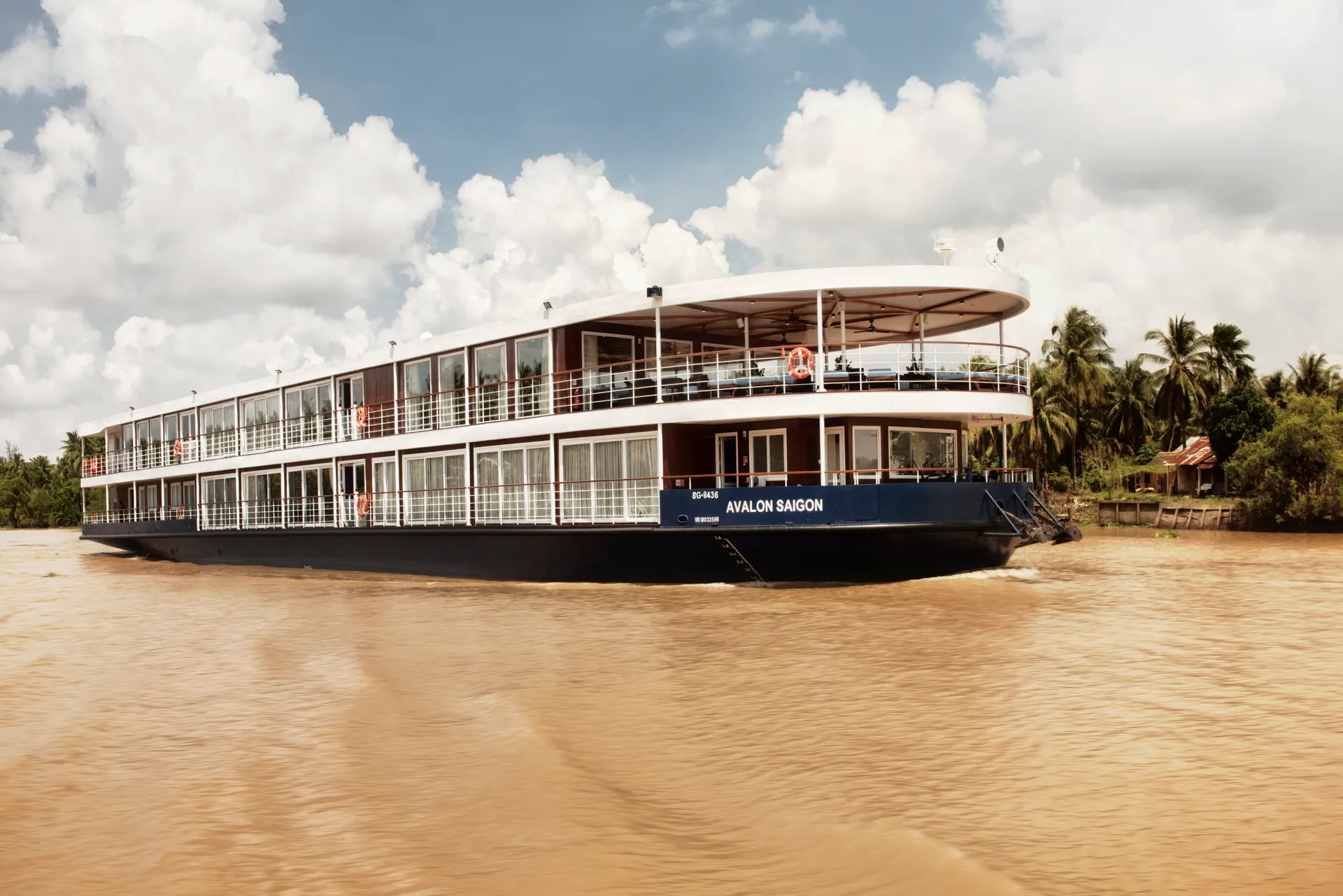
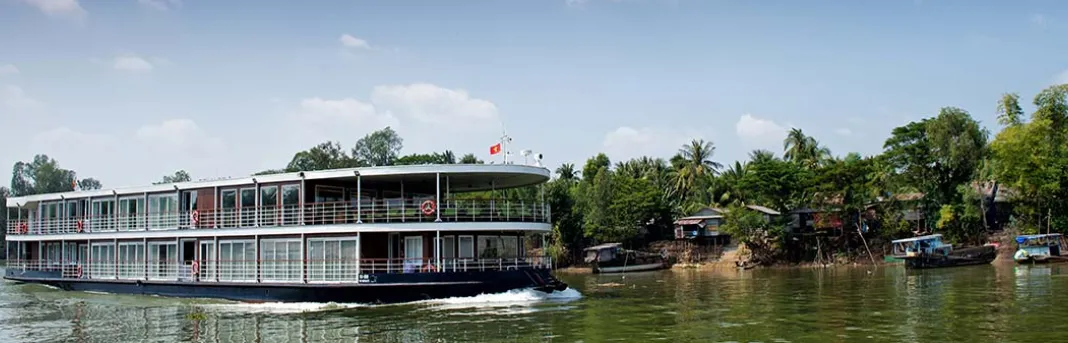
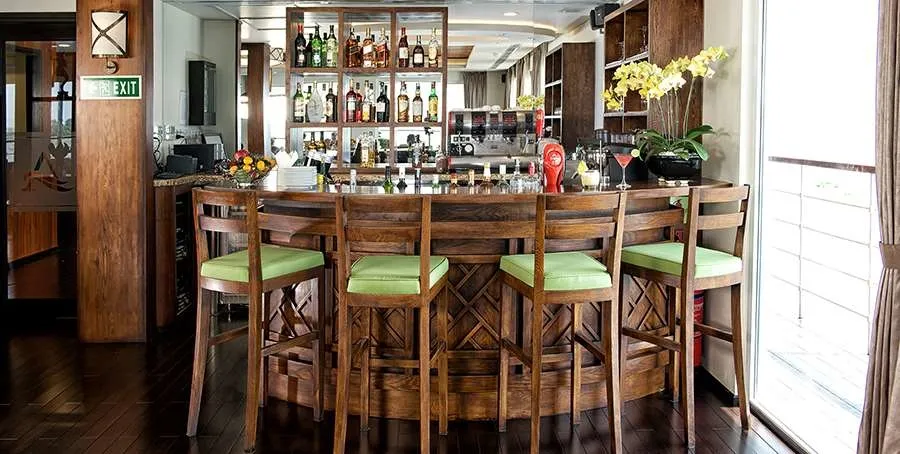
Avalon Saigon
Launched
2018
Refitted
—
Tonnage
950 GT
Passengers
36
Cabins
18
Crew
24
Length
195 m
Width
—
Speed
9 knots
Adults Only
No
Itinerary
Day 1
Day 1
Hanoi
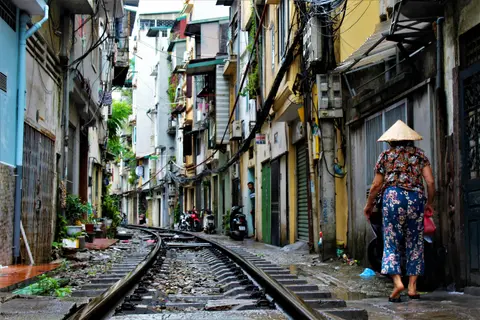
Founded on a dragon's auspice in 1010 AD, Hanoi is Southeast Asia's most historically layered capital — a city where French colonial boulevards wrap around ancient temple islands and where the morning ritual of phở bò at a pavement stall carries the weight of a thousand years of tradition. Venture to Halong Bay's limestone karst seascape or explore the lantern-lit lanes of Hội An via nearby Chan May. October through April brings dry, pleasant weather ideal for exploring Vietnam's storied north.
Day 3
Day 3
Hanoi
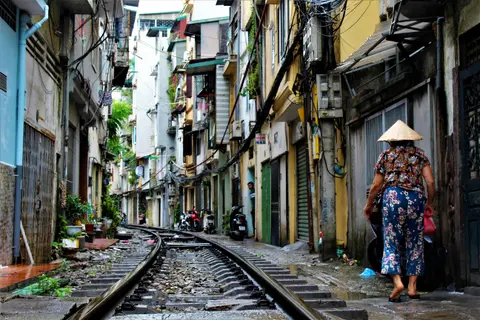
Founded on a dragon's auspice in 1010 AD, Hanoi is Southeast Asia's most historically layered capital — a city where French colonial boulevards wrap around ancient temple islands and where the morning ritual of phở bò at a pavement stall carries the weight of a thousand years of tradition. Venture to Halong Bay's limestone karst seascape or explore the lantern-lit lanes of Hội An via nearby Chan May. October through April brings dry, pleasant weather ideal for exploring Vietnam's storied north.
Day 3
Day 3
Ha Long Bay
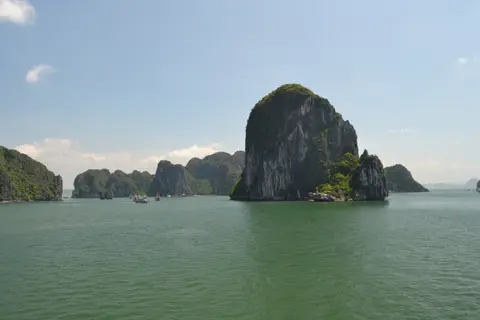
Ha Long Bay is a UNESCO World Heritage landscape of nearly two thousand limestone karst islands rising from emerald waters in Vietnam's Gulf of Tonkin. Must-dos include an overnight junk cruise through the karst formations, kayaking into hidden lagoons, and exploring the cathedral-scale Sung Sot Cave. October through April offers the best weather, with spring mist adding an ethereal quality to the already otherworldly scenery.
Day 4
Day 4
Siem Reap
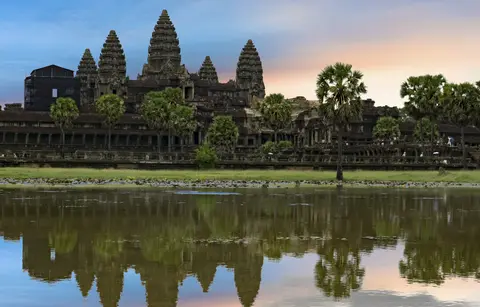
Siem Reap, the gateway city to the ancient Khmer empire's greatest achievement, is the essential staging post for exploring Angkor — the twelfth-century temple complex whose scale and ambition remain without parallel in human history. Angkor Wat at sunrise, its towers mirrored in the lily-covered moat, is one of the world's most transcendent spectacles; Angkor Thom's enigmatic Bayon, with its serene stone faces emerging from the jungle canopy, is another. The city's Old Market quarter offers silk workshops, street food vendors, and celebrated restaurants serving amok — fish steamed in coconut and lemongrass. November through April brings the driest, most comfortable conditions.
Day 6
Day 6
Siem Reap
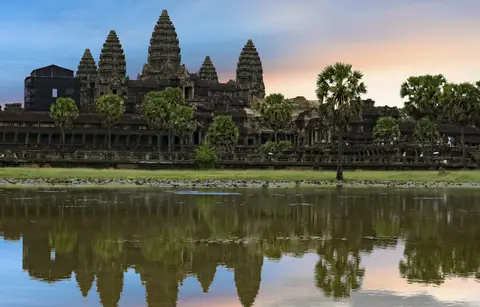
Siem Reap, the gateway city to the ancient Khmer empire's greatest achievement, is the essential staging post for exploring Angkor — the twelfth-century temple complex whose scale and ambition remain without parallel in human history. Angkor Wat at sunrise, its towers mirrored in the lily-covered moat, is one of the world's most transcendent spectacles; Angkor Thom's enigmatic Bayon, with its serene stone faces emerging from the jungle canopy, is another. The city's Old Market quarter offers silk workshops, street food vendors, and celebrated restaurants serving amok — fish steamed in coconut and lemongrass. November through April brings the driest, most comfortable conditions.
Day 7
Day 7
Phnom Penh
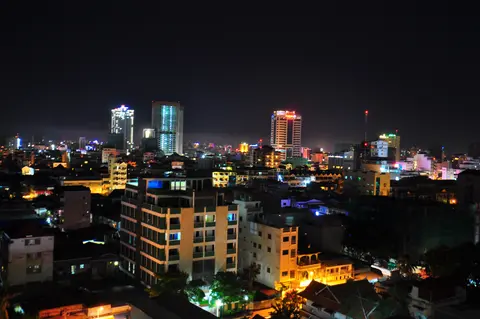
Phnom Penh rises from the confluence of the Mekong, Tonlé Sap, and Bassac rivers with a resilience that makes it one of Southeast Asia's most affecting capitals — a city that endured the Khmer Rouge's "Year Zero" and has re-emerged as a place of broad riverfront boulevards, excellent Khmer cuisine, and a cultural energy that feels earned rather than manufactured. The Royal Palace and its Silver Pagoda, housing a life-size gold Buddha studded with 9,584 diamonds, is the city's architectural centrepiece; the Tuol Sleng Genocide Museum, a former high school converted to a prison by the Khmer Rouge, is sobering but essential history. November through February offers the most comfortable climate for extended exploration.
Day 8
Day 8
Angkor Ban
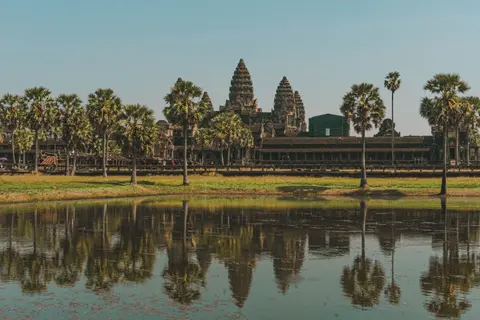
Angkor Ban is a riverside Mekong village in Cambodia's Kampong Cham Province where unvarnished authenticity awaits the discerning river cruise traveler — a world away from tourist infrastructure, offering a rare glimpse into rural Khmer life unchanged by modernity. Ancient laterite temple ruins hide among the trees, while local craftspeople practice traditional silk weaving and pottery in family compounds that welcome visitors with quiet warmth. The dry season from November through April offers the most comfortable conditions for exploring the village lanes and surrounding countryside on foot or by bicycle. Phnom Penh is a half-day's river journey downstream.
Day 1
Hanoi
Founded on a dragon's auspice in 1010 AD, Hanoi is Southeast Asia's most historically layered capital — a city where French colonial boulevards wrap around ancient temple islands and where the morning ritual of phở bò at a pavement stall carries the weight of a thousand years of tradition. Venture to Halong Bay's limestone karst seascape or explore the lantern-lit lanes of Hội An via nearby Chan May. October through April brings dry, pleasant weather ideal for exploring Vietnam's storied north.
Day 3
Hanoi
Founded on a dragon's auspice in 1010 AD, Hanoi is Southeast Asia's most historically layered capital — a city where French colonial boulevards wrap around ancient temple islands and where the morning ritual of phở bò at a pavement stall carries the weight of a thousand years of tradition. Venture to Halong Bay's limestone karst seascape or explore the lantern-lit lanes of Hội An via nearby Chan May. October through April brings dry, pleasant weather ideal for exploring Vietnam's storied north.
Ha Long Bay
Ha Long Bay is a UNESCO World Heritage landscape of nearly two thousand limestone karst islands rising from emerald waters in Vietnam's Gulf of Tonkin. Must-dos include an overnight junk cruise through the karst formations, kayaking into hidden lagoons, and exploring the cathedral-scale Sung Sot Cave. October through April offers the best weather, with spring mist adding an ethereal quality to the already otherworldly scenery.
Day 4
Siem Reap
Siem Reap, the gateway city to the ancient Khmer empire's greatest achievement, is the essential staging post for exploring Angkor — the twelfth-century temple complex whose scale and ambition remain without parallel in human history. Angkor Wat at sunrise, its towers mirrored in the lily-covered moat, is one of the world's most transcendent spectacles; Angkor Thom's enigmatic Bayon, with its serene stone faces emerging from the jungle canopy, is another. The city's Old Market quarter offers silk workshops, street food vendors, and celebrated restaurants serving amok — fish steamed in coconut and lemongrass. November through April brings the driest, most comfortable conditions.
Day 6
Siem Reap
Siem Reap, the gateway city to the ancient Khmer empire's greatest achievement, is the essential staging post for exploring Angkor — the twelfth-century temple complex whose scale and ambition remain without parallel in human history. Angkor Wat at sunrise, its towers mirrored in the lily-covered moat, is one of the world's most transcendent spectacles; Angkor Thom's enigmatic Bayon, with its serene stone faces emerging from the jungle canopy, is another. The city's Old Market quarter offers silk workshops, street food vendors, and celebrated restaurants serving amok — fish steamed in coconut and lemongrass. November through April brings the driest, most comfortable conditions.
Day 7
Phnom Penh
Phnom Penh rises from the confluence of the Mekong, Tonlé Sap, and Bassac rivers with a resilience that makes it one of Southeast Asia's most affecting capitals — a city that endured the Khmer Rouge's "Year Zero" and has re-emerged as a place of broad riverfront boulevards, excellent Khmer cuisine, and a cultural energy that feels earned rather than manufactured. The Royal Palace and its Silver Pagoda, housing a life-size gold Buddha studded with 9,584 diamonds, is the city's architectural centrepiece; the Tuol Sleng Genocide Museum, a former high school converted to a prison by the Khmer Rouge, is sobering but essential history. November through February offers the most comfortable climate for extended exploration.
Day 8
Angkor Ban
Angkor Ban is a riverside Mekong village in Cambodia's Kampong Cham Province where unvarnished authenticity awaits the discerning river cruise traveler — a world away from tourist infrastructure, offering a rare glimpse into rural Khmer life unchanged by modernity. Ancient laterite temple ruins hide among the trees, while local craftspeople practice traditional silk weaving and pottery in family compounds that welcome visitors with quiet warmth. The dry season from November through April offers the most comfortable conditions for exploring the village lanes and surrounding countryside on foot or by bicycle. Phnom Penh is a half-day's river journey downstream.
Cabin Categories
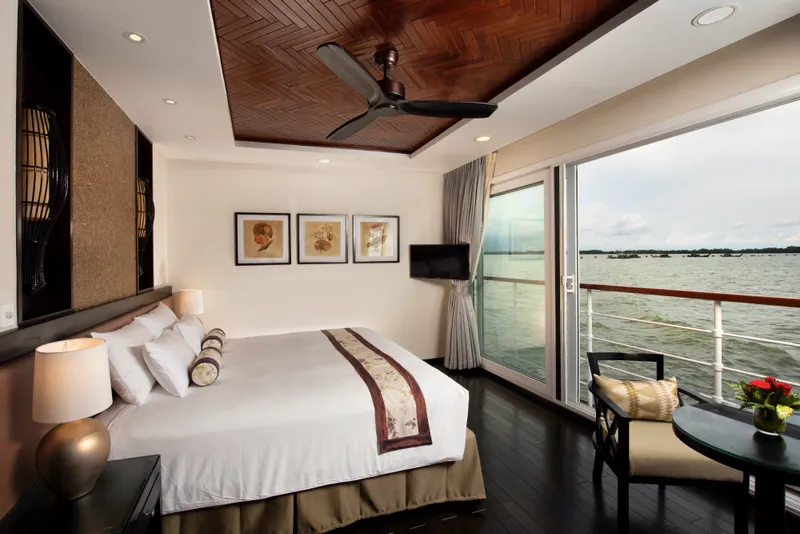
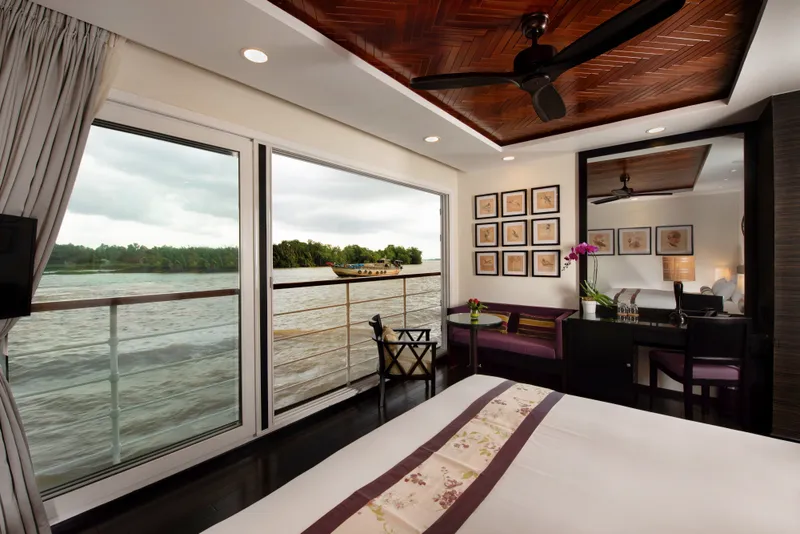
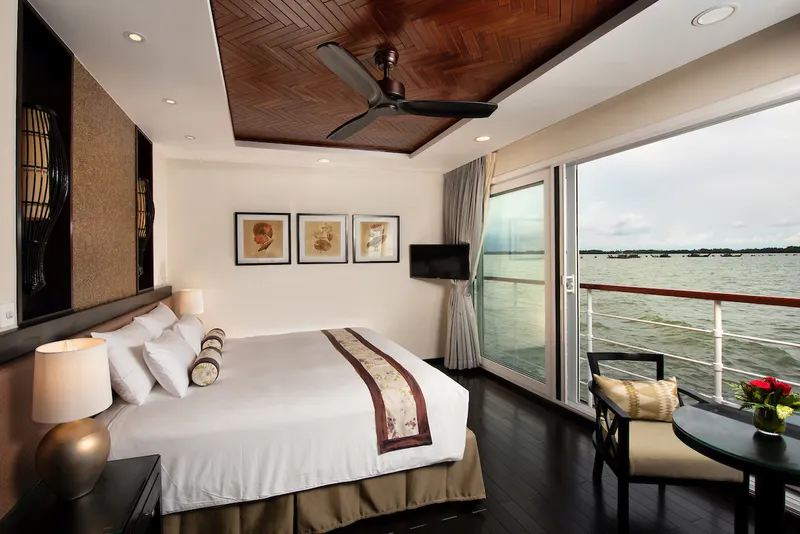
Panorama Suite
Suite
245 m²Max 2
AB
Stateroom Features:
Comfort Collection Beds
Egyptian super-combed cotton linens
Soft & firm pillows
Choice of bed configuration
Nightly turn-down service
Bedside tables with reading lamps
14' Wall-to-Wall Panoramic window measuring that opens to create a large Open-Air Balcony
Large private bathroom featuring full shower with glass door, hairdryer, and premium L'Occitane bath amenities
Spacious closets with shelves for ample storage
Easy under-bed luggage storage
Alarm clock
Writing desk/vanity with mirror & comfortable chair
In-house telephone
Bathrobes & slippers
Complimentary filtered water
In-room safe
Individual climate control
One King-Sized Bed or Two Twins
USB Ports
King or Twin ConfigurationShowerToiletries ProvidedRoom Service AvailableMini Bar (Additional Cost)TV+3
View Details
Interested in This Voyage?
Our cruise specialists can help you find the perfect cabin and the best available pricing.
(+886) 02-2721-7300Contact Advisor