Avalon Waterways60509
The Legendary Danube with 2 Nights in Prague
Date
2026-05-09
Duration
7 nights
Departure Port
Prague
Czech Republic
Arrival Port
Budapest
Hungary
Rating
Luxury
Theme
History & Culture
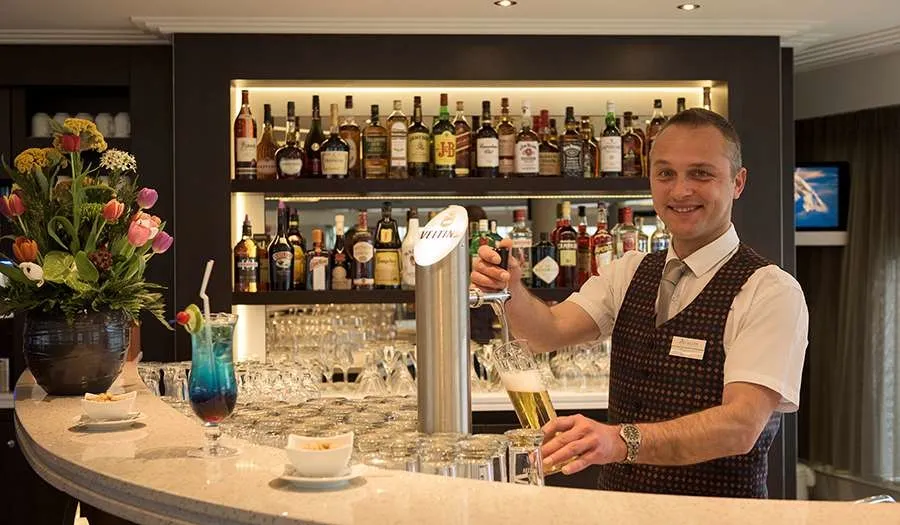
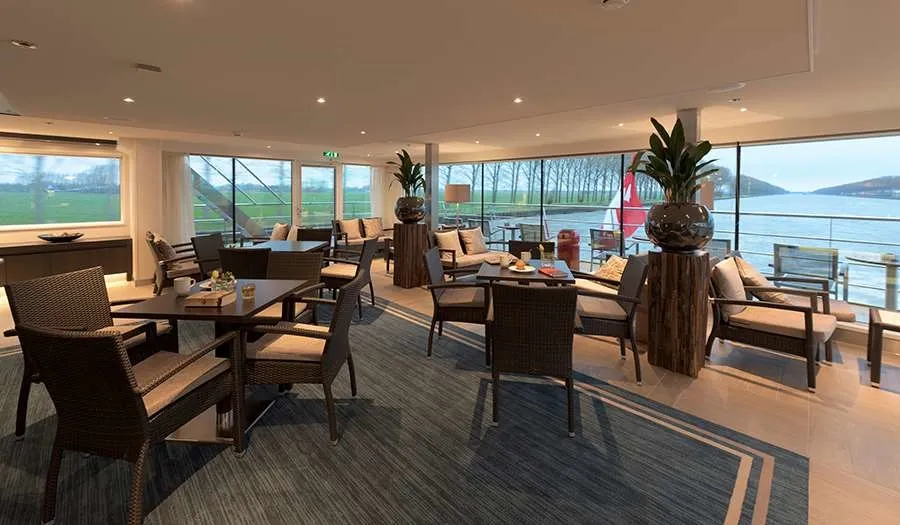
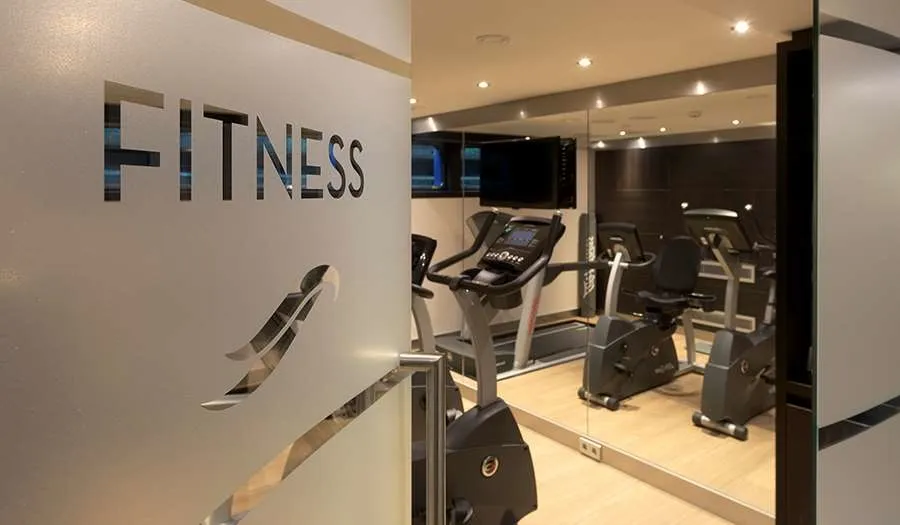
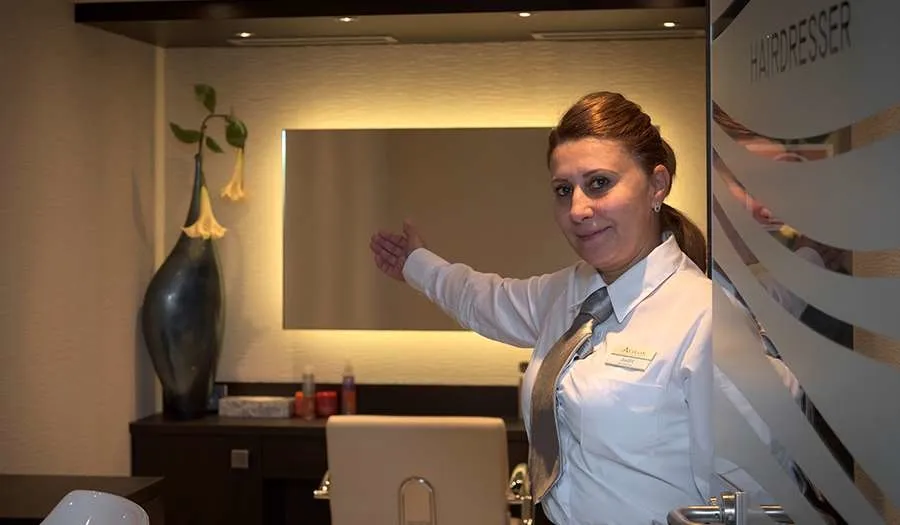
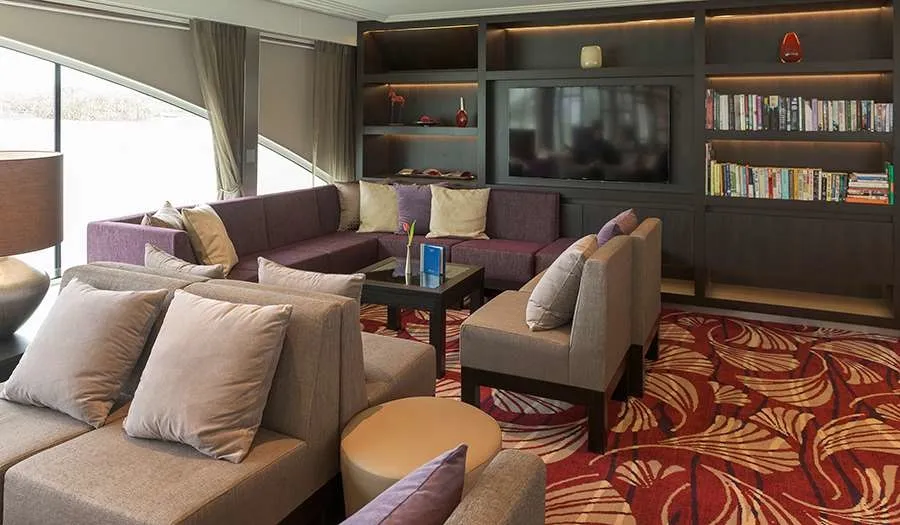
Avalon Waterways
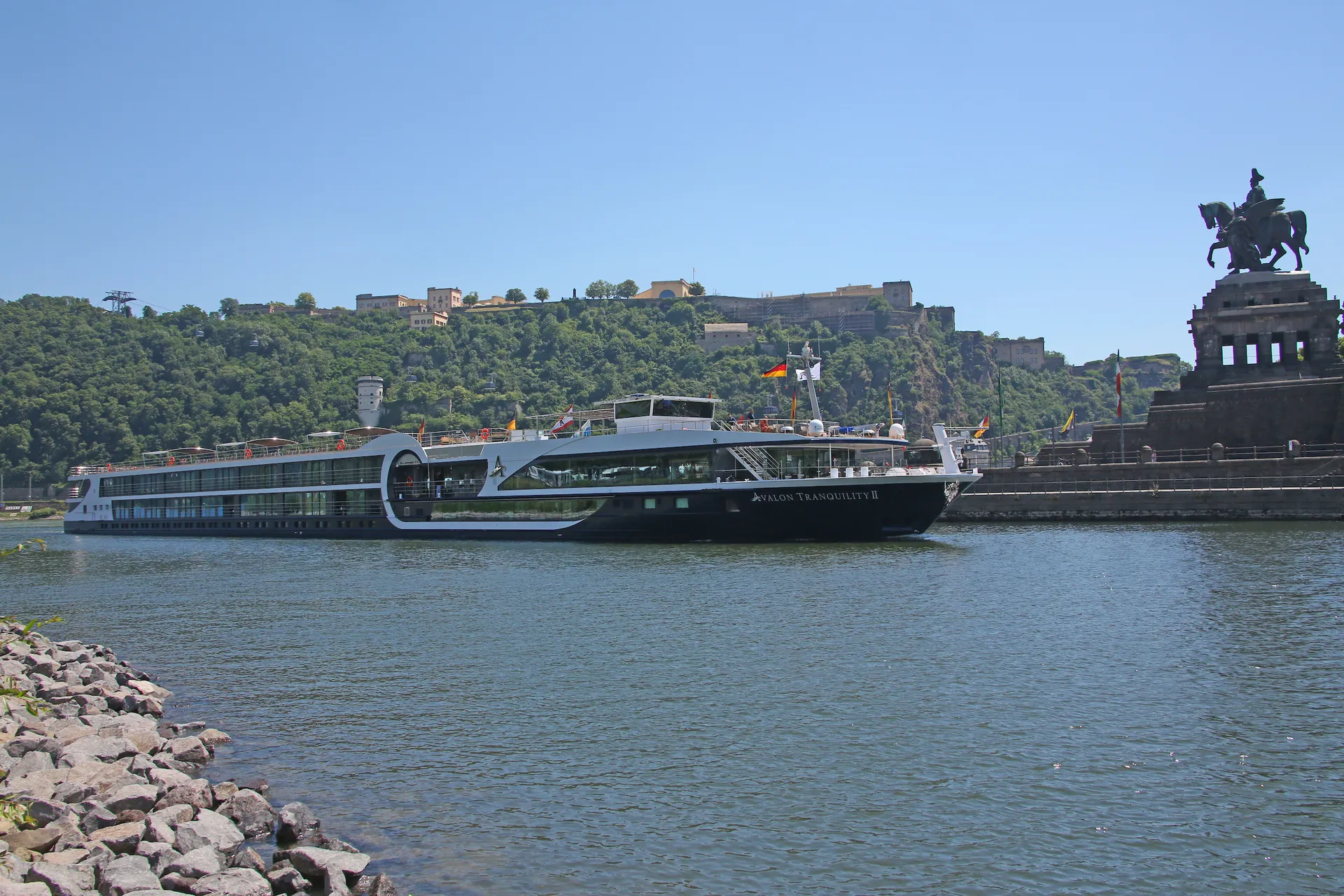
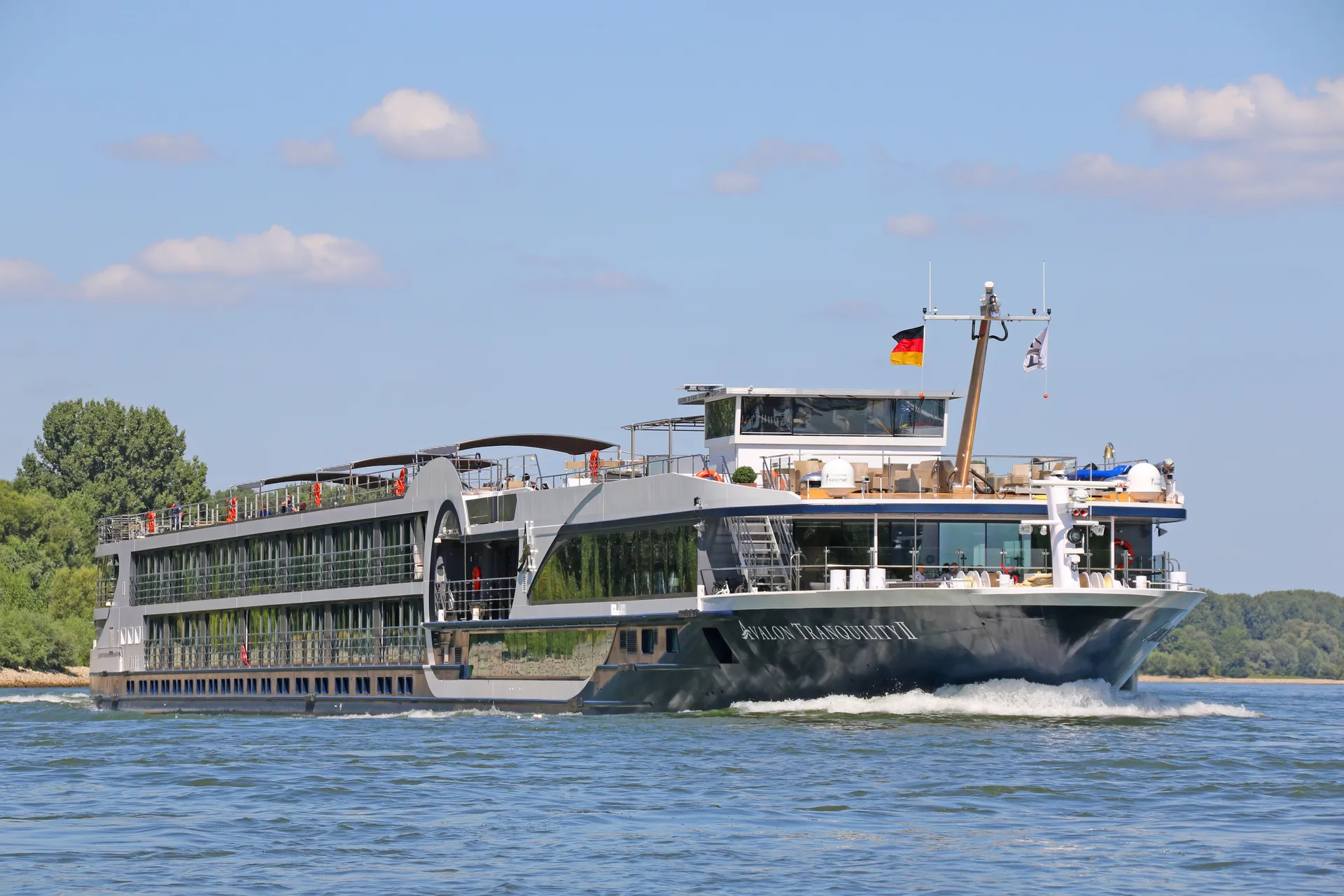
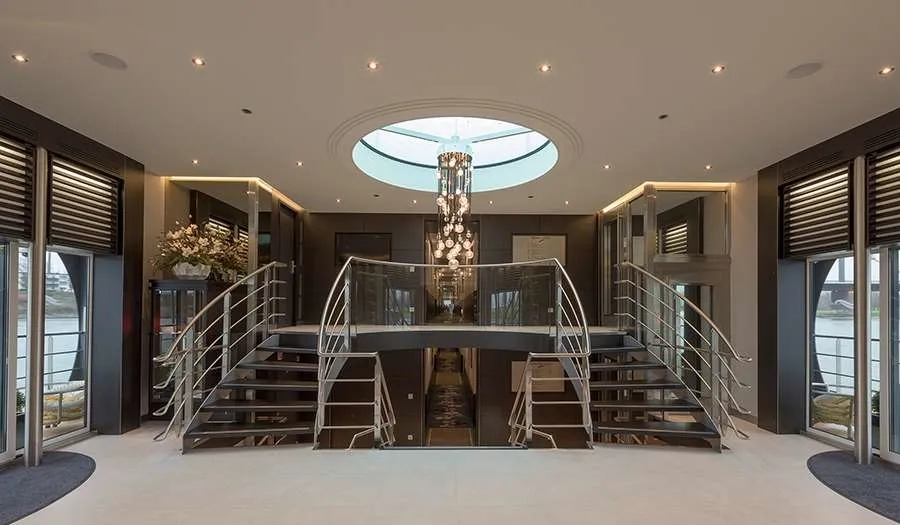
Avalon Tranquility II
Suite Ship
Launched
2015
Refitted
—
Tonnage
2,022 GT
Passengers
130
Cabins
64
Crew
37
Length
361 m
Width
12 m
Speed
12 knots
Adults Only
No
Itinerary
Day 1
Day 1
Amsterdam
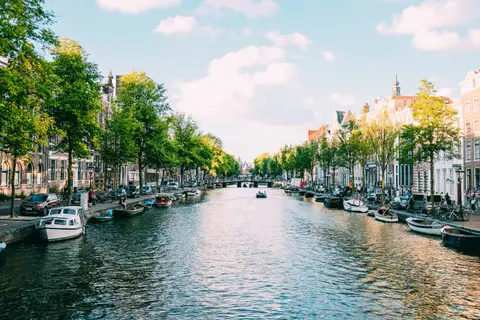
Amsterdam's UNESCO-listed canal ring — a concentric web of seventeenth-century merchant houses and arching stone bridges — remains one of the Western world's most perfectly preserved Golden Age cityscapes, best explored by bicycle or canal boat at a pace that lets the city's genius reveal itself slowly. The Rijksmuseum's collection of Rembrandt and Vermeer masterpieces is essential, while the Anne Frank House offers one of Europe's most profoundly moving historical encounters. Spring brings the iconic tulip season; summer fills the terraces of the Jordaan district. Schiphol Airport makes Amsterdam a seamless gateway to the entire European continent.
Day 3
Day 3
Cologne
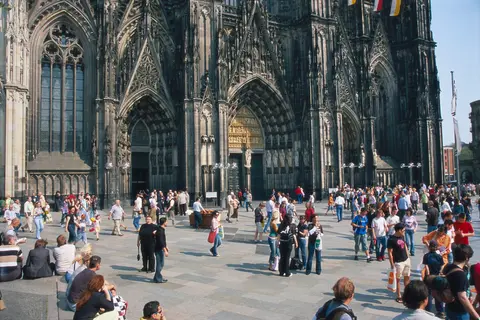
Cologne's twin-spired Gothic cathedral, six hundred years in the building and still the city's defining monument, is the inevitable starting point — but this ancient Rhine city rewards exploration well beyond its iconic silhouette. The Romano-Germanic Museum reveals the city's Roman foundations, while the Chocolate Museum on the riverbank offers a distinctly sweeter history lesson. Cologne's famed Kölsch beer culture thrives in the old town's traditional brew-houses, where one round follows another in centuries-old wooden halls. The city is welcoming year-round, though the legendary Christmas markets (November–December) attract visitors from across Europe.
Day 3
Day 3
Nuremberg
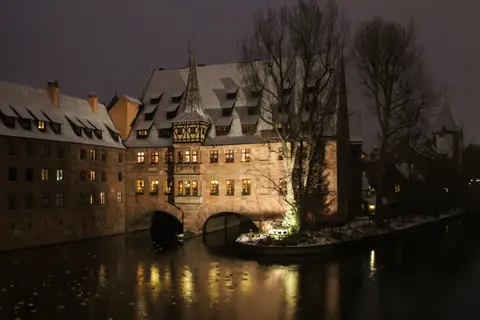
Nuremberg commands the imagination on two levels: as the glittering medieval city where Holy Roman Emperors held court, Albrecht Dürer was born, and craftsmen produced the first pocket watch — and as the site of the 20th century's darkest chapter, where Nazi rallies and subsequent war crimes trials left permanent marks on European history and conscience. The Kaiserburg castle crowning the hill above the perfectly preserved old town offers sweeping views of a cityscape that, despite wartime bombing, remains one of Germany's most beautiful. The Documentation Centre on the former Nazi Rally Grounds is essential, sobering history; the Christmas Market on the Hauptmarkt, held since 1628, is among Europe's finest. Visit May through October or December.
Day 4
Day 4
At Sea
Day 5
Day 5
Mainz
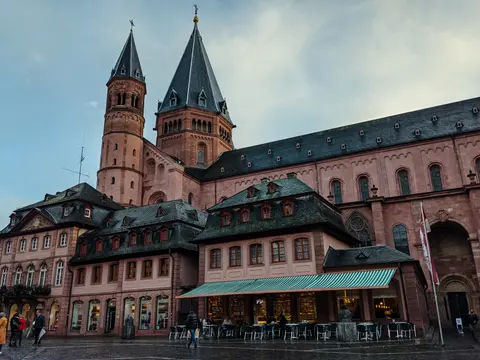
Mainz is where the modern world was printed into existence: Johannes Gutenberg's invention of movable-type printing around 1440 transformed this ancient Rhine city into the birthplace of the information age, a legacy honoured at the extraordinary Gutenberg Museum, home to one of the surviving original Bibles. The Romanesque cathedral of St. Martin, built over a millennium from the year 975, anchors a charming old town of wine taverns and market squares where Rhenish Rieslings flow freely. Visit between spring and autumn for the famous Mainz Wine Market held beside the Rhine. A day-cruise port with surprising cultural depth.
Day 6
Day 6
Passau
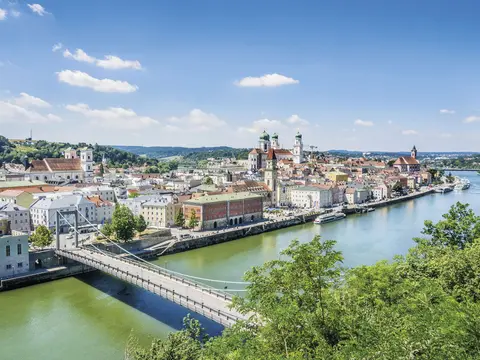
Passau occupies one of Central Europe's most dramatic natural stages — a narrow peninsula at the confluence of three rivers, the Danube, Inn, and Ilz, where the old town's baroque spires and shuttered merchants' houses crowd the very tip of the land between the waters. St. Stephen's Cathedral houses the world's largest church organ, a 17,974-pipe instrument whose daily concerts fill the nave with a sound that seems architectural in its density. The Veste Oberhaus fortress above the city commands panoramic views across three countries on clear days. Passau is a classic Danube river cruise departure point; spring and early autumn, when the river runs high and the light turns golden, are the finest seasons.
Day 6
Day 6
Kehl
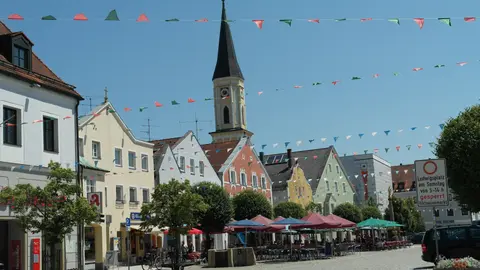
Sitting directly across the Rhine from Strasbourg, Kehl offers Rhine river cruise guests the remarkable experience of crossing from Germany into France in five minutes on foot — arriving at a medieval Alsatian cathedral quarter whose tarte flambée, Riesling estates, and half-timbered Petite France canals represent some of Europe's most enduring pleasures. The surrounding Black Forest and Alsatian Wine Route extend the discovery. Spring blossoms and autumn harvest are the most atmospheric times to visit this Franco-German frontier town.
Day 7
Day 7
Melk
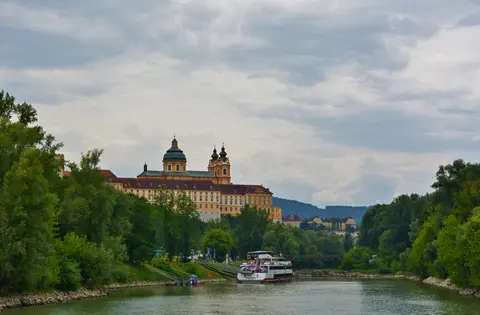
Melk Abbey is among the most theatrical expressions of Baroque ambition in all of Europe — a gilded monastery perched on a granite outcrop above the Danube, its domed church and frescoed library presiding over the Wachau Valley with serene authority since Benedictine monks replaced the Babenberg fortress in 1089. Umberto Eco immortalised it as the inspiration for his labyrinthine monastery in "The Name of the Rose," and the library's 100,000 medieval manuscripts remain one of the continent's supreme collections. After the abbey, stroll down to the historic market town and sample the valley's celebrated Grüner Veltliner wines. The Wachau is at its most bewitching in April and October.
Day 7
Day 7
Breisach
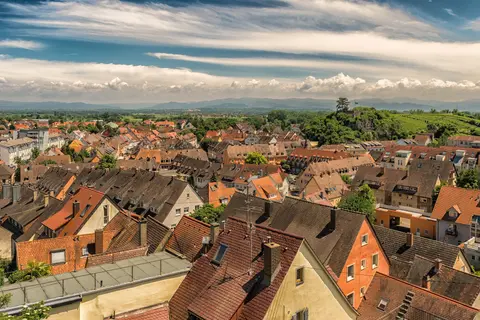
Breisach am Rhein clings to a volcanic hilltop at the French-German border, commanding the Upper Rhine crossing that made it one of the most fought-over towns in European history — a past the Romanesque-Gothic Münster St. Stephan surveys serenely from its commanding heights. Today peace reigns, and Breisach's true gift is its position as a gateway to three celebrated wine regions: the German Kaiserstuhl, producing some of Germany's finest Spätburgunder; the French Alsace, just across the Rhine; and the rolling hills of the Baden wine country to the east. Visit in autumn for harvest season across all three regions simultaneously. Freiburg im Breisgau, the Black Forest's graceful capital, lies twenty minutes east.
Day 7
Day 7
Vienna
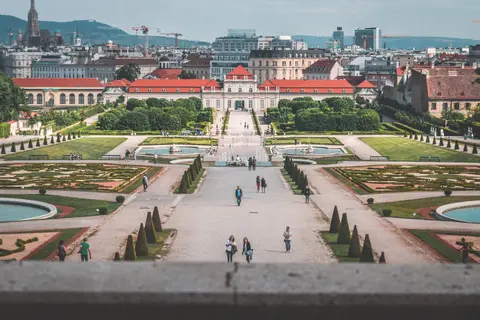
The port of Vienna is a cultural gem along the Danube River, famous for its stunning architecture, rich history, and vibrant culinary scene. Must-do experiences include sampling authentic Wiener Schnitzel and visiting the picturesque village of Dürnstein. The best season to visit is spring or early fall, when the city's gardens bloom and outdoor activities abound.
Day 8
Day 8
Basel
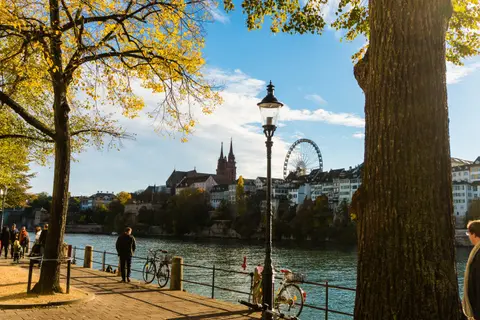
Basel, where Switzerland, France, and Germany converge at the Rhine's northward bend, hosts a concentration of world-class art institutions that rivals any city its size on earth — the Kunstmuseum alone, the world's oldest public art collection, could occupy days, and Art Basel each June draws every name that matters in the contemporary art world to this compact, elegant city. The Rhine itself is the city's great social artery: in summer, locals jump in with waterproof bags and float downstream, a tradition as charming as any museum. Spring through autumn is ideal for outdoor exploration; Paris is just three hours by TGV and Strasbourg a mere twenty minutes by train.
Day 1
Amsterdam
Amsterdam's UNESCO-listed canal ring — a concentric web of seventeenth-century merchant houses and arching stone bridges — remains one of the Western world's most perfectly preserved Golden Age cityscapes, best explored by bicycle or canal boat at a pace that lets the city's genius reveal itself slowly. The Rijksmuseum's collection of Rembrandt and Vermeer masterpieces is essential, while the Anne Frank House offers one of Europe's most profoundly moving historical encounters. Spring brings the iconic tulip season; summer fills the terraces of the Jordaan district. Schiphol Airport makes Amsterdam a seamless gateway to the entire European continent.
Day 3
Cologne
Cologne's twin-spired Gothic cathedral, six hundred years in the building and still the city's defining monument, is the inevitable starting point — but this ancient Rhine city rewards exploration well beyond its iconic silhouette. The Romano-Germanic Museum reveals the city's Roman foundations, while the Chocolate Museum on the riverbank offers a distinctly sweeter history lesson. Cologne's famed Kölsch beer culture thrives in the old town's traditional brew-houses, where one round follows another in centuries-old wooden halls. The city is welcoming year-round, though the legendary Christmas markets (November–December) attract visitors from across Europe.
Nuremberg
Nuremberg commands the imagination on two levels: as the glittering medieval city where Holy Roman Emperors held court, Albrecht Dürer was born, and craftsmen produced the first pocket watch — and as the site of the 20th century's darkest chapter, where Nazi rallies and subsequent war crimes trials left permanent marks on European history and conscience. The Kaiserburg castle crowning the hill above the perfectly preserved old town offers sweeping views of a cityscape that, despite wartime bombing, remains one of Germany's most beautiful. The Documentation Centre on the former Nazi Rally Grounds is essential, sobering history; the Christmas Market on the Hauptmarkt, held since 1628, is among Europe's finest. Visit May through October or December.
Day 4
At Sea
Day 5
Mainz
Mainz is where the modern world was printed into existence: Johannes Gutenberg's invention of movable-type printing around 1440 transformed this ancient Rhine city into the birthplace of the information age, a legacy honoured at the extraordinary Gutenberg Museum, home to one of the surviving original Bibles. The Romanesque cathedral of St. Martin, built over a millennium from the year 975, anchors a charming old town of wine taverns and market squares where Rhenish Rieslings flow freely. Visit between spring and autumn for the famous Mainz Wine Market held beside the Rhine. A day-cruise port with surprising cultural depth.
Day 6
Passau
Passau occupies one of Central Europe's most dramatic natural stages — a narrow peninsula at the confluence of three rivers, the Danube, Inn, and Ilz, where the old town's baroque spires and shuttered merchants' houses crowd the very tip of the land between the waters. St. Stephen's Cathedral houses the world's largest church organ, a 17,974-pipe instrument whose daily concerts fill the nave with a sound that seems architectural in its density. The Veste Oberhaus fortress above the city commands panoramic views across three countries on clear days. Passau is a classic Danube river cruise departure point; spring and early autumn, when the river runs high and the light turns golden, are the finest seasons.
Kehl
Sitting directly across the Rhine from Strasbourg, Kehl offers Rhine river cruise guests the remarkable experience of crossing from Germany into France in five minutes on foot — arriving at a medieval Alsatian cathedral quarter whose tarte flambée, Riesling estates, and half-timbered Petite France canals represent some of Europe's most enduring pleasures. The surrounding Black Forest and Alsatian Wine Route extend the discovery. Spring blossoms and autumn harvest are the most atmospheric times to visit this Franco-German frontier town.
Day 7
Melk
Melk Abbey is among the most theatrical expressions of Baroque ambition in all of Europe — a gilded monastery perched on a granite outcrop above the Danube, its domed church and frescoed library presiding over the Wachau Valley with serene authority since Benedictine monks replaced the Babenberg fortress in 1089. Umberto Eco immortalised it as the inspiration for his labyrinthine monastery in "The Name of the Rose," and the library's 100,000 medieval manuscripts remain one of the continent's supreme collections. After the abbey, stroll down to the historic market town and sample the valley's celebrated Grüner Veltliner wines. The Wachau is at its most bewitching in April and October.
Breisach
Breisach am Rhein clings to a volcanic hilltop at the French-German border, commanding the Upper Rhine crossing that made it one of the most fought-over towns in European history — a past the Romanesque-Gothic Münster St. Stephan surveys serenely from its commanding heights. Today peace reigns, and Breisach's true gift is its position as a gateway to three celebrated wine regions: the German Kaiserstuhl, producing some of Germany's finest Spätburgunder; the French Alsace, just across the Rhine; and the rolling hills of the Baden wine country to the east. Visit in autumn for harvest season across all three regions simultaneously. Freiburg im Breisgau, the Black Forest's graceful capital, lies twenty minutes east.
Vienna
The port of Vienna is a cultural gem along the Danube River, famous for its stunning architecture, rich history, and vibrant culinary scene. Must-do experiences include sampling authentic Wiener Schnitzel and visiting the picturesque village of Dürnstein. The best season to visit is spring or early fall, when the city's gardens bloom and outdoor activities abound.
Day 8
Basel
Basel, where Switzerland, France, and Germany converge at the Rhine's northward bend, hosts a concentration of world-class art institutions that rivals any city its size on earth — the Kunstmuseum alone, the world's oldest public art collection, could occupy days, and Art Basel each June draws every name that matters in the contemporary art world to this compact, elegant city. The Rhine itself is the city's great social artery: in summer, locals jump in with waterproof bags and float downstream, a tradition as charming as any museum. Spring through autumn is ideal for outdoor exploration; Paris is just three hours by TGV and Strasbourg a mere twenty minutes by train.
Cabin Categories
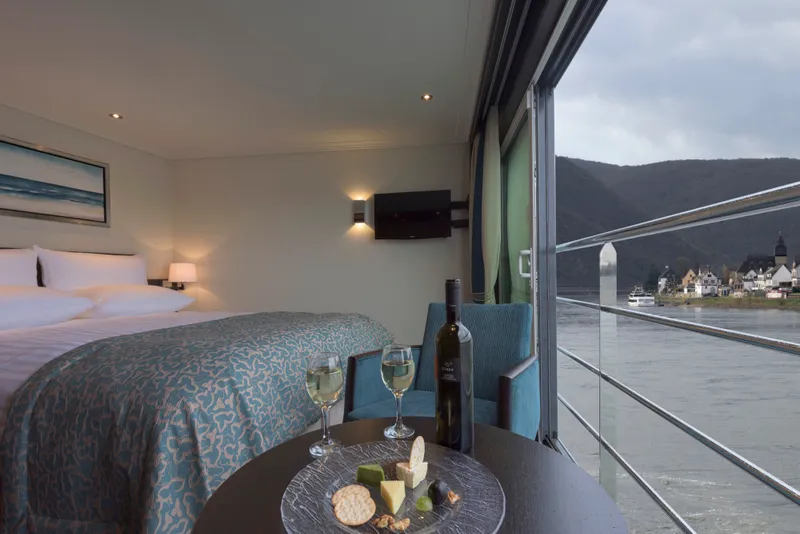
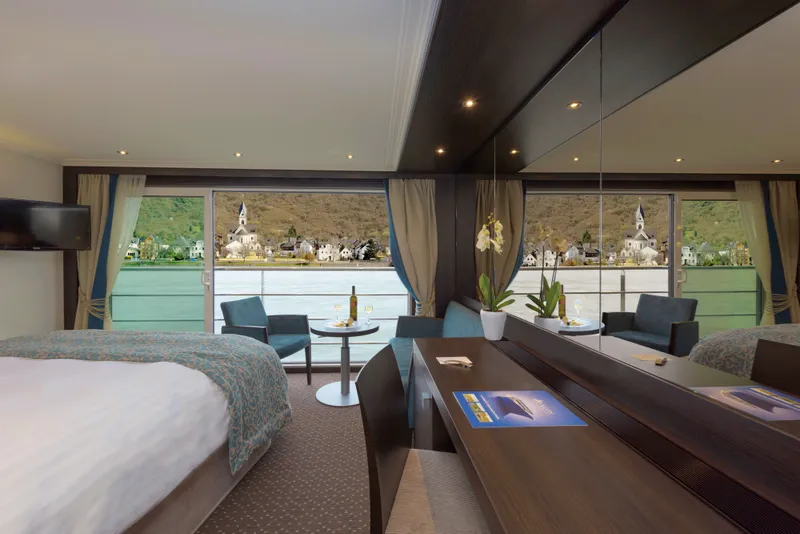
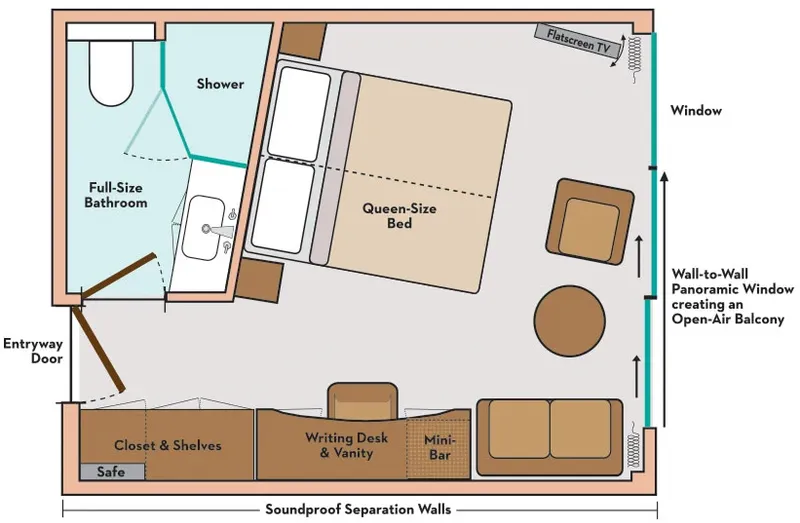
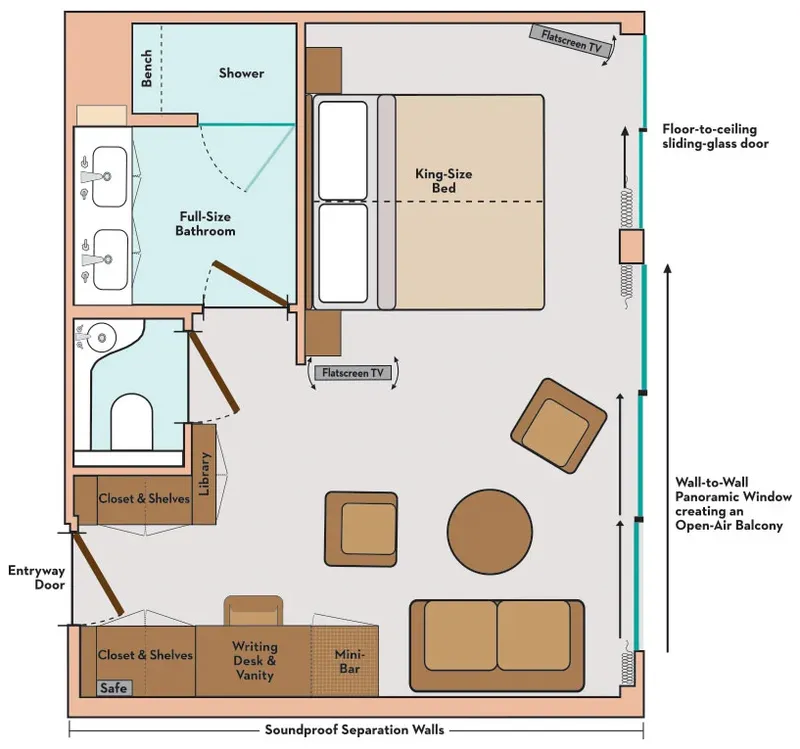
Panorama Sutie
Suite
200 m²Max 2
ABP
Stateroom Features:
Comfort Collection Beds
Luxurious mattress toppers
Egyptian super-combed cotton linens
European-style duvets
Soft & firm pillows
Extra blankets
Choice of bed configuration
Nightly turn-down service
Bedside tables with reading lamps
Premium Hairdryer
L'Occitane bath products
Spacious 3-door closets with shelves for ample storage
Easy under-bed luggage storage
Flatscreen satellite TV with English-speaking channels & over 100 free movie options
Alarm clock
Direct-dial telephone
Bathrobes & slippers
Well-stocked minibar
Complimentary filtered water
In-room safe
Individual climate control
Elegant, contemporary design
Large mirror in bathroom
Two windows
Full shower with glass door
Writing desk and chair
Lighted makeup mirror
Complimentary Wi-Fi
One Queen-Sized Bed or Two Twins
USB Ports
Queen or Twin ConfigurationShowerToiletries ProvidedRoom Service AvailableMini Bar (Additional Cost)TV+5
View Details
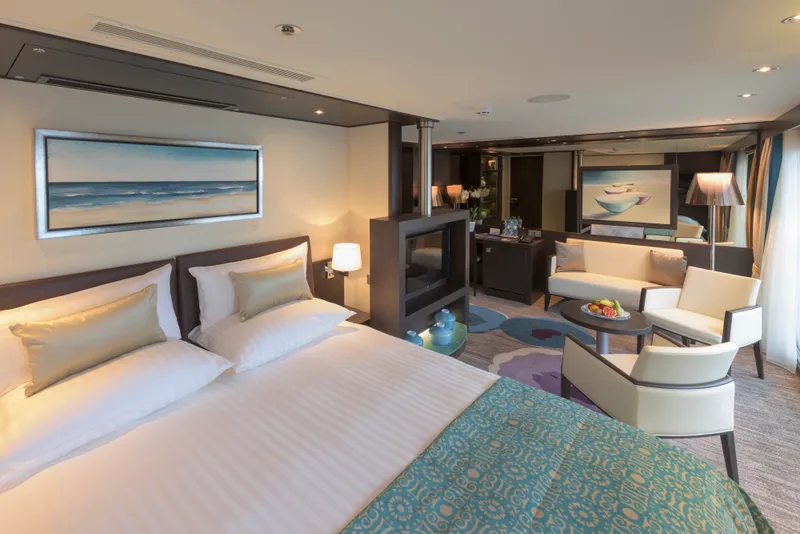
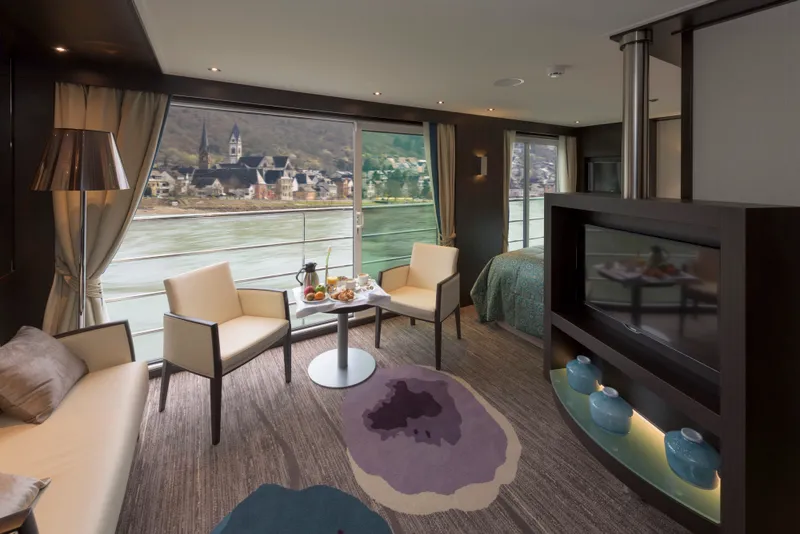
Royal Suite
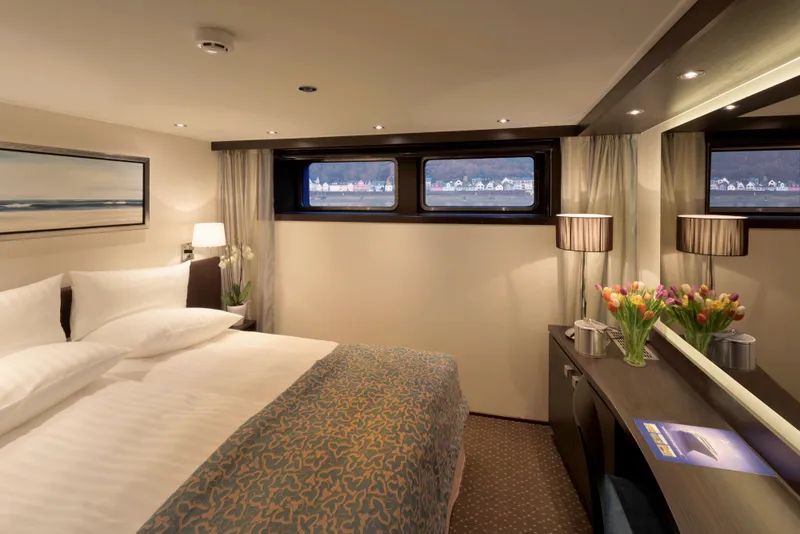
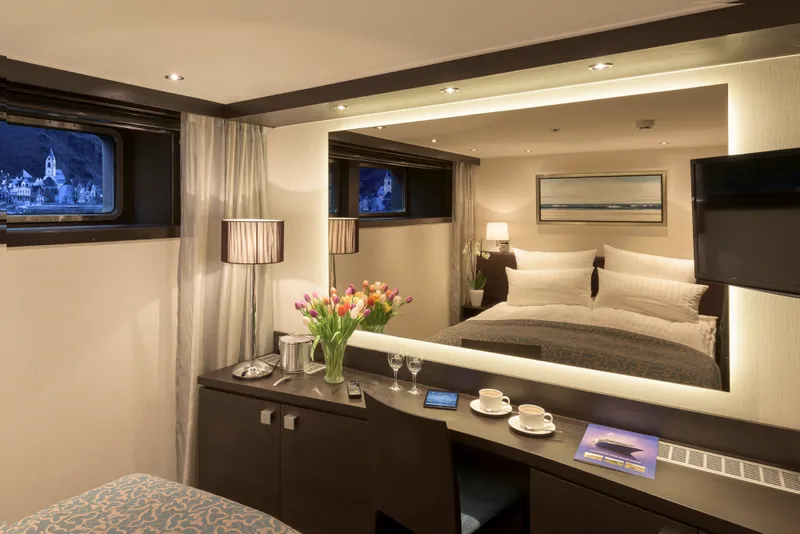
Suite
300 m²Max 2
S
Stateroom Features:
Comfort Collection Beds
Luxurious mattress toppers
Egyptian super-combed cotton linens
European-style duvets
Soft & firm pillows
Extra blankets
Choice of bed configuration
Nightly turn-down service
Bedside tables with reading lamps
Premium Hairdryer
L'Occitane bath products
Spacious 3-door closets with shelves for ample storage
Easy under-bed luggage storage
Flatscreen satellite TV with English-speaking channels & over 100 free movie options
Alarm clock
Direct-dial telephone
Bathrobes & slippers
Well-stocked minibar
Complimentary filtered water
In-room safe
Individual climate control
Elegant, contemporary design
Large mirror in bathroom
Two windows
Full shower with glass door
Writing desk and chair
Lighted makeup mirror
Complimentary Wi-Fi
One Queen-Sized Bed or Two Twins
USB Ports
King or Twin ConfigurationLounge AreaShowerToiletries ProvidedRoom Service AvailableMini Bar (Additional Cost)+7
View Details
Deluxe Stateroom
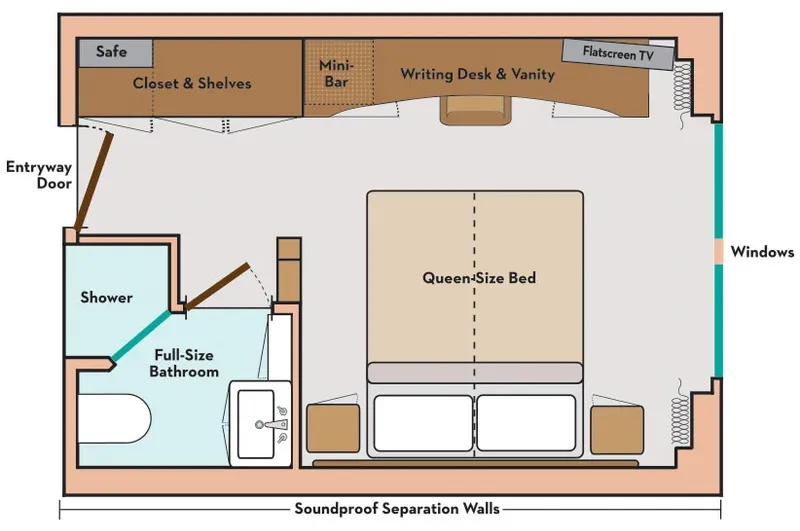
Outside
172 m²Max 2
DE
Stateroom Features:
Comfort Collection Beds
Luxurious mattress toppers
Egyptian super-combed cotton linens
European-style duvets
Soft & firm pillows
Extra blankets
Choice of bed configuration
Nightly turn-down service
Bedside tables with reading lamps
Premium Hairdryer
L'Occitane bath products
Spacious 3-door closets with shelves for ample storage
Easy under-bed luggage storage
Flatscreen satellite TV with English-speaking channels & over 100 free movie options
Alarm clock
Direct-dial telephone
Bathrobes & slippers
Well-stocked minibar
Complimentary filtered water
In-room safe
Individual climate control
Elegant, contemporary design
Large mirror in bathroom
Two windows
Full shower with glass door
Writing desk and chair
Lighted makeup mirror
Complimentary Wi-Fi
One Queen-Sized Bed or Two Twins
USB Ports
Queen or Twin ConfigurationShowerToiletries ProvidedRoom Service AvailableTVFree Wi-Fi+4
View Details
Interested in This Voyage?
Our cruise specialists can help you find the perfect cabin and the best available pricing.
(+886) 02-2721-7300Contact Advisor