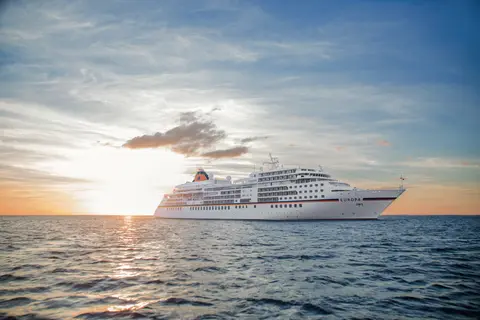
Palma De Mallorca to Lisbon
Date
2026-09-22
Duration
64 nights
Departure Port
Palma de Mallorca
Spain
Arrival Port
Lisbon
Portugal
Rating
—
Theme
—
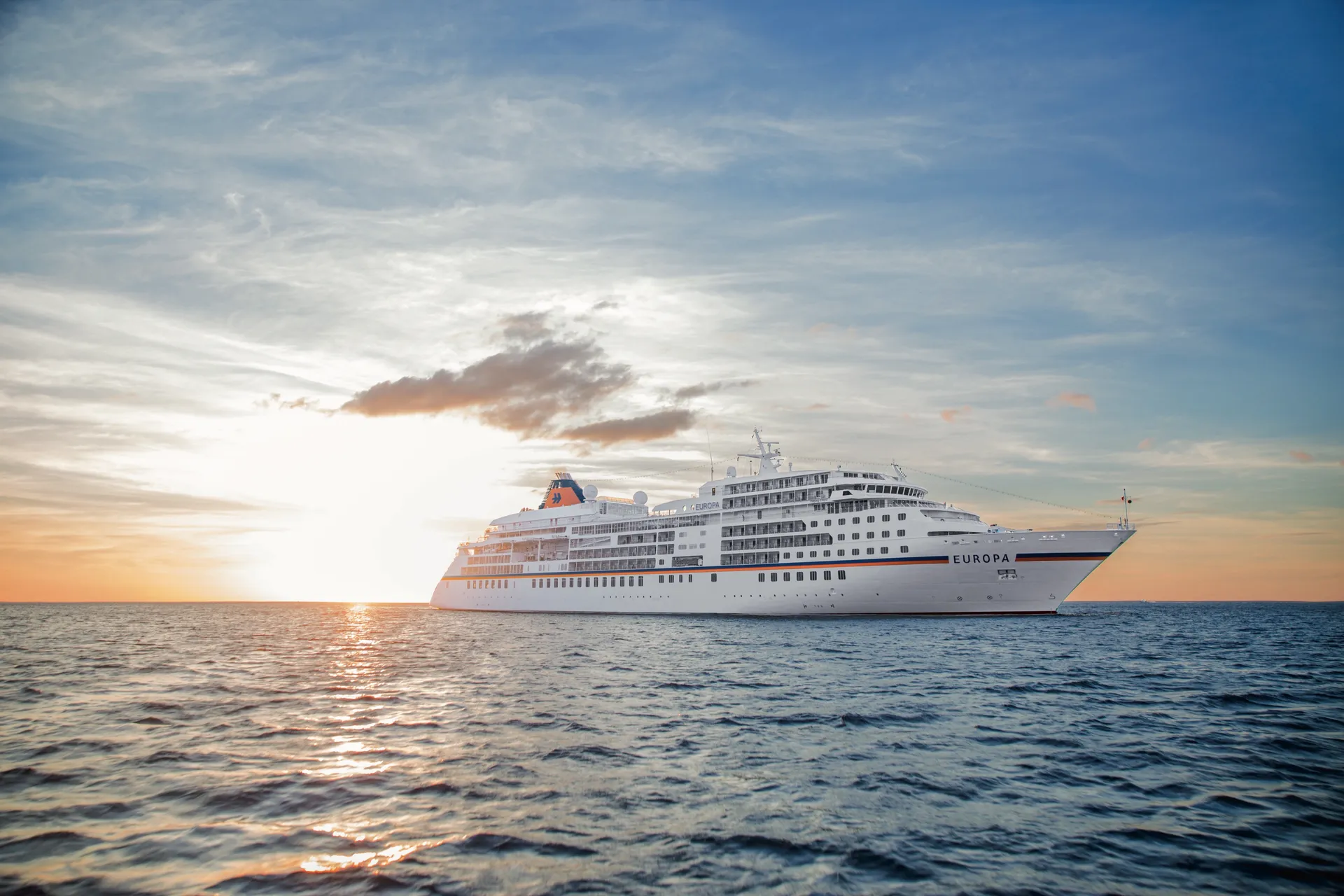

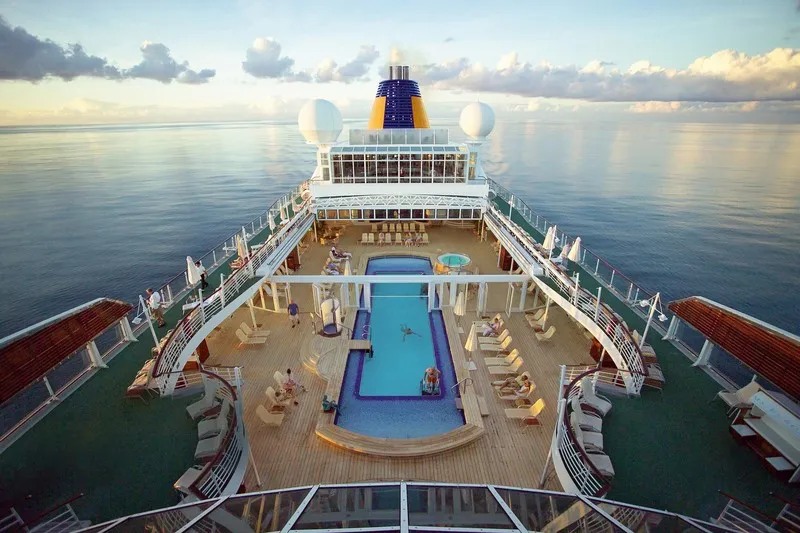
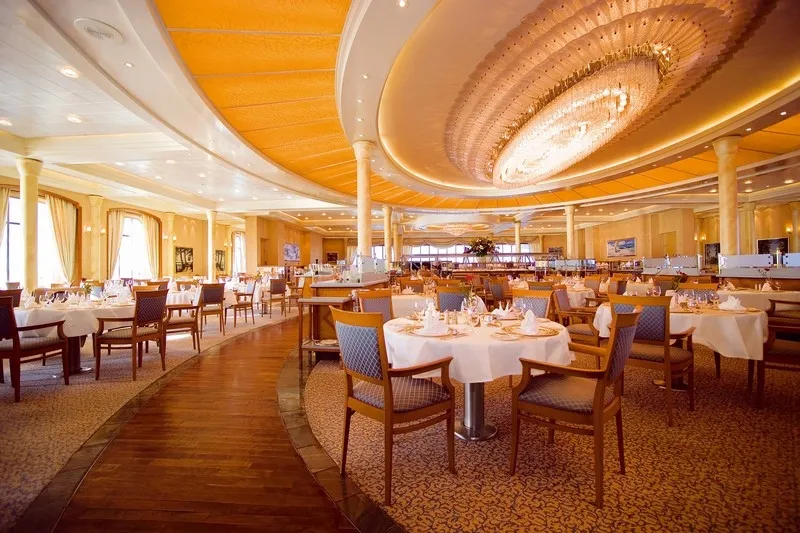
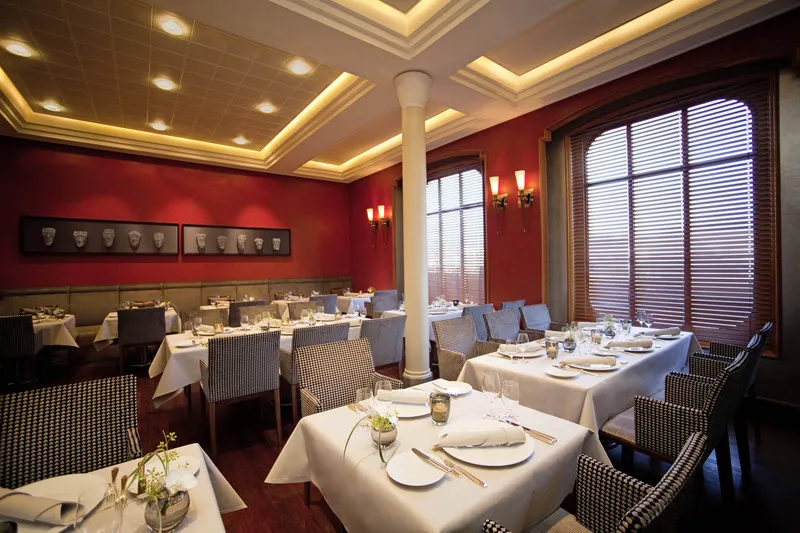
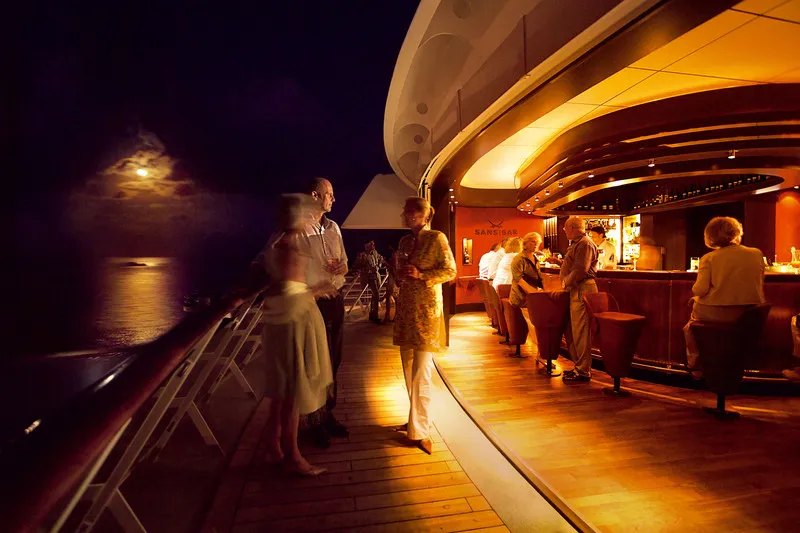
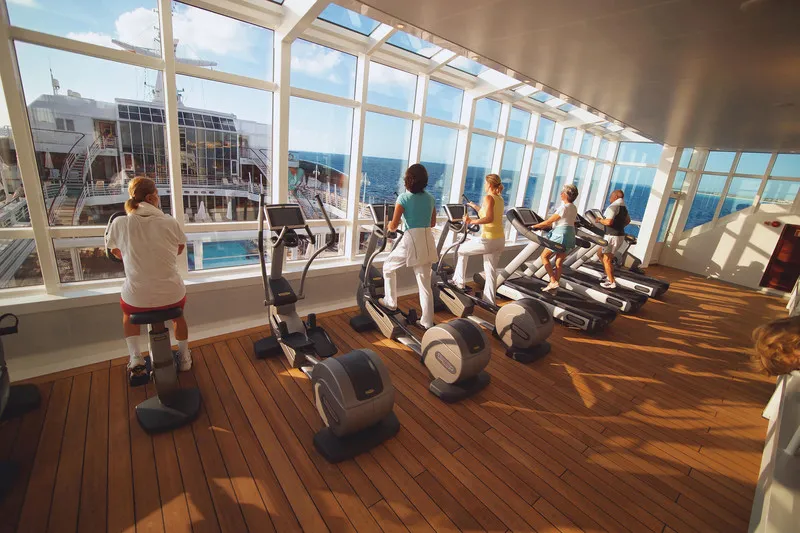
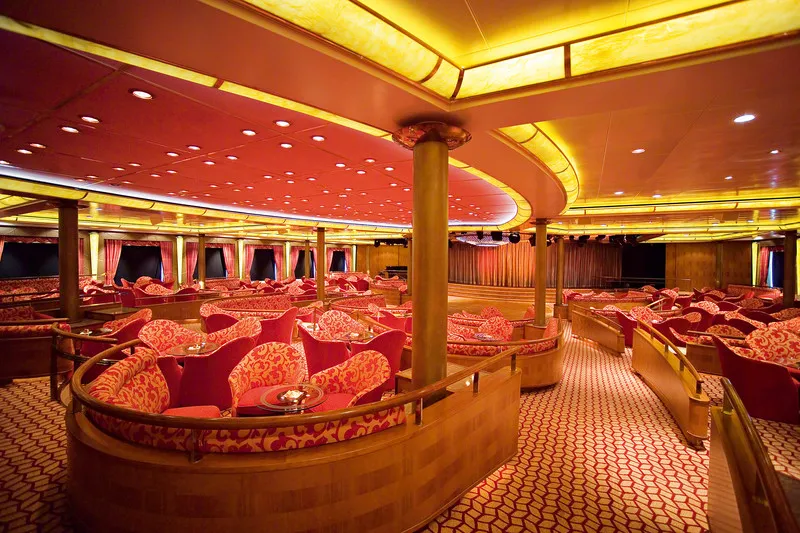
Hapag-Lloyd Cruises
MS EUROPA
Launched
1999
Refitted
2013
Tonnage
28,437 GT
Passengers
400
Cabins
204
Crew
285
Length
651 m
Width
24 m
Speed
21 knots
Adults Only
No
Itinerary
Day 1
Day 1
Palma de Mallorca
Depart 20:00
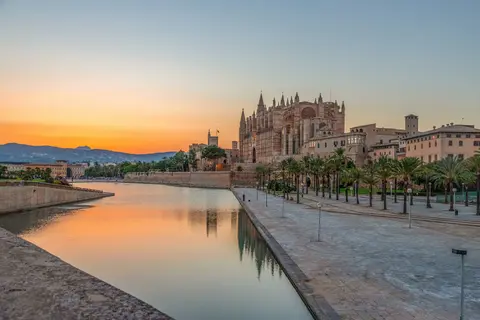
Palma de Mallorca announces itself with one of the most spectacular Gothic cathedrals in the world — La Seu, its honey-coloured sandstone buttresses rising directly from the bay, its interior modified by Antoni Gaudí and illuminated by the world's largest Gothic rose window. The old town behind it is a quarter of Arab baths, Renaissance palaces converted into boutique hotels, and the Passeig del Born — a plane-tree-shaded promenade where Balearic life conducts itself with unhurried grace. The local ensaïmada pastry and fresh sobrasada sausage from the island's black pigs are essential breakfast rituals. Visit May, June, or September: warm, brilliant, and measurably calmer than the July–August peak.
Day 2
Day 2
At Sea
Day 3
Day 3
Ajaccio
Arrive 08:00Depart 18:00
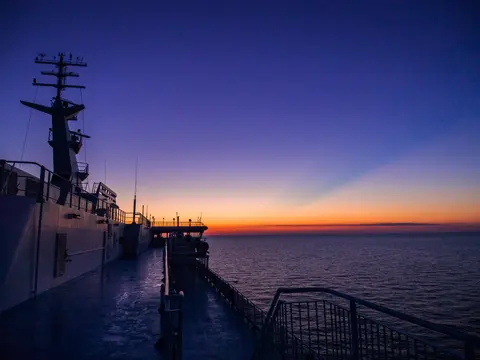
Ajaccio, the vibrant capital of Corsica, enchants visitors with its rich history as Napoleon's birthplace and its stunning coastal views. Don't miss trying local delicacies like figatellu and brocciu, and explore the nearby picturesque villages. The best season to visit is during the mild spring or fall months, when the weather is pleasant and the crowds are fewer.
Day 4
Day 4
Alghero
Arrive 08:00Depart 18:00
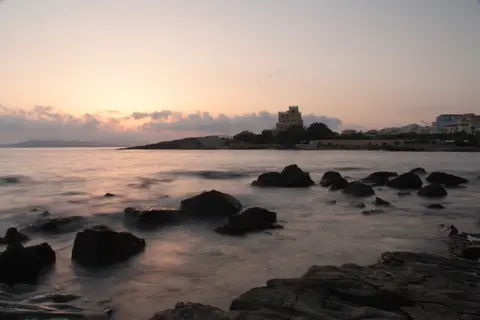
Alghero is Sardinia's Catalan jewel, a medieval walled town where bilingual street signs, fourteenth-century Aragonese fortifications, and the spectacular Neptune's Grotto sea cave create the island's most culturally distinctive coastal experience. Visit May through October via Silversea or Explora Journeys for sunset wall walks, the 656-step cliff descent to Neptune's Grotto, and lobster alla catalana served within the honey-colored ramparts of a city that bridges Barcelona and Sardinia.
Day 5
Day 5
At Sea
Day 6
Day 6
Messina
Arrive 08:00Depart 19:00
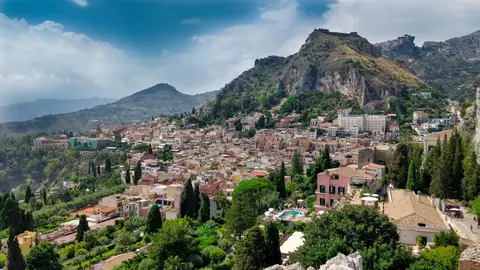
Messina guards the storied strait that separates Sicily from the Italian mainland — the passage Homer mythologised as Scylla and Charybdis — and its Norman cathedral's astronomical clock, one of the world's largest mechanical clocks, puts on a captivating automated display each noon as gilded figures enact scenes of the Resurrection. The city was catastrophically rebuilt after the 1908 earthquake, but its markets and waterfront convey the fierce energy of a Sicilian port that has witnessed two and a half millennia of Mediterranean history. Messina is the perfect gateway to Taormina, a 40-minute drive into the hills above the Ionian coast, with views of Etna at their most dramatic. Spring and autumn are ideal.
Day 7
Day 7
At Sea
Day 8
Day 8
Dubrovnik
Arrive 07:00
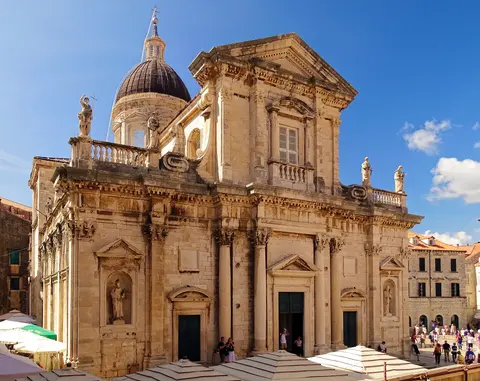
Dubrovnik, Croatia's stunning port city, is a blend of rich history, dramatic architecture, and vibrant culture, making it a must-visit destination. Don't miss a stroll along the city walls for breathtaking views and savor local dishes like "peka" and "black risotto." The best time to visit is in late spring or early fall when the weather is pleasant and the crowds are thinner.
Day 9
Day 9
Korcula
Arrive 08:00
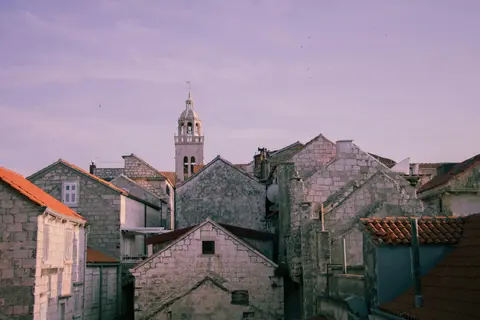
Korčula is a magnificently preserved medieval island town on Croatia's Dalmatian coast, renowned as the legendary birthplace of Marco Polo and celebrated for its Venetian herringbone streets, exceptional white wines like Grk and Pošip, and centuries-old culinary traditions including slow-braised pašticada and fresh Adriatic seafood. Visitors should explore the fortified old town's limestone calles at golden hour and taste the island's rare vintages in a harbourside konoba. The best months to visit are May through early October, with late September offering warm seas, golden light, and blissful absence of peak-season crowds.
Day 10
Day 10
Trogir
Arrive 08:00Depart 17:00
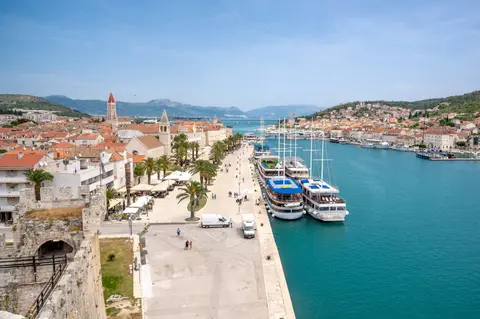
Trogir is a UNESCO-listed medieval island town on the Dalmatian coast, where a Greek-founded settlement of over 2,300 years has accumulated masterpieces of Romanesque, Gothic, and Renaissance architecture in an extraordinarily compact space. Visit from May through September for the finest Adriatic light, Radovan's magnificent cathedral portal, and waterfront dining in one of Europe's most perfectly preserved historic towns.
Day 11
Day 11
Trieste
Arrive 08:00
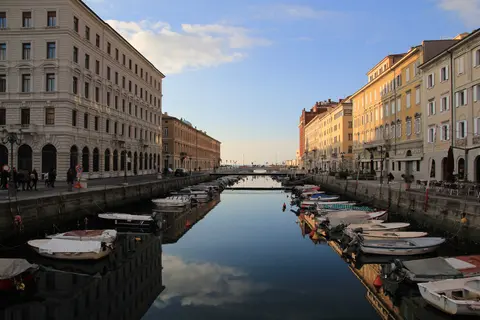
Trieste, a historic port city in Italy, is renowned for its rich cultural tapestry and stunning architectural heritage. Must-do experiences include sampling local delicacies like ćevapi and sachertorte, and exploring the vibrant Mercato Coperto. The best time to visit is during the spring and early autumn, when the weather is pleasant and the city is alive with activity.
Day 12
Day 12
Piran
Arrive 08:00Depart 19:00
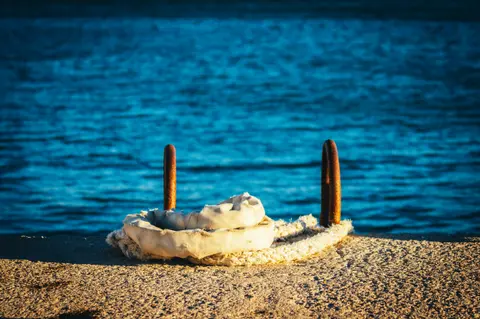
Piran is Slovenia's Venetian masterpiece — a medieval peninsula town where Tartini Square's Gothic facades, hilltop cathedral panoramas, and traditional salt-pan harvesting create the Adriatic's most concentrated Mediterranean charm. Visit June via Windstar or Emerald Yacht Cruises for the Venetian town Slovenia has preserved more perfectly than most of Italy.
Day 13
Day 13
Venice
Arrive 05:00
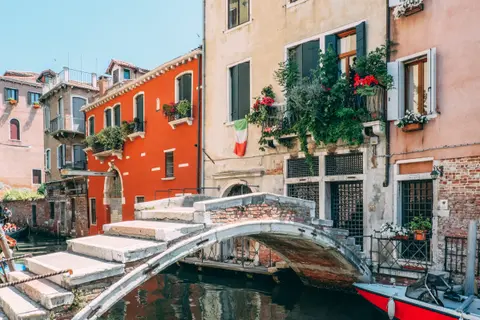
Venice, a historic port city, captivates with its unique canals and rich cultural heritage. Must-do experiences include visiting the iconic Basilica di San Marco and indulging in local delicacies like risotto al nero di seppia. The best time to visit is during the mild, vibrant spring months when the city comes alive with festivals and outdoor activities.
Day 15
Day 15
Split
Arrive 07:00Depart 17:00
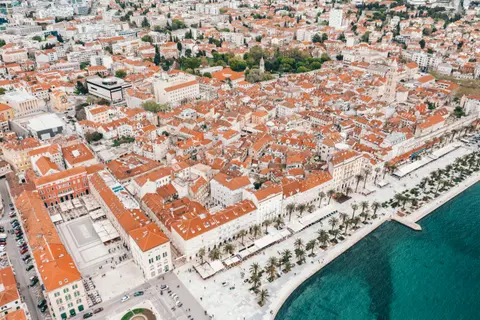
Split, Croatia's vibrant port city, is a unique blend of ancient history and modern life, centered around the remarkable Diocletian's Palace. Must-do experiences include savoring local dishes like pašticada and exploring the bustling markets. The best time to visit is during the spring and early fall, when the weather is pleasant and the tourist crowds are more manageable.
Day 16
Day 16
Monopoli
Arrive 08:00Depart 19:00
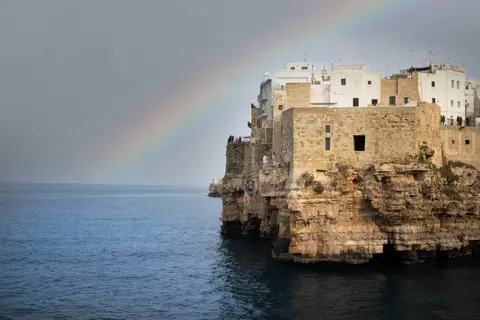
Monopoli is a 2,500-year-old whitewashed port town on Puglia's Adriatic coast, where 20 churches fill a medieval labyrinth above tiny swimming coves of crystalline water. Must-dos include the morning fish market at the old port, tasting burrata and crudo at harbour-side restaurants, and swimming at the hidden calette beaches. Visit June or September for warm seas and luminous Puglian light.
Day 17
Day 17
Kotor
Arrive 08:00Depart 17:00
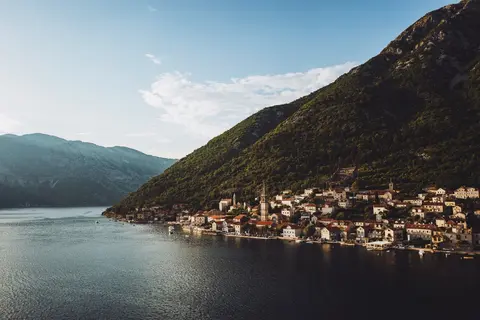
The port of Kotor, a UNESCO World Heritage site, is renowned for its stunning natural beauty and rich historical tapestry. A must-do experience includes wandering the cobblestone streets of the Old Town, where culinary delights like "kacamak" and fresh seafood await. The best time to visit is during the spring or early fall, when the weather is pleasant and the crowds are fewer.
Day 18
Day 18
Corfu
Arrive 08:00Depart 18:00
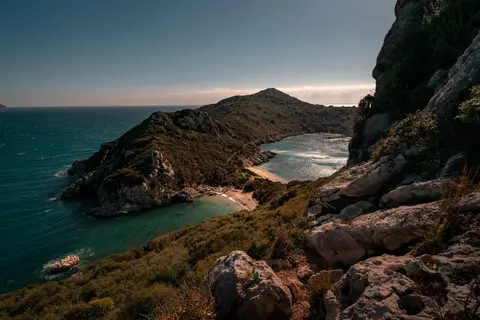
Where Homer placed the island of the Phaeacians and four centuries of Venetian rule left their most enduring Mediterranean legacy, Corfu is a singular island of extraordinary historical depth and natural beauty. The UNESCO-listed Old Town — its narrow Kantounia alleyways, the elegant Liston arcade, and twin Venetian fortresses — is the finest preserved Venetian streetscape in Greece. Beyond the town, secret coves, olive groves of immense antiquity, and mountain villages offer weeks of unhurried discovery. May through June and September offer perfect conditions: warm sea temperatures, clear skies, and the island before or after its summer crescendo.
Day 19
Day 19
Katakolon
Arrive 13:00Depart 19:00
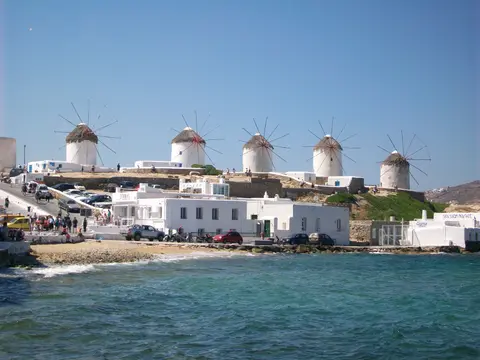
Katakolon is the unassuming port that holds an extraordinary secret: just fourteen kilometres inland lies ancient Olympia, birthplace of the Olympic Games and one of the most sacred sites in the ancient world. The Archaeological Museum of Olympia — housing the breathtaking sculptures from the Temple of Zeus — ranks among Greece's finest, while walking the original stadium still sends a current of wonder through even the most seasoned traveller. The village itself charms with whitewashed tavernas and a relaxed pace that feels authentically Greek. Katakolon is best visited April through October; late spring and early autumn offer ideal temperatures for the Olympia excursion.
Day 20
Day 20
At Sea
Day 21
Day 21
Heraklion (Iraklion)
Arrive 07:00Depart 23:00
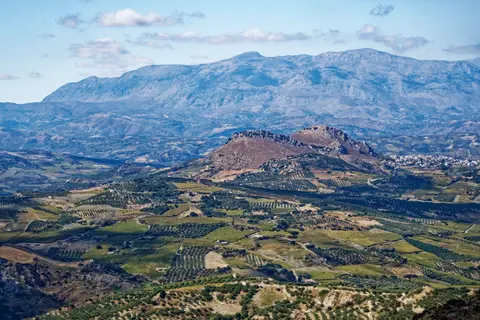
Heraklion, the capital of Crete, is a historic port city rich in Minoan heritage and Venetian architecture, making it an essential stop for cruise travelers. Must-do experiences include exploring the Palace of Knossos and indulging in local dishes like moussaka and dakos. The best season to visit is during the spring and early fall when the weather is mild and the local festivals are in full swing.
Day 22
Day 22
Santorini
Arrive 08:00Depart 17:00
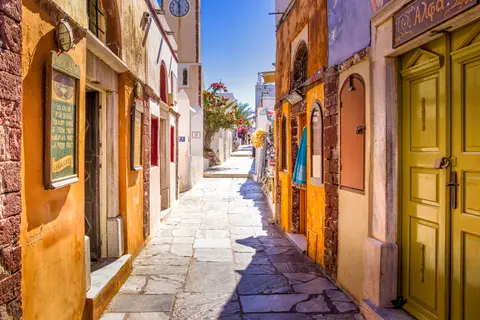
Santorini, the ancient volcanic caldera rising from the Aegean, is Greece's most theatrical landscape — a crescentic island of sheer white cliffs plunging into an indigo sea, its clifftop villages of Fira and Oia draped in bougainvillea and culminating in the world's most photographed sunset. The island's unique Assyrtiko wine, grown on ancient ungrafted vines in volcanic pumice, is one of the Mediterranean's greatest expressions of terroir. Byzantine frescoes of extraordinary beauty fill the Prehistoric Museum of Thera. The volcanic black and red sand beaches of Perissa and Perivolos are unlike any others in Greece. April through June and September through October offer the finest conditions.
Day 23
Day 23
Athens (Piraeus)
Arrive 08:00Depart 23:00
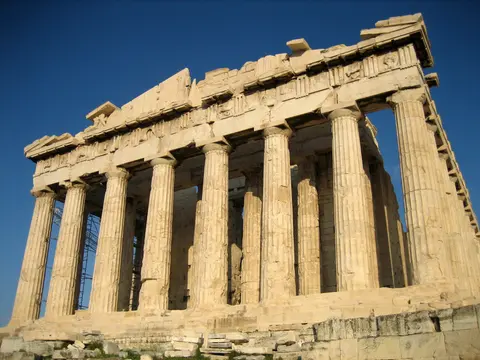
Piraeus, the bustling port city of Athens, is a vibrant blend of ancient history and modern charm, inviting travelers to explore its rich culture. Must-do experiences include savoring traditional Greek dishes at the Varvakeios Agora and embarking on day trips to nearby islands like Symi and Nydri. The best time to visit is during the spring and fall when the weather is pleasant and the tourist crowds are fewer.
Day 24
Day 24
Nafplion
Arrive 13:00Depart 23:00
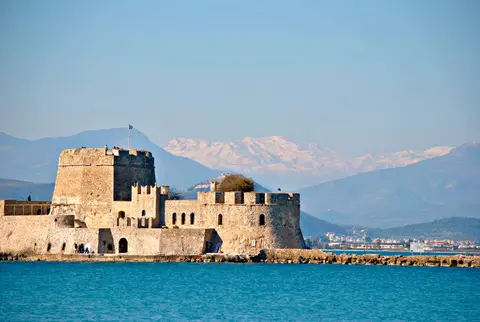
Nafplion, the first capital of modern Greece, is a refined Peloponnesian port town where Venetian architecture, Byzantine churches, and neoclassical elegance converge along one of the Mediterranean's most beautiful waterfronts. Climb the 999 steps to the Palamidi Fortress for commanding views of the Argolic Gulf, then descend for an afternoon tasting Agiorgitiko wines in the nearby Nemean valley. The best months to visit are April through June and September through October, when mild temperatures and fewer crowds allow the town's intimate charm to shine.
Day 25
Day 25
Mykonos
Arrive 12:01
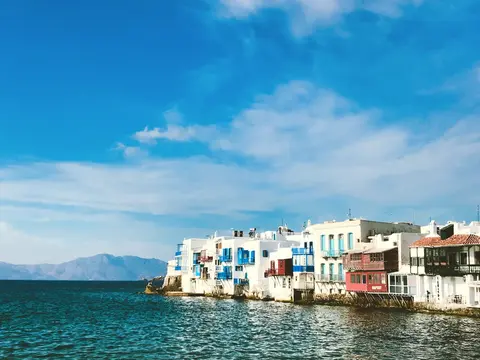
Mykonos is the Aegean at its most seductive — a labyrinth of bougainvillea-draped whitewashed alleys designed to disorient pirates (and occasionally visitors) leading to Kástro, the medieval hilltop quarter overlooking Little Venice, where balconied houses hang directly above the sea. The island's famous windmills, perched on a ridge above the old harbour, are best photographed at golden hour as pelicans patrol the waterfront below. Visit the sacred archaeological island of Delos — a 30-minute boat crossing — for one of the most significant ancient sites in the Greek world. May, June, and September offer the perfect balance of warmth, light, and bearable crowds.
Day 26
Day 26
Delos
Arrive 13:30Depart 19:00
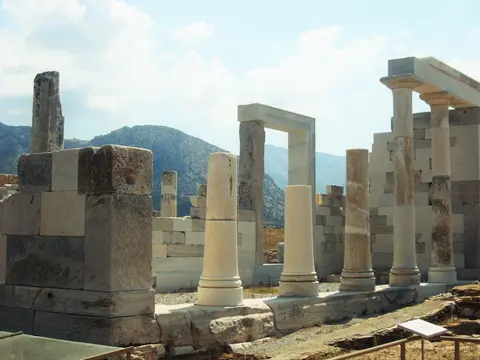
Delos is the sacred birthplace of Apollo and one of the Mediterranean's most significant archaeological sites, where an entire ancient Greek city of temples, theatres, and merchant houses survives on a tiny Cycladic island. Must-see experiences include the Terrace of the Lions, the mosaic floors of the merchant quarter, and the panoramic view from Mount Kynthos. April through October is the visiting season, with spring and autumn most comfortable for exploration.
Day 27
Day 27
Kusadasi
Arrive 08:00Depart 18:00
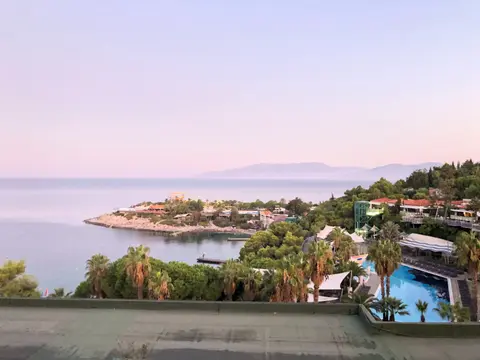
Kuşadası owes its place on the world's cruise itineraries to one extraordinary proximity: the ancient city of Ephesus, one of the greatest metropolises of the Greco-Roman world, lies just seventeen kilometres from the port. Ephesus — with its two-kilometre marble colonnade, the Library of Celsus, and the Temple of Artemis (one of the Seven Wonders of the Ancient World) — demands at least half a day of unhurried exploration. The House of the Virgin Mary, a pilgrimage site believed to be where Mary spent her final years, adds a profound spiritual dimension. Kuşadası itself is a lively Aegean resort; the season runs April through October, with May and September offering ideal temperatures and smaller crowds.
Day 28
Day 28
Bozcaada/Turkey
Arrive 08:00Depart 18:00
Day 29
Day 29
Istanbul
Arrive 13:00

For more than fifteen centuries, Istanbul has been the pivot upon which empires turned — Byzantium, Constantinople, the Ottoman capital — and nowhere else on earth compresses so much history into a single horizon. The Hagia Sophia, the Blue Mosque, and the Topkapi Palace form an incomparable trinity of architectural genius along the Golden Horn; the Grand Bazaar's four thousand shops offer a sensory immersion unlike any other marketplace. Must-dos include a Bosphorus sunset cruise and a meal of mezze along the waterfront at Karaköy. Spring (April–May) and autumn (September–October) offer the most gracious climate for this inexhaustible city.
Day 31
Day 31
Istanbul
Depart 20:00
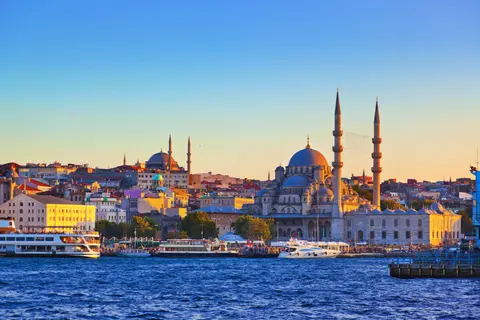
For more than fifteen centuries, Istanbul has been the pivot upon which empires turned — Byzantium, Constantinople, the Ottoman capital — and nowhere else on earth compresses so much history into a single horizon. The Hagia Sophia, the Blue Mosque, and the Topkapi Palace form an incomparable trinity of architectural genius along the Golden Horn; the Grand Bazaar's four thousand shops offer a sensory immersion unlike any other marketplace. Must-dos include a Bosphorus sunset cruise and a meal of mezze along the waterfront at Karaköy. Spring (April–May) and autumn (September–October) offer the most gracious climate for this inexhaustible city.
Day 32
Day 32
Kavala
Arrive 08:00Depart 17:00
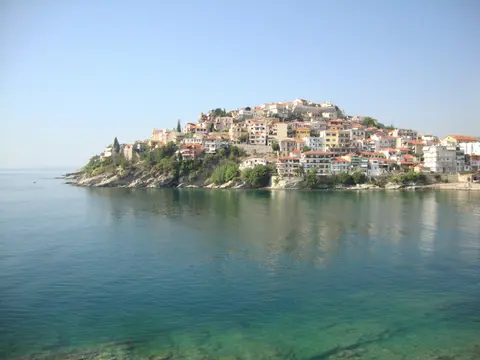
Kavala, Greece is a compelling Mediterranean port in Greece where centuries of history, vibrant local cuisine, and luminous coastal scenery converge. Visitors should explore the historic quarters on foot and surrender to the local dining culture, where fresh seafood and regional wines provide a masterclass in Mediterranean living. Best visited May through October, when the climate is at its most welcoming for outdoor exploration. Cruise lines including Celebrity Cruises feature this port on their most compelling itineraries. Whether you have a few hours or a full day, the port rewards exploration at every pace and in every direction.
Day 33
Day 33
Volos
Arrive 07:00Depart 19:00
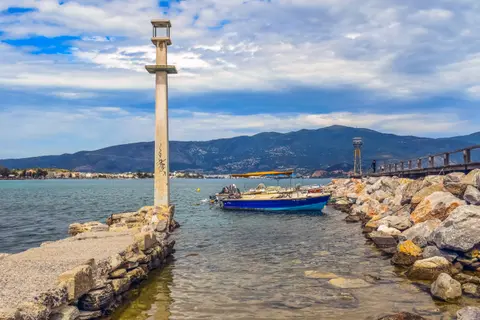
Volos is a Greek port city at the foot of mythical Mount Pelion, where Jason launched the Argonauts, famous for its unique tsipouro taverna culture where endless meze plates accompany rounds of grape spirit. Must-dos include a tsipouradiko session on the waterfront, exploring Pelion's stone-built mountain villages, and the narrow-gauge Pelion train. April through October is ideal, with June and September best for combining beach and mountain.
Day 34
Day 34
At Sea
Day 35
Day 35
Athens (Piraeus)
Arrive 05:00Depart 20:00
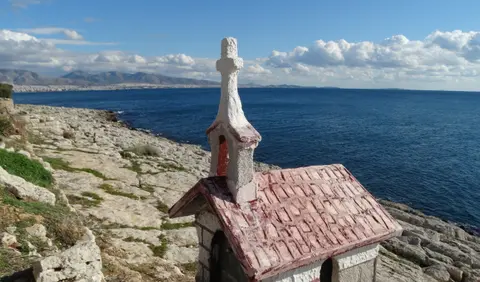
Piraeus, the bustling port city of Athens, is a vibrant blend of ancient history and modern charm, inviting travelers to explore its rich culture. Must-do experiences include savoring traditional Greek dishes at the Varvakeios Agora and embarking on day trips to nearby islands like Symi and Nydri. The best time to visit is during the spring and fall when the weather is pleasant and the tourist crowds are fewer.
Day 36
Day 36
At Sea
Day 37
Day 37
Valletta
Arrive 12:01Depart 19:00
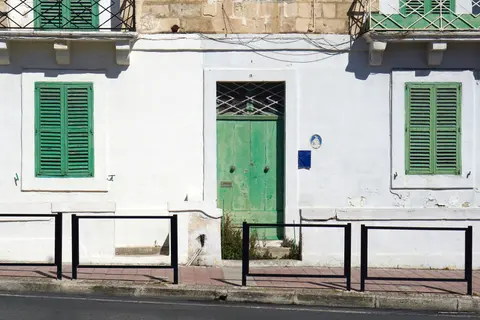
Valletta, the golden fortress capital of Malta, was hewn from a limestone peninsula in defiant haste after the Knights of Saint John — warrior monks of extraordinary valor — repulsed an overwhelming Ottoman assault in 1565. Its grid of steep baroque streets is dense with Caravaggio masterworks in the Co-Cathedral of St. John, shaded piazzas alive with café society, and bastions commanding breathtaking views over the Grand Harbour's legendary twin forts. The mild Mediterranean climate welcomes visitors year-round, though spring and autumn offer the most pleasurable temperatures for unhurried exploration of this compact UNESCO World Heritage capital.
Day 38
Day 38
Syracuse
Arrive 08:00Depart 23:00
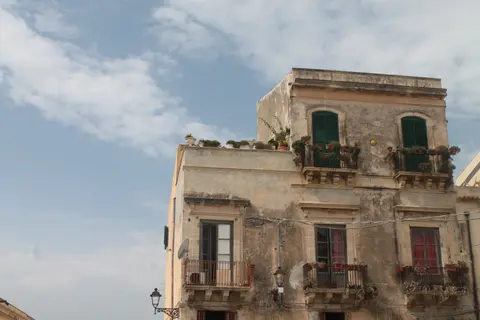
Syracuse (Siracusa) is one of the ancient world's greatest cities, featuring the island quarter of Ortigia—a baroque masterpiece built over Greek temple ruins—and an archaeological park with a fifth-century BC theatre still hosting summer performances. Must-dos include Ortigia's cathedral with its embedded Greek columns, the morning market, and tasting pasta with sea urchin. April through June and September through November offer ideal temperatures.
Day 39
Day 39
At Sea
Day 40
Day 40
Civitavecchia
Arrive 07:00Depart 20:00
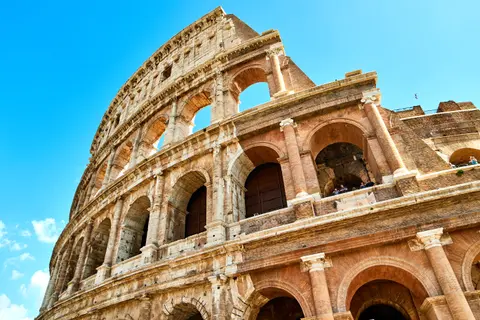
Rome's ancient maritime gateway since the Emperor Trajan commissioned its harbour in 106 AD, Civitavecchia is the natural prologue to the Eternal City — just seventy minutes southeast by express rail. The port's Renaissance fortress, designed in part by Michelangelo, anchors a working waterfront that has welcomed travellers for millennia. Beyond Rome's unmissable monuments, consider an afternoon in the Civitavecchia thermal baths, drawing on mineral waters prized since antiquity. Spring and autumn offer the ideal balance of mild weather and manageable crowds for exploring the capital's layered history.
Day 41
Day 41
Livorno
Arrive 08:00Depart 19:00
Purpose-built as a Medici utopia in the late sixteenth century, Livorno was conceived from the outset as a city without discrimination — its founding Leggi Livornine granted equal rights to Jews, Christians, Muslims, and merchants of every nation, making it one of the most cosmopolitan cities in Renaissance Europe. Today, the Venetian-style canals of the Venezia Nuova quarter reflect colourful palazzi with a distinctly faded glamour, while the Mercato Centrale's fish counters display the cacciucco ingredients — a robust Livornese brodetto of five sea creatures — that make this port city a pilgrimage for serious eaters. Day trips to Pisa and Lucca are effortless from here. The season runs April through October.
Day 42
Day 42
Nice
Arrive 08:00Depart 19:00
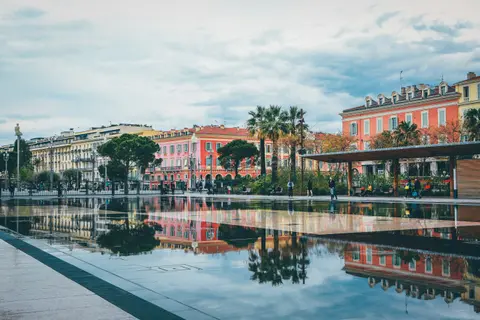
The port of Nice is a vibrant gateway to the French Riviera, offering a rich tapestry of history, stunning architecture, and delectable local cuisine. Must-do experiences include savoring local specialties at the bustling Cours Saleya Market and exploring the charming streets of Vieux Nice. The best time to visit is during the spring and early fall when the weather is mild and the city is alive with cultural festivities.
Day 43
Day 43
Marseille
Arrive 08:00Depart 19:00
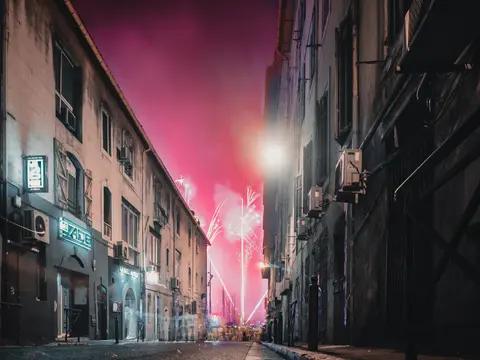
Founded by Greek sailors in 600 BC, Marseille is France's oldest and most viscerally alive city — a Mediterranean port where the catch is still sold from fishing boat decks at the Vieux-Port each morning beneath the golden Madonna of Notre-Dame de la Garde, gleaming on her basilica above the city. The bouillabaisse served at harbourside institutions such as Chez Fonfon is not merely a dish but a rite, its saffron-stained broth tying Marseille to its Hellenic roots. Explore the dramatic Calanques national park, a coastal labyrinth of turquoise coves just south of the city. Spring and autumn are the finest seasons.
Day 44
Day 44
At Sea
Day 45
Day 45
Palma de Mallorca
Arrive 05:00Depart 20:00
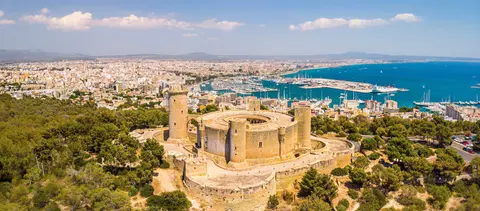
Palma de Mallorca announces itself with one of the most spectacular Gothic cathedrals in the world — La Seu, its honey-coloured sandstone buttresses rising directly from the bay, its interior modified by Antoni Gaudí and illuminated by the world's largest Gothic rose window. The old town behind it is a quarter of Arab baths, Renaissance palaces converted into boutique hotels, and the Passeig del Born — a plane-tree-shaded promenade where Balearic life conducts itself with unhurried grace. The local ensaïmada pastry and fresh sobrasada sausage from the island's black pigs are essential breakfast rituals. Visit May, June, or September: warm, brilliant, and measurably calmer than the July–August peak.
Day 46
Day 46
Barcelona
Arrive 13:00
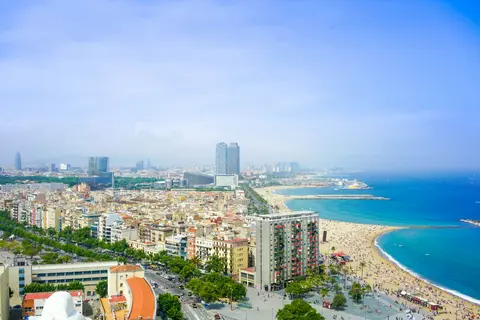
Barcelona is the city where Roman history, Gothic grandeur, and Gaudí's delirious Modernisme collide in a Mediterranean coastal capital of astonishing energy and beauty. The Sagrada Família — still under construction after 140 years — continues its audacious ascent toward completion, while the Gothic Quarter's Roman-era foundations and the Passeig de Gràcia's extraordinary concentration of Modernisme masterpieces reward days of exploration. For a complete sensory experience, lose an afternoon in the covered labyrinth of La Boqueria market before descending to the waterfront for Catalan seafood at its finest. May through June and September through October offer the most pleasant weather; the city connects directly to Paris by overnight train.
Day 48
Day 48
Valencia
Arrive 08:00Depart 17:00
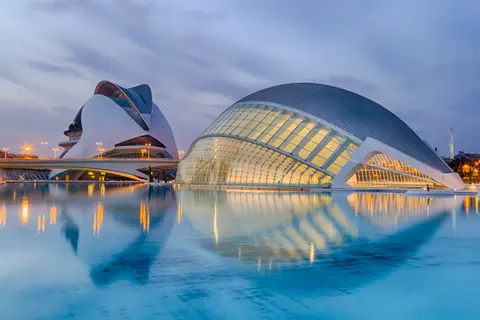
Valencia, Spain's luminous third city, dazzles with a creative energy anchored by two thousand years of layered civilization — Roman foundations, Moorish irrigation gardens, a Gothic cathedral housing what many believe to be the Holy Grail, and Santiago Calatrava's futuristic City of Arts and Sciences gleaming beside a park-filled riverbed. The city invented paella over an open fire of orange-wood in the surrounding huerta, and the Las Fallas festival each March — when neighborhoods compete to erect and then ceremonially burn towering satirical sculptures — is one of Europe's most spectacular celebrations. Valencia's Mediterranean climate makes it exceptional year-round.
Day 49
Day 49
At Sea
Day 50
Day 50
Gibraltar
Arrive 07:00Depart 15:00
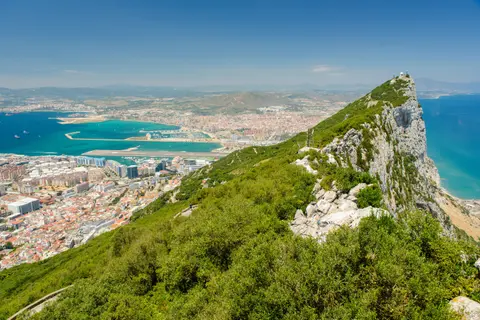
Gibraltar is a British Overseas Territory perched at the southern tip of the Iberian Peninsula, where the Mediterranean meets the Atlantic beneath an iconic limestone monolith steeped in over a millennium of contested history. No visit is complete without ascending the Rock to encounter the Barbary macaques and the panoramic views stretching to North Africa, followed by a plate of calentita — the territory's beloved Genoese-heritage chickpea bake — at a Main Street bakery. The mild Mediterranean climate makes Gibraltar a rewarding port call year-round, though spring and early autumn offer the clearest skies for spotting whales and dolphins in the Strait.
Day 51
Day 51
Lisbon
Arrive 16:00
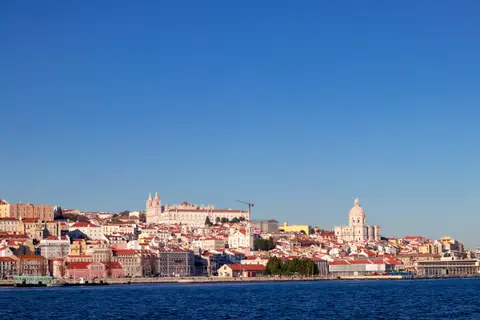
Lisbon, Portugal's enchanting capital, stands out for its rich history, stunning architecture, and vibrant culture. Must-try experiences include savoring local dishes like bacalhau à brás and pastéis de nata at Mercado da Ribeira. The best time to visit is during the spring or fall, when the weather is mild and the city is alive with festivals and events.
Day 53
Day 53
Portimao
Arrive 08:00Depart 17:00
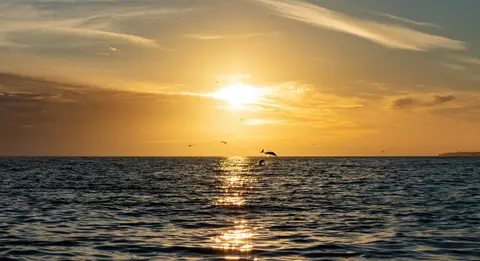
Portimão is the Algarve's most storied port city, where Phoenician trading heritage meets golden-cliff beaches and Portugal's finest grilled sardine tradition along the Arade River. Visitors should not miss the charcoal-grilled sardines at the riverside churrasqueiras and the dramatic sandstone formations of Praia da Rocha. The port is at its luminous best from May through October, when long Atlantic days bathe the coastline in honeyed light and the August Sardine Festival electrifies the waterfront.
Day 54
Day 54
Cadiz
Arrive 07:00Depart 17:00
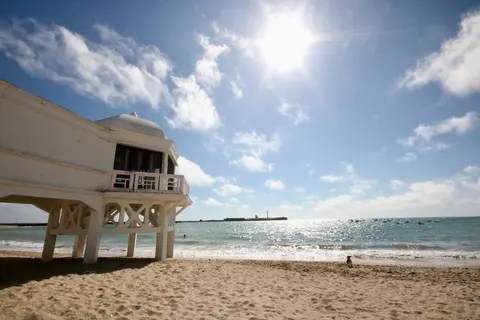
Cádiz, founded by Phoenician traders around 1100 BC and a strong contender for the oldest continuously inhabited city in Western Europe, juts into the Atlantic on a narrow peninsula where honey-colored ramparts frame improbable views of open ocean and the sun sets directly into the sea. The old quarter is an intoxicating labyrinth of baroque churches, hidden plazas, and carnival spirit — Cádiz's annual February carnival is the wildest and most satirically sharp in Spain — while the tapas culture here, centered on fresh Atlantic seafood cooked with Andalusian simplicity, represents Spanish cuisine at its most elemental and joyful. Visit February for carnival or spring for gentle Atlantic breezes. Seville is ninety minutes inland by bus or rail.
Day 55
Day 55
Malaga
Arrive 06:00Depart 20:00
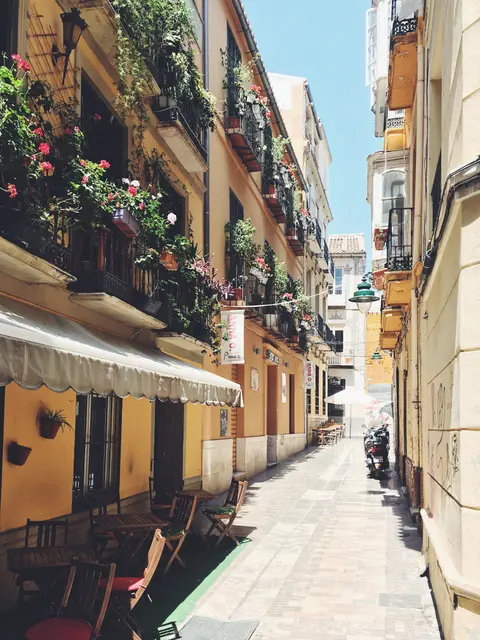
Málaga distils three thousand years of Mediterranean civilisation into one of Andalusia's most compelling port cities, where the Moorish Alcazaba fortress surveys a modern waterfront of elegant promenades and sun-drenched café terraces. Do not leave without visiting the Museo Picasso — the artist was born here in 1881 — and ascending to the ruined Castillo de Gibralfaro for panoramic views stretching to the Rif Mountains of Morocco on clear days. Malagueta anchovies fried in olive oil and the sweet Pedro Ximénez-laced dessert wine are the city's defining pleasures. The shoulder seasons of April, May, and October offer perfect Mediterranean warmth.
Day 56
Day 56
Tangier
Arrive 07:00Depart 14:00
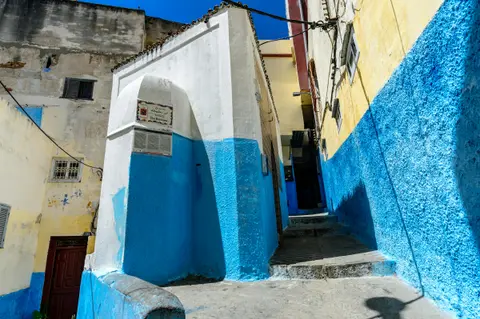
Tangier is Morocco's storied gateway between Africa and Europe, a city of Phoenician origins where a whitewashed medina, vibrant souks, and a cosmopolitan waterfront converge at the Strait of Gibraltar. Visitors should not miss savouring traditional pastilla in a rooftop riad and exploring the Kasbah's amber-lit ramparts at sunset. The ideal season to arrive is April through June or September through October, when mild Mediterranean temperatures and fewer crowds allow the city's layered beauty to reveal itself at an unhurried, luxurious pace.
Day 57
Day 57
Casablanca
Arrive 07:00Depart 21:00
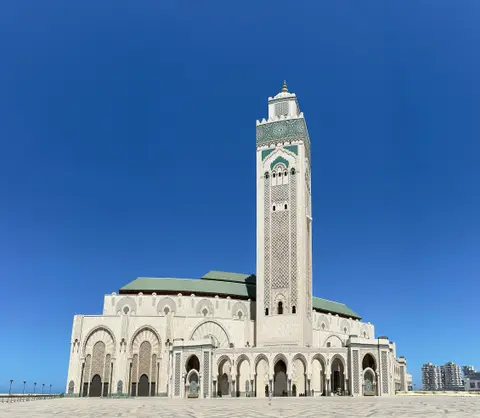
Casablanca is Morocco's largest city, a striking fusion of Berber heritage, French colonial art deco architecture, and contemporary ambition anchored by the towering Hassan II Mosque on the Atlantic shore. Visitors should not miss the Central Market's freshly grilled seafood and a half-day excursion to the imperial capital Rabat or the UNESCO-listed fortress of Aït Ben Haddou. The optimal season for cruising into Casablanca is April through June or September through November, when temperatures hover between twenty and twenty-seven degrees and the Atlantic light renders the white city at its most luminous.
Day 58
Day 58
At Sea
Day 59
Day 59
Arrecife
Arrive 07:00Depart 18:00
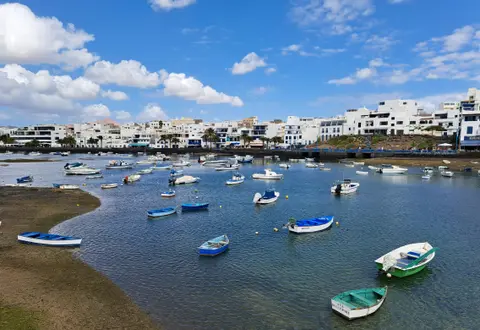
Arrecife, the unpretentious capital of Lanzarote in Spain's Canary Islands, serves as the gateway to one of the volcanic world's most surreal and spellbinding landscapes — shaped by César Manrique, the visionary artist who ensured there are no high-rises, no billboards, and no compromise between tourism and the island's extraordinary terrain. The Timanfaya National Park's lava fields, the underground lake of the Jameos del Agua, and Manrique's own clifftop home-turned-museum are among the most singular attractions in all of Spain. The Canary Islands enjoy a year-round temperate climate, making any month suitable for a visit. Gran Canaria lies forty minutes by ferry.
Day 60
Day 60
Santa Cruz de la Palma
Arrive 12:01Depart 22:00
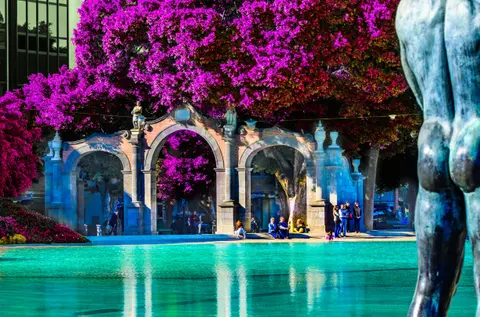
Santa Cruz de la Palma is the charming capital of La Palma, known for its colonial architecture and rich maritime history. Must-do experiences include savoring local dishes like "papas arrugadas" and exploring the stunning landscapes of Taburiente National Park. The best time to visit is during the spring and fall months when the weather is mild and perfect for outdoor adventures.
Day 61
Day 61
Santa Cruz de Tenerife
Arrive 08:00Depart 19:00
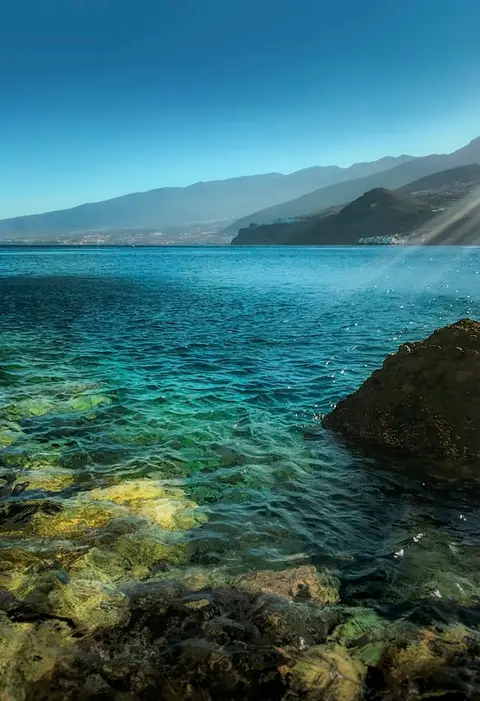
Santa Cruz de Tenerife, the cosmopolitan capital of the Canary Islands, balances volcanic grandeur with refined urban pleasures — from the Santiago Calatrava–designed Auditorio rising beside the Atlantic to the ancient dragon tree at Icod de los Vinos and the World Heritage Teide volcano looming above the island. The city's Carnival, second in scale only to Rio de Janeiro's, erupts each February in spectacular costumes and street revelry. Local wines from the volcanic slopes, wrinkled potatoes with mojo verde, and fresh Atlantic fish define the island's culinary character. November through April offers reliably warm, sun-drenched conditions.
Day 62
Day 62
Funchal

Funchal — Madeira's radiant capital, its name derived from the wild fennel that greeted Portuguese settlers in 1419 — cascades down volcanic hillsides to a deep-water harbour that has welcomed mariners and wanderers for six centuries. The Reid's Palace, opened in 1891, remains one of the Atlantic's most legendary hotels, its clifftop terraces commanding views that inspired Churchill, Shaw, and a century of distinguished guests. The city's floating flower market, levada walks through ancient laurisilva forest, and the exhilarating toboggan descent from Monte combine for days of effortless discovery. The subtropical climate makes Funchal appealing year-round, with spring particularly spectacular for wildflowers.
Day 64
Day 64
At Sea
Day 65
Day 65
Lisbon
Arrive 04:30
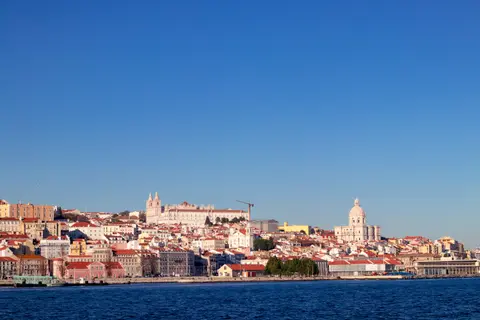
Lisbon, Portugal's enchanting capital, stands out for its rich history, stunning architecture, and vibrant culture. Must-try experiences include savoring local dishes like bacalhau à brás and pastéis de nata at Mercado da Ribeira. The best time to visit is during the spring or fall, when the weather is mild and the city is alive with festivals and events.
Day 1
Palma de Mallorca
Depart 20:00
Palma de Mallorca announces itself with one of the most spectacular Gothic cathedrals in the world — La Seu, its honey-coloured sandstone buttresses rising directly from the bay, its interior modified by Antoni Gaudí and illuminated by the world's largest Gothic rose window. The old town behind it is a quarter of Arab baths, Renaissance palaces converted into boutique hotels, and the Passeig del Born — a plane-tree-shaded promenade where Balearic life conducts itself with unhurried grace. The local ensaïmada pastry and fresh sobrasada sausage from the island's black pigs are essential breakfast rituals. Visit May, June, or September: warm, brilliant, and measurably calmer than the July–August peak.
Day 2
At Sea
Day 3
Ajaccio
Arrive 08:00Depart 18:00
Ajaccio, the vibrant capital of Corsica, enchants visitors with its rich history as Napoleon's birthplace and its stunning coastal views. Don't miss trying local delicacies like figatellu and brocciu, and explore the nearby picturesque villages. The best season to visit is during the mild spring or fall months, when the weather is pleasant and the crowds are fewer.
Day 4
Alghero
Arrive 08:00Depart 18:00
Alghero is Sardinia's Catalan jewel, a medieval walled town where bilingual street signs, fourteenth-century Aragonese fortifications, and the spectacular Neptune's Grotto sea cave create the island's most culturally distinctive coastal experience. Visit May through October via Silversea or Explora Journeys for sunset wall walks, the 656-step cliff descent to Neptune's Grotto, and lobster alla catalana served within the honey-colored ramparts of a city that bridges Barcelona and Sardinia.
Day 5
At Sea
Day 6
Messina
Arrive 08:00Depart 19:00
Messina guards the storied strait that separates Sicily from the Italian mainland — the passage Homer mythologised as Scylla and Charybdis — and its Norman cathedral's astronomical clock, one of the world's largest mechanical clocks, puts on a captivating automated display each noon as gilded figures enact scenes of the Resurrection. The city was catastrophically rebuilt after the 1908 earthquake, but its markets and waterfront convey the fierce energy of a Sicilian port that has witnessed two and a half millennia of Mediterranean history. Messina is the perfect gateway to Taormina, a 40-minute drive into the hills above the Ionian coast, with views of Etna at their most dramatic. Spring and autumn are ideal.
Day 7
At Sea
Day 8
Dubrovnik
Arrive 07:00
Dubrovnik, Croatia's stunning port city, is a blend of rich history, dramatic architecture, and vibrant culture, making it a must-visit destination. Don't miss a stroll along the city walls for breathtaking views and savor local dishes like "peka" and "black risotto." The best time to visit is in late spring or early fall when the weather is pleasant and the crowds are thinner.
Day 9
Korcula
Arrive 08:00
Korčula is a magnificently preserved medieval island town on Croatia's Dalmatian coast, renowned as the legendary birthplace of Marco Polo and celebrated for its Venetian herringbone streets, exceptional white wines like Grk and Pošip, and centuries-old culinary traditions including slow-braised pašticada and fresh Adriatic seafood. Visitors should explore the fortified old town's limestone calles at golden hour and taste the island's rare vintages in a harbourside konoba. The best months to visit are May through early October, with late September offering warm seas, golden light, and blissful absence of peak-season crowds.
Day 10
Trogir
Arrive 08:00Depart 17:00
Trogir is a UNESCO-listed medieval island town on the Dalmatian coast, where a Greek-founded settlement of over 2,300 years has accumulated masterpieces of Romanesque, Gothic, and Renaissance architecture in an extraordinarily compact space. Visit from May through September for the finest Adriatic light, Radovan's magnificent cathedral portal, and waterfront dining in one of Europe's most perfectly preserved historic towns.
Day 11
Trieste
Arrive 08:00
Trieste, a historic port city in Italy, is renowned for its rich cultural tapestry and stunning architectural heritage. Must-do experiences include sampling local delicacies like ćevapi and sachertorte, and exploring the vibrant Mercato Coperto. The best time to visit is during the spring and early autumn, when the weather is pleasant and the city is alive with activity.
Day 12
Piran
Arrive 08:00Depart 19:00
Piran is Slovenia's Venetian masterpiece — a medieval peninsula town where Tartini Square's Gothic facades, hilltop cathedral panoramas, and traditional salt-pan harvesting create the Adriatic's most concentrated Mediterranean charm. Visit June via Windstar or Emerald Yacht Cruises for the Venetian town Slovenia has preserved more perfectly than most of Italy.
Day 13
Venice
Arrive 05:00
Venice, a historic port city, captivates with its unique canals and rich cultural heritage. Must-do experiences include visiting the iconic Basilica di San Marco and indulging in local delicacies like risotto al nero di seppia. The best time to visit is during the mild, vibrant spring months when the city comes alive with festivals and outdoor activities.
Day 15
Split
Arrive 07:00Depart 17:00
Split, Croatia's vibrant port city, is a unique blend of ancient history and modern life, centered around the remarkable Diocletian's Palace. Must-do experiences include savoring local dishes like pašticada and exploring the bustling markets. The best time to visit is during the spring and early fall, when the weather is pleasant and the tourist crowds are more manageable.
Day 16
Monopoli
Arrive 08:00Depart 19:00
Monopoli is a 2,500-year-old whitewashed port town on Puglia's Adriatic coast, where 20 churches fill a medieval labyrinth above tiny swimming coves of crystalline water. Must-dos include the morning fish market at the old port, tasting burrata and crudo at harbour-side restaurants, and swimming at the hidden calette beaches. Visit June or September for warm seas and luminous Puglian light.
Day 17
Kotor
Arrive 08:00Depart 17:00
The port of Kotor, a UNESCO World Heritage site, is renowned for its stunning natural beauty and rich historical tapestry. A must-do experience includes wandering the cobblestone streets of the Old Town, where culinary delights like "kacamak" and fresh seafood await. The best time to visit is during the spring or early fall, when the weather is pleasant and the crowds are fewer.
Day 18
Corfu
Arrive 08:00Depart 18:00
Where Homer placed the island of the Phaeacians and four centuries of Venetian rule left their most enduring Mediterranean legacy, Corfu is a singular island of extraordinary historical depth and natural beauty. The UNESCO-listed Old Town — its narrow Kantounia alleyways, the elegant Liston arcade, and twin Venetian fortresses — is the finest preserved Venetian streetscape in Greece. Beyond the town, secret coves, olive groves of immense antiquity, and mountain villages offer weeks of unhurried discovery. May through June and September offer perfect conditions: warm sea temperatures, clear skies, and the island before or after its summer crescendo.
Day 19
Katakolon
Arrive 13:00Depart 19:00
Katakolon is the unassuming port that holds an extraordinary secret: just fourteen kilometres inland lies ancient Olympia, birthplace of the Olympic Games and one of the most sacred sites in the ancient world. The Archaeological Museum of Olympia — housing the breathtaking sculptures from the Temple of Zeus — ranks among Greece's finest, while walking the original stadium still sends a current of wonder through even the most seasoned traveller. The village itself charms with whitewashed tavernas and a relaxed pace that feels authentically Greek. Katakolon is best visited April through October; late spring and early autumn offer ideal temperatures for the Olympia excursion.
Day 20
At Sea
Day 21
Heraklion (Iraklion)
Arrive 07:00Depart 23:00
Heraklion, the capital of Crete, is a historic port city rich in Minoan heritage and Venetian architecture, making it an essential stop for cruise travelers. Must-do experiences include exploring the Palace of Knossos and indulging in local dishes like moussaka and dakos. The best season to visit is during the spring and early fall when the weather is mild and the local festivals are in full swing.
Day 22
Santorini
Arrive 08:00Depart 17:00
Santorini, the ancient volcanic caldera rising from the Aegean, is Greece's most theatrical landscape — a crescentic island of sheer white cliffs plunging into an indigo sea, its clifftop villages of Fira and Oia draped in bougainvillea and culminating in the world's most photographed sunset. The island's unique Assyrtiko wine, grown on ancient ungrafted vines in volcanic pumice, is one of the Mediterranean's greatest expressions of terroir. Byzantine frescoes of extraordinary beauty fill the Prehistoric Museum of Thera. The volcanic black and red sand beaches of Perissa and Perivolos are unlike any others in Greece. April through June and September through October offer the finest conditions.
Day 23
Athens (Piraeus)
Arrive 08:00Depart 23:00
Piraeus, the bustling port city of Athens, is a vibrant blend of ancient history and modern charm, inviting travelers to explore its rich culture. Must-do experiences include savoring traditional Greek dishes at the Varvakeios Agora and embarking on day trips to nearby islands like Symi and Nydri. The best time to visit is during the spring and fall when the weather is pleasant and the tourist crowds are fewer.
Day 24
Nafplion
Arrive 13:00Depart 23:00
Nafplion, the first capital of modern Greece, is a refined Peloponnesian port town where Venetian architecture, Byzantine churches, and neoclassical elegance converge along one of the Mediterranean's most beautiful waterfronts. Climb the 999 steps to the Palamidi Fortress for commanding views of the Argolic Gulf, then descend for an afternoon tasting Agiorgitiko wines in the nearby Nemean valley. The best months to visit are April through June and September through October, when mild temperatures and fewer crowds allow the town's intimate charm to shine.
Day 25
Mykonos
Arrive 12:01
Mykonos is the Aegean at its most seductive — a labyrinth of bougainvillea-draped whitewashed alleys designed to disorient pirates (and occasionally visitors) leading to Kástro, the medieval hilltop quarter overlooking Little Venice, where balconied houses hang directly above the sea. The island's famous windmills, perched on a ridge above the old harbour, are best photographed at golden hour as pelicans patrol the waterfront below. Visit the sacred archaeological island of Delos — a 30-minute boat crossing — for one of the most significant ancient sites in the Greek world. May, June, and September offer the perfect balance of warmth, light, and bearable crowds.
Day 26
Delos
Arrive 13:30Depart 19:00
Delos is the sacred birthplace of Apollo and one of the Mediterranean's most significant archaeological sites, where an entire ancient Greek city of temples, theatres, and merchant houses survives on a tiny Cycladic island. Must-see experiences include the Terrace of the Lions, the mosaic floors of the merchant quarter, and the panoramic view from Mount Kynthos. April through October is the visiting season, with spring and autumn most comfortable for exploration.
Day 27
Kusadasi
Arrive 08:00Depart 18:00
Kuşadası owes its place on the world's cruise itineraries to one extraordinary proximity: the ancient city of Ephesus, one of the greatest metropolises of the Greco-Roman world, lies just seventeen kilometres from the port. Ephesus — with its two-kilometre marble colonnade, the Library of Celsus, and the Temple of Artemis (one of the Seven Wonders of the Ancient World) — demands at least half a day of unhurried exploration. The House of the Virgin Mary, a pilgrimage site believed to be where Mary spent her final years, adds a profound spiritual dimension. Kuşadası itself is a lively Aegean resort; the season runs April through October, with May and September offering ideal temperatures and smaller crowds.
Day 28
Bozcaada/Turkey
Arrive 08:00Depart 18:00
Day 29
Istanbul
Arrive 13:00
For more than fifteen centuries, Istanbul has been the pivot upon which empires turned — Byzantium, Constantinople, the Ottoman capital — and nowhere else on earth compresses so much history into a single horizon. The Hagia Sophia, the Blue Mosque, and the Topkapi Palace form an incomparable trinity of architectural genius along the Golden Horn; the Grand Bazaar's four thousand shops offer a sensory immersion unlike any other marketplace. Must-dos include a Bosphorus sunset cruise and a meal of mezze along the waterfront at Karaköy. Spring (April–May) and autumn (September–October) offer the most gracious climate for this inexhaustible city.
Day 31
Istanbul
Depart 20:00
For more than fifteen centuries, Istanbul has been the pivot upon which empires turned — Byzantium, Constantinople, the Ottoman capital — and nowhere else on earth compresses so much history into a single horizon. The Hagia Sophia, the Blue Mosque, and the Topkapi Palace form an incomparable trinity of architectural genius along the Golden Horn; the Grand Bazaar's four thousand shops offer a sensory immersion unlike any other marketplace. Must-dos include a Bosphorus sunset cruise and a meal of mezze along the waterfront at Karaköy. Spring (April–May) and autumn (September–October) offer the most gracious climate for this inexhaustible city.
Day 32
Kavala
Arrive 08:00Depart 17:00
Kavala, Greece is a compelling Mediterranean port in Greece where centuries of history, vibrant local cuisine, and luminous coastal scenery converge. Visitors should explore the historic quarters on foot and surrender to the local dining culture, where fresh seafood and regional wines provide a masterclass in Mediterranean living. Best visited May through October, when the climate is at its most welcoming for outdoor exploration. Cruise lines including Celebrity Cruises feature this port on their most compelling itineraries. Whether you have a few hours or a full day, the port rewards exploration at every pace and in every direction.
Day 33
Volos
Arrive 07:00Depart 19:00
Volos is a Greek port city at the foot of mythical Mount Pelion, where Jason launched the Argonauts, famous for its unique tsipouro taverna culture where endless meze plates accompany rounds of grape spirit. Must-dos include a tsipouradiko session on the waterfront, exploring Pelion's stone-built mountain villages, and the narrow-gauge Pelion train. April through October is ideal, with June and September best for combining beach and mountain.
Day 34
At Sea
Day 35
Athens (Piraeus)
Arrive 05:00Depart 20:00
Piraeus, the bustling port city of Athens, is a vibrant blend of ancient history and modern charm, inviting travelers to explore its rich culture. Must-do experiences include savoring traditional Greek dishes at the Varvakeios Agora and embarking on day trips to nearby islands like Symi and Nydri. The best time to visit is during the spring and fall when the weather is pleasant and the tourist crowds are fewer.
Day 36
At Sea
Day 37
Valletta
Arrive 12:01Depart 19:00
Valletta, the golden fortress capital of Malta, was hewn from a limestone peninsula in defiant haste after the Knights of Saint John — warrior monks of extraordinary valor — repulsed an overwhelming Ottoman assault in 1565. Its grid of steep baroque streets is dense with Caravaggio masterworks in the Co-Cathedral of St. John, shaded piazzas alive with café society, and bastions commanding breathtaking views over the Grand Harbour's legendary twin forts. The mild Mediterranean climate welcomes visitors year-round, though spring and autumn offer the most pleasurable temperatures for unhurried exploration of this compact UNESCO World Heritage capital.
Day 38
Syracuse
Arrive 08:00Depart 23:00
Syracuse (Siracusa) is one of the ancient world's greatest cities, featuring the island quarter of Ortigia—a baroque masterpiece built over Greek temple ruins—and an archaeological park with a fifth-century BC theatre still hosting summer performances. Must-dos include Ortigia's cathedral with its embedded Greek columns, the morning market, and tasting pasta with sea urchin. April through June and September through November offer ideal temperatures.
Day 39
At Sea
Day 40
Civitavecchia
Arrive 07:00Depart 20:00
Rome's ancient maritime gateway since the Emperor Trajan commissioned its harbour in 106 AD, Civitavecchia is the natural prologue to the Eternal City — just seventy minutes southeast by express rail. The port's Renaissance fortress, designed in part by Michelangelo, anchors a working waterfront that has welcomed travellers for millennia. Beyond Rome's unmissable monuments, consider an afternoon in the Civitavecchia thermal baths, drawing on mineral waters prized since antiquity. Spring and autumn offer the ideal balance of mild weather and manageable crowds for exploring the capital's layered history.
Day 41
Livorno
Arrive 08:00Depart 19:00
Purpose-built as a Medici utopia in the late sixteenth century, Livorno was conceived from the outset as a city without discrimination — its founding Leggi Livornine granted equal rights to Jews, Christians, Muslims, and merchants of every nation, making it one of the most cosmopolitan cities in Renaissance Europe. Today, the Venetian-style canals of the Venezia Nuova quarter reflect colourful palazzi with a distinctly faded glamour, while the Mercato Centrale's fish counters display the cacciucco ingredients — a robust Livornese brodetto of five sea creatures — that make this port city a pilgrimage for serious eaters. Day trips to Pisa and Lucca are effortless from here. The season runs April through October.
Day 42
Nice
Arrive 08:00Depart 19:00
The port of Nice is a vibrant gateway to the French Riviera, offering a rich tapestry of history, stunning architecture, and delectable local cuisine. Must-do experiences include savoring local specialties at the bustling Cours Saleya Market and exploring the charming streets of Vieux Nice. The best time to visit is during the spring and early fall when the weather is mild and the city is alive with cultural festivities.
Day 43
Marseille
Arrive 08:00Depart 19:00
Founded by Greek sailors in 600 BC, Marseille is France's oldest and most viscerally alive city — a Mediterranean port where the catch is still sold from fishing boat decks at the Vieux-Port each morning beneath the golden Madonna of Notre-Dame de la Garde, gleaming on her basilica above the city. The bouillabaisse served at harbourside institutions such as Chez Fonfon is not merely a dish but a rite, its saffron-stained broth tying Marseille to its Hellenic roots. Explore the dramatic Calanques national park, a coastal labyrinth of turquoise coves just south of the city. Spring and autumn are the finest seasons.
Day 44
At Sea
Day 45
Palma de Mallorca
Arrive 05:00Depart 20:00
Palma de Mallorca announces itself with one of the most spectacular Gothic cathedrals in the world — La Seu, its honey-coloured sandstone buttresses rising directly from the bay, its interior modified by Antoni Gaudí and illuminated by the world's largest Gothic rose window. The old town behind it is a quarter of Arab baths, Renaissance palaces converted into boutique hotels, and the Passeig del Born — a plane-tree-shaded promenade where Balearic life conducts itself with unhurried grace. The local ensaïmada pastry and fresh sobrasada sausage from the island's black pigs are essential breakfast rituals. Visit May, June, or September: warm, brilliant, and measurably calmer than the July–August peak.
Day 46
Barcelona
Arrive 13:00
Barcelona is the city where Roman history, Gothic grandeur, and Gaudí's delirious Modernisme collide in a Mediterranean coastal capital of astonishing energy and beauty. The Sagrada Família — still under construction after 140 years — continues its audacious ascent toward completion, while the Gothic Quarter's Roman-era foundations and the Passeig de Gràcia's extraordinary concentration of Modernisme masterpieces reward days of exploration. For a complete sensory experience, lose an afternoon in the covered labyrinth of La Boqueria market before descending to the waterfront for Catalan seafood at its finest. May through June and September through October offer the most pleasant weather; the city connects directly to Paris by overnight train.
Day 48
Valencia
Arrive 08:00Depart 17:00
Valencia, Spain's luminous third city, dazzles with a creative energy anchored by two thousand years of layered civilization — Roman foundations, Moorish irrigation gardens, a Gothic cathedral housing what many believe to be the Holy Grail, and Santiago Calatrava's futuristic City of Arts and Sciences gleaming beside a park-filled riverbed. The city invented paella over an open fire of orange-wood in the surrounding huerta, and the Las Fallas festival each March — when neighborhoods compete to erect and then ceremonially burn towering satirical sculptures — is one of Europe's most spectacular celebrations. Valencia's Mediterranean climate makes it exceptional year-round.
Day 49
At Sea
Day 50
Gibraltar
Arrive 07:00Depart 15:00
Gibraltar is a British Overseas Territory perched at the southern tip of the Iberian Peninsula, where the Mediterranean meets the Atlantic beneath an iconic limestone monolith steeped in over a millennium of contested history. No visit is complete without ascending the Rock to encounter the Barbary macaques and the panoramic views stretching to North Africa, followed by a plate of calentita — the territory's beloved Genoese-heritage chickpea bake — at a Main Street bakery. The mild Mediterranean climate makes Gibraltar a rewarding port call year-round, though spring and early autumn offer the clearest skies for spotting whales and dolphins in the Strait.
Day 51
Lisbon
Arrive 16:00
Lisbon, Portugal's enchanting capital, stands out for its rich history, stunning architecture, and vibrant culture. Must-try experiences include savoring local dishes like bacalhau à brás and pastéis de nata at Mercado da Ribeira. The best time to visit is during the spring or fall, when the weather is mild and the city is alive with festivals and events.
Day 53
Portimao
Arrive 08:00Depart 17:00
Portimão is the Algarve's most storied port city, where Phoenician trading heritage meets golden-cliff beaches and Portugal's finest grilled sardine tradition along the Arade River. Visitors should not miss the charcoal-grilled sardines at the riverside churrasqueiras and the dramatic sandstone formations of Praia da Rocha. The port is at its luminous best from May through October, when long Atlantic days bathe the coastline in honeyed light and the August Sardine Festival electrifies the waterfront.
Day 54
Cadiz
Arrive 07:00Depart 17:00
Cádiz, founded by Phoenician traders around 1100 BC and a strong contender for the oldest continuously inhabited city in Western Europe, juts into the Atlantic on a narrow peninsula where honey-colored ramparts frame improbable views of open ocean and the sun sets directly into the sea. The old quarter is an intoxicating labyrinth of baroque churches, hidden plazas, and carnival spirit — Cádiz's annual February carnival is the wildest and most satirically sharp in Spain — while the tapas culture here, centered on fresh Atlantic seafood cooked with Andalusian simplicity, represents Spanish cuisine at its most elemental and joyful. Visit February for carnival or spring for gentle Atlantic breezes. Seville is ninety minutes inland by bus or rail.
Day 55
Malaga
Arrive 06:00Depart 20:00
Málaga distils three thousand years of Mediterranean civilisation into one of Andalusia's most compelling port cities, where the Moorish Alcazaba fortress surveys a modern waterfront of elegant promenades and sun-drenched café terraces. Do not leave without visiting the Museo Picasso — the artist was born here in 1881 — and ascending to the ruined Castillo de Gibralfaro for panoramic views stretching to the Rif Mountains of Morocco on clear days. Malagueta anchovies fried in olive oil and the sweet Pedro Ximénez-laced dessert wine are the city's defining pleasures. The shoulder seasons of April, May, and October offer perfect Mediterranean warmth.
Day 56
Tangier
Arrive 07:00Depart 14:00
Tangier is Morocco's storied gateway between Africa and Europe, a city of Phoenician origins where a whitewashed medina, vibrant souks, and a cosmopolitan waterfront converge at the Strait of Gibraltar. Visitors should not miss savouring traditional pastilla in a rooftop riad and exploring the Kasbah's amber-lit ramparts at sunset. The ideal season to arrive is April through June or September through October, when mild Mediterranean temperatures and fewer crowds allow the city's layered beauty to reveal itself at an unhurried, luxurious pace.
Day 57
Casablanca
Arrive 07:00Depart 21:00
Casablanca is Morocco's largest city, a striking fusion of Berber heritage, French colonial art deco architecture, and contemporary ambition anchored by the towering Hassan II Mosque on the Atlantic shore. Visitors should not miss the Central Market's freshly grilled seafood and a half-day excursion to the imperial capital Rabat or the UNESCO-listed fortress of Aït Ben Haddou. The optimal season for cruising into Casablanca is April through June or September through November, when temperatures hover between twenty and twenty-seven degrees and the Atlantic light renders the white city at its most luminous.
Day 58
At Sea
Day 59
Arrecife
Arrive 07:00Depart 18:00
Arrecife, the unpretentious capital of Lanzarote in Spain's Canary Islands, serves as the gateway to one of the volcanic world's most surreal and spellbinding landscapes — shaped by César Manrique, the visionary artist who ensured there are no high-rises, no billboards, and no compromise between tourism and the island's extraordinary terrain. The Timanfaya National Park's lava fields, the underground lake of the Jameos del Agua, and Manrique's own clifftop home-turned-museum are among the most singular attractions in all of Spain. The Canary Islands enjoy a year-round temperate climate, making any month suitable for a visit. Gran Canaria lies forty minutes by ferry.
Day 60
Santa Cruz de la Palma
Arrive 12:01Depart 22:00
Santa Cruz de la Palma is the charming capital of La Palma, known for its colonial architecture and rich maritime history. Must-do experiences include savoring local dishes like "papas arrugadas" and exploring the stunning landscapes of Taburiente National Park. The best time to visit is during the spring and fall months when the weather is mild and perfect for outdoor adventures.
Day 61
Santa Cruz de Tenerife
Arrive 08:00Depart 19:00
Santa Cruz de Tenerife, the cosmopolitan capital of the Canary Islands, balances volcanic grandeur with refined urban pleasures — from the Santiago Calatrava–designed Auditorio rising beside the Atlantic to the ancient dragon tree at Icod de los Vinos and the World Heritage Teide volcano looming above the island. The city's Carnival, second in scale only to Rio de Janeiro's, erupts each February in spectacular costumes and street revelry. Local wines from the volcanic slopes, wrinkled potatoes with mojo verde, and fresh Atlantic fish define the island's culinary character. November through April offers reliably warm, sun-drenched conditions.
Day 62
Funchal
Funchal — Madeira's radiant capital, its name derived from the wild fennel that greeted Portuguese settlers in 1419 — cascades down volcanic hillsides to a deep-water harbour that has welcomed mariners and wanderers for six centuries. The Reid's Palace, opened in 1891, remains one of the Atlantic's most legendary hotels, its clifftop terraces commanding views that inspired Churchill, Shaw, and a century of distinguished guests. The city's floating flower market, levada walks through ancient laurisilva forest, and the exhilarating toboggan descent from Monte combine for days of effortless discovery. The subtropical climate makes Funchal appealing year-round, with spring particularly spectacular for wildflowers.
Day 64
At Sea
Day 65
Lisbon
Arrive 04:30
Lisbon, Portugal's enchanting capital, stands out for its rich history, stunning architecture, and vibrant culture. Must-try experiences include savoring local dishes like bacalhau à brás and pastéis de nata at Mercado da Ribeira. The best time to visit is during the spring or fall, when the weather is mild and the city is alive with festivals and events.
Cabin Categories
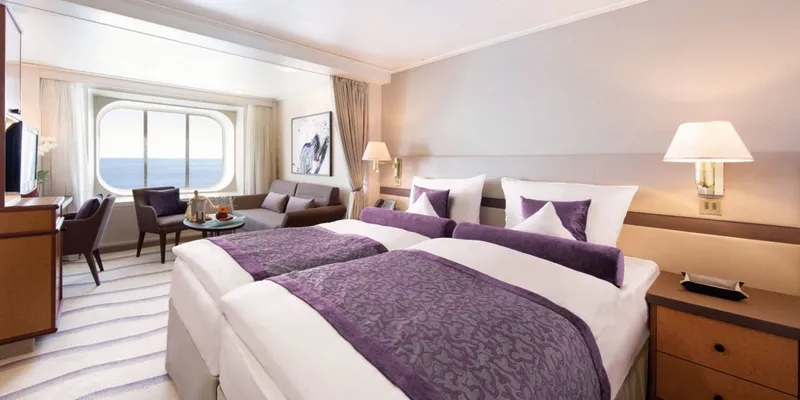
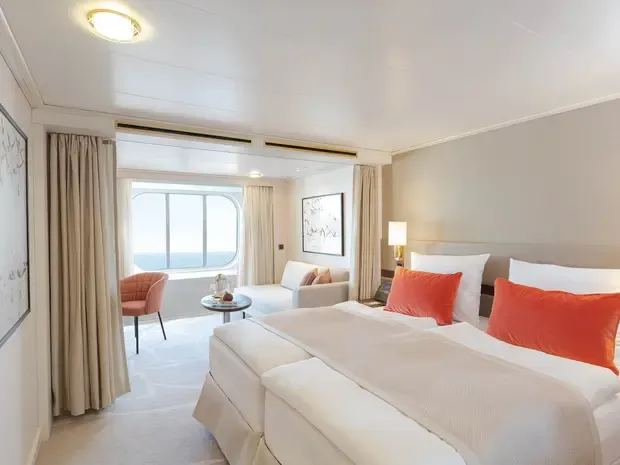
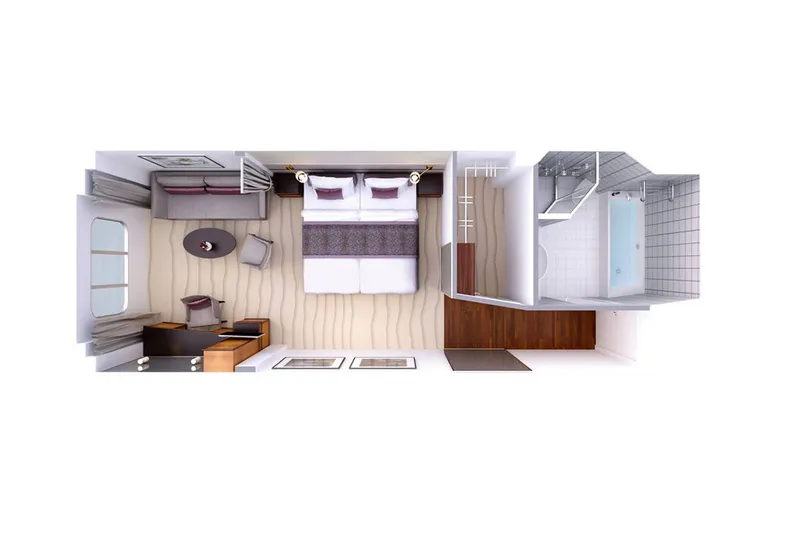
Guarantee Suite
Suite
291 m²Max 2
S01S02S03S04S05S06S07S08S10SSUSSVSV4SV6SVE
Guarantee Veranda Suite
BathDouble or Twin ConfigurationShowerRoom Service AvailableFree Mini BarTV+5
View Details
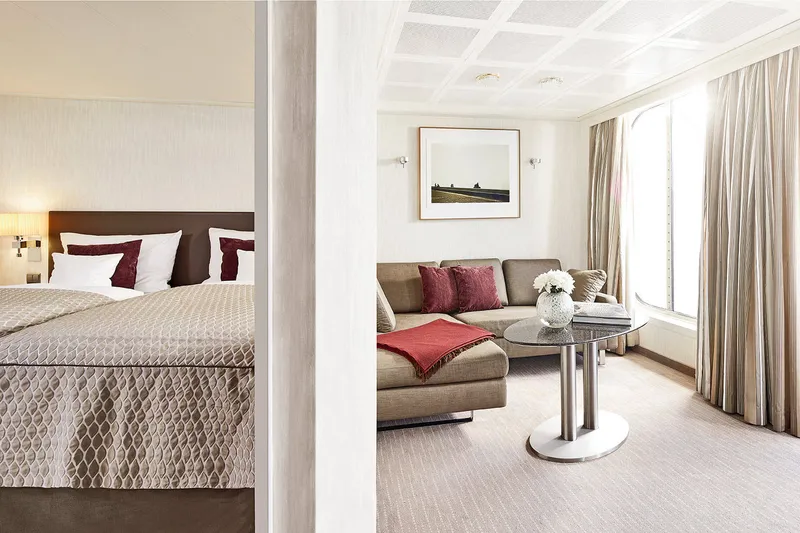
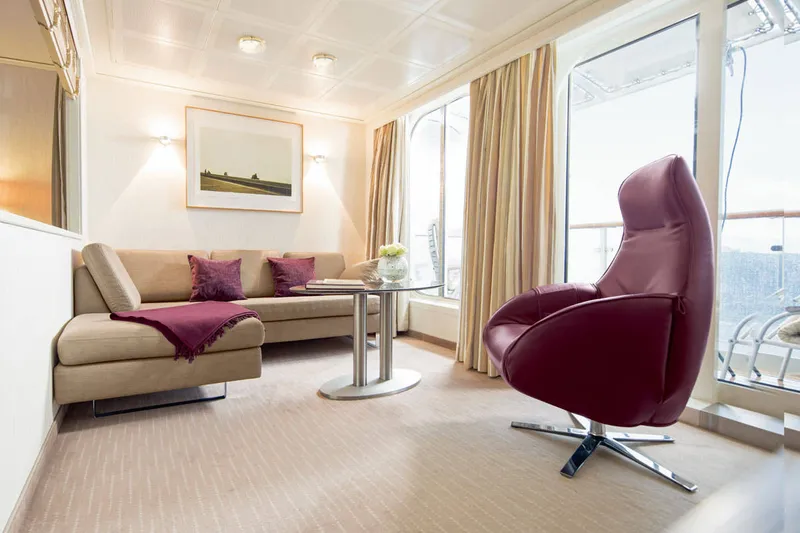
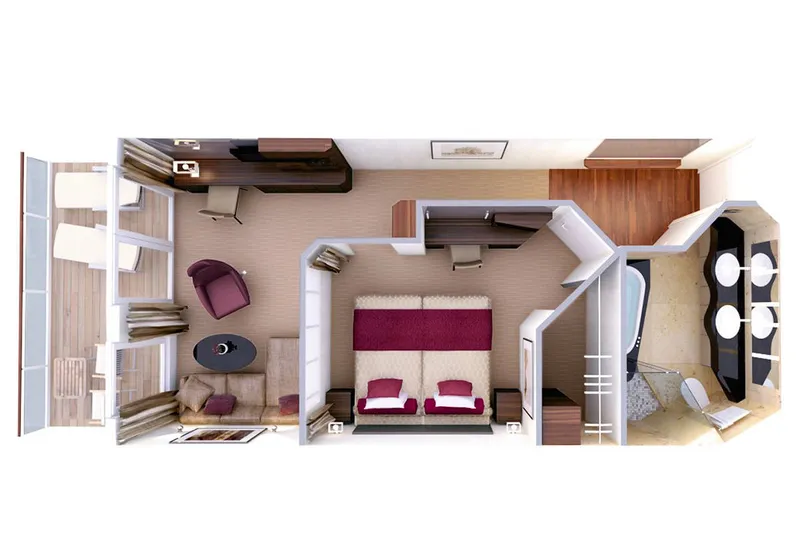
Penthouse Deluxe Suite
Suite
484 m²Max 3
08
Max passengers: 4
Staterooms number:
Cabin size: 485 ft2 / 45 m2
Balcony size: included
Location (on decks): 10-Penthouse
Type (categories): (K08) Penthouse Deluxe Suite
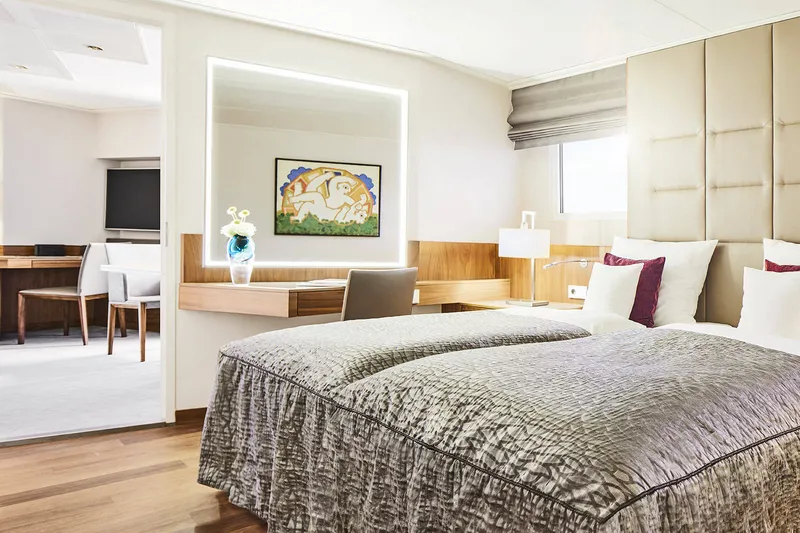
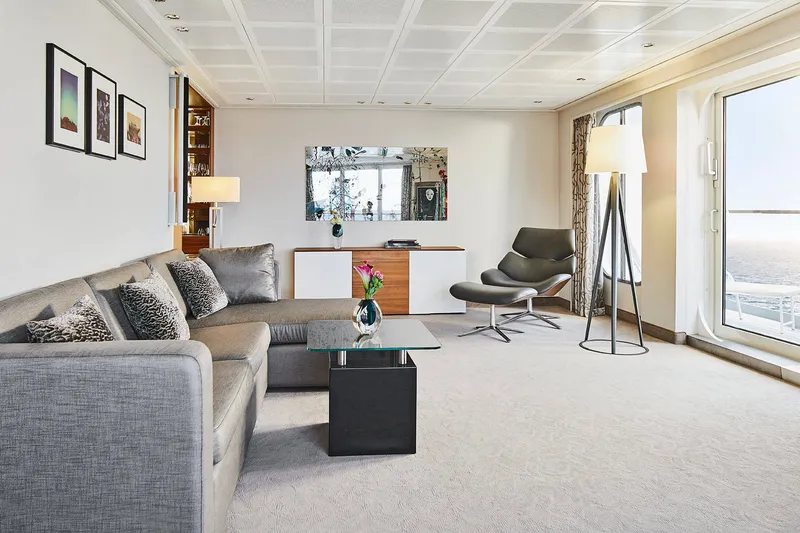
Each Penthouse Deluxe Suite has step-out balcony (furnished with 2 padded loungers, low table, 2 deckchairs), 24-hour butler service (packing / unpacking, laundry, ironing, onboard reservations), daily in-cabin dining (fresh canapes, chocolates), Nespresso coffee maker, separate bedroom, bathroom (floor heating, 2 sinks, shower, whirlpool bath), walk-in closet, free minibar (re-stocked daily with bottled water, juices, soft drinks, beer, premium spirits).
Double or Twin ConfigurationLounge AreaShowerFree Mini BarTVFree Wi-Fi+5
US$77,891 /person+ US$0 taxes & fees
Penthouse Grand Suite
Suite
915 m²Max 4
09
Max passengers: 4
Staterooms number: 2
Cabin size: 915 ft2 / 85 m2
Balcony size: included
Location (on decks): forward on deck 10-Penthouse
Type (categories): (K09) Penthouse Grand Suite
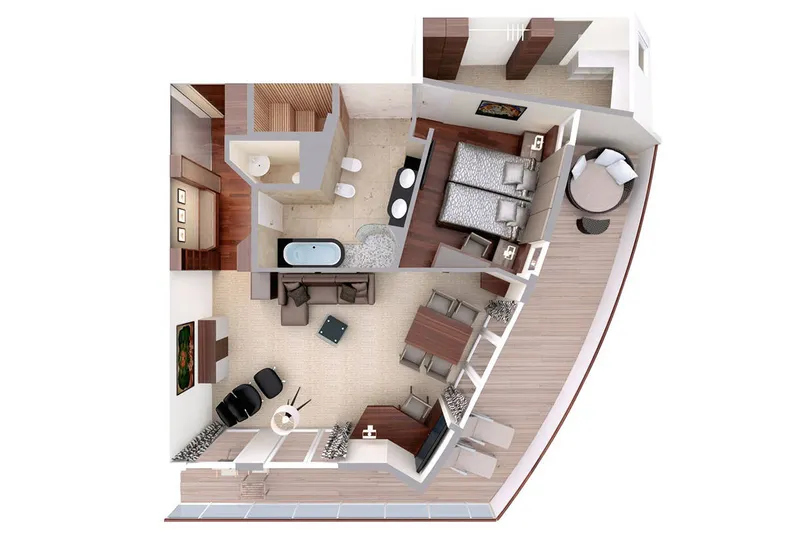
Each of the fore-located Penthouse Grand Suites has wrap-around, partly covered balcony and offers as bonus perks 24-hour butler service (packing / unpacking, laundry, ironing, onboard reservations), free Internet, free ironing service, daily in-cabin dining (canapes, pralines), Nespresso coffee maker, separate bedroom, 6-seat dining table, bathroom (walk-in shower, Jacuzzi whirlpool, sauna), guest bathroom, large walk-in wardrobe, Bang und Olufsen audio system, free minibar (re-stocked daily with bottled water, juices, soft drinks, beer, premium spirits), luxury balcony furniture (DEDON daybed / sonneninsel, cushioned loungers).
Double or Twin ConfigurationLounge AreaWhirlpool BathRoom Service AvailableFree Mini BarButler Service+7
View Details
Spa Suite
Suite
291 m²Max 2
10
Max passengers: 3
Staterooms number:
Cabin size: 290 ft2 / 27 m2
Balcony size: included
Location (on decks): 7-Sport
Type (categories): (K10) Spa Suite
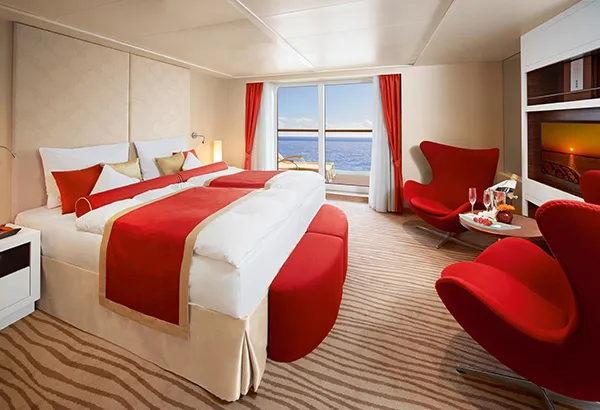
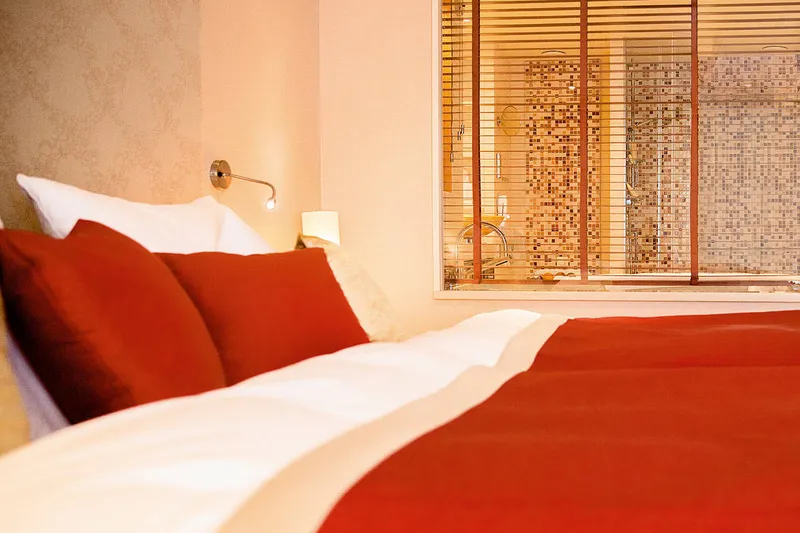
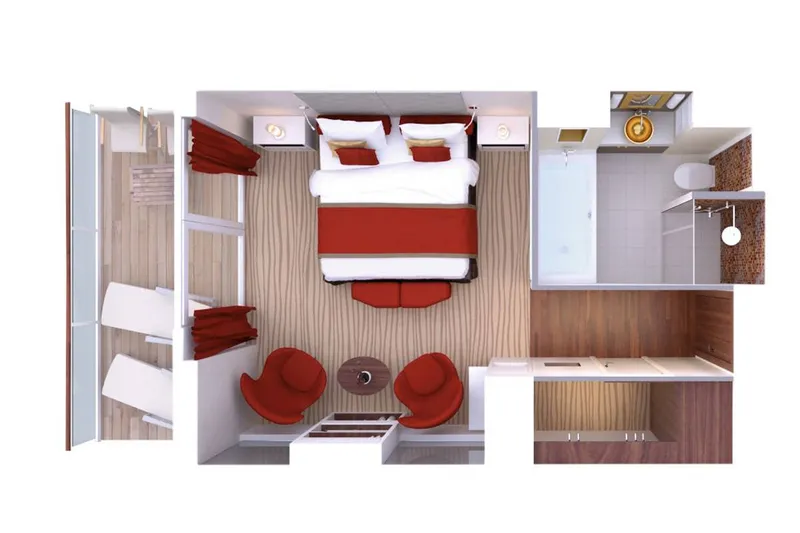
SPA Suite passengers receive 24-hour butler service (packing / unpacking, laundry, ironing, onboard reservations), SPA package, cabin balcony treatments (on request), SPA service privileges (nutritional advice), SPA drinks (smoothies, fresh fruit juices, wellness tea), daily in-cabin dining (fresh canapes, chocolates), Nespresso coffee maker, bathroom with large window (natural light and sea view, blinds between bathroom-living area), Jacuzzi whirlpool bath, emotional shower (color effects and sequences of alternating water jets), walk-in closet, free minibar (re-stocked daily with bottled water, juices, soft drinks, beer, premium spirits).
Double or Twin ConfigurationWhirlpool BathRoom Service AvailableFree Mini BarTVFree Wi-Fi+5
View Details
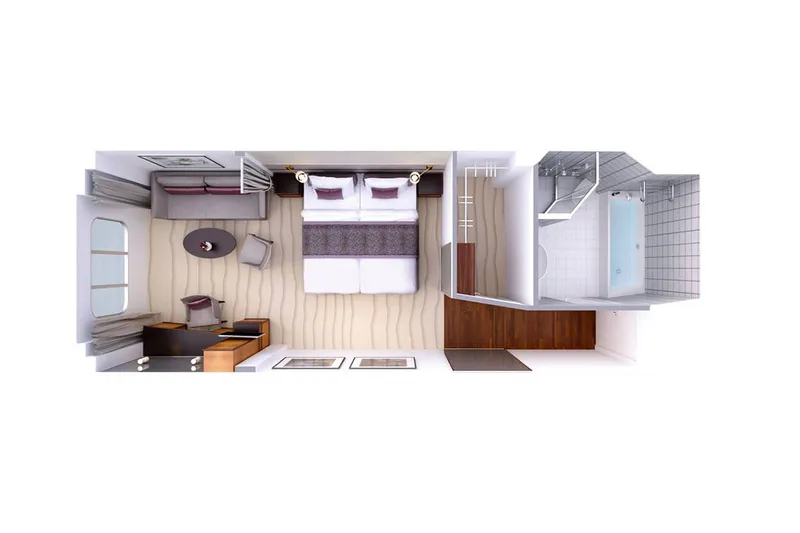
Suite
Suite
915 m²Max 4
010203
Max passengers: 2
Staterooms number:
Cabin size: 290 ft2 / 27 m2
Balcony size: none
Location (on decks): 5-Pazifik, 6-Atlantik, 7-Sport
Type (categories): (E01, E02, E03) Single Suite with Window
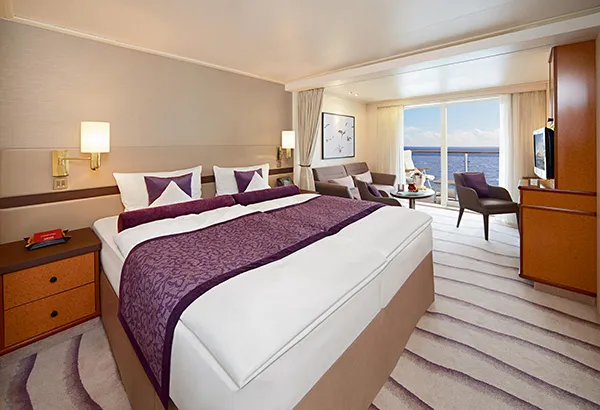
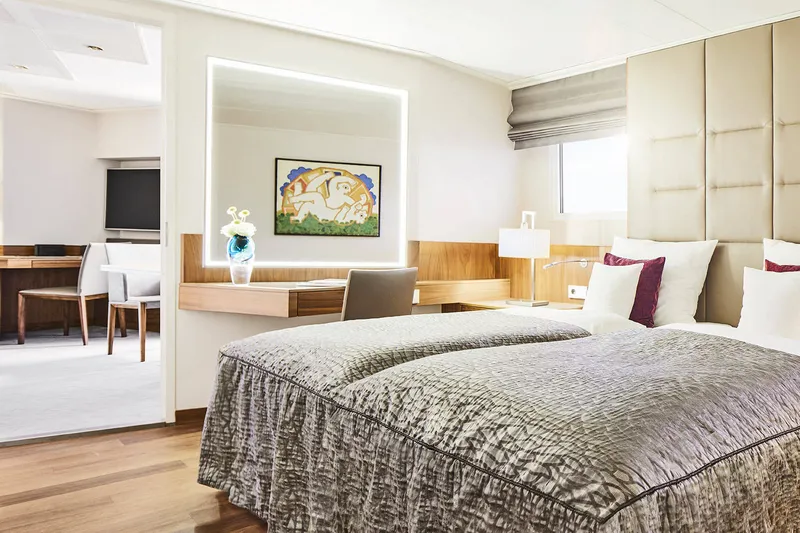
Veranda Suite offers 24-hour room service, curtain divider (between living-sleeping areas), en-suite bathroom (WC, shower, bathtub), walk-in closet, free minibar (re-stocked daily with bottled water, juices, soft drinks, beer). Instead of step-out balcony, Single Suites have large rounded window.
Double or Twin ConfigurationLounge AreaWhirlpool BathRoom Service AvailableFree Mini BarButler Service+7
View Details
Veranda Suite
Suite
291 m²Max 2
04050607
Max passengers: 4
Staterooms number:
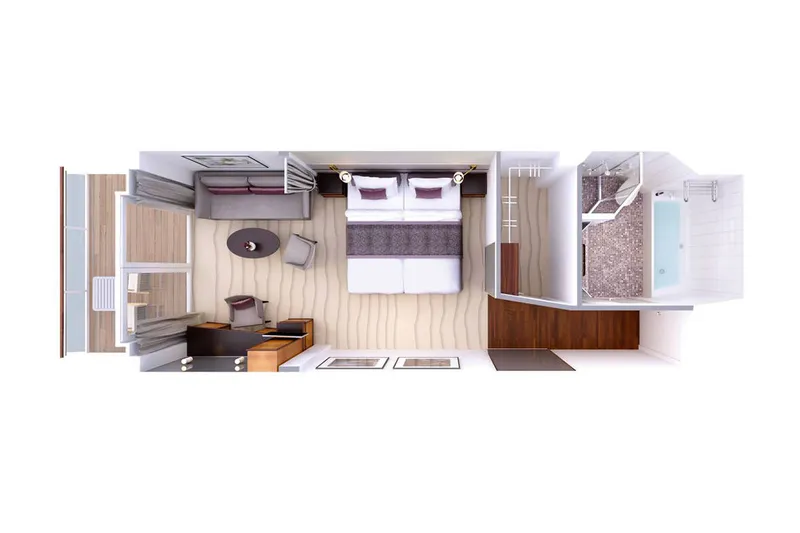
Cabin size: 290 ft2 / 27 m2
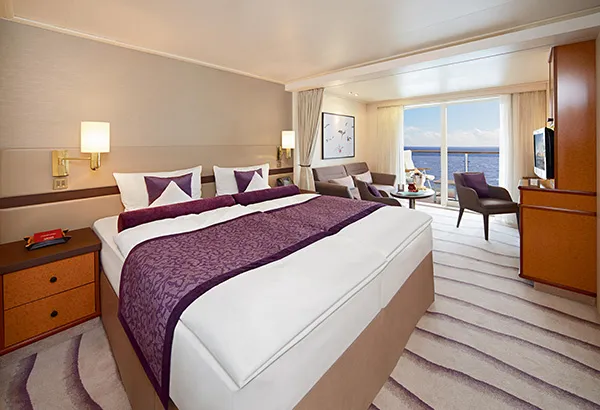
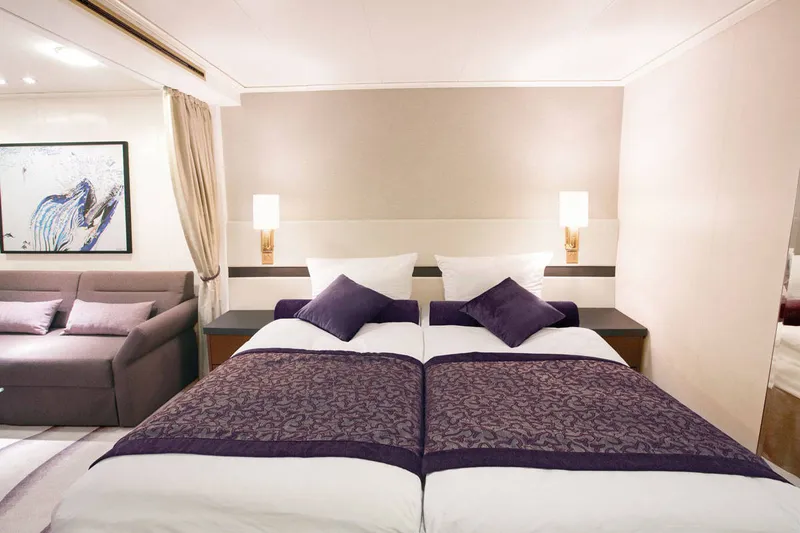
Balcony size: included
Location (on decks): 5-Pazifik, 6-Atlantik, 7-Sport, 9-Bellevue
Type (categories): (E04, E05, E06, E07) Veranda Suite
Veranda Suite offers 24-hour room service, step-out balcony (furnished with 2 padded deckchairs, 1 table), curtain divider (between living-sleeping areas), en-suite bathroom (WC, shower, bathtub), walk-in closet, free minibar (re-stocked daily with bottled water, juices, soft drinks, beer). Veranda Suite category also offers wheelchair-accessible (handicapped) and connecting cabins.
BathDouble or Twin ConfigurationShowerFree Mini BarTVCoffee Machine+4
US$33,495 /person+ US$0 taxes & fees
Interested in This Voyage?
Our cruise specialists can help you find the perfect cabin and the best available pricing.
(+886) 02-2721-7300Contact Advisor